Why Custom Retail Beanies Work at the Register
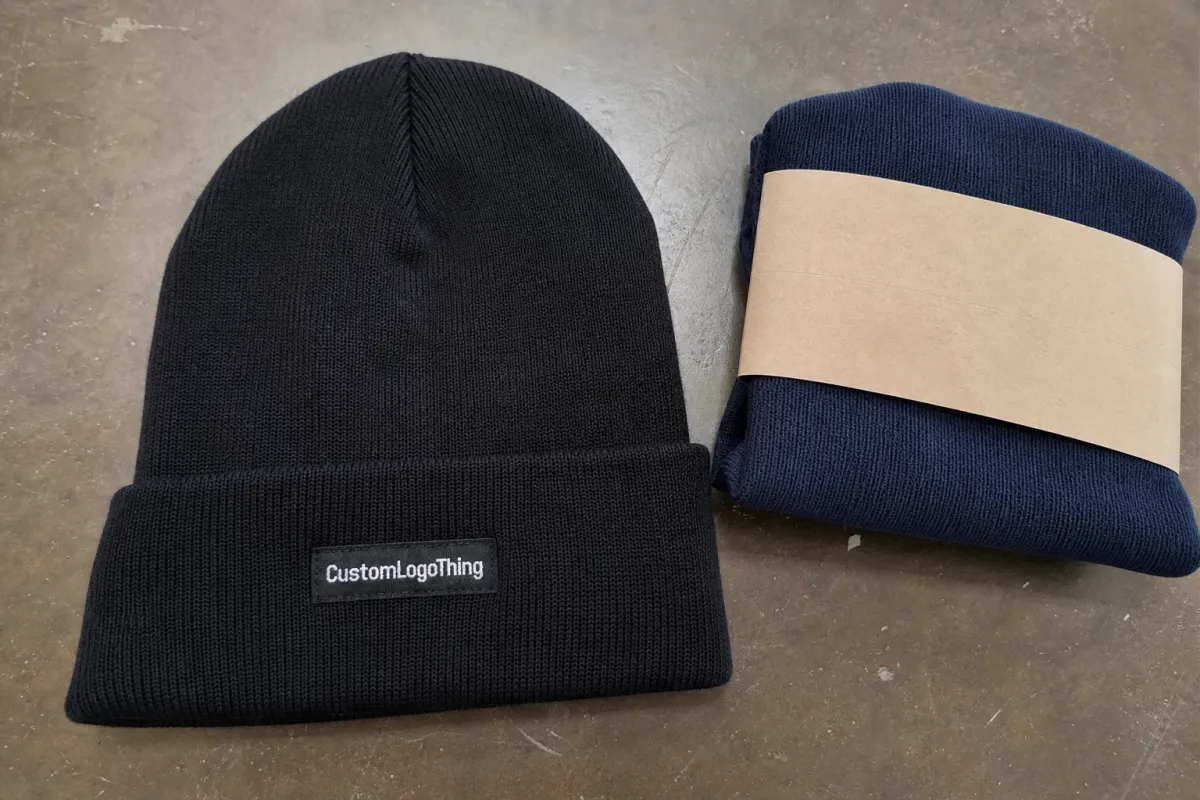
A beanie sells because the customer understands it in two seconds. They can pick it up, feel the knit, check the logo, pull it on, and leave wearing the brand. That is the advantage of a custom retail merch Beanies Bulk Order: the product has immediate use value, not just a logo sitting on another disposable item.
The mistake is treating beanies like cheap giveaways. Retail merch has to earn shelf space. It needs the right fit, texture, color, decoration, packaging, and price point. A thin knit with a crooked patch is not “minimal.” It just looks unfinished.
Beanies work especially well for cold-weather assortments, tourism shops, campus stores, breweries, coffee counters, music merch tables, outdoor retailers, subscription boxes, employee stores, and lifestyle brands. They are compact to store, easy to display, and much simpler to size than tees or hoodies. One adult fit can cover most customers, which keeps the size curve from wrecking your margin.
Bulk ordering also gives buyers more control. The same yarn color across the run. The same cuff height. The same logo placement. The same hang tag, barcode, and carton labeling. That consistency is what makes a merch wall look planned instead of patched together from whatever was available that week.
A good order starts before production starts. Confirm the material, logo method, proofing process, packaging rules, sampling needs, and delivery window. That sounds obvious. It is also where many disappointing merch orders go wrong.
Beanie Styles That Fit Retail Merch Programs
Most retail beanie programs start with a familiar set of styles: cuffed beanies, slouch beanies, fisherman beanies, pom beanies, rib knit beanies, waffle knit styles, chunky knits, and fleece-lined versions. They all sell differently.
The cuffed beanie is the safest first run. The folded cuff creates a clean decoration zone for embroidery, woven patches, leatherette patches, rubber patches, PVC patches, and folded woven labels. A cuff height around 2.75 inches to 3.5 inches is common because it gives the logo enough room without making the hat look bulky on the customer’s head.
Slouch beanies have a softer streetwear shape. They can work well for lifestyle brands, but they need the right knit weight or they collapse in a sad little pile on the shelf. Fisherman beanies sit shallower and look current, though they are less forgiving. Some customers love the shorter fit. Others try it on once and put it back.
Pom beanies create a stronger winter look and can lift perceived value, especially for resort shops, ski programs, and holiday assortments. They also take more carton space and are harder to pack flat. Fleece-lined beanies feel warmer and more substantial, but the lining can tighten the fit and raise the unit cost. Sample them before committing to a large run.
Light acrylic cuffed beanies usually fit year-round merch programs. They hold color well, dry quickly, and come in many stock shades. Heavier double-layer knits suit outdoor programs, premium brand drops, and cold-weather retail. Chunky knits add texture, but they make small logos harder to read.
Start narrow if this is your first run: two or three colors, one fit, one decoration method, one packaging approach. A focused order usually sells better than six styles competing with each other. Retail customers do not need every possible option. They need the right one.
Materials, Knit Construction, and Logo Decoration Options
Material choice controls hand feel, stretch, warmth, durability, color accuracy, care requirements, and cost. Acrylic is the standard for many bulk beanie orders because it is durable, color-consistent, quick-drying, and practical at larger quantities. It also supports a wide range of stock colors, which helps when the deadline is tight or the MOQ needs to stay reasonable.
Cotton blends feel softer and less synthetic, but they can stretch differently and may not recover like acrylic rib. Wool blends add warmth and a more premium position, though they raise cost and may need more careful care labeling. Recycled yarn options are available in some programs, but they depend on color availability, minimum order quantity, and any certification requirements tied to the claim.
Knit construction matters as much as fiber. Rib knit gives stretch and recovery. A tighter gauge creates a smoother surface for patches and embroidery. Chunky knit adds depth, but it can fight detailed decoration. Double-layer construction improves warmth and opacity, especially on lighter yarn colors, yet it also increases finished weight and pack-out size.
Logo decoration should match the artwork, not the other way around. Direct embroidery is durable and familiar. It works best for bold marks with limited detail. Small type, thin outlines, and tight negative spaces can close up on a knit surface because thread has thickness and the beanie stretches.
Woven patches are often better for retail beanies with detailed logos. The artwork is woven on a flatter patch surface first, then sewn onto the cuff. That gives small lettering and fine lines a cleaner shot. Embroidered patches add dimension. Leatherette patches fit boutique, outdoor, coffee, brewery, and heritage-style merch. Rubber or PVC patches create a more technical look. Folded woven labels work well on side cuffs, back tabs, and subtle branded details.
Jacquard knit-in artwork can make the whole beanie part of the design. It is not magic, though. Knit loops cannot reproduce every sharp corner, gradient, or hairline. Simple shapes, limited colors, and bold contrast work best.
Placement choices include front center cuff, side cuff, back tab, all-over knit pattern, or hang tag branding. Front cuff decoration is the safest retail presentation because it faces the customer on a shelf, peg, or mannequin. Side labels feel more understated. Back tabs are better for secondary marks.
Fine lines can fill in with thread, patch borders need a clean sew margin, and knit stretch can distort artwork if the logo area is not planned before sampling.
That is the practical truth. A strong bulk beanie order starts with artwork that respects the material. Forcing a complex logo onto the wrong knit is a quick way to make expensive inventory look cheap.
Specifications to Confirm Before Bulk Beanie Production
Before quoting, confirm the basic specifications in writing: beanie style, yarn material, knit gauge, finished dimensions, cuff height, color count, logo method, logo size, logo placement, packaging, carton labeling, and shipping destination. These details are not paperwork theater. They prevent the usual production mess.
Finished size and cuff height deserve real attention. A half-inch change in cuff height can change how much of the logo shows when the beanie is worn, folded, stacked, or hung on a peg. If the patch is 2.25 inches tall and the cuff is only 2.75 inches high, the sew margin gets tight. If the cuff is too tall, the hat may look heavy or sit awkwardly on smaller heads.
Color standards should be set early. For custom-dyed yarn, Pantone references help align expectations, although yarn texture will not match coated paper exactly. For faster or lower-MOQ orders, closest available stock yarn colors are often the better choice. Not perfect. Often smarter.
Artwork files matter. Vector files such as AI, EPS, or clean PDF files are preferred for woven patches, leatherette patches, and rubber patch layouts. Embroidery may require digitizing after the art is approved. Jacquard knit-in designs need simplified shapes and fewer colors. If your logo depends on small type, ask for a decoration recommendation before locking the method.
Retail requirements may include fiber content labels, country of origin labels, care labels, hang tags, UPC stickers, individual polybags, inner cartons, master cartons, or carton marks by SKU. If the beanies are going into a warehouse or retail chain, get receiving rules before production. Barcode errors and missing carton labels are not charming little surprises.
For broader branded packaging planning, Custom Logo Things also supports related needs through Custom Packaging Products, including custom printed boxes and retail packaging components that can support a coordinated launch.
Approve the digital proof carefully. Request a physical sample if yarn color, fit, patch material, logo scale, or package branding will affect sell-through. On a serious retail order, sampling is not a delay. It is a control point.
Pricing, MOQ, and Unit Cost Drivers for Custom Beanies
Beanie pricing is shaped by quantity, yarn type, knit complexity, decoration method, number of logo placements, packaging requirements, sampling needs, and freight. MOQ follows the same logic. Stock-color beanies with standard decoration usually allow lower minimums. Custom yarn colors, jacquard patterns, private labels, and fully Custom Retail Packaging often require higher quantities because materials and setups are made for that order.
Common cost drivers include heavier yarn, double-layer construction, fleece lining, pom additions, leatherette patches, rubber or PVC patches, detailed embroidery, woven patch complexity, individual retail bags, UPC labeling, and carton sorting by SKU. Freight can move the total quickly, especially for bulky winter goods or orders tied to a fixed launch date.
As a rough buying frame, decorated stock beanies usually sit in a lower-to-mid unit cost range, while custom knit construction, specialty patches, private labels, and retail packaging push the price higher. Exact pricing changes with quantity, material, decoration, and shipping. Anyone promising one universal beanie price is either oversimplifying or hoping you do not ask follow-up questions.
The cheapest hat is not automatically the best retail decision. If the knit feels thin, the cuff collapses, the patch is undersized, or the logo looks fuzzy, the product may sit even with a great unit cost on paper. Retail margin comes from sell-through, not from winning the quote spreadsheet by eight cents.
Ask for quantity breaks. Many buyers compare a small test run against a larger retail run so they can see where the unit cost drops and where inventory risk starts to feel uncomfortable. There is no medal for over-ordering hats in a color your customers do not want.
| Option | Typical MOQ Direction | Cost Impact | Best Fit |
|---|---|---|---|
| Stock acrylic cuffed beanie with embroidery | Lower | Lower to moderate | Fast merch runs, event tables, campus shops |
| Stock beanie with woven patch | Lower to moderate | Moderate | Detailed logos and clean retail presentation |
| Double-layer or fleece-lined beanie | Moderate | Moderate to higher | Winter assortments and premium cold-weather merch |
| Custom yarn color or jacquard knit design | Higher | Higher | Brand-specific launches and wholesale assortments |
| Retail packaging with hang tags and UPC labels | Varies by setup | Adds labor and material cost | Retail shelves, subscription boxes, warehouse receiving |
For a cleaner quote, provide the desired in-hands date, ship-to ZIP code, number of designs, number of colors per design, packaging requirements, and whether a pre-production sample is required. If the order ties into a broader wholesale program, review Wholesale Programs so the beanie specs, cartons, and replenishment plan can be structured correctly from the start.
Process and Timeline from Artwork to Delivered Cartons
A typical production path moves through requirements review, artwork cleanup, material and decoration recommendation, quote approval, digital proof, sample or strike-off if needed, bulk production, quality control, packing, and shipping. Skip one step and the risk usually lands in the finished carton.
Lead time depends on whether the order uses available blank beanies with decoration or a fully custom knit program with custom yarn, labels, patches, and retail packaging. Stock beanies with a standard patch or embroidery can often move faster. Fully custom knit programs take longer because yarn sourcing, knitting, decoration, labels, and packaging each need approval and production time.
Proofing has two jobs. A digital proof checks layout, placement, size, and general appearance. A physical sample checks hand feel, stretch, yarn color, patch edge, stitching density, label placement, and shelf presentation. If the beanie will sell at a higher retail price, the physical sample matters more because customers will judge it by touch before buying.
Timeline variables include artwork revisions, approval speed, seasonal production load, freight mode, customs clearance for imported goods, and warehouse receiving rules. Retail chains may require carton marks, ASN timing, barcode accuracy, or pallet instructions. Event merch drops and holiday gift programs need buffer time because late seasonal goods are just inventory with a calendar problem.
Plan backward from the real date, not the optimistic one. If the beanies need to be on a merch table Friday morning, the delivery date is not Friday morning. It is earlier, with time for receiving, counting, folding, tagging, display setup, and fixing any small issue before customers see it.
Industry guidance can also help teams think beyond the hat itself. The International Safe Transit Association provides resources on transport testing at ista.org, and the Forest Stewardship Council explains responsible paper sourcing at fsc.org, which can matter if the retail program includes hang tags, belly bands, inserts, or paperboard packaging.
The smoothest custom retail merch Beanies Bulk Order happens when purchase orders, artwork files, shipping details, labeling rules, and approval contacts are confirmed before production starts. Clean inputs make clean cartons.
Quality Checks That Protect Retail Presentation
Quality control on bulk beanies should examine knit consistency, stretch recovery, yarn color, seam alignment, cuff height, decoration placement, patch stitching, loose threads, labeling, packaging, and carton count accuracy. Knit goods naturally have slight variation, but the full order should still look consistent across cartons and across reorder batches when the same specs are used.
Retail beanies need a stricter quality mindset than basic promotional giveaways. Customers pick them up. They stretch the cuff. They check the inside label. They compare the patch to the price tag. If the logo is visibly crooked or the cuff shape changes from piece to piece, the product feels less retail-ready.
Decoration checks should be specific. Embroidery should have clean edges, consistent stitch density, and no backing showing where it should not. Woven patches should have readable small text, straight borders, and secure stitching. Leatherette patches should be centered, cleanly cut, and free from burn marks or adhesive residue. Rubber patches should sit flat, not curl at the edges.
Packaging checks belong in the same conversation. Hang tags should face the correct direction. Barcode stickers must scan. Individual bags should be clear and properly sized, not so oversized that the hat looks lost inside. Cartons need accurate counts, color or SKU marking, and enough protection to prevent crushing or moisture damage during transit.
Custom Logo Things helps buyers avoid common issues by reviewing artwork for stitchability, matching the decoration method to the knit surface, and confirming retail packaging requirements before production begins. That can include belly bands, UPC labels, hang tags, individual bags, and carton organization by color. The point is not to make the order complicated. The point is to catch small problems before they become expensive corrections.
Here is what people often miss: a beanie is flexible, textured, and handled constantly. Approving a logo on a flat screen does not prove it will look good on a ribbed cuff. Quality checks need to cover the fabric, decoration, packaging, and retail handling together.
Preparing a Better Beanie Bulk Order Quote
Start with a practical checklist. Select the beanie style. Choose target colors. Decide whether the logo should be embroidered, patched, labeled, or knit in. Estimate quantity. Define packaging. Provide the required delivery date. Those six inputs let a supplier recommend a realistic path instead of guessing.
Send artwork as vector files whenever possible, along with brand standards for color, logo spacing, minimum size, and retail label rules. If the mark has small type or fine linework, ask for two decoration options, such as embroidery versus woven patch, so the quote can compare appearance, durability, and unit cost.
Share how the beanies will be sold or distributed. Retail shelf programs, event merch tables, employee stores, subscription boxes, and wholesale assortments may need different packaging and carton setups. A merch table might only need clean folding and a hang tag. A retail warehouse may need UPC stickers, carton labels, SKU separation, and specific pack counts.
For broader packaging design alignment, include any hang tag, belly band, insert, or custom printed box planned for the launch. If you are unsure what details matter, the FAQ can help frame the first round of questions.
Before approval, confirm final quantity, decoration placement, proof approval, sample approval if requested, production schedule, freight method, and ship-to details. A complete bulk order request gives the quoting team enough information to price accurately, protect retail presentation, and move production forward without avoidable delays.
Good beanie merch is not complicated. It is specific. The more clearly the product is defined before production, the better it looks at the register.
FAQ
What is the usual MOQ for custom retail merch beanies in a bulk order?
MOQ depends on construction and decoration. Decorated stock beanies usually allow lower minimums than fully custom knit beanies. Custom yarn colors, jacquard patterns, private labels, and retail packaging can raise the minimum because materials and setup must be produced for the order. For the most accurate quote, provide target quantity, design count, color count, logo method, packaging needs, and whether a sample is required.
Which logo method is best for a retail merch beanie bulk order?
Woven patches are often best for detailed logos and clean retail presentation on cuffed beanies. Embroidery is durable and classic, but very small lettering or fine lines may lose clarity on a knit surface. Leatherette, rubber, PVC, and folded woven labels can create a more premium or lifestyle-focused look depending on the brand position and retail price point.
How long does production take for custom beanies ordered in bulk?
Lead time varies based on stock versus custom construction, artwork readiness, proofing, sampling, production capacity, and shipping method. Blank stock beanies with standard decoration are typically faster than fully custom knit programs with custom yarn, labels, patches, and packaging. Seasonal launches should include buffer time for proof approvals, sample review, freight, receiving, and merchandising.
Can custom beanies be packaged for retail sale?
Yes. Retail packaging can include hang tags, belly bands, UPC or barcode stickers, individual polybags, size or color labels, and carton organization by SKU. Packaging requirements should be confirmed before quoting because they affect labor, materials, carton count, and production timing. Retailers should provide label placement rules, barcode files, and warehouse receiving instructions early.
What information is needed to quote a custom retail merch beanies bulk order accurately?
Provide style, material preference, colors, logo files, decoration method, logo size, placement, quantity, packaging needs, ship-to location, and in-hands date. If the artwork is detailed, include vector files and brand standards so the decoration method can be matched to the logo properly. If margin matters, request multiple quantity breaks to compare unit cost against inventory commitment.


