A custom Retail Merch Caps bulk order succeeds when the cap looks ready for the shelf, not just ready to be decorated. Buyers are usually deciding between a product that feels like sellable merchandise and one that feels like an afterthought. That difference shows up in silhouette, finish, packaging, barcode accuracy, and how easy the order is to receive, price, replenish, and display.
The best programs are straightforward: a cap style that fits the audience, decoration that reads cleanly at retail distance, and a packout that protects the product without inflating cost. If those basics are locked early, the quote is easier to compare and the final order is less likely to drift on schedule or quality. For a custom retail merch caps bulk order request a quote project, the strongest quote request is specific enough to price the real job, not a rough version of it.
A cap that is destined for retail needs to behave like inventory, not swag.
Why shelf-ready caps outperform loose merch at retail
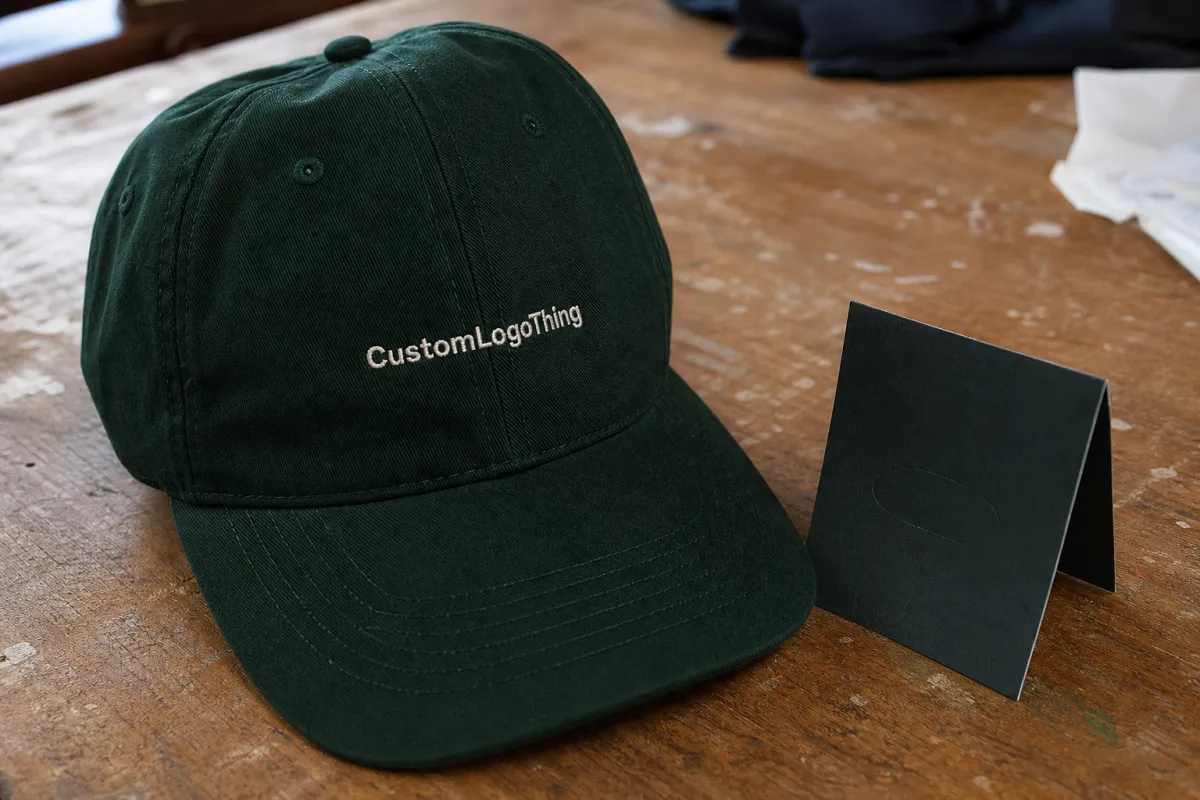
Retail teams care about more than the hat itself. They care about receiving, labeling, scanability, carton marks, and how fast the product can move into a planogram, peg display, folded stack, or counter fixture. A shelf-ready cap with a consistent carton pack and readable labels creates less work for the store and less risk for the buyer.
Packaging should match the sales channel. Some accounts want simple polybags and a single size sticker. Others want hangtags, UPC labels, branded belly bands, master carton labels, and carton marks that line up with receiving rules. The goal is not to add packaging for its own sake; it is to remove friction from the back end and make the product easier to identify during receiving and replenishment.
Freight also matters. Caps are lightweight, but inefficient packouts can raise landed cost quickly across a 500-unit or 5,000-unit run. Crushed crowns, inconsistent bundle counts, and oversized cartons can create hidden costs after the invoice looks competitive. Compare total landed cost, not only the per-piece cap price.
Ask how packing, labels, inserts, and carton configuration affect the final quote. If the line includes other retail-ready items, Custom Packaging Products can help keep the presentation system consistent across caps, apparel, gift sets, and display accessories.
Choose the right cap silhouette, crown, and closure
Silhouette affects retail perception before decoration does. A structured six-panel cap usually feels more polished and stable. A dad hat reads softer and more casual. Five-panel styles give a flatter front for graphics, while truckers add mesh ventilation and a more heritage or sport-forward look.
Crown height and visor shape should match the artwork and price point. Mid-profile caps suit most retail programs because they hold structure without feeling oversized. Low-profile caps can compress tall logos and make vertical artwork harder to read. Flat visors feel more current for streetwear and youth-focused drops; curved visors feel familiar and often work better at mainstream gift, resort, and general retail price points.
Closure choice should follow the audience and the inventory plan. Snapbacks are simple to size and easy to replenish. Strapbacks feel cleaner on premium lifestyle lines. Fitted caps can lift perceived value, but they require more accurate size forecasting and usually create more SKU complexity. For a first custom retail merch caps bulk order request a quote, a one-size adjustable closure is often the safest starting point unless the retailer has proven demand for fitted headwear.
| Cap style | Best use | Typical retail feel | 2026 bulk price range |
|---|---|---|---|
| Structured six-panel | Core brand programs, premium logos | Polished, stable, familiar | $3.50-$7.25 |
| Dad hat | Lifestyle retail, relaxed assortments | Soft, casual, easy to wear | $3.15-$6.50 |
| Five-panel | Flat front graphics, modern merch drops | Clean, graphic-heavy, direct | $3.40-$7.50 |
| Trucker | Outdoor, heritage, breathable builds | Sport-forward, lighter, high visibility | $3.00-$6.40 |
For most retail runs, one well-chosen silhouette is better than spreading a small order across too many styles. A tighter assortment usually gives you better pricing, cleaner forecasting, and fewer merchandising problems. If the retailer wants variety, build it through colorways or decoration changes before adding too many cap bodies.
Decoration methods and finishing details that hold up in bulk
Embroidery remains the default for retail headwear because it wears well and looks familiar in person. A front logo often lands in the 7,000 to 12,000 stitch range, but the right number depends on artwork size, thread coverage, fabric type, and how much detail needs to survive on a curved panel. Thin lines, tiny text, gradients, and fine outlines should be simplified before production.
Woven patches are useful when the logo has fine detail or a badge-like look. They can make a cap feel more premium without relying on heavy stitch density. Rubber patches, leatherette patches, felt appliques, and raised embroidery are also more common in 2026 retail assortments, especially for outdoor, golf, beverage, destination, and lifestyle brands that want texture on the shelf.
Printed decoration can work, but it needs extra scrutiny for edge quality, rub resistance, and how it looks under store lighting after handling and stacking. Direct print, heat transfer, and sublimated patch options should be tested against the fabric and color. A print that looks sharp on a flat proof may lose impact on a textured crown.
- Embroidery suits durable logos and traditional retail programs.
- Woven patches suit detailed artwork and a more premium hand.
- Rubber or leatherette patches suit outdoor, workwear, golf, and heritage assortments.
- Printed decoration suits tighter budgets and graphic-driven launches.
- Label-based branding improves shelf presentation and makes the cap feel more finished.
Small finishing choices often decide whether the cap feels generic or retail-ready. Side labels, back loop branding, inside taping, custom sweatband printing, underbill contrast, and consistent size stickers all affect perceived value. Placement tolerances should be approved early, especially near seams or curved panels where artwork can shift. Packaging matters too: polybagging, barcode stickers, bundle counts, and carton orientation all affect receiving labor and inspection time.
Material, fit, and color specs to lock before quoting
Material changes both price and retail position. Cotton twill gives a classic hand. Washed cotton softens the look. Brushed poly helps the cap hold structure. Performance polyester and nylon blends are gaining more attention for 2026 because they support lighter, moisture-friendly caps for golf, travel, resort, and active lifestyle assortments. Mesh lowers weight and pushes the style toward casual or sport use.
Fit is part of the product spec, not an afterthought. Sweatband construction, front panel support, eyelet placement, seam shape, and internal structure all affect comfort and sell-through. A cap that feels too stiff, too hot, or too shallow in the first few seconds can get left behind even if the branding is strong.
Color control is where avoidable cost usually shows up. Confirm Pantone references, request physical swatches when possible, and lock fabric, trim, and thread colors before quote approval. Custom underbills, contrasting stitching, and special labels can raise both price and lead time, so they should be included in the first request rather than added later.
From recent quote reviews for retail cap programs, the most common preventable delays have been incomplete artwork, missing barcode direction, and late changes to thread or patch colors. One 2026 reorder we reviewed moved faster than the original run because the approved sample, carton count, UPC placement, and embroidery file were all saved from the first order. That kind of documentation can remove days of back-and-forth on a repeat buy.
For packaging and transit standards, ISTA is a useful reference, and packaging.org can help define materials and shipping expectations. Not every order needs that level of detail, but it helps when the retailer has stricter receiving requirements.
Before pricing a run, lock these points:
- Fabric type, weight, and finish
- Crown profile, visor shape, and closure style
- Exact logo size, placement, and decoration method
- Pantone references, thread colors, or sample approvals
- Hangtags, UPC labels, carton marks, and packaging requirements
Bulk pricing, MOQ, and unit cost breakpoints
MOQ is usually driven by setup time, sourcing complexity, decoration method, and packaging requirements. A standard embroidered cap in one fabric can often start lower than a build with custom trims, extra labels, specialty patches, or retail-specific packout. Think of MOQ as the point where the order becomes efficient enough to price well.
Unit cost improves as setup is spread across more units. That is why a 300-unit run and a 1,000-unit run can feel like different products even when the artwork barely changes. Quantity is not the only driver, but it is the easiest lever buyers can use to move price.
| Quantity band | What usually changes | 2026 typical unit cost | Buyer takeaway |
|---|---|---|---|
| 300-499 | Higher setup share, fewer efficiencies | $5.10-$9.00 | Best for testing a style or a limited retail drop |
| 500-999 | Better spread on decoration and trim | $3.95-$6.95 | Often the first strong break for store programs |
| 1,000-2,499 | Improved line efficiency and packing control | $3.20-$5.75 | Good balance of margin and inventory confidence |
| 5,000+ | Lowest setup burden per piece | $2.45-$4.85 | Best for multi-store rollouts and replenishment |
Those ranges move with decoration complexity, color count, labels, inserts, and whether the order needs custom boxes, hangtags, or barcode stickers. Specialty trims, recycled materials, rush schedules, and split shipments can also change the final number. Freight can change landed cost more than expected, especially on smaller orders.
Ask for pricing that separates the cap, decoration, packaging, and freight so comparisons stay honest. If you are sourcing through a broader wholesale flow, Wholesale Programs keeps those elements visible. For brands building a full retail launch, pairing headwear with custom retail packaging bulk orders can also make the quote easier to compare across departments.
Production process, proofing, timeline, and lead time
A reliable production path starts with artwork review and ends with cartons packed to the retailer's spec. The typical sequence is brief review, digital proof, sample or strike-off if needed, production, quality control, then freight booking. Fewer decision points usually mean a faster order.
For straightforward jobs in 2026, artwork review and proofing often take 1-2 business days after complete files are received. If a sample or strike-off is required, add several more business days depending on decoration method, fabric availability, and approval speed. Production commonly runs 12-20 business days after proof approval for standard orders, though queue depth, custom trims, packaging complexity, and shipping method can push that longer.
Late changes are the biggest schedule risk. A new logo file, a different Pantone callout, a revised label count, or a changed carton mark can reset part of the timeline. The best protection is clear spec approval before proofing and fast sign-off once the proof arrives.
QC should be specific: logo placement, stitch consistency, patch alignment, color matching, closure inspection, barcode readability, hangtag accuracy, polybag condition, and carton count verification. For wider distribution, carton condition matters too. Scuffed cartons and crushed brims are a receiving problem, not just a cosmetic one.
2026 retail cap trends to consider before quoting
Retail cap programs are becoming more focused on smaller, better-planned assortments instead of large mixes of loosely related styles. Buyers are asking for caps that can sit beside apparel, drinkware, and boxed merchandise without looking like a promotional add-on. That is pushing more brands toward cleaner decoration, stronger packaging, and more intentional color stories.
Three 2026 trends are showing up often in quote requests: performance materials for everyday wear, textured patches for higher perceived value, and retail-ready labeling built into the first quote instead of added after approval. Recycled polyester, moisture-wicking sweatbands, nylon blends, tonal embroidery, rope details, and contrast underbills are also becoming common upgrades on mid-tier and premium cap programs.
Pricing strategy has shifted as well. Many buyers now ask for two quote paths: one value build that protects margin and one premium build with better trims, packaging, or decoration. That side-by-side view makes it easier to decide whether a raised patch, custom hangtag, or branded insert is worth the extra cost. If retail tags are part of the program, custom hang tags bulk orders can be quoted alongside the caps so branding and labeling stay aligned.
For a custom retail merch caps bulk order request a quote, the trend is clear: the cap, decoration, packaging, and receiving details need to be treated as one product system. The brands that do this early usually get cleaner quotes, faster approvals, and fewer surprises once the cartons arrive.
What dependable support looks like on repeat retail orders
Repeat orders reveal whether the vendor actually kept the important details. Did they save the approved thread color? Was the label placed in the same spot? Did the carton count match the receiving spec? Was the same cap body used, or did the crown shape change slightly between runs? That kind of consistency keeps a program easy to reorder instead of turning each restock into a cleanup project.
Dependable support is mostly recordkeeping: saved artwork, documented placement notes, known carton configuration, approved sample references, barcode instructions, and clear notes on fabric, trim, and thread colors. It also helps when the supplier can coordinate adjacent items, especially if the brand is ordering cartons, inserts, or display-ready accessories through Custom Packaging Products.
For retailers with multiple doors, support should also include replenishment planning. A vendor that can quote future reorder tiers, preserve decoration files, and flag discontinued cap blanks early is more valuable than one that only provides a low first-run price.
Next steps to prepare artwork, counts, and purchase order
Before requesting pricing, gather the actual job in one place: cap silhouette, target quantity, color split, logo artwork, decoration method, packaging needs, and labeling requirements. If the order needs retail tags, barcode stickers, carton marks, inserts, or split shipping, include that up front so the quote reflects the full scope.
Use this checklist to reduce back-and-forth:
- Vector logo files or high-resolution artwork
- Preferred silhouette, closure, crown profile, and visor shape
- Exact quantity, color split, and replenishment expectations
- Pantone references, thread colors, or physical samples
- Decoration method, logo placement, and approved logo size
- Packaging details, UPC needs, carton marks, and ship-to destination
- Requested in-hand date, retail launch window, and sample requirements
Then compare quotes by more than unit price. Included finishing, proof rounds, sample policy, freight assumptions, packaging, barcode work, and realistic ship date matter just as much as the per-piece number. For a custom retail merch Caps Bulk Order, the cleanest path is still the same: lock the spec, approve the proof carefully, confirm the packout, and keep the order tied to a clear retail requirement from the start.
If you are ready to send a custom retail merch caps bulk order request a quote, include the full retail use case instead of only asking for the lowest cap price. A quote that includes product, decoration, labeling, packaging, and freight will give you a more accurate view of margin and launch timing.
What is the best minimum for a custom retail merch caps bulk order?
The right minimum depends on cap style, decoration method, color count, and packaging requirements. A single core style usually prices better than splitting the order across several variants. Ask for multiple quantity tiers so you can see where the best unit-cost breakpoints begin.
How do I keep colors consistent in a bulk retail cap order?
Share Pantone references or physical samples before quoting so the production team can price to the correct standard. Approve lab dips, strike-offs, thread cards, or digital references when custom fabric or trim colors are involved. Lock the colors early so they do not affect cost or lead time later.
Which decoration method works best for caps sold in stores?
Embroidery and woven patches usually read as the strongest retail choices because they feel finished and hold up well. Rubber patches, leatherette patches, and raised embroidery can add perceived value for premium assortments. Printed decoration can work for tighter budgets, but it should be checked carefully for durability and edge quality.
What should I include in a custom retail merch caps bulk order request a quote?
Share the cap style, target quantity, color count, decoration method, and artwork files. Add packaging needs, UPC or barcode requirements, shipping destination, and the date you need the product in hand. Mention whether you need samples, special labels, split shipments, or a rush schedule so the quote reflects the full job.
How long does production usually take after proof approval?
Timeline depends on cap style, decoration complexity, packaging requirements, and current production queue. Straightforward orders often move in 12-20 business days after proof approval, while custom trims, specialty patches, or detailed retail packouts can take longer. Late revisions can reset part of the schedule, so it helps to confirm details before proofing.

