A custom performance golf Caps Bulk Order makes sense when the cap has to look polished, wear well, and hold up across repeated rounds. Performance materials dry faster than cotton, keep their shape better, and usually feel more comfortable in heat and humidity. That matters for golf programs because the cap is exposed to sweat, sun, trunk storage, and cart wear, often all in the same week.
The buying decision is usually about fit, decoration, and how the cap will be used. Club staff need something durable and easy to wear for long shifts. Tournament buyers want a clean logo and dependable color match. Pro shops need a cap that can sit on a shelf and still look retail-ready after it is handled all day. The right spec does more for buyer satisfaction than a lower blank cost ever will.
A cap can look good on a sample and still fail in production if the front panel collapses, the logo is too crowded, or the carton packing damages the shape.
Why Performance Golf Caps Outperform Standard Cotton Hats on the Course
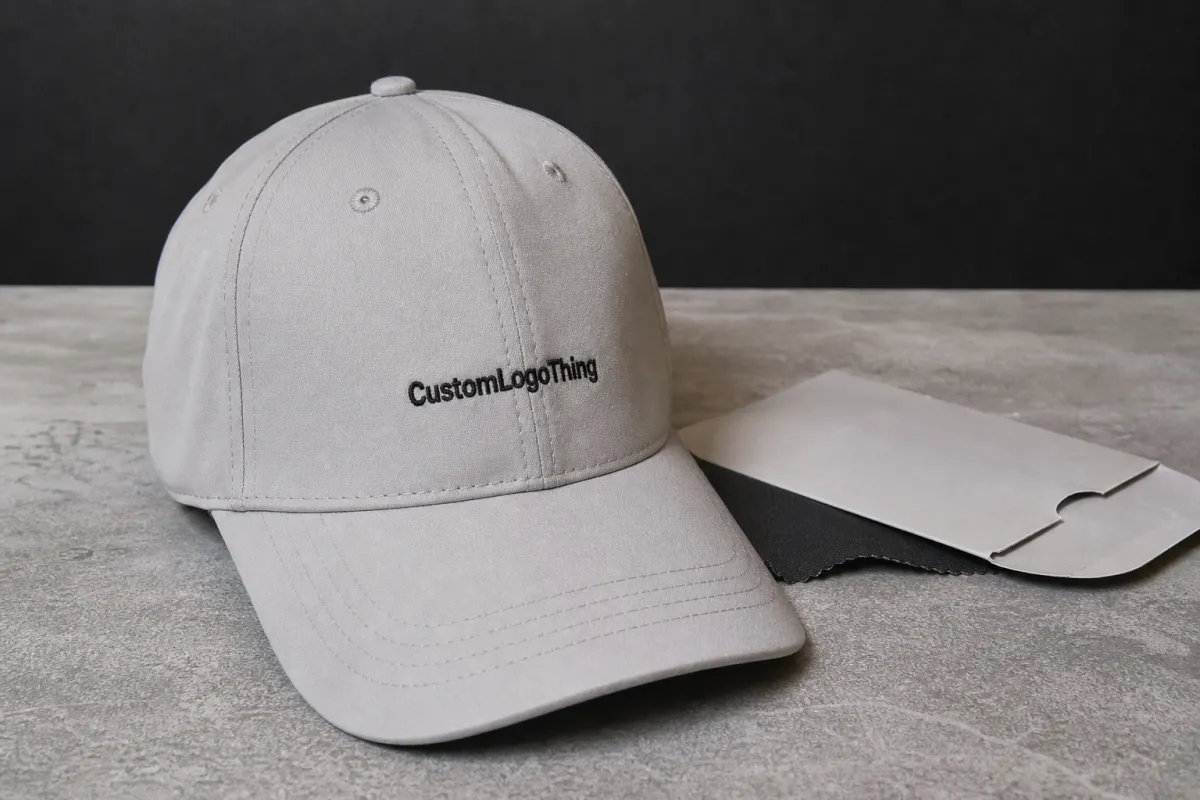
Cotton is familiar, but it is not always the best material for golf. It absorbs moisture, keeps it, and tends to feel heavier as the round goes on. Performance polyester and mesh-backed constructions move sweat away faster and dry more quickly, which helps the cap stay wearable through long outdoor sessions. That is one of the main reasons golf programs keep returning to performance headwear instead of basic cotton hats.
Durability also matters because golf caps are often packed, tossed, and reused more than other branded items. A cap that keeps its structure after storage is more likely to be worn again, and repeated wear is what gives the logo more exposure. In that sense, shape retention is not cosmetic; it is part of the value.
Performance caps also create a cleaner retail impression. A crisp crown, stable color, and well-placed logo read as intentional merchandise rather than giveaway stock. That can support a higher price point in pro shops and member stores, especially when the decoration is simple and the cap body looks premium on the rack.
The key is matching the cap to the use case. Staff wear, event handouts, and retail sales do not need the same profile. A buyer who starts with the actual setting usually ends up with a better product and fewer post-order adjustments.
Fabric, Fit, and Decoration Details That Affect Buyer Satisfaction
Performance polyester is the most common fabric choice because it is light, stable, and works well with embroidery. Stretch blends add comfort for broader sizing needs, while mesh-backed styles improve ventilation and feel more relaxed. Mesh usually suits staff programs and warm-weather use, while smoother front panels often fit retail or member merchandise better.
Fit affects how the cap is perceived before it is even worn. A structured crown gives embroidery a flat base and keeps the front panel upright. A lower-profile cap sits closer to the head and feels less formal, which can be useful for fashion-forward or casual programs. Unstructured caps are comfortable, but they are more likely to lose shape in cartons or on shelves, which can weaken the presentation.
Decoration should work with the material, not against it. Embroidery is the safest all-around choice because it is durable and easy to read at a distance. Woven patches help when the logo has fine detail or layered shapes that would get lost in thread. Heat-applied graphics are useful for simple marks when the goal is to keep the front panel lighter and avoid a stitched look. The right method depends on logo complexity, budget, and how premium the finished cap needs to feel.
| Decoration method | Best use | Typical cost add-on | Buyer note |
|---|---|---|---|
| Embroidery | Front panel logos, club marks, staff wear | $0.90-$2.50 per cap | Durable, polished, and best on structured caps |
| Woven patch | Fine detail, layered artwork, premium retail looks | $1.20-$3.50 per cap | Useful when small type would lose clarity in thread |
| Heat-applied graphic | Flat logos, lighter decoration, limited color builds | $0.75-$2.00 per cap | Works best on smooth panels with simple artwork |
Artwork size deserves careful review. A logo that is too large can force the front panel into an awkward curve, especially on softer caps. Very small type can also disappear once it is stitched or transferred onto a curved surface. In most cases, a clean mark with strong contrast is easier to read and less likely to cause production issues than a busy design with too much detail.
Placement matters too. A front logo that reads clearly from the fairway, the counter, and a product photo usually delivers the best return. Side and back decoration can be helpful, but they should stay small unless the branding strategy calls for more than one visible mark.
Panel Count, Sizing, and Spec Choices That Protect the Final Look
Panel count changes the silhouette more than many buyers expect. A six-panel cap is the traditional golf shape and gives the front logo a familiar frame. A five-panel cap creates a wider front area, which can work better for wordmarks or broader artwork. If the logo is compact, six panels usually feel more balanced; if the art is wide, five panels often look cleaner.
Structure is equally important. A reinforced front panel supports embroidery and helps the cap stay upright. A softer build feels more casual, but it can collapse more easily during shipping or display. For most golf programs, lightly structured is the safest middle ground because it looks polished without feeling stiff.
Small measurements have a visible effect. Crown height commonly falls around 4.5 to 5.25 inches, and brim length is usually near 2.75 to 3 inches. Back closures also shape the user experience: snapback, hook-and-loop, and buckle options each create a slightly different fit and price point. If a buyer is ordering for staff, a simple adjustable closure often reduces sizing issues. If the cap is for retail, a cleaner closure may be worth the extra cost.
Locking the spec sheet before production is one of the best ways to prevent errors. Once the crown height, panel count, closure, fabric, and decoration placement are written down, it becomes much easier to repeat the order later. That matters for tournaments and seasonal programs where the second run needs to match the first run closely.
It also helps with visual consistency. Even a small change in crown depth or bill curve can make the cap look different enough to bother repeat buyers. A good spec sheet keeps those changes from slipping in unnoticed.
Custom Performance Golf Caps Bulk Order: Cost, MOQ, and Quote Inputs
A custom performance golf Caps Bulk Order is usually priced from a few core variables: the cap body, decoration method, logo locations, total quantity, and any packaging requirements. For straightforward runs, decorated pricing often lands around $6.50 to $12.50 per cap at common order levels. Simpler builds with higher quantities usually sit toward the lower end of that range, while multiple decoration locations, premium closures, or custom labeling push the price up.
MOQ, or Minimum Order Quantity, depends on the cap style and decoration. Many programs start around 100 to 144 pieces, while some decorated styles need 250 pieces or more per color or design. Mixed colors, multiple logos, and unusual construction can raise the threshold because each variation adds setup and handling. Buyers should treat MOQ as a production rule, not a random number.
The most useful quote requests are the ones that remove guesswork. Send the cap style, color count, artwork file, decoration location, target quantity, and delivery date together. If packaging matters, note that too. A quote is faster and more accurate when the supplier knows whether the order is for a tournament handout, staff use, or retail stock.
- Cap style - five-panel, six-panel, structured, unstructured, mesh-backed, or stretch fit
- Color count - one color or a split by color if the order uses multiple SKUs
- Artwork file - vector preferred, plus approved color references if available
- Decoration location - front, side, back, or a combination of positions
- Target quantity - total units and the quantity per color or size
- Delivery deadline - event date, retail launch, or receiving window
- Packaging needs - polybag, hang tag, sticker, custom insert, or retail box
Comparing quotes line by line is better than focusing on the headline total. A low price can hide setup fees, extra decoration charges, or packaging costs that appear later. A cleaner quote separates base cap cost, decoration, and optional finishing so the buyer can compare offers without guessing what is included.
Packaging should match the use case. Tournament handouts may only need a polybag, while retail stock may need a hang tag, insert, or a more polished presentation. If the cap is part of a larger merch program, the packaging choice should fit the rest of the line so the order feels coordinated instead of pieced together.
Production Steps, Proof Approval, and Lead Time
Once the order is approved, the process is usually straightforward: artwork review, digital proof, sample or mockup approval, cap sourcing, decoration, packing, and shipment. Most delays come from preventable issues such as missing vector files, late color changes, or a logo placement that needs to be adjusted because the front panel is narrower than expected.
Lead time depends on stock and complexity. A clean order with ready artwork and in-stock bodies may finish in roughly 12 to 15 business days after proof approval. Orders can take longer when the cap body must be sourced separately, special labels are required, or retail packaging is added. That is normal; the schedule stretches whenever the build moves beyond a standard decoration run.
Quality control should focus on practical checks: crown height against spec, stitch consistency, logo centering, thread tension, closure function, and carton condition. If the caps are going into retail packaging, packing quality matters just as much as the decoration. Crushed bills and bent crowns are avoidable if carton sizing and inner packing are decided early.
Clear proof approval helps keep the order moving. The buyer should know what happens if stock runs short, whether a substitute cap body is acceptable, and how final approval affects the ship date. Making those decisions before production starts reduces delays and avoids last-minute compromises.
For shipment handling, basic transit testing standards are useful references because they help set expectations for compression and vibration. That matters most for programs that ship to multiple clubs or need merchandise to arrive shelf-ready.
What to Send for a Fast Quote and a Clean Reorder
If speed matters, the quote request should be complete on the first pass. Send the quantity, cap color, artwork file, decoration method, and delivery target together. If there is a budget ceiling, include that as well. A supplier can recommend the right cap body and decoration method much faster when those inputs are clear.
Before production starts, a careful supplier should confirm a short list of details:
- Artwork quality - vector file, font handling, and any tiny type that needs review
- Fabric availability - performance polyester, stretch blend, or mesh-back stock status
- Decoration method - embroidery, patch, or heat-applied graphic
- Delivery target - event date, receiving window, and ship-to address
- Packaging detail - retail packaging, carton pack count, or special insert needs
For a clean reorder, keep the approved artwork, final Pantone references, cap spec sheet, and shipping instructions together in one file set. That reduces the chance of color drift, placement changes, or closure changes in later runs. The strongest repeat orders are the ones that do not need to be rebuilt from memory.
If the cap is one piece of a broader merchandise program, keep the notes aligned with the rest of the product record. Packaging choices, insert language, and packing configuration should all stay consistent so the whole release looks deliberate.
Frequently Asked Questions
What quantity usually counts as a custom performance golf caps bulk order?
Bulk pricing usually starts once the order moves beyond a small team run and into production quantities that justify setup and decoration. The exact threshold depends on cap style, decoration method, and whether the order includes mixed colors or repeat inventory.
Which decoration method looks best on performance golf caps?
Embroidery is usually the safest choice for a polished, durable look on the front panel or side panel. Patches work well for detailed logos, and heat-applied graphics make sense when the artwork is simple and the goal is to keep the cap light.
How long does a bulk golf cap order usually take?
Lead time depends on proof approval, decoration complexity, and whether the cap body is already in stock. Orders move faster when the artwork is final, quantities are confirmed early, and proof feedback is returned quickly.
Can I mix colors in one performance golf cap bulk order?
Yes, but color mixes can affect MOQ, pricing, and timing because each color may need its own setup or stock allocation. The best approach is to confirm the total quantity, the split by color, and whether each color uses the same decoration spec.
What do you need to quote custom performance golf caps accurately?
Accurate quoting usually depends on the logo file, target quantity, cap color, decoration location, and the date the order needs to arrive. If there is a budget target, include that as well so the quote can be matched to the right cap build.

