Custom Retail Packaging Bags: How Buyers Should Choose
Most buying decisions happen before anyone opens the bag. That sounds obvious, yet plenty of teams still treat custom retail packaging bags like a finishing touch and then wonder why the shelf presence feels weak, the product shifts in transit, or the launch slips because the artwork file was never prepared for production.
Good retail packaging has three jobs at once: it has to sell, protect, and inform. Those jobs do not happen separately. The bag shape, film, seal, and print all affect how the product reads from three feet away and how it survives the trip from packing table to store floor. If you also need cartons, inserts, or secondary pack-outs, the Custom Packaging Products page is a useful place to compare formats before you lock in a direction.
From a buyer’s point of view, the payoff is practical. Better presentation. Less scuffing and dust. Cleaner barcode or price-label placement. Fewer complaints from stores that do not want a bag opening early or collapsing in the fixture. For apparel, accessories, food, and specialty goods, custom retail packaging bags can do more than hold a product. They can make it look intentional, which is often the difference between “sample” and “retail-ready.”
What custom retail packaging bags do before a shopper opens them
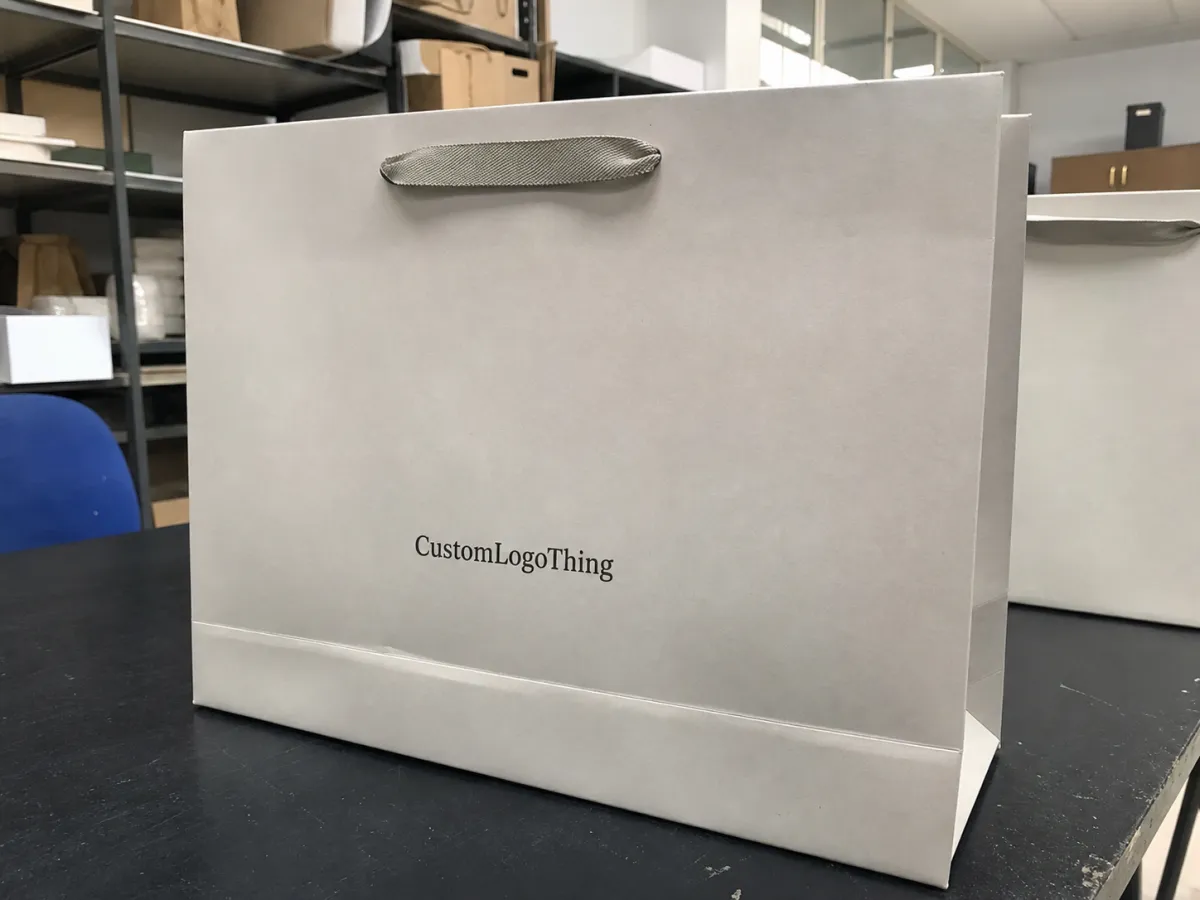
A bag starts working the second it lands in view. The shopper reads the package before touching the item, and that first read is usually about color, clarity, print placement, and whether the material feels cheap or deliberate. That is why package branding matters so much. A clean bag with the wrong structure still feels off, while a simple design on the right film can look more premium than a crowded layout trying too hard.
Retail-ready plastic bags are used for display, storage, transport, and branding across a wide range of products. Apparel brands use them to keep garments folded and clean. Accessory sellers use them to group small items and make sets easy to spot. Food brands may need better sealing, moisture resistance, or odor control. Specialty goods often need a balance of shelf appeal and protection, especially if the product is sharp, oddly shaped, or prone to scratching itself.
The value goes beyond appearance. Better product packaging can reduce scuffs, dust, and handling damage. It can also make pricing, barcodes, lot numbers, and compliance notes easier to read. If the bag is part of a retail packaging system, consistency matters too. A bag that stacks badly or looks unrelated to the rest of the line makes the brand feel disorganized. Retail buyers notice that faster than most marketing teams expect.
For companies comparing custom retail packaging bags against Custom Printed Boxes, the tradeoff is usually structure versus speed and visibility. Boxes give more rigidity and more printable surface area. Bags usually cost less, ship lighter, and work better for products that need to stay visible on shelf. The right answer depends on the product, the handling environment, and the display method. Trend decks rarely make that decision for you.
One practical detail gets overlooked often: the bag should support the product’s condition at the moment of sale. If the item arrives wrinkled, fogged, crushed, or shifted, the package is failing even if the logo looks fine. Packaging quality is not just print quality. It is how all the pieces behave together.
How the bag structure, print, and seal work together
The bag structure is where most bad decisions start. Film type, thickness, closure style, seal strength, and print method all affect usability and perceived quality. If one of those pieces is wrong, the bag may still look fine in a mockup and fail in real use. That part usually shows up after purchase orders are already in motion.
Flat poly bags work well for simple, lightweight products that need basic protection and clear visibility. Gusseted bags add expansion and are better for bulkier items or products that need a little breathing room. Wicketed packs are helpful for fast packing lines because they dispense cleanly. Resealable bags are useful when the customer will open and close the package repeatedly. Hang-hole setups make sense for peg displays, but only if the hole placement does not fight the artwork or crowd the top seal.
Print method changes the whole feel. Spot color printing is often cheaper and cleaner for simple logos. Full-coverage print can create a stronger shelf impression, but it raises cost and can hide the product if the film is too opaque. Print registration also matters more than many buyers realize. A design can look good on screen and still feel off if the logo drifts, the barcode lands too close to the seam, or a white area picks up slight haze from the film.
Seal design deserves more attention than it usually gets. A weak seal can split under load, especially in warm warehouses or during shipping. If the product has sharp edges, the seal area needs enough margin to avoid puncture. If the bag is meant for food or moisture-sensitive items, the closure and barrier performance matter more than the logo. Pretty is fine. Functional is what gets reordered.
Another production reality: artwork should be built around the structure, not the other way around. Seals, gussets, zipper tracks, hang holes, and bottom folds all steal usable space. If those features are ignored in the layout, the final bag often looks crowded or misaligned. Good packaging design starts with the dieline and ends with the product actually fitting inside it.
Materials and specs that change performance at retail
Material choice changes everything buyers actually feel. Clear polyethylene is common because it is affordable, flexible, and easy to work with. Recycled-content films can support internal sustainability goals, but the exact look and stiffness depend on resin blend, gauge, and how much post-consumer content is in the mix. Barrier films are worth considering if odor control, moisture protection, or longer shelf life matters. Heavier-gauge options cost more, but they usually survive handling better and feel more substantial in the hand.
Three specs deserve close attention: thickness, clarity, and puncture resistance. Thickness is often measured in mils or microns, and the right number depends on product weight and handling. A 1.5 mil bag may be fine for very light apparel. A 3 mil or 4 mil bag makes more sense for heavier goods or products with sharp corners. Clarity affects display value. Too much haze makes the product look tired before it is even sold. Puncture resistance matters whenever a product can scratch, jab, or press hard against the film during shipping.
Finish also changes perception. Gloss can look bright under retail lighting, while a softer finish can feel more premium or reduce distracting reflection. Matte films can hide scuffs better, but they may also mute color if the artwork depends on high contrast. If the bag will sit under strong store lighting, ask for a sample under those conditions rather than judging it under office LEDs. That small check saves more disappointment than most buyers expect.
Material tolerances matter, too. Film gauge can vary slightly across a run, especially with recycled content or specialty blends. That does not always mean a bad product, but it does mean the supplier should be able to explain expected variation, seal performance, and how the bag will behave when packed to capacity. If the product is heavy or irregular, ask about seam width and whether the bottom seal needs reinforcement.
Recyclability claims need care, because vague language creates problems with customers and compliance teams. If you are making sustainability claims, keep them specific and document the basis. The U.S. EPA has useful guidance on waste and recycling language, and the EPA recycling resources are a sensible reference point for teams cleaning up their messaging.
Not every bag needs the strongest film. Thicker bags feel sturdier, but they cost more and can create more material waste. Lighter bags save money, yet they can underperform on heavier products or in rough distribution channels. That tradeoff is why sample testing matters. In retail packaging, the cheapest film is rarely the cheapest decision.
If you need proof that a film or pack will survive handling, ask about test methods tied to the use case. For transit-heavy products, ISTA test standards are a useful benchmark. The ISTA site is a good place to start if your supply chain is rougher than the sales deck suggests. A supplier that can describe the material spec in plain language is usually easier to work with than one that hides behind adjectives.
Cost and pricing: what drives your quote
Pricing for custom retail packaging bags is not random, even if the quote sheet sometimes looks like it was built by a caffeinated spreadsheet. The main levers are size, material grade, print coverage, number of colors, finish, bag style, and order quantity. A larger bag uses more material. A thicker film uses more resin. Full-color print adds setup and press time. Every one of those choices moves the price in a different direction.
Minimum Order Quantity matters a lot. Smaller runs usually cost more per bag because setup, press time, and waste get spread across fewer pieces. That is why a 2,500-unit order can look expensive next to a 10,000-unit run, even if the bag itself is not dramatically different. Buyers should ask for price breaks at common quantity tiers. Five thousand, ten thousand, and twenty-five thousand units often show the real cost curve better than one headline number.
Look at total landed cost, not just unit price. Freight, carton packing, warehousing, and any special inspection or proofing should be part of the comparison. A low unit price that arrives late or gets damaged in transit is not a bargain. It is a cheap quote with expensive consequences.
| Option | Typical Use | Approx. Unit Price at 5,000 | Approx. Unit Price at 10,000 | Notes |
|---|---|---|---|---|
| Clear flat poly bag, one-color print | Apparel, accessories, light product packaging | $0.08-$0.16 | $0.05-$0.11 | Lowest cost; best when visibility matters more than premium feel |
| Gusseted bag, two-color print | Bulkier items, retail display packs | $0.14-$0.24 | $0.09-$0.17 | More structure and capacity; usually better shelf presence |
| Resealable bag with full-coverage print | Repeat-open products, premium branded packaging | $0.22-$0.42 | $0.15-$0.30 | Higher perceived value; more setup and material cost |
| Specialty barrier or heavier-gauge film | Moisture-sensitive, fragile, or sharper products | $0.25-$0.55 | $0.18-$0.38 | Best for performance, not for the lowest quote |
Artwork support can also change the final number. Prepress corrections, dieline cleanup, color matching, and plate or tooling charges are easy to miss if the quote is written too loosely. Ask whether those items are included, estimated, or billed separately. Good suppliers spell that out early because it prevents friction later.
If your brand is comparing bags with cartons or outer packaging, compare both formats in the same buying round. Sometimes a lower-cost bag plus a smarter label does the job. Other times the product needs more structure and a bag will never carry the look you want. That is not a design failure. It is a format mismatch.
Process and timeline: from brief to production steps
The cleanest projects start with a tight brief. Define the product size, target quantity, print needs, handling environment, and any compliance requirements before asking for pricing. That cuts the back-and-forth that turns a simple order into a week of email archaeology. If you do not know the bag size yet, measure the filled product, not just the item sitting flat on a table.
A typical workflow looks like this:
- Share product dimensions, quantity, and use case.
- Request dielines, sample options, or structural suggestions.
- Approve artwork and confirm colors, bleed, and seal clearance.
- Lock the production spec and schedule.
- Review a preproduction sample if the run is complex or the launch is sensitive.
- Move into production, packing, and transit.
Timeline depends on the details. Simple custom retail packaging bags can move in roughly 10-15 business days after proof approval if the material is in stock and the print is straightforward. Printed zipper bags, gusseted structures, or more complex runs often take 15-25 business days. Specialty films, special finishes, or tighter quality checks can push that to 20-35 business days. Add shipping time on top. A finished bag still sitting in transit is not helping anyone.
Artwork delays are common. So are color corrections, missing dieline notes, and last-minute changes to a barcode or legal line. If the order depends on a launch date, build buffer. A one-week cushion is decent. Two weeks is safer if the product is seasonal, regulated, or tied to a retail promotion you cannot miss.
Quality checks should happen before the run leaves the supplier. Buyers should ask how the factory handles seal inspection, print registration, and sample retention. For bags with food contact, barrier requirements, or retail claims tied to compliance, documentation matters as much as appearance. For simple consumer goods, a well-made test sample can still reveal issues such as film curl, weak zip engagement, poor tear-notches, or artwork that disappears once the bag is filled.
For buyers managing multiple SKUs, it helps to think about the full retail packaging system together. A bag, label, insert, and shipper can all be designed to work as one family. That is especially true if you also use custom printed boxes for other products and want the shelf to feel coordinated instead of patched together at the last minute.
Common mistakes that turn a simple bag into a costly problem
The most common mistake is spec mismatch. Buyers choose a bag that looks right on screen but fails under actual product weight, shipping abuse, or retail handling. If the item is dense, sharp, damp, or awkwardly shaped, the bag has to be chosen for that reality. Not for the prettiest mockup in the inbox.
Artwork planning causes plenty of trouble too. Low-resolution files, poor color expectations, and print areas that ignore seals, folds, or hang holes can ruin an otherwise solid design. A logo placed too close to a zipper track or gusset fold may disappear once the bag is filled. A barcode printed too softly may scan fine in a proof and fail under store lighting. These are not abstract issues. They are the kind that generate reprints.
Business mistakes are just as expensive. Teams order the wrong quantity because they want the lower unit price without checking demand. They skip samples because they are in a rush. Or they compare quotes without checking thickness, material grade, or print method, which makes the comparison nearly meaningless. A $0.10 quote and a $0.16 quote may be worlds apart once you compare actual performance.
Another common issue is assuming all clear bags are interchangeable. They are not. Two bags can have the same dimensions and feel entirely different because of gauge, slip, seal design, or resin blend. One may stack neatly and hold its shape. The other may curl, fog, or wrinkle enough to weaken the presentation. Buyers who only compare dimensions usually find this out too late.
Here is the short version: buy for use, not for the spreadsheet. The spreadsheet does not care if a bag tears on the sales floor. Customers do.
Expert tips for choosing the right retail bag the first time
Start with the product, not the decoration. Measure the item, define how it will be packed, and build the bag spec around that use case. If the product needs to hang, sit flat, or be resealed by the customer, say that early. Those details change the design more than most people expect.
Samples should answer three questions: does the bag look right, does it seal correctly, and does it behave the way the product needs it to behave? Check clarity under real store lighting. Check seal strength by filling and handling the bag. Check stackability if the bags will be boxed, palletized, or displayed in bulk. If the bag is for apparel, see whether it keeps the fold tidy. If it is for hardware or sharp accessories, see whether the corners press through the film.
"The best bag is the one that disappears into the job and still makes the product look better. If you remember the bag more than the product, something is off."
Ask suppliers for practical proof points. Material data. Print mockups. Quantity-based pricing. A delivery window tied to your launch date. If the bag will be shipped long distances or handled by multiple warehouses, ask whether the structure has been used in transit-heavy programs before. That is where standards like ISTA matter. If your team needs sustainability documentation, ask for recycled-content language, chain-of-custody support, or FSC-linked paper components where relevant. Clear documentation beats vague claims every time.
One more thing: do not over-design the bag just because you can print on it. A sharp logo, clear product name, and a well-placed callout usually beat a crowded panel that tries to explain the whole brand story. The shelf is not a brochure, and shoppers rarely reward the bag that says too much.
Next steps: turn your spec into a quote and production plan
The fastest way to move forward is to create a one-page spec sheet. Include product size, target quantity, print requirements, handling needs, and any must-have finish or closure details. That single page does more for quote accuracy than a long email thread ever will.
Request two quote scenarios: one for your ideal bag and one for a lower-cost alternative. That gives you a real tradeoff instead of a vague promise. You may discover that a slightly heavier film or a simpler print layout improves performance without blowing the budget. Or you may find that a bag is the wrong format and a different retail packaging setup makes more sense. Better to learn that before production starts.
Then move quickly on samples and artwork. Approve the sample, confirm the file, and lock the lead time before your launch calendar gets crowded. If the package must meet a store reset date, a promotion window, or a seasonal shipment, the schedule is part of the spec. Treat it that way.
If you need custom retail packaging bags that fit the product, the shelf, and the schedule, the bag should be treated like a buying decision, not a decoration. The right spec saves money, reduces damage, and makes the brand look like it knows what it is doing. That is the whole point, even if the packaging never says it out loud.
What should I know before ordering custom retail packaging bags?
Measure the product first, then choose the bag size and thickness around that actual fit. Decide whether the bag needs print, resealability, hang holes, or clear visibility on shelf. Ask for sample options so you can verify feel, seal strength, and presentation before committing.
How do I compare pricing for custom retail packaging bags?
Compare the same specs across quotes: size, film type, thickness, print colors, and quantity. Check MOQ and setup charges because low quantities usually raise unit cost fast. Review landed cost, not just unit price, so freight and packaging are not surprises later.
How long does production usually take for custom retail packaging bags?
Simple specs can move quickly, but custom sizes, print, and artwork approval add time. Expect delays if files need correction, colors need matching, or special materials must be sourced. Build in extra buffer for shipping and final quality checks if the launch date matters.
What material is best for retail packaging bags?
There is no universal best choice; pick the film based on product weight, clarity needs, and sustainability goals. Heavier items usually need stronger gauge material, while display-focused items often need better clarity or finish. If the bag will travel a lot, prioritize puncture resistance and seal reliability over the cheapest option.
What are the most common mistakes with custom retail packaging bags?
Buying a bag that looks right but does not fit the product cleanly is the classic mistake. Ignoring print placement near seams, folds, or closures can ruin the design. Skipping samples and trying to fix problems after a full run is already in motion is the expensive version.

