Where a Custom Ribbed Winter Hats Bulk Order Pays Off
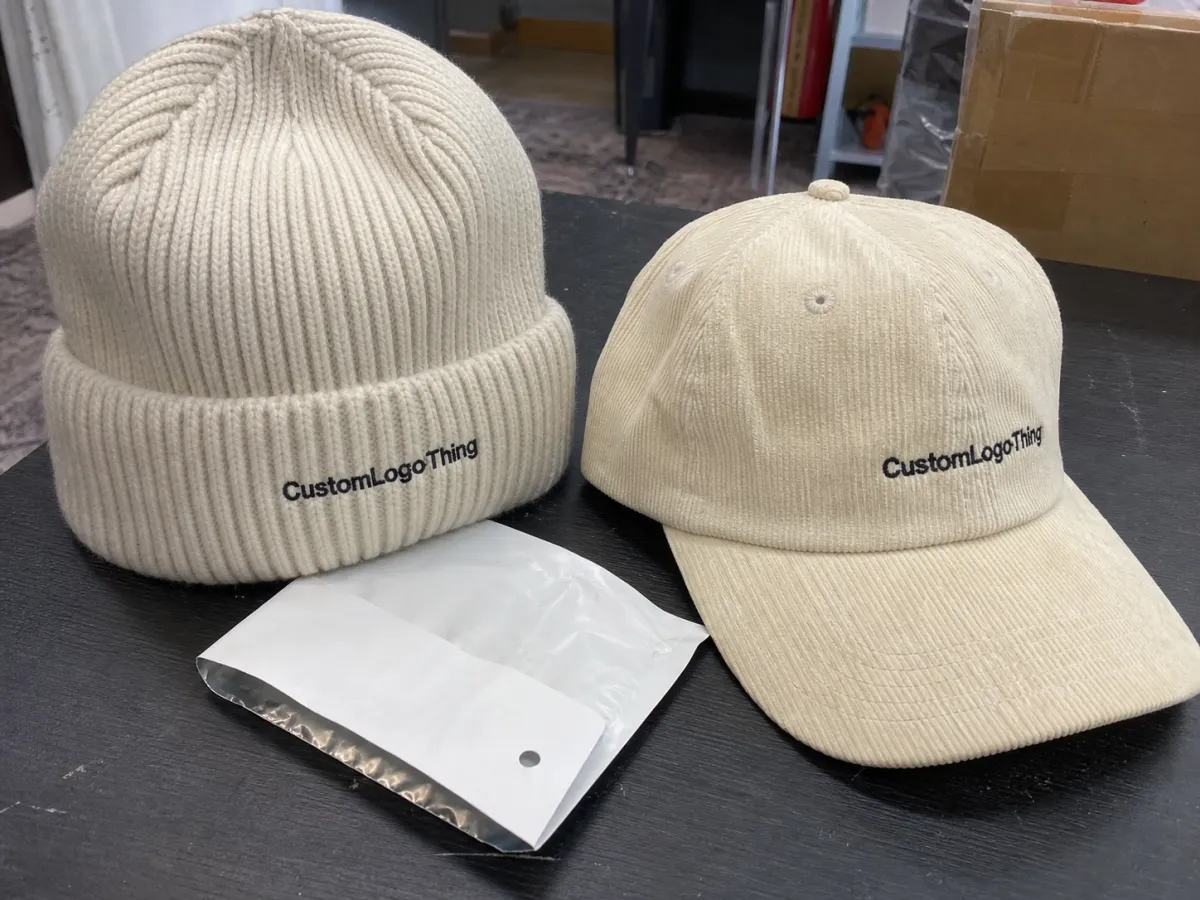
A winter hat gets used hard. A crew member may wear one through early starts, cold breaks, and the trip home, which gives a beanie far more real-world exposure than many other branded items. That is why a custom ribbed winter Hats Bulk Order often delivers more practical value than a larger, flashier cold-weather purchase.
The use cases are broad because the product is simple. Work crews need warmth and a visible logo. Retail staff need something comfortable enough to wear every day. Contractors want a hat that fits under a hood or hard hat liner. Schools, breweries, nonprofit drives, ski shops, and seasonal event teams all reach the same conclusion for different reasons: ribbed beanies are easy to distribute, easy to store, and easy to wear.
Ribbing matters more than many buyers expect. The vertical knit stretches across a wider range of head sizes, then rebounds after repeated wear. A flat knit can look tidy on a screen, but ribbed construction usually feels more forgiving in use and tends to hold its shape better over time. That matters in a bulk program, where one bad fit can turn into dozens of complaints.
There is also a logistics advantage. One decoration setup, one approval cycle, and one shipment can cover a whole crew or multiple branches. That keeps administration lower than placing smaller replacement orders every few weeks. For organizations that manage uniforms or seasonal staffing, that consistency is often worth more than a tiny unit-price difference.
Procurement reality: a good hat order is not just about warmth. It is about fit, logo clarity, packing efficiency, and whether the product will still be useful after the first cold snap passes.
For some programs, the question is not whether to buy hats in bulk. It is whether to pick a basic embroidered beanie, a patch-decorated style, or a more retail-ready package that can sit on a shelf without extra handling.
Ribbed Knit Product Details Buyers Should Check Before Ordering
A Ribbed Winter Hat looks straightforward until the spec sheet arrives. Most bulk programs use acrylic, acrylic-wool blends, recycled yarn blends, or other synthetic yarns that can be produced at scale. Acrylic is the workhorse choice because it is affordable, easy to care for, and available in a wide range of stock colors. Wool blends usually feel warmer and a little more premium, but they can add cost and care considerations. Recycled yarns help with sustainability goals, though color matching and availability can take longer if the yarn is not already in stock.
The knit itself matters too. A tighter gauge gives the hat a cleaner surface and can make embroidery or patches sit more neatly. A looser gauge feels softer and bulkier, but it can show more stretch around the logo area. Most buyers do not need to micromanage the knit count, but they should ask whether the style is built as a 1x1 rib, a 2x2 rib, or another variation. That detail affects stretch, appearance, and how much structure the cuff can provide.
Cuffs are where the decoration lives, and cuff style changes the whole look. A standard folded cuff works for most crew programs. A taller cuff gives more room for a logo and a more substantial feel. A shorter fisherman style sits lower and works better for streetwear or retail packaging, but it may not be ideal for field use if the wearer wants more ear coverage. Slouch styles can sell well as merchandise, although they are less suited to a uniform program that needs a cleaner, more consistent look.
Decoration choice should match the fabric and the use case. Direct embroidery is durable and familiar. Woven patches handle fine detail better than thread and can be a better answer for small text or thin outlines. Leatherette, PVC, rubber, and woven patches all create a more retail-style finish. Woven labels and custom tags can also be useful when the design needs a lighter touch.
One common mistake is assuming the knit will behave like a flat canvas. It will not. Ribbed fabric moves, and the logo has to be sized for that movement. A design that looks crisp in a digital mockup can turn crowded or wavy if the letters are too small or the outline is too thin. The decoration method should be chosen with the fabric in mind, not as an afterthought.
For buyers planning Custom Packaging Products alongside the hats, the decoration and the packaging should be reviewed together. Belly bands, hang tags, insert cards, and retail labels all shape how the finished order is received. The branding does not need to match every element exactly, but the materials and color choices should feel like they belong to the same program.
Specifications That Affect Fit, Warmth, and Brand Presentation
Clear specifications keep a bulk quote honest. Before requesting pricing for a custom ribbed winter Hats Bulk Order, buyers should decide the yarn type, knit gauge, cuff height, hat length, decoration method, logo placement, color count, packaging style, and delivery target. Leave those decisions fuzzy and the pricing turns into a rough guess instead of a usable production plan.
Material choice is the first filter. Acrylic is the most common starting point because it is cost-efficient, easy to wash, and usually available in stock colors. Wool blends feel warmer and often softer, but the price rises and care instructions matter more. Recycled blends can support a sustainability claim, though color matching may be less flexible and sourcing can add time. That tradeoff is normal, not a problem, but it should be planned for before approvals start.
Fit is usually one-size-fits-most, which is one reason ribbed hats work so well in bulk. Still, style changes the way that size feels in practice. A deep cuffed beanie covers more of the ear and suits outdoor crews. A fisherman cap sits higher and shorter. A slouch style creates a more relaxed look. If the order will be worn under a hard hat, helmet, or hearing protection, that use case should shape the silhouette from the start.
Color decisions affect both cost and timing. Stock yarn colors move faster and usually cost less. Pantone-matched yarn is possible in some programs, but exact dye matching can raise minimums, require sampling, and extend lead time. Buyers with strict brand standards should ask for the color constraint early. Buyers with more flexibility can often save time and money by choosing the closest in-stock shade.
Logo placement usually belongs on the cuff because that surface offers the most stability. Most embroidery marks land around 2.25 to 3.5 inches wide, while patches often sit around 2 to 3 inches, depending on the hat size and the art. Bigger is not always better. Oversized logos can look strong in a proof and awkward on a curved, stretchy knit once production starts.
- Bulk packed: lowest packing cost and best for internal distribution.
- Individual polybags: useful for employee handouts, branch shipments, and inventory control.
- Belly bands: a clean option for retail shelves, holiday gifts, and presentation sets.
- Hang tags: helpful for campus stores, resort shops, and other sell-through programs.
Quality control should cover knit consistency, seam alignment, cuff height, logo centering, thread color, patch adhesion, and carton count. If hats are going into kits or mixed shipments, buyers with strict logistics standards can compare packing and shipment checks against frameworks from ISTA. That kind of discipline matters more than people expect once product is being split across locations.
Pricing, MOQ, and Unit Cost Drivers for Bulk Beanie Orders
Pricing for a custom ribbed winter Hats Bulk Order depends on the details that change production effort. Quantity, yarn type, decoration method, logo size, stitch count, patch material, packaging, and freight all move the number. A buyer asking for “500 black beanies with a logo” is leaving out the choices that determine whether the order is efficient or expensive.
MOQ is not one fixed number. Stock ribbed hats with embroidery or patches usually support lower minimums, while custom knit colors, private-label labels, special yarn blends, or retail packaging tend to push the minimum upward. That is because setup, sourcing, and sampling have to be spread across the run. Once the order requires custom yarn or special trims, the project starts behaving more like a small production run than a simple decoration job.
Broad market ranges help buyers set expectations. At higher quantities, a simple stock acrylic beanie with a small embroidered logo may land in roughly the $3 to $6 range per piece. A stock hat with a woven or leatherette patch often moves into roughly the $5 to $9 range. Custom knit colors, custom labeling, and retail packaging can push a more finished program into roughly the $7 to $14+ range, depending on the art, quantity, and packing plan. Those are working ranges, not promises, but they are useful for early planning.
Unit price usually falls as quantity rises because setup and freight get spread across more hats. That said, buying far more than a program can use is its own problem. Extra inventory occupies space, ages in storage, and can leave a team with the wrong color or style next season. The smartest order size is the one that fits distribution, not just the lowest line item on a quote.
| Order Type | Typical MOQ Pattern | Approx. Unit Price Range | Best Fit |
|---|---|---|---|
| Stock ribbed beanie with embroidery | Lower minimums are common | $3-$6 at larger runs | Uniforms, work crews, staff gifts |
| Stock beanie with woven or leatherette patch | Moderate minimums | $5-$9 depending on patch size | Retail merchandise, breweries, campus stores |
| Custom yarn color or custom knit construction | Higher minimums are likely | $7-$14+ based on sourcing and setup | Large brand programs, strict color standards |
| Private-label hat with belly band or hang tag | Moderate to higher minimums | $6-$12+ including packing and labeling | Retail packaging, gifting, kit-ready programs |
Direct embroidery usually scales well for simple logos with limited colors. Patches often cost a bit more because there is a separate component and extra labor, but they can lift the perceived value of the hat. For retail or gift programs, that premium can make sense. For a field crew that needs warm, readable branding, embroidery may be the cleaner answer.
The fastest accurate quote usually needs quantity, hat color, logo file, decoration method, delivery deadline, shipping ZIP code, and any packaging requirements. Rush production, split shipping, oversized logos, custom dyeing, and late artwork changes are the most common cost escalators. A quote built from real specs is more useful than a low teaser price that changes after proofing starts.
For larger buyers comparing seasonal programs, Wholesale Programs can help map quantity breaks and repeat-order planning without starting from scratch each time.
Production Steps, Lead Time, and Artwork Approval Timeline
The production path is simple on paper and still easy to slow down. A typical order moves from inquiry to spec confirmation, quote, artwork review, digital proof, sample or pre-production approval if needed, bulk production, quality check, packing, and shipment. The order only moves as fast as the slowest approval.
Lead time depends on inventory, decoration method, order size, custom materials, and freight method. Decorated stock hats are usually faster than Custom Knit Hats. Custom yarn colors, private-label trims, retail tags, and individual packaging add more time because they introduce sourcing and proofing steps. If a deadline is fixed, the decoration method and packaging plan may need to stay simple.
Artwork approval deserves more attention than it usually gets. Buyers should check spelling, thread colors, patch dimensions, logo centering, cuff direction, and final size in inches. A proof can look correct and still place the logo too low on the cuff or make it too wide for the knit structure. The safest proof is the one that shows both the flat art and the actual placement on the hat.
Typical timelines vary. Decorated stock ribbed beanies often take about 2 to 4 weeks after proof approval if inventory is available. Custom knit constructions or custom color yarns can run about 6 to 10 weeks, sometimes longer if sampling or material sourcing is required. Rush orders can happen, but only if the blank product, decoration capacity, and freight window all line up. One of those missing usually breaks the promise.
The most common delays are plain and avoidable: incomplete artwork, slow proof approval, changing quantity after the quote, or adding new ship-to addresses late in the process. Those issues are not dramatic, but they cost time. The orders that stay on schedule are usually the ones where the buyer locked the essentials before production started.
Ordering earlier than peak cold-weather demand is still the safer move. Decoration queues tighten as temperatures drop, and popular colors such as black, charcoal, navy, forest, and safety orange can disappear from stock faster than expected.
Common Ordering Mistakes That Raise Cost or Delay Delivery
The cheapest hat is not always the best purchase if the fabric feels rough or the logo disappears in the cuff. Comfort matters because these hats are worn, not just handed out. If a beanie feels scratchy or too thin, people may leave it in a locker, a truck, or the back of a drawer.
Logo scale causes a lot of avoidable trouble. Buyers often approve artwork that looks fine on a screen, then discover that fine lines, small text, or gradients do not survive well on a stretchy ribbed surface. If the brand mark is detailed, a woven patch or label may hold the design better than embroidery. The fabric should guide the decoration choice, not the other way around.
Do not assume all black hats are the same. Yarn shade, rib width, cuff height, seam placement, and hand feel can vary between styles. Two acrylic ribbed beanies may both be called black and still look different in daylight. If consistency matters across departments or repeat orders, ask for the exact style or a sample path before approving the run.
Sizing assumptions also create problems. One-size-fits-most is practical, but the silhouette still changes the experience. A fisherman cap sits short. A slouch beanie looks casual. A deep-cuff style offers more coverage and usually works better for crews that spend time outdoors. The work environment should decide the shape, not a catalog photo.
Freight and distribution can quietly inflate the budget. Sending one master carton to a central office sounds efficient until staff spend hours sorting and reshipping hats to branch locations. Multi-site programs should plan split shipping, carton labels, or distribution bags early so the product moves cleanly once it lands.
Compliance can matter for schools, municipalities, healthcare systems, and larger companies. Some buyers need material declarations, packaging rules, country-of-origin details, or sustainability paperwork. If FSC-certified paper hang tags are part of the presentation, buyers can review certification context through FSC. The main point is simple: the hat spec should fit the policy environment, not just the brand look.
Why Packaging Details Matter in Branded Winter Hat Programs
A solid hat program is usually built from ordinary decisions made well. A custom ribbed winter hats bulk order goes smoother when decoration, packing, and distribution are planned together instead of treated as separate jobs. That is where a packaging-minded supplier can help the most.
The real value is not a flashy pitch. It is fewer surprises. If the logo has small text, a woven patch may be a cleaner answer than embroidery. If the hats are going into gift kits, individual bagging and carton sequencing can save a team from spending a day repacking boxes. If the order is meant for retail, belly bands or hang tags may do more for presentation than a larger logo ever will.
Quality control should start with the proof and end with the carton count. That means checking logo size, placement, color consistency, material confirmation, cuff alignment, stitching quality, and packing accuracy before the shipment leaves. A low unit price loses its value quickly if cartons arrive mixed, mislabeled, or inconsistent enough to force manual sorting.
That is the kind of work buyers actually need from a supplier: clean specs, direct answers, and packaging that fits the job. The strongest orders are often the least dramatic ones. The hat looks right, the logo is readable, the packing matches the distribution plan, and nobody has to guess what to do with it once it arrives.
Next Steps to Prepare a Fast, Accurate Bulk Hat Quote
Good quotes start with enough detail to price the product without guessing. The goal is not to finalize every choice upfront. The goal is to define the guardrails so the quote reflects the real job.
- Set the target quantity and ask for one or two higher tiers to compare unit cost.
- Send vector artwork when possible, such as AI, EPS, or PDF files with outlined fonts.
- Share brand colors, preferred decoration method, and any material or packaging restrictions.
- Provide the delivery deadline, shipping ZIP code, and number of ship-to locations.
- Say whether the hats need individual polybags, retail tags, belly bands, or employee labels.
- Choose two acceptable hat colors in case one stock color is unavailable or slower to source.
If the budget is fixed, say so early. That gives room to compare acrylic versus recycled yarn, embroidery versus patch decoration, bulk packing versus individual bags, and one-location freight versus split shipping. It is much easier to build a useful quote from a defined budget than to rebuild one after three rounds of revisions.
Buyers can also review common order questions through the FAQ before sending specs. The more complete the request, the cleaner the production path: product style, decoration, quantity, packing, freight, and timing. With those pieces in place, a supplier can price the order with fewer assumptions and fewer preventable delays.
FAQ
What is the typical MOQ for custom ribbed winter hats in bulk?
MOQ depends on whether the order uses a stock ribbed beanie or a fully custom knit build. Stock hats with embroidery or patches usually allow lower minimums, while custom yarn colors, private-label labels, and custom packaging often require higher quantities. The reason is simple: setup, sampling, and material sourcing need to be spread across the order.
How much does a bulk order of custom ribbed beanies cost?
Broadly speaking, a simple stock acrylic beanie with a small logo may land around $3 to $6 per piece at higher quantities. A patch-decorated version often moves into the $5 to $9 range, and custom knit or private-label programs can move into the $7 to $14+ range depending on the spec. Final price depends on quantity, decoration, packaging, and freight.
Can I use embroidery on ribbed winter hats without logo distortion?
Yes, but the artwork needs to be digitized for ribbed knit and placed on a stable cuff area. Small lettering, thin outlines, and complex gradients may not hold up well on the fabric. If the art is detailed, a woven patch or label may give a cleaner result than direct embroidery.
How long does production take for custom cuffed winter hats?
Decorated stock hats often take about 2 to 4 weeks after proof approval if inventory is available. Fully Custom Knit Hats, custom yarn colors, or private-label trims can run about 6 to 10 weeks, and sometimes longer if sampling or sourcing is involved. Slow artwork approval and late changes are the most common reasons schedules slip.
What details should I send to start a custom ribbed winter hat quote?
Send the quantity, logo file, preferred hat color, decoration method, delivery deadline, shipping ZIP code, and packaging needs. Include any brand rules, Pantone colors, employee distribution requirements, or retail presentation goals. If there is a target budget, share that too so the quote can compare realistic options.


