Buyer Fit Snapshot
| Best fit | Custom Sample Boxes with Logo projects where brand print, material claims, artwork control, MOQ, and repeat-order consistency need to be specified before quoting. |
|---|---|
| Quote inputs | Share finished size, material target, print colors, finish, packing count, annual reorder estimate, ship-to region, and any compliance wording. |
| Proofing check | Approve dieline scale, logo placement, barcode or warning zones, color tolerance, closure strength, and carton packing before bulk production. |
| Main risk | Vague material claims, crowded artwork, missing packing details, or unclear freight terms can make a low unit price expensive after revisions. |
Fast answer: Custom Sample Boxes with Logo: Board, Finish, Dieline, and Unit Cost should be specified like a repeatable production item. The safest quote records material, print method, finish, artwork proof, packing count, and reorder notes in one written spec.
Production checks before approval
Compare the actual filled-product size with the drawing, then confirm tolerance on folds, seals, hang holes, label areas, and retail display edges. Reserve space for logos, QR codes, warning copy, and material claims before decorative graphics fill the panel.
Quote comparison points
Review material grade, print process, finish, sampling route, tooling charges, carton quantity, and freight assumptions side by side. A quote is only useful when the supplier can repeat the same color, closure quality, and packing count on the next order.
Custom sample Boxes With Logo get judged before the product inside is ever handled. That may sound a little harsh, but it is how packaging decisions actually happen in buyer meetings, retail line reviews, and launch presentations: the box lands on the table, someone gives it a quick look, and an opinion forms almost immediately about price point, quality, and credibility. For cosmetics, supplements, apparel, food, and B2B sales kits, custom sample boxes with logo do more than hold a sample. They help the brand look prepared for a larger conversation.
That is why custom sample Boxes with Logo carry so much weight in product packaging and retail packaging. A plain mailer gets a parcel from one place to another. A thoughtful sample box does a different job altogether. It can reduce extra revision rounds, keep package branding aligned before full production starts, and help a launch move forward with fewer question marks. For a brand that needs to appear established without overcommitting to inventory, that difference matters a lot.
Custom Sample Boxes with Logo: Why the First Sample Sells the Rest
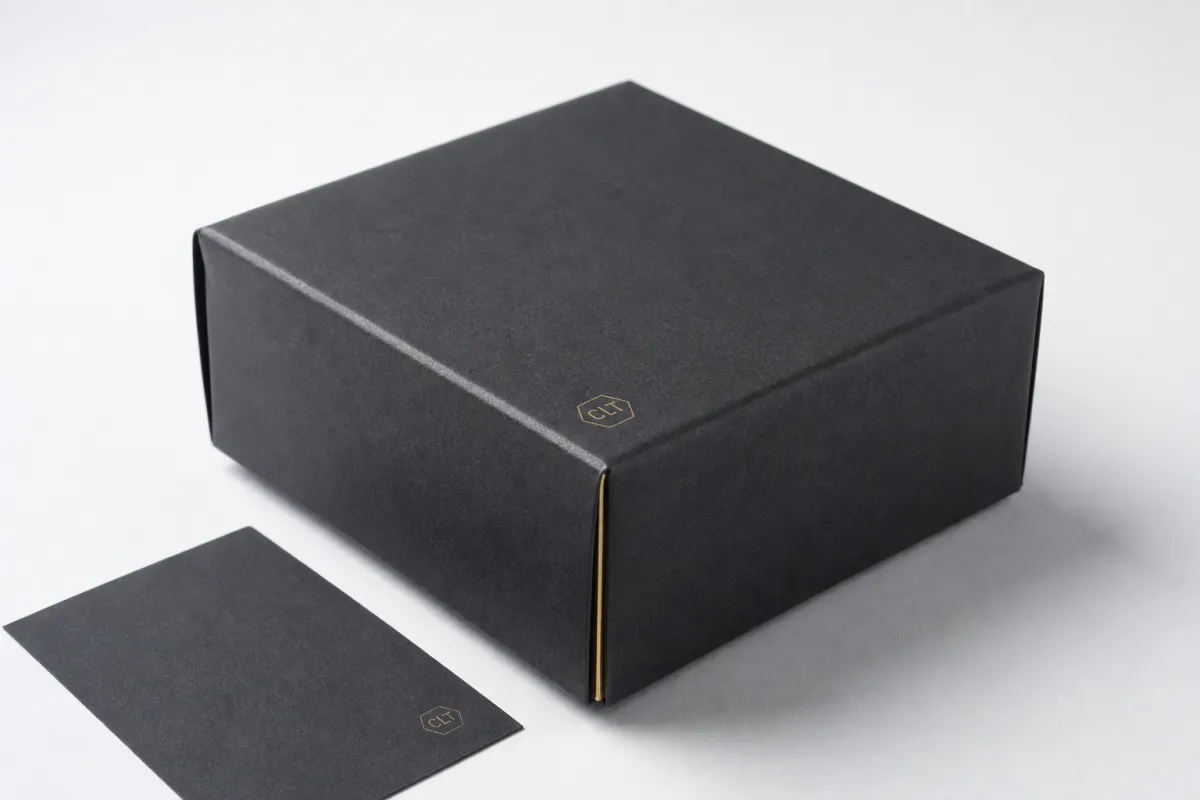
From a packaging buyer’s point of view, custom sample boxes with logo are short-run presentation pieces with a practical purpose. They have to fit the product, survive transit, and hint at what the finished brand will feel like when the larger order arrives. A sloppy sample changes the conversation fast, and not in a good way. Attention shifts from the product to the packaging problem. A controlled sample does the opposite. It settles the room and gives the product a fair chance.
The real value of custom sample boxes with logo shows up in how they shape trust, pricing perception, and approval speed. A well-built box sends a signal that the product inside was handled with care too. A weak box can make a premium item feel cheaper than it should. People do not always say that out loud, but they react to it immediately. Packaging is often the first proof a buyer gets.
In my experience, teams do not always need the fanciest box. They need the right one. A box that fits poorly or opens awkwardly can hurt a great product, while a clean, disciplined structure can make a modest sample look far more polished than the budget suggests.
Who uses custom sample boxes with logo? Quite a few teams, actually:
- Cosmetics and skincare brands that need compact presentation packaging for launches, press kits, and buyer review packs.
- Food and supplement companies that want clean, compliance-friendly custom printed boxes for trials and sales meetings.
- Apparel brands sending folded garments, accessory samples, or fabric swatch sets.
- Subscription businesses building first-touch branded packaging for sample assortments.
- B2B sellers preparing investor kits, distributor decks, or retail pitches where package branding carries part of the story.
The business case is straightforward. Custom sample boxes with logo reduce guesswork because the physical sample shows fit, finish, and structure in ways a mockup never can. They also make a brand feel more mature than a plain mailer usually does. That matters when a buyer is comparing vendors that all claim similar product quality. The packaging becomes part of the evidence.
A sample box is not a miniature final order. It is a decision tool.
That is why custom sample boxes with logo deserve more care than many teams give them. The real question is not only how they look. It is how they are designed, priced, approved, and delivered without slowing the project down.
How Custom Sample Boxes with Logo Are Designed and Built
The workflow for custom sample boxes with logo usually begins with the product itself. What are the length, width, height, and weight? Will the box hold a bottle, jar, pouch, folded garment, insert card, or several components at once? Packaging design gets much easier when those answers are fixed early. If the product dimensions keep changing, the sample box work shifts too, and every revision ripples through the rest of the job.
Structure comes next. A short-run sample can be built as a folding carton, mailer, sleeve-and-tray system, rigid presentation box, or corrugated shipper depending on the goal. The sample might need to look polished on a table, or it may need to survive parcel transit and still open cleanly for a buyer. Custom sample boxes with logo are not one single format; they are a set of structures with different strengths and tradeoffs.
That structure choice has a knock-on effect on cost, print coverage, insert engineering, and lead time. If a team wants premium presentation but also expects rough handling in transit, the box has to be designed for both realities. Otherwise it is kind of a pretty promise with weak cardboard.
From concept to prototype
Most projects follow a familiar sequence. The team defines the product load, the vendor prepares or adjusts the dieline, artwork and logo placement are mapped to safe zones and glue tabs, and a prototype or structural sample gets produced before full-color printing starts. That order matters because custom sample boxes with logo are only useful if the structure is tested before anyone approves a larger run.
- Confirm product dimensions and target box style.
- Request a dieline or structural template.
- Place the logo, brand colors, copy, and any compliance text.
- Review a digital proof and structural sample.
- Approve the printed prototype or revise the design.
Proofing choices that save time
There are usually three proofing levels for custom sample boxes with logo. A digital mockup is quick and useful for layout. A structural sample shows how the box folds, closes, and supports the product. A printed prototype brings color and finish into the picture so the team can judge the actual experience. Each stage answers a different question, and skipping one often creates a more expensive problem later.
In practice, sample runs usually favor speed and flexibility, while full production focuses on consistency and unit economics. That distinction helps. A team may accept a slightly higher per-unit cost on custom sample boxes with logo if it gives a clearer read on fit and branding. The final run is where unit cost matters most; the sample is where mistakes are cheapest to catch.
For brands comparing packaging formats, the Custom Packaging Products catalog is a useful place to line up structure options before requesting quotes. It is easier to judge a mailer, folding carton, or rigid box when the category is already clear. That one step can prevent a long trail of back-and-forth.
If the sample will face shipping stress, ask whether the structure should be evaluated against standards like ISTA transit test methods. That does not mean every job needs formal lab testing. It does mean the box should be judged for more than visual appeal. A beautiful box that crushes in transit is not doing its job.
Key Factors That Shape Custom Sample Boxes with Logo
Several variables decide whether custom sample boxes with logo feel premium, practical, or just busy. Material strength comes first. A lightweight paperboard carton can be ideal for presentation samples, but it is not the same thing as a corrugated shipper. Corrugated stock adds protection and thickness; paperboard can feel cleaner and more refined. Neither one is universally better. The right choice depends on whether the sample is being handed over, mailed, displayed, or all three.
Box style is the next major decision. A tuck-end carton may be perfect for a cosmetic sample. A sleeve-and-tray setup can help a set of multiple items feel organized. A rigid box can elevate a launch kit or investor sample, though it also raises cost. Custom sample boxes with logo usually work best when the structure matches the product story instead of fighting it.
Print method changes the feel too. A single-color logo can look restrained and expensive if the layout is disciplined. Full-color art makes sense when the box itself is part of the pitch. Some brands need the box to whisper. Others need it to carry the opening statement. That is a packaging decision, not a decoration choice.
Finish matters more than many buyers expect. Matte lamination, gloss coating, soft-touch film, foil stamping, embossing, debossing, and spot UV all affect both look and price. On custom sample boxes with logo, the best finish is usually the one that supports the product category. A technical supplement brand may prefer crisp, high-contrast print with minimal gloss. A beauty brand may want soft-touch with a restrained foil accent. The finish should reinforce the message, not fight for attention.
There is also a practical detail that often gets missed: how the box feels in hand after it has been assembled and filled. A sample may look great flat on a screen, but once the lid closes and the product weight settles in, the whole thing can feel either reassuring or flimsy. That handfeel is part of the design whether people talk about it or not.
Brand system alignment
Good package branding depends on consistency. Typography should remain legible at the actual print size. Logo placement should respect fold lines, closures, and shipping labels. Color accuracy should be checked against the brand standard, not just against a screen. When custom sample boxes with logo line up with the broader product packaging system, the brand feels organized, and that is often half the battle in a buyer review.
Teams that care about sustainability claims should look closely at material sourcing too. FSC-certified paperboard can support chain-of-custody documentation, and that gives the packaging conversation a useful layer of credibility. It is not a magic stamp, though. Recyclability still depends on local collection systems, coatings, inks, and laminations. Those questions are easier to answer before production begins than after the boxes are already approved.
Custom sample boxes with logo also need a realistic tolerance plan. If the product insert is cut too tightly, minor production changes can cause scuffing or crushed edges. If the box is too loose, the item shifts and feels unfinished. A difference of only a few millimeters can change the whole impression. In packaging, that is not a small detail.
Custom Sample Boxes with Logo Cost, Pricing, MOQ, and Quote Factors
Pricing for custom sample boxes with logo depends on more variables than many first-time buyers expect. Material grade, box style, print coverage, finish complexity, insert design, quantity, and setup work all affect the quote. A simple one-color carton is one thing. A rigid presentation box with a custom foam insert, foil logo, and soft-touch wrap is something else entirely. The gap between those two can be wide.
MOQ, or minimum order quantity, is often the next surprise. Lower quantities usually raise unit cost because setup work is spread across fewer boxes. Higher quantities lower unit cost but increase the upfront spend. That tradeoff is normal. With custom sample boxes with logo, the smart move is to decide whether the project is a true sample batch, a short-run sales kit, or the first stage of a larger packaging program.
There are also hidden costs that buyers miss:
- Artwork setup and dieline adjustments.
- Custom insert engineering.
- Color matching and proof rounds.
- Specialty finishes such as foil, embossing, or spot UV.
- Rush production and expedited freight.
- Sampling fees for physical prototypes.
For comparison, here is a practical pricing snapshot. These ranges are illustrative rather than guaranteed, because custom sample boxes with logo can shift sharply with dimensions, materials, and finish choices.
| Box Type | Typical Use | Common MOQ Range | Illustrative Unit Price | Notes |
|---|---|---|---|---|
| Paperboard tuck box | Lightweight product sample or retail presentation | 250-1,000 | $0.80-$2.20 | Good for clean, economical custom printed boxes |
| Corrugated mailer | Mail-out samples and protective branded packaging | 100-500 | $1.40-$3.50 | Better for transit-heavy shipments and insert protection |
| Rigid presentation box | Sales kits, influencer kits, and premium launches | 50-250 | $4.00-$12.00 | Stronger package branding, higher setup and material cost |
| Sleeve and tray system | Multi-item sample sets and organized retail packaging | 100-500 | $1.20-$4.25 | Useful when the opening experience matters |
One simple way to save money is to simplify the structure before changing the print. A clean box with one or two logo placements often looks more intentional than a heavily decorated box that uses effects to cover a weak layout. Another is to standardize dimensions. If a brand can reuse one footprint across multiple SKUs, custom sample boxes with logo become cheaper to order and easier to manage.
For teams comparing vendors, ask for the same spec sheet from each quote. Board type, dimensions, print sides, finish, insert details, and quantity must all match. Otherwise the comparison stops being useful. One quote may be for a basic box while another includes a fully finished package. That is not a fair match.
If you want a broader view of structural options before committing, the Custom Packaging Products page can help you sort presentation formats from shipping formats. That usually makes quote review more disciplined and saves time.
There is also a standards angle. If your sample box will move through parcel networks, it may help to frame testing around ASTM D4169 or compare internal simulations to distribution methods used in packaging labs. The goal is not paperwork for its own sake. The goal is fewer crushed corners, fewer returns, and fewer awkward conversations after delivery.
Production Steps, Process, and Turnaround for Custom Sample Boxes with Logo
The production path for custom sample boxes with logo is usually predictable, which helps. The less predictable part is how quickly each stage moves. A simple job can move fast once the artwork is ready. A more complex one can slow down because a dimension changed, a logo file was replaced, or someone decided to alter the insert after proof approval. That happens constantly.
- Request a quote with product dimensions, usage, quantity, and preferred structure.
- Confirm board type, finish, and insert requirements.
- Review the dieline and check all safe zones.
- Approve digital artwork and color intent.
- Produce the sample or prototype.
- Inspect fit, closure, print quality, and transit behavior.
- Revise only if the sample reveals a real problem.
Turnaround depends on the complexity of custom sample boxes with logo. A simple printed sample may be ready in about 7-10 business days after proof approval. More complex jobs, especially those with rigid construction, specialty finishing, or custom inserts, often need 12-18 business days or more. If freight is involved, shipping time gets added on top. Those ranges are not promises; they are a practical planning frame.
Where do delays usually show up? Three places stand out. Incomplete artwork creates the first delay. Slow approvals create the second. Late-stage changes to box size or insert placement create the third. The fastest projects are not magical. They are the ones where the brand sends clean files, makes decisions early, and treats the sample as a decision checkpoint instead of a design workshop.
That is where packaging discipline pays off. If the product uses custom sample boxes with logo as a sales tool, the team should schedule at least one internal review, one vendor proof round, and one physical sample review before final production starts. That may feel careful, but it is cheaper than correcting a 5,000-piece order.
Custom sample boxes with logo should also be tested with the real product weight and the real closure method. Snap-fit, tuck flap, magnetic closure, or adhesive seal all behave differently in handling. A box that photographs beautifully can still be awkward to open, and opening friction matters more than many teams expect. The sample should answer that question before the full run is approved.
If a project has both a presentation version and a mail version, ask for both. That gives the team a useful comparison between brand impact and protection. Many brands discover that the presentation sample wins in meetings while the mail version wins in daily use. Both can be right.
For broader sourcing and sustainability context, the Packaging School and industry resources at packaging.org offer useful reference points when teams want to think more carefully about material choices, structure, and communication. Good custom sample boxes with logo are rarely just about the logo. They are about whether the whole package tells the same story.
Common Mistakes Brands Make with Custom Sample Boxes with Logo
The first mistake is sizing. Too tight, and the product gets crushed or scuffed. Too loose, and it shifts around like it was packed in a hurry. Custom sample boxes with logo need enough tolerance for the product, the insert, and the real world. A few millimeters can decide whether the box feels precise or sloppy.
The second mistake is overdesign. Too many colors, too many messages, and too many effects can make the box feel confused. This shows up often when a team tries to say everything at once. In practice, the best custom sample boxes with logo often have one clear idea: premium, clinical, playful, eco-focused, technical, or gift-like. More than one can work, but only if the hierarchy stays disciplined.
The third mistake is weak file prep. Low-resolution logos, missing bleeds, and ignored dieline safe zones are common and avoidable. If the logo file is not vector, the print may look softer than expected. If colors are not defined in Pantone or a clear CMYK reference, the final result can drift. That is a packaging production issue, not a design preference issue.
- Ignoring the insert: The box may look right, but the product can rattle or shift.
- Skipping physical testing: Digital proofs do not reveal scuffed finishes or weak closures.
- Treating the sample as disposable: A good sample spec can often become the basis for the final run.
- Changing the brief too late: Last-minute logo or size changes can reset timelines and raise cost.
The fourth mistake is not thinking ahead to scale. A structure that works for 50 units may not be the best structure for 5,000 units. If the sample is built without a future production plan, the brand may end up redesigning later. That creates extra cost and often breaks continuity in package branding. Custom sample boxes with logo should be developed as part of a system, not as a one-time stunt.
The fifth mistake is forgetting how the box will travel. If the sample is going to a retail buyer, an investor, or a reviewer by parcel carrier, transit damage can undo the whole effort. That is where corrugate, inserts, and internal cushioning become relevant. A beautiful box that arrives dented is not a success.
A final caution: do not confuse “sample quality” with “finished quality.” A sample can be made a little differently from a production run because its job is to validate structure, print, and fit. That is normal. The key is to document what was approved so the sample and final spec do not drift apart.
Expert Tips for Better Custom Sample Boxes with Logo and Next Steps
Here is the most practical advice for custom sample boxes with logo: ask for two versions whenever the project justifies it. One should be optimized for presentation. The other should be optimized for shipping. Those two boxes are not always identical, and pretending they are can create problems later. Presentation wants presence. Shipping wants protection. Good packaging usually finds a workable balance between the two.
Test with the real product, not a substitute. A foam dummy, a lighter fill weight, or a placeholder bottle can hide problems. Real mass changes how the box closes. Real friction changes how the insert grips. Real closures change how the customer experiences the opening. If the sample is meant to represent final packaging, it should behave like final packaging.
The cleanest sample is not always the smartest sample. The smartest sample is the one that tells the truth about fit, finish, and handling.
Build a reusable spec sheet. Record the outer dimensions, board type, print sides, finish, insert notes, closure type, and any vendor settings that proved successful. That way, future custom sample boxes with logo can be reordered without rebuilding the entire decision history. For brands that launch seasonal items or SKUs in waves, that documentation becomes valuable quickly.
Use the box as a sales tool when it supports the message. A short product story on the interior flap, a QR code to a demonstration video, or a discreet compliance note can help, but only if the content is genuinely useful. Excess copy usually hurts. Good branded packaging is edited, not crowded.
For teams comparing box styles before a broader rollout, the Custom Packaging Products page can help narrow down structure families and keep the briefing focused. That usually makes the next quote more useful and the next proof less chaotic.
Standards still matter here. If the box is part of a retail packaging program, consider whether your specs align with durability expectations from ISTA-style testing and whether the material sourcing supports your claims. That is where custom sample boxes with logo become more than a design exercise. They become part of the product’s credibility.
The smartest next steps are simple: gather product dimensions, define the purpose of the sample, request a structural quote, review one physical proof, and then scale only after the fit, finish, and timeline are validated. That sequence may feel careful, but it saves time later. In practice, custom sample boxes with logo work best when the sample earns trust before the larger production run begins.
One last practical point: keep a photo record of the approved sample from a few angles before sign-off. Front, side, top, and open-box shots give your team a clean reference if the final production needs to be checked later. That little habit can save a lot of backtracking.
Frequently Asked Questions
How much do custom sample boxes with logo usually cost?
Price depends on material, size, print coverage, finishing, insert complexity, and order quantity. Smaller runs usually cost more per box, while larger quantities bring the unit price down. For custom sample boxes with logo, it is smart to compare quotes on the same spec sheet so the numbers are actually comparable.
What is the typical turnaround for custom sample boxes with logo?
Simple sample boxes can move quickly once artwork and dimensions are approved, but complex structures or specialty finishes add time. The biggest delays usually come from artwork revisions, proof approvals, and late specification changes. For custom sample boxes with logo, plan for at least one physical proof round if the box will be used for a launch or sales review.
What MOQ should I expect for custom sample boxes with logo?
MOQ varies by vendor and construction method, but short-run sample projects often start lower than full production packaging. Ask whether the MOQ is tied to print method, board type, or finishing so you can compare quotes accurately. That question matters just as much as the unit price for custom sample boxes with logo.
What files do I need to order custom sample boxes with logo?
You usually need vector logo files, brand colors, product dimensions, and any copy that must appear on the box. A dieline or structural template helps prevent placement errors and speeds up proofing. If the project involves custom sample boxes with logo, clean files often shorten the approval cycle more than any other single factor.
Can custom sample boxes with logo be used for sales kits or retail pitches?
Yes, they are often used for buyer presentations, retail approvals, influencer kits, and internal launches. Add inserts, product notes, or QR codes only when they support the pitch instead of cluttering the design. In a sales setting, custom sample boxes with logo can do a lot of quiet work before anyone starts talking price.

