Buyer Fit Snapshot
| Best fit | Printed Recycled Corrugated Boxes with Logo Explained projects where brand print, material claims, artwork control, MOQ, and repeat-order consistency need to be specified before quoting. |
|---|---|
| Quote inputs | Share finished size, material target, print colors, finish, packing count, annual reorder estimate, ship-to region, and any compliance wording. |
| Proofing check | Approve dieline scale, logo placement, barcode or warning zones, color tolerance, closure strength, and carton packing before bulk production. |
| Main risk | Vague material claims, crowded artwork, missing packing details, or unclear freight terms can make a low unit price expensive after revisions. |
Fast answer: Printed Recycled Corrugated Boxes with Logo Explained should be specified like a repeatable production item. The safest quote records material, print method, finish, artwork proof, packing count, and reorder notes in one written spec.
Production checks before approval
Compare the actual filled-product size with the drawing, then confirm tolerance on folds, seals, hang holes, label areas, and retail display edges. Reserve space for logos, QR codes, warning copy, and material claims before decorative graphics fill the panel.
Quote comparison points
Review material grade, print process, finish, sampling route, tooling charges, carton quantity, and freight assumptions side by side. A quote is only useful when the supplier can repeat the same color, closure quality, and packing count on the next order.
Printed recycled corrugated Boxes with Logo do more than carry a product from one place to another; they shape the first physical impression a brand makes the moment a parcel reaches a doorstep or a pallet rolls into a receiving area. That matters because a carton can act as both a working shipper and a clear brand signal, and the strongest printed recycled Corrugated Boxes With Logo are the ones that protect what is inside, fit the fulfillment flow, and present the brand with care while keeping material use sensible.
If you have ever opened a shipment and noticed how the box felt solid, tidy, and on-brand before you even saw the product, you already understand the appeal of printed recycled corrugated Boxes With Logo. The idea is straightforward: corrugated board made with recycled fiber content, customized with a logo or message, then converted into a carton that suits shipping, retail replenishment, subscription fulfillment, or industrial distribution. Getting the board grade, print method, and order quantity to work together is the real task, and that part is a little less glamorous than the mockup stage but a lot more important.
For a buyer, the central question is not whether printed recycled corrugated boxes with logo can be made; it is which specification delivers the right balance of strength, appearance, sustainability, and cost. That balance shifts with product weight, stacking pressure, humidity, print coverage, and the way the carton is handled after it leaves the facility. A recycled shipper only earns the sustainability label in practical terms when it survives the route cleanly and arrives with the brand message intact.
Printed Recycled Corrugated Boxes with Logo: What They Are and Why They Stand Out
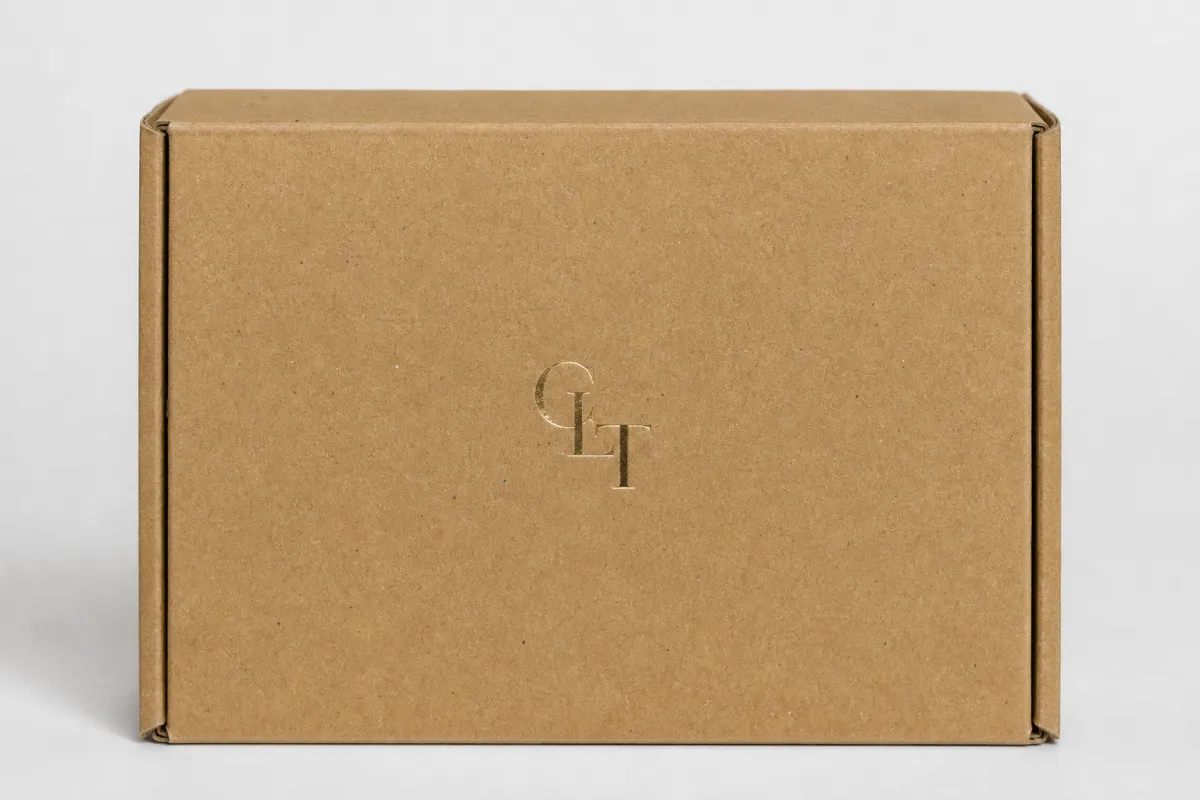
Printed recycled corrugated boxes with logo are corrugated cartons manufactured with recycled fiber content and finished with a brand mark, product message, or artwork using a print method suited to shipping boxes. The board itself is usually built from linerboard on the outside and inside, with a fluted medium in the middle that gives the carton its stacking strength. Recycled content can vary, and the exact blend depends on the supplier, the performance target, and whether the board needs to meet a specific ECT or burst requirement.
What makes printed recycled corrugated boxes with logo stand out is the way they solve two problems at once. They protect the product in transit, and they create a branded surface that tells the customer the shipment was planned with care. That impression carries real weight in e-commerce, subscription boxes, retail replenishment, and industrial shipping, where the carton may travel farther than the product itself and may be the only visible piece of the brand before opening.
From a packaging buyer’s point of view, the value is not only visual. Printed recycled corrugated boxes with logo can cut down the need for extra wraps, inserts, or outer labels when the carton design is handled properly, and that can save labor as well as waste. The branding is not sitting on top of the structure; it is part of the structure.
One practical truth: the best-looking box is not always the most expensive one. A simple one-color logo on a well-sized recycled corrugated shipper often looks more confident than a heavy graphic treatment squeezed onto a box that is too large, too weak, or wrong for the product. That is why printed recycled corrugated boxes with logo should be specified with the shipping environment in mind first, then the artwork second.
If your sustainability story matters to retail partners or end customers, recycled fiber sourcing can also support documentation and procurement goals. Suppliers often reference chain-of-custody and responsible fiber standards, and organizations such as FSC can be helpful when you need to understand how certified material claims are structured. That does not make every carton identical, but it does help buyers ask better questions and avoid fuzzy claims.
The carton is not just packaging; it is the first handled surface in the customer journey, and printed recycled corrugated boxes with logo work best when the box feels honest, sturdy, and clean rather than overdesigned.
In practical terms, printed recycled corrugated boxes with logo stand out when three things line up: the board has enough strength for the route, the logo prints clearly on the chosen liner, and the box size supports the product without excess void space. Miss one of those, and the whole package feels less intentional.
How Printed Recycled Corrugated Boxes with Logo Are Made
The making of printed recycled corrugated boxes with logo begins with the board structure. Corrugated board is built from linerboard and corrugating medium, and the flute profile changes how the box behaves under load. A common B flute carton has good printability and decent crush resistance, C flute adds more cushioning and stacking strength, and E flute is thinner and cleaner-looking for presentation-heavy work. Recycled content may be blended into one or more of these layers, but the key is always the finished performance, not the fiber story alone.
Board makers and converters pay close attention to strength numbers such as ECT and burst performance because those measurements translate into real-world handling. For shipping cartons, edge crush strength often matters more than a buyer expects, especially when pallets are stacked, cartons are packed tightly, or warehouse conditions are humid. That is why printed recycled corrugated boxes with logo are usually chosen by specification, not by appearance alone.
The print method is the next major decision. Flexographic printing is often the workhorse choice for printed recycled corrugated boxes with logo because it is efficient, repeatable, and cost-effective for medium to high volumes. Digital printing works well when the run is shorter, the artwork changes often, or the brand wants more color flexibility with less setup. Litho-lamination can deliver a premium, retail-ready look, but it usually adds cost and is more common when presentation matters as much as transit protection.
After the print plan is set, the production flow usually moves through sheet conversion, printing, die-cutting, scoring, slitting, folding, gluing, and flat packing. The box may arrive nested or knocked down, depending on how it will be assembled on the packing line. For printed recycled corrugated boxes with logo, this workflow matters because each step affects both efficiency and the final look of the logo on the board.
Ink choice and drying time matter more than many new buyers realize. Water-based inks are common in corrugated converting because they support good print behavior and are generally easier to work with in high-volume production. Heavy ink coverage can create a richer look, but it can also bring drying concerns, rub-off risk, or a less natural appearance on kraft liner. On recycled fiber, the board surface can absorb ink differently from one lot to the next, which is kind of normal on this material, so proofing is not a formality; it is part of the job.
For buyers who need proof that the carton will stand up to shipping, test methods from organizations like ISTA are often part of the conversation, especially when cartons will face drop, vibration, or distribution testing. That does not mean every order needs a formal lab program, but it does mean printed recycled corrugated boxes with logo should be designed for the actual route, not for a perfect shelf test.
One more point deserves attention: recycled content does not stop a box from being recyclable again, but excessive coatings, unusual laminations, or poor ink selection can make the story messier than it needs to be. If the goal is a clean, eco-conscious presentation, keep the surface treatment sensible and let the carton do its job without unnecessary extras.
Cost, Pricing, and MOQ for Printed Recycled Corrugated Boxes with Logo
Cost is where printed recycled corrugated boxes with logo get real very quickly. The main drivers are box size, board grade, flute selection, print colors, print coverage, finishing steps, dieline complexity, and order quantity. A simple one-color logo on a stock-size mailer is usually far more economical than a full-coverage print with specialty inserts, tight tolerances, or custom die tooling.
MOQ, or minimum order quantity, is the lever many buyers underestimate. The setup work for printed recycled corrugated boxes with logo includes plates or digital preparation, press setup, cutting dies if needed, proofing, and run validation. When those fixed costs are spread across only a few hundred boxes, the unit price climbs fast. When they are spread across several thousand, the unit cost drops, but the buyer then has to carry the inventory and the cash flow.
For planning purposes, it helps to think in broad ranges rather than single numbers. A small digital run of printed recycled corrugated boxes with logo might land in the rough range of $0.45-$1.10 per unit depending on board, size, and artwork complexity, while a larger flexographic run may often sit closer to $0.18-$0.35 per unit for a simpler carton once volumes rise. Premium litho-laminated work can move higher, sometimes into the $0.90-$2.50 per unit range or beyond, depending on coverage and finishing. Those are not promises; they are the sort of numbers buyers use to frame early discussions and keep the conversation grounded.
Here is the part many people get wrong: the lowest per-box quote is not always the lowest total cost. If the carton is oversized, if the product shifts in transit, or if the logo prints poorly and creates waste, the apparent savings disappear. Printed recycled corrugated boxes with logo should be measured by the whole cost of ownership, which includes damage rate, fulfillment speed, storage, and customer perception.
| Print Option | Typical Fit | Setup Profile | Cost Behavior | Best Use Case |
|---|---|---|---|---|
| Flexographic print | Simple logos, bold text, repeat orders | Moderate setup, efficient at scale | Usually the most economical at higher volumes | Shipping cartons, replenishment boxes, practical branded shippers |
| Digital print | Short runs, variable artwork, quick changes | Lower tooling, faster artwork turnaround | Higher unit cost, lower entry barrier | Test programs, seasonal launches, limited-volume e-commerce |
| Litho-lamination | Premium graphics, shelf-ready presentation | More complex and usually more expensive | Highest cost, best visual impact | Retail packaging, gift-ready cartons, brand-heavy launches |
When comparing quotes for printed recycled corrugated boxes with logo, ask for a split between setup cost, unit cost, tooling, sample charges, and freight. That makes it easier to see where the money is going and whether a higher MOQ really saves enough to justify the extra inventory. It also helps to compare a functional option with a more polished option side by side; many buyers are surprised by how little extra spend is needed to move from plain utility to a cleaner branded finish.
For buyers managing multiple packaging categories, it can help to review broader options in Custom Packaging Products so the carton specification matches the rest of the packout system. If the box, insert, and label plan all come from the same logic, printed recycled corrugated boxes with logo tend to perform better and look more deliberate.
Another useful cost-control habit is to standardize dimensions where you can. A carton family based on a few repeat sizes lowers tooling and reordering friction, especially if the same board grade and print layout can serve several products. If you are gonna standardize anything, standardize the sizes first and let the artwork flex around them. Printed recycled corrugated boxes with logo do not have to be custom in every dimension to feel custom in the customer’s hand.
Process and Timeline: From Artwork Approval to Delivery
The process for printed recycled corrugated boxes with logo usually starts with a spec request. The supplier needs product dimensions, weight, shipping method, storage conditions, artwork files, and any sustainability requirements. The more complete the spec sheet, the fewer back-and-forth emails later. A clean start saves days, sometimes weeks.
After the initial request, the supplier typically reviews the board grade, flute type, print method, and dieline. Delays often start here if the artwork is not prepared correctly. Logo placement, barcode position, seam locations, and fold lines all need attention. Printed recycled corrugated boxes with logo can only look intentional if the artwork is mapped to the actual carton geometry instead of dropped onto a flat mockup and hoped for the best.
Proofing is the next stage. A digital proof is useful for confirming layout, but a physical sample or pre-production sample is better when the design uses critical alignment, multiple panels, or color-sensitive branding. A sample can reveal things a screen will hide: how a dark logo sits on brown kraft, whether a line is too thin to survive print, or whether the box closes cleanly without smashing the graphics. For printed recycled corrugated boxes with logo, that checkpoint often prevents a costly re-run.
Typical lead time depends on complexity and plant schedule. Simple jobs may move in roughly 10-15 business days from proof approval, while more involved printed recycled corrugated boxes with logo can stretch longer if they need custom tooling, special coatings, or multiple print stations. Shipping distance, board availability, and drying time can add more variation than buyers expect. The real schedule is not just print time; it is also review time, sampling time, and freight time.
If you need a corrugated solution that is still customizable but not overcomplicated, a dedicated Custom Shipping Boxes program can be a good fit because it keeps the structure aligned with the packout plan. That matters when printed recycled corrugated boxes with logo must move through fulfillment quickly and still hold up under stacking and transit vibration.
One practical tip: ask the supplier to identify the longest pole in the tent. Is it artwork approval, board allocation, die creation, or freight? Once you know the bottleneck, the timeline gets easier to control. Printed recycled corrugated boxes with logo move faster when no one is guessing where the delay will come from.
For many buyers, the safest sequence is request, proof, sample, approval, production, then delivery. Skip the sample only when the carton is very simple and the risk of mismatch is low. The more visible the brand and the more expensive the product inside, the more sense it makes to validate printed recycled corrugated boxes with logo before the full run starts.
Key Factors That Affect Performance and Shelf Appeal
Recycled content alone does not define performance. Printed recycled corrugated boxes with logo need the right board grade, the right flute, and the right carton style for the route they will travel. A box that looks good on paper can still fail if the edge crush strength is too low, the board is too thin for the product weight, or the stacking load is underestimated.
Fit matters more than people realize. A carton sized too loosely forces the product to move, which often means more void fill, more packing labor, and a less polished customer experience. A carton sized too tightly can crush corners or make assembly awkward. Printed recycled corrugated boxes with logo usually look better too when the product is snug inside; the logo sits on a surface that feels intentional instead of oversized and floating.
Visual quality depends on contrast, coverage, and the board surface. Brown kraft gives a warmer, more natural look, but it changes how color reads. White liner improves brightness and logo contrast, but it can shift the sustainability impression if the brand is aiming for a more natural aesthetic. On recycled fiber, ink can absorb unevenly across board lots, so the same artwork may look a little different from one production run to the next. That is normal, which is why proofing and a reasonable color tolerance matter.
Humidity and handling conditions are not decorative details. In warehouses with moisture swings, recycled corrugated board can lose some rigidity, and that changes how printed recycled corrugated boxes with logo perform under stacking. If cartons will sit for long periods, ask about storage conditions and whether the board should be specified conservatively. A slightly stronger board often saves far more than it costs.
Distribution testing is another part of the picture. Many buyers use ASTM or ISTA-style methods to simulate vibration, compression, and drop behavior, especially when the shipment includes fragile goods or expensive electronics. If your packaging team is not running formal tests, it still helps to think like they are: where does the box get squeezed, tipped, stacked, or dropped? Printed recycled corrugated boxes with logo should survive the roughest normal moment, not only the best case.
Finally, think about the customer’s opening moment. Even a shipping carton can feel premium if the printing is crisp, the box size is right, and the material feels sturdy. That is why printed recycled corrugated boxes with logo often succeed when the brand keeps the design clean and lets the material speak for itself. Too much ink can make a shipper look busy. The better move is often a restrained logo, clear typography, and a board selection that feels honest in the hand.
Step-by-Step Guide to Ordering Printed Recycled Corrugated Boxes with Logo
Start with a plain spec sheet. List product dimensions, product weight, shipping mode, storage conditions, sustainability goals, and the look you want customers to see. If you want printed recycled corrugated boxes with logo that feel right, the supplier needs more than a logo file; they need a usable picture of the job.
Next, request quotes with full details. A quote that only gives a per-box price can hide important differences in board grade, print method, tooling, sample charges, or freight. Better quotes make it easier to compare printed recycled corrugated boxes with logo on equal footing, because the real differences are usually in the structure, not just the number on the page.
Then review the dieline carefully. Check logo size, text legibility, panel placement, seam interference, and the areas where print should be avoided. If there is a barcode, QR code, or regulatory copy, make sure it sits where scanners and fold lines will not fight each other. Printed recycled corrugated boxes with logo can look excellent and still be functionally flawed if the dieline review is rushed.
After that, approve a proof or sample. This is the moment to catch what screens often hide: color contrast on kraft, readability at actual size, and whether the box assembles the way the pack line expects. A pre-production sample is especially valuable for printed recycled corrugated boxes with logo when the shipment is high value, the artwork is detailed, or the carton will be handled by more than one warehouse team.
Before production begins, confirm packaging format and delivery timing. Ask whether the cartons will arrive flat, bundled, palletized, or partially assembled. Ask how many boxes per bundle and how the pallets will be protected in transit. If you are coordinating fulfillment, this matters as much as the print itself. Printed recycled corrugated boxes with logo work best when the supply plan is as clean as the artwork.
Here is a simple decision path many buyers find useful:
- Measure the product and its shipping clearance.
- Choose the board strength and flute based on weight and stacking.
- Pick the print method that fits the quantity and artwork.
- Review the dieline and proof line by line.
- Approve a sample if the box is new or the brand is sensitive to appearance.
- Lock the reorder spec so the next run matches the approved version.
When you follow that sequence, printed recycled corrugated boxes with logo tend to feel less like a risky custom project and more like a repeatable packaging system. That is the goal: a carton that can be reordered without drama and still look right every time.
Common Mistakes and Expert Tips for Better Results
One of the most common mistakes is choosing recycled content without checking strength. A buyer sees the sustainability benefit and assumes the board will hold up, but the route may require higher ECT, a different flute, or a tighter fit. Printed recycled corrugated boxes with logo are strongest when the material choice is driven by the shipping load, not by a label alone.
Another mistake is using artwork that looks good on a computer screen but not on brown kraft or recycled liner. Thin lines, pale colors, and tiny type can disappear or muddy during print. Many logo problems are really contrast problems. If the box is brown, design for brown. If the box is white, design for white. Printed recycled corrugated boxes with logo are easier to execute when the artwork respects the actual board surface.
People also underestimate the difference between a box for e-commerce fulfillment and a box for industrial parts. The logo may be the same, but the packout, handling, and stacking stress can be completely different. A subscription carton might care more about opening experience, while a parts shipper may care more about stacking and abrasion resistance. Printed recycled corrugated boxes with logo should reflect that use case, not just the brand palette.
A good factory-floor habit is to keep expectations realistic about print coverage. Corrugated is not coated folding carton board. It has fiber texture, absorption variation, and a working surface, so a crisp logo often looks better than a dense graphic that fights the material. If the goal is a professional, durable result, printed recycled corrugated boxes with logo usually benefit from simpler graphics and better structure rather than heavier ink coverage.
You also want a reorder checklist. A lot can drift between the first approved run and the next one: dimensions, board lot, print tone, or even the adhesive behavior on the converting line. The easiest way to keep printed recycled corrugated boxes with logo consistent is to archive the approved spec, the dieline, the color target, and a sample carton with notes about what mattered most.
The cleanest results usually come from restraint: good board, correct size, one strong logo, and a print plan that respects the material instead of trying to overpower it.
Another smart move is to compare at least two versions before committing. A lower-cost functional shipper may be perfect for one channel, while a more polished branded carton may pay off in another. Side-by-side comparison often reveals where printed recycled corrugated boxes with logo are pulling real brand value and where a simpler carton would do the job just as well.
Actionable Next Steps for Your First or Next Order
If you are getting ready to spec printed recycled corrugated boxes with logo, start with the basics: measure the product, note the shipping method, identify storage conditions, and decide how prominent the logo needs to be. Then set a quantity that matches your inventory space and your cash flow, because a lower unit price is not helpful if the boxes sit unused for months.
From there, gather one clear request package: dimensions, estimated weight, board preference if you have one, print color count, artwork files, and any special requirements such as retail readiness or barcodes. A supplier can quote printed recycled corrugated boxes with logo more accurately when the input is complete, and that usually shortens the back-and-forth before production starts.
It also helps to compare two paths side by side. One path might be a simpler carton with a single-color logo and a practical board grade. The other might be a more polished option with heavier print coverage or a different liner. That comparison makes the value tradeoff obvious, and it often keeps printed recycled corrugated boxes with logo aligned with the actual channel instead of overdesigned for the wrong audience.
Finally, lock the reorder logic before the first run is even finished. Save the approved dieline, the carton dimensions, the board spec, and a photo of the finished box. When the next order comes around, you will not be rebuilding the spec from memory. Printed recycled corrugated boxes with logo perform best when sustainability, structure, and brand presentation are planned together from the start, and the clearest takeaway is simple: define the route, choose the board to match it, and then print the logo in a way that respects the carton instead of fighting it.
FAQ
Are printed recycled corrugated boxes with logo strong enough for shipping?
Yes, if the board grade, flute type, and box style are matched to the product weight and the shipping environment. Ask for strength details such as ECT or burst performance, and confirm whether the carton will be stacked, dropped, or stored in humid conditions. Printed recycled corrugated boxes with logo can be very durable when the structure is specified correctly instead of chosen only for the sustainability story.
What printing method works best for recycled corrugated boxes with a logo?
Flexographic printing is often the practical choice for higher volumes and simpler artwork. Digital printing is useful for shorter runs, faster proofing, and frequent design changes. The best method depends on run size, artwork complexity, color goals, and whether the carton is mainly a shipper or also a presentation piece. For many brands, printed recycled corrugated boxes with logo are best evaluated by the order pattern, not by a single print method rule.
How do I estimate pricing for printed recycled corrugated boxes with logo?
Pricing usually depends on box size, board grade, print colors, tooling, quantity, and freight. Ask for a quote that separates setup cost from unit cost so you can see where volume changes the price. If you want lower unit cost, standardize dimensions and keep the artwork simple where it will not weaken the brand look. Printed recycled corrugated boxes with logo become easier to budget once the supplier shows the fixed and variable costs separately.
What is a normal lead time for printed recycled corrugated boxes with logo?
Lead time depends on proofing, sample approval, production capacity, drying time, and shipping distance. Simple jobs can move faster, while custom sizes, multiple colors, or premium finishing usually add time. Build in enough room for artwork review and sample approval so the timeline does not get squeezed at the end. Printed recycled corrugated boxes with logo are much less stressful to order when the schedule includes a little breathing room.
How should artwork be prepared for recycled corrugated box printing?
Use clean vector files for the logo whenever possible and keep text large enough to read on the actual board surface. Check contrast carefully if the box will be printed on kraft or other brown liners, because color appearance changes on recycled fiber. Ask the supplier to show the artwork on the dieline and confirm fold lines, seams, and any areas where print should be avoided. When the artwork is built for the board instead of for a screen alone, printed recycled corrugated boxes with logo tend to come out cleaner, stronger, and more consistent from run to run.


