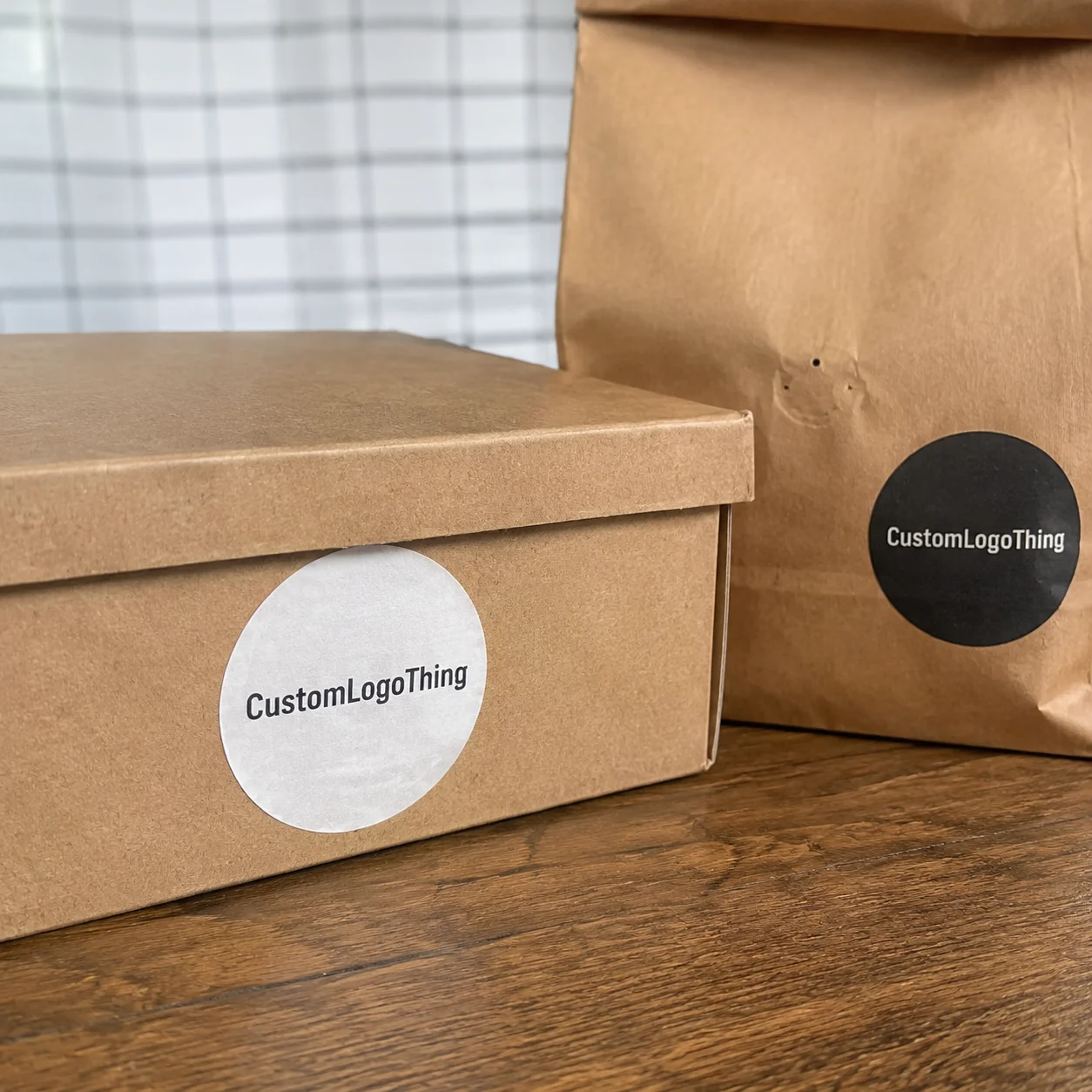
The first detail many shoppers notice is not the box structure. It is the seal, flap, tissue wrap, or gift tag. A small Santa-themed sticker can make a package feel finished before the product is touched. For seasonal ecommerce, retail, bakery, cosmetic, and gift packaging, custom santa stickers can add holiday character without requiring a full custom box run.
The buying decision should still be practical. Size, material, adhesive, finish, artwork quality, quantity, and lead time determine whether the sticker looks premium, applies quickly, and survives handling. A 2-inch sticker on a kraft mailer may replace a seasonal sleeve or printed insert, but only if the specification fits the job.
Why custom Santa stickers change the first impression
Holiday packaging is judged quickly. The first physical interaction is often with a ribbon, box seal, mailer flap, or label holding tissue closed. That small contact point tells the recipient whether the brand planned the experience or assembled the order in peak-season haste.
Custom Santa stickers are Printed Adhesive Labels using a Santa-themed design. Brands use them for box closures, tissue seals, product bundles, bakery cartons, gift bags, promotional inserts, jars, mailers, and retail packaging. They may be round labels, simple rectangles, or die-cut Santa hats, beards, sleighs, and character shapes.
The difference between a decorative sticker and a useful packaging sticker is intent. A basic version might say “Merry Christmas.” A stronger version may include a logo, QR code, batch detail, short gift message, promo code, or line such as “Packed for the holidays by [brand name].” The adhesive is similar, but the label does more work.
Buyers sometimes assume more packaging automatically creates more perceived value. Not always. A coordinated sticker on tissue paper can look more polished than an extra insert, especially when the box or mailer is already well chosen. Small seasonal touches work because shoppers process them instantly. A sticker is visual shorthand for care and planning.
Packaging buyer lens: If a holiday sticker replaces a separate seasonal box run, tissue band, printed gift tag, or extra card, it is not just decoration. It is a low-cost seasonal packaging control point.
Stickers also standardize mixed packouts. One holiday SKU may ship in a carton, another in a gift bag, and another in a mailer. A consistent Santa label system can connect all of them without redesigning every custom packaging products component. That matters for brands selling across ecommerce, retail, and gift programs at the same time.
For social sharing, the sticker does not need to explain the full brand story. It needs to create a recognizable focal point. A clear logo position, consistent color, and repeatable label placement help recipients remember where the gift came from, especially during a season crowded with visual noise.
How the sticker printing and finishing process works
The production flow is straightforward: artwork preparation, material selection, proofing, printing, cutting, quality check, packing, and shipping. The decisions inside those steps determine whether the finished stickers look sharp, apply cleanly, and match the intended packaging surface.
Artwork comes first. A clean vector logo, usually AI, EPS, or editable PDF, gives the printer sharp edges at any size. Raster artwork can work if it is 300 DPI at final print size. A 1-inch Santa graphic stretched to 3 inches will usually look soft unless it was built for that scale.
Bleed and cut lines matter. Full bleed means the artwork extends beyond the trim edge, often by 0.0625 to 0.125 inch, so the finished piece does not show white hairlines after cutting. Kiss-cut stickers are cut through the face stock but not through the liner, making them easier to peel from rolls or sheets.
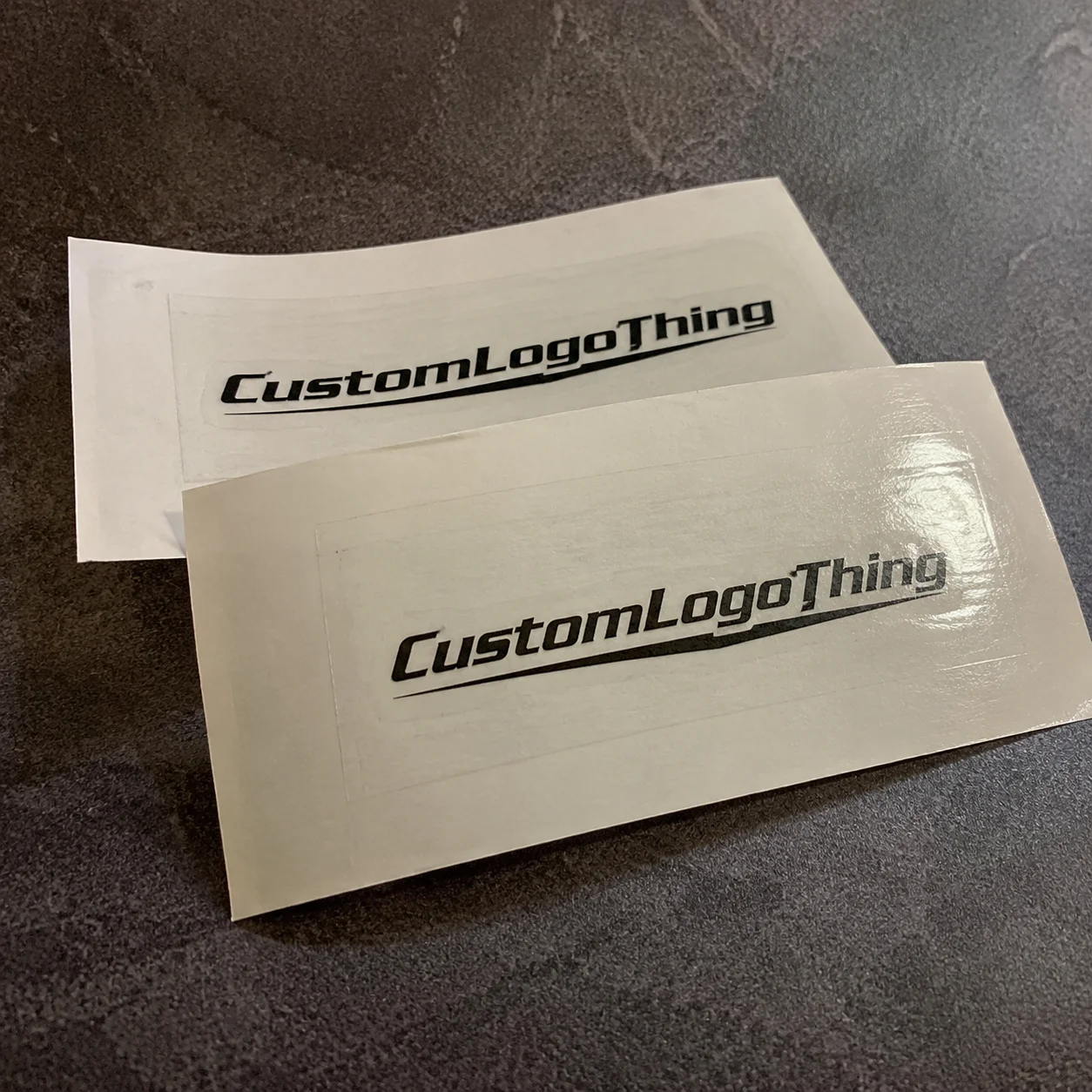
White ink should be planned early. On clear film, metallic stock, kraft stock, or dark surfaces, white ink may need to print under red, black, and skin-tone areas so the Santa artwork stays bright. Without an underprint, colors can look dull or transparent.
Digital printing is common for short to mid-sized runs, variable designs, and full-color art. Flexographic printing may make more sense for larger repeat runs, especially when the same label is used across many SKUs. The best choice depends on quantity, size, color count, material, and setup cost.
Finish changes the visual result. Gloss makes reds brighter and gives holiday graphics more pop. Matte looks softer, reduces glare, and hides fingerprints better. Soft-touch can feel premium, but it may cost more and can scuff if it rubs against corrugated packaging in transit. Match the finish to the surrounding packaging: gloss can work well on kraft mailers, while matte often suits rigid gift boxes and premium cosmetics.
Shape affects both cost and labor. Round, square, and rectangular stickers are efficient to print and apply. Custom die-cut Santa shapes can be memorable, but fine points, narrow beard edges, or thin hat tips may be slower to peel and more sensitive to cut registration. If a packing team must apply thousands of stickers by hand, ease of peeling is a real cost factor.
Format also matters. Rolls are best for dispensers, semi-automatic application, and larger fulfillment teams. Sheets are flexible for small businesses, gift stations, and lower-volume packouts. If labor is manual, ask how many stickers are on each sheet and whether the spacing allows fast peeling.
For pack seals and shipping applications, ask whether the material and adhesive are suited to handling, compression, cold storage, or abrasion. Not every holiday sticker needs formal testing, but the stock should match the abuse it will see.
Cost, pricing, and unit factors to compare
Sticker pricing depends on size, quantity, material, finish, shape, color coverage, roll or sheet format, proofing, and freight. The lowest unit price is not always the lowest total cost if the sticker is hard to apply, fails on the substrate, or forces rush shipping.
As a rough guide, a basic 2-inch round paper sticker in a 5,000-piece run may land around $0.04-$0.10 per unit, depending on supplier setup and ink coverage. A 3-inch custom die-cut vinyl sticker with gloss lamination may sit closer to $0.18-$0.35 per unit at similar quantities. At 250 or 500 pieces, unit pricing can rise sharply because setup, proofing, and cutting are spread across fewer labels.
Oversizing is a common way to waste budget. A 4-inch Santa seal may overpower a small candle box, crowd a barcode area, or require a larger sheet layout. Premium finishes can also be unnecessary. If the sticker sits on rough kraft, a costly soft-touch coating may not be visible enough to justify the upgrade.
| Sticker choice | Typical use | Estimated unit range | Buyer caution |
|---|---|---|---|
| 2-inch paper round | Tissue seals, small boxes, thank-you cards | $0.04-$0.12 at mid-volume | Not ideal for moisture or heavy handling |
| 3-inch matte paper square | Retail packaging, gift boxes, bakery cartons | $0.07-$0.18 at mid-volume | Check legibility if adding QR codes |
| Custom die-cut vinyl | Promotional stickers, jars, giveaway items | $0.18-$0.40 at mid-volume | Shape complexity can raise cutting cost |
| Clear film with white ink | Glass jars, clear boxes, premium product packaging | $0.16-$0.45 at mid-volume | White ink setup matters for color accuracy |
Shipping and rush fees change the real cost. Rolls are efficient for application and storage, but large bulk orders can increase freight. Rush production can add 15%-50% depending on capacity and timing. Proof delays often cost more than the rush fee because they push the job into a tighter ship window.
Compare the sticker cost against what it replaces: a seasonal box, gift wrap band, printed card, belly band, or extra tissue layer. In many holiday packaging programs, a well-designed sticker gives enough seasonal lift without changing every component.
Cost control also improves when the artwork is production-friendly. Fewer spot colors, simple shapes, limited tiny type, and clean vector graphics reduce surprises. Heavy gradients, metallic effects, dense QR codes, and large solid ink areas can add complexity or make approval harder.
Process and turnaround: from proof to delivery
Standard sticker orders may take 5-10 business days after proof approval for simple paper labels. More complex film stocks, custom die-cuts, laminations, clear materials, white ink, or high-volume runs may need 10-15 business days. Transit usually adds 2-7 business days depending on location and service level.
A typical schedule includes 1-2 business days for file review and proofing, 1-3 business days for revisions if needed, 4-8 business days for standard production, 1-3 business days for finishing and packing, then freight. Rush orders may compress production, but they do not remove proof review, drying or curing time, cutting, packing, and carrier movement.
Holiday demand makes timing less forgiving. Matte white paper, clear polypropylene, kraft label stock, and specialty adhesives can tighten in peak season. Small artwork changes can also create delays if they affect bleed, white ink, QR contrast, cut lines, or brand color matching.
Approval speed is the buyer-controlled variable with the biggest effect. If the proof sits in an inbox for three days, production effectively moves three days later. For seasonal orders, assign one decision-maker before the proof arrives.
A practical planning window is about 13 business days after clean artwork is submitted: 2 days for proofing, 7 days for production and finishing, and 4 days for transit. Add time for specialty stocks, multiple designs, large quantities, or stickers that must match other custom labels and tags in a broader packaging system.
Repeat buyers should ask whether the printer archives the approved die line, color setup, and proof files. Reorder retention can speed up next season’s production and reduce the risk of inconsistent size, color, or cut position.
How to choose the right material, size, and adhesive
Material should follow the sticker’s job. Paper works well for decorative seals, gift wrap, cards, and dry retail packaging. It is economical and prints warm holiday illustrations well. Vinyl is better for durability, outdoor use, giveaways, and repeated handling. Polyester or polypropylene film can suit jars, cosmetic containers, clear boxes, and packaging exposed to condensation or abrasion.
Adhesive is just as important as face stock. Permanent adhesive is the safer choice for shipping seals because the sticker needs to stay closed through handling. Removable adhesive works for gift boxes, glass jars, promotional items, or packaging where the recipient may want clean removal. Freezer-grade and high-tack adhesives should be specified early because they are not standard on every label stock.
Size depends on the application area. A 1.5-inch round sticker can suit a small soap box or thank-you card. A 2- to 3-inch sticker is common for tissue wrap and mailer flaps. Larger 3- to 4-inch die-cut stickers may work on gift bags or Custom Printed Boxes, but they need enough blank space around folds, corners, barcodes, and opening seams.
Surface texture changes performance and appearance. Kraft board makes colors feel warmer and may reduce contrast. Coated white cartons reflect more light, so glossy red artwork can stand out. Clear packaging is demanding because the label competes with the product behind it. If the design looks strong on a white mockup but disappears on transparent packaging, it needs adjustment.
Temperature and storage conditions should be checked