Buyer Fit Snapshot
| Best fit | Custom Shipping Box Sleeves projects where brand print, material claims, artwork control, MOQ, and repeat-order consistency need to be specified before quoting. |
|---|---|
| Quote inputs | Share finished size, material target, print colors, finish, packing count, annual reorder estimate, ship-to region, and any compliance wording. |
| Proofing check | Approve dieline scale, logo placement, barcode or warning zones, color tolerance, closure strength, and carton packing before bulk production. |
| Main risk | Vague material claims, crowded artwork, missing packing details, or unclear freight terms can make a low unit price expensive after revisions. |
Fast answer: Custom Shipping Box Sleeves: Board, Finish, Dieline, and Unit Cost should be specified like a repeatable production item. The safest quote records material, print method, finish, artwork proof, packing count, and reorder notes in one written spec.
Production checks before approval
Compare the actual filled-product size with the drawing, then confirm tolerance on folds, seals, hang holes, label areas, and retail display edges. Reserve space for logos, QR codes, warning copy, and material claims before decorative graphics fill the panel.
Quote comparison points
Review material grade, print process, finish, sampling route, tooling charges, carton quantity, and freight assumptions side by side. A quote is only useful when the supplier can repeat the same color, closure quality, and packing count on the next order.
Custom Shipping Box sleeves can turn a plain brown shipper into packaging that feels deliberate, branded, and ready for the customer the moment it lands on the doorstep. That shift sounds small until you see it in person. A generic carton communicates utility and little else. A well-made sleeve says the brand cared enough to finish the experience, and that message often arrives before the box is even opened.
I like custom shipping box sleeves because they solve two practical problems at once. They add branding without forcing a full carton redesign, and they can carry handling instructions, SKU cues, seasonal artwork, or a retail-ready message in the same piece. For a lot of teams, sleeves sit in the middle ground between a plain shipper and fully printed boxes, which makes them useful in day-to-day operations and in short campaign runs.
If your operation already uses standard cartons, sleeves can be a smart step up. If you are comparing them with Custom Shipping Boxes, the sleeve often wins on flexibility and inventory control. If your packaging mix reaches across multiple formats, the sleeve can sit beside Custom Packaging Products and, for lighter shipments, Custom Poly Mailers as part of a broader system.
Custom Shipping Box Sleeves: What They Are and Why They Matter
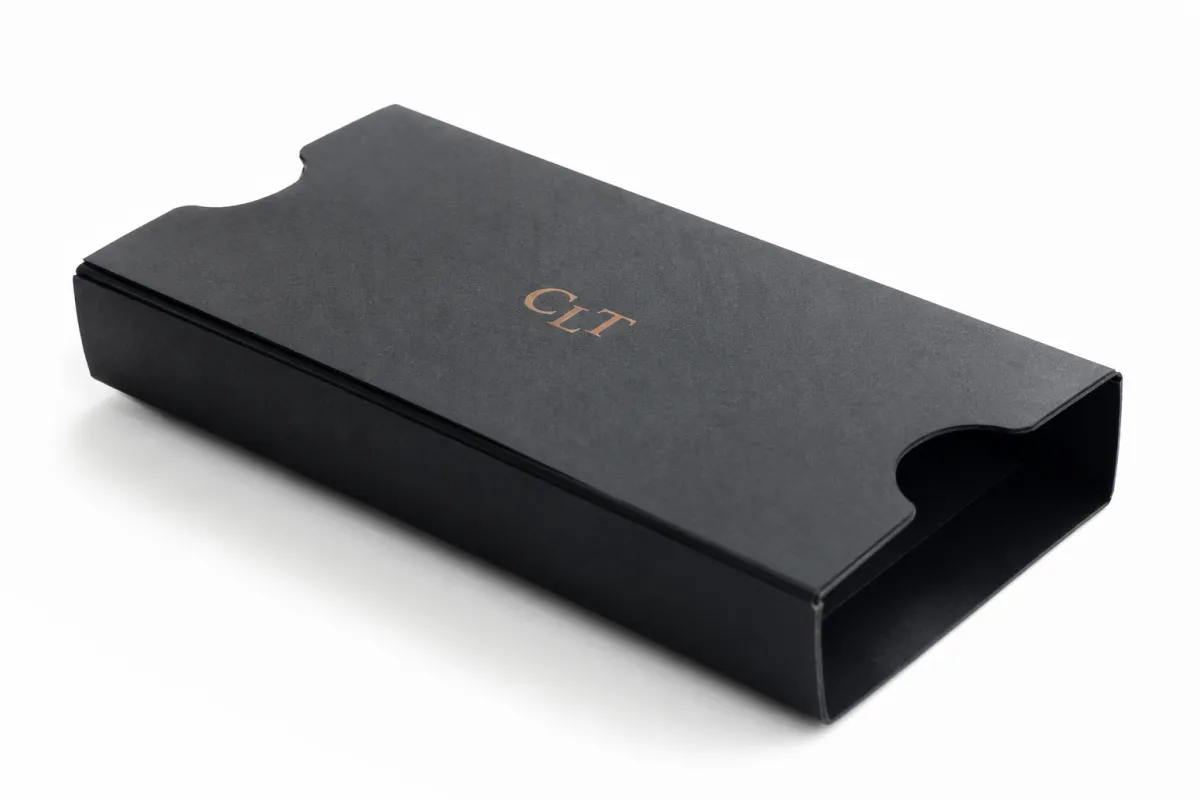
At the simplest level, custom shipping box sleeves are printed wraps, bands, or fitted outer layers that slide around an existing box. They can be paperboard, corrugated, or another printable substrate, and they usually add branding, messaging, or light protection without replacing the base shipper. That separation is the real strength. The carton handles structure. The sleeve handles presentation. Each piece can do its own job instead of forcing one layer to do everything.
From a packaging buyer’s point of view, that matters because the base carton often already does the hard work. The sleeve carries the visual work. In practice, custom shipping box sleeves let teams divide function from presentation in a way that feels clean and easy to manage. The box protects the product. The sleeve tells the story. That split is one reason sleeves show up so often in product packaging, subscription kits, retail packaging, and ecommerce shipping programs.
The terminology gets muddy quickly, so a simple breakdown helps:
- Sleeve: a printed wrap or band that goes around an existing carton or tray.
- Carton: the structural box itself, often plain or lightly printed.
- Mailer: a self-closing package used for smaller or flatter items.
- Belly band: a narrower wrap, usually running in one direction only.
- Label: the fastest branding layer, but the least immersive.
That distinction matters because sleeves are not just larger labels. They carry more surface area, more tactile presence, and more room for package branding. A label can identify a box. A sleeve can change the box’s personality. That is a different task entirely. It is also why custom shipping box sleeves tend to appear in launches, limited editions, and seasonal refreshes where the carton stays the same but the message needs to shift.
There is a practical efficiency angle too. A sleeve can create a premium first impression while using less material than a fully printed box. For high-volume programs, that can be a real advantage, especially if artwork changes often or the business wants to avoid sitting on outdated printed inventory. This is where sleeves often get underestimated: they let a team keep one stable shipper and vary the outer message without reworking the whole production plan.
Flexibility still comes with decisions. Custom shipping box sleeves require fit, substrate choice, print method, and logistics planning. The real question is not whether the sleeve looks nice in a mockup. The question is whether it is sized correctly, produced efficiently, and applied in a way that supports order fulfillment instead of slowing it down.
How Custom Shipping Box Sleeves Work in the Packaging Process
The workflow is practical rather than decorative, and that is exactly what buyers need. Custom shipping box sleeves usually begin with box dimensions, not artwork. A supplier needs the assembled carton size, the seam placement, and the application method before any final dieline can be approved. If those basics are off, the design can look great on screen and still fail on the packing line.
Once the fit is set, the project moves through artwork setup, proofing, printing, finishing, and application. Most buyers underestimate the amount of back-and-forth in the setup stage. That stage is where custom shipping box sleeves are won or lost. A clear dieline, accurate bleed, and a well-placed barcode area can save days later. A vague brief usually creates the opposite result.
Common print methods include digital printing for smaller or variable runs, offset printing for larger consistent runs, and flexographic printing for certain high-volume applications. Each one changes the economics. Digital is usually the quickest path for lower quantities or frequent SKU changes. Offset can deliver strong color consistency at scale, but the setup only makes sense when the quantity justifies it. Flexo can be efficient for repeated runs, though it is less forgiving when artwork changes often.
Application method matters just as much as print method. Some teams insert the sleeve before the product is packed. Others slide it on after sealing. Some use a pre-folded design that ships flat and is applied at the end of the line. The labor effect can be meaningful. A sleeve that takes four seconds to apply instead of twelve seconds may not sound dramatic, yet across a long packing shift that difference adds up quickly.
In a high-throughput operation, custom shipping box sleeves should support order fulfillment, not complicate it. That means checking whether the sleeve interferes with tape, labels, tear strips, or barcodes. It also means thinking about the carton’s orientation during packing and transit. If the seam always lands on the same side, the artwork should account for that. If it does not, logos can end up cut off by a fold or copy can look misaligned the moment the box moves.
One useful way to think about custom shipping box sleeves is as a modular branding layer. Seasonal campaigns can change without replacing the carton. Subscription shipments can vary by month. SKU families can share a base shipper while the sleeve distinguishes the contents. That modularity is what makes sleeves attractive to brands that want room to adapt without rebuilding the packaging program every time the message changes.
A sleeve should do more than decorate a box. It should tell the right story, land in the right place, and fit the way the package actually moves through the warehouse.
Custom Shipping Box Sleeves Cost, Pricing, and MOQ Factors
Pricing for custom shipping box sleeves comes down to a handful of variables that matter more than the artwork itself: dimensions, substrate, print coverage, finishing, quantity, and whether you need one version or several. If a quote looks unusually low, check what is excluded. A sleeve can appear inexpensive on paper and become expensive once setup, proofing, freight, and application labor are added back in.
Quantity is usually the biggest factor. MOQ changes the unit economics quickly. A small run may be perfectly workable, but the price per sleeve can rise because the setup cost gets spread across fewer pieces. A larger run often lowers the unit price, although that only helps if the artwork is stable enough to justify the inventory. Many buyers split the difference by starting with a pilot quantity, then scaling once the fit and response are proven.
Here is a practical comparison of common options. These are ballpark ranges, not universal quotes, because the final number depends on size, coverage, and finishing.
| Option | Best For | Typical Relative Cost | Notes |
|---|---|---|---|
| Plain printed sleeve on existing carton | Campaigns, SKU swaps, branded packaging upgrades | $0.18-$0.32 per unit at 5,000 pieces | Usually the most flexible route when the base box already exists |
| Premium laminated sleeve | Higher-end unboxing and retail packaging | $0.24-$0.45 per unit at 5,000 pieces | Better scuff resistance, stronger visual impact |
| Corrugated wrap sleeve | Heavier items or added structure | $0.35-$0.70 per unit at 5,000 pieces | More durable, but usually bulkier and heavier |
| Fully printed box | Permanent package branding | $0.45-$1.20 per unit at 5,000 pieces | Higher commitment, less flexibility for changing campaigns |
That comparison shows why custom shipping box sleeves are popular with brands that want visual lift without giving up operational flexibility. If the same carton will be used for several campaigns, the sleeve can be more economical than Custom Printed Boxes. If the message changes often, sleeves can also reduce waste because the base inventory stays usable even after the artwork changes.
Hidden cost variables matter too. Setup charges can show up for die creation, color matching, proofing, or special finishes. White ink may cost more on dark substrates. Soft-touch lamination, spot varnish, or metallic accents can raise the quote as well. Freight has its own effect; a low unit price can vanish if shipping has to move quickly. If the sleeves are being kitted or pre-applied, that labor belongs in the landed cost, not in a separate mental bucket.
Rule of thumb: budget for at least one round of sampling before you lock in volume. That small expense often prevents a much larger mistake. A sleeve that is 3 mm too tight or 5 mm too loose can create rework, delays, and waste that dwarf the cost of the sample run.
There is a strategic comparison worth making too. If your order is primarily about shipping protection, a different product may make more sense. If the focus is high-volume ecommerce shipping with minimal presentation, custom shipping box sleeves may be more than you need. In that case, a simpler system built around labels or Custom Poly Mailers could be the better move. The cheapest quote is not always the least expensive outcome.
From a buyer’s point of view, the real question is not “What does one sleeve cost?” It is “What does the sleeve save or create across the whole run?” That includes waste reduction, faster brand changes, and the ability to keep one carton spec instead of managing multiple custom printed boxes. Measured that way, custom shipping box sleeves often look less like a packaging add-on and more like a control point in the brand system.
A low MOQ can help with testing, but a thoughtful quote always separates unit price from the true landed cost.
Production Steps and Timeline for Custom Shipping Box Sleeves
Production usually follows a predictable path, even though the pace changes with print method, material availability, and how clean the artwork is at the start. For most custom shipping box sleeves projects, the first stage is sizing review. The supplier checks the carton dimensions, seam position, and any lock-in or overlap details. After that comes the dieline, and that file becomes the technical map for the sleeve.
The typical sequence looks like this:
- Brief and measurements - Box photos, dimensions, quantities, and application notes are collected.
- Dieline creation - The sleeve layout is built around the actual carton shape.
- Artwork setup - Bleed, copy placement, barcode area, and finish instructions are added.
- Proofing - Digital or press proofs are reviewed for color, fit, and registration.
- Production - Printing, cutting, finishing, and scoring happen in sequence.
- Freight and delivery - The order is packed, shipped, and received for use in order fulfillment.
Simple custom shipping box sleeves can often move from proof approval to production in roughly 12-15 business days, with freight adding several more days depending on distance and service level. More complex projects, especially those with special coatings, multiple SKUs, or custom structural cuts, may take closer to 15-25 business days after approval. That is not a promise. It is a realistic planning range, and the difference usually comes down to how much revision is needed before the press runs.
Most delays are not caused by the press itself. They come from artwork revisions, unclear measurements, or a late decision about how the sleeve should be applied. A team may want speed, yet the brief arrives incomplete. Then the supplier has to chase missing details while the launch date keeps moving. If seasonal demand is involved, that lost time becomes expensive very quickly.
Holiday launches, product drops, and retail resets deserve extra buffer time. The same goes for broader branded packaging rollouts. A sleeve might be only one item in the program, but if it depends on the box inventory, the labels, or a fulfillment change, the calendar needs to reflect that dependency. Good project planning includes samples, internal review, and freight, not just print production.
For projects where the sleeve must survive distribution stress, ask whether the supplier has tested the package against a transport protocol such as an ISTA method. The International Safe Transit Association publishes test standards used across the industry; see ISTA for more context. If the project uses paper-based substrates, ask for chain-of-custody documentation when sustainability claims matter. FSC is the common reference point there.
Design and Fit Checklist for Better Results
The biggest mistake in custom shipping box sleeves design is assuming the flat mockup tells the whole story. It does not. Real cartons swell slightly, tape adds thickness, and folds shift the seam a little. That is why accurate box measurements matter so much. Measure the assembled box, not just the flat blank, and confirm the outer dimensions after packing if the contents change the shape.
Artwork setup deserves the same discipline. Bleed, safe zones, seam placement, and barcode location all matter. If a logo crosses a fold line, it may look fine in a proof and odd in the hand. If the barcode sits too close to the edge, a scanner may struggle. If the seam lands in a critical area, the whole sleeve can feel slightly off. Small details. Big difference.
Material choice also shapes the outcome. Paperboard sleeves are common because they print well and keep the surface crisp. Corrugated wraps add stiffness, which can help if the sleeve also needs to stabilize the carton visually or physically. Recycled stocks are useful when sustainability claims are part of the message, but the paper grade should still match the expected handling. A light sheet that looks elegant on screen can crease too easily in the warehouse.
Here is a simple checklist buyers can use before approving custom Shipping Box Sleeves:
- Confirm the assembled box dimensions, not the flat diecut size only.
- Mark the seam location and decide whether it should be visible or hidden.
- Reserve a clean area for barcodes, shipping labels, or regulatory copy.
- Choose print coverage based on the brand goal, not just visual density.
- Check whether the sleeve needs extra stiffness for stacking or transit friction.
- Ask how the material behaves under moisture, scuffing, and repeated handling.
Branding choices should stay disciplined. A sleeve can carry bold color, but too much copy makes it feel crowded. A premium finish can lift the unboxing moment, but too many finishes at once can make the piece feel busy. The strongest custom shipping box sleeves usually have one clear focal point, one or two support messages, and enough white space to let the artwork breathe. That holds true in retail packaging too. Loud is not the same as strong.
Sustainability claims deserve a separate check. If you want to say the sleeve is recyclable, recycled, or responsibly sourced, documentation should back that up. Ask the supplier what can be stated confidently and what needs third-party support. In many cases, custom shipping box sleeves can be designed with paper-based materials that fit a lower-impact packaging strategy, but the exact claim depends on the substrate, coatings, and local recycling rules. No one wins by overstating it.
Common Mistakes with Custom Shipping Box Sleeves
The first mistake is sizing for the drawing instead of the real carton. A sleeve that looks correct on a computer can be too tight once the box is assembled and taped. That is especially true if the carton is built from a slightly different board caliper or if the product inside pushes the shape outward. Custom shipping box sleeves need to fit the actual packaging, not the idealized version of it.
The second mistake is making the artwork too clever for production. Dense copy, small type, thin reverse text, or tiny icons can look polished on screen and then become fragile on press. Once the sleeve is folded, wrapped, and handled in transit, those details can disappear. A design built for custom shipping box sleeves should be created for print reality, not just presentation software.
The third mistake is ignoring fulfillment. If the sleeve is difficult to apply, it slows packing. If it slips before sealing, it creates rework. If it interferes with labels, the warehouse team will create a workaround, and that workaround may weaken the brand presentation. Packaging buyers sometimes focus so hard on aesthetics that they forget the pack line has to keep moving. It always has to keep moving.
Other common issues are more strategic:
- Ordering too late and paying rush charges that erase the savings from the run.
- Using premium artwork on weak base packaging, which makes the whole system feel inconsistent.
- Creating too many versions for regional copy or seasonal campaigns without a version-control plan.
- Skipping samples and discovering too late that the sleeve scuffs, curls, or prints darker than expected.
The mismatch between sleeve and base carton is especially common. A premium sleeve around a flimsy shipper can feel dishonest. The box underneath matters because the customer eventually sees it, touches it, and feels the structure. If the outer layer promises quality, the inner layer has to support that promise. That is one reason some brands compare custom shipping box sleeves with Custom Shipping Boxes before they choose a direction.
Inventory confusion creates its own mess. If a business uses multiple SKUs, regional copy, or month-specific artwork, the sleeve system needs version control from the start. I have seen teams lose time because they printed the right design in the wrong quantity, or the right quantity in the wrong version. That problem is preventable. A naming system, a revision log, and a clear approval trail save a lot of pain.
Finally, do not assume the lowest quote is the safest choice. Some of the least expensive custom shipping box sleeves are cheap because the supplier has not fully accounted for finishing, packing, or freight. That gap usually shows up later. Not always, but often enough to matter.
Expert Tips for Ordering Custom Shipping Box Sleeves
If the artwork, fit, or application method is new, start with a small proof run. That sounds basic, yet plenty of teams skip it because they want speed. A proof run lets you see how the sleeve behaves on the actual carton, how it looks in warehouse light, and whether the assembly method is practical. Custom shipping box sleeves are testable. Treat them that way.
Designing one flexible template can also make the whole system easier to manage. A strong sleeve setup can support multiple SKUs with small copy changes instead of forcing a full rebuild for every product variation. That keeps package branding consistent while reducing the amount of work required for each new launch. For brands with fast-moving inventory, this is often the difference between a packaging program that scales and one that turns into a bottleneck.
Ask for samples or comparable case work before you place the order. You want to see print quality, board stiffness, seam behavior, and how the sleeve feels after handling. Photos help, but physical samples reveal much more. A sleeve that looks perfect in a PDF may feel too thin in hand. A sleeve that seems simple may crease in transit because the board choice was wrong for the carton size.
Ask suppliers a few direct questions:
- How do you verify dielines before production?
- What proofing stage do you recommend for custom shipping box sleeves?
- How do you control color consistency across repeat orders?
- Can you support minor version changes without rebuilding the entire setup?
- What is the estimated turnaround from approval to freight handoff?
Those questions reveal more than a price sheet does. They show whether the supplier understands production discipline or only quote generation. A good partner will talk about the workflow, not just the final cost. That matters if you are planning a broader product packaging program through Custom Packaging Products, because sleeves rarely live alone for long.
Think in total cost, not just unit cost. Add the sleeve price, labor time, freight, sample cost, and any waste reduction. If the sleeve lets you keep one stable carton spec while changing the visual layer, that can save inventory headaches later. If it reduces the need for multiple custom printed boxes, even better. The right comparison is not sleeve versus nothing. It is sleeve versus the entire alternative system.
I also think buyers should be honest about what the sleeve is supposed to do. If it is mainly for branding, keep the copy elegant and focused. If it has a communication job, reserve space for handling information, seasonal notes, or product differentiation. If it has a light structural role, choose the board accordingly. Custom shipping box sleeves work best when the brief is specific.
Next Steps for Custom Shipping Box Sleeves
The fastest way to move forward is to define the sleeve’s job before you request quotes. Is it mainly a branding layer? Does it need to carry handling details? Will it protect against scuffing, or is light visual enhancement enough? Once that answer is clear, the rest of the project gets easier. Custom shipping box sleeves behave better when the brief is focused.
Before you contact a supplier, gather three inputs: box dimensions, quantity, and artwork direction. Those three details shape almost everything else. Add photos of the current carton, note any tape lines or label placements, and describe the shipping conditions if the product is fragile or high value. A supplier can work much faster when they see the packaging reality instead of just a logo file.
Then compare more than price. Response speed, proofing process, turnaround time, repeat-order reliability, and version control matter just as much. A supplier that saves you two days on revisions can be worth more than a slightly cheaper quote. If you are building a repeatable ecommerce shipping program, that consistency becomes part of the value.
A practical sequence looks like this:
- Audit the current shipper and confirm the carton dimensions.
- Draft the sleeve’s job and the information it needs to carry.
- Request sample options or a proof template.
- Review fit, finish, and warehouse handling.
- Schedule production around the launch or replenishment date.
That sequence sounds basic, but it prevents most of the expensive surprises. It also keeps custom shipping box sleeves aligned with the wider brand system instead of treating them as a one-off embellishment. Good packaging decisions tend to work that way: they look simple only after the hard parts are solved.
For teams building a long-term packaging plan, sleeves are often the most flexible starting point. They can upgrade the first impression, support changing campaigns, and keep the base box stable. If the fit is right, the workflow is clean, and the brand promise is consistent, custom shipping box sleeves are usually the most practical branded packaging choice.
Frequently Asked Questions
How do custom shipping box sleeves differ from printed boxes?
Custom shipping box sleeves wrap an existing carton, while printed boxes replace the carton itself. That makes sleeves a better fit when you want branding flexibility without changing the base shipper. They are also useful when campaigns, SKUs, or seasonal messages change often.
What affects the price of custom shipping box sleeves the most?
Quantity, size, material, print coverage, and finishing are the biggest price drivers. MOQ usually lowers unit cost as volume increases. Application labor and shipping can also change the true landed cost, especially if the sleeves are being pre-applied or kitted.
What is the usual lead time for custom shipping box sleeves?
Lead time depends on artwork approval, printing method, material availability, and finishing complexity. Simple projects can move quickly, but proofing and revisions often add days or weeks. Seasonal demand and freight choice can extend the overall timeline.
Are custom shipping box sleeves good for e-commerce shipping?
Yes, especially when you want strong branding without redesigning every box in your fulfillment flow. They can help differentiate products, support unboxing, and add handling or product information. They work best when the sleeve is easy to apply and durable enough for transit.
What measurements do I need before ordering custom shipping box sleeves?
Measure the assembled box, not the flat blank, so the sleeve fits real-world dimensions. Provide height, width, depth, and any flap or seam details that affect placement. Photos of the current packaging help suppliers verify fit and identify problem areas early.
What should I do if I want the sleeve to support a premium brand feel?
Choose a substrate and finish that match the brand promise, keep the artwork disciplined, and test the sleeve on the actual carton before full production. A premium feel comes from fit, print quality, and restraint as much as from decoration. If those pieces are aligned, custom shipping box sleeves can become one of the strongest tools in the packaging system.
The cleanest path forward is pretty simple: lock the carton dimensions, decide where the seam should live, and define how the sleeve will be applied before anything goes to print. If those three pieces are right, custom shipping box sleeves usually do exactly what they are supposed to do — lift the presentation, protect the workflow, and keep the packaging system flexible enough for the next campaign.

