Buyer Fit Snapshot
| Best fit | Custom Shipping Labels Branded projects where brand print, material claims, artwork control, MOQ, and repeat-order consistency need to be specified before quoting. |
|---|---|
| Quote inputs | Share finished size, material target, print colors, finish, packing count, annual reorder estimate, ship-to region, and any compliance wording. |
| Proofing check | Approve dieline scale, logo placement, barcode or warning zones, color tolerance, closure strength, and carton packing before bulk production. |
| Main risk | Vague material claims, crowded artwork, missing packing details, or unclear freight terms can make a low unit price expensive after revisions. |
Fast answer: Custom Shipping Labels Branded: Design, Cost, and Timing should be specified like a repeatable production item. The safest quote records material, print method, finish, artwork proof, packing count, and reorder notes in one written spec.
Production checks before approval
Compare the actual filled-product size with the drawing, then confirm tolerance on folds, seals, hang holes, label areas, and retail display edges. Reserve space for logos, QR codes, warning copy, and material claims before decorative graphics fill the panel.
Quote comparison points
Review material grade, print process, finish, sampling route, tooling charges, carton quantity, and freight assumptions side by side. A quote is only useful when the supplier can repeat the same color, closure quality, and packing count on the next order.
Custom shipping labels branded do a job that looks small from a distance and surprisingly large up close. They carry the address, yes, but they also set the tone before the box opens, before the tape gets cut, before the customer decides whether the shipment feels polished or improvised. A carton with a well-designed label reads as organized and deliberate; a mismatched label can make even strong branded packaging feel slightly off. For any business shipping under its own name, the real test is not whether the label photographs well. It is whether it supports order fulfillment, scans reliably, survives transit, and fits the way the team actually packs.
That tension between look and function is the whole story. The best Branded Shipping Labels sit between package branding, carrier rules, and warehouse speed, which means the design has to account for the carton, the mailer, the printer, and the pace of the line. A label can be attractive on a screen and still curl on recycled board, smear in a damp van, or cover a barcode by a few millimeters. One of those problems is cosmetic. The other slows down every parcel that follows it. A simple, durable label that fits your product packaging standards usually does more for the brand, and for the warehouse, than a clever design that fights the process.
In practice, the strongest programs treat the label as part of the shipping system, not as a decorative add-on. That is the difference between a label that merely looks branded and one that earns its keep across thousands of parcels a week. Even a small improvement matters: if a fulfillment team processes 5,000 orders in a week and a label issue creates just a 1% exception rate, that is still 50 parcels needing extra handling. The math gets expensive fast.
What custom shipping labels branded really change
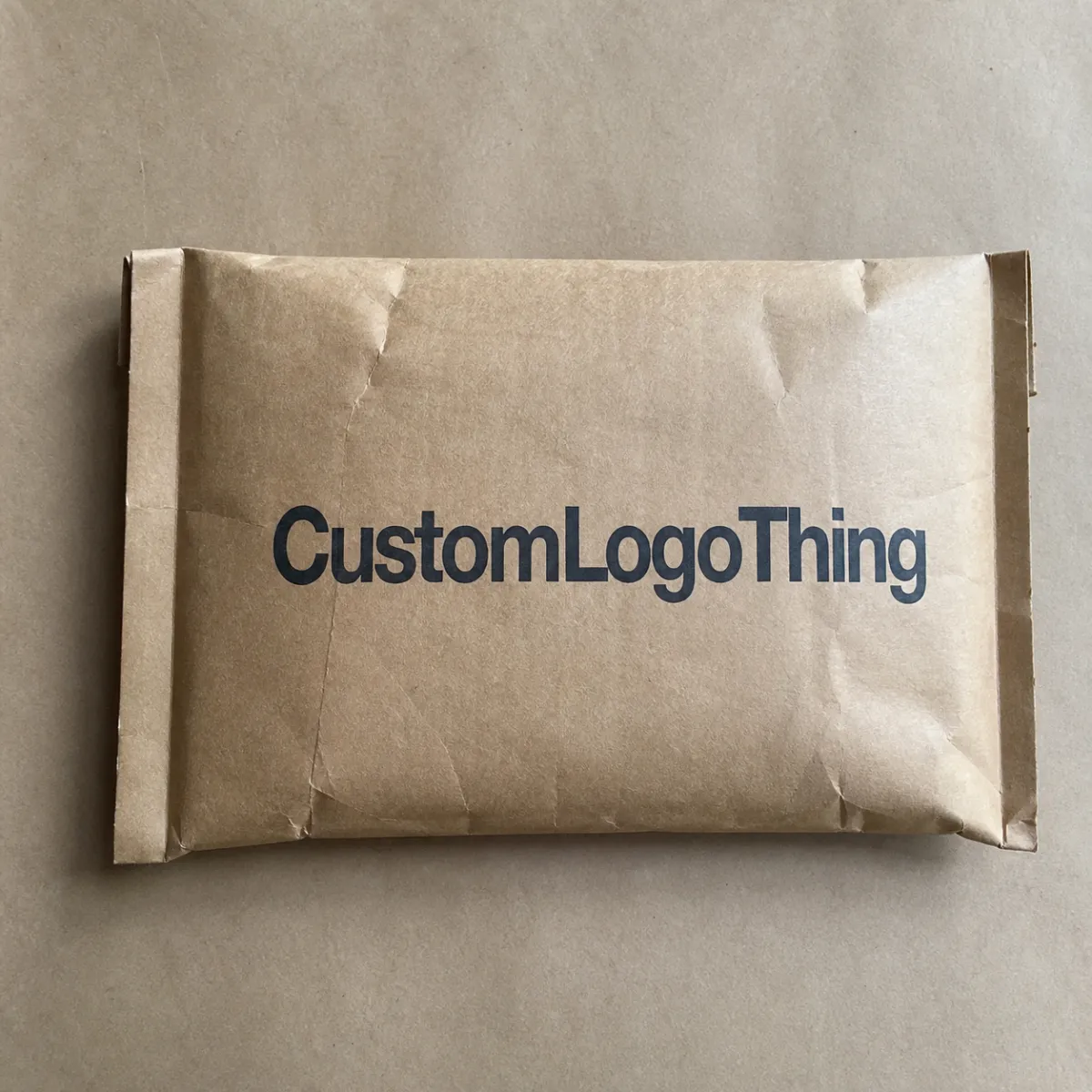
The first thing many customers see is not the product. It is the shipping label on the outer parcel, the small rectangle carrying your name, your routing data, and a few visual cues across the last mile. That gives custom shipping labels branded more influence than they get credit for, because the shipment forms an impression before the unboxing moment even starts.
Practically speaking, a branded shipping label is a pressure-sensitive label that combines shipping data with logo placement, brand colors, order information, and often a barcode or QR code. It may be no more than a logo lockup with a return address. It may also include handling icons, social tags, SKU identifiers, or a short message that ties the shipment back to your retail packaging system. The point is not decoration for its own sake. The point is to put brand and logistics on the same surface without forcing either one to do the other’s job.
The gap between a plain address label and a branded label is larger than many buyers expect. A plain label says the package is moving. A branded label says the shipment belongs to a system, and that system is being managed with care. That matters for subscription boxes, DTC orders, specialty goods, and any business where the outer shipper is part of the brand story, whether the parcel is a kraft box, a white mailer, or one of your Custom Shipping Boxes.
There is a practical layer, too. Labels help with sorting, carton identification, zone routing, and carrier handoff, especially in busy ecommerce shipping operations where one misread barcode can ripple across the day's schedule. On the pack line, a well-planned label makes it easier to spot the right order, the right service level, and the right destination without slowing down. That is not decoration. That is labor saved one scan at a time.
Packaging buyers usually feel that difference before they can explain it. The strongest results come from balancing brand look, adhesion, print durability, and workflow fit. If you are also reviewing inserts, hang tags, or carton marks, it can help to view the full system through Custom Packaging Products rather than treating the label as a separate island. A label should support the packaging structure, not compete with it for attention.
Another way to put it: the shipping label is part of your package branding, whether you planned for that or not. A clean logo, consistent placement, and readable shipping data quietly reinforce standards. Wrinkled corners, blurred text, or a weird color shift do the opposite. One leaves a trace of competence. The other leaves a question mark.
For brands shipping premium goods, the label can also close the gap between what the customer expects and what the box delivers. A luxury candle, a medical device accessory, or a high-end apparel order may arrive in a simple corrugated shipper, but a thoughtful label tells the receiver the sender pays attention to details even where the customer cannot see them. That small signal matters because packaging is often judged in seconds, not minutes.
A good branded shipping label does three jobs at once: it identifies the parcel, protects the scan, and extends the brand story without getting in the way of fulfillment.
How custom shipping labels branded are made and applied
Every shipping label starts with four basic parts: the face stock, the adhesive, the liner, and the print method. Add a finish, and the construction is complete. Each choice changes how the label behaves. Paper face stock is economical and works well for dry, indoor carton applications. Polypropylene and other synthetic stocks hold up better against moisture, scuffing, and temperature swings. Adhesives can be permanent, removable, freezer-grade, or tuned for rough and recycled surfaces. Those differences matter on corrugated boxes, poly mailers, coated cartons, and chilled shipments.
Paper labels are common for general shipping, especially on standard corrugated boxes and shorter-cycle ecommerce programs. Teams printing high volumes often know them best because they are simple to handle and familiar to apply. Thermal labels, including direct thermal and thermal transfer constructions, are popular because they can be produced quickly and paired with barcode systems. Synthetic labels cost more, but they earn their place when the parcel faces condensation, abrasion, or extended transit. If the shipment will pass through cold storage or outdoor receiving, the stock and adhesive deserve close scrutiny.
Branding usually lives in the background, the header, the logo block, or a side panel, while variable data such as the destination address, tracking number, order ID, and barcode is added later through fulfillment software or the print stream. That setup lets one design serve many orders without slowing the line. The best layouts leave room for live data fields, quiet zones around barcodes, and enough contrast to keep the printed elements easy to read against the background.
Application method changes the result as much as material choice does. Hand-applied labels on rolls are common in smaller facilities and seasonal programs. Automated applicators show up in higher-volume operations where speed and consistency matter. Sheet labels can work at lower-volume packing stations, but rolls usually fit fulfillment flow better because they cut handling. The right format depends on packing speed, printer feed, and how much room exists on the carton face.
Finish affects both appearance and performance. Matte stock usually reduces glare and improves barcode scanning under mixed warehouse lighting. Gloss and semi-gloss can look sharper in presentation, but they can also reflect light and create scan problems if the barcode area is not planned carefully. On a label that has to do actual work, readability matters as much as visual appeal, and in many warehouses it matters more.
If the label has to meet quality, transit, or sustainability requirements, compare the structure against outside standards and supplier documentation. For transport simulation and parcel testing, the ISTA test standards are a useful reference. For paper sourcing, recycled content, or certified paper options, the FSC standards and certification program deserve a look early, especially if your brand makes environmental claims on pack.
One technical detail that gets overlooked is print method. Direct thermal can be excellent for short-life shipping labels because it avoids ribbons, but heat and light can degrade the print over time. Thermal transfer costs more to run, yet it produces tougher text and barcodes, which is why many operations use it for parcels that may sit in storage or pass through less controlled environments. The better choice depends on how long the label needs to stay legible, not just how fast it prints.
| Label Construction | Best Use | Typical Strength | Typical Tradeoff |
|---|---|---|---|
| Paper pressure-sensitive | General carton shipping, standard ecommerce packing | Lower cost, easy printability | Less resistance to moisture and abrasion |
| Direct thermal | Fast-moving fulfillment lines, short dwell times | No ribbon needed, quick production | Heat and light can fade the print over time |
| Thermal transfer | Barcode-heavy programs, longer scan life | Durable text and codes | Requires ribbon and compatible printer setup |
| Synthetic film | Cold chain, damp conditions, abrasion-prone routes | Moisture resistance, stronger face stock | Higher unit cost |
The table is a starting point, not a universal answer. A corrugated carton with a short local delivery window may do just fine with paper stock and a strong permanent adhesive. A chilled food shipper or personal care brand with condensation risk may need a synthetic construction and tighter print controls. The right answer is the one that fits the package surface, the carrier path, and the pace of your order fulfillment.
Process and timeline from artwork approval to shipment
Most custom label programs follow the same broad sequence. Request, specification review, artwork setup, proofing, production, finishing, quality checks, shipment. It sounds tidy on paper. The trouble usually hides inside the steps. A label with incomplete artwork, unclear barcode rules, or missing sizing information can sit in revisions longer than the print run itself.
- Request and discovery: confirm size, quantity, stock, adhesive, printer type, and the package surface.
- Artwork setup: place logo, brand elements, shipping fields, and barcode zones in the correct layout.
- Proofing: check copy, spacing, color intent, variable data position, and scan area.
- Production: print, die-cut or slit, and finish the labels in the chosen format.
- Quality checks: inspect registration, adhesive performance, and barcode readability.
- Shipment: pack rolls, cartons, or sheets for delivery to your facility.
Delays tend to appear in the same places. Artwork arrives in the wrong format. The barcode lands on a file with no clear standard. Someone approves a label size that looks elegant on screen but leaves too little room for address data or compliance marks on the box. Or the production team learns too late that the label will be applied to a glossy mailer instead of a raw kraft carton. Each issue is fixable, but not after proof approval has locked the run.
For a simple reorder with unchanged artwork and approved stock already in hand, lead times can be short, often around 5-10 business days after final approval if inventory and press time are available. A new program with custom size, special adhesive, proof iterations, and sample testing can take 10-15 business days or more, depending on volume and material sourcing. Multi-SKU orders, seasonal artwork, and special finishes need even more room for signoff and line testing.
Sampling is worth the pause. A small test roll or short proof run lets the team verify barcode performance, adhesive grab, color on the actual package, and how the label sits on seams, curves, or recycled board. A label can behave differently on a real pack station than it does in a mockup. A proof that looks crisp on a monitor can still fail on a rough carton surface, and that is precisely why the sample stage pays for itself.
Here is a practical comparison. A basic one-color branded label for standard cartons might move from artwork approval to shipment in about a week if stock is available and variable data is simple. A more involved branded label program for multiple order types, a custom die size, and a synthetic face stock may take two weeks or more. The schedule is not only about print time. It is about avoiding a label that looks ready but slows the warehouse once it arrives.
Good suppliers will also ask how the labels are being stored before use. That question matters. Adhesives can be sensitive to heat, humidity, dust, and age, and a shipment stored in a hot back room can behave differently from one kept in a controlled stock area. A label can be approved on Monday and become harder to use by Friday if the storage conditions are poor.
Cost and pricing factors for branded shipping labels
Pricing comes down to a handful of measurable inputs: size, quantity, number of print colors, material choice, adhesive type, finish, and whether the label needs variable data or a special barcode treatment. A larger label uses more material and usually costs more to produce. A multi-color branded layout adds setup and print complexity. A premium synthetic stock or freezer-grade adhesive costs more than a basic paper label, but that extra durability may be exactly what the shipment needs.
Minimum order quantity, or MOQ, is one of the first questions buyers should ask. Smaller orders usually cost more per label because setup, proofing, and production overhead are spread across fewer pieces. That does not make small runs a bad decision. It just means the economics change. If you are testing a new label size or opening a new fulfillment channel, a smaller first run is often the sensible choice. Once the format is proven, per-label pricing often improves as quantities rise.
Artwork changes affect cost too. If the logo has to be rebuilt, the barcode rules are not locked, or the layout needs several approval rounds, labor rises. Custom shapes can add expense because die-making or slitting requirements are more involved than a simple rectangle. For many buyers, the most economical entry point is a standard rectangle with a defined branding band at the top and clean space for live shipping data below.
| Program Type | Common Quantity | Typical Unit Price | Notes |
|---|---|---|---|
| Basic paper label, one-color brand block | 5,000-10,000 | $0.04-$0.09 each | Good starting point for standard cartons and simple ecommerce shipping |
| Full-color paper label | 5,000-10,000 | $0.07-$0.14 each | Higher visual impact, more color management and setup |
| Thermal transfer label | 10,000-25,000 | $0.05-$0.11 each | Strong for barcodes and longer scan life |
| Synthetic, moisture-resistant label | 5,000-25,000 | $0.09-$0.20 each | Better for cold, damp, or rough shipping conditions |
Those ranges are estimates, not a quote, and they move with size, coverage, stock availability, and finishing requirements. Even so, they give the conversation some shape. A slightly higher label cost can be justified if it reduces relabeling, supports premium unboxing, or speeds packing by giving the crew a clearer, better-organized label format. That tradeoff appears often in branded packaging decisions, whether the project involves labels, inserts, or Custom Poly Mailers.
When you request pricing, ask for the full picture. A useful quote should show quantity tiers, sample costs, freight, setup or plate fees if applicable, rush charges, and repeat-order savings. If a supplier gives only a single number without assumptions, the estimate is incomplete. Comparing a low sticker price to a fully landed cost is the only reliable way to know what the label really costs your operation.
There is another hidden cost worth watching: error prevention. A label that is easier to scan, easier to place, and easier to read can cut mislabels and rework. In a busy fulfillment center, even a small reduction in exception handling may matter more than saving a fraction of a cent on the label itself. That is especially true when returns, reships, or customer service tickets come into play, because the labor behind the error often costs more than the label ever did.
Step-by-step guide to ordering and launching them
The smoothest label launches usually begin with a straightforward packaging audit. Measure the space on the carton or mailer where the label will live. Check for seams, folds, curves, varnish, recycled texture, or any print area that may compete with the label. Then decide what information must appear on every shipment and what can stay inside the shipping software. That includes order number, carrier service, destination, return address, handling notes, and any brand message you want to repeat.
Gather the right inputs before design work starts. Vector logo files help. Brand colors in a clear format help. Exact label dimensions, barcode requirements, printer type, and whether the labels will be applied by hand or by machine matter just as much. If you need help organizing the broader package system, it often makes sense to review your label spec alongside Custom Labels & Tags so the outer shipping label and internal identifiers speak the same visual language.
Then request a proof or sample. Check the proof for legibility at actual size, not just on a full-screen preview. Look at barcode contrast, quiet zones, font size, and how much empty space remains around the live shipping data. If the label will be applied to a carton, test it on a carton. If it will go on a mailer, test it on the mailer. If your brand ships across multiple package formats, decide whether one layout can cover all of them or whether each format needs its own version.
After the proof, run a short pilot batch in real packing conditions. This is where issues surface fast: edge lift on a textured box, misalignment from the applicator, curl from humidity, slow application at the station, or a barcode that scans fine in the office but fails at the conveyor. A pilot batch is not wasted time. It is the least expensive way to discover what the full rollout will require.
Once the label passes the test, document the final version. Keep the approved artwork, size, substrate, adhesive, printer settings, and application instructions in one place so the same result can be repeated across shifts or locations. If you use multiple package types, note which labels belong on which carton, mailer, or insert package. That documentation matters even more when the project supports a wider branded packaging program rather than a one-off shipment.
A useful checklist for launch looks like this:
- Measure the available label area on every package type.
- Confirm barcode requirements and scan direction.
- Verify printer compatibility and roll orientation.
- Approve a physical sample on the actual shipping surface.
- Record reorder specs and internal placement guidance.
If you are reviewing the whole shipping presentation, do not stop at the label. A cohesive outer pack can pair box art, mailer print, and even the void fill inside the parcel. The most consistent programs usually treat the label as part of a broader Custom Printed Boxes or mailer strategy, not as a separate afterthought. That is where the brand starts to feel deliberate instead of patched together.
There is a practical reason to document every choice. Label programs are often handed from one person to another, and the details that live only in someone's memory disappear quickly. A clean spec sheet prevents the familiar scramble of remeasuring an old roll, guessing at printer settings, or discovering that the re-order no longer matches the approved artwork.
Common mistakes with branded shipping labels
The first mistake is choosing the wrong adhesive for the environment. A label that performs well on a dry kraft carton may fail on a coated surface, a dusty recycled box, or a chilled parcel that picks up condensation. In cold chain or high-humidity lanes, adhesive selection can make or break the label, and that is not something to guess at.
The second mistake is overloading the design. Too many fonts, too much copy, oversized graphics, and crowded compliance marks can make the label harder to read and slower to scan. A strong brand mark does not need to dominate every square inch. A cleaner layout often looks more premium because it gives the shipping data room to breathe.
The third mistake is bad sizing. A label that is too big can wrinkle across seams or force the applicator to place it awkwardly. A label that is too small can leave the logo cramped and the tracking data hard to read. Good sizing respects the actual panel dimensions of the package, not just the artwork canvas.
The fourth mistake is ignoring barcode quality. Contrast, resolution, and quiet zones matter. A barcode that sits too close to a logo, border, or edge can scan unreliably. If the scanner in your warehouse or the carrier's hand scanner cannot pick it up quickly, the label creates friction instead of removing it. For many operations, a 203 dpi or 300 dpi print setup can be the difference between acceptable and excellent readability, especially when the label includes a dense tracking code.
The fifth mistake is skipping real-package testing. A label that looks fine on a monitor can behave very differently on corrugate, film, or recycled board. A smooth test sheet and a slightly rough carton face are not the same surface, and the difference is enough to change adhesion and edge lift. Real-world testing catches that before the full order ships.
There is also a planning mistake that appears often: launching branded labels without thinking about the rest of the shipping system. If the label is designed in isolation from the box, mailer, packing slip, and software, the team may end up with a good-looking label that is awkward to use. The fix is straightforward, but it requires coordination across order fulfillment, design, and operations.
One more risk is assuming every carrier, route, and package type will behave the same way. A label that survives a metro delivery on a dry day may not hold up on a regional route with temperature swings and rain. That is why experienced buyers do not treat a successful proof as the finish line. They treat it as the beginning of the real test.
Expert tips and next steps for branded shipping labels
Start with one or two core sizes. Most brands do not need a separate label for every order type on day one. A 4 x 6 format or another standard size can cover a surprising number of cases, especially if the layout leaves enough room for shipping data, a logo, and a small handling area. Expanding later is easier once the team knows what actually ships most often.
Build a short approval checklist. It should cover proof review, barcode verification, carton fit, printer compatibility, and application method. The checklist does not need to be elaborate. It only needs to catch the same mistakes before they repeat across shifts. In a warehouse, consistent documentation is usually worth more than a clever design idea that only one person understands.
Ask for material data sheets, storage guidance, and sample rolls before committing to volume. Those documents explain how the labels should be stored, what temperature range they like, and how the adhesive or face stock behaves over time. If the labels may sit in inventory for weeks or months, storage conditions matter more than many buyers expect.
Test a small order first if the label is new, especially if it will touch a high-value parcel, a premium unboxing experience, or a service-sensitive route. A small run gives you the chance to confirm appearance, adhesion, and scan reliability without overcommitting budget. That caution becomes even more useful when a label is part of a larger product packaging refresh that includes new mailers, cartons, or inserts.
Keep the label in its proper role. It should strengthen the package, not overpower it. The cleanest programs usually treat the label as one layer in a wider branded packaging system that includes the box structure, the mailer, the outer graphics, and the unboxing sequence. If you are still mapping out that system, the next step may be a packaging review with your supplier or a look through Case Studies to see how other formats are organized in real production settings.
Used well, custom shipping labels branded are a low-friction upgrade: they improve presentation, help the pack line move faster, and make orders easier to trace without demanding a major workflow change. That is why they deserve the same careful spec review you would give any other packaging component, and why the strongest results come from matching the label to the carton, the printer, and the way your team actually ships every day.
The most useful next move is not a redesign. It is a quick audit of one current label against the real package, the real printer, and the real scan path. If the label passes those three checks, you can scale with more confidence. If it fails one of them, the fix is usually clearer than it first appears.
What are custom shipping labels branded used for?
They combine shipping information with brand graphics so every parcel carries a more polished, consistent look. They can also support barcode scanning, internal sorting, and product or order identification during fulfillment.
How do branded shipping labels affect packaging costs?
They usually add some setup and material cost, especially for custom sizes, finishes, or smaller order quantities. They can still reduce total packaging cost if they improve efficiency, reduce mislabels, or replace separate stickers and inserts.
What file format should I use for custom branded shipping labels?
Vector files are best for logos and artwork because they stay sharp at label size. You should also provide barcode specifications, exact dimensions, and any required variable data fields so the proof is accurate.
How long does it take to produce custom shipping labels branded?
Simple repeat jobs can move quickly once artwork is approved and materials are in stock. New programs usually take longer because proofing, testing, and material selection all affect the final lead time.
Can branded shipping labels work with standard shipping software?
Yes, as long as the label size and layout are matched to the software, printer, and carrier requirements. It is best to confirm the format early so the branded design does not interfere with address placement or scannability.
For most brands, the smartest move is to treat custom shipping labels branded as a working packaging component first and a visual asset second, because that is how they earn their keep in the warehouse, on the truck, and at the customer's door.

