Buyer Fit Snapshot
| Best fit | Custom Shipping Tubes Wholesale projects where brand print, material claims, artwork control, MOQ, and repeat-order consistency need to be specified before quoting. |
|---|---|
| Quote inputs | Share finished size, material target, print colors, finish, packing count, annual reorder estimate, ship-to region, and any compliance wording. |
| Proofing check | Approve dieline scale, logo placement, barcode or warning zones, color tolerance, closure strength, and carton packing before bulk production. |
| Main risk | Vague material claims, crowded artwork, missing packing details, or unclear freight terms can make a low unit price expensive after revisions. |
Fast answer: Custom Shipping Tubes Wholesale: Pricing, Specs, Lead Time should be specified like a repeatable production item. The safest quote records material, print method, finish, artwork proof, packing count, and reorder notes in one written spec.
Production checks before approval
Compare the actual filled-product size with the drawing, then confirm tolerance on folds, seals, hang holes, label areas, and retail display edges. Reserve space for logos, QR codes, warning copy, and material claims before decorative graphics fill the panel.
Quote comparison points
Review material grade, print process, finish, sampling route, tooling charges, carton quantity, and freight assumptions side by side. A quote is only useful when the supplier can repeat the same color, closure quality, and packing count on the next order.
For a poster house, print shop, industrial supplier, or fulfillment team, Custom Shipping Tubes wholesale can decide whether a shipment arrives intact or turns into a stack of damage claims. Long, narrow products are picky like that. A carton can look safe and still waste money through dents, void fill, and dimensional weight charges. A well-built tube usually does the opposite. It fits the item, keeps pack-out simple, and stops the shipping bill from drifting upward for no useful reason.
Most buyers figure that out after a few bad runs. A rolled print shows up with crushed corners. A metal rod scuffs the inside of a box. An oversized carton chews through pack time and triggers cube charges just because it can. None of that is mysterious. The better format is the one that protects the product, moves through the line without drama, and keeps fulfillment predictable. That is the filter here: fit, strength, cost, and lead time.
There is also a practical buyer lesson hidden in the category. A tube program that works for one SKU can fail on the next if the product is slightly heavier, slightly longer, or wrapped in a sleeve. Packaging people deal with that every week. The spec sheet has to match the actual item, not the sample on the desk.
Why custom shipping tubes wholesale changes unit economics
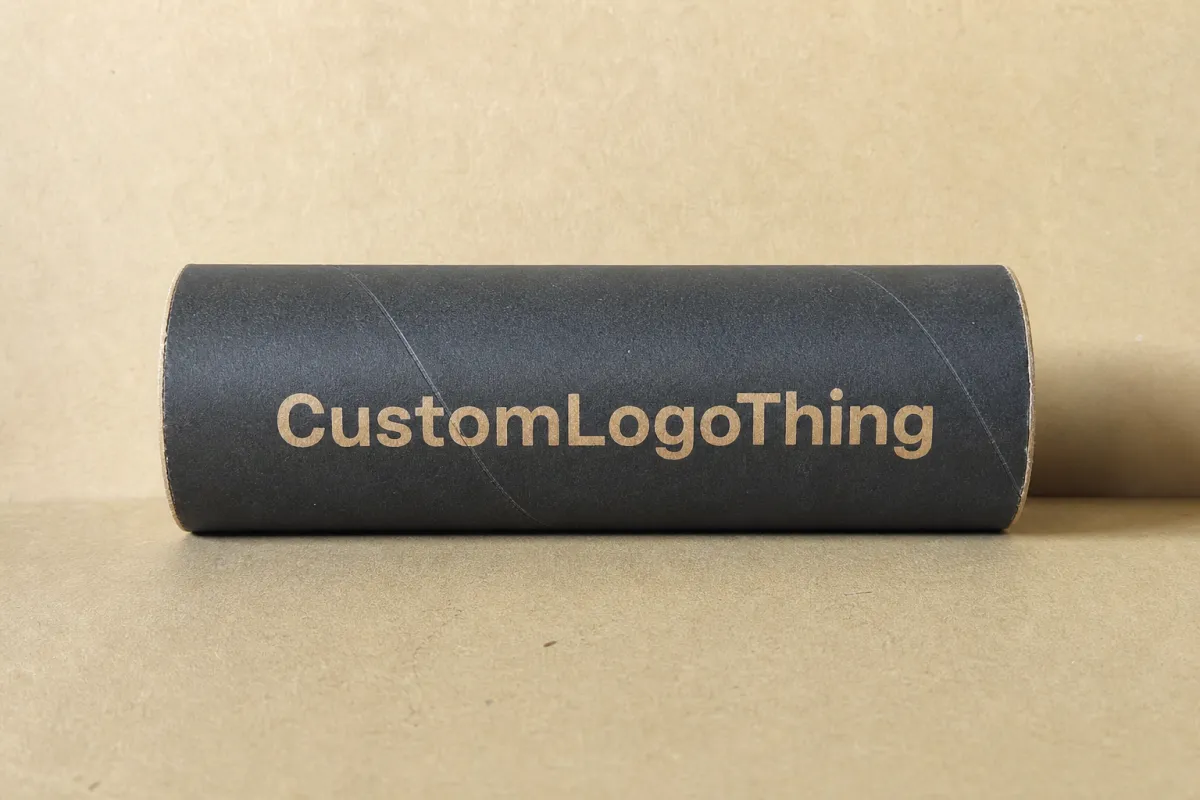
Wholesale buying changes the math because setup costs stop bullying the per-unit price. Tooling, print prep, cutting, cap sourcing, and quality checks get spread across a larger run. On a small test order, those fixed costs make the quote look awkward. On a pallet-sized order, they start looking reasonable. That difference matters. For teams shipping posters, architectural drawings, retail displays, replacement shafts, or long components, a few cents per unit can decide whether the pack-out is efficient or just tolerated.
The value is fairly straightforward. Tubes protect long, narrow products better than oversized cartons when the item can be rolled, nested, or inserted end-first. They also cut down on void fill, bubble wrap, and the daily guessing game of which carton size to use. A proper tube system can shorten pack time because workers are not building a cushion around every order like it is a school craft project. Less labor, fewer packing SKUs, and less carrier penalty from wasted space often matter as much as the material cost.
Repeatability is the part buyers miss until it bites them. A packaging line can survive a one-off experiment. It hates inconsistency. If the inside diameter swings around, the product drags or rattles. If cap tolerances are loose, the closure becomes a rework point. If print registration drifts, branded packaging starts looking improvised. Wholesale sourcing matters because stable specs make the supply chain easier to run. Nobody is really buying a tube. They are buying predictable cost, fit, and shipment quality.
That predictability shows up in margin more than people expect:
- Damage reduction: fewer crush claims, fewer returns, fewer replacements.
- Labor efficiency: less time spent on cushioning, taping, and adjusting cartons.
- Freight control: better cube use and lower exposure to dimensional weight charges.
- Brand consistency: a cleaner arrival experience for retail packaging or direct-to-consumer orders.
Companies that already buy Custom Shipping Boxes or use Custom Poly Mailers often reach a point where tubes become the better fit for a narrower product family. That is not a replacement argument. It is a format decision. The right package for a poster is not always the right package for a folded garment, and the right package for a shaft or rod rarely resembles standard ecommerce shipping.
“The cheapest quote is rarely the lowest landed cost. If the tube is off by even a few millimeters, the packing line pays for it every day.”
In practice, wholesale tube sourcing usually helps in one of three scenarios: a company is standardizing a repeat SKU, a fulfillment team is trying to cut packaging labor, or a brand wants better presentation without giving up transit protection. Those are different problems, but the economics point in the same direction.
Product details: what custom shipping tubes are made to do
Custom shipping tubes have two jobs: keep their shape and stop movement. That sounds basic because it is. The material choices behind those jobs are not basic. A tube shipping art prints does not need the same construction as a tube holding machine parts, and a premium branded tube for retail packaging should not be built like a plain mailing tube for back-office replenishment. The build has to match the use case, not the mood board.
Common tube formats and where they fit
Spiral wound paper tubes are the workhorse option for posters, banners, blueprints, calendars, and rolled inserts. They are usually made from multiple plies of paperboard wound into a rigid cylinder. The appeal is simple: solid protection without making the price silly.
Heavy-wall mailing tubes are thicker and more impact-resistant. They suit longer transit lanes or products that need a stronger shell to survive stacking and pallet movement. If the shipment is likely to travel through mixed freight rather than parcel-only networks, heavy-wall construction deserves a serious look. It is not glamorous, but damage claims are even less glamorous.
Telescoping tubes add adjustability. They help when product length varies or when one tube needs to cover a few sizes with controlled overlap. The tradeoff is cost and a slightly more involved pack-out. That tradeoff can still be worth it if the alternative is stocking several fixed lengths that nobody uses evenly.
Square tubes prevent rolling and can stack better in order fulfillment areas. They are often chosen for premium presentations or for packages that need to sit neatly in storage or retail environments. They also behave better in mixed pallets because they do not wander around the dock floor like a stubborn cylinder.
Printed branded tubes turn the package into part of the unboxing experience. For direct-to-consumer shipments, the tube becomes a branded surface, not just a shell around the product. That matters when packaging design is part of the product story and the company wants the branding to carry past the label.
Brands that invest in packaging usually end up with a useful split: one version built for protection, another built for presentation. A tube can be engineered to survive freight abuse, while another version is tuned for the shelf or the front door. The specs overlap. The priorities do not.
Closures, inserts, and reopenability
Closure design gets ignored far too often. A plastic end cap is fast and familiar. A friction-fit insert can improve tamper resistance but may be harder to open cleanly. Adhesive seals tighten the first-open experience, while reinforced lids improve edge protection when the tube takes a hit on the ends during transit.
For ecommerce shipping, reopenability matters. Customers should be able to get to the contents without shredding the tube. For industrial shipments, security may matter more than elegance. The right answer depends on whether the package is holding a retail print, a technical document, or a component that should stay untouched until installation.
Print and finish choices
Finish affects both appearance and cost. Kraft exteriors are practical and durable, while white wraps give artwork stronger contrast. Spot printing keeps branding disciplined and cheaper to run. Full-coverage graphics can look great, but they add proofing complexity and more pressure on color consistency. Specialty labeling is a good middle route for programs that need a custom look without turning every order into a fresh press headache.
That range is why custom shipping tubes wholesale is not one product. It is a family of packaging formats tied together by geometry. When buyers compare tube builds to Custom Packaging Products more broadly, the best choice usually depends less on what looks nice and more on what the item needs during transit.
There is a useful rule here: if the product is long, light, and prone to edge damage, a tube usually earns its place fast. If the item is rigid, heavy, or needs a lot of internal spacing, another format may be the better fit. Honest packaging sourcing starts with that distinction.
Specifications that affect fit, strength, and freight
Specifications are where intentions become usable packaging. The wrong diameter creates friction, crushes a rolled edge, or lets the contents slide around. The wrong wall thickness saves a sliver of money and costs a lot more in damage later. Buyers who want fewer surprises need a precise spec sheet, not a hopeful sketch.
The first dimensions to confirm are inside diameter, outside diameter, usable length, wall thickness, and end-cap tolerance. Those numbers decide whether the product fits cleanly, whether it can be inserted without scuffing, and whether the closure stays secure under vibration and drop testing. A difference of even 1/16 inch can matter when the contents have a protective sleeve, a label, or a slight curl from storage.
Strength comes from material grade and construction style. Spiral layer count, seam placement, paperboard density, and reinforcement near the ends all affect crush resistance. A lighter tube may work for local mail distribution. For longer carrier networks or pallet movement, thicker wall construction usually pays for itself by reducing failure risk. Packaging engineers often talk in ASTM terms, and buyers should ask suppliers to translate strength into real-world behavior instead of tossing around vague “heavy duty” language.
Freight gets expensive fast if tube geometry is ignored. Long items can trigger dimensional weight charges even when the product itself is light. Length, outer diameter, and pack density all affect how carriers classify the shipment. A tube that saves five inches of overall length may matter more to landed cost than a slight paper upgrade. The shape of the package changes the bill as much as the material does.
Warehouse handling matters too. Stackable tubes store better and move cleaner through internal operations. Moisture resistance helps them hold shape longer in humid facilities and during cross-dock exposure. If the program uses recycled content or FSC-certified paperboard, that should be confirmed up front so sourcing lines up with sustainability reporting and brand claims. For broader packaging sustainability references, the FSC site is useful, and the ISTA site is helpful for transit testing expectations and packaging validation logic.
Buyers tracking waste reduction and material efficiency often keep an eye on the EPA’s packaging and recycling resources too, especially when packaging design shifts toward lighter weight or better recyclability. None of that replaces testing. It just keeps the conversation grounded in standards instead of guesses dressed up as strategy.
| Tube style | Best for | Typical per-unit range at 5,000 units | Lead time tendency | Notes |
|---|---|---|---|---|
| Spiral wound kraft tube | Posters, prints, blueprints | $0.32-$0.58 | Moderate | Strong value when print coverage is minimal |
| Heavy-wall mailing tube | Longer parcel routes, mixed freight | $0.55-$1.05 | Moderate | Better crush resistance, usually higher material cost |
| Telescoping tube | Variable product lengths | $0.80-$1.60 | Longer | Useful when one SKU must cover multiple sizes |
| Square tube | Stacking, retail packaging, display kits | $0.70-$1.45 | Moderate to longer | Good shelf presence, less rolling in storage |
| Printed branded tube | Direct-to-consumer and premium presentations | $0.95-$2.20 | Longer | More proofing, more color management, stronger branding impact |
Those ranges are examples, not quotes. The real number shifts with diameter, wall thickness, closure choice, print area, total quantity, and freight lane. A buyer sourcing for a new launch should treat them as a planning bracket, not a promise wrapped in a nice font.
A practical spec review also checks how the tube will be used after delivery. If customers will store it in a humid warehouse, the wall construction should tolerate that. If the tubes ride in a retail back room, stackability may matter more than print coverage. Small decisions, big difference. That is packaging for you.
Custom shipping tubes wholesale pricing, MOQ, and quote basics
Pricing in custom shipping tubes wholesale usually comes down to five variables: size, wall thickness, print coverage, closure type, and order volume. Each one pushes cost in a predictable direction. Bigger diameters use more board. Thicker walls take more material and more production time. Full-wrap printing adds setup and color-control work. Specialty caps or inserts add component cost. Lower volume spreads fixed charges across fewer units.
MOQ is where a lot of sourcing conversations stall. Minimum order quantity is not random; it reflects the economics of setup and production. A supplier may build a lower run, but the per-unit price usually climbs because the same work is being done for fewer pieces. Buyers should ask for several quantity tiers. A quote at 500 units, 1,000 units, and 5,000 units often shows the break point where wholesale economics stop being a theory exercise.
For a serious quote, ask for more than unit price. Useful line items include:
- Unit price: the cost per tube at each quantity tier.
- Tooling or plate fees: any one-time setup charges for print or custom components.
- Sample cost: whether a prototype or blank sample is included.
- Freight: estimated shipping cost to the destination.
- Lead time: production days plus transit time.
- Revision policy: what happens if the artwork or dimensions change after proofing.
Hidden costs usually hide in plain sight. Rush fees can be fair or painful depending on the schedule. Special inserts and labels add value, but they need to be budgeted. Split shipments can solve timing problems, but they also create extra freight charges and receiving complexity. Rework gets expensive if dimensions were not finalized before production. That is not a supplier problem. That is a spec problem.
The cheapest quote is not always the best buy. A lower-priced tube with loose caps, inconsistent length, or weak seam construction can cost more overall through line stoppages and returns. The better comparison is landed cost per usable unit. That means comparing quotes from the same spec, the same transit assumptions, and the same artwork requirements. Apples-to-apples is the only comparison that matters.
For teams that want a broader sourcing baseline, our Wholesale Programs page is a useful starting point for understanding how volume pricing works across packaging formats. The same economic logic tends to show up across tube programs, cartons, and accessories.
One more caution: if a quote looks unusually low, ask what was left out. Board grade, caps, print colors, freight, or testing can disappear from the first pass. That is not a surprise. It is how a lot of sourcing conversations are written.
Process, timeline, and lead time from brief to delivery
Good lead time management starts before the quote. The fastest projects usually begin with clean inputs: product dimensions, target quantity, print expectations, closure preference, and shipping destination. When those five items are clear, a supplier can recommend a tube style, flag risks, and estimate production with less guesswork. When they are muddy, the project slows down for no good reason.
A practical production flow usually looks like this:
- Spec intake and application review.
- Material recommendation and preliminary quote.
- Artwork or dieline review, if printing is involved.
- Sample or prototype approval when fit or finish needs validation.
- Production scheduling and component sourcing.
- Inspection, packing, and shipment.
The delays usually come from three places: missing measurements, late artwork changes, and slow sample approval. Color expectations are especially easy to underestimate. A brand may say “match our logo blue,” but the print result depends on substrate, ink system, and finish. White tubes with full-coverage printing can look very different from kraft tubes with spot color, so the proof stage should handle that before the order gets locked.
Instead of pretending there is one universal timeline, think in stages. Simple tube builds with standard components usually move faster. Custom printed programs with specialty caps or inserts take longer. If a supplier says the order takes “X production days,” clarify whether that includes proof approval, component sourcing, or only the factory run. Then add transit time separately. A clear quote should split those pieces so the delivery date is not a lucky guess.
As a planning rule, I would treat 7-10 business days as a reasonable window for simpler tube programs after proof approval, and 12-20 business days or more for more involved custom builds. That is not a promise. It depends on the spec, the print complexity, and the facility schedule. Freight can add a few more days, especially if the order ships on multiple pallets or crosses a longer distribution lane.
That buffer matters when packaging is tied to a launch date or replenishment cycle. A packaging shortage can stop shipping just as fast as a product shortage. If the tubes arrive late, order fulfillment backs up. If they arrive on time but the spec is wrong, receiving and rework create their own bottleneck. The safer move is to build contingency into the schedule and keep the reorder point above the panic point.
For recurring programs, lead time discipline matters even more than the first order. A good tube supplier should be able to reproduce the same spec without starting over every time. That saves time, but only if the buyer keeps the spec frozen. Moving targets create delays. That part is not especially mysterious either.
Why choose us for wholesale tube sourcing
Buyers do not need packaging theater. They need fewer surprises. That is the real standard for wholesale tube sourcing, and it is where Custom Logo Things is built to help. The strongest reason to work with a supplier at this level is consistency: repeatable dimensions, stable wall strength, and a lower chance of receiving units that fight the packing line. Once a tube program scales, small inconsistencies turn into operational problems fast.
Quality control is not abstract. It protects against crushed edges, loose caps, print misalignment, and tube lengths that drift outside tolerance. Those are not cosmetic issues. They affect the receiving team, the line operators, and the end customer. For branded packaging, one bad batch can make the whole program look half-baked. For industrial product packaging, one bad batch can damage goods before the shipment even reaches the customer.
Compared with a generic reseller, a focused packaging partner should be able to clarify specs faster, quote more accurately, and narrow material options based on the shipment method. That matters when the buyer is balancing ecommerce shipping performance against freight economics. It also matters when the packaging has to coordinate with other formats, such as custom printed boxes or label-driven programs that carry the same visual identity across the product line.
Supply-chain discipline becomes more valuable as order volume grows. Wholesale packaging works best when the supplier can support repeat orders, tiered pricing, and consistent rebuilds of a successful spec. A packaging team should not have to relearn the same tube every quarter. It should be able to reorder, confirm, and keep moving.
If the broader program includes multiple formats, it helps to compare tube sourcing against other materials in the catalog. Our Custom Packaging Products page is a useful reference point for teams building a full packaging system rather than a single SKU. That makes it easier to see where tubes belong in the mix and where another format is the better operational choice.
The fact-first case for choosing a supplier should always sound like this: the dimensions are tight, the print is consistent, the lead time is clear, and the landed cost is easier to forecast. That is a better sales argument than hype because it reflects what the buyer actually needs to defend internally.
There is also a trust angle here. A supplier that admits when a spec needs a sample, a transit test, or a second look is usually safer than one that promises everything without asking questions. Packaging that looks good on paper can still fail in the dock. Honest caveats are part of the job.
Next steps: how to request quotes and finalize an order
The fastest way to get a clean quote is to gather the usable inputs before you ask for pricing. Start with product dimensions, target quantity, print requirement, closure preference, and destination zip or region. If you have a sample item, send photos or ship it in. That helps the supplier verify fit and handling instead of guessing from a paragraph and optimism.
Then request two or three comparable quotes. Not ten. The goal is not to build a spreadsheet that smothers the decision. The goal is to compare unit cost, MOQ, lead time, and freight on the same basis. If one quote includes tooling while another does not, normalize the numbers. If one supplier quotes delivered freight and another quotes ex-works, adjust for that before making the call.
If fit, finish, or print color matters to the final decision, order a sample or prototype. That step is cheap compared with fixing a bad run. For custom shipping tubes wholesale, a small prototype can answer the questions that matter most: does the item move inside the tube, does the closure stay secure, and does the printed surface actually look like the brand intended?
Once the quote is selected, move through the order in a disciplined sequence:
- Confirm specs: lock diameter, length, wall thickness, caps, and print area.
- Approve proof: verify artwork placement, colors, and any copy details.
- Lock quantity: confirm the final MOQ or volume tier.
- Verify ship date: separate production time from transit time.
- Set reorder trigger: place the next order before stock falls below the safety level.
That last step is underrated. A reorder trigger prevents panic buying. It also protects consistency, because the next run can be built to the same specification instead of becoming a rushed substitute. Teams that already manage packaging this way for custom printed boxes usually adapt quickly to tube programs, since the logic is the same: standardize what can be standardized, then protect the exceptions.
For buyers comparing formats, the tradeoff stays pretty clear. Tubes are often better for long, narrow products; boxes are better for broader or Fragile Items That need more void control; mailers are better for light flat shipments. The best packaging program is not the one with the most options. It is the one with the fewest mismatches between product shape and shipment method.
When the numbers are right, custom shipping tubes wholesale can reduce damage, simplify packing, and make costs easier to predict. That mix is why the format keeps showing up in industrial supply chains, print shops, and branded ecommerce programs. The practical takeaway is simple: lock the dimensions, compare landed cost, and require a sample before you commit the line to volume production.
FAQs
What affects custom shipping tubes wholesale pricing the most?
Size, wall thickness, print coverage, and closure type usually move the price the most. Order volume matters too because setup costs are spread across more units in larger runs. Freight can change the total as well if the tubes are long, heavy, or shipped on multiple pallets. The exact mix depends on whether the tube is meant for parcel shipping, freight, or retail presentation.
What MOQ should I expect for custom shipping tubes wholesale orders?
MOQ varies by tube style, print complexity, and whether the order uses custom tooling or standard components. Lower MOQs are possible, but per-unit pricing usually rises because setup work gets divided across fewer pieces. Ask for multiple quantity tiers so you can see the pricing break point. A supplier that only gives one quantity is hiding the economics, not solving them.
Can custom shipping tubes wholesale include branding and print?
Yes. Many tube programs support logo printing, full-wrap graphics, labels, and custom color finishes. The more coverage and color complexity you add, the more proofing detail you should expect. Confirm artwork format, print area, and color expectations before approving the final quote. If the brand color matters, ask for a sample or proof on the actual substrate, not just on screen.
How long does a custom shipping tubes wholesale order take?
Lead time depends on whether the tube is standard, custom printed, or requires special inserts or caps. Proof approval and sample sign-off can add time, especially if fit testing is needed. Always separate production time from shipping time so the delivery date is clear. For more involved builds, a few extra days for corrections is normal and usually cheaper than rushing a bad spec.
What information should I send for an accurate quote?
Send product dimensions, desired tube size, target quantity, print requirements, and any closure or insert needs. Include the shipping destination and whether the order is for a single launch or recurring replenishment. Photos or a sample item help the supplier verify fit and handling. If the product has a sleeve, label, or protective wrap, include that too, because those details change the inside dimensions.

