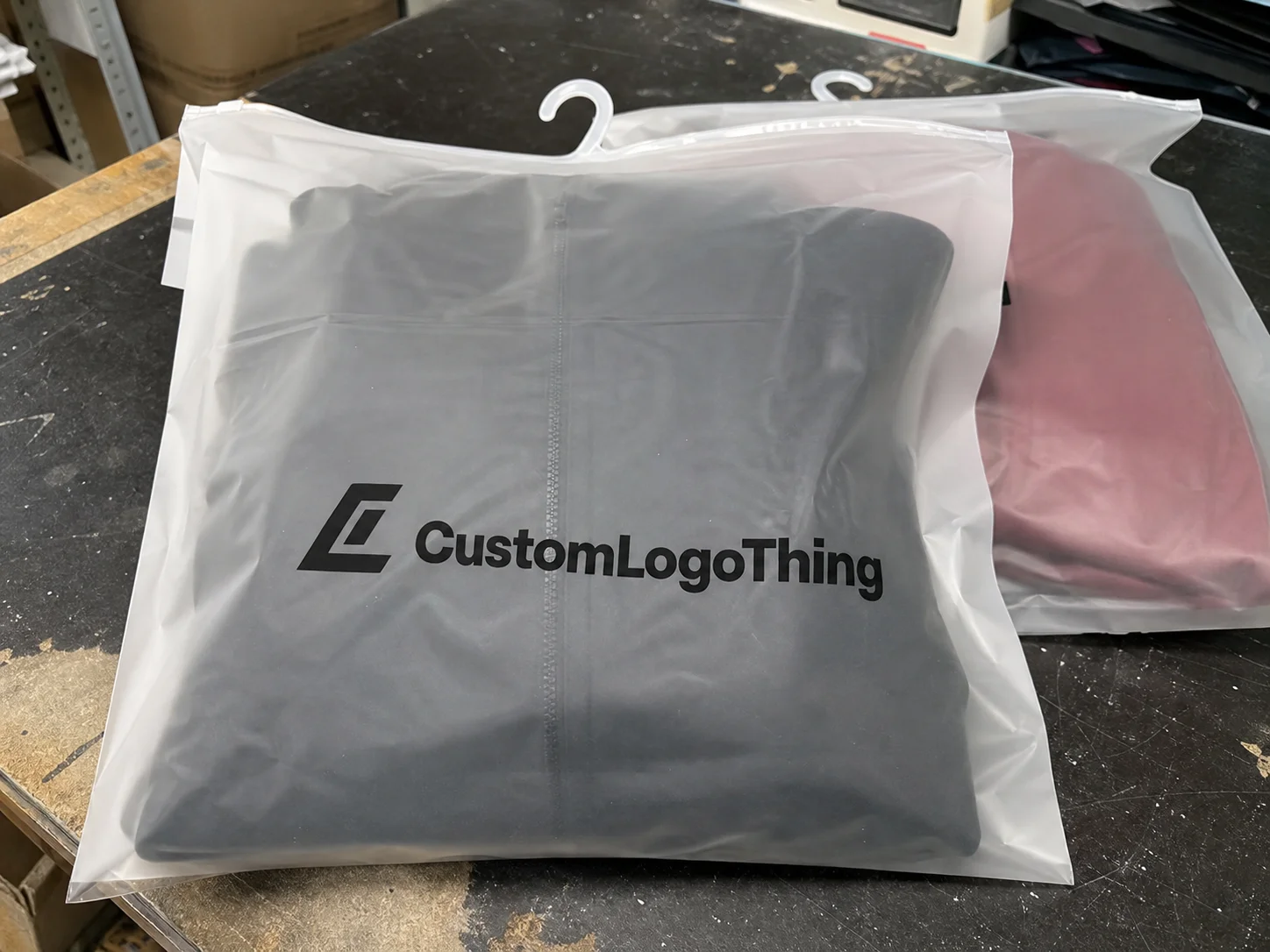
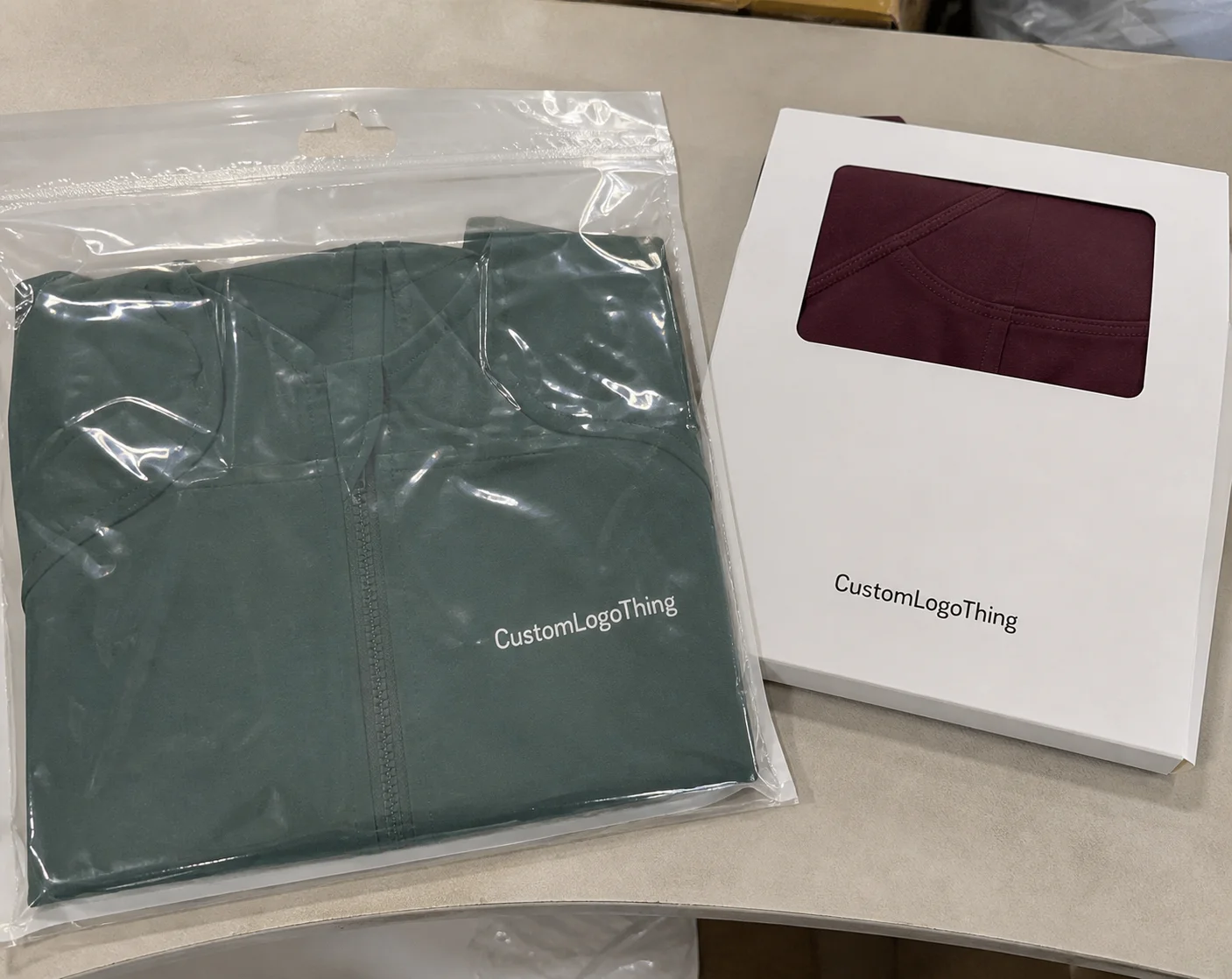
Custom shoe labels may seem like a small purchasing decision, yet they solve a set of problems that become expensive very quickly: mixed-up pairs, weak brand presentation, slow sorting, and preventable returns. In homes, schools, gyms, warehouses, and retail stockrooms, a well-chosen label saves time every time someone needs to identify a pair, match a size, or confirm where a product belongs.
The real challenge is not finding labels. It is choosing the right construction for the shoe surface, the handling conditions, and the job the label is meant to do. Some labels are strictly functional. Others sit inside a broader package branding system and need to work alongside boxes, inserts, and other Custom Packaging Products used to present and ship footwear.
Why custom shoe labels matter more than most buyers expect
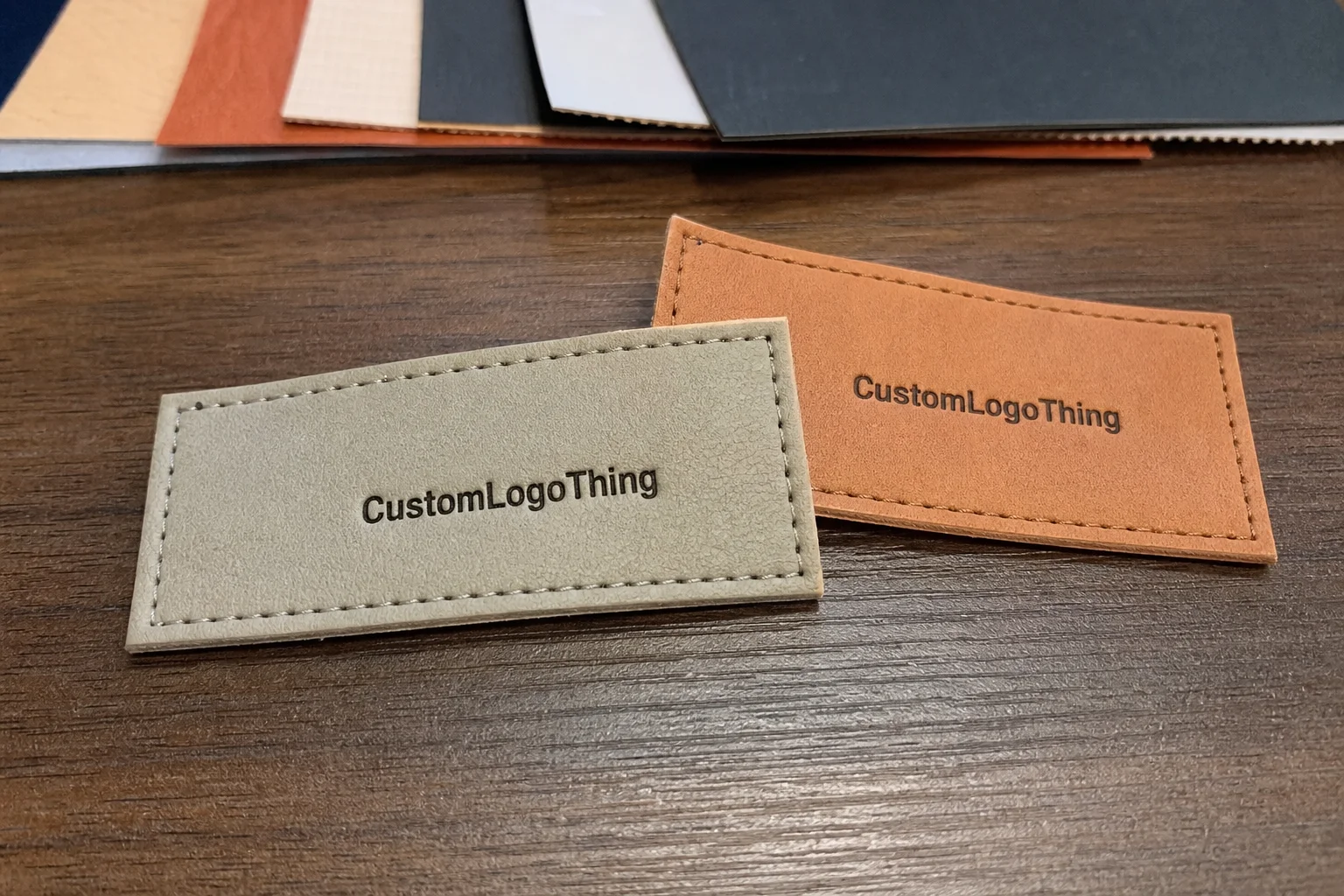
Shoes are unusually easy to separate, misfile, or misidentify. Two black sneakers in the same size can look identical at a glance, and once the left and right shoes are no longer together, sorting becomes a tedious manual task. That problem shows up in school lost-and-found bins, athletic team storage, retail returns, and any operation where footwear moves through several hands.
That is the practical value of custom shoe labels. They can mark ownership, size, product identity, care information, or brand details in a way that is quick to read and easy to maintain. The best labels are functional first, because a shoe label only succeeds if it helps someone answer a simple question fast: What is this, and where does it belong?
Buyers tend to use them in a few different ways:
- Children’s shoes: name labels, size markers, and left/right identifiers help reduce mix-ups.
- Athletic footwear: team issue, club stock, and training gear often need rapid visual sorting.
- Retail stock: sample pairs, display units, and returns benefit from clear identification.
- Lost-and-found prevention: schools and camps often rely on visible ownership marking.
- Brand presentation: premium footwear may use tongue labels, insoles, or inserts to reinforce brand identity.
The upside is that one small label can do several jobs at once: reduce mismatches, speed handling, and improve consistency across retail packaging or product presentation. Footwear is a product category where logistics and appearance are constantly intertwined, so even a modest label change can affect how efficiently the whole system runs.
A shoe label fails as soon as it is too small to read, too weak to stay attached, or too generic to support the task it was meant to perform.
If the labels are part of a resale, sizing, or brand presentation program, they should fit the system around them. That includes the box, tissue, insert card, SKU logic, and any other Custom Labels & Tags already in use. Shoe labeling works best as part of a coordinated packaging design plan, not as a one-off fix added after the fact.
How the labeling system works on shoes and inserts
There is no single “shoe label” format. Buyers usually choose from several constructions, each with a different balance of durability, appearance, and cost. The right answer depends on where the label sits and how much abrasion, moisture, or flex it will encounter during normal use and storage.
Common label types include adhesive labels, woven labels, Printed Fabric Labels, hang tags, tongue labels, and size or ID stickers. Some are attached directly to the shoe. Others live on the box, tissue, insole card, or an internal insert. That distinction matters because a label placed on the outsole has very different requirements from one tucked inside a retail box.
Placement changes performance more than many buyers expect. A label near the heel tab may rub every time the shoe is put on. A tongue label may have to tolerate bending, heat, and sweat. A label on packaging inserts mainly needs clean printing and reliable adhesion, so its material priorities are different from those used on the shoe itself.
| Label type | Best use | Typical strength | Typical buyer concern |
|---|---|---|---|
| Adhesive sticker | Boxes, insoles, sample pairs, short-term ID | Moderate | Edge lift on curved or textured surfaces |
| Woven label | Branding inside shoes or on soft goods | High | Need for sewing or secure attachment |
| Printed fabric label | Care, size, and brand details | High | Readability and thread finish |
| Hang tag | Retail presentation and temporary messaging | Low to moderate | Not meant for long-term wear |
| Insole or tongue label | Branding and size information | Moderate to high | Heat, moisture, and flex resistance |
Attachment method changes the outcome just as much as material choice. Pressure-sensitive adhesive is efficient, but it depends on the right surface energy and a clean application area. Heat transfer can create a cleaner finish on some materials, though it is not a good fit for every upper or lining. Sewing delivers strong retention, but it adds labor and works better on some constructions than on stiff or highly technical ones.
Substrate choice matters too. Leather, mesh, canvas, synthetic uppers, linings, insoles, and packaging inserts all behave differently under pressure, heat, and repeated handling. A matte coated paper label may look excellent on a box insert and fail quickly on a rubbery or textured shoe surface. A polyester label may hold up well inside the shoe but feel too industrial for a premium style. Sample testing is the fastest way to find those differences before a full run is printed.
Legibility is not decorative. If the label includes a barcode, QR code, serial number, or SKU, the layout needs to be scan-friendly. High contrast, adequate quiet space, and readable type sizes are operational requirements, not design preferences. In warehouse and retail environments, a failed scan costs more than a slightly higher label price.
For buyers managing product packaging as part of the same program, the strongest shoe label systems are the ones that tie the shoe to the box cleanly. The same SKU logic, color coding, and brand hierarchy should carry across labels, cartons, and printed inserts so the entire process stays easy to follow.
Cost, pricing, MOQ, and what changes the unit cost
Pricing for custom shoe labels depends less on the word “custom” than on the details behind the spec. Material, print method, label size, adhesive strength, finish, and order quantity all influence the unit cost. A simple paper utility label for a box insert is a very different purchase from a durable synthetic label designed to survive abrasion and repeated handling.
Minimum order quantity matters a great deal on smaller runs. If you only need 500 or 1,000 pieces, setup costs are spread over fewer units, so the per-label price rises. At 5,000 pieces and above, unit pricing often improves. That does not mean larger is automatically better. It means the economics shift quickly once the order reaches a more efficient print threshold.
Typical pricing patterns often look like this:
| Label style | Typical order size | Approximate unit range | Notes |
|---|---|---|---|
| Basic printed adhesive label | 1,000–5,000 | $0.08–$0.18 | Best for box inserts or short-term ID |
| Durable synthetic label | 3,000–10,000 | $0.14–$0.28 | Better for wear, moisture, and handling |
| Woven or sewn branding label | 5,000+ | $0.18–$0.40 | Higher labor, better premium appearance |
| Specialty finish label | 5,000+ | $0.22–$0.55 | Foil, soft-touch, texture, die-cut details |
Those ranges are directional, not fixed. A small label with heavy ink coverage, a specialty adhesive, or tight color matching can cost more than a larger but simpler one. Rush production usually adds cost as well, and compressed timelines can push shipping from economical freight to more expensive air service. Buyers who only compare unit price sometimes miss the landed cost entirely.
The largest cost drivers usually fall into a short list:
- Material: paper, BOPP, polyester, woven fabric, or specialty stocks.
- Print method: digital, flexographic, thermal transfer, or screen-based approaches.
- Finish: matte, gloss, soft-touch, laminate, or varnish.
- Attachment: peel-and-stick, sew-in, heat-applied, or hang tag.
- Quantity: higher volume usually lowers the unit price.
- Setup: art prep, die cutting, plates, or custom tooling.
There are also small costs that add up. Artwork cleanup can trigger a one-time fee if files need to be rebuilt. Proofing may take longer if barcode verification or color matching is involved. Revisions can stall the schedule. Even shipping can become a larger share of the total than expected on lighter, lower-value orders.
The most reliable quoting approach is simple: define the use case first, then choose the durability level, and only then compare pricing. Asking for “the cheapest label” usually leads to poor performance, and a label that fails early is never inexpensive in practice.
Production steps and timeline from artwork to delivery
Label production looks straightforward on paper. In practice, it is usually the stage where a good order starts to slip if the paperwork is vague or the artwork is not properly prepared.
The normal flow is concept, artwork, spec confirmation, sampling, approval, production, finishing, and shipment. Each step is easy to understand and easy to delay. A file that looks clean on-screen may become unreadable when reduced to a 20 mm label. A barcode may scan perfectly in proof form and fail once the quiet zone is crowded. A color that appears neutral in RGB can print warmer or cooler than expected on the actual substrate.
Lead times vary with complexity. A simple printed label order may move from proof approval to shipment in roughly 7–12 business days. More durable constructions, specialty finishing, or custom sewing can run closer to 12–20 business days, and sampling can extend that timeline further. If the labels need to support a school season, retail launch, or footwear promotion, the approval window should be built into the schedule early rather than treated as spare time.
Common delay sources are usually predictable:
- Unclear artwork: low-resolution files, missing fonts, or incorrect dielines.
- Color revisions: approval slows while the buyer looks for a closer match.
- Material substitutions: the chosen stock is out or not the best fit for the application.
- Late approvals: production cannot move until sign-off arrives.
- Testing problems: adhesion, abrasion, or legibility issues show up in samples.
Sample approval is especially useful for shoes because shoe materials are rarely uniform. A label that sticks well to coated synthetic can underperform on textured leather or a curved foam insert. Testing the label on the actual shoe surface, or at least a close substitute, reduces the chance of a full run failing in the field. If the labels are part of a wider footwear launch, they should be tested alongside the box, tissue, and insert system rather than in isolation.
For brands building out branded packaging, the label timeline should be aligned with the rest of the print schedule. A label that arrives late can slow packing, photography, or distribution even when the shoes themselves are ready.
Step-by-step guide to ordering labels that actually last
If the goal is durability, do not begin with artwork. Start with the job the label has to do.
- Identify the end use. Is the label for ownership, branding, size coding, care information, or anti-loss marking?
- Choose the label type. Match the construction to the wear conditions and placement.
- Gather specs. Size, artwork, colors, barcode data, numbering, and quantity should be ready before quoting.
- Request samples or proofs. If possible, test the label on the actual shoe surface rather than on paper alone.
- Approve and inspect. Once production lands, check count, print quality, adhesive performance, and legibility.
That sequence seems basic, but it prevents many of the costly mistakes that show up later. Buyers often skip straight to design because the visual side feels urgent. Then the adhesive turns out to be wrong, the barcode is too small, or the label starts to lift on a curved surface. Those are all easier to fix before production than after a full run is finished.
A one-page spec sheet can eliminate a lot of back-and-forth. Include shoe material, label purpose, dimensions, artwork, color references, durability expectations, and any required data fields. If the shoes are for children, or if retail labeling needs specific identifiers, say so early. For footwear sold through retail channels, content requirements can vary by market, so verify those details before printing thousands of labels that cannot be used as intended.
Once the order ships, use a receiving checklist. Count cartons. Pull random samples. Confirm the label lands in the right position, reads clearly, and adheres the way the proof promised. That short inspection step protects you from accepting a bad lot just because the outer cartons looked fine.
Common mistakes that make shoe labels fail early
Most label failures are not mysterious. They are usually the result of one bad assumption repeated across the whole order.
The first mistake is using the wrong adhesive for the surface. Sweat, friction, curvature, and texture all affect bond strength. What works on a flat box insert may fail on a flexible shoe tongue. If a label sits near a high-wear area, choose the adhesive accordingly and test it under handling conditions rather than just pressing it on a desk.
The second mistake is designing for the proof instead of the real product. A font may look elegant in a mockup, but if it becomes too small after the label is reduced, the result is decorative rather than useful. The same applies to barcodes. If inventory or fulfillment depends on scanning, scannability has to be treated as a production requirement.
The third mistake is skipping material testing. Leather, rubber, foam, coated synthetics, and mesh all behave differently. Heat, moisture, and surface texture change how labels sit and wear over time. A sample that looks fine at first glance may peel after a few days of handling, especially if the shoe will be boxed, shipped, unpacked, and rehandled several times.
The fourth mistake is ignoring storage conditions. Labels might not be worn immediately. They may sit in a warehouse, a classroom cubby, or a backstock shelf before use. That means the adhesive must survive storage as well as end use. If humidity, dust, or cold temperatures are part of the environment, mention that during quoting.
The fifth mistake is overlooking compliance or content needs. Children’s products and retail programs may require ownership information, country of origin details, care information, or traceability data. This does not mean every shoe label has a heavy compliance burden, but it does mean the buyer should confirm requirements before printing 10,000 pieces that cannot be used as intended.
Expert tips for better durability, branding, and resale value
Simple design usually performs best. High-contrast colors, restrained typography, and clean spacing make labels easier to read and less likely to look cluttered on a small surface. If the label has to do both branding and utility work, let one message lead and keep the rest secondary.
Finish should match function. Matte surfaces are usually easier to read and often reduce glare. Gloss can help some graphics stand out, but store lighting can also make it harder to read. Specialty finishes can raise perceived value on premium footwear, yet they only help if they do not compromise legibility or add unnecessary production complexity.
Standardized placement is another overlooked advantage. If every pair is labeled in the same position, packing and restocking get faster. That matters for retail packaging, school orders, and team issue programs where the same process repeats many times. Consistency is an efficiency tool, and in footwear operations, efficiency reduces cost.
Build a small buffer into the order. A 3% to 5% overage is often enough to cover launch spikes, inspection rejects, and replacement needs. For high-volume or color-sensitive programs, a slightly larger reserve may be worth it. It is usually cheaper to hold a few extras than to restart a small print run because some labels were damaged in transit or misapplied during packing.
It also helps to align the label spec with the rest of your custom printed boxes and inserts. When the box, label, and internal materials share the same tone and data structure, the product feels more deliberate. Buyers notice that, and so do retailers handling the goods on the back end.
Next steps for choosing the right label spec
If you are Ready to Order, keep the process disciplined. Create a one-page spec sheet that lists shoe material, label purpose, dimensions, quantity, durability expectations, and any data fields such as SKU, barcode, or care copy. That single page will make supplier conversations cleaner and quote comparisons more accurate.
Then shortlist two or three constructions and compare them on use case, timeline, and unit cost. Do not compare only price. Compare the cost of failure too. A slightly more expensive label that survives wear and scans reliably is usually the stronger buy than a cheaper option that peels or smears.
Request a sample or proof and test it on the actual shoe surface before ordering the full run. That is the step most buyers regret skipping. Once you see how the label behaves on the real material, the answer usually becomes clear quickly.
Finally, set up your artwork files and approval criteria so production can begin without avoidable revisions. If you know the order will need seasonal reorders, school-year demand, or retail restocks, build a repeatable order plan now. The best labeling programs are documented, consistent, and easy to reorder.
Custom shoe labels are small, but they carry a lot of operational weight. They support ownership, inventory control, branding, and presentation in a part of the product line that gets handled more often than many buyers realize. If the construction matches the application and the artwork is prepared with the actual shoe in mind, the label does more than stick. It performs.
Frequently asked questions
What are custom shoe labels used for in everyday life?
They help identify pairs, reduce mix-ups, and support branding or size coding. They are especially useful for children’s shoes, team gear, retail inventory, and sample organization.
Which type of custom shoe labels lasts the longest?
Durability depends on placement, material, and attachment method. Labels designed for abrasion, moisture, and curved surfaces usually perform better than simple stickers.
How much do custom shoe labels cost per unit?
Unit cost depends on order quantity, print method, material, finish, and setup fees. Higher quantities usually lower the per-label price, while specialty materials and rush work raise it.
What is the usual turnaround for custom shoe labels?
Turnaround varies based on sampling, approval speed, and production complexity. Simple orders move faster than Durable Labels That require testing or specialty finishing.
Can I use custom shoe labels on leather, mesh, or synthetic shoes?
Yes, but the label type and adhesive or attachment method should match the shoe surface. Testing on the actual material is the safest way to confirm adhesion and appearance.