Buyer Fit Snapshot
| Best fit | Custom Shredded Paper Void Fill Bulk projects where brand print, material claims, artwork control, MOQ, and repeat-order consistency need to be specified before quoting. |
|---|---|
| Quote inputs | Share finished size, material target, print colors, finish, packing count, annual reorder estimate, ship-to region, and any compliance wording. |
| Proofing check | Approve dieline scale, logo placement, barcode or warning zones, color tolerance, closure strength, and carton packing before bulk production. |
| Main risk | Vague material claims, crowded artwork, missing packing details, or unclear freight terms can make a low unit price expensive after revisions. |
Fast answer: Custom Shredded Paper Void Fill Bulk: Specs & Pricing should be specified like a repeatable production item. The safest quote records material, print method, finish, artwork proof, packing count, and reorder notes in one written spec.
Production checks before approval
Compare the actual filled-product size with the drawing, then confirm tolerance on folds, seals, hang holes, label areas, and retail display edges. Reserve space for logos, QR codes, warning copy, and material claims before decorative graphics fill the panel.
Quote comparison points
Review material grade, print process, finish, sampling route, tooling charges, carton quantity, and freight assumptions side by side. A quote is only useful when the supplier can repeat the same color, closure quality, and packing count on the next order.
Custom Shredded Paper Void Fill Bulk: Specs & Pricing
Custom Shredded Paper Void fill bulk is rarely a simple filler purchase. It sits beside freight class, carton size, and labor minutes: a modest line item that can either protect margin or quietly erode it. A material that looks inexpensive by the bag may become expensive once warehouse cube, packer time, and damage claims are counted. That is why more brands now evaluate shredded paper as a packaging input with measurable performance, not as a decorative afterthought.
Subscription boxes, cosmetics, candles, gourmet foods, and apparel all ask a version of the same question. Can the filler keep the product in place during transit and still make the package feel considered the moment the box opens? Air pillows answer part of that question. Loose fill answers part of it too. Custom shredded paper void fill bulk often answers both without making the shipment feel generic.
Procurement teams often discover that the cheapest material on the quote sheet is not the cheapest option in the warehouse. Landed cost exposes that quickly. Freight density, storage footprint, cleanup time, and the price of replacing a damaged order all change the math. A filler that supports branding, reduces the need for extra inserts, and keeps the line moving can outperform a lower-priced alternative by a wide margin.
There is also a quieter advantage. Paper-based void fill tends to age better in a brand system than trend-driven packaging add-ons. It is useful, visible, and easy to standardize. That combination matters when a company ships from more than one warehouse or has to train new packers every quarter.
Why Custom Shredded Paper Void Fill Bulk Changes Packout Economics
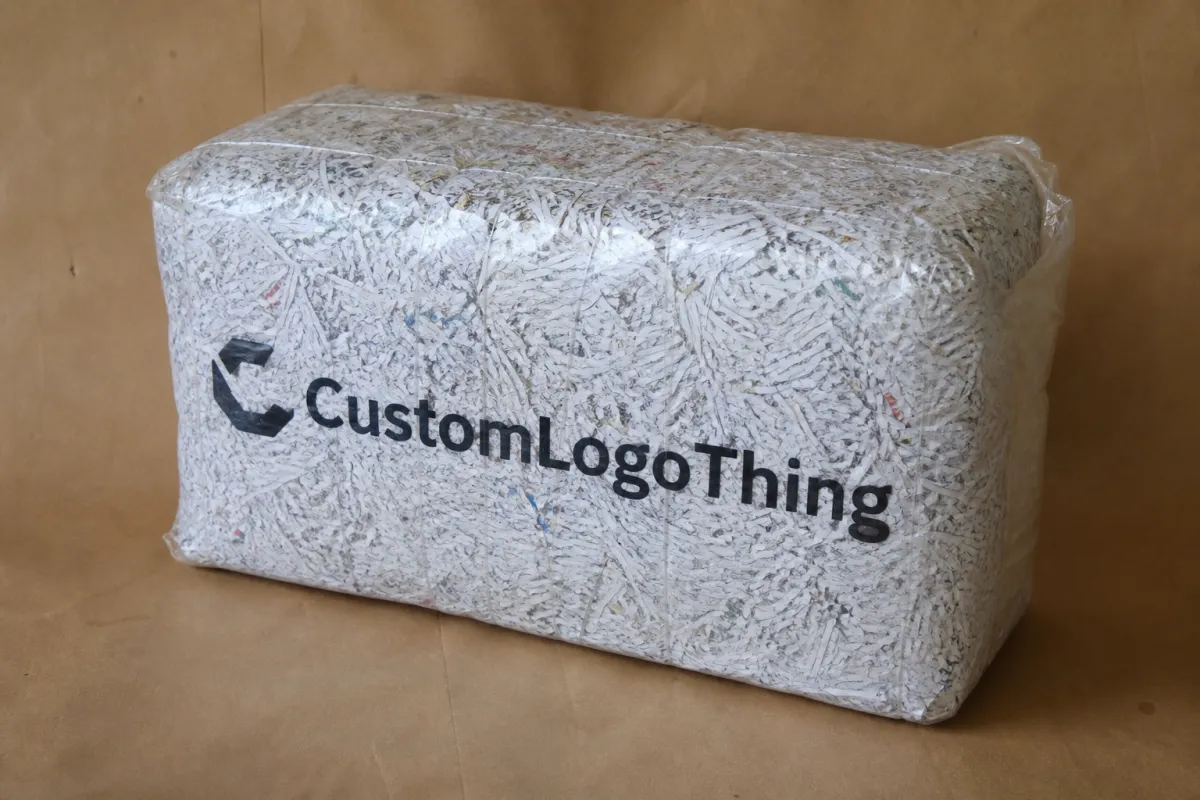
Shipping teams often assume the lightest fill is the least expensive fill. That assumption breaks down quickly. Air pillows occupy little weight, yet they take up space and often feel disconnected from premium packaging. Loose fill can be inexpensive per pound, but it scatters, migrates, and leaves a trail across the pack station. Shredded paper sits between those two extremes and often wins because it stabilizes product better while carrying more visual value.
Consider a subscription brand sending seasonal kits in custom printed cartons. If the interior needs to look polished without foam inserts or plastic cushioning, custom shredded paper void fill bulk can carry much of the visual load. One material now does the work of two. The product arrives steadier, the box opens with more intention, and the operation avoids adding another decorative component that has to be sourced, stored, and replenished.
That blend of presentation and function matters for labor as much as branding. A filler that pours evenly and settles quickly can move a line faster. A filler that needs repeated top-offs, sweeping, or constant hand shaping steals time from every order. Over thousands of shipments, even a few extra seconds per carton become meaningful. A pack station is an accumulator of tiny delays; the wrong void fill turns those delays into payroll.
A bag price only tells part of the story. The better comparison is cost per shipped order after freight, damage rates, and packer time are included. Paper-based void fill often looks stronger under that lens than it does on a simple product sheet.
Storage also plays a larger role than many teams expect. Bulk paper fill can be staged more neatly than loose plastic alternatives, and it usually behaves more consistently from one reorder to the next. If the program calls for natural kraft, a holiday red, or a brand-specific tone, consistency protects operations and presentation at the same time. A filler that changes appearance from batch to batch forces a visual reset each time inventory arrives.
Put plainly, custom shredded paper void fill bulk is a scale decision, not a novelty buy. Annual order volume changes the equation. So do warehouse handling, freight lanes, and how often procurement wants to reorder. Buying in bulk reduces noise, simplifies planning, and often lowers the effective unit cost once freight is spread across palletized shipments.
- Loose fill: low material cost, but messy and less stable in the carton.
- Air pillows: compact to ship, yet plastic-heavy and visually plain in premium programs.
- Shredded paper: balanced for protection, presentation, and brand fit.
What Custom Shredded Paper Void Fill Bulk Includes
Shredded paper void fill is a paper-based cushioning medium built to occupy empty space, reduce product movement, and improve the way a package opens. In bulk form, it is meant for repeat packout programs rather than one-off gift projects. Buyers are usually selecting not only the material, but also the packaging format, the labeling method, and the replenishment plan that comes with it.
Customization is where the material becomes more useful. Color is usually the first decision because it is the fastest way to align the fill with branded packaging. Cut style comes next, followed by paper grade, dust level, and how the product is packed for warehouse use. Some programs want a natural kraft look that feels clean and restrained. Others need a color tied to a seasonal drop or a retail campaign. A private-label format may matter more for a wholesale program than for a direct-to-consumer launch.
The distinction between decorative and shipping-grade fill matters more than many first-time buyers expect. Decorative shredded paper can look excellent in a gift basket or a retail display. Transit is a different test. Shipping-grade void fill needs to recover after compression, resist collapse in the carton, and behave the same way from one packout to the next. Before approving a spec, the buyer should know whether the material is being chosen for shelf appeal, cushioning, or both.
Common Custom Options
- Color: natural kraft, white, black, holiday colors, or custom brand-matched tones.
- Cut style: fine shred, standard shred, or wider strip cuts depending on fill volume and visual goals.
- Paper grade: recycled paper, kraft-based paper, or higher-consistency stock for premium programs.
- Packaging format: bulk bag, carton, bale, or private-label pack for warehouse use.
- Branding: custom labels, printed outer packaging, or bundled programs with other product packaging components.
Use cases vary by product weight and fragility. Candles and jars need more immobilization than apparel. Cosmetics call for a cleaner presentation and lower residue. Gourmet goods and gift items usually need a softer visual profile. Apparel may require less fill volume, but the carton still needs to open cleanly and look deliberate, not underpacked. A single fill spec cannot cover every category well.
Sustainability enters the discussion, but it should stay grounded in material facts rather than slogans. Paper-based void fill can support waste-reduction goals when the fiber source, finish, and recovery stream match the buyer's requirements. If a claim depends on certified fiber, a chain-of-custody standard such as FSC may matter. For end-of-life questions, the EPA recycling guidance is a useful reference, because local acceptance still depends on coatings, contamination, and what else is in the package.
The practical takeaway is straightforward: custom shredded paper void fill bulk should be specified as part of the broader packaging system, not as a generic commodity. That approach supports protection, presentation, and repeatability in the same move.
Specifications That Matter for Custom Shredded Paper Void Fill Bulk
Color is usually the first request, but the spec sheet is what keeps the program stable after the first order. A good purchase should define basis weight, shred geometry, fiber content, color tolerance, dust level, and how the material behaves after compression. Skip those details and two bags that look identical on arrival can perform very differently on the line.
Basis weight changes resilience and fill behavior. Lighter stock creates more visual volume, though it can collapse sooner in storage or transit. Heavier stock tends to hold shape better, but it may feel stiffer and use more material per box. For many custom packaging programs, the best choice is not the heaviest paper available. It is the paper that stays in place, packs cleanly, and still looks intentional inside the carton.
Shred Geometry and Recovery
Shred width and cut consistency shape the whole result. Narrower shred creates a denser nest and a neater presentation, while wider shred can fill faster and add more cushion per scoop. Compression recovery is one of the most overlooked variables in the category. If the material collapses too much after pallet stacking or carton compression, the product may show through the top layer and the package can look tired before it reaches the customer.
That point is not cosmetic only. It changes the way the unboxing feels. It changes the amount of material a packer uses per order. A spec that looks efficient on a sample bench but underperforms after warehouse storage is not a savings; it is deferred waste. A smaller difference in shred geometry can change how much fill is needed by a surprising amount, especially in tall cartons with irregular product shapes.
Dust, Moisture, and Storage Conditions
Dust level matters more than first-time buyers usually expect. Cosmetics, personal care products, candles, and food-adjacent goods can all suffer if the filler sheds residue. Cleaner shred may cost a bit more, but the tradeoff often beats cleanup time, product smudging, or a less polished interior. A few cents saved on the purchase can turn into a larger cost in remediation.
Moisture sensitivity deserves the same attention. Paper fill stored in a humid dock area or compressed under stacked pallets can lose loft. Warehouse conditions should be part of the specification discussion. If the product will sit in long-term storage, ask how it behaves after stacking, whether the packaging protects against humidity, and how long it can sit before performance changes.
Testing should be part of approval. A few cartons packed under real conditions tell more than a showroom sample ever will. Use a shake test to check movement, a drop test to see whether the product migrates, and a compression check to see how the fill rebounds after handling. If the shipment will face a harsher route, a distribution test aligned to ISTA methods or ASTM D4169 can be worth the time. The goal is not overengineering. The goal is verifying that the filler matches the trip the box will actually take.
A strong specification sheet shortens procurement cycles. It reduces back-and-forth, gives production a standard to follow, and makes reorders faster because the approved formula is already documented instead of being rebuilt each time a purchase order lands. That is especially useful for teams managing more than one SKU family, because each box size tends to expose a different weakness in the fill.
| Option | Typical MOQ | Indicative Bulk Pricing | Best Fit |
|---|---|---|---|
| Standard natural shred | 500-1,000 lb | $0.18-$0.35 per lb | Neutral packouts, high-volume DTC, simple replenishment |
| Colored custom shred | 1,000-2,500 lb | $0.28-$0.55 per lb | Brand-matched retail packaging, promotions, seasonal programs |
| Private-label bagged supply | 2,500 lb+ | $0.35-$0.75 per lb equivalent | Warehouse programs, resale, recurring branded packaging |
Pricing note: these are planning ranges, not fixed quotes. Paper grade, color coverage, bag format, print requirements, pallet count, and freight zone can shift the landed number quickly. A quote that looks similar on paper may not be similar once accessorial charges and receiving costs are added.
Custom Shredded Paper Void Fill Bulk Pricing, MOQ, and Quote Factors
Pricing for custom shredded paper void fill bulk usually turns on five variables: paper grade, color complexity, packaging format, order volume, and freight. Those are the levers that move the number. Change one and the quote can shift enough to alter the buying decision.
Paper grade comes first. Standard recycled kraft is usually the least expensive path. Higher-grade stock, tighter color consistency, or lower-dust requirements can raise cost. If the program needs a branded look to coordinate with Custom Printed Boxes or a coordinated interior reveal, the buyer should expect to pay for that control.
Color complexity often matters more than the shade itself. A natural or white run is usually simpler than a custom-matched blend. Dark, saturated, or seasonal tones may demand tighter production control, and that tends to show up in the quote. A brand that wants the fill, labels, and outer carton to share the same visual language should treat that as one project, not three disconnected asks.
MOQ creates a practical tension between testing and efficiency. A lower minimum helps a team validate the fill in a few carton sizes or compare it with another dunnage option. A higher commitment usually improves unit cost and gives production a cleaner scheduling window. Bulk programs reward stability. Frequent spec changes usually cost more than they save.
Freight deserves more attention than it often gets. With paper-based void fill, the number on the quote is only part of the picture. A carton or bag format that looks cheap at the product level can turn less attractive if it ships inefficiently or uses too much warehouse space. Landed cost should include transport, receiving labor, and storage footprint. On smaller orders, freight can add 10% to 25% or more to the total program cost depending on zone and accessorials.
Buyers get better answers when they ask for a quote with the same information they would share for any other product packaging purchase:
- Carton dimensions and typical fill volume per order
- Expected monthly usage and peak-season demand
- Preferred color, cut style, and paper grade
- Destination ZIP code or warehouse location
- Need for custom labeling, private-label packaging, or mixed-SKU replenishment
- Target delivery window and whether a sample is required first
The comparison is direct. Bulk paper fill may cost more per pound than generic loose fill, but if it lowers damage rates, improves presentation, and saves operator time, the total economics can still favor the paper program. That advantage becomes more visible for e-commerce brands selling premium goods, where the unboxing experience is part of the product itself. A 2% drop in breakage can matter more than a 10% discount on material if the baseline order value is high enough.
Process, Timeline, and Lead Time From Quote to Delivery
Good procurement work removes uncertainty before it reaches the warehouse. That matters here because custom shredded paper void fill bulk often ties into production schedules, storage capacity, and launch dates. A missed window forces the team to pay for emergency freight or pack with a temporary filler that does not match the final brand standard.
The cleanest ordering process usually follows a simple path:
- Inquiry: the buyer shares carton dimensions, monthly usage, color preferences, and destination.
- Spec confirmation: the supplier confirms shred width, paper grade, packaging format, and any branding requirements.
- Quote review: pricing, MOQ, freight assumptions, and delivery window are reviewed together.
- Sample or prototype: if needed, the buyer tests the fill in a real carton and checks packout behavior.
- Production scheduling: once approved, the run is placed on the line and materials are staged.
- Shipment booking: the order is packed, palletized, and released for freight.
Where do delays usually show up? Color approvals are a common one. If the buyer wants a very specific shade, the approval cycle can stretch when the reference is vague. Carton-size uncertainty creates another delay; if the team has not locked shipping box or insert dimensions, the filler spec may need to change. Freight can slow things too when the delivery address, dock requirements, or appointment rules are not known early.
Lead time depends on how custom the job is, but realistic planning beats optimism every time. Repeat orders usually move faster because the spec already exists and production knows what to make. First-time custom runs take longer because they may require a sample cycle, color confirmation, or packaging approval. A common planning window for repeat runs is often 10-15 business days after approval, while a first custom run can run longer if proofing is involved. Freight transit adds its own clock, so the order needs to be placed before the seasonal spike, not during it.
Communication checkpoints are worth requesting. A strong supplier should be able to confirm proof approval, production start, packing completion, and shipment release. That visibility matters in wholesale programs because purchasing, warehouse operations, and customer service all need the same answer when inventory is inbound.
There is a design advantage to keeping the lead-time process organized. When void fill, insert, and outer carton are planned together, the packout can be tested once and reused across the line. That reduces constant adjustments and makes the system easier to scale if the brand expands into new retail packaging channels or opens a second warehouse.
Why Choose Us for Custom Packaging Programs
A supplier in this category should be judged on consistency more than on sales language. The right partner does not just quote a carton of filler. It helps maintain a repeatable spec, a clear reorder path, and packaging that supports the rest of the program. That matters whether the buyer is running a small DTC line or a broader branded packaging rollout.
At Custom Logo Things, the value proposition centers on coordination. When a buyer needs custom shredded paper void fill bulk alongside other components, the goal is to keep the program aligned instead of stitched together from unrelated purchases. A filler that matches the carton color, the label style, and the product packaging standard can make the entire shipment look more considered.
That matters even more for teams buying Custom Packaging Products across multiple channels. If the company also runs Wholesale Programs, the packaging spec has to survive scale. Reorders need to be predictable. The receiving team needs clear labeling. The production team needs the same answer every time. A custom filler program that is documented well helps all three.
The business case is easy to see once the program is in motion. Fewer packing errors. Fewer color mismatches. Fewer cartons opened at receiving because the product arrived in the wrong format. Those are not dramatic metrics, yet they are the ones procurement teams feel first. Savings show up in reduced rework, fewer delays, and cleaner replenishment.
Quality control belongs in the conversation from the start. Consistent cut length, stable color, and controlled dust level are not luxury features. They are baseline requirements. If one batch looks different from the next, the unboxing experience starts to drift, and that drift becomes visible in customer reviews and internal QA. A good supplier catches that early and fixes it before the material reaches the dock.
For buyers comparing vendors, the most useful question is simple: does this supplier understand the whole packaging system, or only the filler itself? The strongest answers usually mention carton fit, freight planning, sample approval, and replenishment rhythm, because the material only works if the program around it works too. That is true for branded packaging, retail packaging, and any operation where the outside of the box has to support the inside of the box.
What buyers should measure:
- Damage rate before and after the filler change
- Pack time per order
- Warehouse cube used per pallet
- Repeatability of color and cut
- Reorder accuracy and lead-time stability
Next Steps for Ordering Custom Shredded Paper Void Fill Bulk
The fastest way to get a useful quote is to treat the request like a production spec instead of a shopping cart. Start with carton dimensions, average product weight, and the amount of movement you see in a shake test. Then decide whether the first purchase is for validation, for a launch, or for steady replenishment. That answer changes the MOQ, pricing, and packaging format worth requesting.
Before asking for a price, gather the following:
- Carton size and interior fill depth
- Expected monthly consumption
- Color preference or brand-matching target
- Need for custom labeling or private-label packaging
- Warehouse or shipping destination
- Target delivery window and backup date
Then run a small internal test. Pack one carton, shake it, close it, and open it again. Look at product movement. Look at the presentation. Look at how much material is actually used. That single test often reveals whether the fill is too light, too dense, or just right. If the program includes multiple carton sizes, repeat the test in the smallest and largest boxes. The result is a better buying decision and fewer surprises later.
It helps to set a reorder trigger point before inventory gets thin. Too many teams wait until stock is low and discover that freight timing, approval cycles, or warehouse congestion create a gap. A clear trigger point prevents emergency buying and keeps the supply chain steady during launches, promotions, and seasonal peaks.
For teams building a larger packaging program, compare the filler request with the rest of the line. If the brand is ordering custom printed boxes, branded tape, labels, and inserts, the shred should be part of that same calendar. That makes the whole program easier to control and lowers the odds that one component arrives with a different look or a different timeline.
When you are ready to request pricing, tie the order to real packout needs, not guesswork. Custom shredded paper void fill bulk works best when the spec is specific, the freight plan is known, and the reorder schedule is built around actual shipping volume. That is how the filler becomes a cost-control tool instead of another line item to chase.
How much custom shredded paper void fill bulk do I need per box?
Start with the carton size, the item weight, and how far the product moves in a shake test. A small, dense item may need less volume but more strategic placement, while a light or fragile item may need a larger nest around the product. The most reliable forecast comes from packing a sample run, measuring average usage, and then setting the reorder math from real cartons instead of estimates.
What is the MOQ for custom shredded paper void fill bulk orders?
MOQ depends on paper grade, color, packaging format, and whether the order is a standard run or a fully custom spec. Standard natural runs often allow lower entry volumes, while custom color or private-label programs usually need a larger commitment to keep pricing efficient. Ask for MOQ and lead time together so you can compare total program cost, not just the quote line.
Is custom shredded paper void fill bulk recyclable?
Paper-based void fill is generally recyclable when it is clean and accepted by the local recovery stream. The exact answer depends on the paper finish, any coatings or heavy inks, and whether the material picked up product residue in transit. If recyclability matters to the program, request the fiber and finish details up front so the claim can be supported correctly.
How does custom shredded paper void fill bulk compare with air pillows or loose fill?
Shredded paper usually gives a more premium presentation than air pillows and avoids the plastic look that many customers dislike. Compared with loose fill, it often stays in place better and creates less cleanup at the pack station. It also makes color-based branding easier, which helps product packaging feel intentional the moment the box is opened.
What lead time should I expect for custom shredded paper void fill bulk?
Lead time varies by customization level, order size, and whether a sample or proof is required before production. Repeat orders are often faster because the approved spec is already in place and the materials can be scheduled more easily. Build in freight time as well, because the filler only helps if it arrives before the packing peak begins.
Final note: the strongest results usually come from a clear spec, a realistic MOQ, and a reorder plan that fits the shipping calendar. If the goal is lower damage, cleaner presentation, and predictable replenishment, custom shredded paper void fill bulk should be chosen for carton performance first and appearance second. That order of priorities usually produces the least waste and the fewest surprises.
Actionable takeaway: before placing a bulk order, test one real carton, confirm the exact shred spec, and set a reorder trigger based on your peak weekly usage. That simple sequence usually tells you whether the material will save money across the full packout, not just on the quote.

