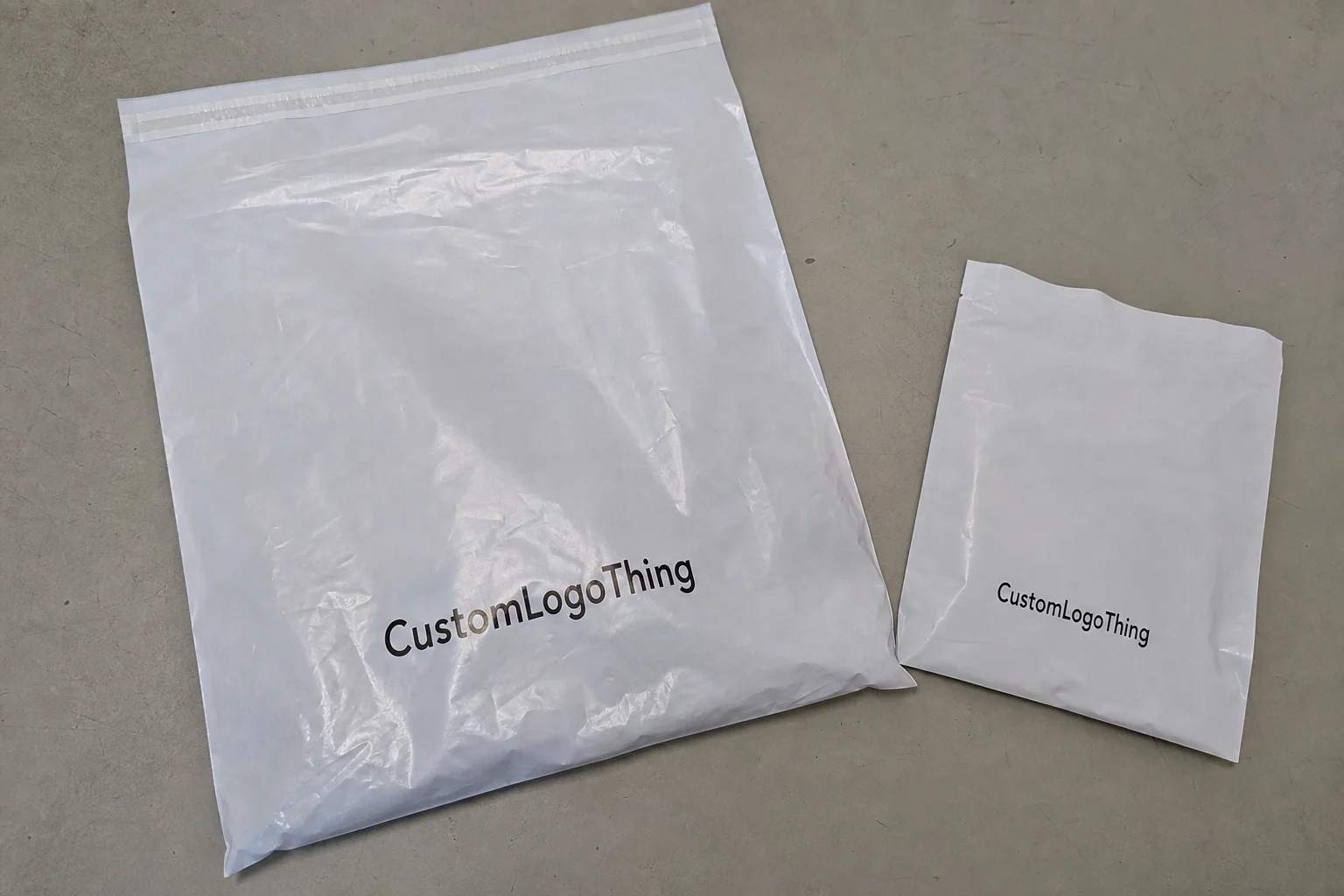
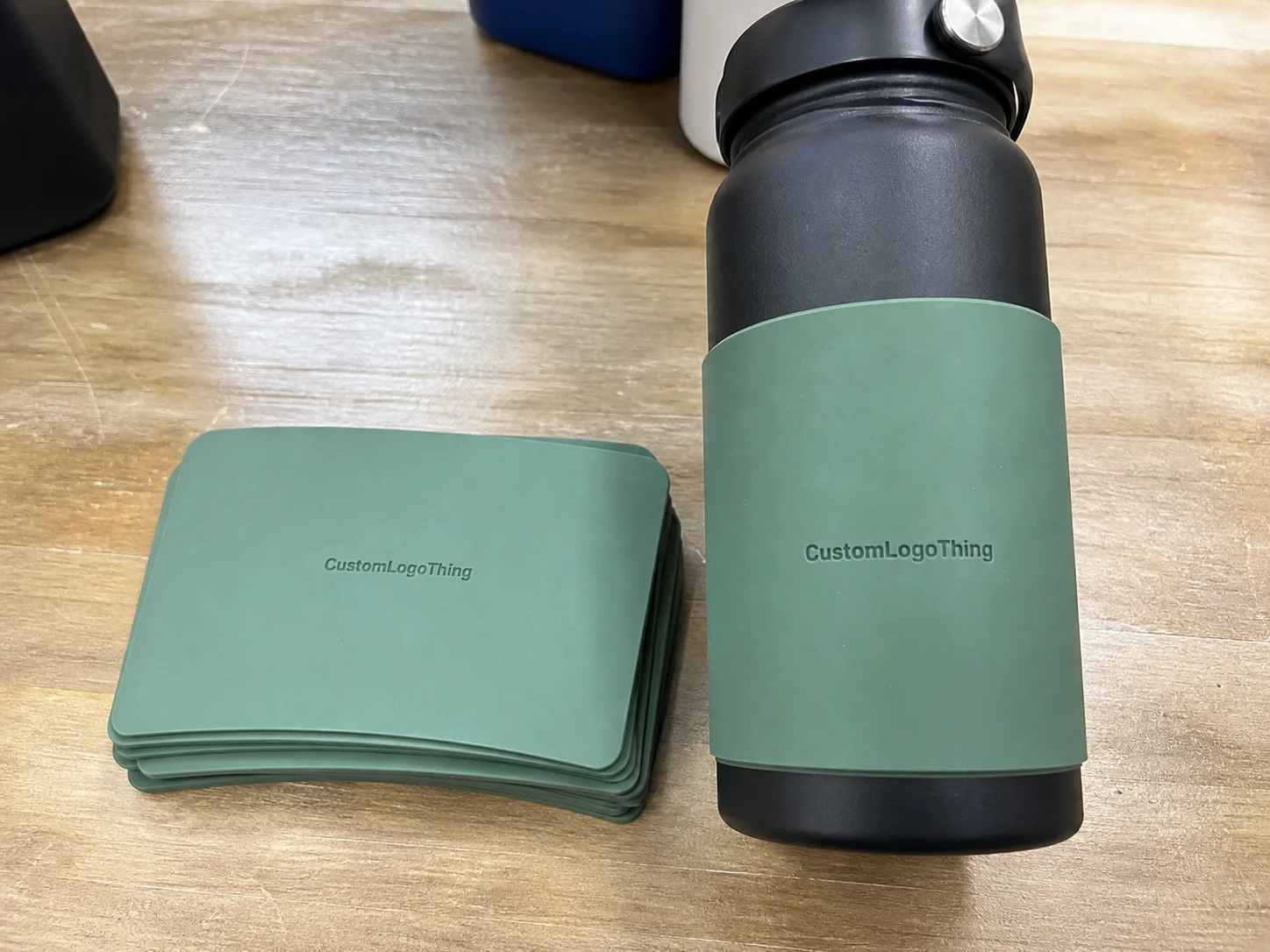
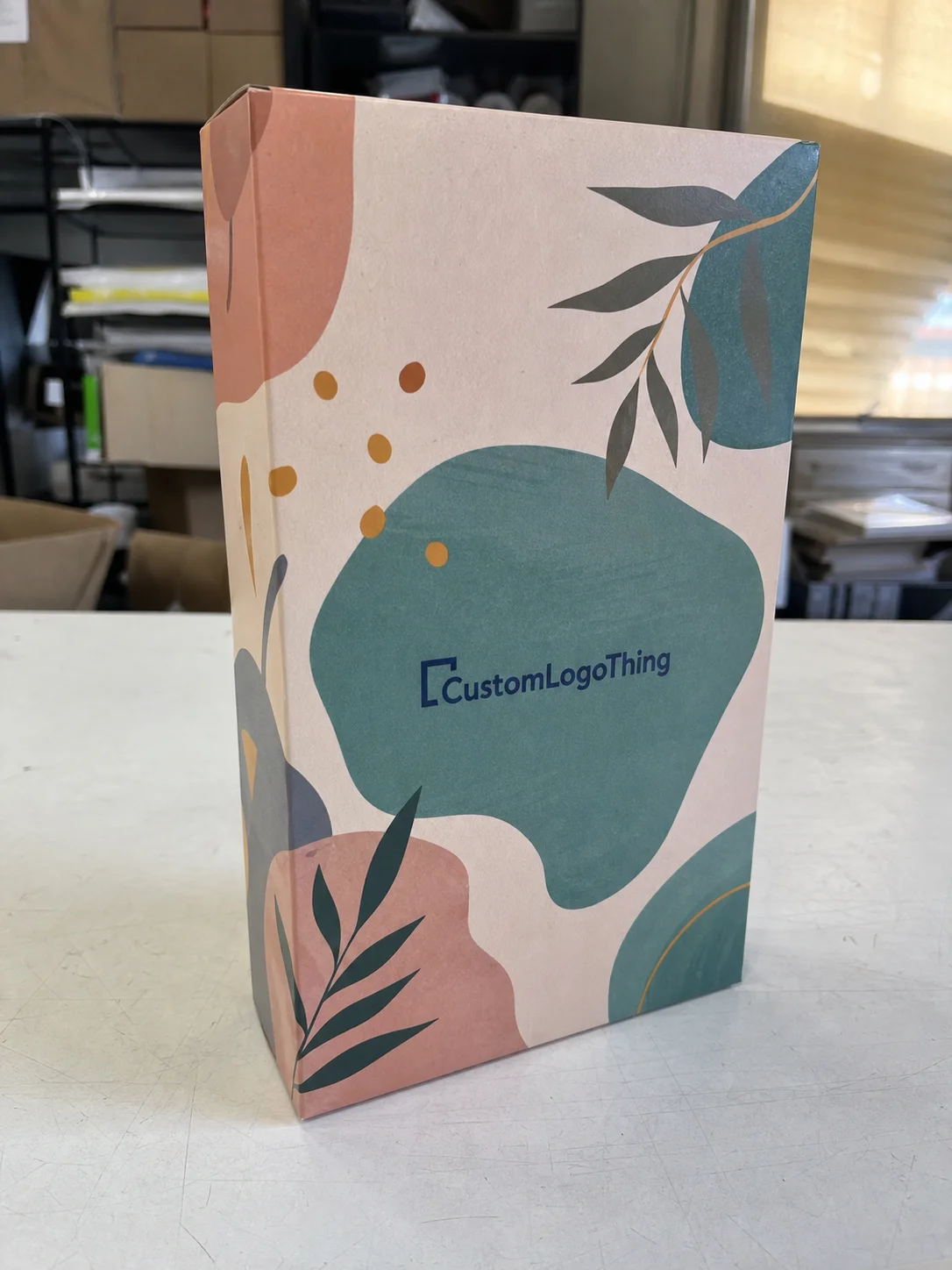
Custom sized cardboard boxes solve a very ordinary problem that quietly gets expensive: the product fits, but the shipping carton does not. Oversized cartons force extra void fill, increase dimensional weight, and make the unboxing feel improvised; undersized cartons raise crush risk, create packing delays, and send more units back through the system for rework or replacement. From a packaging buyer’s point of view, the value of custom sized cardboard boxes is not just fit. It is tighter packing, cleaner presentation, less waste, and fewer surprises once the cartons reach the warehouse floor.
The interesting part is how often “almost right” becomes the default. A box that is 15% too large does not sound dramatic, but multiply that by hundreds or thousands of orders and the inefficiency shows up in freight, labor, and filler consumption. In practice, better product packaging usually starts with the carton dimensions, not the artwork. That is the part many teams miss until they are already paying for it.
Why custom sizing matters when standard boxes waste money
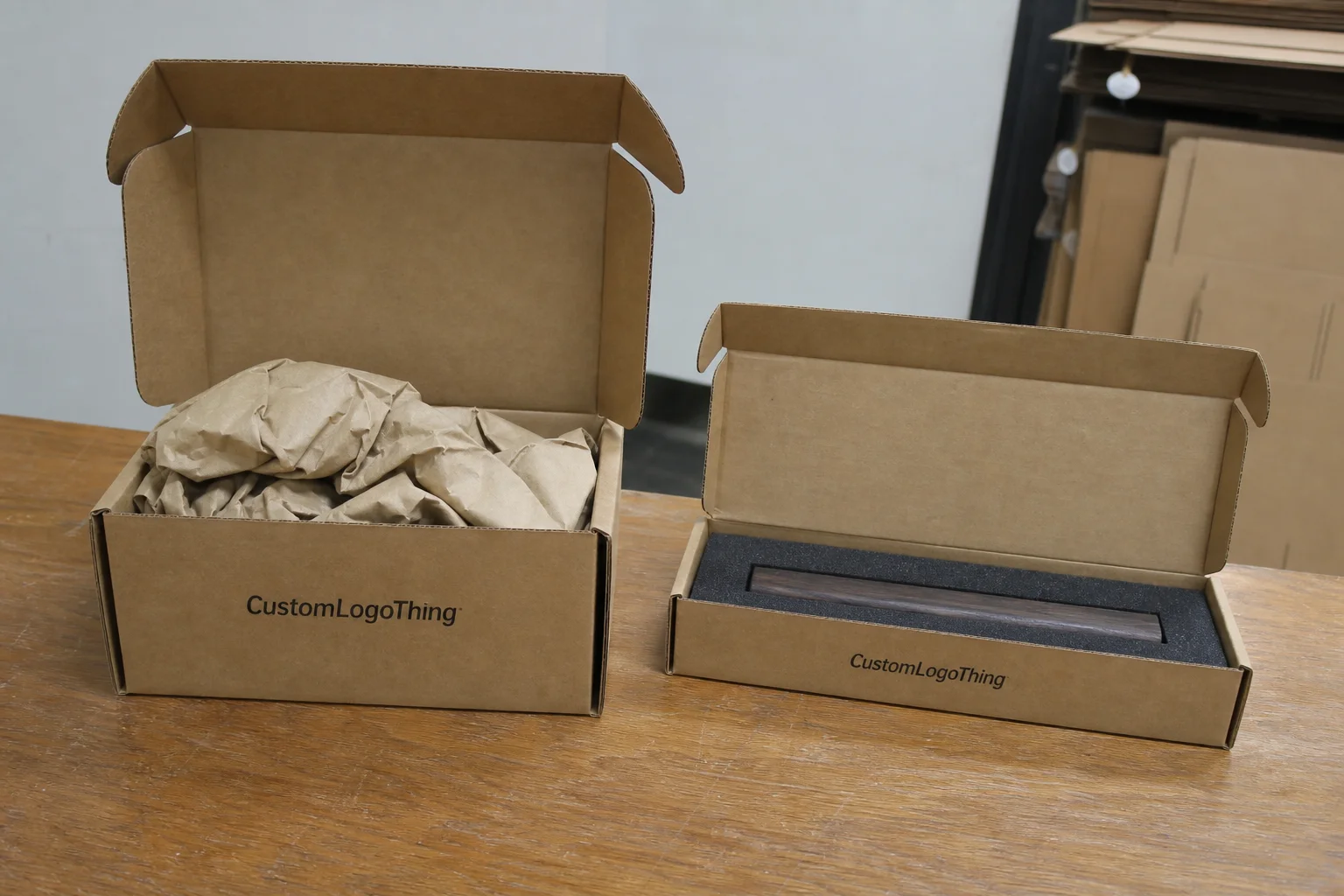
Standard stock cartons are useful, but they are built around broad assumptions. If your product is a candle, a cosmetic kit, a hardware set, or a consumer electronics accessory, the odds of a stock RSC landing on the perfect fit are not great. Most teams end up adding paper void fill, air pillows, inserts, or divider components just to stop the product from moving. That adds labor on the packing line and creates a less polished result for the customer.
Custom sized cardboard boxes reduce that friction by matching internal dimensions to the product plus the real clearance needed for handling, inserts, and protective wrap. That distinction matters. Internal size is what protects the item; external size is what carriers use to calculate dimensional weight and what warehouse staff see on the pallet. A carton that is just a little too generous can cost more than the price of the board suggests, especially once shipping and labor are counted together.
There is also a quality angle that does not always show up in spreadsheets. A product that arrives with too much empty space tends to shift, and a package that shifts tends to arrive looking less controlled. Even when the item survives, the customer sees a carton that feels generic or poorly planned. In retail and direct-to-consumer programs, that first impression matters more than teams sometimes admit during procurement.
Here is the practical comparison buyers should keep in mind:
- A stock carton may be cheap per unit, but it often needs filler, tape, and extra packing time.
- A custom carton may cost more upfront, yet it can reduce damage, labor, and shipping inefficiency.
- A right-sized box usually improves the unboxing experience because the product arrives with less rattling and less visual clutter.
If the box is too large in each direction, the shipping volume rises faster than the size increase suggests because cubic dimensions compound. That is why dimensional weight can become a silent margin leak. For e-commerce brands shipping at scale, that leak compounds quickly. For retail packaging or subscription programs, the problem is different but related: shelf presence and package branding suffer when the carton looks improvised.
Buyers usually compare three options: stock RSCs, mailers, and custom cartons. Stock RSCs are flexible but generic. Mailers work well for lighter products and subscription sets. Custom cartons are the better answer when the product has odd proportions, fragile components, branded presentation requirements, or a need for tighter freight control. If you need a broader source base, Custom Packaging Products is the kind of catalog buyers use to compare formats before narrowing a spec.
For teams who need outside references, the trade groups behind packaging standards are worth following. ISTA publishes transport testing methods that help validate how a package behaves in transit, and the FSC system is a useful reference point when sustainability claims matter to procurement or retail teams.
“The cheapest box is often the one that disappears into the shipment. The most expensive box is the one that looks cheap after damage, rework, and freight are added back in.”
How custom sized cardboard boxes are designed and made
The process is straightforward, but the details matter. A supplier starts with product dimensions, weight, fragility, and shipping method. Then the team builds a dieline, which is the flat pattern showing panels, folds, flaps, scores, and glue areas. Once the dieline is approved, the manufacturer can create a prototype or sample run before moving into production. That sample stage is where a lot of expensive mistakes are caught, because a box that looks correct on a screen can still fail in hand.
For custom sized cardboard boxes, the carton style drives both cost and performance. A regular slotted carton is economical and easy to pack. A crash-lock bottom speeds assembly. A mailer-style box presents well for branded packaging. A telescope or two-piece format can be a better choice for retail packaging or heavier items. The design choice changes how the box folds, how it ships flat, and how much board is needed.
Board grade matters just as much. Single-wall corrugated is usually enough for light to moderate products. Double-wall becomes relevant when the item is heavier, stack pressure is higher, or the shipping lane is rougher. Flute type also affects performance and printability. E-flute gives a cleaner print surface and a more premium feel. B-flute and C-flute are common workhorses. BC double-wall can support stronger stacking, but it raises board cost and may increase outer dimensions.
For buyers, the board spec should always be tied to the actual use case rather than a generic strength target. A box moving through parcel delivery has different needs from one traveling on a pallet, and both are different again from a carton that sits in storage before it ships. Compression resistance, burst strength, and puncture resistance all matter, but not in the same way for every program. A carton that passes one transit path may be overbuilt for another.
Printing, coatings, and inserts sit on top of the structural decision. Digital print works well for shorter runs and highly variable artwork. Flexographic or lithographic methods can make sense at higher volume if print consistency is critical. Matte or gloss coatings affect scuff resistance and visual finish. Inserts, whether paperboard, corrugated, or molded fiber, help immobilize the product and reduce damage. That is where packaging design stops being theoretical and starts doing its job.
Buyers should expect digital proofs, dimensional drawings, and sample sign-off before production begins. A good supplier will confirm internal dimensions, wall thickness, score allowances, and artwork bleed. If a vendor skips that step, the risk shifts to the buyer. In packaging, that is usually the wrong trade.
Key sizing, material, and branding factors that shape the box
The first numbers to lock down are internal length, width, and depth. Then add clearance for the product, inserts, and any protective wrap. After that, check shipping method and stack conditions. A box that works for parcel delivery may fail in palletized freight if compression strength is too low. A box that looks perfect in a mockup may be awkward on a packing line if the dimensions do not suit the machinery or the operator’s hand movements.
One common mistake is treating the carton as only a container. It is also a structural part of the shipment and a branding surface. For branded packaging, the print area, color consistency, and coating choice affect how the product is perceived before it is even opened. For Custom Printed Boxes used in direct-to-consumer programs, panel size and panel sequence influence the artwork layout more than most teams expect. The same image can feel crisp on one dieline and crowded on another because fold lines, glue tabs, and flap depth steal usable space.
The material decision should reflect the actual use case:
- Single-wall corrugated for lighter products, cosmetics, apparel, and general e-commerce shipments.
- Double-wall corrugated for heavier items, stacking pressure, or long-haul distribution.
- Mailer board or folding carton board for lighter retail packaging where presentation is a priority.
There are also practical constraints. Minimum panel sizes, score distances, and machine compatibility can limit how far dimensions can be pushed. Very small cartons may not fold well. Very large cartons may increase material consumption sharply or require a different carton style altogether. That is why “custom” does not mean infinite flexibility. It means designing within the physical limits of the material and the production line.
For purchasing teams, one of the most useful checks is how the box will behave on real equipment. Automated erectors, hand packing stations, and pallet stacking all place different demands on a carton. If the box is too shallow, operators may struggle to insert the product cleanly. If the flaps are too long, they can interfere with sealing or label placement. Those are small issues on paper and real issues on a line.
Sustainability is easier to measure here than in many packaging conversations. Right-sizing can reduce board usage, cut filler consumption, and lower the volume of empty space moved through the carrier network. The EPA’s waste reduction resources are a useful reference if your team needs to justify source reduction internally. You can review them at EPA recycling and source reduction guidance.
For buyers comparing product packaging options, the question is not only “Does it fit?” It is “Does it fit with enough strength, enough speed, and enough visual polish to support the channel?” That is the real packaging brief.
Custom sized cardboard boxes: pricing, MOQ, and quote drivers
Pricing is where many teams get surprised, mostly because the quote appears simple while the cost structure is not. The unit price for custom sized cardboard boxes depends on board grade, dimensions, print coverage, finishing, quantity, and tooling or setup. A smaller, highly printed carton can cost more than a plain larger carton if the production run is short and the setup burden is high. The reverse can also be true when a larger box uses expensive board or forces inefficient palletization.
MOQ, or minimum order quantity, affects almost everything. A supplier might be willing to make a tailored box in a modest run, but the per-unit price will rise because setup costs are spread across fewer pieces. That is not a penalty. It is arithmetic. Buyers often assume the simplest design should always be cheapest. In practice, run length matters as much as geometry.
There is usually a point where the price curve starts to flatten. Once the setup is absorbed, the unit cost drops, but only if the design stays stable and the run is large enough to justify the tooling. For recurring SKUs, a higher first order can sometimes lower the all-in cost over several replenishment cycles. That is one reason packaging should be reviewed as a long-term spend category rather than a one-off purchase.
Here is a useful way to think about common quote drivers:
| Cost Driver | Why It Matters | Typical Buyer Impact |
|---|---|---|
| Board grade | Heavier or stronger board increases material cost | Higher unit price, better crush resistance |
| Dimensions | Larger footprints use more board and may affect pallet yield | Higher freight exposure and more storage space |
| Print complexity | More colors, larger coverage, or special finishes add setup and production time | Higher cost, stronger branding impact |
| Quantity | More units spread setup costs across a larger base | Lower unit price at scale |
| Inserts and extras | Partitions, foam, or molded fiber components raise material and assembly cost | Higher landed cost, better product protection |
A useful quote request should include internal dimensions, carton style, board preference, print requirements, quantity, and delivery destination. If the supplier also knows product weight, fragility, and the shipment method, the quote will be more accurate. Vague requests create revisions, and revisions create delay. That is the part procurement teams feel first.
Watch the hidden costs too. Freight can be substantial if cartons are bulky. Samples can add to the project budget. Repeated artwork changes can trigger additional proofing. If the box requires inserts, compare them as part of the full package, not as an afterthought. The best apples-to-apples quote is the one that captures the full landed cost, not just the carton price.
For buyers evaluating alternatives, custom shipping boxes can look expensive in isolation and economical once the total system is modeled. That is why a simple per-unit comparison is often misleading. The question is not whether the custom box costs more than a stock box. The question is whether it costs less to deliver the finished order correctly.
Process and timeline: from spec sheet to first shipment
The path from idea to first shipment usually follows a predictable sequence. It starts with requirements gathering, then dieline confirmation, sample approval, production, finishing, and dispatch. If everyone is aligned early, the process is fairly orderly. If anyone changes dimensions or artwork late in the cycle, the schedule slips. That happens more often than it should.
A realistic timeline depends on complexity. Straightforward corrugated orders can move quickly after proof approval. More customized runs, especially those involving special print, inserts, or nonstandard structures, take longer. In many cases, a buyer should expect about 12 to 15 business days from proof approval to shipment for a simple run, but that depends on the factory schedule and material availability. If there is artwork work, sample iteration, or unusual board sourcing, add time.
Teams should also account for transit time, carton storage, and the window needed for internal approvals. A project that looks fast on paper can stall for days if purchasing is ready but marketing has not signed off on the panel layout. Packaging schedules rarely slip because of one big problem; more often they slip because several small approvals arrive late.
Here is a practical sequence procurement teams can use:
- Lock product dimensions, weight, and packing method.
- Confirm internal box size and target board grade.
- Review dieline and panel layout.
- Approve sample or prototype.
- Send final artwork with bleed and placement notes.
- Confirm quantity, ship date, and delivery address.
Fast turnaround is possible, but only when the brief is clean. Final dimensions, final artwork, and final quantity should be in hand before production begins. If procurement, operations, and marketing all need to sign off, set that sequence internally before the supplier starts the clock. Otherwise, the supplier waits while the buyer coordinates itself.
Expedited production can help on straightforward jobs, but it is not magic. If tooling has to be built, if a specific board grade is out of stock, or if a custom insert requires its own production step, the schedule will reflect those constraints. Teams sometimes ask for a rush without changing the variables that make the rush expensive. That is rarely realistic.
A clean internal approval workflow makes a measurable difference. Keep one owner for sizing decisions, one for artwork sign-off, and one for logistics. That reduces duplicate feedback and makes the supplier’s job easier. In packaging, fewer handoffs usually means fewer errors.
Common mistakes that turn a custom box into a costly fix
The first mistake is measuring the product and stopping there. Products need clearance for inserts, wrapping, finger access, and minor dimensional variation. If the box is sized to the exact outer product dimensions, the first production run may already be too tight. That can create crushed corners, slower packing, or a redesign that costs more than the original box.
The second mistake is underestimating compression strength. A box that works for a lightweight direct shipment may fail when stacked in transit or warehouse storage. Heavier items, higher pallet loads, and longer shipping lanes need more structural margin. If the corrugate is too light, the carton can deform before it ever reaches the customer.
Another common issue is approving artwork before final panel dimensions are settled. Bleed, fold lines, and logo placement all depend on the exact dieline. Change the box size later and the print can drift. That is an avoidable error, but it happens constantly because teams separate packaging design from structural sign-off.
Vague specifications create another kind of waste. “Need a custom box for a small product” is not enough. Suppliers need size, style, material, print, quantity, and delivery timeline. If those fields are incomplete, quote revisions follow. The resulting delay is usually blamed on the supplier, even though the spec was incomplete from the start.
The last error is optimizing only for unit price. A cheap box that increases damage, shipping charges, or pack time is not cheap. It is deferred cost. Buyers who compare total landed cost make better decisions because they account for the carton, freight, inserts, handling, and returns together. That fuller view is often the difference between a packaging spec that survives volume and one that has to be reworked after the first few shipments.
Expert tips for getting the right box the first time
Build the box around the product’s real journey, not just its dimensions. Will it ship parcel, LTL, or pallet? Will warehouse staff pack it by hand or on a line? Is the item fragile, moisture sensitive, or irregularly shaped? Those questions should shape the spec before anyone starts talking about print finishes.
Request a sample or prototype, especially for a new SKU. That small step catches errors in fit, opening behavior, and board strength before a full run locks in. For custom sized cardboard boxes, a sample is usually cheaper than a production correction.
Ask for dimensional weight estimates and compare them across packaging options. In many cases, a slightly smaller carton reduces carrier charges enough to justify the change. That comparison is especially useful for e-commerce teams shipping the same product repeatedly.
Think ahead to SKU growth. If one box size can cover a family of products with minor insert adjustments, procurement becomes simpler and inventory risk drops. That does not mean every product should share one carton. It means packaging strategy should be built around sensible standardization, not one-off improvisation.
- Measure the product and add real clearance.
- Confirm internal dimensions, not just outside size.
- Match board grade to weight and shipping lane.
- Request a sample before full production.
- Compare landed cost, not only unit price.
- Confirm lead time before artwork is finalized.
If you are choosing between custom printed boxes, a simpler shipping format, or a more presentation-focused carton, use the product and channel as the starting point. A good supplier should be able to translate that into a practical spec, not just a quote. For brands that want to compare box styles and shipping formats side by side, Custom Shipping Boxes is a useful place to evaluate structure, fit, and presentation together.
One more practical note: ask how the supplier tests fit and strength. Some will reference ISTA-style transit testing, others may use internal compression checks or drop simulations. The method matters less than the discipline behind it. If the supplier can explain why a box passes or fails, you are dealing with a serious packaging partner.
FAQs
How do I measure custom sized cardboard boxes for a product?
Measure the product’s longest, widest, and tallest points, then add clearance for inserts, wrapping, and easy packing. Use internal dimensions as the buying spec, not outside dimensions, since wall thickness changes the final exterior size.
What affects the cost of custom sized cardboard boxes the most?
The biggest drivers are carton size, board strength, print complexity, quantity, and any special finishes or inserts. Freight and sample costs can also change the final landed price, so buyers should request an all-in quote.
What is the usual lead time for custom sized cardboard boxes?
Lead time depends on sampling, artwork approval, material availability, and production scheduling. A faster timeline is possible when specs are final and the order is straightforward, but revisions can add days or weeks.
Can custom sized cardboard boxes reduce shipping costs?
Yes, right-sized boxes can reduce void fill, lower dimensional weight, and improve pallet efficiency. The savings are often most noticeable at scale, especially for brands shipping the same product repeatedly.
What details should I send to get an accurate quote for custom sized cardboard boxes?
Send product dimensions, weight, quantity, box style, material preference, print requirements, and target delivery date. If you have photos or a current box sample, include those too so the supplier can confirm fit and construction.
Custom sized cardboard boxes are not a luxury add-on. They are a practical packaging decision that affects freight, damage rates, labor, and brand perception at the same time. If you size the carton around the product, Choose the Right board, and get the quote inputs right the first time, you end up with packaging that performs better and wastes less. That is usually what good packaging is supposed to do.