Buyer Fit Snapshot
| Best fit | Custom Skincare Boxes MOQ Pricing projects where brand print, material claims, artwork control, MOQ, and repeat-order consistency need to be specified before quoting. |
|---|---|
| Quote inputs | Share finished size, material target, print colors, finish, packing count, annual reorder estimate, ship-to region, and any compliance wording. |
| Proofing check | Approve dieline scale, logo placement, barcode or warning zones, color tolerance, closure strength, and carton packing before bulk production. |
| Main risk | Vague material claims, crowded artwork, missing packing details, or unclear freight terms can make a low unit price expensive after revisions. |
Fast answer: Custom Skincare Boxes MOQ Pricing: What Affects Cost should be specified like a repeatable production item. The safest quote records material, print method, finish, artwork proof, packing count, and reorder notes in one written spec.
Production checks before approval
Compare the actual filled-product size with the drawing, then confirm tolerance on folds, seals, hang holes, label areas, and retail display edges. Reserve space for logos, QR codes, warning copy, and material claims before decorative graphics fill the panel.
Quote comparison points
Review material grade, print process, finish, sampling route, tooling charges, carton quantity, and freight assumptions side by side. A quote is only useful when the supplier can repeat the same color, closure quality, and packing count on the next order.
Custom skincare boxes MOQ pricing is not a cute spreadsheet exercise. It is a margin decision with teeth. A box that looks inexpensive on the quote can turn into a slow bleed if it crushes in transit, wastes product space, or makes a premium formula look like a sample pack from a mall kiosk. That is the part buyers learn after the first production run, usually while staring at inventory nobody wants to reorder.
Packaging has to do three jobs at once. It protects the product, carries the brand, and keeps unit cost from wrecking the margin. MOQ sits right in the middle of that mess. Order too few and pricing jumps. Order too many and cash gets trapped in cartons stacked in a warehouse corner. The best move is not chasing the lowest printed box price. It is Choosing the Right structure, finish, and quantity for the product you actually sell.
The cheapest quote is rarely the cheapest outcome. The real bill shows up later in freight, reprints, damage claims, and boxes that sit untouched for half a year.
Why Custom Skincare Boxes Pay Off When Shelf Space Is Tight
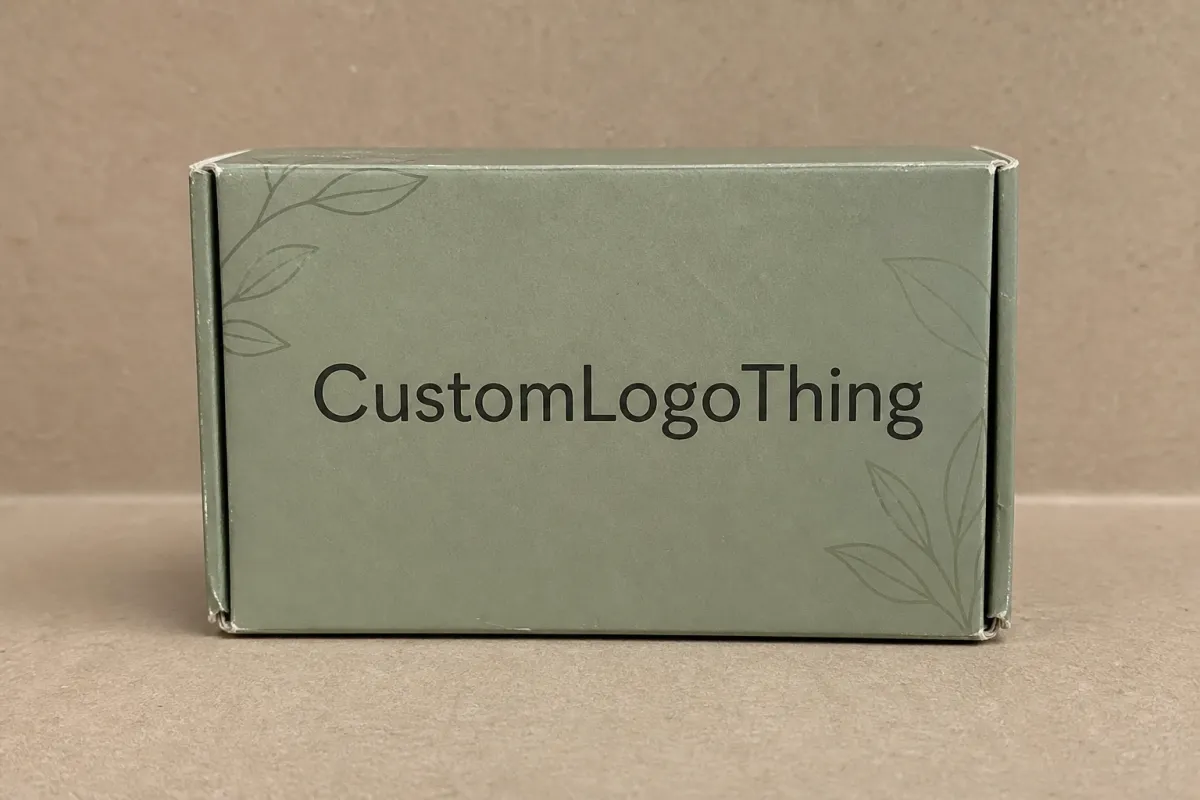
Retail shelves are crowded. Ecommerce is worse in its own way. A plain carton has a hard time carrying the weight of a strong custom skincare box strategy. Shoppers scan fast, whether they are standing in a store aisle or scrolling through product thumbnails. The box has seconds to say what it is: serum, cleanser, eye cream, gift set, refill. If it does not get there quickly, the shopper moves on.
A cheap box can be expensive in disguise. Thin stock makes a formula look less credible. Weak structure invites damage. A nice label slapped on a flimsy carton still looks like a shortcut. Packaging is not decoration. It is part of product economics. Ignore that and the margin will remind you.
Smaller brands also need packaging to create order. Custom Printed Boxes help separate hero SKUs from entry items, keep routine steps visually distinct, and make branded packaging feel intentional instead of improvised. That matters for shelf sets, subscription kits, and direct-to-consumer orders that need to look coordinated without burning through cash.
MOQ is the pressure point. Brands need enough units to launch, test demand, and refill stock without panic-buying cartons at the last minute. They also do not want 20,000 boxes sitting still because the formula changed or a shade shifted. Good buying starts with that tension, not with a fantasy quote that looks great until someone asks about the landed cost.
There is also the practical side nobody likes talking about in a pitch deck: beauty packaging gets handled a lot. Retail associates stock it. Fulfillment teams pack it. Customers open it, close it, stuff it into drawers, and move on. A box that holds up through that cycle earns its place. A box that looks fragile in week one usually behaves that way by week three.
Useful resources help here. If you are checking fiber sourcing or recycled content claims, the FSC standard is worth a look at fsc.org. For packaging and shipping guidance, ISTA standards help when transit damage and distribution testing matter. Those links are not window dressing. They shape real packaging decisions.
Custom Skincare Box Styles, Materials, and Finishes That Fit the Line
The right box starts with the product, not the mood board. A 30 ml dropper bottle needs a different carton than a 200 ml pump. A wide-mouth jar needs more headroom. A tube can live in a slimmer tuck-end style. If the fit is wrong, the rest is just expensive noise.
Common box styles
- Tuck end cartons - Good for lightweight skincare items, sample packs, and fast-moving SKUs. Usually the most economical structure.
- Reverse tuck cartons - Similar cost to tuck end, but the opening direction can improve packing or shelf presentation.
- Sleeve boxes - Useful when you want a cleaner premium look without moving into rigid packaging.
- Two-piece rigid boxes - Better for gift sets, prestige launches, or PR kits. Higher cost, stronger shelf presence.
- Drawer boxes - Good for premium routines and boxed sets. They feel elevated, but they add labor and material cost.
- Insert-ready cartons - Best for bottles, jars, and droppers that need positioning support to stop movement during transit.
Paperboard choice matters just as much. For mass-market custom skincare boxes, SBS or a similar folding carton board usually keeps cost under control while still printing cleanly. For premium-looking custom printed boxes, C1S or C2S boards are common because they handle graphics well and feel more substantial in hand. Rigid stock lives in a different lane. It belongs on a high-ticket gift set, not a low-margin cleanser trying to survive wholesale math.
Finish selection changes both perceived value and pricing. Matte lamination softens the look and cuts glare. Gloss makes color pop, but it can feel more beauty-drugstore than spa-luxury. Soft-touch lamination feels premium, though it costs more and shows fingerprints in its own annoying way. Foil stamping, embossing, and spot UV all raise the unit price, so they should land only on the parts that matter: the brand mark, the product name, or one sharp callout.
Kraft styles still earn their keep, especially for ingredient-led or natural brands. They are not always cheaper once the print coverage gets heavy, but they work well for simple designs with fewer colors. If the layout is restrained, kraft feels honest. If the design is trying too hard, kraft just looks unfinished and a little underbaked.
Protection details deserve real attention. Glass packaging usually needs tighter fit, better board strength, or inserts. Partitions help when multiple units ship together. Windows can boost shelf appeal, but they add complexity and can weaken the carton if the die cut is sloppy. Foam inserts have a place, yet paperboard inserts often do the job for less money and less waste. For brands that care about sustainability without turning the box into a lecture, that is a practical compromise.
A simple rule saves money: if the bottle, jar, or dropper moves inside the box, stop spending on finishes and fix the structure first. Good custom skincare packaging starts with fit. The shiny stuff comes after that.
Custom Skincare Boxes MOQ Pricing: What Drives Your Unit Cost
Custom skincare boxes MOQ pricing usually follows one rule: smaller order, higher unit price. That is not a supplier mood swing. Setup costs, plates, die cutting, proofing, and labor have to be spread across the run. A 500-box order carries the same basic setup burden as a 5,000-box order, just with fewer units to absorb it. The math is rude, but it is honest.
The main cost drivers are easy to name and easy to underestimate:
- Board grade - Heavier, smoother board costs more, especially on premium lines.
- Structure - Drawer, rigid, and insert-based designs cost more than basic folding cartons.
- Print coverage - Flood coverage costs more than a restrained two-color layout.
- Color count - More inks mean more setup and more room for matching problems.
- Coatings and finishes - Matte, gloss, soft-touch, foil, embossing, and spot UV all add cost.
- Die complexity - Intricate cuts and windows need more tooling and tighter production control.
- Inserts - Paperboard or molded inserts raise both material and labor cost.
Brands usually overspend in the same predictable ways. One mistake is putting a rigid box around a fast-moving SKU with a mid-range price. That is a margin problem with a nice bow on top. Another is stacking too many finishes onto a low-volume item because the team wants the box to feel expensive. It may feel expensive. The invoice will not be shy about it.
Foam is another common detour. It can make sense for fragile glass or very specific protection needs, but it is not the automatic answer. If the product is stable and the box only needs light positioning, a well-cut paperboard insert usually saves money and cuts waste. Same with coatings. A stack of extra finish steps can look clever in a sample room and terrible in the accounting file.
Here is a practical pricing framework buyers can use as a starting point. These are broad planning ranges, not fixed quotes, because board, size, artwork, and shipping route change the number fast. Still, they are useful for budgeting.
| Order Size | Box Type | Typical Unit Cost Range | Best Fit |
|---|---|---|---|
| 500-1,000 | Simple folding carton | $0.45-$1.10 | Launch tests, small runs, early-stage skincare brands |
| 1,000-3,000 | Folding carton with matte or gloss finish | $0.28-$0.65 | Core SKUs, repeatable retail packaging, moderate print coverage |
| 3,000-10,000 | Premium folding carton with foil or spot UV | $0.22-$0.48 | Established lines, higher sell-through, stronger branded packaging needs |
| 500-2,000 | Rigid box or drawer style | $1.20-$4.50 | Gift sets, prestige launches, PR kits, high-ticket routines |
Those ranges move fast if shipping is ugly, if the job needs extra samples, or if the supplier tacks on quiet fees. A $0.28 box that lands at $0.46 after freight and duties is not cheap. Landed cost is the number that matters. Not the headline quote. Not the one buried in an email thread. Landed cost.
That is why buyers should compare the full package: sample fee, unit price, insert cost, freight, import duty, and the likely reorder price. If a supplier gives you a low MOQ pricing tier but cannot explain the jump between 1,000 and 3,000 units, the costing is probably fuzzy, padded, or both. And if they refuse to break out tooling or setup fees, you are not getting a clean quote. You are getting a sales number.
There is also a difference between acceptable cost and smart cost. If a serum sells at $42 and the packaging stays under 2% of retail, the math is usually healthy. If the box climbs toward 8% of retail, somebody should ask whether the finish is earning its keep. Packaging can support a higher price, but only if the market notices.
For many brands, the sweet spot is a simple box with one or two premium touches. A common version looks like this: 350gsm board, matte lamination, one foil logo, no window, and a snug insert if the product needs it. That mix usually looks polished without turning the carton into a luxury object nobody budgeted for. That is the kind of custom skincare boxes MOQ pricing decision that protects margin instead of pretending margin is optional.
Proofing, Production Steps, and Timeline From Quote to Delivery
The production process should not feel mysterious. It should feel controlled. A supplier quoting custom skincare boxes properly will usually move through a clear sequence: request specs, confirm dimensions, send pricing, approve a dieline, review artwork, sign off on the sample, then start production. Skip a step and the job usually punishes you later.
Quote turnaround is often a few business days if the dimensions are clear and the structure is simple. Proofing can take about a week, depending on artwork approval speed and whether the supplier needs dieline adjustments. Production commonly runs two to four weeks after final approval for basic folding cartons. Special finishes, custom inserts, and complex rigid packaging can run longer. Packaging loves to test patience.
Delays usually come from the same tired places:
- Missing or incomplete artwork files.
- Measurements estimated instead of checked.
- Finish changes after the proof was already approved.
- Late deposits or payment delays.
- Color matching that needs extra correction rounds.
- Custom inserts that require additional tooling or sampling.
Production itself has several stages, and good suppliers will walk you through them without acting like the process is confidential:
- Prepress checks - Artwork alignment, bleed, resolution, and file corrections.
- Material sourcing - Board, coatings, and insert materials are confirmed.
- Printing - The artwork is applied to the board, usually with color checks at setup.
- Cutting and creasing - The dieline is die cut and scored for folding.
- Finishing - Lamination, foil, embossing, spot UV, or other touches are added.
- Glueing and assembly - Cartons are formed or rigid structures are assembled.
- Inspection - Dimensions, color, glue strength, and finish quality are checked.
- Packing and shipment - Boxes are packed flat or assembled, then shipped based on the agreed method.
If the line includes a custom insert, expect more time. If the brand wants a tight color match to an existing SKU, expect more proof cycles. If the board is imported, lead time can slide based on material availability. None of that is shocking. It is just what custom printed boxes do when they are not mass-produced cookie cutters.
Testing standards matter more when packaging has to survive distribution rather than just sit nicely on a shelf. That is where organizations like ISTA help set expectations for transit performance. Buyers do not need to memorize the standards, but they should know the difference between a supplier talking about real protection and a supplier saying the carton feels sturdy because somebody squeezed it.
One practical buyer habit saves headaches: ask for the sample against the actual product, not against a random empty bottle from a drawer. A carton can look perfect on paper and still be off by a few millimeters once the closure, pump, or cap is included. Those few millimeters become expensive fast when a production run is already underway.
Build a buffer into the schedule. If the supplier says 15 business days, do not plan the launch for day 16 and call it confidence. Leave room for freight, customs, and a correction or two. That is not pessimism. That is experience, and it saves money.
How to Compare Suppliers Without Getting Burned
Comparing suppliers by the lowest headline price is a good way to buy problems. A clean quote should tell you exactly what you are paying for. If it does not, ask again. The answer matters more than the tone of the email.
Start with the material spec. “Premium board” is not a spec. Neither is “high quality.” You want the actual board weight, finish type, print method, insert material, and any coating details. If the quote says one thing and the sample looks like another, the job already has a problem.
Watch for the usual traps:
- Hidden plate or tooling fees - These should be stated up front.
- Proof charges - Sample and mockup fees may be normal, but they should not appear late in the process.
- Freight added after approval - A low unit cost means nothing if shipping shows up later like a prank.
- Vague finish language - “Special coating” can mean almost anything.
- No repeat-order plan - If the supplier cannot explain how a reorder will match, you may get color drift or size variation later.
Consistency gets ignored too often. A supplier that can hit a lower quote once but cannot repeat the result is not actually cheaper. Your brand pays for inconsistency through returns, complaints, and ugly restocks. That stings even more with retail packaging, where every carton needs to look like it belongs to the same line.
Ask whether the supplier provides dieline support and basic packaging engineering before production begins. If they do not, the odds of a size mistake rise fast. Ask how sample approval works as well. A clear approval path is not paperwork for sport. It is the cheapest insurance on the job.
One simple rule saves time: if the supplier cannot explain why the price changes with MOQ, they probably do not understand their own costing well enough. That does not guarantee failure, but it does mean you should slow down and ask sharper questions.
Buyers should also think beyond the purchase order. A carton that costs a little more but stacks better, ships better, and looks stronger on shelf may return more value than a bargain box that forces manual repacking or breaks in transit. Packaging sits inside the operating model. It is not an accessory.
If you want a broad sense of packaging choices and terminology, the Custom Packaging Products page is a useful starting point. If you have questions about ordering terms, art files, or box setup, the FAQ page saves time too.
Why Choose Us for Custom Skincare Packaging Orders
Custom Logo Things keeps the focus on practical packaging value, not inflated promises. Buyers come here for clear pricing, realistic MOQ guidance, and boxes that protect margin instead of shaving it down. That is a better place to start. It means the conversation begins with what the product needs, not with a sales pitch built around shiny finishes nobody asked for.
For custom skincare packaging, that matters. A startup line often needs a lower MOQ and a simple structure. A growing brand may need a sturdier carton, tighter print control, or a premium finish for a hero SKU. Larger replenishment orders may need repeatability, stable color, and a supplier that can keep the spec consistent from run to run. The right answer changes with the business stage. Packaging does not care about theory. It cares about the use case.
What buyers should expect from a solid supplier is simple:
- Clear specifications - No guessing about board, finish, or structure.
- Practical MOQ guidance - Enough quantity to keep the unit cost sane, not so much that inventory becomes a problem.
- Stable print quality - Color that stays close to the approved proof.
- Fit-focused recommendations - The box should suit the bottle, jar, or tube, not just the brand concept.
- Direct communication - Fewer layers, fewer surprises, faster answers.
Good suppliers also know when not to oversell. If a finish adds cost but does not improve shelf impact, leave it out. If a rigid box would strain the margin on a mid-price serum, a folding carton may be the better commercial choice. If a paperboard insert works, there is no reason to force foam into the job and call it premium. That kind of thinking gets expensive fast.
That judgment saves money across multiple runs. It also helps brands build packaging that feels intentional instead of expensive by accident. The right branded packaging should make the product easier to sell, not harder to defend in a finance meeting.
We also see a common mistake in skincare buying: teams price the box in isolation and only later discover the real issue is fulfillment. A carton that saves a few cents but slows packing, shifts in transit, or creates repack labor is not a savings. It is a small problem wearing a cheap hat.
Yes, there is room for design flair. Just not at the expense of fit, freight, or reorder consistency. Cute boxes are fun. Profitable boxes are better.
Next Steps: Lock Specs, Request Quotes, and Compare Real Numbers
If you are ready to price a run, gather the numbers first. That is how you get something useful instead of a vague estimate that belongs in a brainstorm doc, not a purchasing decision.
Have these details ready:
- Product dimensions - Length, width, height, and any irregular features.
- Product weight - Especially important for glass bottles, jars, and pump systems.
- Box style - Folding carton, sleeve, rigid, drawer, or insert-ready design.
- Quantity target - The exact MOQ or the range you are considering.
- Material preference - Board weight, kraft look, coated stock, or rigid construction.
- Print and finish needs - Colors, foil, embossing, soft-touch, spot UV, or none.
- Artwork files - Logo, copy, and any regulatory text.
- Ship date - Not the wish date. The real one.
Ask for at least two quote options. One should lean budget-friendly. The other should reflect the premium version you are tempted to choose anyway. That comparison shows where the money actually goes. Sometimes the jump is minor and worth it. Sometimes it is ridiculous and easy to cut. Either way, you make a better decision with real numbers in front of you.
Make sure the quote includes sampling, freight, inserts, and packaging for shipment. If it only covers the cartons themselves, you do not have the full number yet. You have the first line of one.
Before paying a deposit, approve a final spec sheet. That should lock the MOQ, unit cost, structure, finish, and delivery timing in one place. If any of those change later, the quote should change too. Basic purchasing hygiene. Nothing glamorous about it, which is probably why it works.
For skincare brands, the smartest approach is simple: lock the spec, compare the landed cost, and think through the reorder path before the first run goes out. That is how custom skincare boxes MOQ pricing stops being a gamble and starts behaving like a controlled part of the product plan. Get the box right and the shelf story gets easier.
If you need a practical decision rule, use this one: pick the simplest structure that protects the product, then add only the finishes that improve sell-through or brand fit. If a change does not help the product, the shelf, or the reorder math, cut it. That is the cleanest way to keep custom skincare boxes MOQ pricing under control without making the packaging feel cheap.
FAQ
What is a normal MOQ for custom skincare boxes?
Most runs start around 500 to 1,000 boxes for simple folding cartons, especially when the structure is basic and the artwork is straightforward. Rigid styles, inserts, and premium finishes usually push the MOQ higher because the setup cost is heavier. The exact number depends on board type, print complexity, and whether the supplier already has tooling in place.
How does custom skincare boxes MOQ pricing change as quantity goes up?
Unit price drops as the order gets larger because fixed costs are spread across more boxes. The biggest savings usually appear between the first and second pricing tier, then the curve starts to flatten. Past a certain point, you are saving cents, not dollars, so it makes sense to check whether the storage cost is worth the lower unit cost.
Can I get a sample before placing a larger order?
Yes, and you should if the box needs inserts, has tight dimensions, or uses premium finishes that affect fit and color. A sample fee is normal. It is still cheaper than discovering a size mistake after production or after the first shipment has already gone out.
What information do I need for an accurate quote?
Send the box dimensions, product type, quantity, material preference, print colors, and finish options, plus whether you need inserts. Include artwork files or a logo and the target ship date so the supplier can quote the actual lead time. If the product is glass or unusually heavy, mention that too. It changes the structure recommendation.
How long does production take after artwork approval?
Simple cartons often ship in about two to four weeks after approval, while special finishes or custom structures can take longer. Add sampling and freight time on top of that, because production is only one piece of the schedule. If your launch date is fixed, build a buffer. Packaging delays love to show up right when you least want them.
What is the safest way to keep MOQ pricing under control?
Keep the structure simple, avoid unnecessary finish layers, and compare landed cost instead of unit price alone. If you need to test demand, start with the lowest quantity that still gives you acceptable print quality and stable supplier terms. Then reorder from a locked spec so you do not pay for preventable changes twice.

