Buyer Fit Snapshot
| Best fit | Custom Sleeve Labels for Cartons projects where brand print, material claims, artwork control, MOQ, and repeat-order consistency need to be specified before quoting. |
|---|---|
| Quote inputs | Share finished size, material target, print colors, finish, packing count, annual reorder estimate, ship-to region, and any compliance wording. |
| Proofing check | Approve dieline scale, logo placement, barcode or warning zones, color tolerance, closure strength, and carton packing before bulk production. |
| Main risk | Vague material claims, crowded artwork, missing packing details, or unclear freight terms can make a low unit price expensive after revisions. |
Fast answer: Custom Sleeve Labels for Cartons: Uses, Cost, and Fit should be specified like a repeatable production item. The safest quote records material, print method, finish, artwork proof, packing count, and reorder notes in one written spec.
Production checks before approval
Compare the actual filled-product size with the drawing, then confirm tolerance on folds, seals, hang holes, label areas, and retail display edges. Reserve space for logos, QR codes, warning copy, and material claims before decorative graphics fill the panel.
Quote comparison points
Review material grade, print process, finish, sampling route, tooling charges, carton quantity, and freight assumptions side by side. A quote is only useful when the supplier can repeat the same color, closure quality, and packing count on the next order.
Custom Sleeve Labels for Cartons: Uses, Cost, and Fit
A plain corrugated shipper can do more than most buyers give it credit for, and Custom Sleeve Labels for cartons are one of the easiest ways to turn a standard box into retail packaging, a promotional shipper, or a compliance-heavy carton without redesigning the board structure. The carton stays the same. The outside message changes with the SKU, the channel, or the job.
That flexibility matters for packaging teams that are juggling too many priorities at once. Keep a smaller carton inventory, then use printed sleeves, wrap bands, or partial labels to add branding, barcodes, handling notes, or seasonal graphics exactly where they need to land. On the carton. In the warehouse. On the shelf. Wherever the package actually has to do its job.
The gap between a sleeve that looks polished in a mockup and one that survives real use usually comes down to fit, adhesion, print durability, and how the label handles stacking, abrasion, cold storage, or damp conditions. Get those pieces right and Custom Sleeve Labels for cartons can support branded packaging, product packaging, and shipping programs without forcing a full carton redesign just to change the artwork.
Why custom sleeve labels for cartons punch above their size
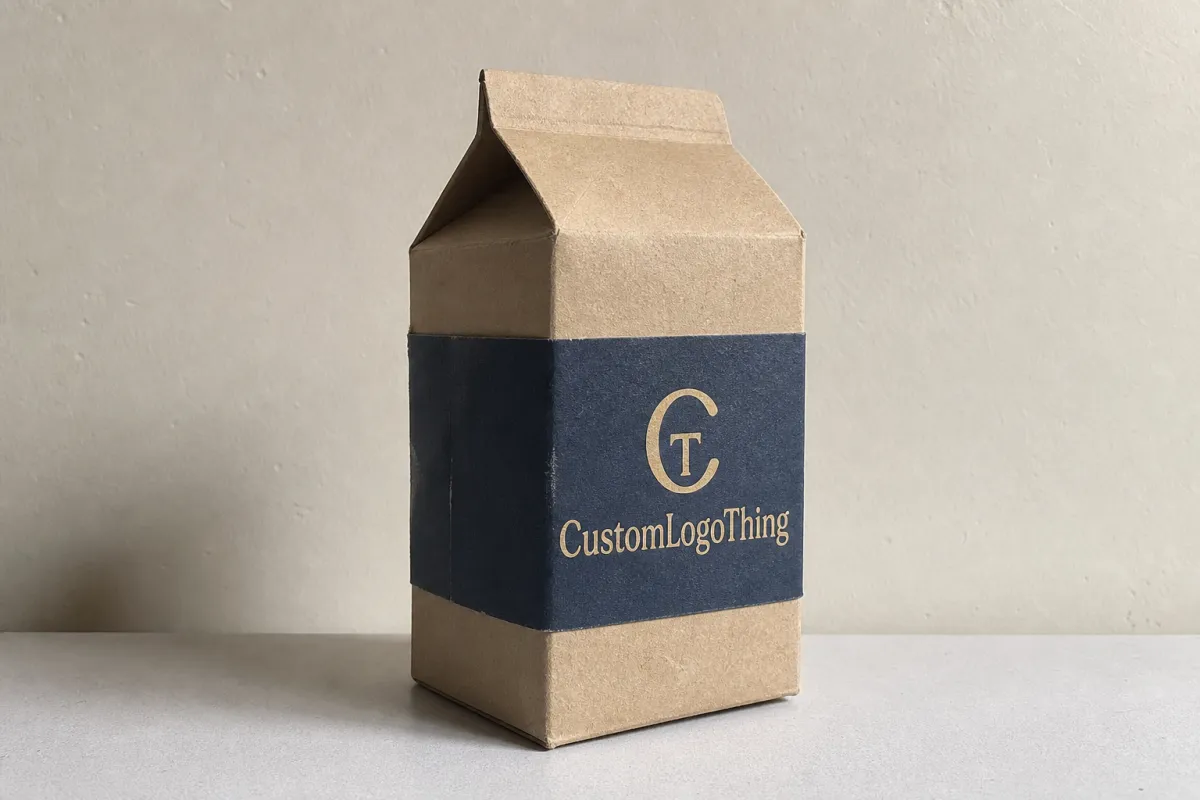
On a busy shipping floor, the carton is often the first thing anyone sees. A plain brown box can look unfinished in retail channels, especially if it lands next to packaging that was clearly built to sell, not just survive transit. Add a well-planned sleeve and the same box suddenly looks intentional. A good sleeve lets a corrugated shipper carry product identity, shipping data, and promotional messaging without changing the carton blank, folding style, or case pack plan.
That matters when one carton format has to do several jobs. A single box size might support wholesale replenishment, direct-to-consumer shipping, and a seasonal retail run. With custom sleeve labels for cartons, the structure stays fixed while the outside presentation changes. Packaging design stays saner. Obsolete inventory tends to stay lower too, which is a relief for anyone who has ever found a pallet of old artwork sitting in the corner like a bad decision that would not leave.
Teams also use sleeves as a middle ground between custom printed boxes and standard shippers. Full box printing is usually the cleanest look, but it can be a bad fit for short runs, frequent artwork changes, or SKUs that move through several channels. A sleeve gives you more brand presence than a blank case, less commitment than a fully printed carton, and faster artwork updates when something changes. That is why it shows up so often in seasonal programs, launch kits, and product lines that change too often for rigid box inventory.
From a buyer's point of view, the value is practical. A sleeve can carry UPCs, QR codes, lot numbers, handling icons, multilingual instructions, or a promo message without forcing the carton to carry all of it alone. That makes it useful for retail packaging, shipping cartons, and temporary campaigns where the message matters more than the board itself. If the carton is doing double duty, the sleeve is usually the least painful way to make it look and behave like it belongs there.
Good sleeve programs do not just decorate cartons. They solve a logistics problem, a branding problem, or both at once, and they do it while keeping the carton spec stable.
If your carton program already includes other branded packaging pieces, sleeves can fit alongside them cleanly. Many teams pair carton sleeves with Custom Labels & Tags for internal pack-out, serialized shipping identifiers, or retail prep, then keep the broader box and insert strategy coordinated with Custom Packaging Products. That kind of coordination matters because packaging systems work better when the carton, the label, and the insert are built as one workflow instead of three separate purchases.
How the process and timeline work from dieline to delivery
The front end starts with measurements, and this is where many projects stay smooth or get annoying fast. You need the carton's finished width, height, and wrap coverage, plus a clear idea of where the sleeve will sit on the box. If the sleeve wraps fully, the dieline has to account for overlap, seam placement, and any tuck or fold area. If it is a partial band, the label still needs to land cleanly without crossing tape lines, opening features, or pallet labels.
Once the carton dimensions are locked, the artwork moves into proofing. Good proofing is not just a spelling check. It should confirm panel placement, barcode quiet zones, bleed, color expectations, and whether any critical copy sits too close to a seam or cut edge. Barcode placement matters more than many teams expect, because a beautiful carton can still fail at receiving if a scanner sees glare, distortion, or a symbol sitting across a fold. The box might look fine on a screen. The scanner does not care.
The production path is usually straightforward, but the details shift by run length and substrate. A typical flow is print, finish, cut or convert, inspect, pack, and ship. Digital work tends to move faster on short runs and variable data. Flexographic or offset production usually makes more sense at higher volumes with steadier artwork. Specialty coatings, cold-weather adhesives, and custom cut shapes add steps, and each added step adds time and a little more risk.
Timing depends on complexity. Simple digital programs can often move in a relatively short window after proof approval, while more complex jobs take longer because of revisions, testing, or material sourcing. If the sleeve has to perform in a refrigerated or frozen environment, or if it has to survive rough parcel handling, expect extra lead time for sample checks. That delay is not wasted time. It is usually the difference between a label that fits the line and one that creates a mess after the cartons are already in motion.
One reason packaging buyers keep coming back to this format is that changeovers stay manageable. Instead of waiting for a new carton run every time artwork changes, you can keep the box structure stable and update the sleeve as needed. That helps for seasonal product packaging, event kits, launch campaigns, and short promotional windows where the outer message changes more often than the internal pack. Fewer structural changes usually means fewer things to chase during procurement, which is rare enough to be appreciated.
What affects custom sleeve labels for cartons: fit, materials, and carton performance
Fit comes first. A sleeve that is too tight can buckle at the seam or distort during application. A sleeve that is too loose can shift while the carton moves through handling, and then the whole thing looks sloppy on shelf. Good fit starts with the real carton dimensions, not just the nominal spec sheet. Corrugated board has tolerance. Board crush, tape buildup, and product fill pressure can all change the outside size by a small but important amount. Small, yes. Ignorable, no.
Material choice is the next big decision. Paper stocks are often economical and print beautifully, especially when the graphic needs a crisp, natural look that suits the carton. Coated papers improve ink holdout and color sharpness. Film stocks, including polypropylene or polyethylene-based materials, handle moisture, scuffing, and repeated warehouse contact better. If the carton will move through chill rooms, cold-chain storage, or damp loading docks, a film or coated stock may be the smarter call.
Adhesive behavior matters just as much as the face stock. Corrugated texture, recycled board content, dust on the carton surface, and low temperatures all affect how a sleeve sits and whether the edges stay down. Some applications need a stronger adhesive to hold alignment on rough board. Others need a removable or repositionable construction so the sleeve can go on cleanly without wrinkling. No one adhesive wins every time. The right one depends on the carton surface and the environment it lives in.
Content placement also deserves real attention. High-contrast graphics and generous quiet zones around barcodes make scanning more reliable. Regulatory copy should be readable at arm's length, not buried in a decorative panel that turns into visual noise. Handling instructions, recycling marks, and storage icons need space to breathe so the sleeve does not feel crowded. In packaging design, every square inch competes for attention, and a good layout keeps the hierarchy clear instead of letting the box become a billboard with commitment issues.
For cartons that need to satisfy transit or sustainability requirements, teams often look to outside references for guidance. The International Safe Transit Association publishes methods for shipment testing, and the Forest Stewardship Council is a common reference for responsibly sourced fiber when paper-based materials are part of the conversation. Those standards do not choose the sleeve for you, but they help frame the discussion around package branding, transport performance, and material choice.
If the sleeve needs to do more than decorate the box, design it with the carton's behavior in mind. Corners take the most abuse. Seams catch during pallet wrap. Top flaps open and close. Bottom edges rub against conveyor rails. That is why custom sleeve labels for cartons should be specified as part of the full shipping system, not treated like an isolated print job. Packaging teams that test the sleeve on the actual carton usually spot the weak points before production turns them into expensive lessons.
Custom sleeve labels for cartons: cost, pricing, MOQ, and quote basics
Cost usually comes down to a small group of variables: size, material, print method, color count, finishing, variable data, and whether the label needs custom conversion. A small single-color paper sleeve usually costs less than a multi-panel film sleeve with a matte varnish and serialized barcodes. The more the construction asks from the printer and converter, the more the price climbs.
For budgeting, digital short runs often land at a higher per-unit rate but cut inventory risk and setup cost. Conventional production usually lowers unit price once the quantity is big enough to absorb plates, dies, or setup time. Many programs see digital minimums in the low hundreds to low thousands, while conventional runs tend to make more sense around 5,000 to 10,000 pieces. The real threshold depends on sleeve size, press configuration, and how much changeover a plant needs to accommodate.
At moderate quantities, a simple paper sleeve might fall around $0.06-$0.14 per unit, a coated paper sleeve might sit around $0.08-$0.18, and a film-based sleeve may land closer to $0.10-$0.24. Add specialty finishing, variable data, or a more complex die cut, and the range moves upward. Those numbers are not a promise. They are a workable starting point for planning, especially when you're comparing custom sleeve labels for cartons against fully printed cartons or direct box printing. Suppliers should still quote against your exact dimensions and artwork, because one extra inch of coverage can change the economics faster than buyers expect.
| Construction | Best fit | Typical unit range | Strengths | Tradeoffs |
|---|---|---|---|---|
| Uncoated paper sleeve | Dry warehouses, short runs, simple branding | $0.06-$0.14 | Clean print, easy handling, lower cost | Less resistant to moisture and scuffing |
| Coated paper sleeve | Retail packaging, brighter graphics, moderate handling | $0.08-$0.18 | Sharper color, better image contrast | Can still wear if cartons rub heavily |
| Film sleeve | Cold chain, damp conditions, rough freight | $0.10-$0.24 | Better moisture and abrasion resistance | May cost more and need testing on board texture |
| Wrap band with variable data | Logistics-heavy programs, serialization, promos | $0.12-$0.30+ | Flexible messaging, strong shelf impact | More setup, more control needed on the line |
MOQ questions are where buyers can save time by being specific. If you ask only for a quote on "sleeve labels," the answer may be too broad to compare. If you include carton dimensions, artwork coverage, target quantity, application method, and storage conditions, the supplier can tell you whether the job fits digital, flexo, or another print path. That gives you a clearer view of unit cost, setup charges, and any secondary operation needed to apply the sleeve correctly.
When you compare quotes, do not stop at the lowest per-label number. Add proofing, tooling, freight, storage, and the cost of application labor if the sleeve is not applied inline. A slightly higher print price can still be the better commercial choice if it cuts waste, speeds line setup, or avoids a material that performs badly on your board grade. That is the kind of pricing view experienced packaging buyers use when they weigh branded packaging options.
For quote requests, the most useful details are often the plain ones: carton size, board type, seam location, quantity, desired ship date, shelf environment, and whether the sleeve has to scan after it has been stacked, wrapped, or chilled. The clearer the brief, the easier it is to judge whether the sleeve should be treated like a simple label, a more complex wrap, or part of a broader retail packaging system.
Step-by-step guide to ordering the right sleeve label
- Define the job. Decide whether the sleeve is mainly branding, logistics, compliance, or shelf presentation. That choice shapes everything else, from stock selection to layout.
- Measure the real carton. Record finished width, height, depth, board grade, seam location, and any tape buildup. If the box is assembled by a co-packer, measure the box as packed and closed, not just flat.
- Map the carton's touch points. Find out where the carton gets picked up, where the flaps open, and where the pallet wrap lands. A sleeve should avoid high-wear edges whenever possible.
- Choose the construction. Match paper or film to the environment. A dry, controlled warehouse can support a simpler sleeve, while chilled storage or retail distribution may call for stronger scuff and moisture resistance.
- Build the artwork to the dieline. Keep critical copy away from seams and folds. Leave room for scan zones, legal text, and any iconography that must stay legible after conversion.
- Review the proof carefully. Check spelling, barcode quality, panel order, and color expectations. If there is a serialized or batch-coded element, make sure the numbering logic is correct before approval.
- Test on the actual carton. A sample on the real box is the best way to confirm coverage, edge alignment, and handling. What looks clean on a PDF can still fail on a textured corrugate surface.
That last step tends to save the most trouble. A sleeve can look perfect in prepress, then the real carton reveals a slight width mismatch, a curl at the edge, or a barcode sitting too close to a fold. A short sample test gives you room to adjust before the full production run starts. Much cheaper than reworking a warehouse full of finished cartons, and far less embarrassing than discovering the issue after the goods have already shipped.
If the carton program includes inserts, dividers, or other packaging components, bring them into the conversation early. The best results usually come from treating the carton system as one complete package rather than a stack of disconnected parts. That applies whether the goal is retail packaging, e-commerce presentation, or a shipping case that needs to carry product branding without losing durability.
Common mistakes when using sleeve labels on cartons
The most common mistake is measuring one sample and assuming the whole carton run will match it exactly. Corrugated board varies. Compression varies. Tape seams vary. Even a half-millimeter difference can matter once a sleeve is wrapped, especially if the label is tight or the design depends on perfect edge registration. Always allow for real-world variation, not just the nominal dimensions on the spec sheet.
Another frequent problem is putting important copy across a seam, fold, or corner. It may look fine in layout software, then the carton gets folded and stacked and the message wrinkles or disappears. Barcode lines can blur. A product name can split awkwardly between panels. If a sleeve has to carry compliance copy or shipping information, keep that text on a stable panel with enough clear space around it.
Environment causes trouble too. A sleeve that performs well on a dry sample may behave differently in refrigerated storage, humid docks, or rough parcel networks. Adhesive, substrate, and print finish all react to the conditions around them. If the carton will face abrasion, chilled air, condensation, or extended stacking, those conditions need to be part of the specification from the start. Otherwise, the sleeve will tell you what it thinks of your planning, and it usually has a bad attitude.
Application testing is the final guardrail, and skipping it can get expensive fast. A design can look excellent on screen and still fail once the line starts moving. The sleeve might skew slightly during application. The edge might lift. The barcode might scan inconsistently because print contrast is too low on the chosen stock. A simple line trial or handling test can catch those issues before the full order gets released.
There is also a habit of treating the sleeve as the entire branding plan. It is not. Strong package branding comes from consistency across the carton, the label, and the rest of the pack-out system. If the sleeve says one thing and the internal label or shipping tag says another, the result feels disjointed. That is why many teams align sleeve artwork with the broader product packaging strategy instead of designing it in isolation.
Expert tips and practical next steps before you order
Create a simple spec sheet before you request quotes. Include carton dimensions, board type, sleeve placement, quantity, material preference, storage conditions, and the exact purpose of the label. One page is enough. It cuts down the back-and-forth because procurement, design, and operations are looking at the same requirements.
Ask for a physical sample whenever possible. A paper proof is useful, but a sample on the real carton tells you more about edge lift, texture, and shelf appearance than a digital file ever will. You can also check how the sleeve behaves when the box is taped, stacked, or handled with gloves. Small things. Still the things that decide whether the job feels polished or clumsy.
Match the design to the packing workflow. If the line moves fast, keep application simple and reduce alignment steps. If the cartons travel through rough distribution, choose durable substrates and clear edges over decorative clutter. If the sleeve needs to support retail display, make the hierarchy obvious so a buyer can understand the carton from a few feet away.
The practical next move is usually simple: measure the carton, finalize the artwork, request a detailed quote, approve the proof, and then release the run only after the sample checks out. That sequence protects both the budget and the schedule. It also gives you a clean path from concept to production without turning a modest label job into a bigger packaging headache.
For teams building broader packaging programs, sleeves can sit neatly beside other components such as inserts, tags, and secondary labels. They are not a replacement for every type of carton decoration, but they are a smart middle ground for brands that need flexibility, especially when one box must serve several SKUs or campaigns. Used well, custom sleeve labels for cartons can keep the carton inventory lean while still delivering strong visual impact.
Final takeaway
Custom sleeve labels for cartons work best when they solve a real packaging problem: too many SKUs for a fully printed carton, too much changeover for rigid box inventory, or too much brand value left on the table by a plain corrugated shipper. The right sleeve can improve shelf impact, support logistics, and keep packaging design more manageable, but only if fit, material, adhesion, and artwork placement are handled with care.
If you treat the sleeve as part of the whole carton system instead of a decorative add-on, the results are usually better and the buying decision is easier to defend. Measure carefully, test on the real box, compare quotes beyond the unit price, and make sure the construction matches the route the carton will actually travel. That is the practical path to choosing custom sleeve labels for cartons with confidence, without hoping the carton behaves better than every other piece of packaging you have ever ordered.
Frequently asked questions
What are custom sleeve labels for cartons used for?
They add branding, instructions, compliance copy, or promotional messaging to a carton without redesigning the box itself. They are useful when one carton format needs to support multiple SKUs, seasonal graphics, or changing shipping information, and they can make a plain shipper feel more retail-ready while keeping packaging inventory more flexible.
Do sleeve labels for cartons stay on corrugated board?
They can stay secure when the adhesive, substrate, and carton surface are matched correctly to the application. Texture, dust, recycled content, moisture, and cold storage all affect hold strength and edge lift, so testing on the actual production carton is the best way to verify performance before a full run.
What is the typical MOQ for custom sleeve labels for cartons?
MOQ depends on the print method, label size, finishing needs, and whether the design requires custom conversion. Digital production often supports lower quantities, while conventional methods usually favor higher volumes, and a detailed quote should show how MOQ affects unit cost, setup, and total project price.
How long does the process take for carton sleeve labels?
Timeline depends on how quickly artwork is approved and whether the proof needs revisions. Production time changes with material availability, print method, finishing, and quantity, and rush jobs may be possible when the carton specs and artwork are already locked.
Can sleeve labels replace a printed carton?
Yes, they can often replace a fully printed carton for short runs, multi-SKU programs, or campaigns that change often. They are especially helpful when you want strong branding without committing to a full box redesign or large inventory of printed cartons, though they are not always the best answer for every use case if the carton needs structural printing or heavy-duty compliance coverage.

