Buyer Fit Snapshot
| Best fit | custom sleeves for candle boxes branding for packaging buyers comparing material specs, print proof, MOQ, unit cost, freight, and repeat-order risk where brand print, material, artwork control, and repeat-order consistency matter. |
|---|---|
| Quote inputs | Share finished size, material target, print colors, finish, packing count, annual reorder estimate, and delivery region. |
| Proofing check | Approve dieline scale, logo placement, barcode or warning zones, color tolerance, and any recyclable or compostable wording before bulk production. |
| Main risk | Vague material claims, crowded artwork, or missing packing details can create delays even when the unit price looks attractive. |
Fast answer: Custom Sleeves for Candle Boxes Branding: Dieline, Finish, Proof, and Buyer Review should be specified like a repeatable production item. The safest quote includes material, print method, finish, artwork proof, carton packing, and reorder notes in one written spec.
What to confirm before approving the packaging proof
Check the product dimensions against the actual filled item, not only the sales mockup. Ask for tolerance on folds, seals, hang holes, label areas, and retail display edges. If the package carries a logo, QR code, warning copy, or legal claim, reserve that space before decorative graphics fill the panel.
How to compare quotes without losing quality
Compare board or film grade, print process, finish, sampling route, tooling charges, carton quantity, and freight assumptions side by side. A lower quote is only useful if the supplier can repeat the same color, closure quality, and packing count on the next order.
Custom Sleeves for Candle Boxes: Branding That Sells
For many candle brands, custom sleeves for candle boxes solve a familiar problem: the base carton already works, but the packaging still needs more shelf presence, a clearer fragrance story, or a faster way to separate seasonal SKUs. A sleeve does that without forcing a full structural redesign. The inner box stays in place. The outer layer carries the branding, copy, and visual mood.
That matters because candle packaging has to do several jobs at once. It has to protect a fragile product, fit retail shelving, communicate scent and burn-time information, and still look like a finished brand rather than a temporary label job. A sleeve is often the middle path between a plain carton and a fully custom printed box. It is not the flashiest option. It is usually the smartest one.
Brands reach for sleeves in practical scenarios. A core line may stay stable while holiday scents change every quarter. A retailer may want its own version of the same candle. A maker may want to test demand before committing to a larger carton order. In those cases, sleeves reduce inventory strain and keep artwork flexible. For brands comparing formats, the Custom Packaging Products catalog helps show how sleeves, cartons, and other packaging pieces can work as one system instead of a stack of unrelated parts.
There is also a cost argument that rarely gets made clearly enough. Reprinting a sleeve is usually easier than rebuilding a box program from scratch. That does not make sleeves cheap in every case, and it does not mean they should replace every box. It does mean they are useful when the structure is sound and the brand needs more visual impact than a simple label can offer.
Custom Sleeves for Candle Boxes: Why They Stand Out
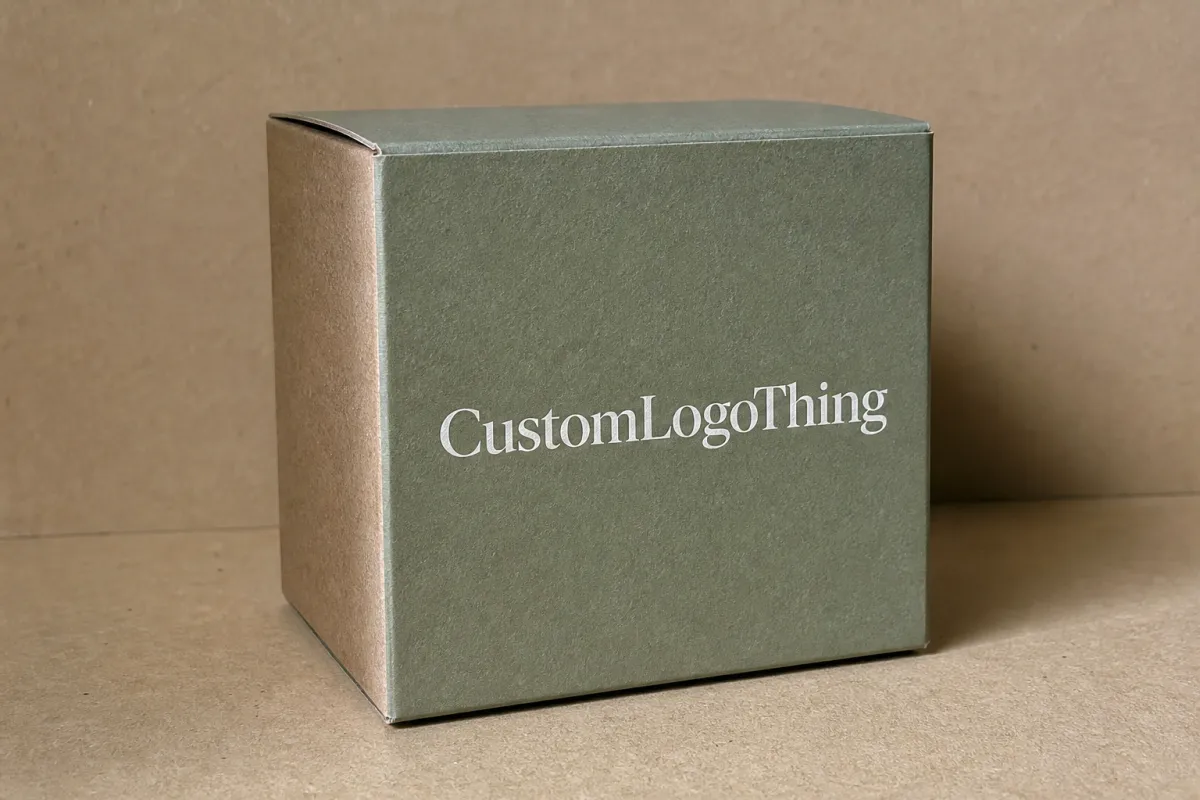
A candle box can function well and still disappear on the shelf. Retail rarely rewards packaging that blends into the background. A sleeve shifts that balance by adding a larger printable surface and a clearer hierarchy for logo, fragrance name, and product claims. That first impression often happens before a shopper lifts the lid, not after.
Think of a sleeve as a printed wrap or band that slips over an existing carton. Some sleeves cover the full perimeter. Some are open-ended. Some are partial wraps that leave part of the base box visible. The common idea is simple: create a branding layer without changing the package structure underneath. That layer can carry the scent story, a seasonal theme, ingredients, usage information, or a short brand statement.
For buyers, the appeal is flexibility. One box structure can support several identities. That makes sense for limited editions, fragrance families, and retailer exclusives. It also keeps the production schedule more manageable because the structural box can stay consistent while the sleeve changes. The result is less packaging complexity and fewer moving parts to manage across inventory, shipping, and replenishment.
Custom sleeves for candle boxes are especially useful for:
- Core candle lines that need a consistent retail presentation.
- Limited editions that should look distinct without a new carton build.
- Gift sets that need a more polished first impression.
- Private label programs with tighter packaging budgets.
- Test runs where the brand wants to validate demand before a larger order.
Smaller brands often use sleeves to move from handmade charm to a more retail-ready look. Larger brands use them to manage SKUs without multiplying packaging structures. That is why custom sleeves for candle boxes remain a common choice across different price points and sales channels. They do not try to do everything. They solve the parts that matter most.
Practical note: the visual promise of a sleeve depends on the fit. If the sleeve twists, bows, or drifts on the box, the whole package loses credibility fast.
How Custom Candle Box Sleeves Work in Real Packaging
Fit comes first. A sleeve is sized to the outer dimensions of the box, not to the candle itself, which means the packaging measurements need to be exact. Length, width, height, fold style, and tuck style all matter. If the sleeve is too tight, it can scuff or snag during assembly. If it is too loose, it can slide and look careless on shelf.
Most sleeves are designed to move over the box with only a small amount of clearance. That clearance sounds minor, but paperboard thickness, coating, and fold tolerances can change the final dimension more than expected. Packaging math is not forgiving here. A difference that looks harmless in a layout file can become a stack of rejects in production.
In real packaging, the sleeve usually handles the visual job while the inner carton handles structure and product protection. That division works well because it keeps the base box simple and lets the sleeve do the branding work. For candle lines that need consistent compliance text, scent identification, or seasonal artwork, the sleeve can absorb those changes without disturbing the whole package.
Common sleeve formats include:
- Open-ended sleeves that slide over a box from either side.
- Wraparound bands that cover the front, back, and sides while leaving part of the box exposed.
- Partial wraps used when the carton already has printed elements and only needs a lighter branding layer.
- Lock-tab or tuck-style sleeves that hold shape better for premium presentation.
Each format suits a different packaging goal. Jar candles often benefit from a sleeve that highlights fragrance and burn details. Tin candles usually look stronger with compact sleeves that feel giftable. Multi-piece sets use sleeves to unify several items into one visual system. That kind of consistency helps buyers read the shelf more quickly, especially in boutiques and gift shops where packaging does a lot of selling before staff ever speaks to the customer.
Sleeves are also easier to update than full cartons when the only change is artwork. Reprinting an entire box structure for a winter scent or a short promotion can be overkill. A sleeve lets you shift copy, color, and campaign messaging without changing the package beneath it. That keeps launches nimble and reduces the chance that packaging becomes the bottleneck.
There is one hard rule: confirm the dimensions of the actual production box, not a theoretical size from the design file. If the box changes after artwork is approved, the sleeve can fail even when the design itself is strong. Packaging does not reward guesswork.
Materials, Finishes, and Design Factors That Matter
The stock changes the feel of the sleeve immediately. SBS board gives a crisp, clean print surface and is often the safest choice for sharp typography and bright color. Kraft supports a more natural, earthy, or handmade look. Textured or coated premium stocks are useful when the package needs more presence without moving into a rigid-box budget.
Thickness matters too. Many sleeve programs use paperboard in the 14pt to 18pt range, though the right choice depends on the box size, the amount of handling, and how stiff the brand wants the final feel to be. A heavier board usually holds shape better. A lighter board can work for smaller cartons or short runs, but it may show handling wear sooner.
Finish changes the tone again. Matte creates a softer, more controlled look. Gloss pushes contrast and color harder. Soft-touch adds a velvety surface that often suits premium candle packaging and gift sets. Spot UV can spotlight a logo or scent name without coating the entire sleeve in shine. Foil and metallic ink can add depth, but restraint matters. Too much embellishment starts to feel decorative for its own sake.
Design choices are just as important as material selection. A sleeve has less room than a full carton, so every panel needs a job. Safe zones around folds should be respected. Barcodes need to remain legible. The scent name should be visible from shelf distance. Ingredients, burn time, and warning copy need enough breathing room to stay readable. Pretty artwork helps, but clarity sells.
Color strategy can do more work than many brands expect. Earth tones and muted neutrals fit soy, botanical, or natural candle lines. Black, cream, and metallic accents support luxury positioning without needing a long explanation. Bright color blocking helps separate fragrance families and makes variant shopping easier for both retailers and consumers. That matters when products sit close together and buying decisions happen quickly.
The sustainability claim deserves real support, not decorative language. Recycled content, FSC-certified paper, and reduced packaging layers are useful only if the supplier can document them. If paper sourcing needs verification, the FSC system is a reliable starting point. Buyers who care about sustainability will ask for evidence. Buyers who do not still notice packaging that feels wasteful.
Transit performance matters as well. A sleeve is not the primary shipping safeguard, but it still has to survive packing, warehousing, and retail handling without curling or scuffing. Packaging teams often reference ISTA test plans or ASTM distribution-testing methods such as ASTM D4169 to set realistic expectations. That is a practical step, not overengineering. If a sleeve is part of a premium line, it should arrive looking like it belongs there.
In practice, the strongest sleeves balance three things:
- Print performance so color and typography stay crisp.
- Structural fit so the sleeve stays square and consistent.
- Brand expression so the package feels tied to the product line.
Leave one of those out and the package feels slightly off. The sleeve may still be attractive in a mockup, but the tactile version is what shoppers touch first. That is where packaging earns trust or quietly loses it.
Production Steps, Timeline, and Lead Time for Sleeves
The production path is straightforward, but each step can expose a different error. Measurement comes first. Dieline setup follows. Artwork is placed, proofed, printed, finished, die-cut, and packed. It sounds simple because the process is simple until one dimension gets rounded the wrong way or one barcode lands too close to a fold.
The prepress stage catches most problems. Bad box measurements, missing bleed, artwork sitting too near a crease, and unreadable compliance copy are the common failures. A sleeve leaves little room for sloppy setup. A design that looked fine on a standard carton may feel wrong as soon as the real box has a slightly different outer profile.
Timing works best with realistic ranges rather than optimistic promises. A straightforward sleeve order with standard stock and basic printing often takes about 12 to 18 business days after proof approval. Add soft-touch lamination, foil, embossing, or specialty board, and the schedule can stretch toward 18 to 25 business days. Short-run digital jobs using in-stock materials may move faster. Complex programs with multiple colors and special finishing usually do not.
These are the lead-time variables worth asking about before you place an order:
- Proof approval speed because every delay pushes the schedule back.
- Material availability since specialty stock can add lead time.
- Quantity because larger runs take longer to print and finish.
- Finishing method such as matte lamination, spot UV, foil, or embossing.
- Shipping distance especially when launch timing is tight.
A buffer helps. Not a dramatic one. A real one. If a launch depends on packaging arriving on a specific date, do not schedule production so tightly that the sleeves finish the day before the candles ship. Weather, freight delays, late approvals, and machine backlogs all happen. A few extra days are much cheaper than a rushed reprint.
For seasonal candle drops, sleeves should be treated as launch-critical packaging rather than a final flourish. Approve them early, especially if the sleeve carries compliance text or retailer-specific pricing. That keeps the product packaging aligned with the sales plan instead of turning into the obstacle that slows everything down.
When sleeves need to coordinate with cartons, inserts, or display materials, the visual system should stay consistent. Repeated fonts, stable color families, and the same logo rules help the line look intentional. That is what makes a shelf presence feel organized instead of pieced together. Consistency is rarely glamorous, but it is what makes retail packaging feel credible.
Cost, Pricing, and MOQ for Custom Sleeves
Cost becomes practical very quickly. The Price of Custom sleeves for candle boxes depends on stock, print coverage, finish, sleeve size, die complexity, and quantity. A sleeve with one-color printing on kraft stock usually costs less than a multi-color sleeve with soft-touch lamination and foil accents. That pattern is predictable, which makes it easier to budget.
For small and mid-size candle brands, the clearest way to read pricing is by tiers. A simple sleeve for a value line usually sits in a lower range. Premium gift packaging sits higher because the materials and finishing are doing more of the work. The real challenge is reading the quote correctly. Unit price matters, but so do tooling charges, sample fees, shipping, and any setup cost that hides in the total.
| Option | Typical Use | Approx. Unit Cost at 5,000 | Notes |
|---|---|---|---|
| Simple single-color sleeve on kraft or SBS | Entry-level candle lines, simple retail packaging | $0.12-$0.20 | Best when artwork is clean and print coverage is light |
| Full-color sleeve with standard matte or gloss finish | Core SKUs, fragrance families, branded packaging | $0.18-$0.32 | Common choice for most sleeve-based candle packaging programs |
| Premium sleeve with soft-touch, spot UV, or foil accents | Gift sets, luxury candles, seasonal editions | $0.28-$0.55 | Higher perceived value, higher production cost |
| Short-run digital sleeve | Tests, small launches, limited editions | $0.40-$0.90 | Better for flexibility, not always for the lowest unit price |
MOQ matters because setup costs have to go somewhere. At lower quantities, the per-piece price rises quickly. That is not a supplier trying to be difficult. It is arithmetic. A smaller run still makes sense when a scent is being tested or a new retail channel is being validated because the risk stays lower. A larger run usually makes more sense once the product has proven demand and the sleeve repeats across multiple shipments.
Ask for an itemized quote. That keeps the numbers honest. You want to see:
- Price per unit at each quantity break.
- Tooling or die charges, if any.
- Plate fees, when applicable.
- Sample cost and sample lead time.
- Shipping or freight.
- Reprint policy if the sleeve does not fit or the artwork needs correction.
That last point is where cheap quotes can turn expensive. The lowest number may look appealing until a sleeve scratches during transport, arrives with a bad fit, or needs a second run. A slightly higher quote from a supplier that checks dimensions carefully is often cheaper overall. The invoice is only one part of the cost. The other part is how many problems the sleeve creates after it arrives.
Compared with other packaging formats, sleeves sit in a useful middle ground. They usually cost less than a new rigid box structure, but more than a basic label. That middle position explains why they show up so often in candle packaging. They give more branding impact than a label and more flexibility than a full carton rebuild.
Common Mistakes With Custom Sleeves for Candle Boxes
The biggest mistake is also the easiest to avoid: bad measurements. A sleeve that is slightly too tight can scuff, bow, or refuse to slide cleanly over the box. A sleeve that is too loose can shift and look crooked. Both issues show up immediately, usually after production is already underway, which makes them especially frustrating to fix.
Branding clutter is another common problem. Candle brands often try to fit fragrance notes, ingredients, usage instructions, recycling marks, social icons, certifications, and a short essay on the scent profile onto one sleeve. The result feels busy instead of premium. When the package tries to do too much, it usually does none of it well. Good packaging design knows what to leave out.
Structure mismatch creates quieter damage. A sleeve cannot rescue a weak base box with inconsistent dimensions or a closure that shifts during handling. If the carton moves beneath the sleeve, the package looks sloppy on the shelf. The sleeve should support the box, not hide a structural flaw.
Finish mistakes are more subtle. High gloss can look sharp in a sample room and then reveal fingerprints, scuffs, and warehouse marks under retail lighting. Soft-touch can feel expensive but may show edge wear if the package gets handled often. Spot UV can create depth, but if the artwork is already crowded, it only makes the clutter shinier. That is not an improvement.
Proofing mistakes are common too. Too many brands approve a digital mockup and hope the printed result will behave the same way. That is risky. A physical sample catches problems a PDF cannot show, especially around sleeve fit, fold lines, and color density on the chosen stock. If the launch matters, request a printed proof. If it does not, the packaging budget may be larger than the product deserves.
Packaging truth: a sleeve can improve ordinary packaging, but it cannot fix bad assumptions. Measure the real box, check the real proof, and trust the sample over the flattering mockup.
Expert Tips and Next Steps Before You Order
Start with a measured sample box. Not an estimated dimension. Not a box that is “close enough.” Custom sleeves for candle boxes are unforgiving, so the physical sample should guide every design decision. If multiple factories, fulfillment partners, or co-packers are involved, confirm which box version is being used before artwork is finalized.
Test finishes side by side if the candle is headed for retail. Store lighting changes everything. A sleeve that looks rich on a monitor can go flat under warm LEDs, and a gloss finish can feel lively in one store while looking too reflective in another. Put the sample in conditions that resemble the real shelf. That is the view that matters.
Keep the core packaging system separate from seasonal messaging wherever possible. The base brand should stay stable, and the sleeve can absorb the short-term change. That approach saves money, cuts inventory complexity, and makes it easier to launch new scents without rebuilding the full packaging program. It also keeps the brand recognizable, which matters more than many teams expect.
For higher-priced candles, ask for both a plain proof and a printed sample. The plain proof checks structure. The printed sample checks the visual result. If the packaging is going into a gift market or a premium retail channel, that extra step is cheap insurance. A fit issue or a color shift on a premium candle reads as carelessness, and buyers notice that immediately.
Here is a simple order checklist that keeps the process from drifting:
- Confirm exact outer box measurements.
- Choose the sleeve stock and finish.
- Approve the dieline and artwork layout.
- Request a sample or proof for fit and color.
- Confirm quantity, pricing, and lead time.
- Place the order with enough buffer for launch.
If the line also needs coordinated cartons or inserts, review the broader Custom Packaging Products range before locking the sleeve design. A sleeve works best when it fits into a wider packaging system rather than fighting the rest of the shelf presentation.
The clearest takeaway is simple: treat custom sleeves for candle boxes as a selling surface, not a decorative extra. The sleeve should fit the real box, print cleanly on the chosen stock, and arrive early enough to absorb a proof correction if needed. When those three pieces are in place, the package does what good packaging is supposed to do: it makes the candle look ready for retail before the lid even comes off.
How much do custom sleeves for candle boxes usually cost?
Pricing depends on stock, print coverage, finish, sleeve size, and quantity. Lower quantities usually cost more per piece because setup is spread across fewer units. Ask for an itemized quote so you can compare the real unit cost instead of relying on the headline number.
What is the best material for custom sleeves for candle boxes?
SBS works well for crisp printing and a clean retail look. Kraft fits natural, earthy, or handmade candle branding. Textured or coated premium stocks are better when the sleeve needs a more upscale feel. The right choice depends on the candle line, the shelf environment, and the amount of handling the package will see.
How long is the lead time for custom sleeves for candle boxes?
Simple orders can move faster than complex ones with specialty finishes. Artwork approval, sample requests, and material availability usually affect timing the most. Build extra time into launch plans so a delayed proof does not derail the schedule.
What size information do I need for custom sleeves for candle boxes?
You need the exact outer dimensions of the box: length, width, and height. Include any flaps, tuck areas, or closure details that affect the sleeve fit. A physical sample box is better than estimated measurements when the fit needs to be tight.
Can custom sleeves for candle boxes help with seasonal promotions?
Yes, sleeves are one of the easiest ways to change messaging without replacing the whole box. They work well for holiday editions, scent launches, gift sets, and retailer-specific campaigns. That flexibility is one reason many candle brands use sleeves instead of reprinting full packaging every time.

