Buyer Fit Snapshot
| Best fit | Price of Custom Carton Sleeves projects where brand print, material claims, artwork control, MOQ, and repeat-order consistency need to be specified before quoting. |
|---|---|
| Quote inputs | Share finished size, material target, print colors, finish, packing count, annual reorder estimate, ship-to region, and any compliance wording. |
| Proofing check | Approve dieline scale, logo placement, barcode or warning zones, color tolerance, closure strength, and carton packing before bulk production. |
| Main risk | Vague material claims, crowded artwork, missing packing details, or unclear freight terms can make a low unit price expensive after revisions. |
Fast answer: Price of Custom Carton Sleeves: Board, Finish, Dieline, and Unit Cost should be specified like a repeatable production item. The safest quote records material, print method, finish, artwork proof, packing count, and reorder notes in one written spec.
Production checks before approval
Compare the actual filled-product size with the drawing, then confirm tolerance on folds, seals, hang holes, label areas, and retail display edges. Reserve space for logos, QR codes, warning copy, and material claims before decorative graphics fill the panel.
Quote comparison points
Review material grade, print process, finish, sampling route, tooling charges, carton quantity, and freight assumptions side by side. A quote is only useful when the supplier can repeat the same color, closure quality, and packing count on the next order.
Price of Custom Carton Sleeves: What Buyers Really Pay
A plain folding carton can do the job, sure, but add a sleeve and the whole package starts speaking a different language on shelf. It feels more finished, more deliberate, and a lot more branded without forcing a complete carton redesign. That is why the price of Custom Carton Sleeves matters so much: the sleeve may look like a small wrap, yet it can change the economics of retail packaging faster than a full custom box program. Buyers often compare the price of custom carton sleeves with Custom Printed Boxes and assume the sleeve should always come in lower. Sometimes it does. Sometimes the total lands higher than expected once finishes, quantities, and freight enter the picture.
For procurement teams, the real question is not whether a sleeve is “cheap.” It is whether the price of Custom Carton Sleeves fits the job the package has to do: speed up a launch, strengthen package branding, or give several SKUs a lower-cost route to branded packaging. Size, print coverage, material, finishing, and volume all pull on the number in different ways. Once those inputs are clear, the quote usually makes sense. When the details are fuzzy, pricing can feel all over the place from one supplier to the next.
The price of custom carton sleeves: why a small wrap can change shelf economics
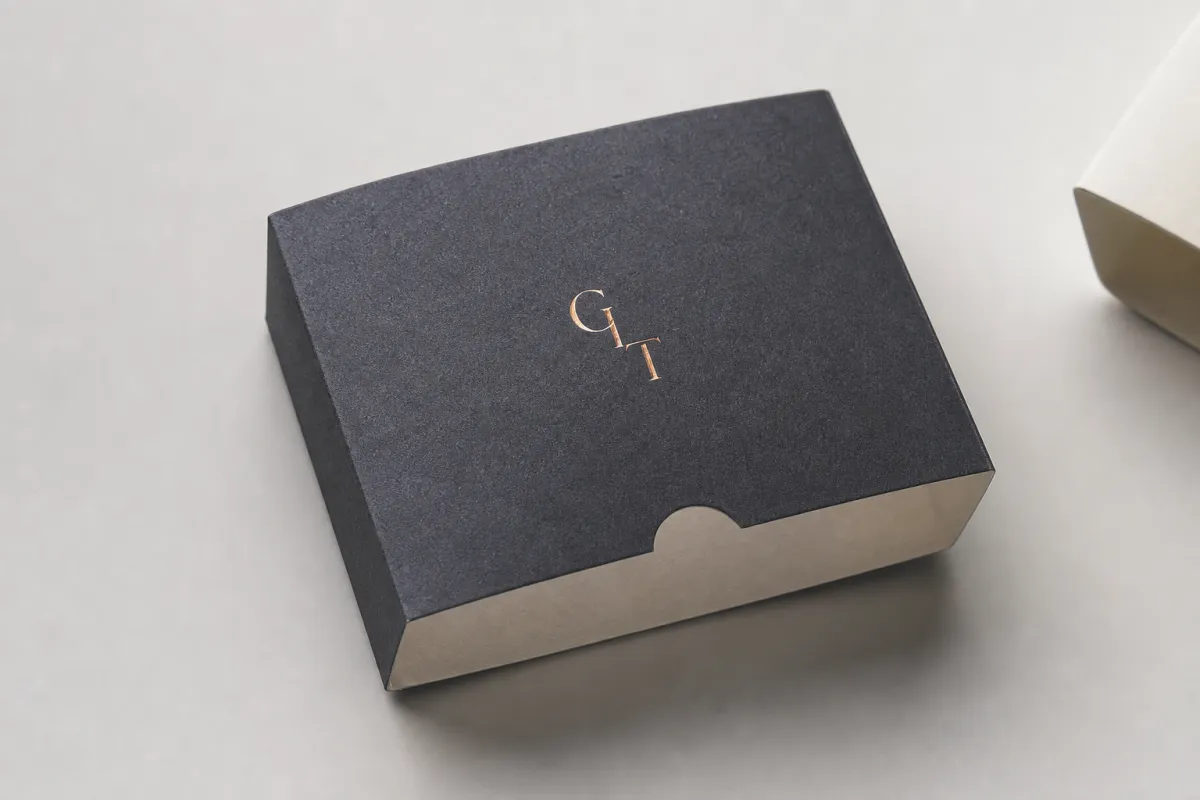
The price of custom carton sleeves can seem counterintuitive because the product looks like a narrow band of paperboard, not a full carton structure. But that narrow band can still carry full-color graphics, compliance text, seasonal artwork, and a premium finish that helps a product stand out at retail. In a lot of programs, the sleeve becomes the fastest route from a plain stock carton to branded packaging without changing the base box at all.
Speed matters. A brand launching a new flavor, fragrance, or bundle may not want to wait for a completely new carton format. The price of custom carton sleeves can be easier to justify than a full custom printed boxes program because the sleeve rides on an existing carton, tray, or tube. The base package stays in place while the shelf presence changes. That cost model looks very different from reworking an entire product packaging line, and honestly, that difference is where the value usually lives.
Buyers sometimes underestimate sleeves because they appear simple. A sleeve is not a rigid box with structural complexity, and it is not a heavy-duty shipper. Still, the sleeve influences conversion, perception, and launch speed. A shelf-ready carton with clean graphics can lift the perceived value of a $12 product in a way that plain stock rarely can. The price of custom carton sleeves should be measured against that commercial lift, not against raw material volume alone.
One useful way to think about it: if the sleeve saves time, improves retail presentation, and lets one base carton serve several SKUs, it may be a smart spend even when the unit price is not the lowest line on the quote. If the sleeve exists only because the team wants an extra decorative layer, the number can feel expensive quickly. That is why the price of custom carton sleeves works best as a branding decision, not just a materials calculation.
Practical rule: a sleeve is usually worth the spend when it helps a product look retail-ready without forcing a complete carton redesign, but it is not the right answer if the package needs major tamper evidence, heavy shipping protection, or structural reinforcement.
From a buyer's point of view, the sleeve makes the most sense when the brand needs flexibility. One carton size can support several variants with different printed sleeves, which is useful for promotional packaging, limited editions, and seasonal runs. That flexibility can reduce inventory risk. It can also shorten packaging design cycles. The price of custom carton sleeves still needs to be weighed against the actual number of SKUs, the launch window, and the print specification.
I have seen teams save themselves a lot of headaches by treating the sleeve like a modular marketing layer instead of a mini box. That mindset keeps the conversation grounded in what the sleeve is actually supposed to do.
Product details: what custom carton sleeves are and where they add value
Custom carton sleeves are printed wraps that fit around an existing carton, tray, tube, or folded pack. They can be open-ended, friction-fit, or glued depending on the design and application. A sleeve can carry logos, ingredients, barcodes, directions, a promotion code, or a full retail design. In practical terms, the sleeve is not just decoration; it is often a compact layer of package branding that supports both marketing and compliance.
The price of custom carton sleeves usually reflects how much work the sleeve has to do. A simple one-color wrap on uncoated board is a very different job from a full-bleed sleeve with foil, embossing, and a spot UV finish. In retail packaging, sleeves are common for cosmetics, beverages, food sets, candles, subscription kits, and gift boxes because they create a strong shelf impression without the cost of full custom structural tooling.
There is another practical reason brands use them so often: sleeves can help one structural format serve multiple product lines. A private-label snack brand might keep the same carton dimensions and swap only the sleeve artwork for different flavors. A beauty brand might use one tray and several sleeves for different seasonal sets. That approach supports product packaging consistency while still giving marketing room to change messages quickly. In that kind of program, the price of custom carton sleeves is often lower than the cost of maintaining several fully printed carton SKUs.
Not every job suits a sleeve. If the product is heavy, fragile, or needs strong transit performance, a sleeve alone will not solve the problem. If tamper evidence is critical, the sleeve may need extra features, and those features add cost. If the package has to pass distribution testing, the sleeve should be evaluated as part of the full pack system, not as a standalone graphic layer. For transit-focused thinking, the standards work published by ISTA is a useful reference point. For recycled fiber sourcing, FSC chain-of-custody documentation can matter as well if your sustainability claim depends on it.
If you are still deciding whether a sleeve fits the program, it helps to compare it with other formats in our Custom Packaging Products range. A sleeve can be the right answer for retail visibility, but not always for shipping abuse. That distinction is where much of the real cost logic sits.
Specifications that shape cost, pricing, MOQ, and quote accuracy
The fastest way to understand the price of custom carton sleeves is to look at specifications. Dimensions come first. A sleeve sized for a slim cosmetics box does not consume the same board area as one built around a wide gift carton. The second driver is the stock itself: SBS, C1S, C2S, kraft, and specialty papers each carry different material costs and print behavior. The more precise the spec, the cleaner the quote.
Print coverage is the next big lever. A single-color logo on one panel usually sits at the lower end of the range. Full-color process with a heavy ink load, flood coating, or printed reverses raises the bill. Special finishes push it further. Soft-touch lamination, foil stamping, embossing, debossing, and spot UV all add setup and production steps. That is why the price of custom carton sleeves can rise more from finishing choices than from a few grams of board weight.
Minimum order quantity, or MOQ, matters just as much. A supplier has to absorb setup time, press preparation, cutting, and inspection. If the run is very small, those fixed costs are spread across fewer sleeves, so the unit price climbs. If the order is larger, the setup cost is diluted and the price of custom carton sleeves usually drops. A buyer ordering 500 sleeves is not buying the same economics as a buyer ordering 5,000.
Good quote accuracy depends on good input. The supplier should receive carton dimensions, target quantity, artwork files, stock preference, finish preference, and ship-to location. If any of those are missing, the estimate becomes a placeholder rather than a real quote. From a procurement point of view, the price of custom carton sleeves is only useful if the quote matches the final production spec closely enough to compare against other suppliers.
Tight tolerances and complex dielines also affect the bill. More folds, more cutouts, and more precise registration points mean more time in prepress and more chances for proof revisions. The same is true for sleeves that must line up exactly with a carton window or a tear strip. A slightly more forgiving design can save more money than many buyers expect. That is why packaging design teams and sourcing teams should review the structure together instead of separately.
| Specification choice | Typical quote behavior | Practical impact on the price of custom carton sleeves |
|---|---|---|
| Simple sleeve, one-color print, standard board | Lowest setup burden | Often the most economical route for basic retail packaging and internal branding |
| Full-color process, one side printed | Moderate press setup and ink use | Usually raises the unit cost, but supports stronger shelf presence and package branding |
| Full bleed, soft-touch lamination, foil or emboss | Multiple finishing steps | Pushes the quote into premium territory and is often used for higher-value product packaging |
| Custom dieline, window, or special fit requirement | More prepress and tooling review | Can add setup cost even before print complexity is considered |
| FSC-certified stock or specialty paper | Material choice influences base cost | May improve sustainability positioning while slightly increasing the price of custom carton sleeves |
That table is not a pricing promise. It is a practical way to read the moving pieces. A buyer comparing the price of custom carton sleeves across three suppliers should make sure all three are quoting the same board, the same finish, the same print coverage, and the same delivery destination. Without that discipline, the lowest quote can turn into a false comparison.
Proofing adds another detail that procurement teams sometimes overlook. A digital proof is not the same thing as a press proof, and a structural sample is not the same thing as a full production sample. Each step has value, and each can affect the final budget. A clean approval process reduces risk, but it can also add a small upfront cost. In most programs, that cost is cheaper than reprinting a run that misses by 2 mm.
And yes, sometimes the spec work feels tedious. It is kinda tedious. But it is usually the difference between a quote you can trust and a number that only looks good on paper.
How the price of custom carton sleeves changes by quantity
Volume is the biggest force in the price of custom carton sleeves. Once the plates, setup, and cutting work are in place, every additional sleeve becomes cheaper to produce. That is why a production run often looks dramatically better than a sample run. The economics are simple: fixed costs spread thinner as quantity rises.
Short-run pricing is where many first-time buyers get surprised. A prototype order or a pilot batch may cost much more per unit than the final production run. That is not necessarily a sign of poor supplier pricing; it is a reflection of setup time. The price of custom carton sleeves at 250 pieces can be several times higher than the same design at 5,000 pieces, especially if the project includes custom tooling or premium finishes.
For planning purposes, many packaging buyers think in three bands. Prototype pricing is for one-off validation or internal review. Short-run pricing is for limited launch quantities or regional tests. Production pricing is for stable demand and repeat purchasing. Each band changes the price of custom carton sleeves because the factory can spread labor, plate, and die-cut costs differently.
Here is a practical way to think about order size and the cost curve:
| Order size | Typical unit price behavior | What buyers should expect |
|---|---|---|
| 500 to 1,000 pieces | Highest unit price | Useful for samples, niche launches, or internal approval runs |
| 2,500 pieces | Noticeable drop from prototype pricing | Common for small retail programs and limited seasonal packaging |
| 5,000 pieces | Often a strong balance of cost and flexibility | Many brands use this band as a first production benchmark |
| 10,000 pieces and up | Best unit economics in most cases | Good for repeat SKUs, stable demand, and broader retail distribution |
As a rule, the price of custom carton sleeves tends to improve most sharply between the smallest pilot run and the first real production run. That is the point where setup costs stop dominating the quote. For a buyer managing multiple product launches, consolidating artwork or combining orders can save more than shaving a few cents off one SKU.
There are hidden costs too. Tooling, proofing, freight, rush production, and split shipments can all increase the landed number. A quote that looks competitive on a unit basis may become less attractive once you add delivery. This is why procurement teams should ask for both a unit price and a landed estimate. The price of custom carton sleeves only tells the full story if freight and any setup fees are included in the comparison.
Premium finishing changes the curve again. A plain sleeve may look economical at 5,000 pieces, while a foil-stamped version may still feel expensive at 10,000. The difference is not only in materials; it is also in machine time and quality control. A print run with multiple finishing passes creates more opportunities for waste, which feeds back into pricing. That is true for sleeves, custom printed boxes, and most branded packaging programs.
Process and timeline: from dieline approval to final shipment
The production path for sleeves is straightforward, but every step affects the price of custom carton sleeves and the final schedule. It usually starts with inquiry and spec review, moves to quoting, then artwork check, proof approval, production, quality control, and shipping. If the buyer supplies accurate dimensions and clean files, the process is efficient. If measurements are missing or artwork needs multiple revisions, the schedule expands quickly.
Lead time, turnaround, and shipping time are not the same thing. Turnaround is the time the factory needs to produce the sleeves after approval. Shipping time is the transit period after the cartons leave the plant. Lead time often means both combined. A buyer who understands the distinction can read the price of custom carton sleeves more intelligently, because rush production and faster freight usually cost more.
For a clean production path, the most common sequence looks like this:
- Send dimensions, quantity, artwork, and finish preference.
- Receive a quote and confirm MOQ.
- Review the dieline and structural layout.
- Approve the proof or request revisions.
- Move into production and inspection.
- Ship the finished sleeves to the agreed destination.
Sample production deserves special attention. A structural sample or printed proof helps verify fit, graphics, and finish before the full run begins. That step can add time, but it can also prevent expensive rework. In many cases, a small sample fee is cheaper than a reprint caused by a wrong panel size or an artwork alignment problem. That is one more reason the price of custom carton sleeves should be judged alongside the approval process, not after it.
Timelines vary by factory capacity, material availability, and season. A simple sleeve quote can often be returned quickly if the buyer provides complete information. Production after proof approval may take roughly 10 to 15 business days for a standard run, though complex finishing or peak-season demand can extend that. Shipping adds its own clock. For teams on a product launch deadline, that matters more than a tiny unit-price difference.
There is also a quality-control angle. A sleeve that prints beautifully but arrives with inconsistent folds or a loose fit is not a successful job. Buyers should ask about inspection points, batch repeatability, and sampling approach. In a repeat order, consistency often matters more than a small savings on the first run. That is especially true for retail packaging programs where the sleeve sits beside other branded packaging assets.
Quote teams use for a reason: the cheapest order is the one that gets approved once and delivered correctly the first time.
Why choose us for custom carton sleeves
Custom Logo Things focuses on practical answers: what the sleeve will cost, what the MOQ is, what the artwork needs to look like, and whether the timeline is realistic. That matters because buyers do not need vague promises; they need a quote they can use in a budget review. If the price of custom carton sleeves is the main decision point, then clarity is part of the product.
We also keep the spec discussion grounded. If a project calls for a basic wrap with sharp graphics, we can keep the conversation simple. If the sleeve needs a special fit, a premium finish, or a material that supports sustainability claims, we can map out the tradeoffs before production starts. That kind of quote discipline helps procurement teams compare the price of custom carton sleeves with custom printed boxes or other packaging design options without guessing what is included.
For brands comparing product packaging formats, our Custom Packaging Products page is a useful starting point. It lets teams review options across retail packaging, promotional packaging, and other branded packaging needs in one place. That comparison is often where the real savings appear, because the cheapest structure is not always the cheapest system.
We also pay attention to repeatability. A sleeve program often grows from one SKU to many, and batch-to-batch consistency becomes part of the value. Accurate sizing, stable print quality, and clear artwork guidance reduce rework. Those are operational details, but they affect the price of custom carton sleeves indirectly by lowering the chance of delays or rejected stock.
In plain terms, the buyer gets a direct quote, a realistic MOQ discussion, and support that treats the sleeve as a commercial tool rather than a generic print item. That is the practical difference between a supplier who can move paper and one who can help shape a package that works on shelf.
Next steps to lock in the best price of custom carton sleeves
If you want a sharp quote, start with the basics: carton dimensions, target quantity, finish preference, artwork files, and shipping destination. Those five items remove most of the uncertainty around the price of custom carton sleeves. If the carton is unusual or the sleeve is high-visibility, request a sample or proof before full production. That extra step is often the cheapest insurance in the whole project.
Ask every supplier for the same spec set. A quote for uncoated stock cannot be compared fairly with one for soft-touch coated board. A one-color sleeve is not the same as a full-bleed sleeve with foil. If you compare unlike offers, the price of custom carton sleeves will mislead you. Consistent comparison is where real procurement savings happen.
It also helps to ask for a unit price and a landed estimate. The unit price tells you how the run scales; the landed estimate tells you what the finance team will actually pay after freight and setup. That is the difference between a tidy quote and a usable one. For many buyers, the landed number is what determines whether the sleeve program beats a fully custom carton or a different branded packaging format.
Finally, think about repeat orders before you approve the first run. If the sleeve is likely to become a standard component, it is worth planning for stock availability, consistent artwork, and a quantity that gives you efficient unit economics. In many programs, the best price of custom carton sleeves comes from a smart first order, not from chasing the lowest number on a single line item.
Send the specs, compare like for like, and ask for a quote that reflects the full package. If the price of custom carton sleeves is clear at the start, the rest of the project becomes much easier to manage. That usually means locking the dimensions, choosing one finish path, and deciding up front whether the sleeve is meant for a launch run or a repeat program. Do those three things, and the price conversation gets a lot less slippery.
What factors affect the price of custom carton sleeves the most?
Quantity, material choice, print coverage, and finishing usually have the biggest impact on the final quote. Dieline complexity and rush timelines can also raise costs because they add setup or production pressure. Accurate carton dimensions help avoid rework and keep the price of custom carton sleeves close to the final invoice.
What is the MOQ for custom carton sleeves?
MOQ depends on the supplier, the print method, and how much setup is required for the run. Higher-volume orders usually get a better unit price because setup costs are spread across more sleeves. Ask for MOQ and unit cost together so you can judge whether a smaller run is still economical for the price of custom carton sleeves.
Do printed sleeves cost more than plain sleeves?
Yes, printed sleeves usually cost more because they require artwork handling, press setup, and ink usage. The premium is often justified when the sleeve supports retail visibility, launch packaging, or brand consistency. Simple one-color layouts may keep the increase modest compared with full-coverage artwork or special finishes, which is why the price of custom carton sleeves can vary so widely.
How long does it take to get a quote for custom carton sleeves?
A quote can often be turned around quickly if you provide dimensions, quantity, artwork, and finish details up front. Missing measurements or unclear specifications are the most common reason quotes take longer. If the project is urgent, tell the supplier your launch date so they can flag any schedule risk early and keep the price of custom carton sleeves tied to a realistic timeline.
Can I lower the unit cost of custom carton sleeves without changing the design?
Yes, increasing quantity is usually the fastest way to reduce unit cost without changing the artwork. Using a standard material or simplifying premium finishes can also trim the price while keeping the design intact. Combining orders or reducing rush requests may improve the total landed cost, which is often the fastest way to improve the price of custom carton sleeves without redesigning the package.

