Buyer Fit Snapshot
| Best fit | Custom Sleeves Wholesale for Cosmetics projects where brand print, material claims, artwork control, MOQ, and repeat-order consistency need to be specified before quoting. |
|---|---|
| Quote inputs | Share finished size, material target, print colors, finish, packing count, annual reorder estimate, ship-to region, and any compliance wording. |
| Proofing check | Approve dieline scale, logo placement, barcode or warning zones, color tolerance, closure strength, and carton packing before bulk production. |
| Main risk | Vague material claims, crowded artwork, missing packing details, or unclear freight terms can make a low unit price expensive after revisions. |
Fast answer: Custom Sleeves Wholesale for Cosmetics: Branding Wins should be specified like a repeatable production item. The safest quote records material, print method, finish, artwork proof, packing count, and reorder notes in one written spec.
Production checks before approval
Compare the actual filled-product size with the drawing, then confirm tolerance on folds, seals, hang holes, label areas, and retail display edges. Reserve space for logos, QR codes, warning copy, and material claims before decorative graphics fill the panel.
Quote comparison points
Review material grade, print process, finish, sampling route, tooling charges, carton quantity, and freight assumptions side by side. A quote is only useful when the supplier can repeat the same color, closure quality, and packing count on the next order.
Custom sleeves wholesale for cosmetics can change how a product lands on shelf in the first three seconds. That is not hype. Cosmetic shoppers often decide before they read ingredients, compare claims, or do the price math. A plain carton with a tight, well-printed sleeve can look like a fresh SKU without touching the base pack underneath.
The practical upside is simple. A sleeve gives you more branding space, faster campaign updates, and a cleaner way to separate shades, sets, or seasonal offers without rebuilding the entire package. For brands making product packaging decisions, the sleeve usually carries the marketing work while the structural carton stays steady.
The real question for a buyer is not whether sleeves look good. They do. The question is whether they help the line move faster, cut waste, and meet retail packaging requirements without blowing up the budget. That depends on the spec, MOQ, and Lead time, not decoration alone.
A sleeve has to earn its space. If it does not improve shelf read, protect the carton, or make launch planning easier, it is just more print area.
Custom Sleeves Wholesale for Cosmetics: Why Shelf Math Changes
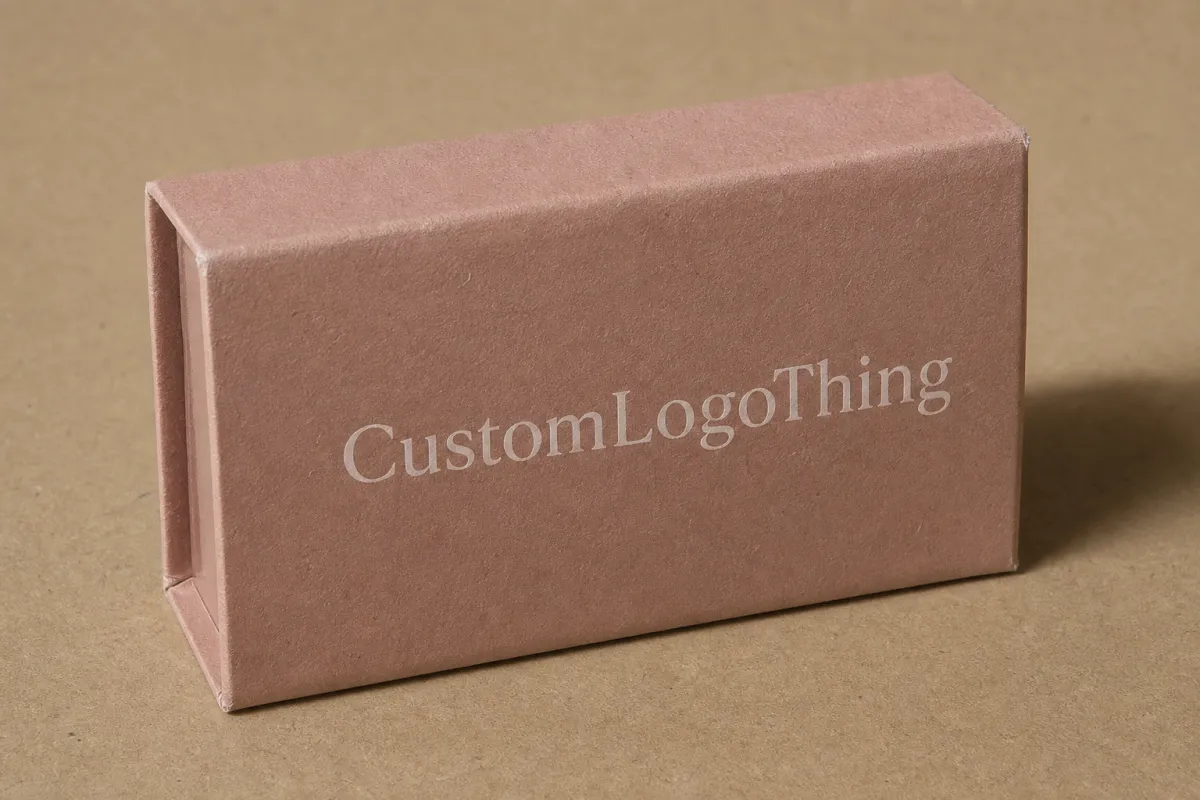
Retail shelves are not polite. A cosmetic carton gets a tiny window to communicate category, shade, benefit, and price position. A well-designed sleeve usually does that job better than a plain printed box with limited face space. The sleeve changes the visual weight of the pack more than the structure does, and that is why a modest spec can still look premium.
There is a clean comparison here. If you already use standard cartons, a sleeve can refresh the line without retooling the inner structure. Fewer changes to fit, packing, and line setup. The base carton stays put while the outer layer carries campaign messaging, ingredient cues, or shade names. For brands with multiple SKUs, that is often smarter than redesigning every carton at once.
Custom sleeves wholesale for cosmetics are especially useful for limited editions and shade extensions. A skincare brand can keep the same bottle tray and standard carton, then swap sleeves for a holiday set, an SPF push, or a retailer-specific bundle. A fragrance brand can do the same for travel kits or gift boxes. The structure stays familiar, but the shelf signal changes fast.
That speed matters because cosmetic launches do not always wait for a full packaging redesign. A sleeve can carry seasonal imagery, a different finish, or updated claims while the core packaging stays locked. From a branding point of view, that gives the team more control over package branding without the cost and risk of a full structural change. From a production point of view, it also lowers the odds that a small artwork tweak turns into a long reapproval cycle.
Another win is consistency across a product family. A line can keep the same carton dimensions, then use sleeve color and copy to separate cleansers, serums, masks, or lip treatments. That matters in branded packaging because the customer recognizes the family right away, while the SKU differences still read clearly enough to reduce picking mistakes and shelf confusion.
The sleeve also keeps the brand flexible. If a retailer wants a special bundle, or if a market needs multilingual copy, the sleeve can absorb those changes without disturbing the carton underneath. That is a big reason wholesale sleeves often beat fully custom cartons for fast-moving launches. They let packaging design do more work with less structural disruption.
And yes, the economics usually make sense. A full carton redesign can trigger new tooling, new proofs, and a fresh round of inventory risk. A sleeve can often sit on top of an existing pack and carry the refresh on its own. That is not glamorous. It is just efficient, which is what most packaging programs actually need.
Product Details: What Cosmetic Sleeves Need to Do
A cosmetic sleeve is not just decoration. It has to protect the carton surface, expand the branding area, and leave room for required information. The better versions handle three jobs at once: they improve shelf appeal, support compliance, and stay easy to assemble on the line.
That mix matters because cosmetic packs often carry more copy than people expect. Ingredients, warnings, barcode placement, batch coding, multilingual claims, and retailer-specific details eat space fast. A sleeve can absorb a chunk of that communication while keeping the base carton simpler. For products already using Custom Printed Boxes, the sleeve can still add a campaign layer or a premium finish without changing the core pack structure.
In practice, buyers usually run into one of a few common use cases:
- Skincare kits - serums, moisturizers, and routines that need one unified presentation.
- Lip products - gloss, balm, and treatment sets that benefit from a smaller, tighter visual system.
- Fragrance sets - gift boxes, minis, and discovery kits that need strong shelf separation.
- Hair care bundles - shampoo, mask, and styling sets that often need cleaner front-panel communication.
- Seasonal gift packs - holiday or promotional offers where a sleeve carries the campaign identity.
Structural choices affect performance too. A full-wrap sleeve creates a more complete branded surface, while a partial wrap can show more of the base carton. Some sleeves include display windows, which works well for products that want to show color, texture, or the actual container. Others use tuck-enabled formats or locking tabs that help the sleeve stay aligned during shipment and display. The right choice depends on how much the sleeve needs to do beyond looking good.
One more thing: sleeves should be easy to handle. If the line team has to wrestle the format, the packaging spec is wrong. A sleeve that catches on the carton or shifts during insertion slows packing speed, which adds hidden cost. A good sleeve is almost boring in assembly. It slides on cleanly, stays square, and keeps the carton centered for retail display.
That is the line between a decorative add-on and a real packaging design decision. Good cosmetic sleeves support the business. Weak ones just add steps.
Specifications That Affect Fit, Finish, and Print Quality
Fit comes first. If the sleeve width, depth, and wrap allowance are off, the whole pack looks sloppy. A few millimeters change how edges meet, whether panel seams align, and whether graphics sit squarely on the carton. Great artwork cannot rescue a bad dieline. A bad dieline usually costs more than the sleeve itself because it slows proofing and creates rework nobody asked for.
Material choice changes performance and perception. SBS paperboard is common because it prints cleanly and handles tight color work. Coated stock sharpens detail and improves image contrast, especially on cosmetic packs that rely on rich brand color. Kraft brings a more natural look, but it changes how ink sits on the sheet and usually softens the visual impact. Specialty textured boards can raise perceived value, though they need careful print testing so fine type and barcodes stay readable.
For brands that want certified fiber, FSC certification is worth asking about early. It does not answer every sustainability question, but it does give buyers a documented chain-of-custody path when a retailer or internal policy asks for it. That matters in cosmetics, where sourcing claims often shape the final packaging choice as much as appearance does.
Print and finish choices should be handled with restraint. CMYK covers most artwork. PMS matching helps with brand color control, especially when a cosmetic line uses one signature tone that has to stay consistent across reorders. Soft-touch coating creates a smoother, more upscale feel. Matte lamination keeps the surface quieter and more refined. Gloss varnish adds brightness and can help color pop under store lighting. Foil, embossing, and UV accents work on hero panels, but they should only go where they support the message.
There is a technical side buyers should not ignore. Board thickness affects stiffness, score lines affect fold quality, and glue points affect line speed. Tolerances matter more than many first-time buyers expect, especially when the sleeve must survive warehousing, carton compression, or repeated handling. If the sleeve is going into distributed retail inventory, not just a one-off event box, the spec should be chosen for durability, not just appearance.
For shipping and distribution testing, many teams look at ISTA shipping test methods alongside internal compression checks and drop expectations. That helps if the cosmetic sleeve has to stay presentable after pallet moves, cross-dock transfers, or e-commerce fulfillment. ASTM methods also show up in packaging validation for material and compression checks, so there is a clear standards framework when a brand wants more than a casual visual review.
In short, the design file is only one piece. Dieline accuracy, board selection, finish discipline, and handling conditions all decide whether the sleeve supports retail packaging or fights it.
| Material / Build | Best Use | Typical Look and Feel | Illustrative Unit Cost at 5,000 Units | Notes |
|---|---|---|---|---|
| SBS paperboard, CMYK, matte varnish | Core skincare and mass-premium lines | Clean, bright, easy to print | $0.12-$0.25 | Often the most balanced option for shelf impact and budget |
| Coated stock, soft-touch coating | Prestige cosmetics, gift sets | Softer hand feel, higher perceived value | $0.18-$0.35 | Good for hero SKUs where tactile quality matters |
| Kraft board, one- or two-color print | Natural, clean-label, ingredient-led lines | Earthier, less saturated color | $0.16-$0.30 | Works best when the branding is simple and intentional |
| SBS with foil and emboss | Premium launch packs and seasonal promotions | More dimensional, more reflective | $0.30-$0.70 | Usually reserved for high-visibility campaigns |
The price column above is only a working range. Final cost depends on size, coverage, finishing, board choice, and whether the order is a short digital run or a larger wholesale production run. The pattern is clear though: the more the sleeve relies on specialty effects, the more the cost moves upward. That does not make premium finishing wrong. It just means the finish should support the commercial goal, not replace it.
Cost, Pricing, MOQ, and Quote Variables
Unit cost is never driven by one decision. It is driven by a cluster of them. Size, board type, print coverage, finishing complexity, and order quantity all shape the final price. A brand that wants a fair comparison should look at the full spec, not just the headline number.
MOQ follows the same logic. Digital production can support lower counts because setup is lighter, which helps with test launches and smaller retail programs. Offset wholesale runs usually make more sense for repeat SKUs and larger quantities because the unit economics improve as volume rises. That is why two sleeves that look almost identical on shelf can have very different cost structures behind the scenes.
Here is the part buyers often miss: incomplete specs slow everything down. If the supplier does not know the finished carton dimensions, exact print coverage, finish list, and destination, the quote can only be approximate. Then the team revises it, approvals stretch out, and waste creeps in. A complete brief is the fastest way to a usable number.
The main quote drivers usually include:
- Dimensions and fit - larger sleeves use more material and may need tighter setup control.
- Board selection - thicker or specialty stock changes both look and cost.
- Print method - digital, offset, and spot-color work each price differently.
- Finishing - foil, emboss, soft-touch, and UV each add steps.
- Tooling and proofing - custom dies, mockups, and sample runs can affect the initial budget.
- Shipping method - air, ocean, or domestic freight changes landed cost more than many buyers expect.
There are also practical ways to save money without losing shelf impact. Standardizing sleeve sizes across a product family often lowers setup complexity. Limiting specialty finishes to the front panel keeps the pack premium while avoiding full-surface cost. Using one consistent board type across several SKUs simplifies procurement and reorders. None of that is glamorous. It is usually what separates an efficient packaging program from a messy one.
For buyers comparing options, the useful question is not, "What is the cheapest sleeve?" It is, "Which sleeve gives the highest shelf return for the spec we can support at volume?" In cosmetics, a slightly better finish on the hero panel can produce more lift than a broader but weaker decoration strategy.
If you are building a wider packaging program, our Wholesale Programs page and Custom Packaging Products page show how sleeves can fit alongside other custom printed boxes, inserts, and branded packaging formats without forcing every SKU into the same build.
Process and Timeline: From Dieline to Delivery
A good sleeve project follows a clear sequence. First comes the quote request. Then the supplier confirms the specs, reviews or creates the dieline, checks artwork, produces a proof, runs production, inspects the order, and ships. Each step depends on the one before it, so speed comes from order, not luck.
Lead time needs real talk. A simple sleeve with approved artwork and standard materials can move faster than a complex build with multiple finishes or a custom structure. Typical production might land around 12-15 business days after proof approval for straightforward jobs, but specialty projects can run longer. That is normal. The schedule depends on material availability, print method, and how fast the artwork gets signed off.
Proofing is where many preventable issues get caught. Buyers should check panel alignment, barcode placement, copy accuracy, color expectations, and fold accuracy. If the barcode sits too close to a seam or a color block crosses a fold awkwardly, the finished sleeve can look off even if the print quality is strong. One careful proof review can save an entire production run.
Shipping and receiving matter too. If the sleeves are going to a co-packer, a 3PL, or multiple warehouses, the logistics should be planned before production starts. Customs clearance, freight mode, labeling requirements, and pallet configuration can add time. That is especially true for wholesale orders where several destinations need the same SKU on the same date.
A simple planning rule saves launch dates: lock the sleeve dimensions and artwork as early as possible. The earlier the spec is stable, the easier it is to hold the schedule, avoid rush fees, and keep the cosmetic launch from slipping because of packaging revisions. The packaging timeline should support the marketing calendar, not fight it.
For teams testing a new concept, a proof-first workflow usually moves faster. Start with the dieline, confirm the physical fit, then finish the artwork. That order cuts rework. It also gives the brand a better read on how the sleeve will look next to the rest of the line before the production slot is committed.
If the pack has to survive rougher handling, ask about test assumptions before approval. A sleeve used in retail-only display may not need the same durability as a sleeve that will move through e-commerce, warehouse stacking, and multiple transfers. The best process is the one that matches the actual route to the customer.
One caution: a supplier who promises a tiny schedule without asking about finish, destination, or artwork readiness is usually skipping the hard parts. That can feel efficient for about five minutes. Then it becomes a rush fee, a proof scramble, or a missed launch.
Why Choose Us for Wholesale Cosmetic Sleeves
A supplier earns trust by being consistent. Not flashy. Consistent color control, clear communication, and production methods that fit cosmetic branding matter more than big promises. Buyers need a partner who understands that a sleeve is part of a selling system, not a standalone print job.
Experienced packaging support lowers risk. A good team spots fit problems before they turn into production losses. It notices when a finish is too heavy for the artwork. It catches a barcode area that sits too close to a fold, or a sleeve width that might sag on shelf. Those are small observations, and they protect margin.
At Custom Logo Things, the approach is practical. The goal is not to oversell materials or overload the design. The goal is to help buyers match the sleeve to the product, the channel, and the budget. For some programs, that means a lean CMYK sleeve. For others, it means a premium finish on a hero SKU and a more restrained spec on the rest of the line.
The right supplier also understands retail logistics. Cosmetic packaging has to look premium while still being easy to ship, store, and replenish. A sleeve that looks great but arrives misaligned or slows packing is a bad trade. A sleeve that stays square, prints cleanly, and reorders consistently is the better business decision. That holds true for a first launch and for a replenishment run.
Wholesale buyers also benefit from a partner who can support small tests and larger rollouts. A brand may start with a few thousand units to validate a concept, then scale once the retail response is clear. That transition is where many suppliers stumble, because the spec that works in sampling still has to hold up in repeat production. A stable process keeps the line from drifting.
At the category level, the strongest packaging partner treats sleeves as part of the wider branded packaging system. The sleeve should fit with the carton, the insert, the shipping pack, and the retail presentation. If those elements fight each other, the brand looks less disciplined. If they work together, the product looks deliberate and easier to buy.
For buyers expanding the line, the pairing of package branding with sensible wholesale planning matters just as much as the artwork itself. That is where the sleeve becomes a commercial tool, not just a decorative one.
Actionable Next Steps Before You Request a Quote
Before you ask for pricing, gather the information that lets the quote reflect the real job. The fastest quote requests are the ones that already include the finished dimensions, carton style, quantity target, print coverage, finish preferences, and any copy that needs to appear on the sleeve. Without those basics, every price is tentative.
Send at least one visual reference if you have it. It does not need to be perfect. A competitor pack, a retailer image, or a rough mood reference can help a supplier understand whether you want clean and clinical, soft and premium, or bright and promotional. Visual direction speeds up packaging design decisions because everyone is reacting to the same target.
- Finished carton dimensions, not just the product size.
- Target quantity and any expected repeat orders.
- Material preference, such as SBS, coated stock, or kraft.
- Finish list, including foil, emboss, UV, matte, or soft-touch.
- Compliance copy, barcode placement, and any multilingual text.
- Shipment destination and whether freight needs to go to one warehouse or several.
Ask for a mockup or dieline review before approval. That step catches fit issues early, which is where the best savings usually happen. A sleeve can look right on screen and still be wrong in hand. Physical review closes that gap before production starts.
Build the schedule backward from launch day. Leave room for proof review, artwork revisions, production, and freight. If the order involves custom sleeves wholesale for cosmetics, the calendar also needs space for the back-and-forth that often happens between brand, designer, and supplier. A little margin in the schedule costs less than a rush fee.
If you already have a dieline and artwork spec sheet, send both together. That gives the supplier enough information to move straight into sampling and scheduling instead of starting with a round of clarification questions. The more complete the brief, the cleaner the quote.
Final Buying Takeaway
The strongest cosmetic sleeve programs are not the flashiest. They are the ones that fit cleanly, print consistently, and support the launch plan without extra work for operations. That is why custom sleeves work so well: they can raise shelf impact, keep the base pack stable, and give the brand a flexible way to handle seasonal or line-extension changes. For buyers comparing options, custom sleeves wholesale for cosmetics is usually the right path when branding needs to move faster than structural packaging changes.
Actionable takeaway: before you price anything, lock the finished carton dimensions, material, finish list, barcode placement, and shipping destination. If those five details are stable, the quote will be more accurate, the proof cycle will be shorter, and the sleeve will be far less likely to turn into a packaging headache.
What materials work best for custom sleeves wholesale for cosmetics?
Most cosmetic sleeves use SBS paperboard, coated stock, or kraft depending on the brand look and the level of print sharpness needed. Heavier board improves rigidity and shelf presence, while coated surfaces usually deliver cleaner color and finer detail. The right choice depends on product weight, shipping conditions, and whether the sleeve should feel luxury, natural, or mass-market.
What is the usual MOQ for cosmetic sleeve wholesale orders?
MOQ depends on the print method, finish complexity, and whether the sleeves need special tooling or a custom size. Digital runs usually support lower minimums, while offset wholesale production is better for larger repeat quantities. A precise quote needs the target count, dieline, and finish list because MOQ is tied to setup economics as much as material cost.
How long does production take for custom cosmetic sleeves?
Timelines vary by approval speed, material stock, and whether the project includes special finishes or structural changes. A simple sleeve with approved artwork can move faster than a complex multi-finish design that needs extra proofing. For the most accurate schedule, confirm artwork, dimensions, and shipment destination before production starts.
Can one sleeve fit multiple cosmetic box sizes?
Sometimes, but only if the carton dimensions are close enough that the sleeve still sits tight and aligned. Brands often standardize sleeve sizes across a product family to simplify ordering, but each fit should be checked with a dieline. If the boxes vary too much, one oversized sleeve can look loose and reduce the premium effect.
What should I send to get an accurate quote for custom sleeves wholesale for cosmetics?
Send finished dimensions, expected quantity, artwork status, desired material, and any finish requests such as foil or soft-touch coating. Include your timeline, shipping destination, and whether you need design help or only production. The faster the supplier gets complete specs, the faster you get a useful quote with fewer revisions.

