Custom Slider Lock Clothing Bags for jewelry brands solve a narrow but real packaging problem: they give delicate pieces a cleaner outer presentation, a more controlled closure, and better dust protection than a loose pouch or a thin sleeve. The difference shows up in packing rooms first. A necklace card, polishing cloth, or small gift set can look finished on a bench and still feel underwhelming if the outer bag wrinkles, gaps, or closes unevenly. Customers read that package before they touch the jewelry, so the outer layer matters more than many teams expect.
That is why these bags show up in branded packaging, retail packaging, and e-commerce fulfillment. They are not trying to replace a rigid box, and they are not the security layer for the jewelry itself. They act as a second layer, one that keeps the order organized, reduces scuffing, and helps the package hold its shape during storage and shipment. For brands shipping small, premium-looking items, that middle layer is often the difference between an orderly unboxing and a package that feels improvised.
Custom Slider Lock Clothing Bags for Jewelry Brands: What They Solve
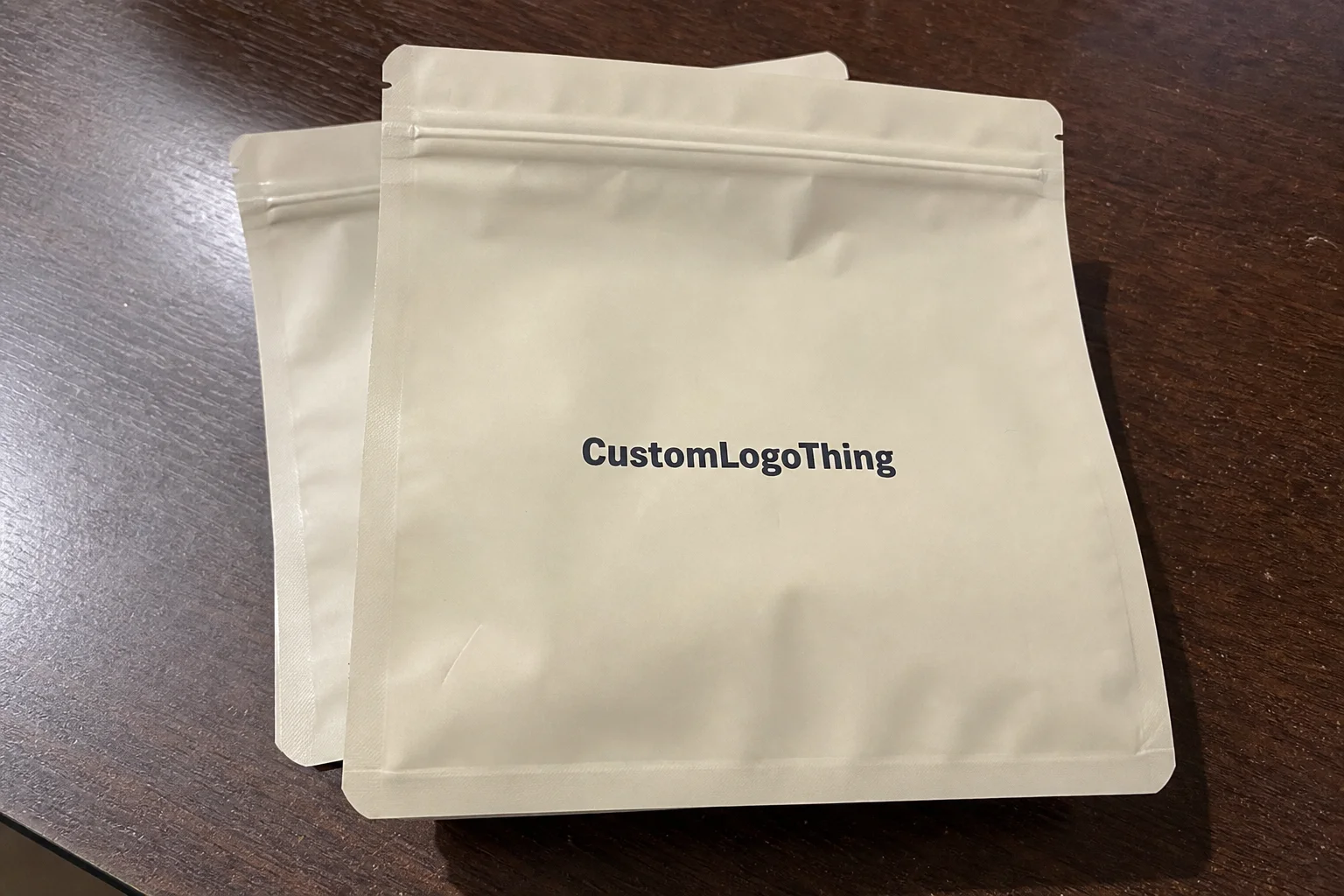
In practice, the strongest use case is straightforward: protect the presentation without overbuilding the package. A jewelry card, microfiber pouch, warranty slip, care insert, or small gift box can all fit into a flat bag that keeps the set together and cuts down on handling marks. For direct-to-consumer orders, that structure matters because the package often passes through multiple hands before the buyer opens it.
These bags are usually made from flexible polyethylene films, often LDPE or a blend that balances softness and clarity. The closure uses a sliding channel that locks the zipper tracks together more consistently than a finger-pressed zipper. That sounds minor, but on repetitive packing lines it reduces the number of half-closed bags and keeps the pack-out rhythm steadier. A packer can close the bag by feel, check it visually, and move on without pinching the seam twice or reopening it to confirm the seal.
The term “clothing bag” can be misleading. The format started in apparel and garment storage, yet the flat, resealable shape works well for jewelry sets, accessory kits, sample packs, and repair returns. It keeps the contents tidy and dust-controlled, which is enough for many brands that want a practical package with a premium finish.
It is also worth being precise about what these bags do not do. They are not tamper-evident. They are not waterproof. They are not an anti-tarnish system on their own. If the jewelry is sensitive to oxidation, the inside still needs the real protection: a proper inner pouch, an anti-tarnish strip, a desiccant where appropriate, or a barrier material selected for the metal and storage duration. The outer bag supports the system; it does not replace it.
Customization is where the format stops looking generic. Buyers can specify size, film thickness, frosted or clear finish, slider color, hang hole, venting, logo printing, barcode space, and the exact amount of clearance needed around the packed item. A useful quote request is less a price inquiry than a packaging brief. The more complete the spec, the less time gets lost in back-and-forth about what the bag was supposed to fit in the first place.
For teams comparing broader options, it helps to treat the bag as one piece of the product packaging system rather than a standalone supply. A printed jewelry card in a labeled slider bag can work alongside tissue, inserts, and outer cartons without pushing the cost too high or making the package feel stiff. For category comparisons, the Custom Packaging Products page is a practical reference, and the Case Studies page shows how different packaging structures are used in real brand programs.
How the Slider Lock Closure Works in Real Packing Conditions
The closure is simple, which is part of the appeal. Two interlocking zipper tracks sit at the top of the bag, and a small plastic slider pulls them into engagement as it moves across the seal. That gives packing teams a repeatable motion instead of relying only on thumb pressure across the full width of the bag. On a narrow bag, the time savings are small. On a wider format, the difference adds up fast, especially when a team is handling hundreds of small orders in a shift.
That repeatability matters for jewelry because the contents are small, delicate, and visually unforgiving. A half-sealed zipper can snag a chain, catch on a card edge, or leave the top open enough that dust gets in during storage. A slider closure reduces those misses. It also feels more deliberate to the customer, which matters when the bag is part of the retail presentation and not just the shipping process.
Compared with adhesive flap bags, standard zip bags, organza pouches, or paper envelopes, slider lock bags sit in a practical middle ground. They are more reusable than a tear-open sleeve, less formal than a rigid box, and better at dust control than a drawstring pouch. Organza can look elegant, but it does not hold printed cards or inserts as well. Paper envelopes can look clean, but they do not tolerate repeated open-close use. A slider bag often wins for sample kits, repair returns, and storage because it is predictable.
“A packer should be able to close it once, verify it by touch, and move on. If the closure needs a second guess, the bag is already costing labor.”
Film finish changes the feel more than many buyers expect. Clear film shows the color of the metal, the artwork on the card, the texture of the pouch, and the barcode, which is useful in retail operations. Frosted film softens the view and gives the package a quieter, more boutique presentation. It also hides minor scuffs better. For brands that want the jewelry visible but not exposed, frosted film is usually the better compromise.
For orders that are likely to be reused, the bag can support returns, repairs, or storage after the first delivery. Customers often keep a slider closure because it does not tear apart like a heat-sealed pouch. That reuse is useful, but it should not be oversold. The package still needs the right inner support if the jewelry has sharp edges, a fragile clasp, or a finish that marks easily.
Material, Size, and Print Specs That Matter for Jewelry
Material choice starts with feel, but it should not stop there. LDPE is the common baseline because it is soft, flexible, and forgiving around card corners. Blends that add a little crispness can make the bag feel cleaner and less drapey. EVA-style soft-touch films can feel smoother and more premium, though they are not always the least expensive option and may require tighter control over thickness and print method. Recycled-content films exist in some programs as well, but availability changes with gauge, closure style, and minimum order quantity.
Thickness is where buyers often make the first avoidable mistake. A thinner film can lower cost, but it wrinkles more easily around square cards, pins, clasps, and small boxes. Heavier film holds shape better, looks more substantial, and resists scuffing, but it also adds cost, freight weight, and storage volume. For many jewelry applications, a practical range sits around 50 to 120 microns, or roughly 2 to 5 mil, depending on the packed set and the brand’s feel target.
Size should be based on the fully packed presentation, not just the jewelry item. Measure the card, pouch, insert, polishing cloth, clasp bulk, and any literature that ships with the order. The slider track also consumes usable height, so a bag that looks right on paper can become too tight in real use if the top margin is not accounted for. That is the sort of detail that gets missed when a buyer asks only for “the size we used last time.”
Print area is not unlimited. The bottom seal, side seals, closure track, hang hole, and any venting all reduce the clean zone available for a logo or barcode. If the artwork sits too close to a seal or the zipper path, the print can distort. For flexible plastic, a simple one-color mark often holds up better than a full-coverage design, especially when the goal is clean package branding rather than a loud promotional panel.
Here is a practical comparison that helps buyers separate the common film options:
| Film / Build | Feel | Best Use | Tradeoff |
|---|---|---|---|
| LDPE | Soft, flexible, familiar | General jewelry sets, sample packs, accessory pouches | Can wrinkle more on sharp corners |
| LDPE blend | Slightly crisper, cleaner hand feel | Retail-facing branded packaging | Cost can rise with thickness and print coverage |
| EVA-style soft-touch film | Smoother, more premium feel | Boutique presentation, influencer mailers, gift sets | May require tighter spec control and MOQ discipline |
| Recycled-content film | Varies by formulation | Sustainability-led programs with clear material goals | Availability and print performance depend on sourcing |
Compliance details also matter. If the bag size or market requires suffocation warnings, those need to be placed cleanly and legibly. Barcode zones should stay flat and uncluttered. If paper inserts are part of the kit, brands that care about sourcing can review FSC options for the paper components through FSC. For shipment testing, packaging teams often refer to ISTA methods when they need to understand how a package behaves under drop, vibration, and compression, not just how it looks on a flat table.
Pricing, MOQ, and Unit Cost Drivers Buyers Should Expect
Slider lock bags usually cost more than a plain zip bag, and the reason is straightforward. The closure adds parts, assembly steps, and inspection time. The value is that the bag closes more consistently, feels more finished, and can improve pack-out speed when the team is handling a lot of small orders. That trade makes sense for many jewelry brands, especially when packaging contributes to the perceived value of the product.
For planning purposes, a custom run often lands in these rough bands, depending on size, film thickness, print coverage, and quantity: around $0.18 to $0.40 per unit at 5,000 pieces, $0.12 to $0.28 per unit at 10,000 pieces, and lower at higher volumes if the spec stays simple. Heavy film, multiple colors, frosted material, custom slider color, and tight color matching can push the number back up. Those are not promises; they are the kind of ranges buyers can use to avoid fantasy pricing.
MOQ is usually tied to setup efficiency. Film procurement, machine time, slider sourcing, and print preparation all create fixed costs that must be spread across the order. If a buyer wants a very small custom run, the unit price can jump quickly because those setup costs do not shrink much. That is why requesting two or three quantity tiers is one of the smartest moves a buyer can make.
The main cost drivers are usually clear:
- Bag width, height, and usable internal space
- Film thickness and finish
- Slider color and closure style
- Clear, frosted, or printed film
- Number of ink colors and print coverage
- Custom hang holes, venting, or warning text
- Sample requirements and approval rounds
- Freight volume and carton packing method
There are also hidden costs that do not show up on the first quote. Oversized packaging can increase freight and storage. A bag that is too tight can slow packers down or crease the presentation card, which costs labor. Vague specs can lead to rework. Inconsistent branding across launch batches can create a mismatch that forces a reprint, and that is painful on a product line that depends on polished presentation.
For buyers managing several SKUs, a disciplined approach is usually better than multiplying sizes. Standardize the bag sizes, then let inserts or cards handle the variation. Strong product packaging often comes from restraint and consistency, not from adding another custom dimension every time a new piece launches.
Process and Timeline from Sample Approval to Production
The process works best when the spec is complete before the first quote request. Start with the product dimensions, the packed presentation, the film finish, the slider color, the print count, and the artwork file format. When those details are clear, quoting and proofing move faster. When they are not, the project stalls while the team re-discovers basic facts by email.
The cleanest workflow usually looks like this: confirm the packed dimensions, choose the material and closure style, prepare the artwork, review a layout proof or dieline, approve print colors and compliance copy, review a sample if needed, then release the bulk order. That sequence will feel familiar to packaging teams because it mirrors how custom printed boxes and other branded packaging projects are approved.
Artwork needs more care than many buyers expect. Vector logos are preferable because they scale cleanly and hold edges better in print. If a brand has a Pantone reference or a stable print standard, include it. Small type should be checked against the film finish and the chosen print process, because thin lines and tiny legal text can become hard to read on flexible plastic, especially near seals or rounded corners.
Sample strategy depends on risk. A stock-size sample can tell you a lot about the feel of the film and the way the slider travels. A custom printed sample gives better confidence in the final look, but it adds time and some cost before the bulk order starts. For high-visibility launches, that extra step is usually justified. For routine replenishment orders, a proof and a physical spec check may be enough.
Lead time depends on more than factory speed. Custom film sourcing, print plates or screens, machine scheduling, approval delays, holiday congestion, shipping method, and inspection requirements all shape the timeline. A typical custom project may take 12 to 20 business days from final proof approval to production completion, but that range can stretch if the spec changes late or if freight has to move through a slower lane.
If the bags are tied to a campaign launch or wholesale ship date, work backward from the deadline. Packaging should not be treated as the last item on the list. It belongs on the same critical path as the product itself, especially if the outer package is part of the first impression.
Common Mistakes That Make Slider Bags Look Cheap
The first mistake is sizing by outer dimensions alone. A bag may fit the card on paper, but once the slider track, top margin, and seal allowances are included, the usable space shrinks. If the jewelry card presses into the closure, the package looks cramped and can wear faster in transit. That problem is common with long necklace cards and with small sets that include a pouch or cloth.
The second mistake is choosing a film that is too light for the packed item. Thin film can look fine in a sample, then wrinkle or stress-mark once a square card, metal clasp, or small box goes inside. The package starts to read as low value even when the jewelry itself is strong. A slightly heavier film often fixes that for only a modest change in unit cost.
Overprinting is another one. Heavy graphics on a small clear bag can hide the product, make the package feel noisy, and increase the risk of ink scuffing. Most jewelry brands do better with controlled artwork: a small logo, a clear barcode zone, and enough visual space for the contents to read cleanly. Strong branding is usually restrained, not crowded.
Slider color matters more than many people think. A bright, mismatched, or glossy slider can pull attention away from the product and make the package feel disconnected from the brand. White, black, clear, metallic, or brand-matched colors tend to feel more intentional. Small details like that are cheap to specify early and expensive to fix later.
Operational mistakes are just as damaging as design mistakes. A team that orders too many sizes loses efficiency. A team that skips pack tests discovers problems after the order lands. A team that forgets about suffocation warnings or retailer requirements risks rework. Good packaging design is not only about appearance; it is also about how the item moves through receiving, packing, storage, and customer use.
If you want the package to feel premium, test it with a real product set. Put in the actual card, pouch, insert, and any care card or thank-you note. Then close it, stack it, ship it, and open it again. That simple check usually reveals whether the bag is doing its job or just looking fine on a flat sample.
Next Steps Before You Request a Quote
Before you ask for pricing, gather the packed dimensions of your smallest and largest jewelry sets, not just the jewelry itself. Measure the width, height, and thickness with the card, pouch, insert, and any accessory that actually ships. Decide whether the bag should show the product clearly or soften it with frosted film. Then choose a closure color that belongs with the rest of the brand system.
It helps to define three things before the quote: the appearance target, the durability expectation, and the budget sensitivity. Those three points guide most spec decisions. If the goal is premium retail packaging, thicker film and a more controlled print layout may justify the higher unit cost. If the goal is efficient fulfillment, a simpler build may be the better choice.
Send the supplier the artwork files, brand color references, estimated quantity, product photos, launch date, shipping destination, and any retailer or marketplace packaging rules. If possible, ask for tiered pricing, sample options, print limitations, packed carton dimensions, and lead time in the same request. That gives purchasing, operations, and marketing one complete reference instead of three partial versions of the truth.
For teams trying to keep the packaging program disciplined, the most reliable move is to standardize the bag sizes, keep the artwork clean, and test the final packed presentation before committing to a full run. That keeps custom Slider Lock Clothing Bags for jewelry brands from becoming a rushed plastic purchase and turns them into a controlled part of the brand experience.
Are custom slider lock bags good for delicate jewelry packaging?
Yes, when they are sized correctly and paired with the right inner support such as a jewelry card, soft pouch, or microfiber wrap. The slider closure helps with dust control and handling protection, but it should not be treated as crush protection for fragile pieces. For tarnish-sensitive metals, ask about anti-tarnish inserts or compatible inner packaging rather than relying on the outer bag alone.
What film thickness works best for slider lock clothing bags used by jewelry brands?
Many jewelry applications work best in a range that feels substantial enough to resist wrinkling around cards, clasps, and small boxes. The right thickness depends on the packed item size, corner sharpness, desired hand feel, and freight budget. A physical sample or pack test is the safest way to compare a lighter economical film against a heavier premium-feeling option.
Can custom slider lock clothing bags for jewelry brands be printed with a logo?
Yes. Common options include one-color logos, spot-color printing, white ink underlays on clear film, and simple brand marks placed away from seals and the slider track. Vector artwork is usually preferred for clean edges and accurate scaling. Small type, fine lines, and heavy ink coverage should be reviewed against the film finish and print method before production.
How do I estimate the right size for jewelry slider lock bags?
Measure the fully packed jewelry presentation, not just the jewelry item. Include backing cards, pouches, inserts, polishing cloths, clasp thickness, and enough clearance below the slider so the closure does not press into the product. If you sell multiple formats, group products into a few logical bag sizes instead of creating a separate custom size for every SKU.
What affects the cost of custom slider lock packaging for jewelry?
Major cost drivers include bag size, film thickness, closure style, slider color, print colors, order quantity, sample requirements, and shipping volume. MOQ and unit cost are strongly affected by setup time and material sourcing. Requesting several quantity tiers helps reveal whether a higher order volume creates a meaningful price break.


