If you are comparing a Printed Slider Lock Clothing Bags quote for boutique orders, start with the cost of packaging that fails quietly. A thin, cloudy, poorly sealed bag can make a carefully folded blouse look rushed, even when the garment itself is well made. It can also split during handling, catch on the folded edge, or lose its shape after a customer opens it once. For boutique apparel, that first impression carries weight because the package is often the first physical cue that tells the buyer whether the product feels considered or merely shipped.
Custom logo apparel packaging has to do two jobs at the same time: protect the item and support the brand presentation. Slider lock bags are useful because they close neatly, reopen without tearing, and keep folded product organized on shelves, in stock rooms, and through parcel shipping. The best quote starts with the garment, not the bag. If you know the garment type, fold size, quantity range, and preferred finish, Contact Us with those details and build the specification from the actual product instead of guessing around it.
Why boutique buyers switch to slider lock bags for premium apparel
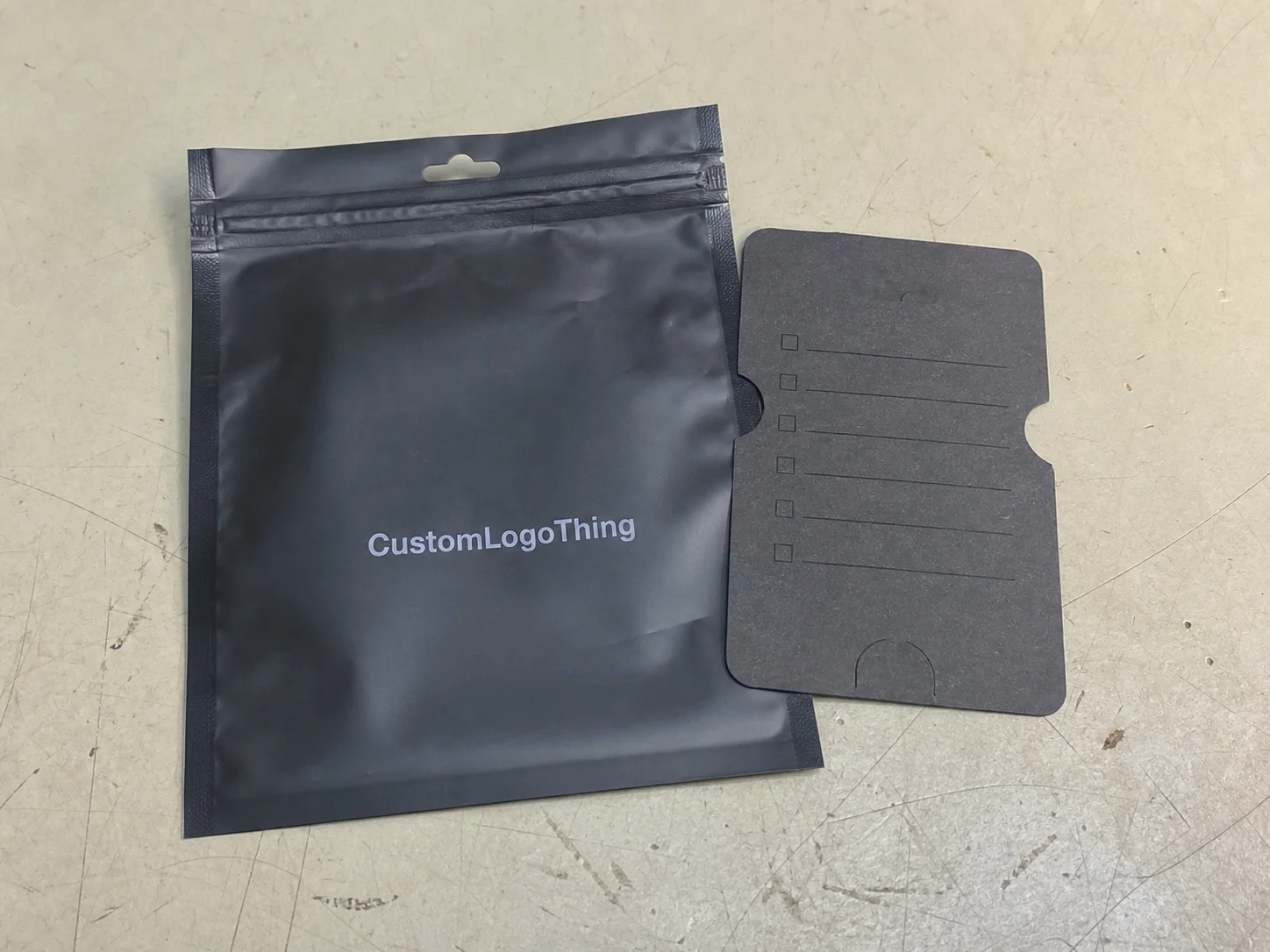
A Printed Slider Lock Clothing Bags quote for boutique packaging usually makes more sense once you compare it against the hidden cost of weak presentation. A low-cost bag that hazes the product, wrinkles around the fold, or tears near the closure can make a $68 blouse feel like a markdown-table item. The packaging should support the retail price, not argue with it.
Boutique retail puts more pressure on small details than mass apparel does. Folded knits, lingerie sets, matching loungewear, resort pieces, children’s apparel, and giftable accessories all benefit from packaging that looks tidy and repeatable. A slider lock closure gives the customer a controlled opening experience, while store teams get a bag they can reseal for returns, stock rotation, or back-room organization. That matters when product moves between display, storage, try-on areas, and fulfillment benches.
Compared with basic open-top sleeves or low-grade poly bags, slider lock bags usually improve three practical areas:
- Perceived value: the closure feels more deliberate than a loose flap or peel strip.
- Protection: garments stay cleaner through handling, transit, and storage.
- Usability: staff and customers can open and reseal the bag without damaging the package.
The simplest buyer test is also the most honest one: does the bag make the garment look more expensive, or does it pull the presentation down? If the second answer is even partly true, the packaging is creating a cost that does not appear on the invoice. It shows up later in returns, markdown pressure, customer hesitation, and extra handling.
"If the packaging looks disposable, the product feels disposable. That is the expensive mistake."
Printed surfaces, closure styles, and branding options that matter
The basic construction is straightforward: clear, frosted, or tinted film; a slider lock closure; and custom printing on one side or both sides. Some boutique programs also need a round hang-hole or euro-slot so the bag can move directly into retail display without repacking. Those small features should be specified early because they affect the proof, the die line, and sometimes the usable print area.
Branding is where buyers can overspend without improving the result. A premium bag does not need artwork on every inch. In apparel packaging, restraint often looks more expensive than full coverage, especially when the garment is the main visual element. The most effective boutique layouts tend to use one of these approaches:
- Minimal logo placement for a clean retail or shipping presentation.
- Size marking and care icons for sorting, fulfillment, and stock control.
- Seasonal artwork for limited drops, capsule collections, or gift packaging.
- Repeat patterns when the brand needs stronger shelf impact or privacy coverage.
Print method changes both the feel and the price. A one-color logo is usually the most efficient choice for smaller boutique runs, and it often gives the cleanest result on clear or frosted film. Multi-color artwork, edge-to-edge coverage, and tight registration details raise setup complexity and can expose small alignment shifts more easily. If the artwork has fine lines, small type, or very light colors on frosted material, it should be reviewed against the actual film finish before approval.
The closure style deserves the same attention as the artwork. A good slider should move without snagging, seal evenly across the track, and still feel reliable after repeated opening. If the track is too loose, the bag feels cheap and may not hold a clean shape. If it is too tight, staff will avoid using it properly. The right balance is a closure that opens with one hand, closes with a clear tactile feel, and keeps the top of the bag from twisting during display or packing.
Material finish changes the visual tone. Clear film gives maximum product visibility and works well for color-sensitive apparel. Frosted film softens the presentation and can hide minor fold marks or tissue placement. Tinted film gives a stronger brand look, though it may reduce product clarity and make color checking harder. If the garment itself is the selling point, clear or lightly frosted material usually gives the buyer more confidence.
| Option | Look | Typical Use | Cost Impact |
|---|---|---|---|
| Clear film, single-color print | Clean and direct | Core boutique basics, folded tees, matching sets | Lowest |
| Frosted film, one-side print | Soft premium feel | Knits, loungewear, giftable pieces | Moderate |
| Clear film, two-side print | More branding presence | Retail display and seasonal drops | Higher |
| Tinted film, full artwork | Bold and structured | Fashion-forward collections or privacy packaging | Highest |
For any printed Slider Lock Clothing Bags quote for boutique collections, ask for a proof that shows print placement, closure position, bag dimensions, and hanging features together. A polished mockup that ignores the zipper track or hang-hole location is not enough for production approval.
Size, thickness, and protection specs that affect fit and feel
The specifications that determine fit are width, height, gusset depth if needed, film thickness, slider quality, and seal strength. If one of those is off, the bag becomes frustrating quickly. A package can look perfect in a flat digital proof and still fail when a folded sweater is placed inside with tissue, tags, or a size insert.
Boutique apparel categories drive sizing more than many buyers expect. A fitted top needs a different footprint than a bulky knit. Lingerie sets often need less depth but better clarity and softer handling. Outerwear needs room for bulk and a closure that can tolerate repeated opening without distorting the film. Accessories can fit smaller bags, though they often need more careful print placement because the product remains highly visible through the package.
Film thickness is not just a number on a spec sheet. Lighter film can lower unit cost, but it may give up structure, scuff resistance, and the premium feel buyers expect from boutique packaging. Thicker film tends to hold its shape better and feels more substantial in hand, though it can add cost and weight. For many apparel uses, practical film ranges often sit around 2.0 mil to 4.0 mil, depending on garment weight, desired stiffness, and shipping conditions. That range is a planning reference, not a universal recommendation.
Before approving a run, buyers should confirm three fit details:
- Folded garment dimensions measured with the garment packed as it will ship or display.
- Headspace for the slider so the closure does not crush the top fold.
- Allowance for tissue, inserts, or tags if the brand uses extra presentation material.
Seal strength and corner behavior matter as well. Bags that are too tight around the garment put stress on the side seals, especially during parcel sorting or store transfers. Bags that are too loose can look sloppy and allow the garment to shift, which creates more creasing. A good size spec gives the garment room to sit naturally without turning the package into empty film.
For reference on shipping durability standards and packaging performance testing, the ISTA test framework is a useful benchmark, particularly when boutique orders move through distribution centers or parcel carriers instead of hand delivery. A retail package does not always need a full transit-test program, but the thinking behind those tests helps buyers ask better questions about handling, compression, drops, and abrasion.
Material claims should be checked with the same discipline. Brands that care about recycled content, sourcing, or environmental language need documentation rather than broad supplier claims. If paper components or secondary packaging are part of the program, the FSC certification system is one recognizable reference. For plastic film, confirm the actual resin, recycled-content claim, and any supporting documentation tied to the specific material being quoted.
Pricing, MOQ, and what changes your unit cost
A printed Slider Lock Clothing bags quote for boutique packaging is shaped mainly by size, film thickness, print colors, print coverage, and order quantity. After that come closure style, finish, hang features, packing method, and shipping terms. The quote is not mysterious. It is a mix of material cost, setup time, machine time, proofing, quality checks, and freight.
Smaller orders usually carry a higher unit cost because setup is spread across fewer pieces. A 1,000-piece run can be noticeably higher per bag than a 5,000-piece run, especially with custom artwork or a non-stock size. That does not mean a small launch run is a poor decision. It only means the buyer should understand what is being paid for: flexibility, lower inventory risk, and a chance to confirm the packaging before replenishment.
Typical pricing bands vary by region, material, artwork, and production queue, but boutique buyers often see these patterns:
- Simple stock-size run: lower unit cost, especially at higher quantities.
- Custom size with one-color print: moderate increase because setup and sizing are more controlled.
- Custom size, two-sided print, or special finish: stronger jump in price due to added proofing and production steps.
- Extra hardware or unusual construction: higher cost and often a longer lead time.
To compare quotes correctly, every supplier should price the same item. That means the same outside dimensions, film thickness, print method, number of colors, closure type, hang feature, packing quantity per carton, and shipping terms. A low quote that leaves out thickness or closure quality is not a better quote. It is an incomplete one.
Common cost traps are easy to avoid once they are visible:
- Overcomplicated artwork that requires extra proof rounds or special print handling.
- Very small quantity spreads that make unit pricing look worse than necessary.
- Rushed production that narrows quality-control and shipping options.
- Spec changes after proof approval that can reset artwork, scheduling, or material planning.
For planning, ask for three quantity tiers at the beginning. A quote at 1,000, 3,000, and 5,000 units will show whether a larger run materially improves the budget. Sometimes the price break is significant because setup cost is being spread more efficiently. Other times the difference is modest because the material, slider, or print coverage carries most of the cost. Either way, tiered pricing gives a clearer decision than a single headline number.
Production steps, proof approval, and turnaround expectations
The production flow should be predictable: spec collection, quote, artwork review, digital proof, sample or pre-production approval when needed, production, packing, and shipping. If a supplier cannot explain that sequence clearly, expect friction later. Apparel packaging is a series of handoffs, and the order stays clean only when each handoff is documented.
Turnaround depends on how complete the order is when it enters production review. Repeat specs usually move faster because dimensions, artwork, and material choices are already established. A new custom size, new print setup, unusual slider color, or added hang feature can extend review time before production starts. That is not automatically a delay. It is the work required to prevent a wrong run.
Most avoidable delays come from the same few issues:
- Missing artwork files or low-resolution logos that cannot print cleanly.
- Unclear dimensions for the folded garment or final packed size.
- Late color changes after the proof has already been issued.
- Quantity confusion between a launch run and a replenishment order.
- Unconfirmed display needs such as hang-holes, euro-slots, or retail labels.
For a straightforward boutique order, a practical planning window is often 12 to 20 business days after proof approval, depending on specification, queue, and shipping method. Complex orders can take longer. If packaging is tied to a launch date, leave room for proof review, sample transit if required, and freight variability. Retail deadlines are strict, and packaging cannot rescue an assortment that arrives too late to pack properly.
Proof review should be handled with care. The proof should show bag dimensions, print placement, closure position, hang features, and any visible orientation details. Check whether the logo lands on the front panel, whether the slider interferes with artwork, and whether the bag opens in the direction your team expects. Small proof errors can become expensive when repeated across thousands of units.
How we keep boutique packaging runs consistent across reorders
Consistency is where many packaging programs either become dependable or start to fray. The first run may look correct, then the reorder arrives with a slightly different film tone, a shifted print location, or a slider that feels different in hand. Boutique buyers notice those changes because the packaging sits directly beside the product and becomes part of the visual system.
The practical way to control repeat orders is direct spec management. Keep the same size file, approved artwork, print panel notes, film callout, closure reference, and carton packing method. That sounds simple because it is simple. The difficulty is that details can drift between quotes, production cycles, and reorder conversations unless they are written down and confirmed.
A stable reorder process should include:
- Saved spec sheet with dimensions, material, closure, and print notes.
- Approved artwork archive so the design is not rebuilt from a low-quality file.
- Quantity history to compare replenishment needs against the original run.
- Color and finish references so the next batch stays close to the approved appearance.
- Change notes for any approved revision to size, print, film, or hardware.
From a boutique buyer’s perspective, this matters because packaging is not a disposable afterthought once customers recognize it. If one run uses a softer frosted film and the next uses a brighter clear film, the shelf story changes. If one bag fits a folded sweater with a small amount of headspace and the next is too tight, the garment presentation changes. Reorders should protect the look the customer already associates with the brand.
Good reorder communication should also be direct about what will hold up in production and what may introduce variation. Some changes are easy, such as adjusting quantity or reusing a proven logo placement. Others can affect cost, lead time, or consistency, especially changes to film finish, print coverage, or closure construction. A packaging program becomes easier to manage when those tradeoffs are discussed before the purchase order is placed.
If you want a supplier who can support both test runs and replenishment, ask how they document reorders, confirm color references, and preserve the original construction. That is the difference between buying a one-off bag and building a packaging program that can repeat cleanly.
What to send for an accurate quote and clean proof
The fastest way to get a useful printed Slider Lock Clothing Bags quote for boutique orders is to send complete production inputs from the start. A mood board can help communicate brand direction, but it cannot replace dimensions, artwork, quantity, film preference, and closure requirements. The more precise the request, the fewer assumptions end up inside the quote.
Send these details up front:
- Garment type and how it will be folded.
- Final packed size or target bag dimensions.
- Material preference such as clear, frosted, or tinted film.
- Film thickness target if you already know the desired feel or durability range.
- Print artwork with logo placement notes and color requirements.
- Quantity tiers if you want pricing at more than one level.
- Target ship date so the production schedule is realistic.
- Finish details such as slider color, hang-hole, euro-slot, or carton packing needs.
If the bag is for retail display, say so. If it is for shipping only, say that too. A display bag may need stronger product clarity, cleaner logo placement, and a hang feature. A shipping-focused bag may prioritize thickness, seal strength, and abrasion resistance. The product family may be the same, but the job is different.
For cost comparisons, ask for a unit-price breakdown by quantity and make sure each quote uses the same specification. That makes it easier to compare a test run against a replenishment order without being misled by a single low number. The right comparison is not just price per bag; it is price per bag for the same material, same closure, same print, and same delivery terms.
If you need a clear starting point, send the dimensions, logo file, quantity range, and deadline through Contact Us. The cleanest printed slider lock clothing bags quote for boutique packaging comes from a complete spec, a realistic timeline, and a proof that shows how the finished bag will actually hold the garment.
How do I request a printed slider lock clothing bags quote for a boutique order?
Send the bag size, garment type, fold style, print artwork, quantity range, and preferred film finish. Include closure color, hang-hole needs, retail-display requirements, and target ship date so the quote reflects the final production spec rather than a rough placeholder.
What affects the unit price on boutique slider lock clothing bags?
The biggest cost drivers are size, film thickness, print coverage, print colors, quantity, closure style, and any display features. Smaller orders usually have a higher unit cost because setup, proofing, and production preparation are spread across fewer bags.
What is the MOQ for printed slider lock clothing bags?
MOQ depends on bag size, print complexity, material choice, and whether the construction uses stock or custom components. If you are testing a new product line, ask for tiered pricing so you can compare a smaller launch quantity with a more efficient replenishment quantity.
How long does production take after artwork approval?
Timing depends on whether the order is a repeat spec, a new custom size, or a new print setup that needs extra review. Straightforward boutique orders often plan around 12 to 20 business days after proof approval, though complex specifications and shipping method can extend that window.
Can I get a sample before I place a full boutique order?
Yes, a sample or pre-production proof is useful when you need to check size, closure feel, print placement, film clarity, or overall presentation before approving a larger run. Samples are especially helpful for premium apparel, gift packaging, and products that rely heavily on folded presentation.


