Buyer Fit Snapshot
| Best fit | Custom Spout Pouches Bulk Order projects where brand print, material claims, artwork control, MOQ, and repeat-order consistency need to be specified before quoting. |
|---|---|
| Quote inputs | Share finished size, material target, print colors, finish, packing count, annual reorder estimate, ship-to region, and any compliance wording. |
| Proofing check | Approve dieline scale, logo placement, barcode or warning zones, color tolerance, closure strength, and carton packing before bulk production. |
| Main risk | Vague material claims, crowded artwork, missing packing details, or unclear freight terms can make a low unit price expensive after revisions. |
Fast answer: Custom Spout Pouches Bulk Order: Pricing & Specs for Brands should be specified like a repeatable production item. The safest quote records material, print method, finish, artwork proof, packing count, and reorder notes in one written spec.
Production checks before approval
Compare the actual filled-product size with the drawing, then confirm tolerance on folds, seals, hang holes, label areas, and retail display edges. Reserve space for logos, QR codes, warning copy, and material claims before decorative graphics fill the panel.
Quote comparison points
Review material grade, print process, finish, sampling route, tooling charges, carton quantity, and freight assumptions side by side. A quote is only useful when the supplier can repeat the same color, closure quality, and packing count on the next order.
A custom spout pouches bulk order makes sense when a product has to pour cleanly, travel without a mess, and hold up across thousands of units. That covers beverage concentrates, fruit purees, sauces, cleaners, refills, and a few other categories that do not forgive sloppy packaging. Bulk buying exposes the real cost drivers fast. Fitment. Seal performance. Filling speed. Shelf-life targets. Artwork usually matters, but it is rarely the first thing that blows up the budget.
From a packaging buyer's point of view, the format earns its place because it can cut freight weight, reduce warehouse cube, and make dispensing easier than rigid bottles or jars. It also fits into broader product packaging and retail packaging plans without looking like a compromise, which is harder than it sounds. Strong package branding still matters. The pouch just has to survive the line, the truck, and the kitchen counter first.
A good bulk spout pouch program answers three questions quickly: will it fill cleanly, will it seal consistently, and will the customer be able to use it without cursing at the package?
That lens matters more as quantities rise. A small change in spout placement, film thickness, or closure style can affect dwell time, headspace, and per-unit cost. Buyers who define fill volume, closure style, and storage conditions early usually get cleaner quotes and fewer surprises. If you are comparing other formats too, such as Custom Packaging Products or broader sourcing options through Wholesale Programs, the spec sheet is the difference between a real quote and a rough guess.
Why a custom spout pouches bulk order makes sense for fast-moving products
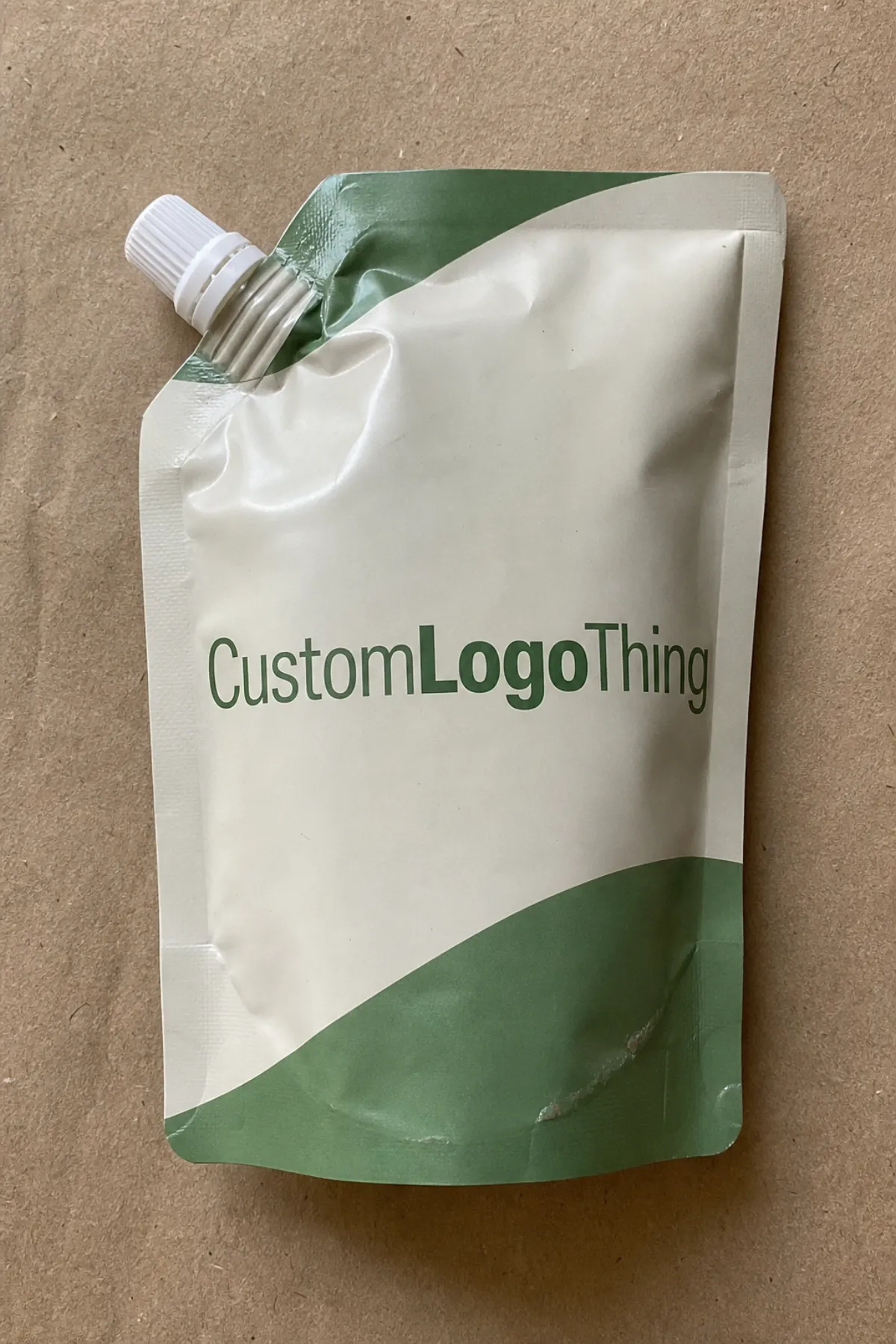
Bulk production rewards packaging that solves handling problems instead of creating new ones. A rigid gallon container may feel safe, but it adds freight weight, takes up more warehouse space, and can be awkward to dispense without drips. A flexible spouted pouch trims shipping weight, stacks flatter before filling, and usually looks cleaner on shelf. For fast-moving products, those details show up in distribution cost, pallet count, and daily usability.
The expensive part is often not the print. Fitment selection, seal width, and filling behavior carry more risk. If the spout sits too close to a seal, if the film is too soft for the product weight, or if the pouch shape does not match the nozzle, the sample can look perfect while the production run falls apart. Treat the project like a packaging system. Not a print job with a cap attached at the end.
Logistics matter too. Flexible packaging ships more efficiently than many rigid formats, and a well-designed pouch can lower delivered cost even when the unit bag price is higher than a basic bottle. Food, beverage, and household cleaning brands use spout pouches for sauces, purees, detergents, and concentrates because they are easier to handle, easier to store, and easier to empty. Consumers notice the last part first. Nobody enjoys losing product because the container fights back.
Bulk purchasing changes the math. A 5,000-piece run can tolerate a wider spec. A 50,000-piece run usually needs tighter control over dimensions, artwork registration, and component consistency. A few millimeters in spout placement can change fill speed. A slight shift in gusset depth can alter case pack efficiency. The cleanest projects start with the intended fill volume, closure style, and storage condition already locked in.
For brands building a larger branding packaging system, spout pouches can sit alongside labels, folding cartons, and Custom Printed Boxes for kits or secondary packaging. That matters when one line includes both retail-facing SKUs and refill packs. The pouch may carry the product experience, but the full packaging system still has to support shipping, display, and replenishment without friction.
Product details: spout styles, structures, and filling use cases
Spout pouches are not interchangeable. A stand-up pouch with a corner spout works well when the goal is a clean pour and a strong shelf profile. A top spout pouch fits products that need a direct fill path or repeat dispensing. A centered spout can be a better fit for refill items or mixed-use liquids. Wider openings come into play with thicker contents that need to be scooped, squeezed, or poured in a controlled way.
Material structure matters just as much as pouch shape. A straightforward PET/PE structure often suits products that do not need high barrier performance. When oxygen, moisture, or aroma protection matters more, PET/AL/PE is often the better call because the aluminum layer raises barrier performance. Matte and gloss laminated films change the visual tone, scuff resistance, and perceived quality. In branded packaging, finish can swing the whole impression. Still, the right finish depends on what lives inside the pouch.
Closures deserve real attention. Cap style, spout diameter, tamper evidence, and child-resistant features all affect the customer experience and shipping reliability. A wide-mouth fitment can help with thick puree or detergent concentrate. A narrower spout gives better control for beverages or sauces. Child-resistant closures add cost and setup complexity, but they may be non-negotiable for household chemicals or regulated products. The right closure matches both viscosity and user behavior. Fancy is not the goal. Functional is.
| Spout style | Best for | Typical advantage | Main tradeoff |
|---|---|---|---|
| Corner spout | Drinks, sauces, refills, consumer convenience products | Clean pour angle and strong shelf appearance | Can be less ideal for very thick fills |
| Top spout | Detergents, concentrates, liquids with repeat dispensing | Simple filling path and practical handling | May take more top-panel space |
| Wide-mouth style | Purees, baby food, thick sauces, viscous blends | Easier dispensing for heavy or chunky product | Requires careful sealing and fitment control |
| Center spout | Refill products, mixed-use household liquids | Balanced look and stable fill behavior | Not always the best visual choice for retail shelves |
Product fit matters just as much as style. Juices, dairy alternatives, sauces, baby food, nutritional blends, cleaning liquids, and refill pouches all behave differently during filling and dispensing. A thin beverage can move through the line quickly. A thick puree may need a larger spout and a stronger seal area. A detergent concentrate may need chemical compatibility testing. An oil-based product may need a barrier structure and sealant layer that resists migration. The wrong pouch structure can create problems long before the consumer sees the package.
Filling line compatibility should be checked early. Nozzle diameter, fill speed, temperature, and sealing process all matter. A buyer may like the design on paper, but if the pouch cannot run at the intended line speed or requires major machine changes, the project cost changes fast. Good packaging design respects the process that fills the package, not just the shelf image. That is the difference between a nice-looking sample and a usable production spec.
Specifications that affect performance, shelf life, and handling
The spec sheet is where a bulk pouch project becomes real. Width, height, gusset depth, fill volume, and spout placement all need to be confirmed before production starts. Headspace matters a lot. The pouch needs room for safe filling and a proper seal. If the product foams, contains particulates, or needs hot-fill or warm-fill processing, usable volume and sealing windows can shift. Samples and line trials are not busywork. They are how you find the problems before they become expensive.
Print and finish choices affect cost and appearance at the same time. Gravure printing often makes sense for larger runs because it handles fine detail and steady color across long production cycles. Flexographic printing can be a practical choice for other artwork sets and quantity levels. Matte finishes give a softer, less reflective look. Gloss finishes push color brighter and more saturated. Clear windows, hang holes, and tear notches add convenience, but each one brings tooling and spec decisions that should be settled before the quote gets locked.
Barrier performance and durability deserve equal attention. A pouch can look strong and still fail under puncture stress, freezer conditions, or temperature swings if the film structure does not match the product. Acidic contents, oily formulas, and highly viscous liquids can all affect seal integrity over time. Ask for burst testing, drop testing, and leak testing, especially when products will ship long distances or sit in storage before retail release. For food and beverage programs, some suppliers reference testing methods aligned with ASTM standards. For shipping performance, look for packaging tests modeled around ISTA protocols.
Compliance details can shape the final structure. Food-contact requirements, child-resistant needs, tamper evidence, and labeling rules may all apply depending on the product category. For some programs, recyclable claims or fiber-based secondary packaging also matter, especially when outer cartons are part of the shipment or display package. In those cases, references from industry packaging resources and FSC can help a buyer think through the broader material system around the pouch and shipper. None of that replaces product-specific testing, though. A paper claim is not a pass.
Ask for quality-control checkpoints before approval. A useful review usually includes the final dieline, artwork proof, sample seal checks, leak testing, and inspection criteria for print registration and pouch dimensions. For products with tight shelf-life targets, the buyer should also ask about migration, compatibility, and storage conditions. A quote is not just a price. It is a promise about what gets built and how consistently it gets built.
- Dimensions: confirm width, height, gusset, and exact spout position.
- Structure: match film layers to barrier, puncture, and seal needs.
- Finish: choose matte, gloss, or specialty effects based on shelf strategy.
- Testing: request leak, burst, and drop data where appropriate.
- Compliance: verify food-contact, tamper evidence, and closure requirements early.
Custom spout pouches bulk order: cost, pricing, and MOQ
Pricing for a custom spout pouches bulk order usually comes down to a short list of variables: pouch size, print colors, film structure, spout style, cap type, order quantity, and whether the job needs special tooling or finish upgrades. A small pouch with a standard fitment is usually cheaper than a large barrier pouch with a custom closure, metallic finish, or heavy ink coverage. The two bags can look close from across a warehouse and still price very differently.
Unit pricing usually drops as quantity rises, but not in a neat straight line. A 5,000-piece run tends to carry higher setup and component costs per pouch. A 25,000-piece run spreads those costs better. For many standard liquid applications, a simple printed pouch may land in a broad range like $0.18-$0.45 per unit at mid-volume quantities, while a more complex barrier structure with premium fitments can climb above that. Special closures, small order sizes, and heavy print coverage can move the number higher. These are working ranges, not promises. Exact specs decide the real number.
| Spec level | Typical use case | Relative price impact | Buyer note |
|---|---|---|---|
| Basic PET/PE pouch with standard spout | Simple liquids, refill items, short shelf-life products | Lower | Good starting point when barrier demand is modest |
| Printed barrier pouch with better closure | Sauces, purees, detergents, flavored beverages | Medium | Balances shelf performance and unit economics |
| Multi-layer barrier pouch with specialty fitment | Oxygen-sensitive or premium retail products | Higher | Needed when shelf life, dispensing control, or appearance is critical |
MOQ causes confusion more often than it should. Minimums vary by print method, pouch dimensions, component sourcing, and whether the supplier is using stocked spouts or building the package from scratch. A lower MOQ sounds nice, but it can come with higher unit cost or fewer material options. A higher MOQ can improve pricing, but it also raises inventory risk if the product line is still shifting. The right MOQ fits the forecast. Not the mood of the moment.
A strong quote request includes the product type, fill volume, pouch dimensions, artwork status, target shelf life, expected monthly demand, shipping destination, and any compliance requirements. If the product is temperature-sensitive or needs a particular closure, say so early. Efficient suppliers will also ask about line speed, filling temperature, and whether the pouch has to run on existing equipment or a new line. Those answers often change the structure more than the artwork ever will.
Fair supplier comparisons start with the same assumptions. Ask for the same specification sheet, the same Incoterms, the same sample standard, and the same testing assumptions. A lower unit price can hide higher freight, weaker material, or a closure that is not truly equivalent. In bulk purchasing, the quote should show the whole package, not just the printed film. If you want a broader sourcing conversation beyond spouted packs, the team can review options through Custom Packaging Products and related FAQ guidance before you commit to the final structure.
Process, timeline, and lead time for bulk production
The production workflow usually follows a clear path: inquiry, spec review, artwork confirmation, sampling or proof approval, scheduling, manufacturing, inspection, packing, and freight booking. When the quote stage is handled well, production becomes predictable. When the spec stays fuzzy, the project can stall at proofing or slide into production with a mismatch between the filling needs and the pouch structure.
Delays show up for the same reasons across categories. Buyers move the spout position after artwork is nearly done. A packaging team changes the fill volume late in the process. Someone wants another round of samples because the seal zone feels too narrow or the closure is not the preferred style. All of that is understandable. It also burns time. Schedules are easier to control when the technical details are locked before print approval.
Timing should be discussed in stages, not vague promises. Sample review may take only a few days once the right structure is selected. Artwork setup and proofing can add more time if the file needs adjustment. Manufacturing and inspection depend on quantity, print complexity, and current factory load. Freight booking adds another layer if the shipment moves by ocean instead of air. Lead time depends as much on packaging complexity and component availability as it does on the calendar.
Bulk orders also feel supply chain timing in a very direct way. If a preferred spout or cap must be sourced separately, the order cannot move faster than the slowest component. If a pouch requires a specialty barrier layer or a custom color match, that can add production steps. If the buyer wants multiple SKUs in the same program, scheduling may need to sequence the different sizes carefully so the line does not need constant changeovers. Experienced packaging buyers ask for a milestone list before approving the run. Smart move. It keeps everyone honest about what actually drives the date.
The practical part is simple: early communication shortens the path. The more clearly the buyer explains the fill line, the product viscosity, and the final artwork layout, the easier it is to avoid rework. A clean spec sheet and quick proof approval usually protect lead time better than any rush request. For repeat programs, the real speed advantage comes from keeping the same structure and updating only the printed panels when needed. That is how a packaging program becomes repeatable instead of fragile.
The fastest projects are rarely the ones with the lowest sticker price. They are the ones where the spec, sample, and filling process line up before production starts.
Why choose us for repeatable bulk supply
Bulk buyers want consistency first. A good supplier should deliver stable material sourcing, clear documentation, and repeatable output across reorders. A packaging program loses value fast when each shipment behaves differently. That applies whether the buyer needs a food pouch, a household refill pack, or a retail-ready product packaging solution that has to land the same way every time.
Responsive quoting matters because purchasing teams often compare several structures at once. A useful supplier will quote the same spec every time, explain the assumptions behind the unit price, and show where the cost comes from. Engineering support matters too, especially when the project needs help with spout placement, seal width, or barrier selection. A buyer should not have to guess whether the pouch will run on the line. That question belongs in the technical review, not in the shipping lane.
Good packaging partners also help prevent common errors. Weak seals, oversized pouch dimensions, mismatched closures, and artwork that does not reproduce cleanly can all create waste. If the supplier checks the tolerance stack early, much of that risk can be reduced before production starts. That kind of support is especially useful for teams buying their first run or moving from rigid packaging into flexible formats. The package may be simpler on shelf, but the setup still needs care.
Repeat buyers benefit from the same discipline. Once a structure works, the goal should be to keep it stable so the next reorder does not require full requalification. That matters for brands that also buy labels, cartons, or custom printed boxes for shipping and display. A consistent pouch program lets the rest of the supply chain settle around it, and finance teams usually appreciate that quiet kind of control as much as marketing does.
Trust also comes from transparency. A supplier should be direct about price assumptions, production constraints, and where custom tooling may be needed. If a closure is limited to certain diameters, say so. If a special finish changes lead time, that should be clear before the order is placed. Buyers usually do not mind paying for the right structure. They mind being surprised after approval. That is the gap between a transactional quote and a sourcing relationship that actually lasts.
For teams who want a broader view of packaging options, the conversation can sit alongside other formats and procurement paths through Wholesale Programs or a wider review of Custom Packaging Products. The point is not to force one format onto every product. The point is to match the package to the product and keep the result consistent enough for the business to scale.
Next steps for a custom spout pouches bulk order
Start with the product, not the artwork. Gather the fill volume, product viscosity, shelf-life target, storage conditions, and desired closure style before asking for pricing. If the pouch will run on existing equipment, include nozzle size, fill temperature, and any machine limits. Those details let the supplier recommend a structure that actually fits production instead of just looking good in a mockup.
Ask for three things together: a sample, a spec sheet, and a production timeline. That combo makes the quote easier to compare because you can inspect the pouch structure, review the technical details, and check whether the lead time fits the launch. If a supplier only sends a number and nothing else, the quote is not complete enough to judge properly.
A simple internal checklist keeps the project moving:
- Confirm product compatibility with the chosen film structure.
- Verify the pouch will run on the intended fill line.
- Check that the closure suits the end user's pour behavior.
- Set the shelf-life target and storage condition early.
- Estimate monthly reorder volume before committing to MOQ.
After the quote arrives, compare more than the price. Review MOQ, testing requirements, closure availability, artwork assumptions, and whether the supplier can support future reorders with the same structure. If one quote looks cheaper but uses a different film or fitment standard, the comparison is not apples-to-apples. Ask every supplier to work from the same assumptions, then choose the best value instead of chasing the lowest number.
If your team is ready to move from research to sourcing, the next step is simple: define the spec, confirm the sample standard, and Request a Quote that reflects the real filling and shipping conditions. A well-planned custom spout pouches bulk order should protect shelf life, support reliable production, and make the product easier for customers to use. That is the kind of packaging decision that keeps paying off long after launch.
What MOQ should I expect for a custom spout pouches bulk order?
MOQ depends on pouch size, print method, film structure, and whether the spout and cap are standard or custom. For a fair quote comparison, ask whether the minimum is based on printed pouches, component sourcing, or finished packed units, because those three numbers can be very different.
Can I request samples before placing a bulk order for spout pouches?
Yes, and buyers should ask for structure samples or printed prototypes before approving production. A useful sample review checks seal strength, pour behavior, closure fit, and how the artwork appears on the final material, not just on a flat proof.
How do I know which spout position is best for my product?
Corner spouts, top spouts, and centered spouts each affect filling, dispensing, and shelf presentation differently. The best choice depends on viscosity, packaging line setup, and how the end user will pour or squeeze the product.
What information do you need to quote custom spout pouches bulk order pricing?
Share product type, fill volume, pouch dimensions, artwork files, desired finish, quantity, and delivery destination. If you have a target shelf life or a special compliance requirement, include that early so the quote reflects the right structure.
How long does production usually take after artwork approval?
Production timing depends on order size, printing complexity, component availability, and the current schedule. A clear spec sheet and fast proof approval usually shorten the lead time more than any other single step.

