Buyer Fit Snapshot
| Best fit | Custom Sticker Labels for Cartons projects where brand print, material claims, artwork control, MOQ, and repeat-order consistency need to be specified before quoting. |
|---|---|
| Quote inputs | Share finished size, material target, print colors, finish, packing count, annual reorder estimate, ship-to region, and any compliance wording. |
| Proofing check | Approve dieline scale, logo placement, barcode or warning zones, color tolerance, closure strength, and carton packing before bulk production. |
| Main risk | Vague material claims, crowded artwork, missing packing details, or unclear freight terms can make a low unit price expensive after revisions. |
Fast answer: Custom Sticker Labels for Cartons: Material, Adhesive, Artwork, and MOQ should be specified like a repeatable production item. The safest quote records material, print method, finish, artwork proof, packing count, and reorder notes in one written spec.
Production checks before approval
Compare the actual filled-product size with the drawing, then confirm tolerance on folds, seals, hang holes, label areas, and retail display edges. Reserve space for logos, QR codes, warning copy, and material claims before decorative graphics fill the panel.
Quote comparison points
Review material grade, print process, finish, sampling route, tooling charges, carton quantity, and freight assumptions side by side. A quote is only useful when the supplier can repeat the same color, closure quality, and packing count on the next order.
Custom Sticker Labels for cartons are often the first thing a customer, picker, or retailer notices when a box leaves the pack line, and that small label can change the whole feel of the shipment. A plain corrugated carton will protect the product just fine, yet the right label turns the same box into branded packaging, adds handling information, and gives the shipment a cleaner, more deliberate look without forcing a full carton redesign. I have seen teams spend weeks debating a new box print program, only to realize a well-built carton label solved 80 percent of the problem for a fraction of the disruption.
That is why Custom Sticker Labels for cartons show up everywhere from retail packaging and subscription boxes to warehouse identification, seasonal promotions, and compliance messaging. For many teams, they are the most practical middle ground between custom printed boxes and completely plain shippers, especially when artwork changes often or product lines move quickly. They are also easier to phase in, which matters more than people admit when a packaging line is already busy and nobody wants a long changeover.
From a packaging buyer's point of view, the smart way to think about custom sticker labels for cartons is as a system, not a sticker. The carton surface, adhesive, print method, label size, and application speed all need to work together, or the label becomes a weak point instead of a useful tool. That is also where Custom Labels & Tags fit naturally into a broader packaging plan. Get one part wrong and the whole setup starts acting tired, kinda like a relay team where one runner is off pace.
Custom Sticker Labels for Cartons: What They Are and Why They Matter
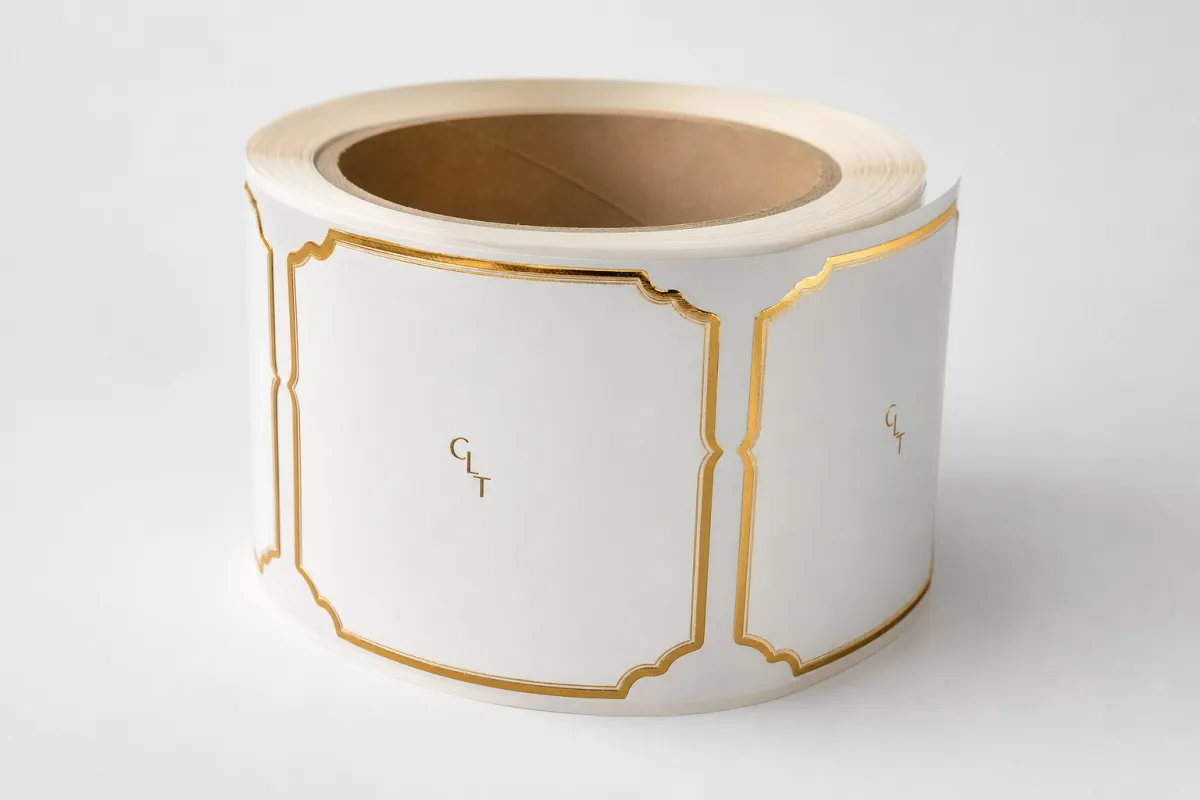
Custom sticker labels for cartons are pressure-sensitive labels designed to be applied directly to shipping cartons, retail cartons, or Corrugated Display Boxes. They usually sit on the top panel, front panel, side panel, or near a seam where staff can see them quickly, scan them easily, or use them to reinforce the brand story. The job may sound simple, yet in practice the label often carries the logo, product code, barcode, handling icon, QR code, or a short promotional message all at once.
Custom sticker labels for cartons also behave differently from direct-printed cartons, outer shippers, and product labels. Direct printing is fixed at the box level, which can be efficient at very high volume, but it does not leave much room for late changes. Carton labels, by contrast, let teams update seasonal artwork, add variable data, or switch between SKUs without scrapping existing carton inventory. That flexibility matters a lot for branded packaging, package branding, and product packaging programs that need to move fast.
Custom sticker labels for cartons are used across a wide range of jobs: retail cartons that need shelf presence, e-commerce shippers that should look polished on arrival, warehouse boxes that need clear identification, and compliance labels that must stay readable through transit. They also help teams bridge the gap between plain corrugated and more finished custom printed boxes, which is useful when the brand wants a strong look but cannot justify a full carton print run yet. If you have ever watched a plain brown box travel from a pallet to a storefront, you already know how much difference a single well-placed label can make.
Good carton labeling should make the line easier to run, not harder. If the label slows packing, confuses the warehouse, or peels off after one rough trip, the spec needs another look.
That is the real value of custom sticker labels for cartons: they balance appearance, speed, flexibility, and cost in a way that few other packaging tools can match. When a buyer is weighing a label program against a carton redesign, the label route often wins because it protects the artwork budget, keeps lead times manageable, and still gives the shipment a more intentional presentation. It also gives operations a chance to keep moving while design and procurement sort out the longer-term packaging picture.
How Custom Sticker Labels for Cartons Move Through the Process
Custom sticker labels for cartons usually start with artwork review, and that first step is more important than many teams expect. A good supplier will check the file resolution, barcode readability, color separations, bleed, and safe zones before anything is printed. If the carton has a textured kraft surface or a recycled corrugated face, the proof conversation should also cover contrast and adhesive choice, because what looks fine on a screen can behave very differently on a rough box. I have seen a clean digital mockup go sideways simply because the real carton had more tooth than anyone expected.
The production flow for custom sticker labels for cartons often follows a familiar path: proofing, plate or digital setup, printing, finishing, die cutting, conversion to rolls or sheets, and then final packing. Digital printing is common for shorter runs, variable data, and fast repeats, while flexographic printing tends to make more sense at higher quantities with stable artwork. If the labels are being dispensed by hand, on a semi-automatic applicator, or by a labeler at the end of the line, that application method should be known before the run starts so the format matches the workflow. Otherwise, the nicest-looking label in the world can end up being a nuisance on the floor.
Custom sticker labels for cartons also live or die by proofing discipline. A printed sample or press proof catches the issues that design software will not show, such as a barcode that is too small for scan distance, a logo that disappears on kraft, or a shape that interferes with a carton seam. For shipping programs, it helps to think like a transit tester; the same mindset behind ISTA testing standards helps teams spot whether a label will survive vibration, compression, drop handling, and long conveyor travel. For paper-based programs, FSC certification can matter when the fiber story is part of the brand promise. Those are not just nice details for a spec sheet; they are the difference between a label that looks ready and a label that actually earns its keep.
Lead time for custom sticker labels for cartons depends on the complexity of the order. Simple repeat work can move quickly once size, substrate, and artwork are approved, while new shapes, white ink, foil, cold-weather construction, or added inspection steps can extend the schedule. In practical terms, many repeat jobs land in the 5-7 business day range after approval, while more specialized work often takes 10-15 business days or more. That range is not a guarantee, but it is a realistic planning window for most packaging teams, and it is a lot safer than assuming every job will somehow get done tomorrow.
Key Factors That Shape Durability, Color, and Fit
Custom sticker labels for cartons perform best when the facestock matches the carton surface. A smooth coated carton can handle a different construction than a dusty recycled corrugated box, and that difference matters. Paper labels work well for dry, low-abrasion cartons and shorter display life, while polypropylene and vinyl handle scuffing, humidity, and longer shipping cycles better. Clear film can be a strong visual choice too, especially when the carton itself is part of the design, but it usually demands stronger contrast planning. If the background is busy, the label has to work harder to stay legible.
Custom sticker labels for cartons also depend heavily on adhesive selection. Permanent acrylic adhesives are common for general carton use, high-tack options are useful on rough or recycled surfaces, removable adhesives fit returnable or short-term cartons, and freezer-safe constructions help when boxes are stored in cold rooms or move through condensation. Choosing the wrong adhesive is one of the fastest ways to create edge lift, corner curl, or barcode failure, especially on textured board with dust or light fiber shedding. A label can be perfectly printed and still fail because the adhesive was picked as an afterthought.
Finishing choices influence both appearance and performance for custom sticker labels for cartons. Matte tends to improve readability and hide light scuffs, gloss gives richer color and a brighter presentation, soft-touch adds a premium feel for retail packaging, and clear finishes can create a cleaner, more minimal look. Artwork also needs real-world limits: keep small text readable at 6 pt or larger when possible, maintain strong barcode contrast, and avoid relying on metallic inks or low-contrast gray-on-brown combinations unless the carton surface has been tested first. That sort of treatment may look elegant in a proof, but the shipping dock can be a very blunt judge.
There is also a warehouse reality that design mockups do not always show. Custom sticker labels for cartons may sit under stacking pressure, rub against stretch wrap, or face temperature swings between storage and transit. Moisture, dust, conveyor abrasion, and compression all chip away at performance. A label that looks beautiful on the art board but blurs under warehouse lighting or scuffs at the corners is not really finished; it is only approved on paper. The floor tends to reveal the truth in a hurry.
Cost and Pricing for Custom Sticker Labels for Cartons
Custom sticker labels for cartons are priced by a handful of core variables: label size, substrate, adhesive, print coverage, color count, special finishes, and total quantity. Shape matters too, because a simple rectangle is usually cheaper to die cut than a custom contour with sharp corners, cutouts, or multiple sizes in one run. If the design uses white ink, foil, or specialty film, the price climbs, but the added durability or premium appearance can be worth it for the right carton program. The cost conversation gets a lot clearer once the team stops treating every label like a commodity and starts treating it like part of the carton system.
At typical packaging quantities, custom sticker labels for cartons can vary quite a bit. A simple paper label at 5,000 pieces might land around $0.03-$0.08 per unit, while a polypropylene label could sit closer to $0.05-$0.12, and a premium vinyl or specialty construction may move into the $0.08-$0.18 range or higher depending on coverage and finishing. Setup, proofing, die creation, and freight can also affect the total quote, so the cheapest-looking design is not always the cheapest order. Sometimes a slightly pricier label saves money because it reduces reprints, line downtime, or damaged cartons that would otherwise have to be fixed later.
| Label Type | Best For | Typical Unit Price at 5,000 | Strengths | Trade-Offs |
|---|---|---|---|---|
| Paper | Dry cartons, short runs, simple branding | $0.03-$0.08 | Low cost, good print clarity, easy to spec | Less resistant to scuffing and moisture |
| Polypropylene | Shipping cartons, repeat handling, moderate moisture | $0.05-$0.12 | Better durability, cleaner color, stronger face stock | Usually costs more than paper |
| Vinyl | Harsh handling, long transit, demanding environments | $0.08-$0.18 | Excellent flexibility and toughness | Can be overkill for dry warehouse cartons |
| Clear film | Premium retail packaging, carton-as-design programs | $0.06-$0.13 | Clean no-label look, strong shelf appeal | Needs careful contrast and background planning |
| Specialty foil | Seasonal promotions, premium cartons, gift packaging | $0.12-$0.25 | High visual impact, standout branding | More expensive and less forgiving in rough transit |
There is a point where custom sticker labels for cartons become more economical than direct printing on the carton. If the artwork changes often, if there are multiple SKUs, or if the brand only needs decorated outer shippers for certain programs, labels usually win. Direct print can make sense at very high volumes and steady artwork, but labels keep inventory flexible and reduce the risk of obsolete cartons. For a broader packaging rollout, teams often compare label spend against Custom Packaging Products so they can see the full cost of the carton system, not just one line item.
There are also smart places to save without hurting performance. Standardizing label sizes across carton families, reducing ink coverage, simplifying the contour, and keeping the same adhesive across several SKUs can all lower unit cost. On the other hand, it is worth spending more on custom sticker labels for cartons if the boxes face cold storage, rough parcel handling, premium retail display, or barcode-critical distribution. A few extra cents can prevent a much bigger problem later. That is not a sales pitch; it is just the way packaging math usually works.
Step-by-Step Guide to Ordering the Right Labels
Custom sticker labels for cartons work best when the ordering process starts with the carton itself. Before anyone picks a material, define the job the label needs to do: brand the shipper, identify the product, handle compliance, support picking and receiving, or combine several of those functions. A label that is trying to do everything usually needs a stronger hierarchy, more careful artwork, and a clearer placement plan than a label that only carries a logo. The more honest the brief is up front, the fewer headaches show up later.
The next step for custom sticker labels for cartons is measurement and placement. Measure the usable label area on the carton panel, then check for seams, folds, tape paths, handles, and corners that could interfere with adhesion. If the label will be applied by hand, a semi-automatic applicator, or a dispenser on the packing line, the size and roll direction matter. This is also the time to decide whether you need sheets for manual application or rolls for faster throughput. If the label is even a little too large for the panel, it will tell on itself the first time a carton gets folded or squeezed.
- Define the carton job. Branding, identification, shipping, compliance, or a combination.
- Measure the application zone. Leave room for folds, seams, and handling marks.
- Choose substrate and adhesive. Match the carton surface, storage conditions, and dwell time.
- Prepare production-ready artwork. Use bleed, safe zones, and barcode sizing that survive print.
- Request a proof or sample. Test the label on a real carton before full approval.
- Save the spec sheet. Record size, placement, material, adhesive, and reorder quantity.
Custom sticker labels for cartons should be designed with practical artwork rules in mind. A bleed of around 0.125 inch is common, and a safe zone of 0.125 inch or more keeps text away from trim. Barcodes need clear contrast, a quiet zone around the code, and enough size to scan from the expected distance. If the carton surface is kraft brown or recycled gray, white ink may be necessary for the logo or barcode to hold up visually. That is why proofing on the actual carton matters more than a flat screen mockup. A file can pass every digital check and still miss the mark once it hits rough board or poor lighting.
Once the label is approved, the reorder system should be simple. Custom sticker labels for cartons tend to work best when teams keep a small spec sheet with carton type, label size, substrate, adhesive, placement, and quantity history. That record makes repeat ordering faster, reduces the chance of version drift, and gives operations a clean reference when the same carton family comes back next quarter or next season. A small amount of admin here saves a surprising amount of rework later, and nobody complains about that once the peak season pressure starts.
Common Mistakes That Cause Carton Label Failures
Custom sticker labels for cartons fail most often for reasons that are easy to predict once you have seen a few packaging runs. The biggest one is adhesive mismatch. A label can look perfect on paper, then lift on dusty recycled board, curl on a cold carton, or slide on a coated surface with too little surface energy. If the adhesive was chosen only by price, the packaging team usually pays for that decision in returns, rework, or an ugly warehouse look. I have watched good artwork get blamed for a problem that was really a surface-energy issue all along.
The second common issue with custom sticker labels for cartons is choosing a finish that looks attractive but does not hold up under real warehouse lighting and transit abrasion. A glossy label may catch the eye, yet scratches can show quickly. A delicate clear label may look elegant on the art proof, then disappear against a busy background. If the label needs to be read by pickers, carriers, or retail staff, readability should outrank decorative effect every time. Fancy is fine, but only if it still reads cleanly from a few feet away.
Custom sticker labels for cartons also fail when they are sized for the artwork instead of the carton. Too little margin leaves no breathing room around the edges, and a design that wraps too close to a seam can peel early or distort a barcode. Temperature swings, condensation, stacking pressure, and long dwell times are another hidden problem. Even excellent adhesive can struggle if the carton is loaded wet, stored in a cold room, and then moved into a warm dock without time to equilibrate. That kind of environment can be rough, and it is usually where weak specs show their cracks.
A carton label does not get judged in a perfect showroom. It gets judged on a pallet, in a truck, under fluorescent lights, and by somebody trying to move fast.
Skipping a carton test is the most expensive mistake of all for custom sticker labels for cartons. A few sample boxes handled the same way the full shipment will be handled can expose edge lift, barcode scan issues, and scuffing before the order is committed. If the carton test passes on the actual board, in the actual environment, with the actual application method, the project is on much firmer ground than any proof alone can provide. That final check sounds small, but it has saved more rework than any glossy mockup ever did.
Expert Tips and Next Steps for Better Carton Branding
Custom sticker labels for cartons get easier to manage when the brand builds a small label spec sheet and sticks to it. Record the carton style, surface finish, label dimensions, adhesive type, placement notes, and reorder quantity so the next run does not start from scratch. That one document can keep procurement, design, and operations aligned, especially if multiple people touch the order over time. It is a simple habit, but it prevents a surprising amount of chaos.
A smart packaging team also designs custom sticker labels for cartons as a flexible system rather than one-off artwork for every carton size. One label family can often cover several box formats if the brand hierarchy is planned correctly. The logo stays in a consistent position, the product ID remains readable, and the handling copy can shift only where it needs to. That approach supports stronger package branding while reducing artwork sprawl, which matters when inventory, campaigns, and product lines change often. It also keeps the visual language steady, which makes the program feel more polished without needing a new concept every time.
Before scaling up custom sticker labels for cartons, it helps to test them under real warehouse conditions: abrasion, stacking, temperature swing, and repeated handling. Use the same carton stock, the same application method, and the same storage conditions that the full order will face. If the label still looks clean after that kind of testing, it is much more likely to perform the same way in production. For teams building out a larger packaging program, it is often worth reviewing the label spec alongside other Custom Packaging Products so the whole carton presentation stays consistent.
Here is the practical design rule I come back to most often: keep the visual hierarchy simple. Brand mark first, product ID second, handling or compliance information third. That structure makes custom sticker labels for cartons easier to read at a glance, which is exactly what a busy packing floor or receiving dock needs. If the label can be understood in two seconds from arm's length, the design is probably working. If it takes a second look, somebody in operations is gonna slow down sooner or later.
Custom sticker labels for cartons are worth a close look whenever plain cartons are doing too much heavy lifting on their own. Audit the current box surface, request material samples, compare paper and film options, and test a few proofs before the next order goes live. The best results usually come from a little structure up front: define the carton job, match the adhesive to the board, test the label on the real box, and lock the spec before reorder season starts. That is how custom sticker labels for cartons turn from a quick fix into a reliable part of the packaging program.
What materials are best for custom sticker labels for cartons?
Paper labels work well for dry cartons, short display life, and simple branding, especially when cost is the main concern. Polypropylene or vinyl is usually better for cartons that face moisture, scuffing, or longer shipping cycles. The best choice for custom sticker labels for cartons depends on the carton surface, storage conditions, and how much abuse the box will take in transit.
Can custom sticker labels for cartons stick to recycled corrugated boxes?
Yes, but recycled corrugated stock often has more texture and dust, so adhesive selection matters more than it does on coated board. A high-tack or carefully chosen permanent adhesive usually performs better than a general-purpose option. Testing custom sticker labels for cartons on the actual carton is the safest way to confirm edge lift, adhesion, and scuff resistance before a full order.
How long do custom sticker labels for cartons usually take to produce?
Simple repeat orders can move quickly once the artwork, size, and material are already approved. New materials, specialty finishes, custom shapes, or white ink may add time for proofing and setup. Lead time for custom sticker labels for cartons is usually shortest when the carton spec already exists and the application method is known.
What affects the price of custom sticker labels for cartons the most?
Quantity is one of the biggest factors because larger runs spread setup costs across more labels and lower the unit price. Material choice, adhesive type, color count, and finishing all move pricing up or down as well. Complex shapes, small minimum order quantities, and rush production usually increase the quote for custom sticker labels for cartons.
Should carton labels be matte, gloss, or clear?
Matte is often the easiest to read and can hide light scuffs better on warehouse cartons. Gloss can create a brighter, more polished look, but it may show scratches more easily under handling. Clear labels work well when the carton itself is part of the design, although custom sticker labels for cartons using clear film usually need stronger contrast planning.

