Custom Stickers CVS: Best Places to Buy After Testing
Custom stickers CVS review comparing print quality, pricing, turnaround, materials, and better alternatives for buyers who need reliable branded stickers.
Quick Answer: Are Custom Stickers CVS Worth Buying?
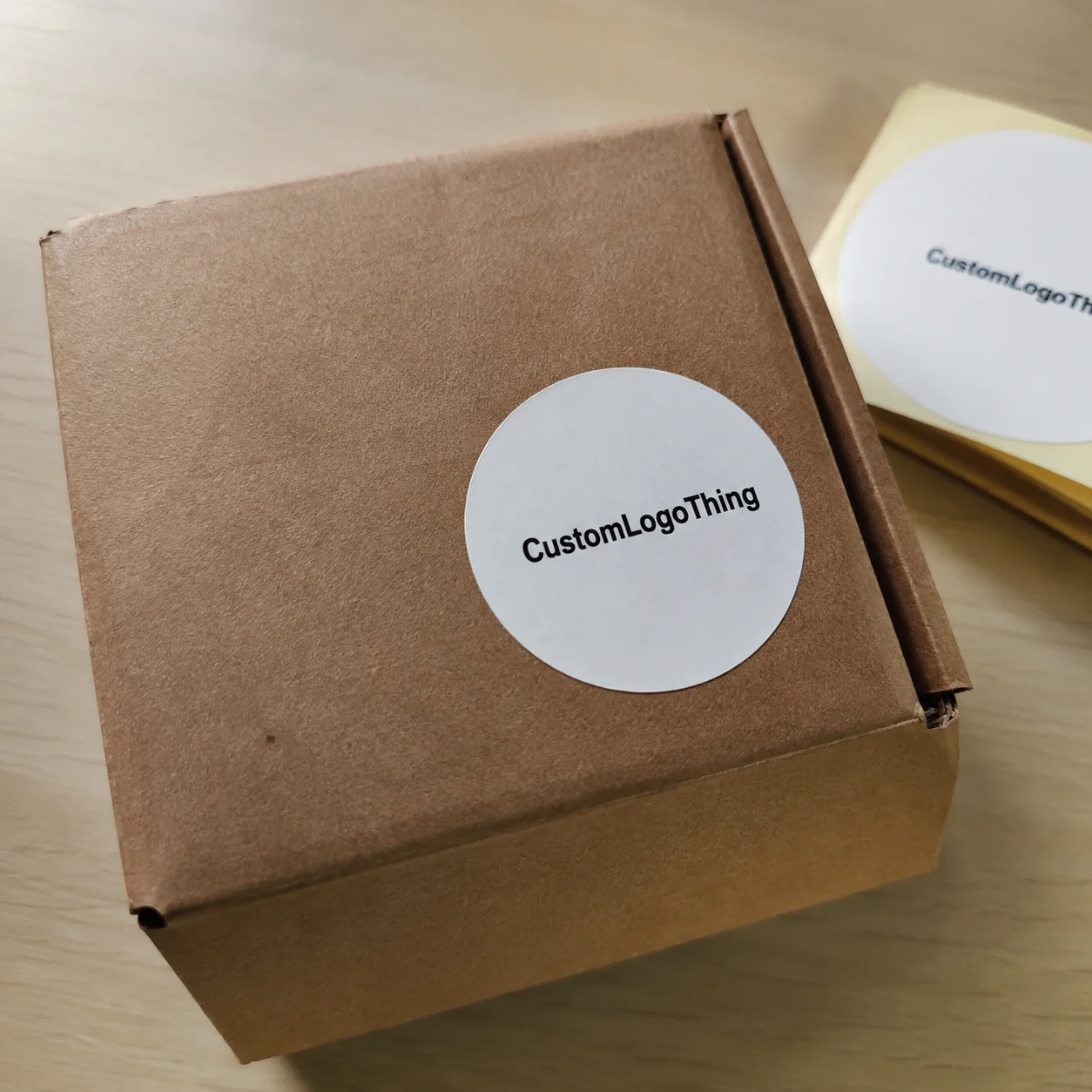
CVS can print photos quickly. The harder question behind most custom stickers CVS searches is whether a fast local print option can deliver the adhesive, cut accuracy, coating, color consistency, and reorder control needed for real packaging use.
The answer is conditional. CVS-style photo centers are useful for convenience, simple printed items, and quick personal projects. They are not usually the strongest choice for waterproof vinyl stickers, roll labels, tight die-cut logo decals, or repeat runs that must match last month’s product packaging.
A sticker for a birthday favor has a forgiving job. A sticker sealing tissue paper inside 2,000 subscription boxes does not. One is decoration; the other touches brand perception, fulfillment speed, and customer trust.
Buyers searching for custom stickers cvs often want three things: local pickup, a familiar checkout, and a simple upload process. Fair. Speed has value. Still, sticker performance is a material problem before it is a convenience problem. Paper, vinyl, clear film, adhesive grade, coating, liner format, and cut tolerance decide whether the finished sticker feels intentional or improvised.
Reviewer verdict: CVS-style convenience works for personal, experimental, or emergency short-run needs. For business-facing branded packaging, compare it against suppliers built for durable, repeatable sticker production.
If the sticker must survive shipping, retail handling, refrigeration, moisture, sunlight, or repeated customer contact, convenience should not outrank specification control. A sticker that fails after 48 hours is not fast. It is a reprint waiting to happen.
Top Sticker Buying Options Compared for Business Buyers
Business buyers usually have four realistic routes: a CVS-style photo center, an online sticker company, a local print shop, or a custom packaging manufacturer. The best option depends less on the advertised price and more on what the sticker must do after it leaves the printer.
Here is the practical comparison I would use before placing an order.
| Buying Option | Best For | Typical Strengths | Common Limits | Business Fit |
|---|---|---|---|---|
| CVS-style photo center | Fast personal or emergency projects | Local access, familiar ordering, possible same-day pickup for simple printed items | Limited commercial sticker specs, fewer material choices, less repeat-production control | Low to moderate |
| Online sticker company | Startups, creators, events, promotional stickers | Templates, low minimums, die-cut shapes, digital proofs, frequent discounts | Quality varies by substrate, proofing depth, adhesive, and support team expertise | Moderate to high |
| Local print shop | Buyers needing guidance or fast revisions | Human support, physical samples, local accountability, flexible help | Equipment, finishing options, and pricing vary widely by shop | Moderate to high |
| Custom packaging manufacturer | Brands coordinating stickers with boxes, mailers, inserts, and labels | System-wide packaging design, repeat specs, bundled purchasing, stronger brand consistency | Longer planning, possible minimum order quantities, more upfront decisions | High |
CVS-style convenience competes well on accessibility. If a manager needs 20 basic labels for a pop-up table tomorrow morning, that local option can solve a real problem. It loses ground when buyers need kiss-cut sheets, individually cut logo decals, waterproof vinyl, matte lamination, roll labels, or controlled color matching against Custom Printed Boxes.
Online sticker companies occupy the middle. Many offer simple file upload, instant quoting, 2-inch to 4-inch sticker sizes, shape templates, and minimums as low as 10 to 50 pieces. That is useful for startups testing a new packaging design before committing to 5,000 units.
Packaging manufacturers make sense when the sticker is not an isolated item. If the same logo appears on a mailer, jar label, tissue seal, thank-you card, and retail display, the sticker should not look like it came from a separate universe. Custom Logo Things, for example, can align sticker decisions with Custom Labels & Tags and broader Custom Packaging Products so the full packaging system feels deliberate.
Detailed Reviews: CVS, Online Sticker Sites, Local Printers, and Packaging Suppliers
Sticker buying looks simple until the second reorder, the first moisture complaint, or the day a navy logo prints slightly purple. Then the supplier choice becomes visible.
CVS-Style Photo Centers
The appeal is obvious. CVS has store access, a recognizable checkout process, and photo services many shoppers already understand. For personal stickers, party labels, small gift projects, or temporary event uses, a custom stickers CVS result may be fast enough and simple enough.
The weakness is commercial control. Business stickers often need precise specs: 3 mil to 4 mil vinyl, permanent or removable adhesive, kiss-cut or die-cut finishing, roll orientation, matte or gloss lamination, and consistent reorder files. CVS-style services are not usually built around those packaging variables.
That does not make them useless. It makes them narrow. A quick table sign, a temporary closure label, or a prototype sticker can be worth buying locally if the application is low-risk. The danger starts when a buyer treats a convenient photo product as if it were a production label.
Online Sticker Platforms
Online sticker platforms are strong on quoting speed and creative formats. Many support circles, rectangles, ovals, rounded corners, die-cut logos, clear stickers, holographic films, and waterproof vinyl. A common production timeline runs 4 to 8 business days after proof approval, plus shipping.
The risk is hidden in the low-price end of the market. A discount code can obscure differences in adhesive quality, liner weight, print resolution, coating, and replacement policies. Some support teams understand sticker art well but know less about packaging applications such as sealing recycled kraft mailers or labeling chilled glass jars.
Read the material notes. “Weather-resistant” is not always the same as outdoor-rated. “Gloss” may mean a surface finish, a coating, or a laminated film, depending on the vendor. If the sticker carries a QR code, barcode, ingredient line, warning label, or batch detail, ask how small text holds on the chosen stock.
Local Print Shops
Local printers are underrated for buyers who need conversation. A good shop can look at a file, flag low-resolution artwork, recommend a stock, and produce a physical sample. That matters if the sticker has tiny text, a QR code, or a color that must sit beside existing retail packaging.
Pricing varies sharply. One shop may run stickers on a digital label press with roll finishing. Another may print sheets and outsource specialty cuts. Setup fees of $25 to $100 are not unusual, and design help may be billed at $50 to $125 per hour.
The best local shops are precise about constraints. They will tell you if a border is too thin, if a die-cut shape needs more radius, or if a textured stock will soften fine type. That kind of warning can save a brand from a visually expensive mistake.
Custom Packaging Suppliers
A packaging supplier makes the most sense when the sticker is part of a larger branded packaging system: tissue seals, jar labels, QR code stickers, box closure labels, cannabis packaging, bakery seals, candle warning labels, or promotional inserts inside subscription boxes.
The value is coordination. A supplier managing stickers alongside custom printed boxes, mailers, paper bags, cards, and labels can reduce the mismatched-whites problem that makes packaging look assembled from leftovers. That does not mean every order needs a full packaging program. For product launches and retail rollouts, it often prevents rework.
Packaging suppliers may also think about application speed. A fulfillment team applying 3,000 seals by hand will care about liner release, roll direction, label spacing, and whether the sticker curls after peeling. Those details rarely show up in a product thumbnail. They show up in labor cost.
| Option | Quality Control | Customization Depth | Business Scalability | Emergency Convenience | Total Value |
|---|---|---|---|---|---|
| CVS-style service | 2.5/5 | 2/5 | 2/5 | 4.5/5 | 3/5 |
| Online sticker site | 3.5/5 | 4/5 | 3.5/5 | 3/5 | 4/5 |
| Local print shop | 3.5/5 | 3.5/5 | 3/5 | 4/5 | 3.5/5 |
| Packaging supplier | 4.5/5 | 4.5/5 | 4.5/5 | 2.5/5 | 4.5/5 |
Cost and Pricing: What Buyers Actually Pay Per Sticker
Sticker pricing is rarely just sticker pricing. The real cost includes material, size, shape, coating, order quantity, proofing, shipping, rush fees, design help, and format. A 2-inch paper circle on sheets is a different product from a 3-inch waterproof die-cut vinyl sticker with matte lamination and individual cutting.
For small online orders, buyers commonly see rough unit pricing in these bands: $0.45 to $1.50 each for 50 to 100 custom stickers, $0.18 to $0.45 each around 500 pieces, and $0.06 to $0.20 each at several thousand pieces, depending on size and finish. Roll labels for packaging may price lower at volume, especially when artwork is simple and the label shape is standard.
CVS-style purchases often skew toward convenience pricing. That can be acceptable for 10 to 30 stickers needed quickly. It becomes less attractive if the finish is wrong, the adhesive lifts, or the color does not match existing branded packaging.
Local print shops may quote setup, cutting, or design separately. Online sticker sellers often bundle proofing into the order and then charge shipping. Packaging suppliers may price better when stickers are ordered with boxes, inserts, tissue, or bags because procurement, artwork management, and freight can be combined.
Minimum order quantities deserve attention. A small brand should test modestly first: 50 to 250 pieces is usually enough to check size, color, application speed, and customer reaction. Once the design is proven, larger runs can reduce unit cost. For repeat product packaging, 1,000 to 5,000 stickers is often where pricing begins to feel meaningfully more efficient.
Quote comparisons must use identical specs. Ask every vendor for the same size, material, finish, cut type, format, quantity, proofing process, and delivery deadline. Otherwise, the cheaper quote may simply be thinner vinyl, no lamination, sheet format instead of rolls, or a weaker adhesive.
Process and Timeline: From Artwork Upload to Stickers in Hand
A reliable sticker order starts before the upload button. Define the use first. Will the sticker seal a box, label a jar, decorate a laptop, identify a batch, carry a QR code, or promote a brand at an event? That answer controls material, size, adhesive, and format.
- Define the application: surface, handling, temperature, moisture, and expected life span.
- Choose size and material: paper for indoor economy, vinyl or film for durability, kraft for handmade positioning.
- Prepare artwork: vector files such as AI, EPS, or PDF are preferred for logos.
- Add bleed and safe zones: 0.0625 to 0.125 inches of bleed helps prevent white edges; small text should stay away from cut lines.
- Review the proof: check spelling, margins, cut line, barcode or QR scannability, color expectations, and quantity.
- Inspect the first batch: compare against the approved proof and test application before using the full order.
Same-day or next-day options may work for simple needs. More complex sticker orders need longer planning. Custom die-cuts, specialty films, roll labels, color-sensitive artwork, and coordinated packaging projects commonly require 7 to 15 business days after proof approval. Larger or imported packaging programs can run longer, especially if stickers are being matched to boxes or retail displays.
Proofing is the line between hobby stickers and business-ready stickers. It is not administrative decoration. A proof catches misaligned borders, poor contrast, tiny legal copy, wrong roll direction, and QR codes that fail after being reduced. For shipping or retail programs, losing one day in proof review is better than losing 1,000 stickers to a preventable error.
Rush orders compress judgment. If a product launch, trade show, influencer kit, or retailer shipment depends on the stickers, avoid testing a new vendor for the first time unless there is a backup plan.
How to Choose Sticker Materials, Finish, and Format
Material choice should follow the environment. Paper stickers are low-cost and useful for indoor boxes, bakery packaging, thank-you seals, and short-life promotional labels. Vinyl is better for durability, curved surfaces, moisture exposure, and products that get handled repeatedly. Clear film creates a minimalist “printed-on” look, although it needs careful color planning because white ink may be required behind light artwork.
Kraft paper works for handmade, organic, and rustic positioning. It pairs naturally with recycled mailers and uncoated paperboard, though it is not the right material for wet bathrooms or refrigerated jars. Specialty stocks such as metallic film, holographic film, textured paper, and soft-touch laminates can support premium product lines, but they should be sampled first because effects vary under retail lighting.
Finish changes perception. Gloss makes colors pop and can suit energetic food, beverage, and promotional designs. Matte looks quieter and more editorial. Soft-touch feels premium, especially on cosmetics and candles. UV coating adds handling and light resistance, although outdoor exposure still requires the right film and ink system.
Format affects labor. Sheets are convenient for hand application in small batches. Rolls suit fulfillment teams, label dispensers, and production lines; roll direction matters if labels feed through equipment. Individually cut stickers work well as giveaways, inserts, or merch because the customer receives a finished piece rather than a sheet.
Testing should be blunt and practical. Apply samples to the actual surface. Wait 24 hours. Rub the print with a dry cloth and then a slightly damp cloth. Put refrigerated-product labels in the refrigerator. Flex stickers on curved tubes. Check edge lift on recycled mailers. If the sticker has a QR code, scan it from multiple phones at the final printed size.
For sustainability claims, keep documentation tight. If paper stocks or packaging materials are promoted as responsibly sourced, buyers should understand chain-of-custody language from organizations such as the Forest Stewardship Council. For distribution testing and transit risk, standards and protocols from ISTA are useful reference points, especially when stickers are part of a broader shipping presentation.
Common Buying Mistakes That Make Cheap Stickers Expensive
The biggest mistake is choosing the fastest or cheapest option before defining the sticker’s job. A sticker on a notebook has an easy life. A sticker on a cold glass jar, textured corrugated box, oily plastic tube, or recycled kraft mailer has to work harder.
Low-resolution artwork is the next common failure. Logos pulled from websites are often 72 or 96 dpi and too small for crisp print. For raster artwork, 300 dpi at final size is a safer baseline. For logos and type, vector files are cleaner because they scale without soft edges.
Bleed gets ignored. Then white slivers appear along the edge after cutting. Tiny text also causes trouble, especially on matte or textured stocks. A 5-point ingredient note may look acceptable on screen and become nearly unreadable on a 1.5-inch label.
Color expectations deserve realism. Screens use RGB light. Most sticker printing uses CMYK inks or digital toner systems. A neon green, deep navy, or warm beige can shift. If color is brand-critical, Request a Printed sample or ask about Pantone matching. Not every supplier can hold tight tolerances on short digital runs.
Adhesive mismatch is expensive because it often appears after the order is “done.” Permanent adhesive may still fail on dusty cardboard. Removable adhesive may peel too easily on curved plastic. Cold-temperature adhesive may be needed for refrigerated products. Recycled mailers can have uneven fibers that reduce bond strength.
Brand inconsistency is quieter but still damaging. Buying stickers separately from boxes, bags, labels, and inserts can create clashing whites, mismatched finishes, and a fragmented unboxing experience. A glossy sticker on a soft-touch box may be intentional. It may also look accidental. The difference is planning.
Maintain a sticker spec sheet. Include size, material, finish, adhesive, cut type, format, vendor, reorder quantity, approved artwork file, proof date, and application notes. It sounds boring. It prevents chaos.
Recommendation Before You Order
Use CVS-style convenience for personal, experimental, or emergency short-run needs. Use a dedicated sticker supplier or packaging partner for business-facing stickers that represent a product, seal a package, carry a barcode, or need to match the rest of your retail packaging.
If you are comparing custom stickers CVS results against other suppliers, shortlist two or three vendors and request quotes using the same specifications. Do not compare a paper sheet sticker from one vendor against a laminated vinyl die-cut from another and call the cheaper one better. That is not a comparison. It is a category error.
- Finalize artwork: use vector logo files where possible and confirm final size before quoting.
- Define the surface: glass, plastic, corrugated, coated box board, kraft paper, metal, or flexible pouch.
- Choose the format: sheets for hand application, rolls for fulfillment, individual cuts for giveaways.
- Confirm proofing rules: check cut lines, margins, spelling, QR codes, color notes, and roll direction.
- Compare landed cost: include shipping, rush fees, design time, reprint risk, and storage.
- Document the winner: save the exact material, adhesive, finish, quantity, vendor, and approved file.
Order samples before a major run, especially for bath products, refrigerated foods, candles, cosmetics, jars, cannabis packaging, and shipping seals. A $20 to $75 sample step can prevent a much larger mistake.
For brands building a fuller packaging system, pair sticker decisions with boxes, inserts, labels, and mailers early. Custom Logo Things can help buyers evaluate stickers as one piece of branded packaging rather than a last-minute decoration. Better package branding usually starts there: not with more ornament, but with fewer mismatched decisions.
Buyers searching for custom stickers cvs should treat CVS as one benchmark for convenience, then compare it against suppliers built for durable, repeatable, brand-ready sticker production.
FAQ
Can I order custom stickers at CVS for business packaging?
CVS may be useful for simple personal or short-run printed items, but buyers should verify whether the exact store or online service supports the sticker size, material, shape, and adhesive needed for business packaging. For branded product packaging, compare CVS-style convenience against dedicated sticker suppliers that offer proofs, vinyl options, roll labels, die-cut shapes, and repeatable specifications.
Are custom stickers from CVS waterproof?
Do not assume waterproof performance unless the product listing clearly states that the material, coating, and adhesive are water-resistant or waterproof. If stickers will go on bottles, jars, bath products, refrigerated items, or outdoor packaging, request vinyl or film-based samples and test them with moisture before ordering.
What is the cheapest alternative to custom stickers CVS searches usually find?
Online sticker companies are often cheaper per unit for larger quantities because pricing improves as order volume rises. The cheapest true option depends on size, finish, shape, shipping, rush fees, and whether failed stickers would force a reprint.
How long does it take to get custom stickers compared with CVS pickup?
CVS-style services may be faster for basic local pickup, but custom sticker specialists usually need time for proofing, production, and shipping. Plan extra lead time for die-cut shapes, roll labels, specialty materials, color-sensitive artwork, or stickers coordinated with boxes and other packaging.
What specs should I compare before choosing a custom sticker supplier?
Compare size, material, adhesive, finish, cut type, format, order quantity, proofing process, turnaround, shipping cost, and reorder consistency. Ask for samples on the same surface your customers will see, because adhesion and finish can look very different on glass, plastic, kraft paper, mailers, or coated boxes.