A Denver coffee roaster orders beautiful labels, applies them to kraft bags, stacks them near the espresso bar, and watches the corners curl by lunch. Nice artwork. Wrong sticker. Classic expensive little mistake.
Custom stickers Denver buyers order should be judged by more than the file on screen. Adhesive, material, finish, quantity, proofing, and timing decide whether the finished piece behaves like packaging or a temporary decoration. The design matters, obviously. A sharp logo on the wrong stock is still the wrong order.
Custom Stickers Denver Buyers Need More Than a Pretty File
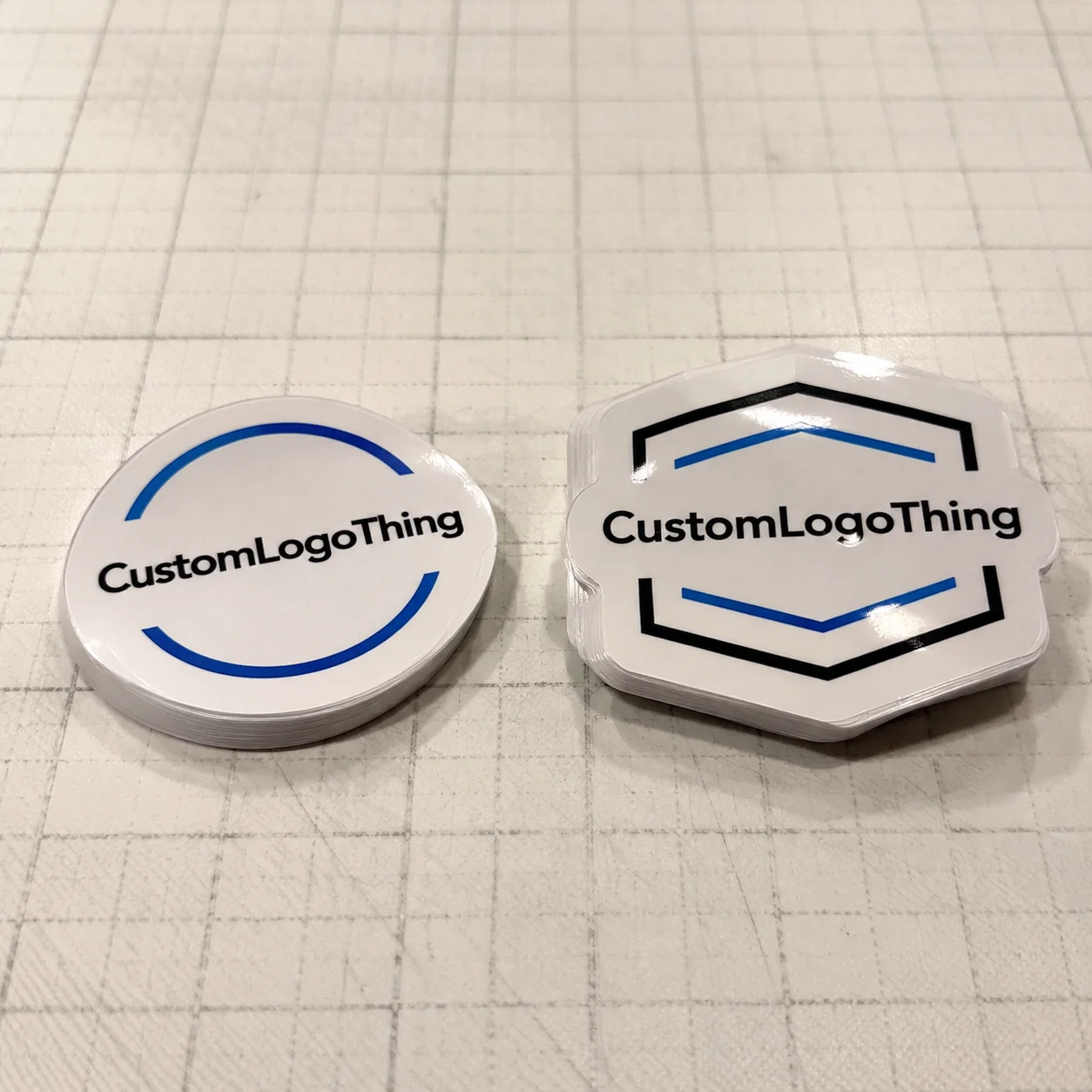
Custom stickers are printed adhesive pieces made to a brand’s size, shape, material, and use case. That category includes die-cut stickers, roll labels, kiss-cut sheets, bumper stickers, product labels, QR code stickers, event decals, safety labels, and small branded seals for mailers. Same broad family. Very different jobs.
A laptop sticker can be forgiving. If the edge lifts after six months, nobody schedules a compliance meeting. A product label has to sit flat, scan correctly, stay readable, meet packaging rules, and survive hands, boxes, refrigeration, retail shelves, and delivery vans. That is a different standard.
Denver brands often sell through farmers markets, breweries, dispensaries, outdoor events, retail shops, and e-commerce shipments. That means stickers may face sun, moisture, abrasion, cold glass, textured cardboard, rough kraft paper, or repeated handling. A sticker on a brewery cooler has a harder life than a sticker tucked inside a thank-you card.
The first question should not be “Can you print this?” Most printers can print it. The better question is, “Will this material and adhesive work on my actual surface for the amount of time I need?” That one sentence prevents a surprising number of reprints.
Good ordering covers six practical choices: size, shape, material, adhesive, finish, and format. Then come proofing, production schedule, shipping or pickup, and reorder documentation. Not glamorous. Very useful.
Buying rule: decide what the sticker must survive before deciding what it should look like. Pretty is easy. Durable in the right environment takes actual specification.
The useful work happens before the quote is finalized: matching stock to surface, choosing the correct adhesive, confirming roll direction, testing barcodes, and leaving enough margin for cutting variation. A sticker is small, but it can carry a lot of operational risk.
How Sticker Printing Works From Artwork to Finished Order
The basic production path is straightforward. You submit artwork and specs. The printer checks the file. A proof is created. You approve it. Then the order moves into printing, cutting, finishing, quality check, packing, and shipping or pickup.
That approval step matters more than buyers expect. Production usually does not start until the proof is approved, because the proof becomes the printer’s instruction sheet. Size, cut line, orientation, copy, barcode placement, and color expectations all live there.
Digital printing is common for shorter runs, fast turnarounds, and multiple artwork versions. It fits event stickers, seasonal packaging, small product launches, branded inserts, and lower-quantity testing. Flexographic printing is common for larger roll label orders where speed and unit cost matter at scale. Screen printing can make sense for durable specialty decals, especially where opacity and abrasion resistance matter. Offset-style methods may appear on certain high-volume or specialty projects, depending on equipment and finishing.
Cutting choices affect both price and usability. Square and rectangle cuts are usually simplest and cheapest. Circle and oval labels are common for jars, lids, pouches, candles, and beverage packaging. Die-cut stickers follow the outer shape of the artwork, which looks strong for giveaways. Kiss-cut stickers leave a backing border around the sticker, making peeling easier for retail inserts, merch tables, and event teams with cold fingers. Yes, that happens.
Finishing choices change appearance and durability. Gloss laminate gives color pop and a promotional feel. Matte laminate creates a softer retail look and usually photographs better under store lighting. UV coating can add scuff resistance, though it is not the same as a heavier laminate. Waterproof films help with moisture exposure. Writable finishes are useful for batch numbers, roast dates, flavor notes, or handwritten thank-you details.
File prep is not a place to improvise. Vector art is best for logos and type because it scales cleanly. High-resolution raster files can work for photos if they are sized correctly, usually around 300 dpi at final print size. Bleed prevents thin white edges after cutting. Fonts should be outlined or embedded. Tiny details do not magically become readable because someone really wants them to. The printer is not a wizard, despite what rush fees imply.
Before approval, check the proof for finished size, spelling, cut line, barcode placement, QR code testing, orientation, and color expectations. If the sticker is supplied on a roll, confirm unwind direction if it will run through a dispenser or applicator. A roll wound the wrong way can slow an entire packing table.
Materials, Adhesives, and Finishes That Fit the Use Case
Start with the use case, not the mood board. The best sticker is the one that survives where it is actually used: on a candle jar, shipping box, ski helmet, beer can, food pouch, window, mailer, giveaway table, or retail display. A premium finish means nothing if the adhesive fails on day two.
Paper stickers are cost-effective for dry indoor packaging. They work well on bakery boxes, hangtags, mailer seals, shelf labels, and short-life retail packaging. White BOPP, usually polypropylene, is better for moisture-resistant product labels because it resists water better than paper and holds up on jars, bottles, and refrigerated items. Vinyl is stronger for outdoor decals, gear stickers, window decals, and promotional pieces that face weather or abrasion. Clear film creates a “no-label” look on glass or plastic, but it needs careful artwork planning because white ink may be required behind colors for opacity.
Adhesive is where many custom stickers Denver projects either work beautifully or quietly betray the buyer. Permanent adhesive is standard for product packaging. Removable adhesive fits temporary promotions, window decals, shelf tags, or short-term event signage. Freezer-grade adhesive is needed for cold environments because regular adhesive can stiffen and lose grip. High-tack adhesive helps on textured recycled paper, corrugated cardboard, powder-coated bottles, and some low-energy plastics.
Finish is the other half of the durability question. Gloss makes colors more vivid and feels energetic. Matte looks calmer and more premium on retail shelves. Soft-touch can feel elevated, especially for candles, cosmetics, or boutique product packaging, but it may show scuffs depending on handling. Laminated finishes usually outlast simple coatings because they add a physical film layer over the print.
| Use Case | Common Material | Recommended Finish | Buyer Watchout |
|---|---|---|---|
| Dry indoor packaging | Paper or FSC paper | Matte or gloss coating | Avoid moisture and heavy abrasion |
| Refrigerated jars or cans | White BOPP film | Gloss or matte laminate | Test adhesion on cold, curved surfaces |
| Outdoor decals | Vinyl or durable film | UV-resistant laminate | Confirm sun, snow, and abrasion exposure |
| Glass bottles | Clear film or white BOPP | Gloss laminate | White ink may be needed behind artwork |
| Giveaway stickers | Vinyl or coated paper | Gloss or matte laminate | Choose kiss-cut backing for easy peeling |
Surface compatibility is not optional. Kraft paper, corrugated cardboard, powder-coated metal, oily plastics, curved containers, and flexible pouches can all create adhesion issues. If the surface sheds fibers, flexes, sweats, freezes, or has texture, ask about adhesive Options Before Ordering 5,000 pieces. One sample test is cheaper than reprinting thousands of labels. Stunning revelation, apparently.
Sustainability deserves honesty. Recycled paper, FSC-certified paper, and certain liner options can reduce impact. But durability, recyclability, and waste depend on the full package, not just the sticker. A recyclable label on a non-recyclable package is not a miracle. It is a partial improvement.
If the sticker becomes part of broader retail packaging, match it to the rest of the system. Custom Printed Boxes, bottle labels, inserts, and tamper seals should feel related, not like four different departments had a group project and nobody spoke.
Pricing, Unit Cost, and MOQ Factors to Compare
Sticker pricing is not just size times quantity. Unit cost depends on material, adhesive, finish, shape, number of designs, print method, roll versus sheet format, setup requirements, proofing, packing, and shipping. That is why vague quote requests get vague answers.
Small short-run orders usually have higher unit costs because setup, file handling, proofing, and cutting are spread over fewer pieces. A 100-piece order might make sense for testing, but it will rarely have attractive unit economics. Larger runs usually lower the unit cost, but they tie up more cash and storage. They also lock you into the current design, ingredient list, barcode, or claim language. Be careful with that.
Digital printers may support smaller minimums, sometimes in the 50 to 250 piece range depending on size and format. Roll label or specialty production often starts higher, commonly 500, 1,000, or more per design. The key phrase is per design. Ask whether the minimum applies per artwork version, per size, or total order. Ten flavors at 100 labels each may not price like one design at 1,000 labels.
Size changes cost quickly. A 2-inch circle and a 4-inch die-cut sticker are not cousins. The larger sticker uses more material, takes more space on press sheets or rolls, may slow cutting, and often needs better finishing if it will be handled. A small label for a lip balm tube has a very different cost structure than a large outdoor decal for a cooler, vehicle window, or ski case.
For practical budgeting, basic paper packaging stickers in moderate quantities may land in a low per-unit range, while laminated film labels, clear labels with white ink, or outdoor vinyl decals can cost several times more. Custom dies, specialty laminates, rush schedules, and multiple versions add cost. Not always dramatic. Enough to matter if you are labeling 10,000 units.
Give the printer useful quote details: finished size, shape, quantity, number of artwork versions, indoor or outdoor use, application surface, desired finish, roll or individual pieces, deadline, and shipping destination. If the sticker will touch refrigeration, oil, sanitizer, sunlight, or rough cardboard, say that upfront. Hiding the use case helps nobody.
Do not choose only the lowest quote. Cheap Stickers That Peel, smear, or arrive late are not a bargain; they are tiny branded apologies waiting to happen. Compare durability, proofing support, material fit, and timeline. The better quote is the one that matches the job with fewer surprises.
Smart budget moves are boring but effective. Standardize sizes across product lines. Combine designs when possible. Order slightly higher quantities once specs are proven. Avoid specialty finishes unless they support a real brand or durability need. Tie sticker specs to your larger Custom Packaging Products plan so package branding stays consistent across boxes, bags, labels, and inserts.
Production Steps, Proofing, and Turnaround Timeline
A realistic timeline starts before printing. Quote request. File review. Proof creation. Proof approval. Production scheduling. Printing. Cutting. Finishing. Quality check. Packing. Transit or pickup. Skip one step mentally and your deadline starts looking fake.
Proof approval is usually the hinge. Production rarely starts until the proof is approved, so sitting on a proof for two days and then demanding rush delivery is not a production strategy. It is panic with an invoice.
Simple digital stickers can often move faster, especially if the material is standard and the artwork is clean. Specialty materials, custom dies, large roll orders, multiple SKUs, foil, white ink, freezer adhesive, weather-resistant laminates, or unusual shapes can add time. Material availability also matters. If the exact film or adhesive is not in stock, the schedule changes.
A proof confirms layout, size, cut line, spelling, orientation, and sometimes approximate color. It may not perfectly represent final color on every screen or every material. Screens glow. Paper absorbs. Film reflects. Matte laminate softens contrast. Clear film changes how color reads over glass, amber bottles, or dark contents.
Color-critical buyers should ask about printed samples, drawdowns, or brand color matching before a full run. If your brand orange must match across labels, sleeves, cartons, and custom printed boxes, say so early. Standards from groups such as the International Safe Transit Association focus more on transport testing than color, but the bigger lesson applies: packaging should be tested against the conditions it will face, not admired in a PDF.
Quality control should be specific, not ceremonial. Check a finished batch for cut accuracy, edge lifting, laminate bubbles, scuffs, color shifts, copy errors, roll direction, missing pieces, and barcode scans. For roll labels, also inspect core size and label spacing if they will run through a dispenser or semi-automatic applicator. A roll that looks fine in a box can still cause problems on a production table.
Rush orders have tradeoffs. Rush fees may apply. Material options may narrow. Shipping may cost more. The buyer has less time to catch errors. Rush is useful, but it is not magic. If a barcode is wrong, a rushed wrong barcode is still wrong, just faster.
Plan by use case. Product launch labels should be ordered after packaging dimensions are confirmed, not while the jar, pouch, or box size is still “probably final.” Event stickers should be approved well before the event, especially if they are going into welcome bags or merch kits. Seasonal retail stickers should leave room for photography, fulfillment, and retailer receiving windows.
For faster turnaround, send final art, include specs in one message, approve proofs quickly, test QR codes, confirm shipping address, and avoid changing sizes after proofing. If you need labels for hand application, say that. If rolls need to feed a dispenser, say that too. Production people cannot optimize for facts they do not have.
Step-by-Step Ordering Guide for Better Sticker Results
Ordering custom stickers Denver suppliers can produce well starts with clarity. Not perfection. Clarity. A printer can recommend smarter materials and quote faster if the job is described like a real packaging task instead of “I need some stickers, maybe glossy, by Friday.” Very moving. Not useful.
- Define the job. Is the sticker for branding, product compliance, tamper evidence, retail shelf appeal, event giveaway, shipping decoration, QR tracking, or outdoor promotion? The job determines the specs.
- Measure the application area. For jars, bottles, pouches, boxes, and mailers, confirm flat panel size, curve, seam placement, lid clearance, and barcode readability. Use a ruler. Guessing is how labels end up covering seams.
- Choose the format. Individual stickers work well for giveaways. Sheets are practical for hand application and small batches. Rolls are better for faster labeling, dispensers, and production tables. Decals fit windows, equipment, and outdoor gear.
- Select material and finish. Use paper for dry indoor uses, film for moisture resistance, vinyl for tougher outdoor applications, and laminate when scuffing or frequent handling is expected.
- Prepare artwork correctly. Include bleed, safe margins, outlined fonts, high-resolution images, brand colors, cut lines, and separate files for each design or version.
- Request a complete quote. Include size, shape, quantity, material, finish, adhesive needs, application surface, deadline, shipping destination, and artwork count. The more complete the request, the fewer back-and-forth emails.
- Review the proof like a mildly suspicious adult. Check spelling, dimensions, crop, orientation, color expectations, barcode scans, QR links, legal copy, and cut line before approving.
- Test and document. Apply the first delivery to the real surface when possible, then save the approved size, material, finish, adhesive, quantity, and artwork version for reorders.
If the sticker is part of regulated product packaging, do not treat copy as decoration. Ingredient panels, warnings, net weight, QR links, and barcodes need enough quiet space and contrast to work. A label that looks beautiful but fails to scan is not premium. It is annoying.
For brands building a full packaging system, connect stickers with Custom Labels & Tags, boxes, inserts, and mailers early. Package branding feels stronger when size, finish, typography, and color are planned together. It also reduces rework, because label dimensions can be matched to box panels, jar curves, and retail display needs before anything goes to print.
Next Steps Before You Request a Sticker Quote
Before contacting any printer, gather five essentials: final artwork, target size, quantity, use environment, and deadline. If you do not know the final size, measure the container or package and choose a conservative starting point. If you do not know the quantity, quote two tiers, such as 500 and 1,000, so you can see the unit cost difference.
If size is uncertain, choose two options: a safe standard size and a larger visual-impact size. For example, compare a 2-inch circle against a 3-inch circle, or a 3 x 2-inch rectangle against a 4 x 3-inch rectangle. Seeing both on the same quote often reveals whether the upgrade is worth it.
Photograph or describe the application surface. Glass, cardboard, plastic, metal, fabric, kraft paper, corrugated board, and curved containers all behave differently. A printer can make better material recommendations when they know the surface, exposure, and handling. “It goes on a bottle” is not enough. Is it cold? Wet? Curved? Oily? Sanitized? Sold outside? Details matter.
Order a small batch or sample when launching a new product line, changing packaging, using a new adhesive, or applying labels in cold, wet, oily, or outdoor conditions. This is especially true for retail packaging where a peeling label can make the product look old before anyone even picks it up.
Create a reorder file after approval. Include approved size, material, finish, adhesive, quantity, artwork version, proof date, and order date. The next run should not be rebuilt from memory like some kind of office campfire legend.
Buyers looking for custom stickers Denver options should send complete specs, ask about material fit, confirm timeline before approving proofs, and compare quotes on performance rather than price alone. The right sticker supports the product, the package, and the brand after it leaves the screen.
FAQ
How much do custom stickers in Denver usually cost?
Cost depends on size, quantity, material, finish, cut style, number of designs, and whether the stickers are supplied on rolls, sheets, or individually cut. Small short runs usually have higher unit costs because setup, file review, and proofing are spread across fewer stickers. For a useful quote, provide finished size, quantity, material preference, use case, deadline, and artwork count instead of asking for a vague price per sticker.
What is the best material for Denver custom stickers used outdoors?
Vinyl or durable film with a protective laminate is usually a better choice for outdoor exposure than uncoated paper. Ask about UV resistance, water resistance, adhesive strength, and expected exposure to sun, snow, abrasion, or frequent handling. Test the sticker on the real surface if it will be used on vehicles, helmets, outdoor gear, windows, or textured materials.
How long does it take to print custom labels or stickers locally?
Turnaround depends on proof approval, material availability, order size, print method, finishing, cutting, and shipping or pickup timing. Simple digital sticker orders usually move faster than specialty roll labels, custom die-cut shapes, foil, white ink, or high-volume production. Approve proofs quickly and send complete files upfront if the deadline matters.
Should I order roll stickers, sheets, or individual die-cut stickers?
Roll stickers are best for product labeling and faster application, especially if using a label dispenser or applicator. Sticker sheets work well for small batches, multiple designs, or hand application. Individual die-cut or kiss-cut stickers are better for giveaways, merch tables, retail inserts, and promotional events.
What artwork files work best for custom sticker printing?
Vector files such as AI, EPS, or print-ready PDF are best for logos, text, and clean cut lines. High-resolution PNG, TIFF, or PSD files may work for image-based designs if they are sized correctly and not pulled from a tiny web graphic. Include bleed, safe margins, outlined fonts, brand color references, and separate artwork files for each version.