The top loader almost never fails first. The weak point is usually the sticker: cheap adhesive lifting from glossy plastic, matte paper scuffing inside sleeves, or an oversized label turning a clean collectible presentation into something that looks assembled in a hurry. That is why custom top loader stickers deserve more scrutiny than buyers often give them.
A good sticker should look intentional, peel cleanly from the liner, sit flat on rigid plastic, and keep the card or slab presentation sharp after stacking, mailing, and show-table handling. The artwork matters, but it is only one variable. Material, adhesive, finish, size, and application format all affect labor speed, perceived value, and whether the buyer trusts what arrived in the mailer.
Quick Answer: Custom Top Loader Stickers That Actually Hold Up
The best top loader stickers are sized for the face, corner, back, or edge of the holder, printed on a material that matches the handling environment, and paired with an adhesive chosen for the job. Permanent adhesive fits shipped retail packs, authentication seals, and one-time branded presentation. Removable adhesive is better for reusable loaders, sample kits, temporary pricing, and shops that rotate inventory through the same plastic holders.
For most commercial buyers, the safest recommendation is simple: use white BOPP or clear BOPP on rolls with rounded corners. BOPP is a polypropylene film, commonly around 2.0 to 2.6 mil before adhesive and liner. It handles moisture, fingerprints, and packing-bench abrasion better than ordinary paper. If the run is short and budget outranks durability, coated paper can work. If the presentation needs a heavier collectible feel, vinyl earns its price. If security matters more than reusability, tamper-evident stock is the right tradeoff, even though the top loader may not stay clean after opening.
Most buyers judge the sticker by print quality. Print sharpness does matter, especially for small logos, QR codes, grading notes, and shop marks. The harder test starts after application. Does the edge curl after 48 hours? Does the adhesive wet out evenly on glossy plastic? Does the label glare under trade show lighting? Does it slow fulfillment because the liner fights the operator? Those details separate polished retail packaging from a label that merely looks acceptable on a proof.
Reviewer note: If you sell cards, slabs, breaks, or memorabilia packs, treat the sticker as part of the product packaging system. A small label can support trust, or quietly make the order feel cheaper.
Trading card sellers, breakers, grading submission services, game stores, sports memorabilia shops, and small brands all benefit from a consistent sticker setup. Plain top loaders protect the card. Branded labels make the presentation feel finished without jumping straight into Custom Printed Boxes or complex packaging design.
Top Sticker Options Compared for Top Loaders and Card Displays
There is no single best sticker for every top loader. A convention giveaway, a premium slab drop, and a high-volume shipping station all need different materials. The table below compares the options buyers usually consider before ordering custom top loader stickers.
| Sticker Type | Best Use | Typical Strength | Reviewer Verdict |
|---|---|---|---|
| Clear BOPP | Subtle logos, back labels, minimalist branding | Moisture resistant, clean “no-label” look | Best low-visual-weight presentation, if the plastic is clean |
| White BOPP | Shop logos, QR codes, shipping-ready card packs | Opaque, durable, sharp color reproduction | Best overall choice for most sellers |
| Vinyl | Premium collector drops, thicker branded seals | Flexible, tough, higher perceived value | Best premium look, though often more than basic branding needs |
| Coated Paper | Events, samples, budget promotions | Good color at a lower unit cost | Best budget choice for short-run use |
| Kraft Paper | Handmade, vintage, eco-styled packaging | Natural texture and muted print | Best for rustic branding, not tiny detail |
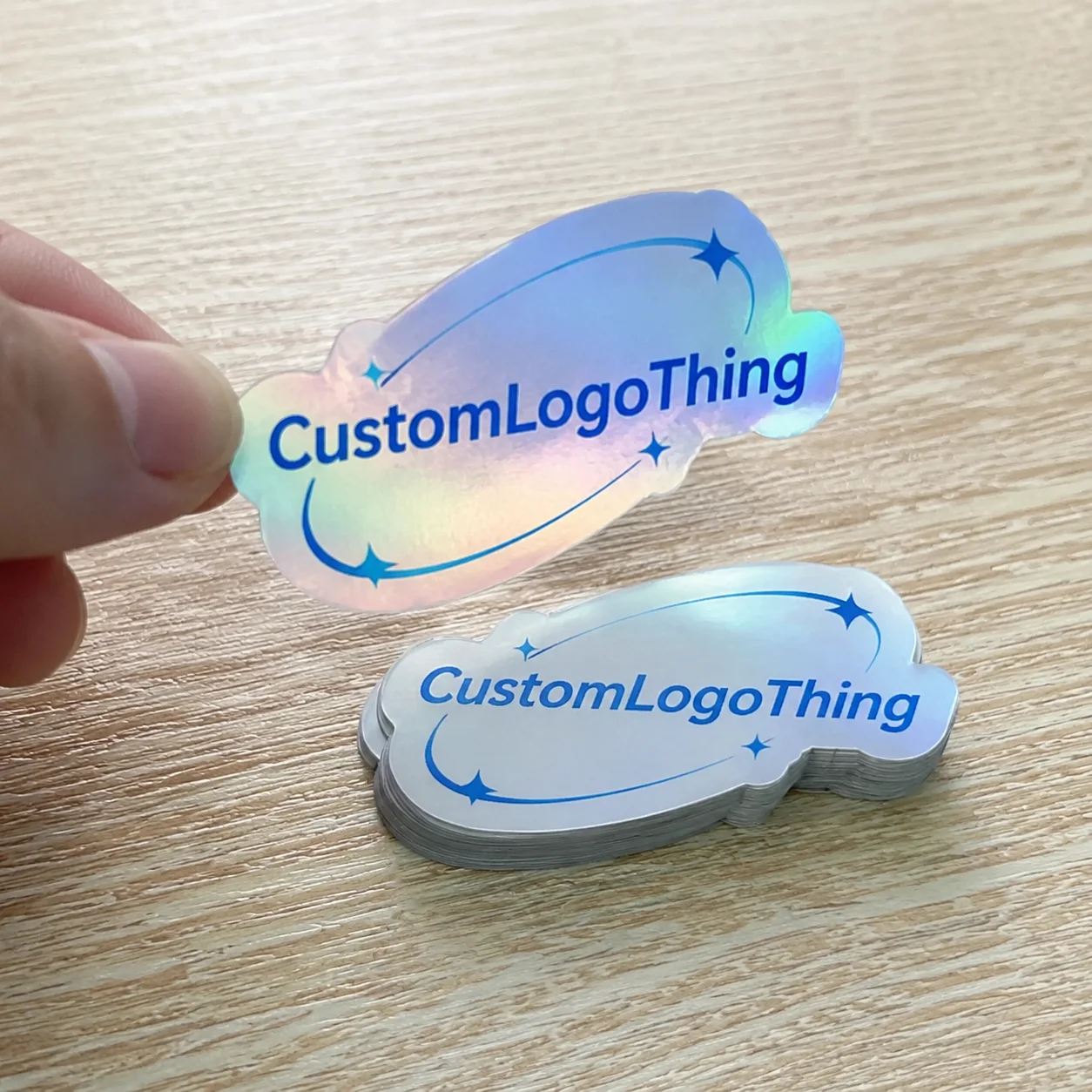
| Holographic Film | Limited releases, collector appeal, chase packs | High shine and strong shelf impact | Best for attention, weaker for small text |
| Foil-Accent Labels | Premium logos, limited series, gift packaging | Metallic detail with elevated presentation | Best luxury accent if the design stays simple |
| Tamper-Evident Stickers | Authentication, resale control, sealed shipments | Shows opening or leaves evidence | Best for security, not reusable loaders |
Clear labels work well when the top loader face is clean and the design uses limited ink. White film is stronger for bold branding because it hides the card background and keeps logos readable. Holographic stickers can fit collector culture, but they can overpower small text, serial information, or barcodes. Paper labels are sensible for short promotions. Security seals belong on shipped or authenticated items where showing access matters more than preserving the plastic.
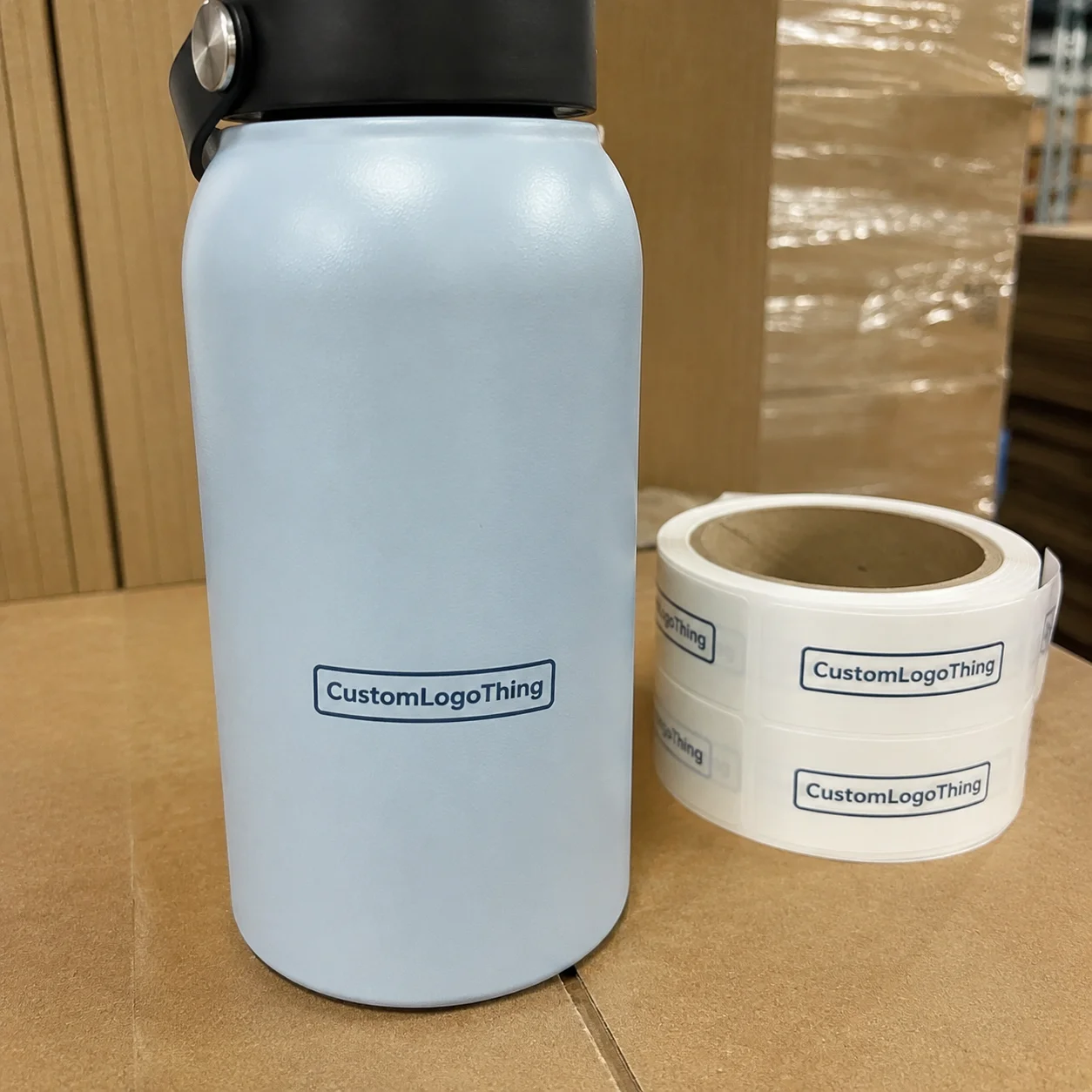
High-volume sellers should watch liner release closely. A sticker that costs half a cent less but resists peeling will burn that saving in labor. Rolls are usually better for a packing bench because the labels feed in the same direction each time. Sheets are fine for small batches, event kits, or sellers labeling a few dozen cards at night.
The best option is not always the most expensive one. A one-day card show may do better with coated paper sheets, especially if the label is more of a giveaway mark than long-term branding. A premium slab display usually deserves film stock because scuffed or curling paper makes the entire presentation feel lower grade.
Detailed Reviews: Materials, Finishes, and Adhesives Tested Side by Side
White BOPP
White BOPP is the most balanced material for top loader labels. It prints cleanly, resists moisture, and holds its edges better than paper during daily packing. On glossy plastic, a rounded-corner white BOPP label usually looks retail-clean without needing a heavy laminate. For logos, short URLs, QR codes, SKU marks, and simple authentication notes, it is the safest commercial choice.
The limitation is obvious: it looks like a label, not an invisible mark. That is not a flaw if the design is deliberate. The opacity helps when cards have dark artwork, busy borders, reflective sleeves, or patterned backgrounds behind the sticker.
Clear BOPP
Clear BOPP is excellent when the design needs a subtle no-label look. A small white logo or black mark on clear film can feel more refined than a white rectangle on the front of a loader. It works especially well on back placement, corner branding, and light-touch branded packaging where the card stays visually dominant.
Be realistic about the surface underneath. Clear film shows trapped dust, scratches, handling marks, and adhesive contact patterns more readily than white film. If your top loaders come from bulk cartons and pick up scuffs before labeling, clear stock can expose every flaw.
Vinyl
Vinyl has a thicker, more flexible feel than BOPP or paper. It is tougher, more forgiving around slight curves, and better for stickers that the buyer may keep after opening. For premium collector drops, vinyl can make the label feel like part of the value rather than only a closure or logo mark.
For small logo seals, vinyl can be overbuilt. The added thickness may be noticeable when top loaders are stacked in team bags or packed tight inside mailers. If the sticker is only 0.75 inch wide and used for branding, BOPP often does the job with less bulk and lower cost.
Coated Paper
Coated paper is the economical option. It offers good color, predictable print behavior, and low unit cost, especially on simple shapes. For short-run events, sample packs, internal sorting labels, and low-risk promotions, coated paper makes sense.
Its weakness is handling. Paper absorbs moisture more readily than film, scuffs faster, and can dog-ear at the corners if the adhesive or die cut is not matched to the plastic. Matte paper also shows rub marks after sliding against sleeves, mailers, or other loaders. If the pack will be mailed, stacked, or handled repeatedly, film is the safer choice.
Specialty Finishes
Gloss finish gives strong color and a clean shine, but glare can make small type harder to read under LED lights. Matte reduces glare and feels more restrained, though it can scuff if the coating is light. Soft-touch feels premium, but on a small sticker it only earns its cost when the label is meant to be touched and noticed. Holographic film and metallic foil add collector appeal. Spot UV can highlight a logo without flooding the whole design with shine.
For QR codes, barcodes, tiny social handles, and grade information, stay practical. A high-contrast matte or gloss BOPP label often scans better than a flashy foil mark. If scanning matters, test the printed size at the actual phone distance or scanner angle used at the packing station.
Adhesive Choices
Permanent adhesive is the standard choice for retail packs, shipped orders, and labels that should stay put. Removable adhesive is best for reusable top loaders, temporary pricing, or shops that want clean plastic after the card changes hands. Freezer-grade adhesive is rarely needed for trading cards, though it exists for cold-chain labels and specialty storage. Tamper-evident adhesive or destructible film is right when the label must show opening.
Adhesive performance depends on surface energy, dwell time, pressure, and cleanliness. Glossy top loaders are usually label-friendly, but dust, skin oil, and anti-static film residue can reduce bond strength. Press labels down firmly for 2 to 3 seconds and give adhesive time to wet out before judging final hold.
Pricing, MOQ, and Unit Cost by Order Size
Sticker pricing moves with material, size, number of colors, cut complexity, finish, adhesive, proofing, and format. A simple 1-inch coated paper circle on sheets sits in a different cost class than a custom die-cut holographic seal with foil accent and tamper-evident adhesive. Paper labels usually start lowest. BOPP occupies the dependable middle. Vinyl and specialty films cost more. Foil, holographic stock, and security construction add material expense, setup time, and waste allowance.
| Order Size | Common Buyer Goal | Practical Material Choice | Cost Logic |
|---|---|---|---|
| 100 to 500 pieces | Test artwork, event prep, sample packs | Coated paper sheets or basic BOPP | Higher unit cost, low commitment |
| 1,000 to 5,000 pieces | Regular shop use, small fulfillment runs | White or clear BOPP rolls | Better unit cost and smoother application |
| 10,000+ pieces | Repeat shipping workflow or retail packaging | BOPP rolls, vinyl for premium lines | Best efficiency once sizing and artwork are proven |
For many buyers, larger simple BOPP runs may land at a few cents per sticker. Short specialty runs can cost several times more per piece because setup, foil dies, material waste, and machine changeover are spread across fewer labels. Exact rates depend on supplier equipment, size, finish, and shipping. Compare landed unit cost, not just the sticker price.
Minimum order quantity matters. Small batches help test whether the logo is readable and whether the sticker sits well on different top loader brands. Mid-size runs lower unit cost and often suit shops with steady weekly volume. Large runs make sense only after the top loader size, artwork, adhesive, and workflow have been proven. Owning 20,000 labels that are 3 millimeters too wide for the preferred placement is not a bargain.
Rolls are faster at packing stations because the operator can peel, apply, and repeat with consistent orientation. Sheets are easier for small shops, event staff, or sellers labeling cards occasionally. If your team labels hundreds of top loaders per day, specify roll direction on the proof so the logo faces the operator correctly.
Hidden costs are easy to miss. Tiny unreadable text can trigger redesign fees. Untested sizing causes reorder waste. Liners that do not release cleanly slow labor. Adhesive that is too aggressive can leave residue on reusable loaders, while weak adhesive creates complaints or a cheap first impression. For broader packaging consistency, it can help to match these labels with other Custom Labels & Tags used across your product packaging.
Production Steps and Turnaround for a Smooth Reorder
A clean order starts with artwork review. The supplier checks file type, resolution, color setup, bleed, cut line, and whether the design can hold at the requested size. Vector files such as AI, EPS, or press-ready PDF are preferred for logos because edges stay sharp. Raster artwork should usually be 300 dpi at final size, though vector is still better for small text and icons.
The normal production path is straightforward: file review, size confirmation, material selection, digital proof, print setup, cutting, finishing, quality control, packing, and dispatch. For standard BOPP or coated paper labels, production often runs 5 to 10 business days after proof approval. Specialty foil, holographic film, custom dies, rush queues, or very large quantities can stretch that to 10 to 20 business days. Shipping time is separate.
Before proofing, confirm the top loader dimensions and exact placement. A standard card top loader is commonly around 3 inches by 4 inches, but thickness, lip shape, brand, and sleeve fit can vary. Decide whether the sticker sits on the face, back, corner, or top edge. If it crosses the opening, make sure that is intentional. A closure seal behaves differently from a brand mark.
A useful proof should confirm finished size, bleed, cut line, corner radius, color expectation, material, adhesive, quantity, roll direction, and format. If the label is supplied on rolls, unwind direction matters more than many buyers expect. A logo that feeds upside down may not ruin the sticker, but it can slow application and irritate a packing bench doing repetitive work.
Do not approve a proof only on a phone screen. Print a paper mockup at actual size, trim it, and tape it to a real top loader. That five-minute check catches more problems than a polished digital preview. Hairline text, cramped QR codes, weak contrast, and awkward placement become obvious once the mockup sits over real card artwork.
Quality control should be specific. Check edge cut consistency, print registration, liner release, corner lift, adhesive ooze, barcode or QR scanning, and color tolerance against the approved proof. For roll labels, inspect the first labels, middle section, and end of the roll if possible. A small shift in die-cut alignment may not matter on a large shipping label, but it stands out on a 1-inch collector seal.
Reorders become easier once the specification is locked. The approved material, die line, adhesive, roll direction, and artwork become the repeatable recipe. That is the point where custom top loader stickers move from a design experiment into a reliable packing supply.
For buyers who ship in volume, transport testing is worth thinking about. Organizations such as ISTA publish package testing procedures that help brands evaluate compression, vibration, and handling risks. A small sticker order probably does not need formal lab testing, but the principle still applies: test the finished pack, not only the individual component.
How to Choose the Right Size, Shape, and Placement
Start with the purpose. A small logo seal, often 0.5 to 1.25 inches wide, gives brand recognition without blocking the card. A wider header label can carry shop name, series, price, QR code, or event information. A corner badge works for categories such as rookie, signed, graded submission, or limited drop. A full-width closure label can secure a team bag or top edge, but it changes the opening experience.
Front-center placement looks premium when the label is small and the card art remains visible. Go too large and the sticker competes with the collectible. Top-edge seals feel secure and can show whether a pack has been opened, but they may tear during access. Back labels preserve the card view while still carrying brand information, QR codes, or reorder prompts.
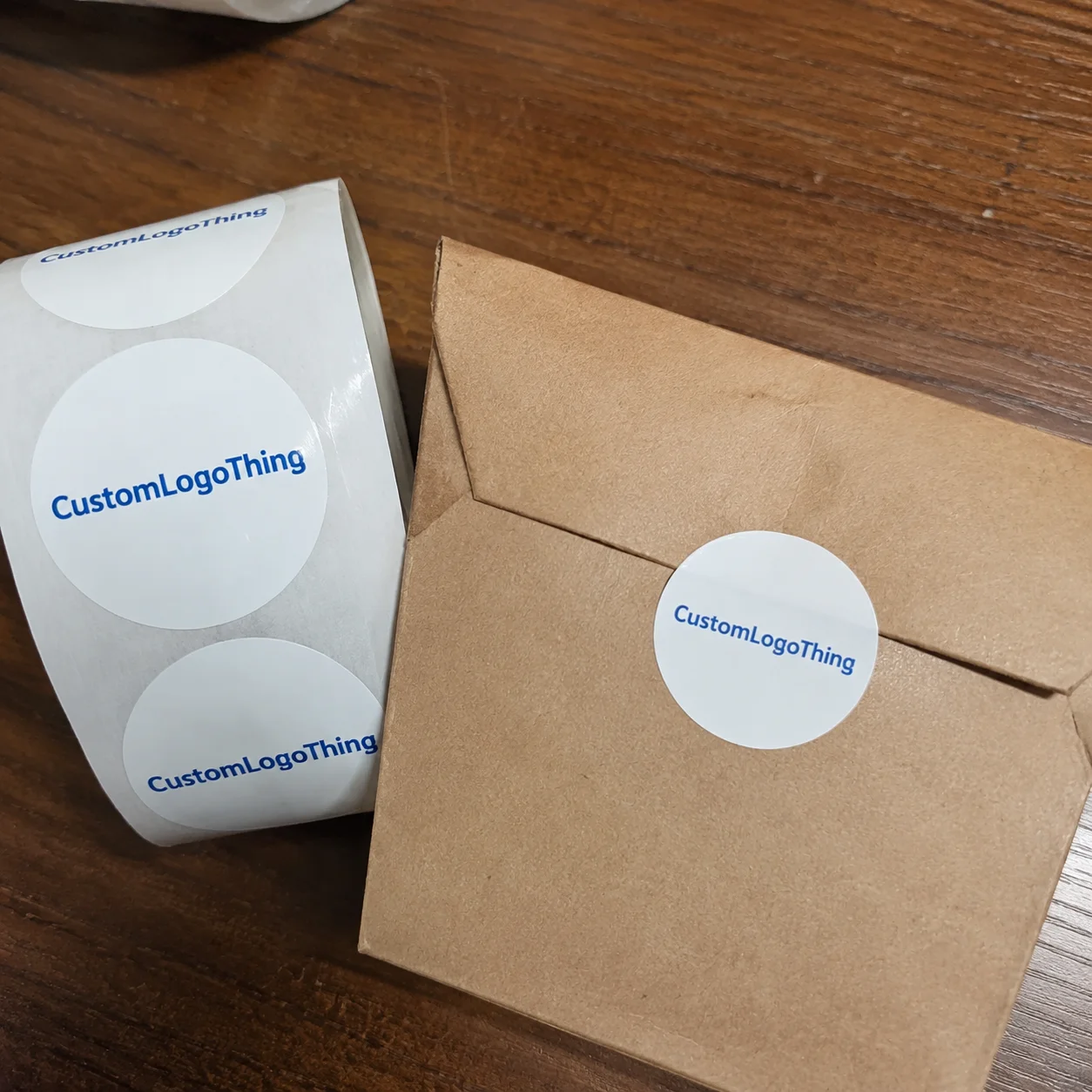
Shape affects both appearance and labor. Rectangles apply fastest because the eye can align them with the top loader edges. Circles feel friendly and promotional, but a slightly crooked circle is easier to notice than people expect. Rounded rectangles are the safest retail-clean shape because they resist corner lift and still align quickly. Custom Die Cuts create a premium impression, especially around a mascot or logo silhouette, but they require more careful placement.
Design readability matters more than decoration. Bold logos, high contrast, limited copy, and generous white space usually outperform detailed artwork on a small plastic surface. If a QR code is included, test it at final size. Many codes need at least 0.8 to 1 inch square with quiet space around the pattern, depending on data density and print contrast. Do not bury a code under holographic glare and expect reliable scanning.
Finish should follow the environment. Gloss gives bright color and wipes clean. Matte reduces glare for photography and show-table lights. Clear film creates subtle branding. Holographic stock fits collector appeal and limited-edition releases. Soft-touch only makes sense when the sticker itself is part of the premium experience, since the top loader plastic will still dominate the hand feel.
Common mistakes are avoidable. Do not use a sticker so large that it covers the card value. Do not place adhesive across the opening by accident. Do not choose removable adhesive for mail security. Do not print tiny social handles that no one can read. If the label is part of a broader package branding system, keep its colors and logo treatment consistent with mailers, sleeves, inserts, and Custom Packaging Products.
For sustainability claims, be careful and specific. FSC-certified paper can support responsible fiber sourcing, and the Forest Stewardship Council provides guidance on certification and labeling rules. Film labels may offer better durability and lower damage waste in some uses, while paper may suit short-term promotions. The right answer depends on the full pack, not one material in isolation.
Our Recommendation Before You Order
For most commercial buyers, the best setup is white BOPP or clear BOPP on rolls, rounded corners, permanent adhesive for shipped products, and a size that brands the top loader without covering the card artwork. That combination gives clean print, stable edges, practical moisture resistance, and efficient hand application. It is not the flashiest choice, but it performs well across shops, breakers, small fulfillment rooms, and retail card packs.
Use coated paper sheets for short promotional events, staff-applied samples, or low-risk giveaways. Choose vinyl for premium collector drops where the sticker should feel like something worth keeping. Use holographic film for limited-edition releases where visual energy matters more than barcode readability. Choose tamper-evident labels for authentication, resale control, or sealed shipments where the label must show opening.
- Measure the exact top loader and decide whether the sticker goes on the front, back, corner, or top edge.
- Choose permanent or removable adhesive before proofing, not after production starts.
- Prepare vector artwork and simplify tiny text, QR codes, or social handles.
- Request a proof showing finished size, cut line, material, roll direction, and quantity.
- Print a paper mockup at actual size and test it on a real loaded card holder.
- Order a small validation run if finish, adhesive, or placement is still uncertain.
If the specification is uncertain, avoid jumping straight into bulk. A small validation run can show how the sticker looks over light cards, dark cards, sleeved cards, scratched top loaders, and different lighting. It also tells you whether the packing team likes the roll direction and peel behavior. Those details matter after the first 500 applications.
The smartest custom top loader stickers are not just attractive labels. They are a small packaging decision that affects trust, handling speed, perceived value, and reorder confidence. Get the material, adhesive, size, and proof right once, and the next order becomes a production task instead of another design gamble.
FAQ
What material is best for custom top loader labels?
White BOPP is usually the best all-around choice because it resists moisture, prints cleanly, and holds its shape better than paper during shipping and handling. Clear BOPP works well for subtle branding, while vinyl is better for premium or collectible-style stickers that need a thicker feel.
Can custom stickers be removed from top loaders without residue?
Yes, but removable adhesive must be specified before production. Standard permanent adhesive may leave residue or pull unevenly from glossy plastic. Removable adhesive is best for reusable top loaders, while permanent adhesive is better for retail packs and shipped orders.
What size should custom top loader stickers be?
Common choices include small logo seals, corner badges, and wider header labels. The right size depends on whether the sticker is for branding, closure, pricing, or authentication. Keep the card artwork visible and test the design with a paper mockup before approving a bulk run.
Are roll stickers or sheet stickers better for top loader packaging?
Roll stickers are better for packing benches, fulfillment teams, and repeat application because they peel quickly and keep orientation consistent. Sheet stickers are better for small batches, event kits, samples, or sellers applying labels occasionally by hand.
How much do custom top loader stickers cost?
Cost depends on material, size, quantity, finish, cut shape, adhesive type, and whether specialty effects like foil, holographic film, or tamper-evident construction are added. Ask for total landed unit cost, including setup, proofing, shipping, rush fees, and finishing charges, before comparing suppliers.