Where to Buy Custom Stickers for Bulk Brand Orders
Where to Buy Custom Stickers Without Guesswork
The cheapest sticker is rarely the lowest-cost sticker. Buyers searching where to buy custom stickers usually need more than a printed adhesive shape; they need a supplier that can match artwork, material, use case, and delivery date without creating problems two weeks later.
Peeling edges, fading ink, weak adhesive, scuffed finishes, and emergency reorders are not small issues at bulk scale. If 10,000 jar labels start lifting after refrigeration, the damage is not just the sticker cost. It is labor, repacking, delayed shipment, retailer complaints, and wasted packaging.
Stickers are small-format packaging assets. They seal tissue, brand mailers, identify SKUs, carry QR codes, and turn plain stock bags, jars, cartons, and inserts into branded inventory without forcing a full redesign of custom printed boxes. For seasonal campaigns, sample kits, influencer mailers, and retail packaging tests, that flexibility matters.
From a packaging buyer’s point of view, the sharper question is not only where to buy custom stickers. It is which supplier can confirm the print method, adhesive, finish, durability, proofing process, MOQ, and fulfillment details before a unit price is treated as real.
Custom Logo Things supports custom sticker projects that need brand consistency, repeatability, and clear production communication, especially when stickers connect to broader branded packaging programs. That practical alignment is where avoidable cost starts to disappear.
Buyer rule: judge a sticker by the surface it must stick to, the environment it must survive, and the speed at which your team must apply it. Artwork comes next. Price comes after that.
Sticker Types That Match Real Buying Scenarios
Not all sticker formats solve the same business problem. A roll label used on a filling line has different requirements from a die-cut logo sticker dropped into an e-commerce order. Treating both as “just stickers” is how buyers end up with slow application, crooked placement, or finishes that do not match the rest of the package branding.
Common bulk orders include logo stickers, product label stickers, die-cut stickers, kiss-cut sheets, roll labels, packaging seals, warning labels, QR code stickers, and promotional handouts. Each format earns its place differently.
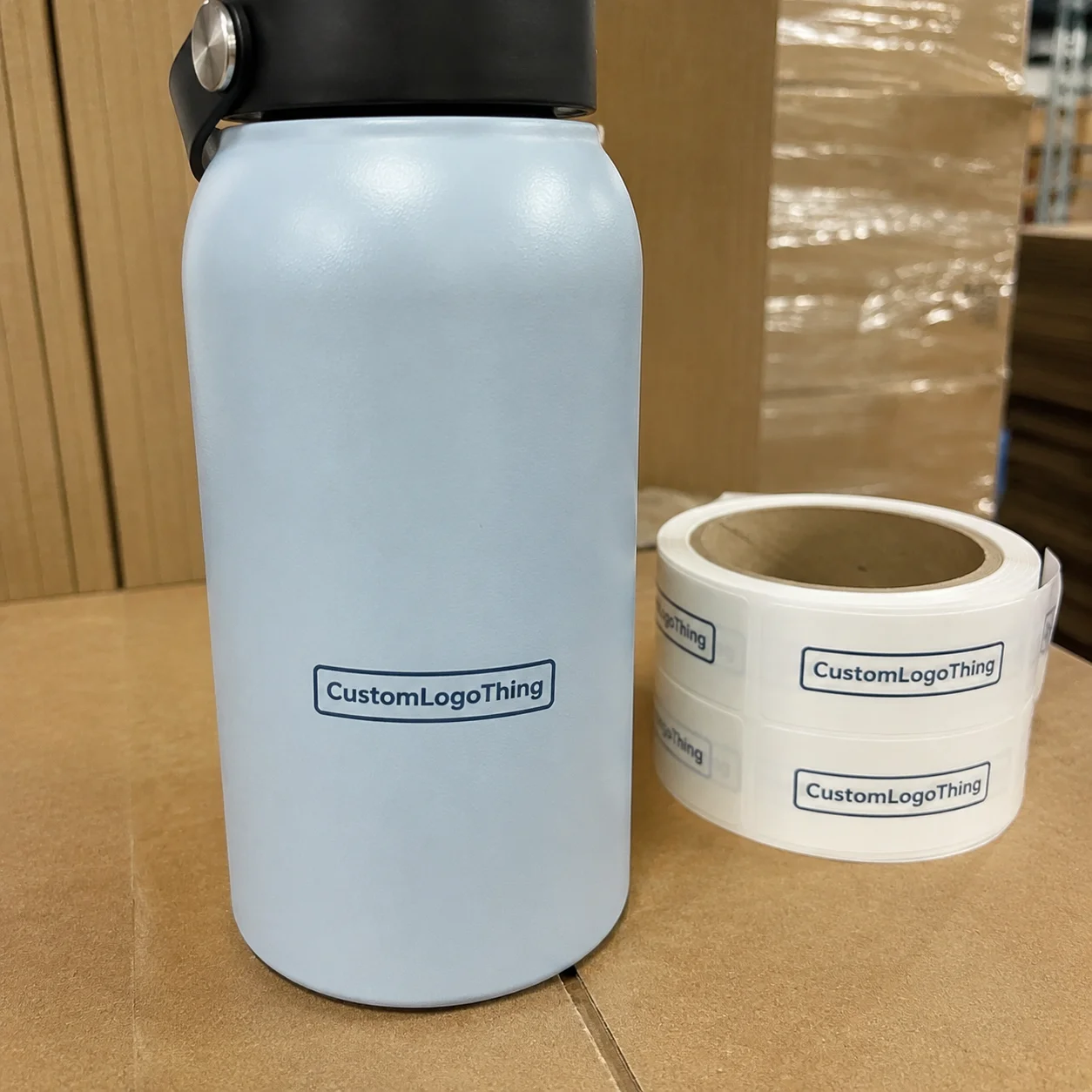
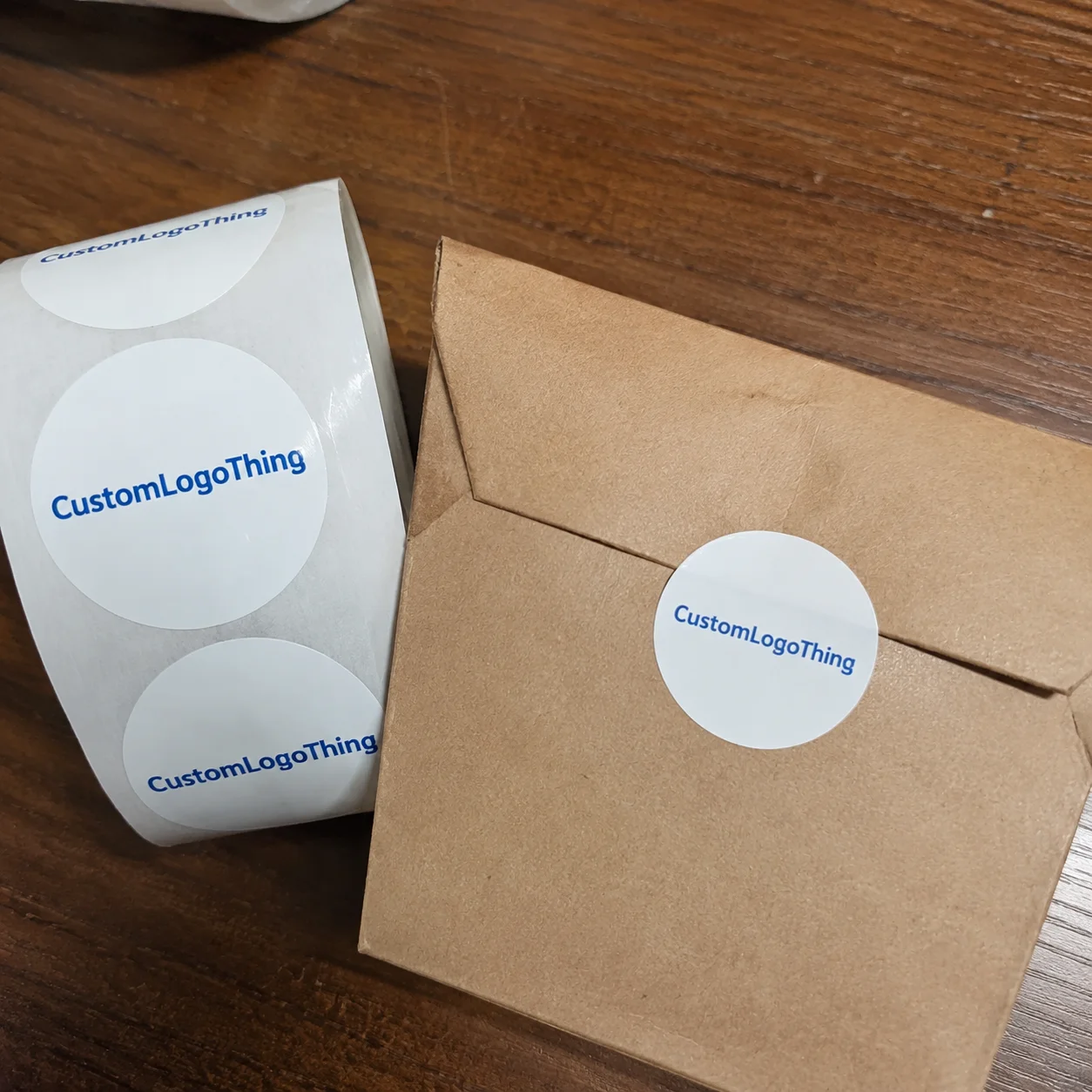
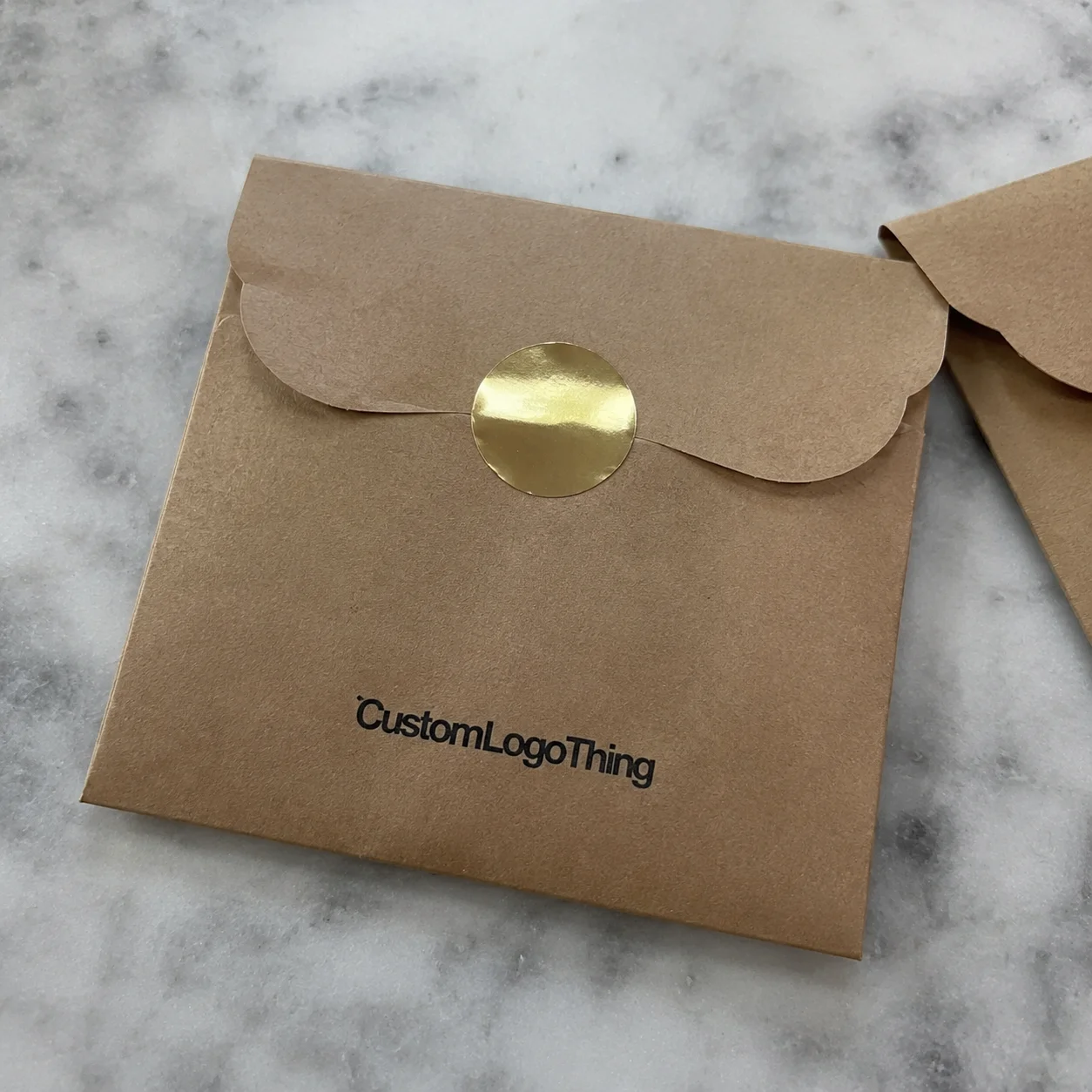
Roll labels support fast hand application or machine dispensing. Sheets work well for retail kits, staff packs, or mixed-design inserts. Die-cut shapes create more merch value because the sticker feels intentional, not generic. Seals improve unboxing presentation and can help hold tissue, sleeves, or lightweight mailer flaps in place.
Material selection should start with handling conditions. Paper works for dry, indoor, short-life packaging and often gives the best price on simple promotional runs. Vinyl handles more abrasion and outdoor exposure. BOPP is common for product labels because it resists moisture better than standard paper and performs well on jars, bottles, and cosmetic containers.
Clear film can create a “no-label” look, but it needs careful white ink planning if the product or container is dark. Kraft suits natural or handmade positioning, although it is a poor fit for wet environments. Holographic material adds shelf impact, but it can reduce barcode contrast if used carelessly.
Adhesive matters just as much. Permanent adhesive is the default for most packaging. Removable adhesive is useful for temporary retail pricing, window promotions, and reusable containers. Freezer-grade adhesive is worth considering for chilled and frozen goods. Outdoor-rated adhesive helps with equipment, events, and long-life promotional stickers. Tamper-evident options cost more, but they can support regulated, security-sensitive, or high-value applications.
If you are deciding where to buy custom stickers for multiple uses, separate the order by job. A tissue seal, a refrigerated jar label, and a laptop giveaway sticker should not automatically share one material just because the artwork is similar.
| Sticker Format | Best Use | Typical Material Choice | Buyer Watchout |
|---|---|---|---|
| Roll labels | Fast application on jars, bottles, boxes, and bags | BOPP, paper, clear film | Confirm roll direction and core size before production |
| Die-cut stickers | Promotions, merch, inserts, event giveaways | Vinyl, gloss paper, holographic film | Complex shapes can raise die-cutting cost and waste |
| Packaging seals | Tissue wraps, mailers, sleeves, retail bundles | Paper, kraft, matte BOPP | Test adhesive on textured paper or coated mailers |
| QR code stickers | Instructions, authentication, reorder links, campaigns | White BOPP, matte paper, vinyl | Keep code size and contrast high enough for scanning |
Artwork, Shape, Finish, and Durability Specifications
A serious quote starts with serious specifications. Before requesting pricing, define size, shape, material, adhesive, finish, quantity, artwork file type, packaging format, and destination. If one of those details is missing, the quote may still arrive, but it will be built on assumptions. Assumptions are expensive in print production.
Vector artwork is preferred for logos because it scales cleanly and keeps edges sharp. AI, EPS, SVG, and print-ready PDF files are common. High-resolution raster files can work for complex illustrations or photos, but 300 dpi at final print size is a sensible baseline. For die-cut orders, the cut line should be marked separately from the artwork, usually as a spot color or clearly labeled path. Bleed is usually required; 1/16 inch to 1/8 inch is common, depending on the supplier and equipment.
Finish changes both appearance and performance. Matte finish gives premium, subdued branding and photographs well under soft lighting. Gloss boosts saturation and can make bright colors feel sharper. Soft-touch creates a tactile, higher-end effect for cosmetics, fragrance, boutique retail, and similar categories, though it may show fingerprints on dark colors. UV coating improves scuff resistance for many indoor uses. Lamination generally adds longer wear, especially for stickers handled often, shipped loose, or exposed to moisture.
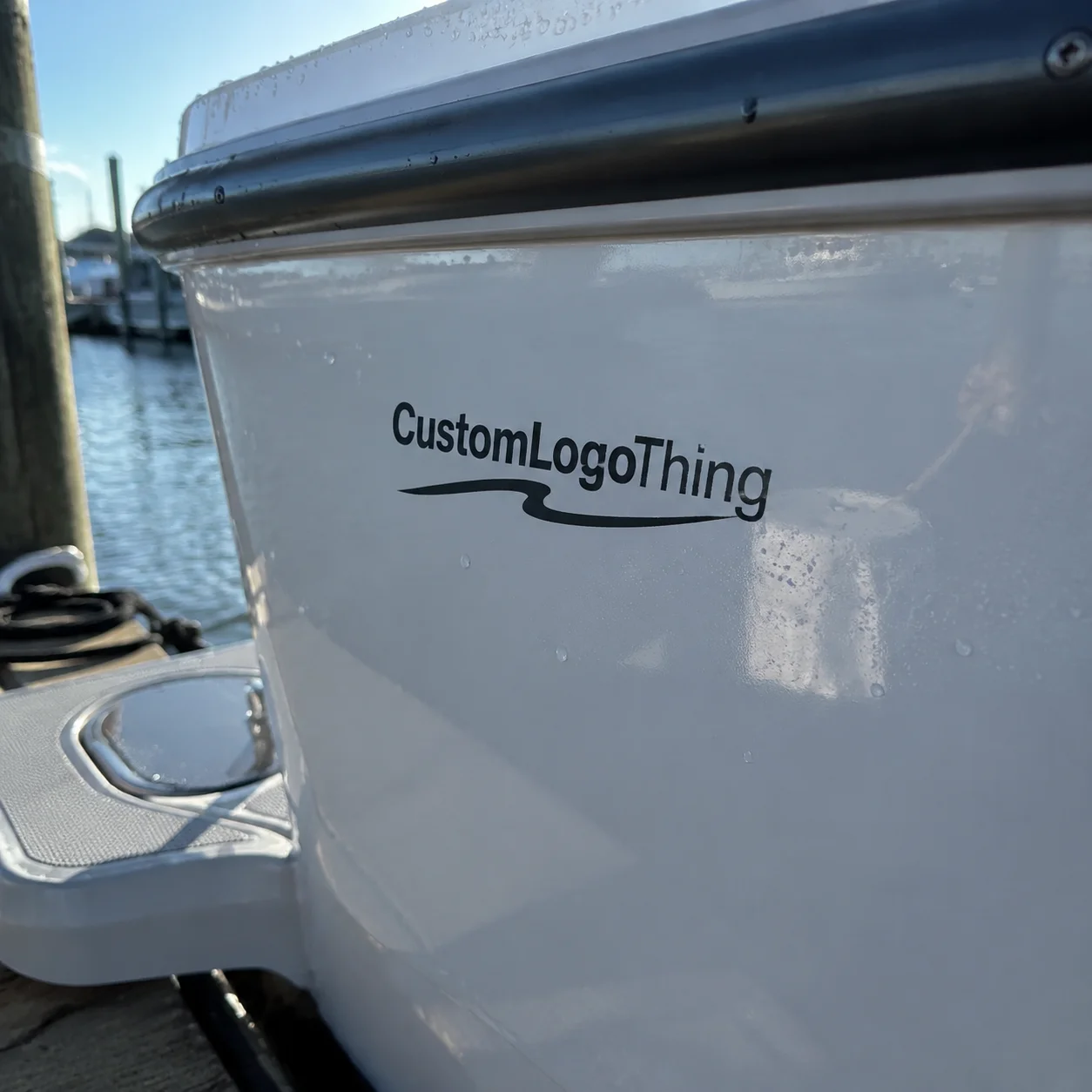
Durability is not one specification. It is a set of conditions: indoor or outdoor use, water resistance, oil resistance, abrasion exposure, sunlight exposure, and temperature range. A sticker on a shipping carton may need to survive conveyor friction and rubbing against other parcels. A label on a sauce jar may need moisture and oil resistance. A promotional sticker on a water bottle may face dishwashing, sunlight, and curved-surface stress.
Common mistakes are painfully predictable. Paper labels get ordered for chilled products. QR codes are printed too small or placed on curved containers where scanning becomes unreliable. Low-contrast artwork passes on screen but fails on kraft board. Buyers skip proof review because the last order looked fine.
Proof review is one of the cheapest risk controls in custom printing.
- Minimum useful QR code size: often around 0.8 inches square for simple codes, larger for dense URLs or curved surfaces.
- Safe zone: keep critical text and logos at least 1/16 inch inside the cut line unless the supplier specifies more.
- Small text: avoid thin fonts below 5–6 pt on textured or absorbent materials.
- Black ink: ask whether rich black or 100% K is better for your artwork and material.
For buyers comparing suppliers, the strongest production teams will challenge vague artwork choices before they become defects. That is not upselling. That is damage prevention.
Custom Sticker Pricing, MOQ, and Unit Cost Drivers
Custom sticker pricing is driven by quantity, dimensions, material, finish, print colors, die-cut complexity, adhesive type, proofing needs, and shipping destination. A 2-inch round paper seal and a 4-inch outdoor vinyl die-cut sticker are not close cousins on a cost sheet. One is a simple packaging closure. The other is closer to a durable branded product.
MOQs exist because setup has to be paid for somehow. Artwork review, imposition, printing, die cutting, matrix removal, quality checks, packing, and waste all happen before the first usable sticker is shipped. Larger runs spread those fixed activities across more units. That is why a 500-piece order may feel expensive per sticker while a 5,000-piece run can drop sharply, even with the same material and artwork.
Realistic unit pricing varies widely. Simple paper stickers in larger runs may land in the low cents per piece. Durable vinyl, BOPP, laminated, clear, holographic, or custom-shaped stickers can move higher depending on size and finishing. A basic 2-inch paper logo sticker at 5,000 pieces will not price like a 3.5-inch laminated vinyl die-cut sticker at the same quantity. Shipping weight, split shipments, rush handling, and packaging format can also shift the landed cost.
There are smart ways to reduce cost without weakening the sticker. Standardize sizes across campaigns. Group multiple designs on shared sheets when the production method allows it. Simplify very sharp or narrow cut shapes. Choose the right finish, not the most expensive finish. A matte BOPP label may outperform a premium-looking paper label if the product is handled near moisture, even if the paper option looks cheaper in the first quote.
The lowest quote may exclude artwork help, digital proofs, lamination, split shipments, rush timing, or protective packing. That missing detail changes the true landed cost. Ask for a quote using exact size, quantity, material, finish, adhesive, artwork, delivery ZIP code, and deadline. Precision at inquiry stage usually saves more money than haggling after the supplier has guessed half the job.
For broader packaging planning, review sticker choices alongside Custom Labels & Tags and other Custom Packaging Products. Stickers often sit beside boxes, tissue, bags, and inserts, so the visual system should be priced and checked as a group.
Proofing Process and Production Timeline
The production path is straightforward when the inputs are clean: consultation, specification confirmation, artwork review, digital proof, buyer approval, printing, finishing, die cutting, quality check, packing, and shipping. Each step has a job. Skip one, and the risk moves downstream.
The proof stage protects color intent and function. It confirms cut lines, bleed, safe zones, spelling, logo placement, barcode readability, and QR code scan performance. A digital proof will not always predict exact material feel or final color on every substrate, but it catches structural problems before plates, dies, materials, and press time are committed.
Timeline depends on order complexity. Simple repeat orders with approved specs usually move faster because artwork, material, cut path, and packing format are already known. New die-cut shapes, specialty materials, large quantities, and rush approvals can extend lead time. Many custom sticker orders move through proofing and production in roughly several business days to two weeks after approval, depending on material availability, queue capacity, finishing, and transit method. Complex bulk orders need more breathing room.
Most delays come from preventable gaps: incomplete artwork, unclear specifications, late proof approval, missing delivery address, or changing quantities after production planning begins. A buyer may think a quantity change from 3,000 to 7,500 is simple. In production, it may affect material allocation, press scheduling, roll counts, packing, and freight.
Preparation is boring. It is also powerful. Send final artwork, quantity by design, required delivery date, application surface, storage conditions, and shipping address in the first inquiry. If the sticker will touch food-adjacent packaging, cosmetics, refrigerated goods, outdoor equipment, or retail fixtures, say so early. Standards and test methods from groups such as ISTA and material chain-of-custody programs such as FSC are reminders that packaging decisions are rarely isolated; transit, handling, sourcing, and end use all influence performance.
- Confirm the application surface, including coating, texture, curve, and temperature.
- Send print-ready artwork with separate cut lines for custom shapes.
- Approve the proof only after checking spelling, scale, bleed, and scan codes.
- Lock quantity and delivery address before production scheduling.
- Keep final specs on file for faster repeat orders.
Quality Checks Before You Approve a Bulk Order
Bulk sticker approval should be treated like a packaging quality checkpoint, not a casual design review. Confirm size, spelling, logo placement, color intent, cut path, bleed, barcode readability, and material selection. A 1/16-inch cut shift may seem small on screen. On a narrow border, it can look like a defect across thousands of units.
Adhesive testing is especially important because surfaces behave differently. A sticker that performs well on glass may fail on corrugated board, textured plastic, kraft paper, cold jars, powder-coated metal, or coated mailers. Low-energy plastics such as polyethylene and polypropylene can be difficult without the right adhesive. Recycled kraft can vary in fiber texture and dust, which affects bond strength. Refrigerated containers can attract condensation, creating a thin moisture layer exactly where adhesion is needed.
Check the full use environment. Will staff apply stickers by hand at 400 units per hour? Will a machine dispense roll labels? Will the sticker face moisture, oils, sunlight, refrigeration, or shipping abrasion? Will customers peel it off, scan it, wash it, or photograph it? These are operational questions, not design trivia.
Visual defects worth guarding against include fuzzy edges, weak blacks, color banding, misregistered cut lines, trapped bubbles, inconsistent finish, and dust under clear materials. Some issues come from production. Others come from artwork resolution, low contrast, or a material that never fit the job.
Approve production only after the proof matches the brand standard and the physical application. For higher-risk orders, request material guidance or a sample path before committing to full volume. The extra step may feel slow, but compared with relabeling thousands of jars or reworking a shipment of retail kits, it is cheap insurance.
Why Custom Logo Things Fits Repeat Sticker Buyers
Repeat buyers need consistency more than novelty. The same logo sticker may be used on subscription boxes, event bags, retail displays, product bundles, and thank-you inserts. If color, finish, size, or adhesive changes from batch to batch, the brand system starts to look accidental.
Custom Logo Things fits brands that need custom stickers connected to packaging, labels, promotional inserts, and repeat branded orders. The practical advantages are specific: material guidance, custom sizing, bulk production support, proofing before print, flexible sticker formats, and packaging-aware recommendations. None of that is flashy. All of it reduces risk.
Working with a custom packaging manufacturer also changes the conversation. Sticker decisions can be aligned with boxes, mailers, tissue, bags, jars, and retail presentation instead of being treated as a separate afterthought. If a matte sticker is going on a soft-touch carton, the finish should be discussed together. If a seal is closing tissue inside an e-commerce mailer, adhesive strength and unboxing feel both matter. If QR code stickers support a product education campaign, scan performance should be checked against packaging design, not only against a white proof screen.
That is the factual sales case: clearer specs, fewer mismatched materials, and a more predictable path from quote to delivery. Growing brands also benefit from repeat-order consistency across batches, sales channels, events, and seasonal campaigns. A sticker may cost only cents, but it can sit on the most visible part of the product packaging.
If you are researching where to buy custom stickers because your current supplier cannot keep finishes, sizes, or delivery timing consistent, the fix is usually not another anonymous low-price listing. The fix is tighter specification control and a supplier that understands packaging as a system.
Next Steps Before You Request a Sticker Quote
Before requesting a quote, choose the sticker use case first. Is it a product label, tissue seal, mailer badge, QR code label, warning sticker, merch insert, or retail packaging accent? Then measure the application area. Do not estimate from memory. A 2-inch sticker that looked right on a laptop may crowd a 4-ounce jar or disappear on a 12-inch mailer.
Next, decide the quantity by design. If you need 5,000 total stickers across five artwork versions, say whether that means 1,000 of each or a mixed split. Gather artwork files, define the finish, note the delivery deadline, and include the shipping location. These details let the supplier quote the sticker you actually need, not a placeholder that changes after production review.
Photograph or describe the application surface, especially if it is textured, chilled, curved, outdoor, coated, dusty, oily, or high-touch. A phone photo with a ruler in frame can prevent a surprising amount of back-and-forth. For curved containers, include diameter. For roll labels, mention whether they are hand-applied or machine-applied. For barcode or QR code stickers, send the final code and desired printed size so scan performance can be checked before production.
Ask for material guidance if the order involves food packaging, cosmetics, e-commerce mailers, refrigerated goods, outdoor use, barcode scanning, or long storage. Paper, BOPP, vinyl, clear film, kraft, and removable materials all have a place. The wrong place is where they become expensive.
- Include size: width and height in inches or millimeters.
- Include shape: circle, square, rectangle, oval, custom die-cut, or sheet layout.
- Include quantity: total count and count per artwork version.
- Include material preference: paper, vinyl, BOPP, clear, kraft, holographic, or ask for a recommendation.
- Include adhesive needs: permanent, removable, freezer-grade, outdoor-rated, or tamper-evident.
- Include timing: target in-hands date, shipping location, and any event deadline.
If you are deciding where to buy custom stickers, send complete specs first. Custom Logo Things can then quote around the real application, material, finish, adhesive, quantity, and deadline, instead of giving you a generic low-cost placeholder that may not survive the job.
Custom Sticker FAQs
Where can I buy custom stickers for packaging orders?
Buy from a supplier that can match sticker material, adhesive, finish, size, and quantity to the packaging surface and shipping conditions. Custom Logo Things supports stickers for boxes, mailers, product labels, tissue seals, jars, bags, and promotional inserts. For an accurate quote, provide artwork, dimensions, quantity, application surface, finish preference, and deadline.
What is the best place to order custom logo stickers in bulk?
The best source is one that offers proofing, material guidance, bulk pricing, and repeat-order consistency rather than only a low advertised unit price. Bulk buyers should compare the full landed cost, including setup, finishing, lamination, shipping, and rush charges. Ask whether the supplier can keep specifications on file for future reorders.
How much do custom stickers cost per unit?
Unit cost depends on quantity, size, material, adhesive, finish, shape complexity, print method, and shipping destination. Higher quantities usually reduce unit cost because setup and production planning are spread across more stickers. The fastest way to get accurate pricing is to submit final size, quantity, artwork, material preference, and delivery ZIP code.
What MOQ should I expect when buying custom stickers?
MOQ varies by sticker type, material, finish, and production method, with specialty materials or Custom Die Cuts often requiring larger runs. Small test runs may be possible for simple designs, but bulk orders typically deliver better unit economics. If you have several designs, ask whether they can be grouped efficiently to reduce waste and setup costs.
How long does it take to produce custom stickers?
Timeline depends on artwork readiness, proof approval speed, quantity, material availability, finishing requirements, and shipping method. Repeat orders with approved specs usually move faster than first-time die-cut or specialty material orders. To avoid delays, submit print-ready artwork, confirm the application surface, and approve the proof promptly.