Custom Stickers for Jars: Specs, Cost, and Ordering
Custom Stickers for Jars Are Small, But They Carry the Sale
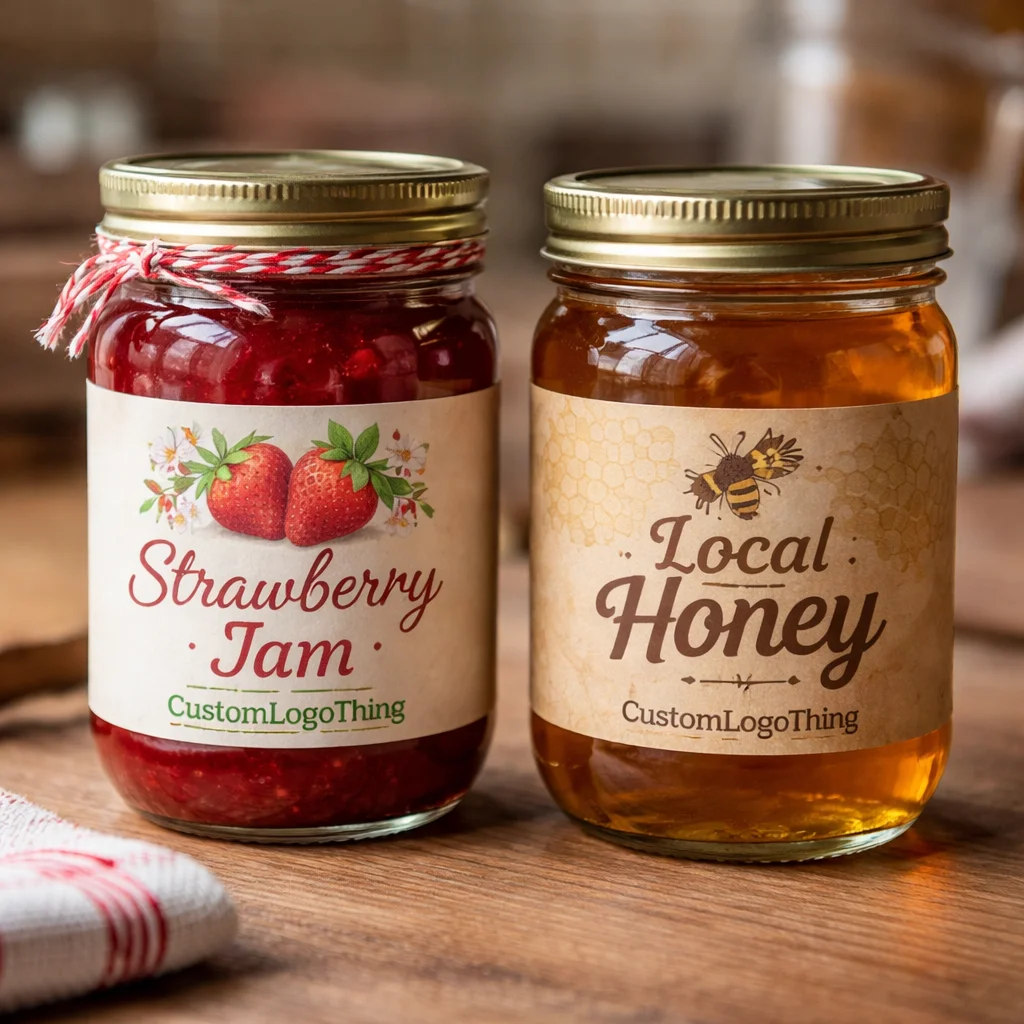
Put two identical jars on a shelf. Same glass. Same product. Same price. One has a crooked, thin, hard-to-read sticker. The other has a clean front label, centered type, strong contrast, and a finish that feels like it belongs on retail packaging. Shoppers make the comparison before they can explain it.
Custom stickers for jars help people understand what they are buying, how to use it, and whether the product feels trustworthy enough to put in a pantry, bathroom, gift basket, retail display, or wholesale assortment. That is a lot of work for a few square inches of adhesive material.
A jar sticker can carry the product name, flavor, scent, net weight, ingredients, barcode, batch number, warning copy, storage notes, use directions, and a short brand story. Not all of that belongs on the front. Please do not turn a 2-inch circle into a legal document. The full label system, though, needs to account for the information somewhere.
People use “sticker” and “label” as if they mean the same thing. In purchasing conversations, both usually refer to an adhesive printed piece applied to glass, plastic, metal lids, kraft surfaces, or flexible packaging. Technically, labels tend to carry product and compliance information, while stickers can be more decorative or promotional. In practice, buyers want the same three things: it must print cleanly, stick properly, and arrive in a usable format.
The decisions that shape a good jar sticker are not mysterious. Material. Adhesive. Size. Finish. Artwork. Roll or sheet format. Production timing. Miss one of those, and the packaging starts telling the wrong story.
How Jar Stickers Work on Glass, Plastic, Lids, and Curved Surfaces
A jar sticker is built in layers. The face material is the visible stock, such as paper, BOPP film, clear film, metallic film, or kraft paper. The print layer carries color, type, logo, barcode, and artwork. A finish or laminate protects the print and changes the feel. The adhesive bonds the sticker to the container. The release liner is the backing that peels away before application.
Each layer changes performance. A matte paper label with standard permanent adhesive can work beautifully on a dry spice jar. Put that same label on refrigerated salsa and condensation may turn it into a wrinkled mess. Film with a water-resistant adhesive costs more, but it survives more abuse. That is not an upgrade for the sake of it. It is matching the spec to the product.
Jars are trickier than flat cartons because they are curved, handled often, and exposed to conditions that printed paper does not love. Glass seams, tapered shoulders, oils, cold storage, bath steam, and hand-washing can all challenge the adhesive. Surface energy matters too. Clean glass usually accepts labels well. Some plastics are more difficult, especially low-energy plastics that resist bonding.
Placement changes the job. A front label sells the product quickly. A back label carries ingredients, barcode, directions, warnings, or company details. A wraparound label gives more space but needs careful measurement and controlled overlap. Lid stickers work well for candles, spices, cosmetics, pantry goods, and gift sets. Tamper seals and neck bands add security, but they need flexible material and accurate application. Bottom labels are useful for batch, pricing, or internal tracking data, though they should not hold critical retail information shoppers need to see immediately.
Adhesive choice should be practical, not vague. Permanent adhesive fits most retail jars. Removable adhesive suits temporary promotions, reusable containers, and short-term price or batch stickers. Freezer-grade adhesive is built for cold exposure. Water-resistant adhesives are safer for bath, beauty, beverage, refrigerated, and sauce products. Small batches can be hand-applied from sheets. Larger runs usually belong on rolls because applicators are faster, cleaner, and easier to control.
Material, Finish, and Adhesive Choices That Actually Matter
Start with the jar’s environment, not the prettiest sample in the deck.
White paper is budget-friendly and works well for dry pantry goods, spice blends, loose tea, dry mixes, low-moisture honey jars, and short-term promotional packaging. It prints well, feels familiar, and keeps early launch costs under control. It is not built for constant water, oil, steam, or abrasion unless you add protection.
BOPP film is the common workhorse for jar labels that need moisture resistance. It is widely used for sauces, jams, bath salts, cosmetics, candles, refrigerated products, beverage jars, and anything handled with wet or oily hands. Clear film creates the “no-label” look, which can look sharp on glass, but artwork needs strong contrast. White text on clear film over pale jam is technically possible. Readable? Barely.
Metallic film can make premium products stand out, especially candles, cosmetics, specialty foods, and giftable goods. Use it with restraint. Metallic stock plus tiny type plus weak contrast is a readability problem, not a premium design choice. Kraft paper is popular for rustic foods, handmade candles, apothecary-style products, and earthy branding. It looks warm and tactile, but colors print more muted because the base stock is not bright white.
Finish changes both protection and positioning. Matte feels softer and more restrained. Gloss makes color punchier and can help fruit, sauce, or beauty products look brighter. Soft-touch lamination gives boutique product packaging a smoother feel, although it can show scuffs on dark artwork. Uncoated paper feels natural and handmade, but it absorbs oils and moisture more easily.
| Sticker Material | Best Use | Typical Tradeoff | Common Finish |
|---|---|---|---|
| White paper | Dry goods, spices, pantry jars, test launches | Lower cost, weaker moisture resistance | Matte, gloss, or uncoated |
| White BOPP film | Refrigerated foods, bath products, cosmetics | Higher cost, stronger durability | Matte or gloss laminate |
| Clear film | Glass jars, premium minimal branding | Needs careful contrast and clean application | Gloss or matte clear |
| Metallic film | Gift products, candles, luxury foods | Premium look, higher setup and design sensitivity | Gloss, matte, or spot effects |
| Kraft paper | Rustic food, handmade goods, apothecary styles | Natural feel, muted color output | Uncoated or matte |
Print method depends on volume and SKU complexity. Digital printing is efficient for short runs, variable artwork, multiple flavors, seasonal batches, and lower minimums. Flexographic or offset-style production can make sense for higher quantities because unit cost drops once setup is spread across more pieces. The break point varies by supplier, material, and finish, so compare full job pricing rather than assuming one method is always cheaper.
For artwork, ask for bleed, safe margins, minimum type guidance, barcode requirements, and file format. A common setup is 0.125-inch bleed with text kept at least 0.0625 inch inside the cut line, but the printer’s template should control final art. Barcodes need contrast and quiet zones. Ingredients need legibility. Regulatory copy may apply for food, cosmetics, supplements, candles, or chemical products. Fixing missing net weight after 10,000 labels have been printed is an expensive lesson in reading the proof.
If responsible sourcing matters to your brand or retail partners, check whether FSC-certified paper stocks are available. The Forest Stewardship Council explains certification standards and chain-of-custody basics. Not every jar sticker needs FSC material, but retailers increasingly ask packaging questions that used to sit quietly in procurement folders.
Cost, Pricing, and MOQ Factors for Jar Sticker Orders
Pricing usually depends on quantity, size, material, finish, shape, number of designs, sheet versus roll format, and whether special proofing, tooling, or die cutting is required. A 2-inch circle paper lid sticker is not priced like a 7-inch wraparound clear film label with laminate and five SKUs. Same category. Different job.
For small digital runs, buyers may see rough ranges around $0.18 to $0.55 per sticker for simple jar labels, depending on size and finish. Very small quantities can run higher because setup, file handling, proofing, and packing do not vanish just because the order is tiny. At 5,000 to 10,000 pieces, common paper or film labels may fall into the $0.05 to $0.18 range per piece when the design is stable and the spec is straightforward. Larger orders can drop further, but freight, storage, waste allowance, and inventory risk still matter.
Low MOQs are useful for brands testing scents, flavors, bundles, or seasonal products. Higher MOQs make sense when reorder volume is predictable and the artwork will not change next month. Be honest about that last part. If the ingredient panel, barcode, jar size, or identity system is still moving around, ordering a mountain of labels is just pre-paying for obsolete packaging.
Cost adders include waterproof film, clear stocks, metallic material, custom die-cut shapes, heavy laminate, split SKUs, rush production, specialty adhesives, and special roll directions. Roll labels may be priced differently from sheets because they need winding, core sizing, and orientation control. If labels will be machine-applied, roll direction is not a minor production note. It determines whether your applicator can use the roll at all.
Buyer reality check: Saving two cents per sticker is not smart purchasing if the labels lift, smear, or arrive in a format your team cannot apply efficiently.
A useful quote request includes jar size, label dimensions, quantity, number of designs, material preference, finish, adhesive needs, application method, storage conditions, target delivery date, and whether labels should ship on rolls or sheets. If you are also building cartons, inserts, sleeves, or other branded packaging, compare the sticker spec with your full Custom Packaging Products plan so the colors, finishes, and messaging do not fight each other.
Process and Timeline: From Artwork to Finished Jar Stickers
The order flow is simple on paper: choose placement, measure the jar, select material, prepare artwork, request a quote, review the proof, approve production, print, finish, cut, pack, and ship. The problems usually come from rushing the first five steps, then acting surprised when production exposes them. Packaging has a blunt way of making vague decisions visible.
Artwork prep can take one day if the buyer has final copy, dimensions, logo files, barcode, and print-ready art. It can take a week or more if the ingredient panel is still changing, the logo is a low-resolution screenshot, or nobody knows the jar size. Proofing moves quickly when files are clean. Production timing depends on order size, material availability, finish, die cutting, and queue. Many standard digital sticker orders run around 5 to 10 business days after proof approval, while larger or specialty orders may need 10 to 20 business days plus transit.
Rush timelines are sometimes possible. They also reduce room for corrections. Packaging emergencies are common, but they are a poor launch strategy. If a retail buyer, farmers market, subscription box, or wholesale delivery date matters, build backward from the date jars need to be filled and labeled, not from the public launch date.
Proof approval deserves real attention. Check spelling, ounces, grams, scent names, flavor names, barcode placement, directions, ingredient order, compliance copy, dimensions, orientation, color expectations, and roll direction. If five people read the proof, assign one person to own final approval. Otherwise everyone assumes someone else checked the net weight.
Sampling is worth the small delay for new jars. Apply one sticker to the real container. Check the curve, overlap, lid clearance, label height, seam location, and how the finish looks under store lighting or photography lights. Rub the surface lightly after it cures. Chill the jar if it will be refrigerated. Wipe it with a damp cloth if customers or staff will do the same. A label that looks perfect on a flat PDF can behave very differently on a cold, curved, slightly oily jar.
For e-commerce and wholesale, think about shipping too. ISTA testing standards from the International Safe Transit Association are useful references for packaged products moving through parcel and freight systems, especially if jars ship in bundles or gift sets. Labels can scuff against dividers, sleeves, neighboring jars, or loose protective materials during transit.
Order earlier than your filling date. Labels need to arrive before packing, photography, fulfillment, wholesale delivery, and any retailer review. If jars are filled on Monday and labels arrive Tuesday, that is not a production plan. It is a group activity.
Step-by-Step Guide to Measuring and Ordering Jar Labels
Step 1: Choose the Sticker Position
Front-only labels need strong hierarchy: brand name, product name, flavor or scent, and one clear reason to care. Back labels can carry ingredients, barcode, directions, warnings, and company details. Wraparound labels give more space, but they must account for curvature and overlap. Lid stickers are useful for top-down displays, candles, cosmetics, and pantry products stacked in boxes.
Step 2: Measure the Usable Label Panel
Measure the flat or gently curved area, not the full jar height. Avoid tapered shoulders, raised glass, seams, ridges, sharp curves, and spots where the lid or fingers will constantly rub the sticker. For round jars, measure the diameter and calculate circumference, or wrap a flexible tape around the label area. Leave at least 0.0625 to 0.125 inch of visual breathing room where possible so the sticker looks intentional.
Step 3: Pick the Right Shape
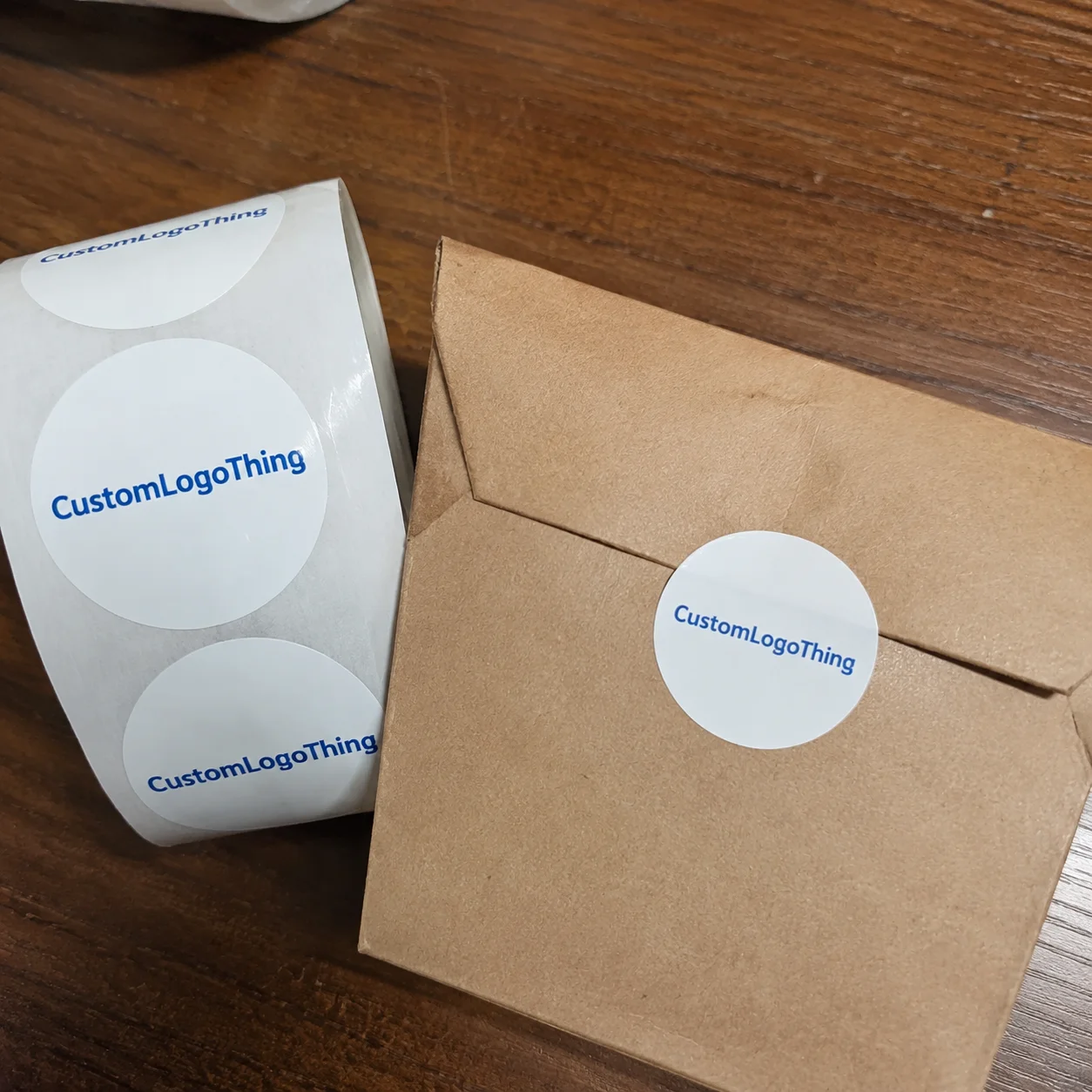
Rectangles are efficient and easy to apply. Circles work well on lids and small front panels. Ovals soften the look for honey, candles, bath products, and specialty foods. Custom Die Cuts can stand out, but they may increase cost and application difficulty. If labels are hand-applied, extremely intricate shapes can slow the line down fast.
Step 4: Match Material to Conditions
Dry pantry jar? Paper may work. Fridge, bath, oil, beverage, or condensation? Use film unless you enjoy learning the hard way. Choose by exposure: moisture, temperature, handling, oils, sunlight, and whether the jar may be wiped down. Product packaging is judged after real use, not while it sits perfectly still on a mockup.
Step 5: Prepare Clean Artwork
Use vector logos, high-resolution images, clear text hierarchy, proper bleed, and safe zones. Keep tiny type under control. Ingredient copy that only ants can read is not a design strategy. For barcodes, confirm size and quiet zones before printing. For clear and metallic materials, request guidance on white ink backing if color accuracy or readability matters.
Step 6: Request a Complete Quote
Send the jar type, label size, quantity, number of SKUs, material, finish, adhesive needs, sheet or roll preference, application method, and target delivery date. If labels will run through equipment, confirm core size, outside roll diameter, unwind direction, and whether labels need gap spacing for sensors. For related tags or label systems, the Custom Labels & Tags category is the right place to compare options.
Common Mistakes That Make Jar Stickers Peel, Smudge, or Look Cheap
Mistake one: choosing paper for wet, oily, refrigerated, or bathroom products. Paper can be beautiful. Paper is not magic. If the jar will face condensation, oils, bath steam, repeated handling, or wipe-downs, use film or add protective lamination. A slightly higher unit cost is cheaper than replacing labels or apologizing to retailers.
Mistake two: sizing the label too tall. A sticker that crosses shoulders or taper zones can wrinkle, lift, or look crooked even when applied carefully. Keep labels on the most stable panel. If the jar has a strong curve, test with a blank paper mockup before sending artwork to print.
Mistake three: weak contrast. Clear labels, metallic stocks, kraft paper, and dark artwork all change readability. Barcodes, ingredients, warnings, batch codes, and directions need contrast under normal lighting. Premium packaging still has to communicate.
Mistake four: ignoring application workflow. Sheet stickers are fine for 50 jars at a kitchen table. For 2,000 jars, rolls are usually faster and cleaner, especially with a semi-automatic applicator. Hand application also needs consistent pressure, clean jars, and a simple alignment guide if the shelf needs to look professional.
Mistake five: approving proofs casually. Typos, wrong ounces, outdated ingredients, missing compliance copy, and reversed roll direction are avoidable if someone reads the proof closely. Print shops can catch obvious technical issues, but they are not your regulatory department, copy editor, or mind reader.
Mistake six: assuming one spec works across every jar. Different jar sizes, plastics, storage temperatures, finishes, and surfaces may need different adhesives or dimensions. A lid sticker, a wraparound sauce label, and a small batch code sticker do different jobs. Treat them that way.
Build a Sticker Spec Before You Request Quotes
Before asking for pricing, build a simple spec. It does not need to be pretty. It needs to be complete. List the jar material, diameter, label placement, label size, quantity, number of SKUs, material choice, finish, adhesive needs, application method, and delivery deadline. Add storage conditions too: room temperature, refrigeration, freezer, bathroom, outdoor market, or shipping in bundles.
- Jar details: glass, PET, PP, metal lid, kraft surface, diameter, height, and usable label panel.
- Sticker details: front, back, wraparound, lid, tamper seal, bottom label, or batch code label.
- Production details: total quantity, SKU count, sheets or rolls, application method, and roll direction if needed.
- Performance details: moisture, oil, cold storage, handling, wipe-downs, and shipping exposure.
- Brand details: finish, color expectations, barcode, compliance copy, and matching needs for custom printed boxes or other retail packaging.
Order test quantities for new products before committing to a large run, especially if the jars will be refrigerated, handled with wet hands, shipped in bundles, or exposed to oils. A 100-piece test can reveal label lift, scuffing, poor contrast, awkward sizing, or slow application before those problems become a 10,000-piece headache.
Prepare two artwork versions if the jar needs both selling power and information. The front label should do the quick retail job. The back label can carry ingredients, barcode, directions, compliance copy, batch details, and company contact information. Trying to force every detail onto one tiny front sticker usually weakens the design.
Photos help. Take clear pictures of the jar from the front, side, back, and lid area before requesting guidance. Include a ruler or measurement reference. A supplier can spot sizing or placement problems faster when they can see the actual container. That beats guessing from a product name like “medium jar,” which means almost nothing in production.
Compare quotes by total fit, not just unit price. Material suitability, print quality, proofing support, lead time, shipping, and application format all matter. The best custom stickers for jars start with a clear spec, a realistic timeline, and a material that matches how the product will actually be used.
FAQ
What material is best for custom jar stickers?
Paper works for dry pantry goods, short-term promotions, and budget-friendly launches. BOPP or other film materials are better for refrigerated, oily, wet, bath, beauty, and heavily handled jars. Clear film is best for a transparent no-label look, but the artwork needs strong contrast so text does not disappear against the jar contents.
Are custom stickers for glass jars waterproof?
They can be, but only if the material, adhesive, and finish are chosen for moisture exposure. Waterproof or water-resistant film with a protective laminate is the safer choice for condensation, splashes, bathroom products, and refrigerated items. Standard paper stickers may tolerate light handling, but they can wrinkle, stain, or peel when exposed to water.
How do I choose the right size sticker for a jar?
Measure the flat or gently curved label area, not the full jar height. Avoid shoulders, seams, ridges, taper zones, and areas where the lid overlaps. For front labels, leave breathing room around the sticker. For wraparound labels, confirm circumference and overlap before printing.
How much do custom labels for jars cost?
Cost depends on quantity, size, material, finish, shape, number of designs, and whether the order is printed on sheets or rolls. Small digital runs often cost more per unit but lower the cash risk. Higher quantities usually reduce the unit cost, though they require more inventory commitment.
How long does it take to produce jar stickers?
Timeline depends on artwork readiness, proof approval, material availability, order size, finishing, and shipping distance. Many standard orders take about 5 to 10 business days after proof approval, while specialty or larger orders may take longer. For launches, plan backward from the filling or packing date so the stickers arrive before production starts.