Custom stickers for rc cars look simple from a distance. Up close, they are doing a lot of work. They sharpen the scale look, help a build feel finished, and make a shell easier to identify on the track or in a display case. The catch is that a decal can be printed well and still fail if it is sized wrong, cut badly, or applied to a surface that does not suit the adhesive.
That is why this kind of product should be treated like a small but specific print job, not a casual add-on. Fit, material, finish, and placement matter as much as the artwork itself. On a body shell where a 2 mm shift is visible, “close enough” is usually a polite way to waste money.
Custom Stickers for RC Cars: What They Are and Why Fit Matters
RC decals cover more than logos. They can carry race numbers, sponsor-style graphics, window tints, hood strips, roof marks, and small accent badges that pull the whole build together. On a drift car, buggy, or scale truck, those details shape the final impression. Buyers often judge fit first and print quality second, because a decal that follows the body cleanly looks intentional even before anyone inspects the color.
Small misalignments Stand Out Fast. A decal that crowds a wheel arch, lands across a molded seam, or ends awkwardly at a curve can make an otherwise sharp shell look rushed. Polycarbonate bodies are especially unforgiving because they combine tight bends, vents, and trim lines that leave very little room for sloppy sizing.
Surface finish changes the result too. Gloss bodies make color pop and sharpen contrast. Matte paint softens reflections and can hide minor edge transitions. Clear shells, tinted windows, and painted bodies each handle graphics a little differently, so a design that looks perfect on a flat screen mockup may need adjustment before it ever goes to print.
Common uses include side graphics, number panels, sponsor marks, window tint effects, and roof markings. Some buyers want a bold race livery. Others want a cleaner, package-branding style set with restrained typography and simple shapes. Both can work. The difference is usually in the sizing, not the ambition.
For buyers who also handle other print items, the same rule applies across Custom Labels & Tags and Custom Packaging Products: exact measurements beat guesswork every time.
How the Sticker Material and Print Process Work
The production flow is straightforward, but each step affects the result. Artwork is checked for resolution, scale, color mode, and bleed. Then it is printed, usually with digital printing for short and medium runs because that keeps setup efficient and holds detail well on small graphics. If extra protection is needed, a laminate goes on next. After that, the sheets are kiss-cut or contour-cut, inspected, and packed flat.
Vinyl is the standard base material for custom stickers for rc cars because it flexes well on curved shells. A removable adhesive works for display builds or bodies that change often. A stronger permanent adhesive is better when the decals will face dirt, moisture, and constant handling. Adhesive choice matters more than most people expect, especially near wheel wells and side skirts where edges get bumped.
Lamination is the practical upgrade. A clear laminate adds scratch resistance, helps with UV exposure, and protects the print from moisture. Gloss laminate keeps the graphics bright. Matte laminate cuts reflections and can make a shell look more controlled. For RC bodies that live outdoors or on rough tracks, the top layer usually matters more than adding heavier ink coverage.
Print method changes the look as well. Digital printing handles fine lines, gradients, and mixed-color artwork without much setup overhead. That matters when a sponsor logo or pinstripe needs to stay sharp at RC scale. Thin strokes can disappear once artwork is reduced, so designs with fragile linework need a little extra caution. If the quantity is larger, buyers may compare print methods, but for varied decal sets, digital is usually the most sensible option.
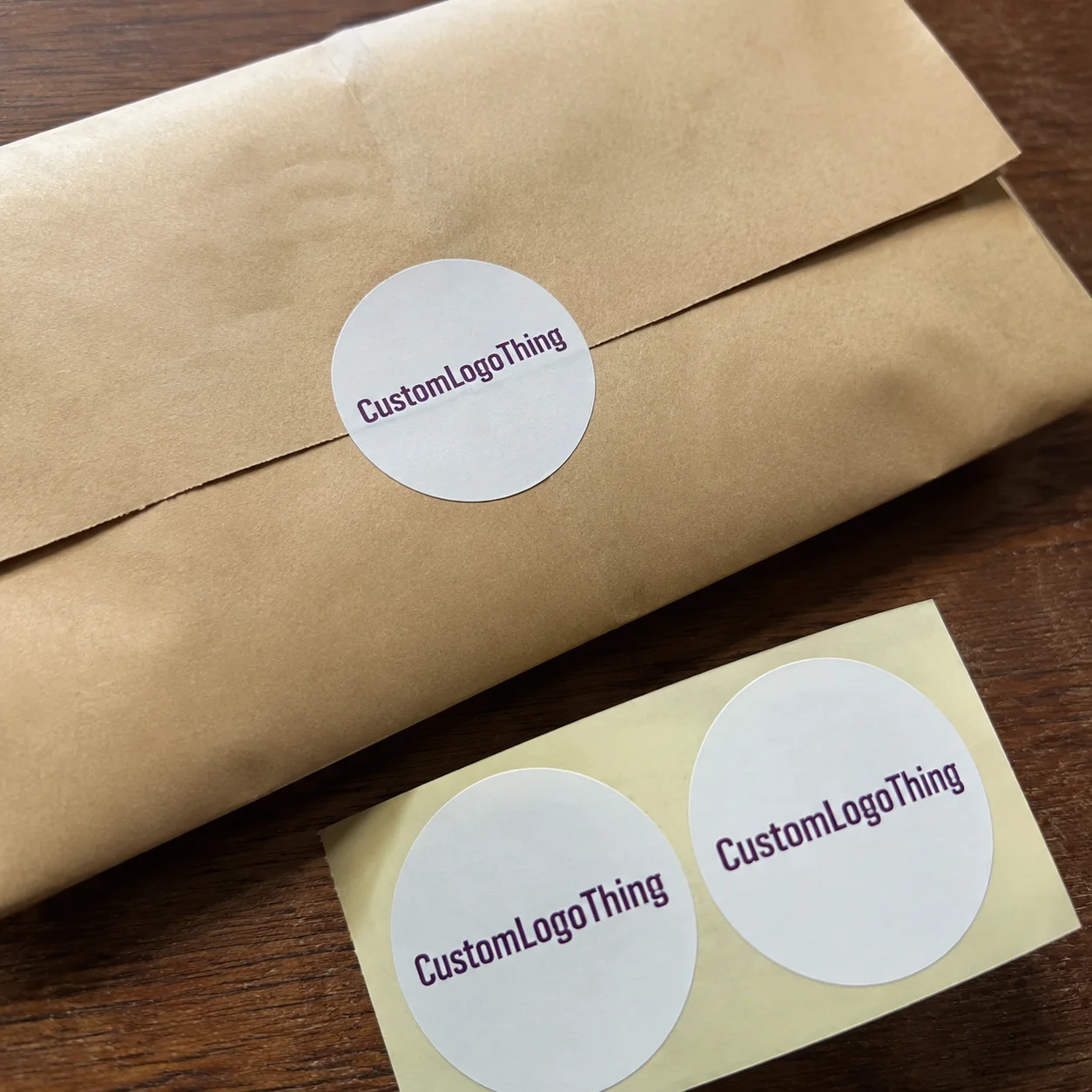
Cut style affects how easy the decals are to use. Kiss-cut sheets keep the backing intact and make application cleaner. Contour-cut individual decals are faster when each graphic will be placed separately. Sheets are better for a full livery. Individual pieces are better for spot graphics or mixed-use sets. The right format depends on whether the stickers are meant for one shell, repeat builds, or a small organized kit.
| Option | Best For | Typical Effect | Relative Cost |
|---|---|---|---|
| Unlaminated vinyl | Display use, light handling | Good color, lower scuff resistance | Lowest |
| Laminated vinyl | Track use, outdoor wear | Better abrasion and moisture protection | Moderate |
| Removable adhesive film | Temporary graphics, frequent changes | Easier repositioning, lighter bond | Moderate |
| Contour-cut sheets | Mixed decal sets, clean presentation | Simple to organize and apply | Moderate to higher |
Key Specs That Affect Durability, Appearance, and Cost
The main spec decisions come down to how the RC will be used. A shelf model does not need the same protection as a car that runs in dirt, gets washed, and has its body removed after every session. Outdoor use pushes the job toward stronger adhesion and better UV resistance. Display use gives more room for repositioning and visual polish.
Thickness changes the feel of the decal. A slightly heavier laminate resists scratches better, but too much stiffness makes it harder to lay down around tight curves. Adhesive strength matters as well because polycarbonate shells, painted bodies, and bare plastics do not all behave the same. A bond that is fine on one surface may lift on another if the surface was not cleaned well before application.
Size constraints are real. Body shells, wings, bumpers, and side panels leave little margin for error. A graphic that looks fine on a screen can cross into a groove, wrap a curve too aggressively, or sit too close to a molded seam once it is scaled down. Measure the actual usable zone, not the part that only looks flat from three feet away. That mistake is common and expensive.
Design complexity also affects cost. A single-color number set is simpler than a multi-layer livery with gradients, fine text, or specialty effects. Gloss laminate, matte laminate, and clear tint all add steps. Revision rounds can add time. If the artwork changes after proofing, the price often changes with it. That is normal production math, not a surprise fee invented for sport.
Minimum order quantity matters too. Small runs usually carry a higher unit cost because proofing, setup, and cutting are spread across fewer sheets. As quantity increases, the price per piece tends to fall. The same pattern shows up in custom printed boxes and other short-run packaging work: the less reusable the setup, the more order size matters.
- Low quantity: higher unit cost, faster approval, less waste if the design is still being tested.
- Mid quantity: the best balance for most hobby buyers, especially when a repeat order is likely.
- Higher quantity: lower unit cost, but only sensible when the design and measurements are locked in.
For a rough market reference, a basic decal set can land around $0.20 to $0.60 per decal at moderate quantities. Laminated or contour-cut sets cost more, especially if the graphics are large, cover more area, or require tighter finishing. That is still a range, not a promise. Anyone pretending there is one fixed sticker price is skipping the parts that actually determine cost.
On the standards side, it helps to think the same way buyers do for product packaging or shipping materials. Organizations such as ISTA and the EPA offer useful frameworks for how materials hold up under stress, moisture, and exposure. Those standards do not dictate RC decal design, but they reinforce the right habit: choose the material for the real use case, not the mockup.
Custom Stickers for RC Cars: Process, Timeline, and Lead Time
The order process should be organized from the start. The buyer sends artwork, dimensions, quantity, and placement notes. The printer checks the file, prepares a proof, confirms cut lines and scale, and flags any special finish. Once the proof is approved, production begins. Finishing and packing come after that, then shipment.
Most delays come from avoidable issues. Low-resolution logos need cleanup. Missing body templates create guesswork. Multiple revision rounds push the job back. A clean, print-ready file with confirmed measurements usually moves much faster than one that still needs resizing or layout decisions. In practical terms, a simple order can move through proofing and production in about 7 to 15 business days, while larger runs, special laminates, or complicated contour cuts can take longer.
Proofing is not paperwork for paperwork’s sake. It catches misaligned cut lines, artwork that sits too close to the edge, and color issues before the sheets are printed. That matters because the expensive mistake is not a slow proof. It is a full run that fits poorly and has to be redone.
Packing also affects turnaround. Flat packing with clear labeling is faster to ship and easier to keep organized. If the order includes multiple shell variants or team versions, each set needs to stay matched to the right body. That level of organization is standard in packaging work, and it matters just as much here.
Step-by-Step Ordering Guide for a Clean Fit
Start with measurement, not artwork. Measure the shell, wings, side panels, and any flat zones you actually plan to use. Curved areas can accept a little stretch, but not much before the design distorts. Mark the sections that take the most wear, like wheel arches and lower side panels, because those are the first places edge lift usually shows up.
Next, build the design at true scale. If the artwork includes numbers, sponsor marks, or small text, check how readable it stays when reduced. A font that looks clean on a phone can blur once it is only a few millimeters tall. For custom stickers for rc cars, the safest move is to keep critical copy away from tight edges and leave room for the cut path.
- Measure the usable surface area and confirm the body template.
- Place the artwork at exact scale with safe margins.
- Choose the finish based on track use, display use, or outdoor wear.
- Review the proof for cut lines, alignment, and color balance.
- Apply on a clean, dry surface using a soft squeegee or similar tool.
- Inspect under good light and note anything worth changing on the next run.
Application technique matters more than most people expect. Dust, oil, and humidity all work against adhesion. A clean, dry environment reduces contamination. A soft applicator helps push air out without scratching the laminate. For larger decals, place one edge first and work across the surface slowly. Forcing a sticker around a corner is a fast way to make the shell look tired before it has even rolled onto a track.
After installation, inspect the shell under bright light. That is the easiest way to catch wrinkles, trapped bubbles, or an edge that needs more pressure. Keep notes on measurements, finish, and placement. A good repeat order should be almost boring because the data is already there. That same habit is useful in custom printed boxes and repeat packaging orders, and it saves time here too.
Pricing Mistakes, Fit Problems, and Other Common Order Issues
The biggest mistake is ordering by eye. “Looks about right” is not a measurement, and RC decals are too small for that kind of guesswork. Another common problem is ignoring curves and cutouts. A graphic may fit the flat part of a body and still fail once it reaches a vent, wheel opening, or molded seam.
Tiny text and ultra-thin lines are risky. They can look sharp in a design file and still vanish at scale. If the artwork depends on fine detail, it needs stronger contrast and a clearer hierarchy. Bold typography, clean borders, and simple shapes survive the reduction better than busy artwork with too many fragile strokes.
Finish choice causes trouble too. A buyer may want a premium gloss or specialty effect, then find it wears faster than expected on a car that sees dirt or water. The finish should match the environment. A display piece can be more decorative. A running RC build should be treated like a working component, because that is what it is.
“The cleanest RC graphic is usually the one that was sized with restraint, printed on the right film, and applied without rushing the edges.”
Price also moves when the project changes late. Extra revisions, size changes after proofing, or adding specialty effects after the quote can all change the final number. Nonstandard cut shapes may affect the minimum order quantity as well. Those are normal production constraints, not hidden tricks.
Application mistakes are just as common as pricing mistakes. Dusty surfaces, oily fingers, and weak edge pressure shorten the life of the decal. If a sticker is stretched too far around a tight curve or pressed onto residue, the bond suffers. Surface prep needs the same care as the artwork itself.
Expert Tips for Better Results and Faster Reorders
Leave a safety margin around critical elements. A little breathing room between key graphics and the cut line absorbs tiny placement differences and makes the sticker easier to apply cleanly. The same idea holds for sponsor logos, number panels, and window tint pieces. Tight layouts usually look more cramped than premium.
Use contrast on purpose. RC cars are viewed at a distance and often while moving. Dark-on-dark and pale-on-pale graphics disappear quickly. Strong contrast and readable typography help the shell hold its identity even when the car is in motion. That is one reason simple builds often look better than crowded ones.
Keep a master file with measurements, approved colors, finish choice, and placement notes. Include the actual body template and any special instructions for contour cuts or sheet layout. When it is time to reorder, that record saves time and reduces drift. It also makes it easier to run multiple colorways or team versions without rebuilding the artwork from scratch.
If the design is new or detailed, test a small sample before committing to a full run. A sample shows whether the line weight survives scaling, whether the laminate feels right, and whether the adhesive matches the shell material. That test usually costs less than correcting a bad batch later.
Match the decal set to the rest of the build. The palette should work with the body color, trim, and wheel accents. That is where package branding thinking becomes useful: the presentation should look like one decision, not a stack of unrelated choices. Whether the goal is a race-style shell or a clean display build, custom stickers for rc cars work best when finish, scale, and color all point in the same direction.
For buyers who treat the project carefully, custom stickers for rc cars deliver a lot of visual value for a small print run. Measure the shell, Choose the Right material, confirm the proof, and keep the artwork grounded in how the car will actually be used. The result fits cleaner, wears better, and looks intentional instead of improvised.
What material works best for custom stickers for RC cars?
Durable vinyl is usually the safest choice for RC bodies because it balances flexibility, print quality, and wear resistance. A laminate helps protect graphics from scuffs, moisture, and UV exposure if the car sees regular use. The best option depends on whether the stickers need to be removable, highly durable, or optimized for indoor display.
How do I size custom RC car stickers correctly?
Measure the exact panel or body area and use a template when possible instead of estimating by eye. Account for curves, cutouts, vents, and wheel wells so important graphics do not land on awkward edges. Leave a small safety margin around the artwork so trimming and placement stay clean.
What affects the price of custom stickers for RC cars?
Pricing is driven by size, quantity, print complexity, finishing, and whether contour cutting is required. Special materials, laminate, and multiple revision rounds can raise the unit cost. Ordering more pieces often lowers the per-sticker price because setup costs are spread across the run.
How long does production usually take?
Timeline depends on artwork readiness, proof approval, order size, and any special finishing steps. Simple jobs with print-ready files move faster than orders that need resizing, cleanup, or multiple proof revisions. Shipping time adds to the total, so plan ahead if the stickers are needed for an event or race date.
How do I make RC car stickers last longer?
Apply them to a clean, dry surface and press edges firmly so they bond well from the start. Choose a material and finish suited to the environment, especially if the car will see dirt, water, or sun. Avoid aggressive stretching during application and store spare sheets flat away from heat and direct light.