Custom Stickers for Schools: Order Smarter Designs
Learn how custom stickers for schools work, what they cost, and how to order durable designs for events, rewards, clubs, and campus branding.
Most school stickers live hard, short lives. They get peeled by six-year-olds, shoved into backpacks, stuck to water bottles, scraped across laptop lids, and judged in about three seconds. That is why custom stickers for schools need to do more than look cute on a screen. If the sticker curls by Friday, fades after one wash, or looks like it came from a bargain bin, the artwork was not the real problem. The spec was.
Custom Stickers for Schools: What They Actually Need to Do
Custom stickers for schools are printed adhesive products used for classrooms, clubs, fundraising, sports teams, orientation packets, libraries, staff appreciation, safety labels, admissions kits, and student rewards. That is a wide job description for one small printed piece. A kindergarten reward sticker and a waterproof marching band bottle decal do not need the same material, adhesive, finish, or budget. Treating them like the same product is how schools overspend in one place and under-spec in another.
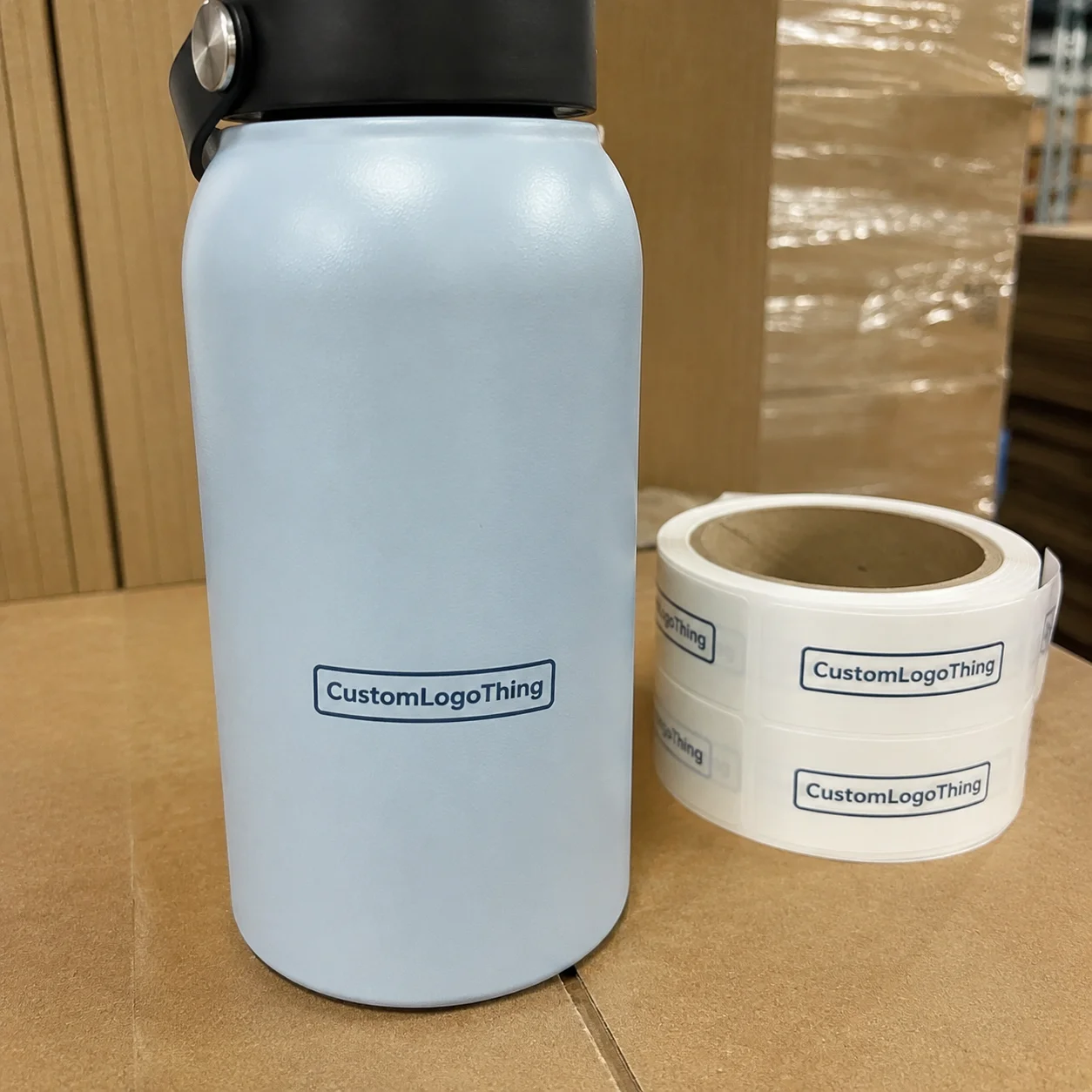
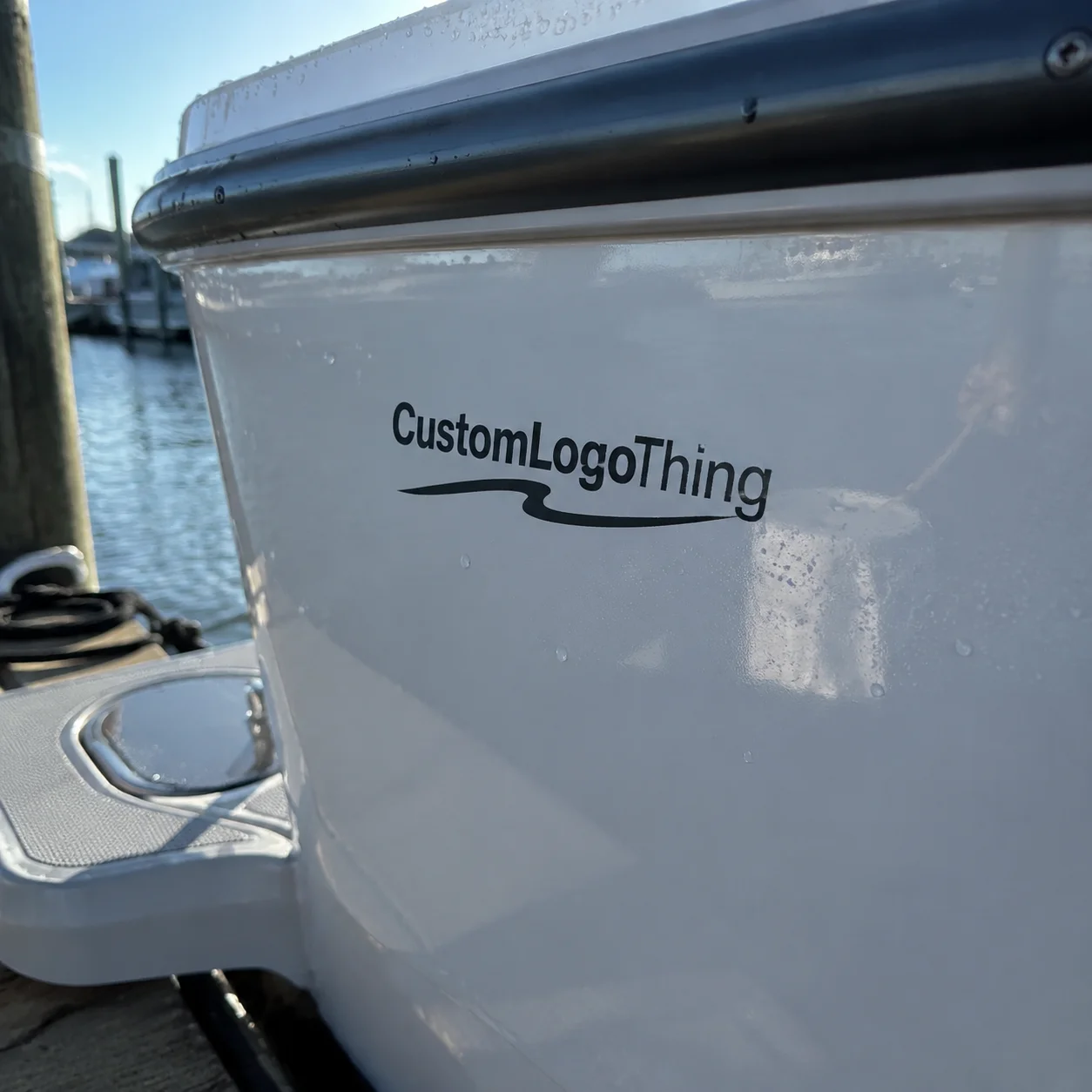
The first decision is function. Decorative stickers are for notebooks, folders, quick handouts, and spirit tables. Reward stickers are usually smaller, often 1 to 1.5 inches, and work best on sheets so teachers can peel them quickly. Event stickers may need dates, sponsor logos, QR codes, or admission branding. Laptop decals need better scuff resistance. Bumper stickers need outdoor durability. Window decals may need clear film or static cling. Waterproof bottle stickers need vinyl, laminate, and an adhesive that can handle moisture, rubbing, and the daily chaos of a cafeteria sink.
School buyers usually care about four things: durability, easy ordering, safe materials, and readable design. Price matters too, obviously. PTO budgets are not unlimited treasure chests. But cheap can get expensive if half the batch peels off during the first pep rally. The better question is not “What is the cheapest sticker?” It is “What sticker is inexpensive enough and still right for the job?”
Common buyers include administrators ordering orientation decals, teachers buying classroom incentives, coaches ordering team helmet stickers, student council leaders planning spirit week, librarians labeling programs, admissions teams building welcome folders, and parent organizations planning fundraisers. Each group tends to have a different deadline, approval chain, and tolerance for revisions. Delightful.
A smart order starts with the actual use case. Then you choose specs, estimate cost, approve clean artwork, and build in enough time for proofing and shipping. That keeps a simple sticker order from turning into a committee circus with six versions of the mascot and nobody willing to approve the final PDF.
How School Sticker Printing Works From Artwork to Finished Sheet
The basic production path is straightforward: artwork setup, proofing, material selection, printing, cutting, finishing, quality check, packing, and shipping. The trouble usually starts before printing. Low-resolution logos, unclear cut lines, sponsor names added late, and colors copied from an old sweatshirt can slow a job down fast.
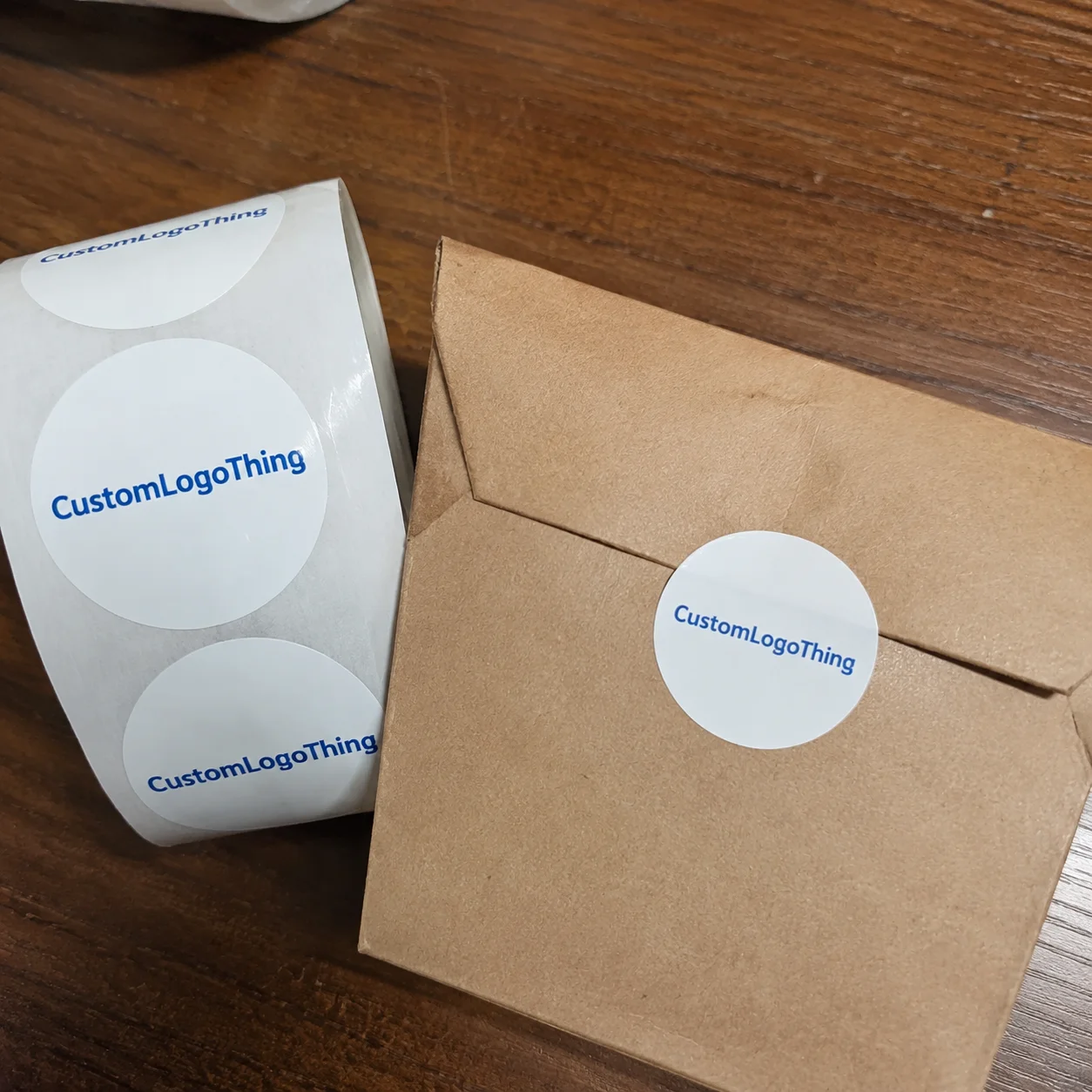
There are three common formats. Sheet stickers are grouped on a backing sheet, which makes them useful for teachers, classroom rewards, orientation packets, and handouts. Roll stickers are efficient for higher-volume labeling, lunch programs, equipment tags, library systems, and administrative use. Individually cut stickers feel more finished for giveaways, donor gifts, admissions packets, and spirit events because every student gets a separate piece instead of tearing one from a sheet.
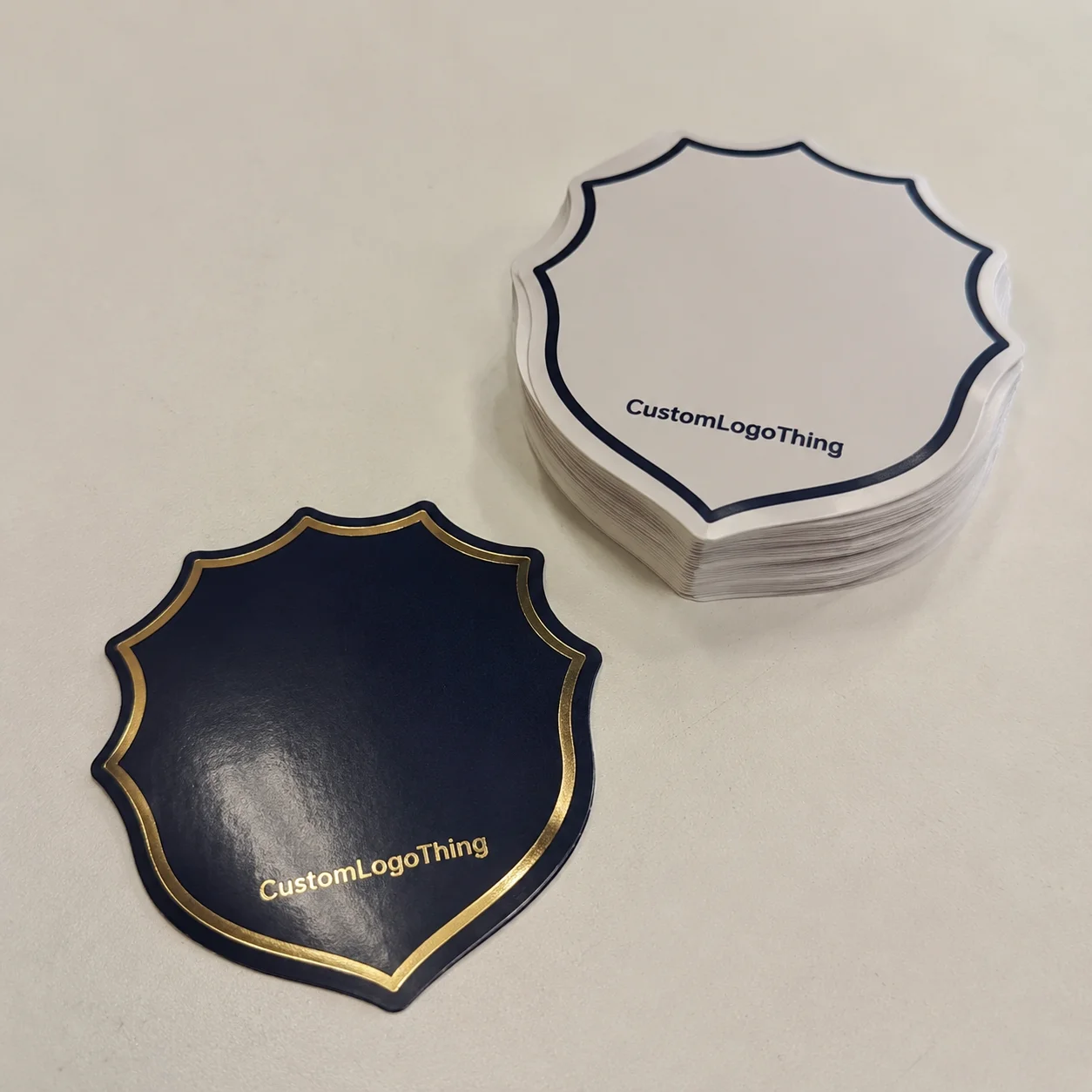
Printing method depends on quantity and design complexity. Digital printing is common for lower quantities, quick design changes, and multiple artwork versions. It works well for school clubs that need 100 to 1,000 pieces per design. Flexographic printing can make sense for larger roll-label runs in the thousands because setup costs spread out over volume. Specialty finishes such as foil, spot gloss, holographic film, or textured coatings can look sharp, but they add cost, proofing risk, and sometimes extra lead time. Use them when they support the purpose, not because someone saw a shiny sample and lost all restraint.
Cut style matters too. Kiss-cut stickers stay on a larger backing sheet or liner, making them easy to peel. Die-cut stickers follow the artwork shape, which gives mascots and club logos a cleaner retail-style look. Square, rectangle, oval, and circle stickers keep costs simpler because standard shapes are easier to produce consistently. Fancy shapes are fun. They also create more proofing opportunities, because apparently circles can still be misaligned.
Proof approval is the buyer’s last clean chance to catch mistakes. Check spelling, mascot proportions, school colors, grade levels, event dates, sponsor logos, QR codes, and cut lines. Scan QR codes at final printed size, not just on a giant monitor. A 0.75-inch QR code buried beside five sponsor logos may technically exist, but good luck getting a phone to read it in a gym hallway.
Good vendors will flag low-resolution artwork, thin text, weak contrast, and cut lines too close to important details. They may recommend a thicker stroke around a mascot, a larger sticker size, or a simpler shape. Listen. That feedback is not nitpicking; it is the difference between Stickers That Look intentional and stickers that look like they survived a copier accident.
Material, Adhesive, and Finish Choices That Survive School Use
Paper versus vinyl is the big split. Paper works for classroom charts, notebooks, folders, short-term labels, reading logs, reward sheets, and indoor activities. It is usually the lower-cost choice and can be perfectly fine for one-day or one-semester use. Vinyl costs more, but it is the better pick for water bottles, laptops, helmets, outdoor events, car windows, and anything expected to survive actual children.
For school use, vinyl thickness often lands around 3 to 4 mil before laminate, though specs vary by supplier. A laminated vinyl sticker may feel thicker and more durable because the printed surface has an added protective layer. That laminate helps resist scratches, water, UV exposure, and general backpack abuse. Not magic. Better.
Adhesive is the part buyers ignore until it creates a facilities problem. Standard permanent adhesive works for most giveaways and personal items. Removable adhesive is better for temporary classroom use, walls, lockers, or short-term campaigns where residue is a concern. Low-tack adhesive works for gentle temporary placement, though it may not hold up on textured surfaces. Freezer-grade or outdoor-grade adhesive can be useful for special cases such as food service labels, cold storage, sports equipment, or exterior signage.
Finish changes both appearance and durability. Matte finish gives a softer, classroom-friendly look and reduces glare. Gloss makes colors pop and feels energetic for spirit events. Clear stickers work for windows, laptops, admissions packets, or minimalist school branding. Laminate adds protection and is the upgrade that usually matters most for bottle stickers and outdoor decals.
Practical rule: if the sticker goes on a water bottle, laptop, helmet, car, window, or outdoor surface, start with vinyl and add laminate. If it goes on a worksheet, chart, or reading log, paper is usually enough.
For common school orders, the specs are not complicated. Use waterproof vinyl with laminate for bottle decals. Use removable paper for classroom activities. Use roll labels for lunch programs, library workflows, or equipment tagging. Use die-cut vinyl for spirit days, admissions gifts, sports decals, and donor-backed campaigns. If stickers are part of broader branded packaging for welcome kits or fundraising bundles, match the finish to the rest of the materials so the kit feels planned rather than assembled during second period.
Safety and policy deserve a quick check. Ask suppliers about material compliance, especially for products handled by young children. Avoid tiny stickers for preschool and early elementary groups because small loose pieces create avoidable risk. Confirm whether stickers will go on school property, student-owned electronics, vehicles, lockers, or district-issued devices. Some districts have strict branding and property rules. Better to ask before ordering 2,000 permanent decals that nobody is allowed to use.
For sustainability-minded buyers, ask about paper sources and recycling expectations. The Forest Stewardship Council is a useful reference for responsibly sourced paper and fiber-based materials. Sticker recycling is not always simple because adhesives, liners, and coatings can complicate the stream, so do not assume every “eco” claim means the finished sticker is recyclable in your local system.
Cost, Pricing, and MOQ Factors for School Sticker Orders
Pricing depends on size, quantity, material, finish, cut style, number of designs, packaging format, proofing complexity, and shipping timeline. That is why two sticker quotes can look wildly different even when both say “3-inch school sticker.” One may be unlaminated paper on sheets. The other may be laminated waterproof vinyl, die-cut, individually packed, and shipped on a rush timeline. Same general product. Very different job.
As a realistic starting point, small basic paper stickers at higher quantities may land around $0.03 to $0.12 each, depending on size, sheet layout, and print coverage. Laminated vinyl die-cut stickers often land closer to $0.35 to $1.25 each in lower or mid-range quantities, with unit cost dropping as volume increases. Large outdoor decals, specialty finishes, clear film, or multiple designs can push pricing higher. These are broad ranges, not a sacred price list carved into stone.
MOQ means minimum order quantity. Manufacturers set minimums because setup, proofing, printing, cutting, and packing take labor even when the sticker is tiny. Shocking, but machines do not volunteer. A supplier may have a low MOQ for digital sheet stickers, a higher MOQ for roll labels, and a different threshold for custom die-cut vinyl. If you need only 25 premium decals, expect the unit price to look rude. That is setup cost spread across a small batch.
| Sticker Type | Best School Use | Typical Size Range | Rough Unit Cost Range | Durability |
|---|---|---|---|---|
| Paper sheet stickers | Rewards, charts, classroom handouts | 1 to 2 inches | $0.03 to $0.12 at volume | Indoor, short-term |
| Roll labels | Equipment, lunch programs, library labels | 1 to 3 inches | $0.04 to $0.20 at volume | Depends on material |
| Laminated vinyl die-cuts | Spirit giveaways, bottles, laptops | 2.5 to 4 inches | $0.35 to $1.25 in many runs | Water-resistant to waterproof |
| Clear window decals | Admissions, offices, campus windows | 3 to 6 inches | $0.45 to $1.75 depending on size | Indoor or outdoor by spec |
Schools can lower unit cost by standardizing sizes, grouping designs into one order, avoiding unnecessary specialty finishes, and ordering ahead instead of paying rush fees. If five clubs each need 250 stickers, matching the same size, material, and finish may price better than five separate jobs. Design splits still need to be quoted clearly, but shared specs usually help.
Premium specs are worth it for fundraising stickers, alumni gifts, sports decals, admissions welcome kits, and sponsor-backed event stickers. A $1 decal sold for $5 at a game can make sense. A $1 decal used as a one-day hall pass label does not. Match the spend to the value of the moment.
If your school is already ordering Custom Labels & Tags or other Custom Packaging Products, ask whether sticker production can be grouped with related pieces. For fundraising kits, spirit boxes, or admissions mailers, coordinated stickers can support the same packaging design system as folders, labels, inserts, or Custom Printed Boxes. That does not mean everything needs to match perfectly. It means the pieces should look like they came from the same school, not five separate Canva tabs.
Request quotes with exact size, quantity, material, finish, number of designs, deadline, delivery location, and intended use. “We need school stickers soon” is not a quote request. It is a guessing exercise, like a substitute teacher on day one with no seating chart.
Process and Timeline: How to Order Without Missing the Event
A practical timeline starts with requirements, then artwork, quote, proof, approval, production, shipping, and distribution. For most standard school orders, start two to four weeks before the event. Larger quantities, multiple designs, specialty finishes, district approvals, sponsor changes, and imported materials need more time. If the stickers are for a fixed event date, tell the vendor that date immediately. Do not hide the deadline like it is a pop quiz.
Standard digital sticker orders may produce in 5 to 10 business days after proof approval, depending on the supplier, quantity, and finish. Shipping can add 2 to 5 business days domestically, longer for remote locations or freight-heavy orders. Rush production may be available, but it usually costs more and leaves less room for correction. Rush fees are basically tuition for procrastination.
Orders slow down for predictable reasons: missing logos, low-resolution mascot art, late sponsor changes, committee revisions, unclear delivery dates, and proof approvals sitting in someone’s inbox collecting dust. If a vendor sends a proof on Tuesday and approval arrives the following Monday, production did not “take longer.” The approval did.
- Choose the use case: reward, event, bottle decal, equipment label, admissions kit, or fundraiser.
- Pick the format: sheets, rolls, or individually cut stickers.
- Define the size: common school sizes range from 1 inch for rewards to 3 inches for giveaways.
- Choose the material: paper for short-term indoor use, vinyl for durable use.
- Estimate quantity: include students, staff, volunteers, sponsors, and extras.
- Prepare artwork: send vector files if available and avoid screenshots.
- Request the quote: include deadline, delivery address, and number of designs.
- Review the proof: check spelling, dates, colors, cut lines, and QR codes.
- Approve quickly: production usually starts only after written approval.
- Confirm shipping: verify the delivery name, address, receiving hours, and event date.
Artwork files matter. Vector files such as AI, EPS, SVG, or editable PDF are ideal for mascots, logos, and sharp text because they can scale without getting blurry. High-resolution PNG files can work for simple designs if they are large enough, usually 300 DPI at final print size or better. Screenshots from newsletters are not artwork, no matter how confidently someone says they are. A 400-pixel mascot pulled from a website will not become crisp because the order is urgent.
Order extras. For most school orders, 5% to 10% extra is sensible. For events with late signups, sponsor tables, student volunteers, staff copies, club archives, or resale potential, 10% to 15% may be smarter. Someone will ask for 30 more after distribution. They always do.
If stickers are going into mailers, fundraiser bundles, welcome packets, or product packaging for school stores, check fit before production. A 4-inch die-cut may look great alone and still fail inside a 5-by-7 card envelope. Sticker size, liner shape, and packing format affect fulfillment speed. That small detail can matter when volunteers are assembling 800 packets on folding tables.
Common Mistakes Schools Make With Sticker Design and Ordering
The big design mistakes are easy to spot after printing and annoying to fix before an event. Tiny text. Too many colors. Low contrast. Overstuffed layouts. Weak mascot files. Sponsor logos that overpower the school identity. QR codes printed too small to scan. A sticker is not a flyer. It has less space, less viewing time, and far less patience from its audience.
Keep the message short. For a 2-inch sticker, a mascot, school name, and short phrase may be plenty. For a 3-inch sticker, you can add an event name or year-free campaign line. If ten pieces of information must appear, you probably need a postcard, not a sticker. Brutal, but accurate.
Sizing mistakes are common because screens lie. A sticker that looks huge on a monitor may disappear on a laptop lid. An oversized sticker may not fit notebooks, helmets, lockers, phone cases, giveaway bags, or water bottles with curved surfaces. For student giveaways, 2.5 to 3 inches is a dependable range. For reward stickers, 1 to 1.5 inches is usually enough. For bumper stickers, 3 by 8 inches or 4 by 6 inches are common starting points.
Material mistakes create functional failure. Paper stickers on water bottles wrinkle and peel. Permanent adhesive on temporary classroom walls can leave residue or damage paint. Unlaminated stickers on outdoor sports gear may fade or scratch. Clear stickers with white artwork need white ink planning, otherwise the design can vanish on glass or dark surfaces. Production physics does not care that the design looked adorable in the meeting.
Quantity mistakes usually fall into two buckets: underordering to save a few dollars, then paying more for a second run, or overordering dated designs that become useless after the event. If the sticker includes a specific date, order closer to expected need plus a modest extra. If it is evergreen school spirit artwork, ordering more may reduce unit cost and support future events.
Approval mistakes deserve their own warning. Check spelling, dates, school colors, grade levels, mascot rules, district branding guidelines, and sponsor names before proof approval. If the district has official logo standards, use them. If brand colors are defined by Pantone, CMYK, RGB, or hex values, send those references. For packaging and transport basics, groups such as the International Safe Transit Association are useful reminders that packing and shipping are part of the final product experience, especially for bulk event materials.
Blunt rule: if five people need to approve the design, assign one final decision-maker. Democracy is lovely. It is also how sticker orders miss homecoming.
Next Steps Before You Request a School Sticker Quote
Before requesting a quote, collect the basics in one place. Vendors can price faster and more accurately when they are not chasing missing information across three email threads, two text messages, and a photo of a whiteboard.
- Intended use: classroom reward, bottle decal, fundraiser, event handout, equipment label, or admissions item.
- Sticker size: exact dimensions or a practical range such as 2.5 to 3 inches.
- Quantity: total count plus any design splits.
- Material preference: paper, vinyl, clear film, removable stock, or vendor recommendation.
- Finish preference: matte, gloss, clear, laminate, or specialty finish.
- Cut style: square, circle, rectangle, kiss-cut, die-cut, or roll label.
- Artwork files: AI, EPS, editable PDF, SVG, or high-resolution PNG.
- Delivery details: address, receiving hours, deadline, and event date.
Choose one primary use case first. Do not try to make one sticker serve every club, fundraiser, classroom, athletics department, and admissions campaign. That is how designs become visual soup. A school can order several versions, but each version should have a clear job.
Good starting specs are simple. Use 2-inch circle paper stickers for classroom rewards. Use 3-inch waterproof vinyl die-cuts for spirit giveaways. Use roll labels for equipment, lunch, or library programs. Use clear decals for windows, office doors, admissions packets, or school store displays. For school store bundles or retail packaging, think about how the sticker supports the full presentation. Package branding works best when stickers, tags, inserts, and boxes share the same design language without turning every surface into a billboard.
Ask the supplier about proofing, lead time, reorder options, color matching, material durability, packaging format, and whether mixed designs can share one order. If durability matters, describe the surface: stainless steel bottle, plastic laptop case, painted locker, car window, cardboard mailer, or paper folder. Adhesive performance depends on the surface, temperature, texture, and handling. Not always the case, but often enough to matter.
The best school sticker orders are not complicated. They match the sticker to the real use case, use artwork that can actually print cleanly, leave time for proofing, and include enough extras to avoid panic reprints. Get those four pieces right, and the finished stickers have a much better chance of surviving backpacks, bottle racks, field days, hallway traffic, and the brutally honest review process known as students.
FAQ
What are the best custom stickers for schools to use on water bottles?
Use waterproof vinyl stickers with a gloss or matte laminate for water bottles, lunch containers, and laptops. Avoid standard paper stickers because they usually wrinkle, fade, or peel when exposed to moisture. A size around 2.5 to 3 inches is usually visible without overpowering most bottles.
How much do school stickers usually cost?
Cost depends on size, quantity, material, finish, cut style, and number of designs. Basic paper stickers can cost only a few cents each at larger quantities, while laminated vinyl die-cut stickers cost more but last longer. Schools can lower unit cost by ordering more at once, using standard shapes, and avoiding rush production.
How far ahead should a school order custom stickers for an event?
Plan two to four weeks ahead for most standard orders. Allow more time for large orders, specialty finishes, multiple designs, district approvals, or event sponsor changes. Approve proofs quickly because production usually starts only after written proof approval.
Can schools order multiple sticker designs in one batch?
Many suppliers can print multiple designs, but pricing depends on whether the designs share the same size, material, finish, and cut style. Keeping all designs in the same format usually makes the order easier and more cost-efficient. Ask about design splits when requesting the quote so quantities are clear from the start.
What artwork files work best for custom school stickers?
Vector files such as AI, EPS, SVG, or editable PDF are best for mascots, logos, and sharp text. High-resolution PNG files may work for simpler artwork if they are large enough and not blurry. Avoid screenshots, copied social media images, and tiny logo files because they often print poorly.