A custom stickers promo code can save money. It can also pull attention away from the cost drivers that matter more: material choice, order quantity, proofing delays, and shipping speed. A discount looks helpful until rush freight, the wrong adhesive, or a tiny production run swallows it whole.
For packaging buyers, stickers are not just decoration. They seal mailers, identify SKUs, label jars, brand subscription boxes, dress up event swag, and turn plain packaging into something intentional. The coupon helps only after the sticker specification already makes sense.
What a Custom Stickers Promo Code Really Saves You
A 10% discount sounds clean. Then the math starts arguing.
If the cart is $180 and the code saves $18, but the order later needs $42 rush shipping because the timeline was unrealistic, the discount did not save money. It only made the first checkout screen look friendlier. The same thing happens when someone orders 250 stickers at a high unit cost while 1,000 pieces would have dropped the price sharply.
A custom stickers promo code usually applies to printed sticker products, first-time customer offers, seasonal campaigns, category promotions, or bulk sticker orders above a certain cart value. Some codes cover die-Cut Vinyl Stickers. Some cover roll labels. Some work only on standard materials and quietly exclude holographic film, metallic stock, specialty laminates, or custom-quoted jobs.
The code is one part of the buying decision. Not the buying decision. Material, size, finish, quantity, proofing, shipping method, and application surface usually affect the final value more than the coupon. A glossy paper sticker may look fine on a thank-you card. Put that same sticker on a refrigerated drink bottle sweating in a cooler, and the savings start peeling at the corners.
Common restrictions include minimum spend, one-time use, non-stackable pricing, excluded premium finishes, sample pack exclusions, and short expiration windows. A discount may also fail if the order is already priced through a custom quote. Annoying? Yes. Normal? Also yes.
Practical rule: judge the discount by total landed cost, not by the percentage printed in the promo banner.
That means looking at product subtotal, shipping, tax, proof fees, rush fees, setup costs, and the realistic usable quantity. Coupon savings are real only if the finished stickers arrive on time, fit the job, and hold up under the conditions they will actually face.
How Sticker Discounts Work Behind the Scenes
Sticker pricing is built from more than ink and adhesive. A typical order includes artwork handling, proofing, material, printing, cutting, finishing, labor, packing, waste allowance, and shipping. If the job uses roll stock, there may also be unwind direction, core size, label gap, roll diameter, and applicator requirements. If it uses individually cut stickers, extra handling enters the price.
A custom stickers promo code may reduce only part of that total. It might apply to the product subtotal before shipping and taxes. It may not touch rush production. It probably will not reduce freight on heavy cartons of roll labels. Freight carriers, tragically, do not respond to coupon enthusiasm.
Most sticker discounts fall into a few practical categories:
- Percentage off: common for first orders, often 10% to 20% on eligible products.
- Dollar amount off: useful on smaller carts, such as $15 off $100 or $50 off $300.
- Free shipping: valuable for bulky orders, but only after checking speed and service level.
- First-order credit: helpful for testing a supplier before repeat production.
- Bulk tier pricing: often stronger than a small code once quantities rise.
- Sample credit: sometimes applied after ordering a sample pack or material kit.
Automatic bulk price breaks deserve more attention than they get. If 250 stickers cost $0.62 each and 1,000 cost $0.24 each, that quantity jump beats many checkout coupons. Fixed setup work spreads across more units, which is why small sticker orders feel expensive per piece even when the sticker itself is tiny.
Not every sticker type qualifies for the same promotion. Custom die-cut stickers, waterproof vinyl stickers, roll labels, sheet stickers, clear labels, metallic stock, and specialty laminated finishes may sit in different pricing systems. Clear BOPP roll labels for retail packaging are not priced like matte paper sheet stickers for a planner insert.
For higher quantities, repeat orders, multiple designs, or unusual specs, a custom quote may beat the checkout code. Boring, yes. Effective, also yes. If you are already buying Custom Labels & Tags for product packaging, quoted pricing on the full run can remove guesswork and reveal better unit costs.
Sticker Cost, Pricing, and Unit Cost Factors to Check
Sticker cost moves quickly once the spec changes. Size is the obvious driver because a 4-inch sticker uses more material than a 2-inch sticker. Shape complexity matters too. A simple circle cuts efficiently. A jagged mascot outline with 36 tiny points is slower to produce and easier to weed poorly if the tolerance is tight.
Main pricing variables include size, shape, material, adhesive, print coverage, finish, quantity, packaging format, and whether the order is roll, sheet, kiss-cut, or individually cut. Waterproof vinyl, white BOPP, clear BOPP, paper, kraft, textured paper, holographic film, and metallic foil materials all behave differently. Add matte lamination, gloss lamination, soft-touch coating, UV coating, or spot effects, and the price shifts again.
Unit cost is where buyers either get disciplined or get distracted by the cart. Small batches cost more per sticker because setup, proofing, cutting, and packing do not disappear just because the artwork is small. For standard printed vinyl stickers, rough online ranges may look like $0.45 to $1.20 each at 100 pieces, $0.18 to $0.45 each around 1,000 pieces, and $0.06 to $0.18 each at higher production quantities. Specs change those numbers. Always.
| Sticker Format | Best Use | Typical Value Range | Buyer Watchout |
|---|---|---|---|
| Die-cut singles | Giveaways, inserts, event swag | Good at 500 to 2,500 pieces | Complex cuts can raise cost and slow production |
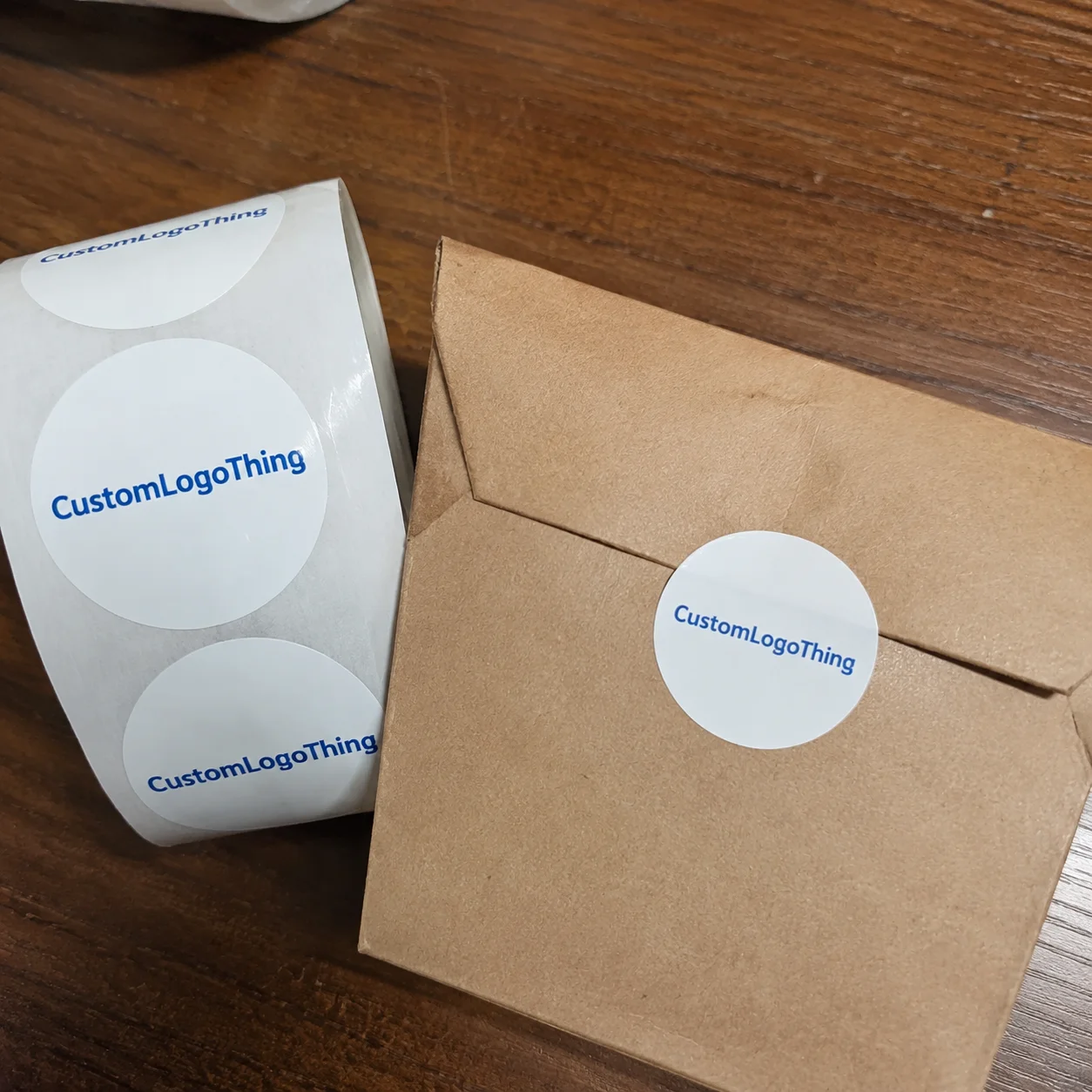
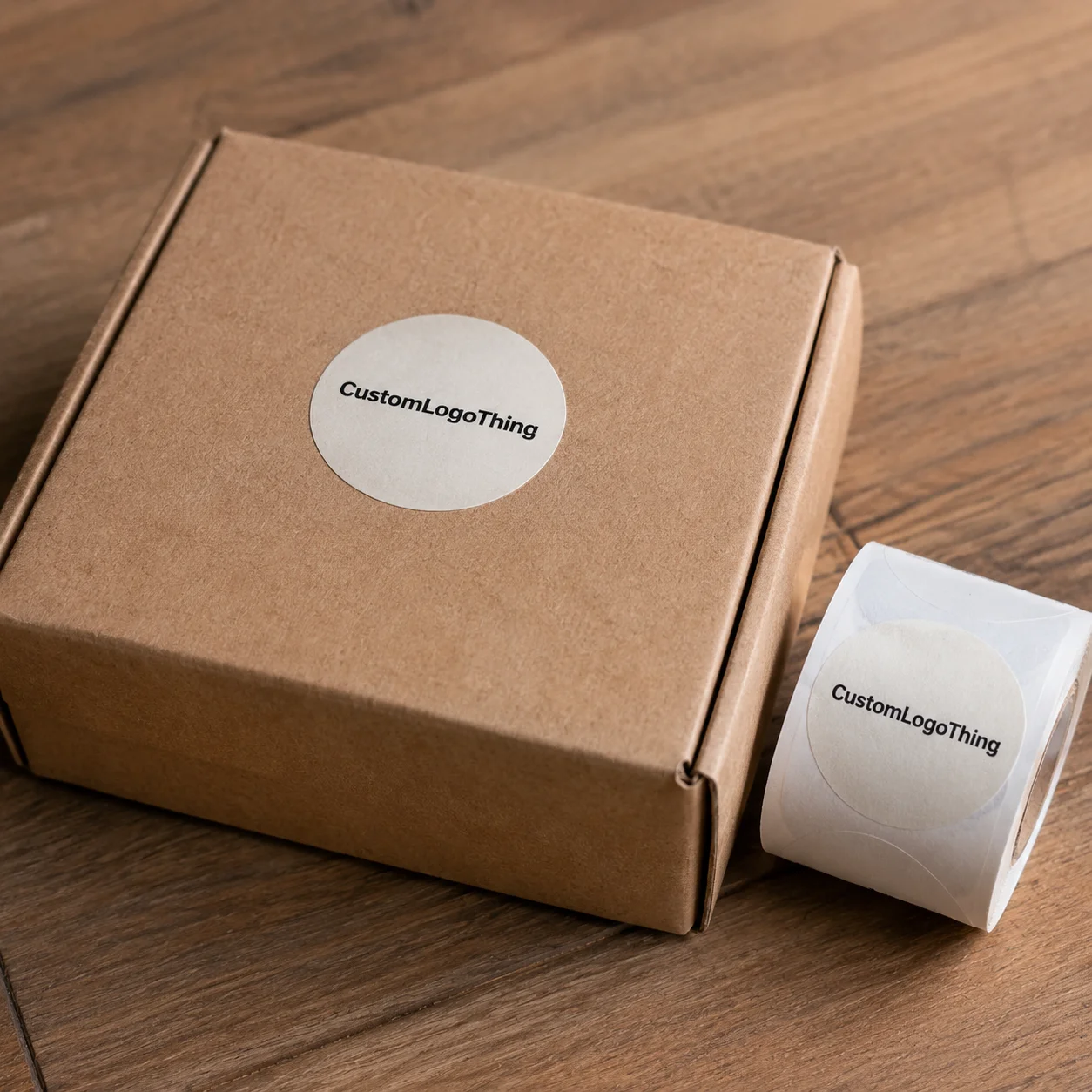
| Roll labels | Jars, bottles, boxes, shipping cartons | Strong value at 1,000+ labels | Confirm unwind direction and applicator needs |
| Sheet stickers | Variety packs, planners, short runs | Good for mixed designs | Manual application is slower for packaging lines |
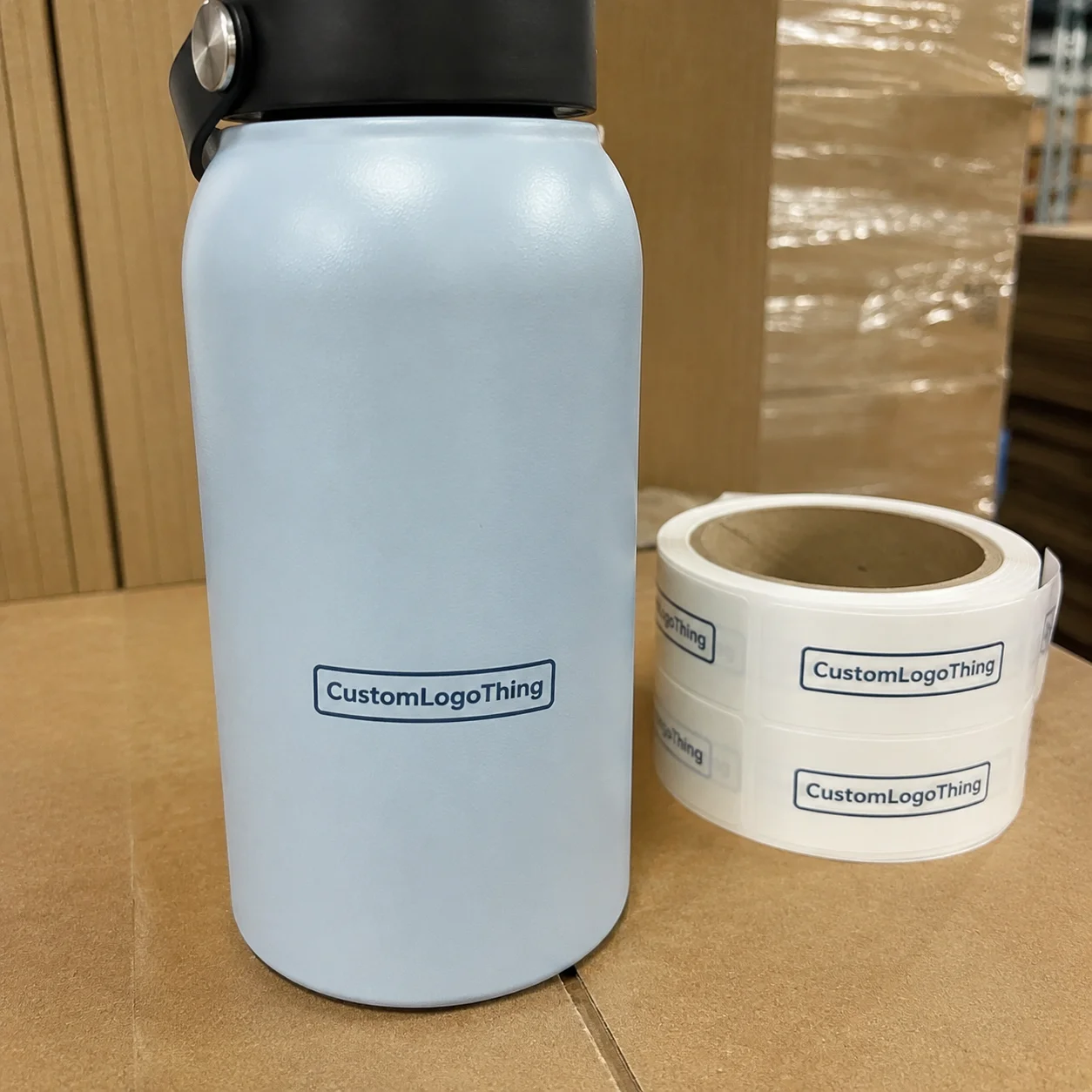
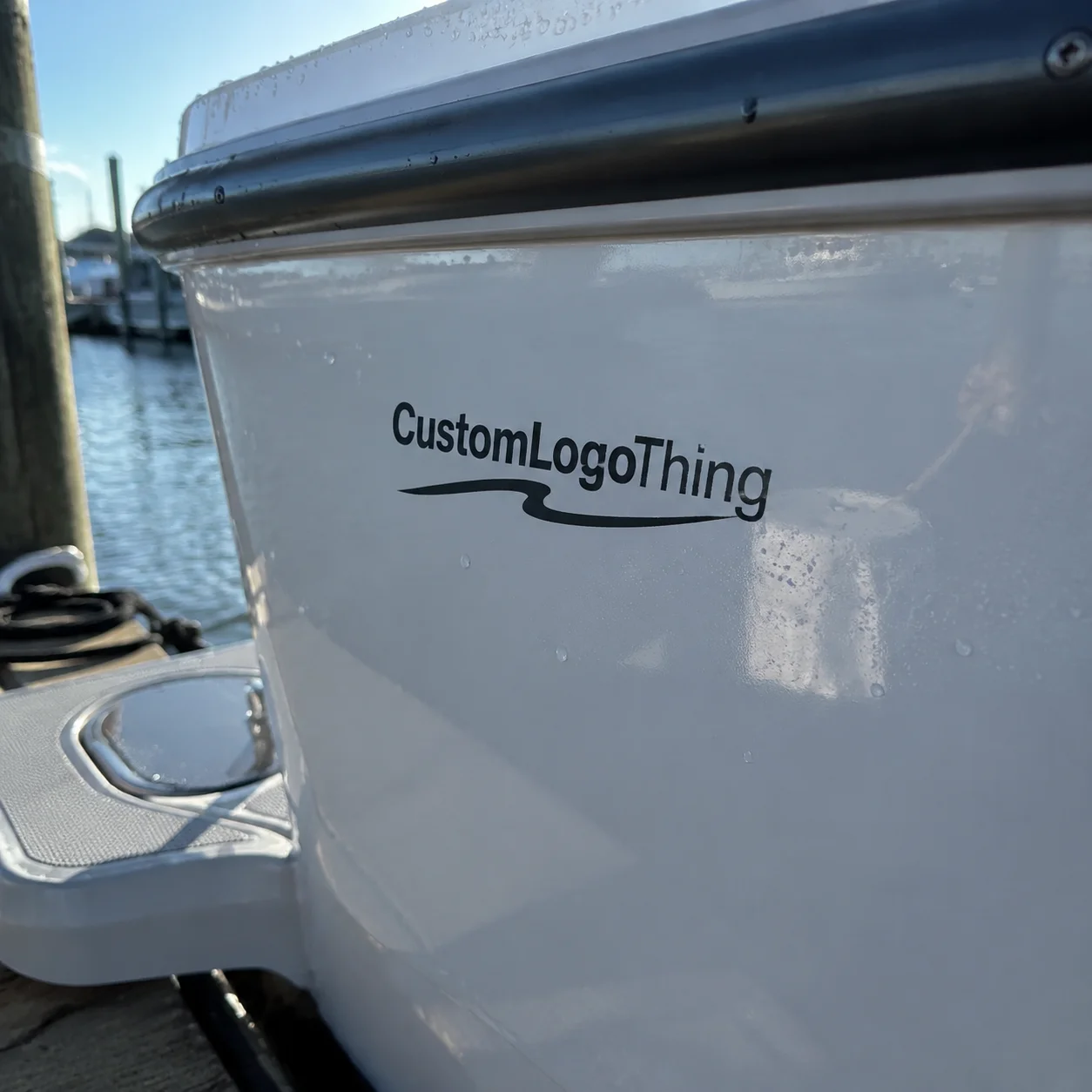
| Waterproof vinyl | Bottles, outdoor gear, coolers | Higher cost, better durability | Test adhesive on curved or textured surfaces |
| Paper labels | Dry goods, inserts, short-term use | Lower material cost | Weak choice for moisture, oil, and abrasion |
Compare quotes by total order cost, cost per sticker, shipping, tax, proof fees, plate charges, die charges, and rush fees. If one supplier includes proofing and another adds $25 after upload, the cheaper-looking cart may not stay cheaper. Classic checkout magic. Nobody asked for it.
Minimum order quantity also matters. Some suppliers advertise very low minimums, which helps during testing. The strongest value usually begins at practical production quantities: often 500 to 1,000 pieces for singles and 1,000 to 5,000 pieces for roll labels, depending on size and material. For branded packaging, ordering too few labels can create repeat setup costs, extra shipping charges, and inconsistent batch color.
Adhesive selection is easy to overlook because many order forms hide it behind friendly labels like “standard” or “permanent.” Permanent adhesive may still struggle on rough kraft paper, powder-coated containers, oily surfaces, or cold, damp packaging. Removable adhesive can be useful for temporary promotions, but it is the wrong choice for a product label expected to survive shipping, shelving, and handling.
Do not chase the cheapest coupon if the material fails on bottles, candles, mailers, food packaging, or outdoor surfaces. Peeling stickers are not a brand strategy. They are a refund request with adhesive on the back.
Process and Timeline: From Promo Code to Delivered Stickers
The ordering process looks straightforward: choose sticker type, select size and quantity, upload artwork, apply the code, review pricing, approve the proof, enter production, then ship. Simple on paper. Less simple if the file is a blurry PNG pulled from a social profile.
Delays usually come from artwork problems. Low resolution, missing bleed, wrong color mode, unclear cut lines, thin borders, tiny reversed-out text, and raster logos cause avoidable back-and-forth. For print, 300 DPI at final size is a safer baseline for raster artwork. Vector files such as AI, EPS, or clean PDF files are better for logos, shapes, and cut paths.
Turnaround usually starts after proof approval, not when someone drops files into a cart and hopes the printer is psychic. Standard online sticker orders may move in 3 to 7 business days after proof approval. Larger roll label jobs, specialty finishes, multiple versions, or split shipments often take 7 to 15 business days or more. Rush production can help, but it can also erase the value of a custom stickers promo code in one ugly checkout line.
For retail packaging, subscription boxes, influencer kits, trade shows, product launches, and seasonal drops, order earlier than feels necessary. If the stickers support Custom Printed Boxes or broader package branding, one late label can hold up the whole packaging set. That is a painful way to learn calendar math.
Quality control should happen before the full order leaves the building, not after boxes arrive. Useful checks include confirming dimensions, cut alignment, edge quality, color consistency, lamination coverage, adhesive performance, roll direction, and barcode or QR readability. For small labels, scan codes at final size on the actual label stock. A QR code that scans on a monitor may fail once reduced, laminated, or printed over a textured background.
Testing matters for demanding applications. For shipped products, the International Safe Transit Association publishes packaging performance resources at ista.org. Stickers are only one piece of the packaging system, but labels that scuff, lift, or wrinkle during transit can make otherwise decent product packaging look cheap.
Step-by-Step Guide to Using a Sticker Deal Without Overpaying
A discount works best after the job is defined. Not before. If you start with the coupon and build the order around it, a checkout box is making production decisions. That is not buying. That is gambling with adhesive.
- Define the job clearly. Identify the surface, indoor or outdoor use, handling conditions, size, quantity, and purpose. A decorative laptop sticker has different needs than a compliance label on a supplement jar.
- Choose the right format. Use die-cut singles for giveaways, roll labels for fast product application, sheet stickers for variety packs, and waterproof vinyl stickers for bottles, coolers, and outdoor gear.
- Price before and after the discount. Record the cart total, unit cost, shipping, and taxes before applying the code. Then compare the final number against bulk quantity breaks and quote pricing.
- Check restrictions early. Minimum spend and excluded materials are where dreams go to die. Confirm whether the promotion applies to the exact format, finish, and quantity you want.
- Upload clean artwork. Include bleed, safe zones, vector logos where possible, and readable text at final printed size. For small labels, 5-point legal copy may technically fit and still be a terrible idea.
- Review the proof carefully. Check spelling, cut path, dimensions, finish, color expectations, quantity, and delivery address before approving.
For artwork, add at least 0.0625 inch bleed when the printer requests it, and keep important text or logos inside the safe area. Thin borders near the cut edge are risky because even good cutting equipment has tolerance. A 1/16-inch shift can make a narrow border look uneven.
If the sticker is part of a larger packaging run, compare it with the rest of the system. A matte label on a glossy pouch may be intentional. It may also look like two vendors never spoke. Review colors under normal lighting, not just on a bright laptop screen. Digital proofs are useful, but they are not a perfect match for ink on vinyl, paper, kraft, metallic film, or clear stock.
For brands buying multiple packaging pieces, it can be smarter to review the full mix through Custom Packaging Products rather than treating stickers as a random add-on. Stickers, labels, sleeves, boxes, and inserts should feel related. Not identical. Related.
If sustainability claims appear on the label or packaging, be careful. Material claims, recyclability claims, and compostability language should be accurate for the full package, not just the sticker face stock. A recyclable container can become harder to process if the adhesive, laminate, or label material conflicts with the recovery stream. The EPA’s guidance on reducing and reusing materials at epa.gov/recycle is a useful starting point for buyers who need to avoid vague eco-marketing.
Common Mistakes That Cancel Out Sticker Savings
The fastest way to waste a custom stickers promo code is to order too few pieces. A buyer sees 15% off, orders 200 stickers, then reorders 800 two weeks later at a worse combined unit cost. If demand is predictable, price 500, 1,000, and 2,500 pieces before deciding.
Another common mistake is choosing paper stickers for moisture-heavy products. Paper has a place. Dry retail bags, thank-you seals, bakery boxes used same-day, and indoor packaging can be good fits. But paper labels on oily candles, refrigerated jars, cold beverage bottles, or mailers facing heavy abrasion? That is optimism with a liner.
Tiny text is another quiet killer. If a label is 1.5 inches wide, every word has to earn its space. Complex QR codes, thin script fonts, low-contrast colors, and hairline borders can fail at final size. Print a paper mockup at 100% scale before ordering. It costs almost nothing and catches embarrassing layout problems.
Shipping speed is where many buyers lose the savings. Standard shipping may be reasonable. Expedited shipping on a heavy carton can cost more than the promotion saved. Check freight before approving the proof if the deadline is tight, especially for trade shows and launch kits.
Substrate assumptions cause trouble too. White vinyl, clear film, black stock, metallic material, kraft paper, and holographic film do not print the same way. Ink opacity, color brightness, and contrast shift depending on the base material. White ink may be required on clear or metallic stock if you want colors to pop. That can change price and timeline.
Storage gets ignored until the reorder goes wrong. Stickers and labels should be kept clean, dry, and away from heat swings whenever possible. Extreme heat can soften adhesive. Cold storage can affect tack. Dust and humidity are not kind to exposed edges. If a label will sit for months before use, ask about shelf life and storage recommendations instead of assuming the roll will behave forever.
Finally, approving proofs too quickly is expensive. The proof is not a ceremonial PDF. It is the last cheap place to catch errors. Check the cut path, bleed, spelling, SKU numbers, barcode size, QR code scan, finish, quantity, and shipping address. If five people need to approve the art, assign one final decision-maker. Committees are where timelines go to nap.
Next Steps Before You Place the Order
Before placing the order, build a short pre-flight checklist. Confirm final size, material, finish, adhesive needs, quantity, use case, application method, artwork format, delivery deadline, and backup quantity. Add 5% to 10% extra if stickers will be hand-applied, used at events, or packed into kits. Humans drop things. Shocking, but true.
Request a Quote instead of relying only on checkout pricing when the order involves large volume, multiple designs, roll labels, specialty finishes, tight deadlines, or packaging compliance requirements. Quotes are also useful when you need repeat runs with consistent material and color. If you expect to reorder every month, say that. Repeat volume can change the conversation.
Order samples or a smaller validation run when the sticker will touch moisture, textured surfaces, curved containers, freezer conditions, cosmetics, oils, or retail-ready packaging. A 100-piece test can prevent a 10,000-piece headache. Test on the real surface, under real handling conditions, for several days if possible.
Compare the promo code against bulk pricing, not just the original cart price. If moving from 500 to 1,500 stickers cuts unit cost from $0.32 to $0.18, that may beat a small coupon. The right answer depends on cash flow, storage, demand, and design stability. If your logo might change next month, do not buy a pallet of old branding just because the unit cost looks pretty.
Use the custom stickers promo code after confirming specs, timeline, and total landed cost. That is how the discount supports the order instead of distracting from weak choices. Smart buying is not about hunting the loudest coupon. It is about getting the right label, on time, at a unit cost that makes sense.
FAQ
How do I know if a custom sticker promo code is actually a good deal?
Compare the final cart total, not just the percentage discount. Check unit cost before and after the code, including shipping, taxes, proof fees, and rush fees. Then compare that number against bulk quantity pricing or a custom quote. If a higher quantity drops the unit price more than the coupon does, bulk pricing is usually the better deal.
Can I use a custom stickers discount code on bulk sticker orders?
Sometimes. Many suppliers limit codes by order value, product type, customer status, or existing quote discounts. Bulk orders may already include tiered pricing, so the promo code may not stack. For larger quantities, asking for a quote can produce better pricing than applying a checkout code.
What sticker specs should I choose before applying a promo code?
Decide the size, shape, quantity, material, finish, and application surface first. Choose waterproof vinyl for moisture-heavy uses like bottles, coolers, and outdoor gear. Choose roll labels if stickers need to be applied quickly to packaging or products. Finalize specs before comparing discounts because each change can move the price.
Why did my custom stickers promo code not work at checkout?
The order may not meet the minimum spend or eligible product category. The code may be expired, single-use, or unavailable with bulk pricing. Special materials, rush orders, sample packs, or quoted jobs may be excluded. Check the fine print before rebuilding the cart five times. Checkout pages are not treasure maps.
Should I wait for a custom sticker coupon or order now?
Order now if the stickers are tied to a launch, event, trade show, subscription box, or retail deadline. Waiting for a small discount can backfire if rush production or expedited shipping becomes necessary. If the project is flexible, gather specs and artwork now so you can move quickly when a valid promotion appears.