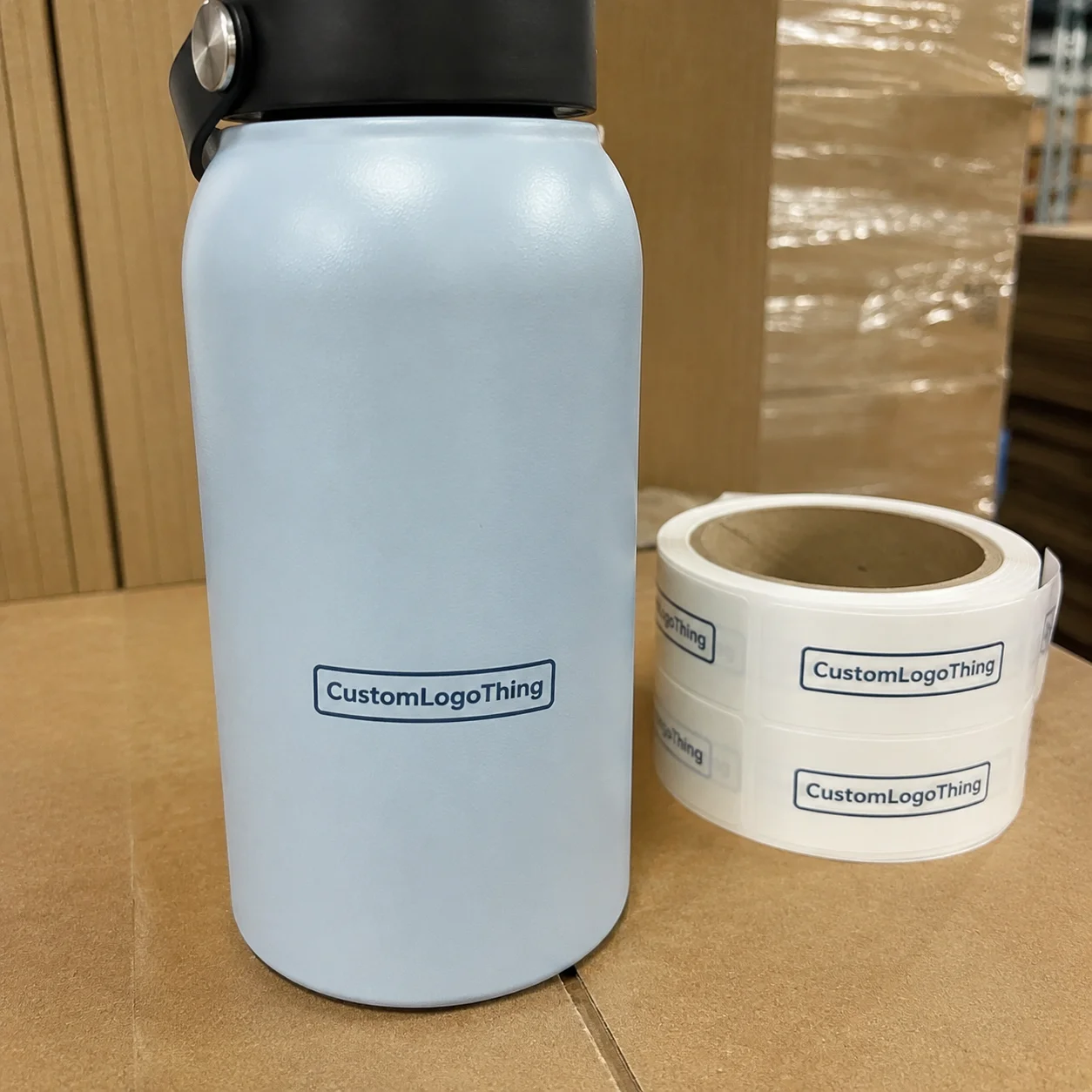
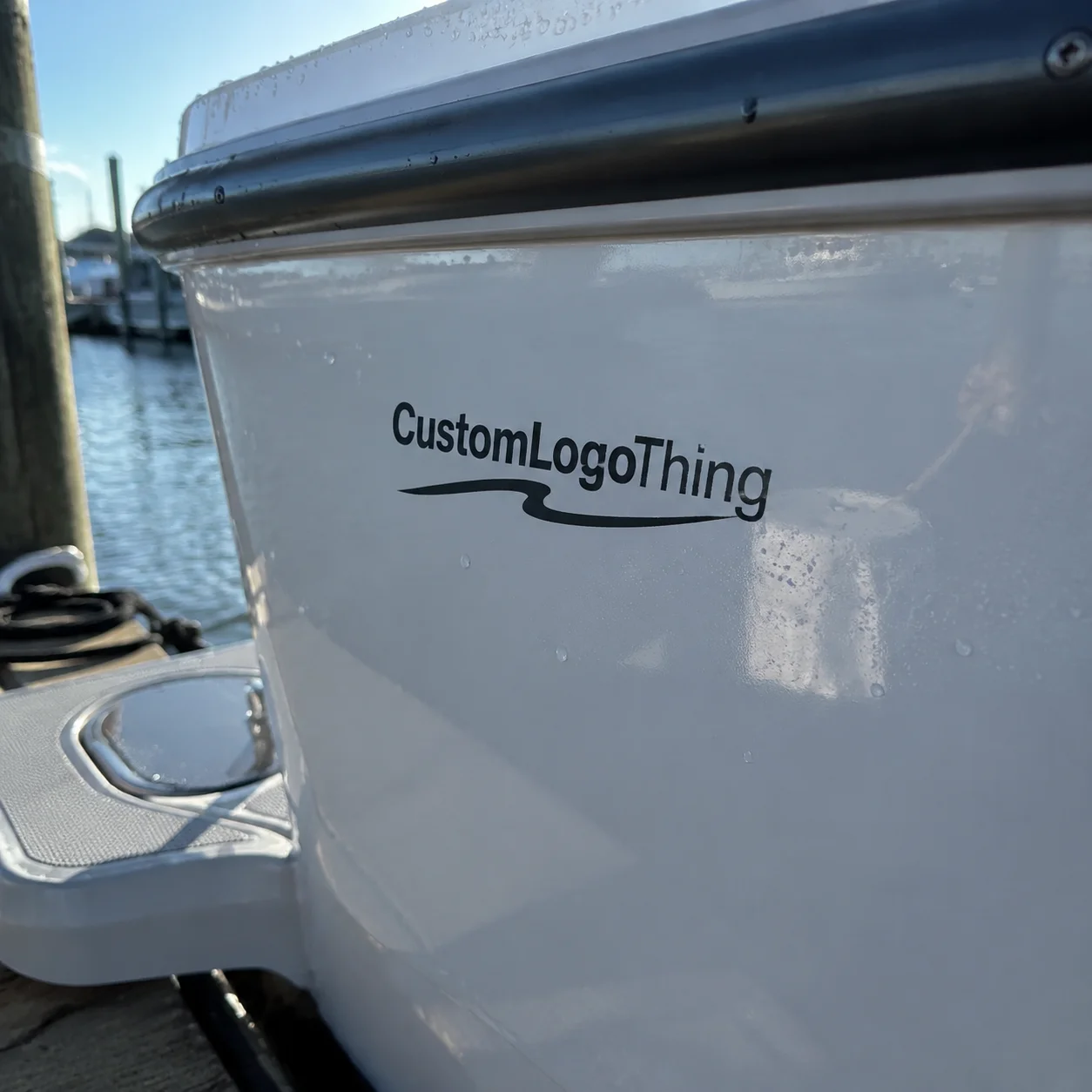
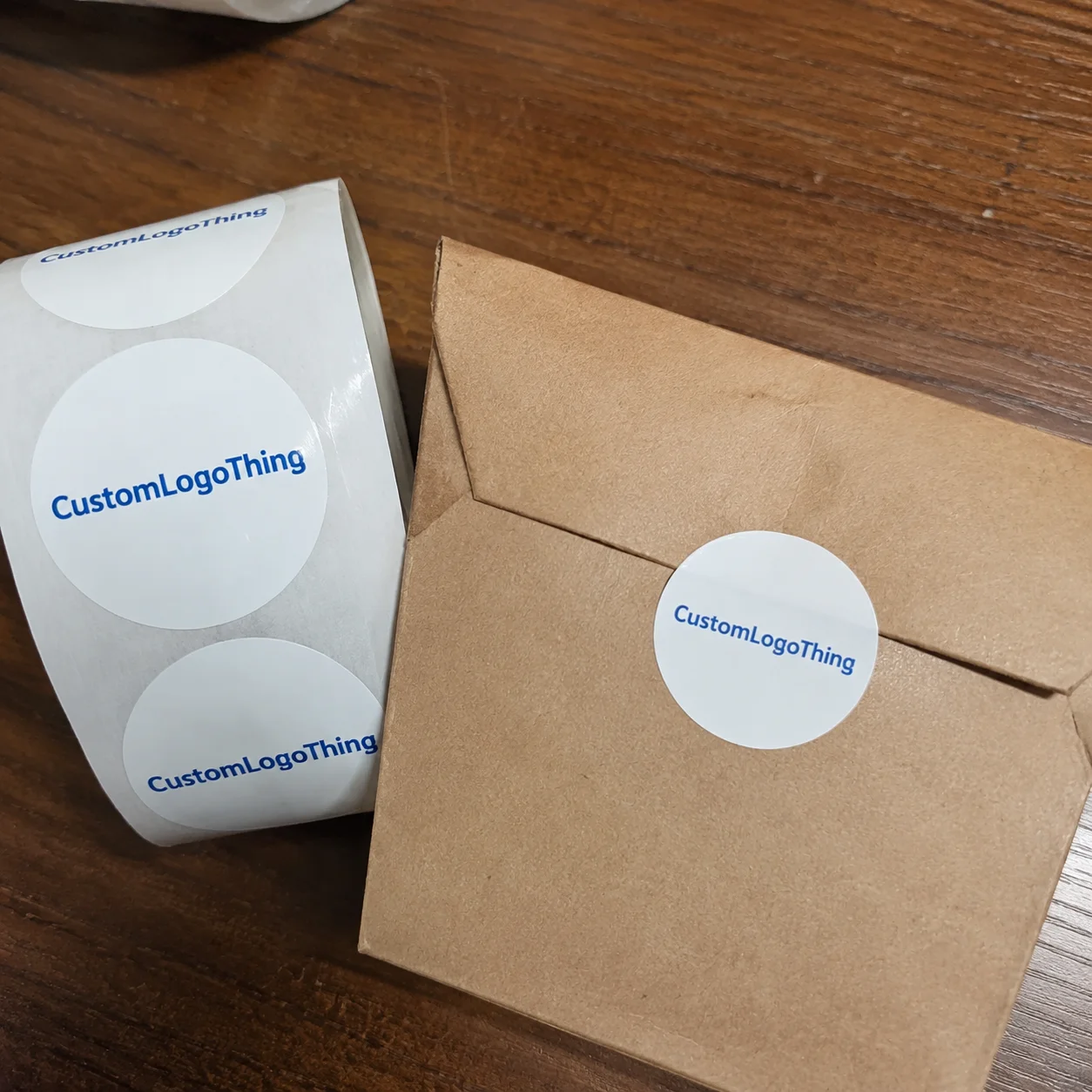
The sticker that looks perfect on a laptop can fail fast on a cold brew bottle, shipping box, candle jar, helmet, or surf shop giveaway. That is why buyers searching for Custom Stickers San diego are rarely comparing design alone. They are weighing speed, weather resistance, adhesive strength, application format, color quality, and whether the finished piece will make the brand look sharper or cheaper.
A custom sticker is a printed adhesive graphic made to a chosen size, shape, material, finish, and quantity. Simple enough. Then it meets condensation, sun, rough kraft paper, freezer storage, hand oils, textured pouches, or a curved bottle shoulder. The cheap choice starts acting cheap.
Custom Stickers San Diego Buyers Need More Than a Pretty File
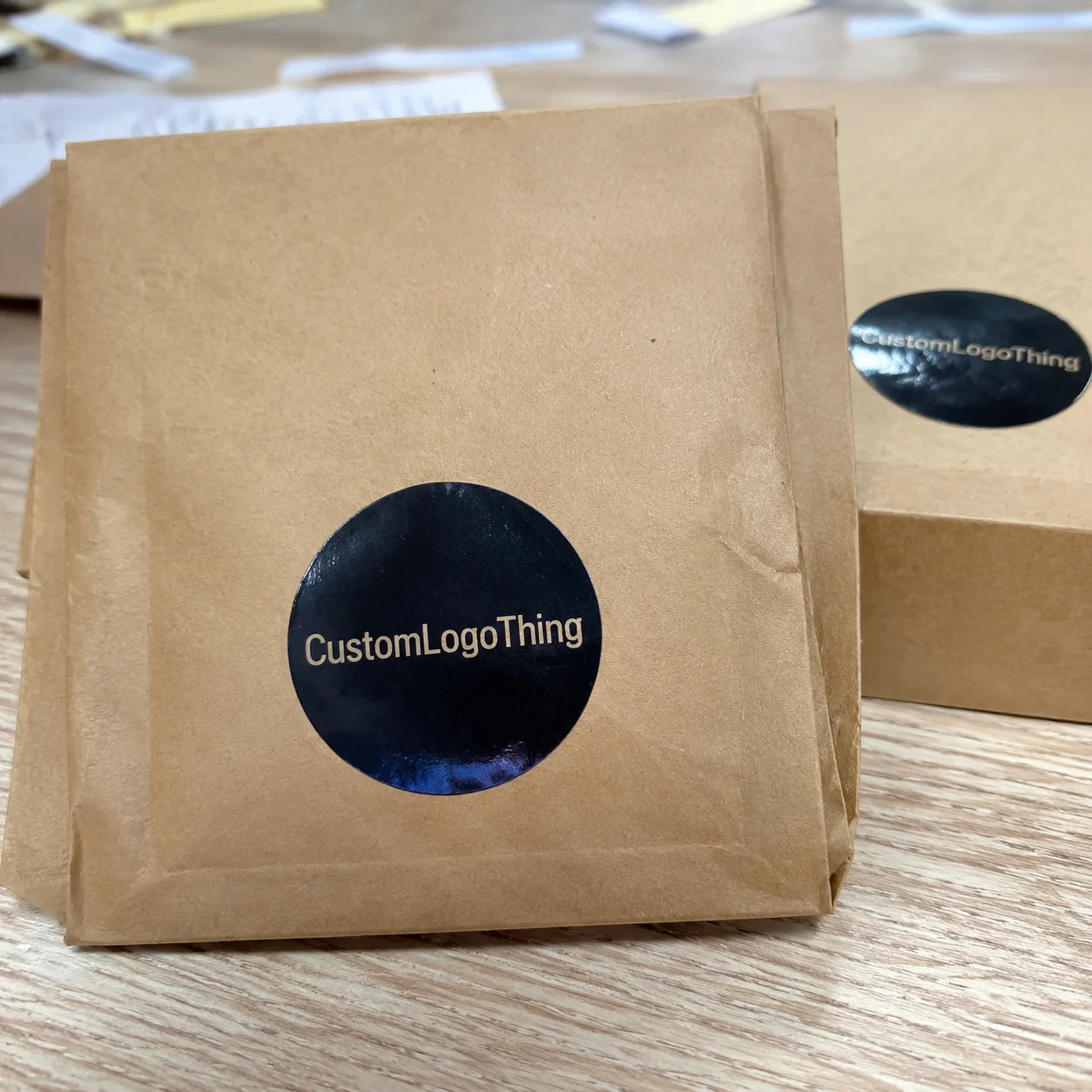
San Diego creates its own sticker problems. Beach humidity, outdoor events, farmers markets, breweries, dispensaries, restaurants, real estate teams, surf brands, and weekend pop-ups all stress labels differently. A sticker sitting on a dry indoor envelope has a very different job than one stuck to a cooler, jar, storefront window, surfboard, takeout container, or product pouch.
That is the first buying lesson: choose by use case before artwork. Cute design is nice. A sticker that peels off in two days is just paid litter. Harsh? Sure. Accurate? Also yes.
For product packaging, stickers often need to survive stacking, packing, shipping, retail handling, and sometimes refrigeration. For events, they need to look good in photos and peel cleanly from the liner. For branded packaging, they may need to match custom printed boxes, tissue, mailers, hang tags, or inserts so the brand system feels intentional rather than assembled from five unrelated vendors.
Define the sticker’s job in plain words before requesting quotes. Is it a logo seal for a retail box? A waterproof beverage label? A die-cut giveaway? A batch-coded operations label? A compliance label? A tamper-evident seal? Each answer points toward a different material, adhesive, finish, and format.
The expensive part is not always printing. It is guessing. A buyer who knows the surface, deadline, durability needs, and application method will get cleaner recommendations and fewer surprises than a buyer who sends a logo and asks, “How much for stickers?”
How Sticker Printing Works From Artwork to Finished Roll or Sheet
Sticker production follows a predictable path: artwork check, size confirmation, material selection, proof creation, printing, finishing, cutting, quality control, packing, and shipping or pickup. If any step is rushed or assumed, the finished piece can look fine in a photo and still perform badly in use.
Most orders start with file review. A printer checks resolution, cut line, bleed, safe area, fonts, color setup, and whether the artwork matches the requested size. Vector files such as AI, EPS, or properly built PDFs are ideal for logos because they scale cleanly and create sharper cut paths. High-resolution PNG, TIFF, or PSD files can work, but “high resolution” means enough pixels at final print size, not just a file that looks crisp on a phone.
Common Sticker Formats
- Roll stickers: Best for product labeling, packaging lines, faster hand application, and repeat use. Applicators may require a 3-inch core, specific unwind direction, consistent gap spacing, and a maximum roll diameter.
- Sheet stickers: Useful for small batches, mixed designs, office use, giveaways, or labels that do not need machine application.
- Individually cut stickers: Strong for resale, event swag, merch tables, inserts, and brand giveaways.
- Kiss-cut stickers: Cut through the face stock but not the backing, making odd shapes easier to peel without destroying anyone’s patience.
Digital printing is usually practical for short runs, multiple designs, and fast changes. Flexographic or offset-style production can make more sense for larger quantities where setup costs are spread across thousands of pieces. A 250-piece digital run may be affordable overall but expensive per sticker, while a 10,000-piece run can drop the unit cost sharply if the spec is stable.
Cut styles include circle, square, rectangle, rounded corner, oval, custom die-cut, kiss-cut, and perforated rolls. Odd shapes can boost shelf appeal, especially for package branding, but they may add setup time, material waste, or tooling cost. A lightning-bolt sticker looks cool. It also creates more scrap than a 2.5-inch circle. Physics remains rude.
A digital proof confirms size, cut line, colors, bleed, safe zones, and text legibility before production starts. Treat it as the last inexpensive fix. Check spelling, barcode placement, nutrition panels, warning copy, QR code size, logo spacing, and whether tiny type is readable at final size. A proof is not a decoration; it is a production control point.
Materials, Adhesives, and Finishes That Survive Real Use
Material choice is where many sticker orders succeed or quietly start failing. Paper stickers are budget-friendly for dry indoor use: bakery boxes, shopping bags, envelope seals, short-term retail tags, and hand-applied packaging. They are not the hero choice for wet bottles, oily jars, sunscreen-covered hands, frozen goods, or outdoor decals.
Film materials cost more but perform better under stress. Vinyl is common for decals, outdoor branding, laptops, windows, helmets, and promotional stickers. BOPP is popular for product labels because it handles moisture and oils better than paper while staying thin and clean. Polyester is tougher, more dimensionally stable, and often used for durable labels, equipment labels, or harsh handling.
| Material | Best Use | Typical Strength | Buyer Watchout |
|---|---|---|---|
| Paper | Dry indoor packaging, mailers, bakery boxes | Lowest cost, easy to write on | Poor moisture and abrasion resistance |
| BOPP Film | Bottles, jars, pouches, retail packaging | Moisture and oil resistance | Needs the right adhesive for curved or textured surfaces |
| Vinyl | Decals, outdoor promos, surf and lifestyle stickers | Flexible and weather resistant | Can cost more than basic product label films |
| Polyester | Durable labels, equipment, high-handling products | Strong tear and heat resistance | Often overbuilt for simple giveaways |
Adhesive matters just as much as face stock. Permanent adhesive works for most packaging and retail labels. Removable adhesive fits temporary promotions, window notices, shelf markers, and short-term event labels. Freezer-grade adhesive helps with cold storage because standard adhesives can stiffen and lift. Aggressive adhesive is used for textured, low-energy, or hard-to-stick surfaces, including some plastics and rough kraft stocks.
For coastal orders, moisture and UV exposure deserve respect. Waterproof or water-resistant films are better for beverage brands, coolers, beach events, and surf shop packaging. UV-resistant laminate helps outdoor decals last longer in regular sun. Writable paper still earns its place for operations labels, batch notes, storage bins, prep containers, and back-of-house restaurant use.
Finish changes both appearance and performance. Gloss boosts color and shine. Matte feels quieter and more premium. Soft-touch adds a luxury texture that works well for boutique retail packaging, though it can show fingerprints depending on the stock. Clear stickers create a no-label look on glass or clear plastic, but white ink may be needed if light colors need to show. Foil, spot gloss, and specialty effects can grab shelf attention, but they add cost and sometimes lead time.
Surface testing is not optional for tricky applications. Apply samples to the actual bottle, pouch, box, jar, bag, or equipment surface. Leave them overnight. Chill or heat them if that matches real use. Rub the surface. Check edge lift. If condensation is involved, test that too. Ten sample stickers can save 5,000 bad ones.
Practical rule: If the sticker touches water, oil, sunlight, refrigeration, textured paper, or a curved surface, test the material before approving the full run. Guessing is not a production strategy.
Cost and Pricing Factors for Local Sticker Orders
Sticker pricing is driven by quantity, size, material, print colors or effects, cut complexity, finish, roll versus sheet format, proofing needs, and rush timing. Anyone promising one universal price without specs is either guessing or selling something painfully generic.
Small batches cost more per sticker but less overall. Larger runs usually drop unit cost once setup, proofing, machine time, and material waste are spread across more pieces. Ordering 100, 250, 500, 1,000, 5,000, or 10,000 pieces can change the math more than buyers expect. The cheapest order is not always the smallest order. Annoying, but true.
| Order Type | Typical Quantity | Common Price Behavior | Good Fit |
|---|---|---|---|
| Test Batch | 100-250 pieces | Higher unit cost, lower total spend | Sampling, events, new packaging design |
| Small Production | 500-1,000 pieces | Better unit cost with manageable inventory | Farmers markets, retail pilots, restaurant launches |
| Growth Run | 5,000 pieces | Often strong value if the design is stable | Product packaging, repeat mailer inserts, branded packaging |
| High-Volume Run | 10,000+ pieces | Lowest unit cost, more planning needed | Established SKUs, fulfillment programs, national campaigns |
As a rough buying frame, a simple 2-inch paper circle sticker in a few hundred pieces may land around $0.20-$0.60 per piece depending on finish and vendor setup. A film label in 1,000 pieces may sit closer to $0.10-$0.35 each. A larger 4-inch die-cut waterproof decal with laminate, individual cutting, or specialty effects can move much higher. These are not universal quotes. They are reality checks.
Size matters because material usage matters. A 2-inch logo sticker uses far less stock than a 4-inch die-cut decal. Custom shapes can create extra waste around the cut line, especially if the shape has arms, points, deep curves, or awkward nesting. On rolls, label spacing, liner width, rewind direction, and orientation can affect cost too.
Upgrades that raise price include waterproof film, UV laminate, metallic foil, clear stock, custom die-cutting, variable data, individual cutting, special roll orientation, and rush production. Some upgrades are worth every penny. Others are expensive decoration. Match the upgrade to the job.
For faster quotes on custom stickers san diego, send a complete spec: size, quantity, material preference, indoor or outdoor use, application surface, artwork file, deadline, and whether the stickers need rolls, sheets, or singles. If the sticker is part of a bigger packaging system, include that context too. A label on a pouch, jar, mailer, or Custom Labels & Tags program should not be quoted in isolation if consistency matters.
Process and Timeline: What Happens After You Request a Quote
After a quote request, the usual sequence is quote review, artwork upload, file check, proof approval, production scheduling, printing, finishing, cutting, quality control, and delivery. Simple digital sticker orders can move quickly, sometimes in a few business days after proof approval, depending on workload and material availability. Specialty finishes, large quantities, custom die-cuts, clear stock, foil, or laminates need more lead time.
Proof approval is the handoff point buyers often underestimate. Production usually does not start until the buyer approves the proof. Sitting on that email for three days is not a printer delay. That one is on you.
Orders slow down for predictable reasons: low-resolution artwork, missing bleed, unclear size, late proof approval, specialty material sourcing, foil plates, laminate queues, custom die tooling, and rush jobs already ahead in line. If the sticker needs to match existing product packaging, add time for color checks and physical samples.
Local production may help if pickup speed matters, especially for events, restaurant openings, pop-ups, and last-minute campaigns. National or regional production can sometimes offer better equipment, more material options, or stronger pricing depending on the spec. Local is not automatically better. Shipped is not automatically cheaper. The right answer depends on the sticker, timeline, and tolerance for risk.
Plan backward from the in-hand date, not the event date. If a trade show starts Friday, needing stickers Friday morning is amateur hour. Build in cushion for proof edits, carrier delays, packaging assembly, staff labeling, and the inevitable person who asks for one tiny logo change after everyone approved the file.
For broader product launches, align stickers with cartons, inserts, bags, tissue, and Custom Packaging Products. Consistency across retail packaging and custom printed boxes helps customers recognize the brand faster, and it reduces the chance that one piece looks premium while another looks like it was ordered during a lunch break.
Testing standards can also matter if stickers are part of shipping or fulfillment packaging. Organizations such as the International Safe Transit Association publish transit testing resources that help packaging teams think about vibration, compression, and handling. Sticker adhesion is only one piece of that larger packaging performance puzzle.
Common Sticker Ordering Mistakes That Waste Budget
The first mistake is choosing material based only on price. Cheap paper labels on wet bottles, oily jars, frozen goods, or outdoor gear usually fail. Then the real cost becomes replacement labels, relabeling labor, wasted product, and embarrassment. Nobody puts that in the quote table, oddly enough.
The second mistake is sizing by guesswork. Print a paper mockup at actual size, cut it out, and place it on the product. Check it from arm’s length and from shelf distance. A 1.5-inch logo may look fine on screen and sad on a 12-ounce jar. A 4-inch decal may look cool until it wraps into a seam or bottle curve.
The third mistake is ignoring application method. Hand-applied labels are forgiving. Label guns, semi-automatic applicators, and high-speed machines are not. Machine-applied roll labels may require a specific unwind direction, liner release, gap spacing, roll outer diameter, and core size. If you guess, the applicator may jam, misfeed, or place labels crooked. Fun little disaster.
The fourth mistake is using tiny text or overly complex shapes. Fine details can fill in. Thin borders can look uneven after cutting. Sharp points may peel faster, especially on flexible packaging or outdoor stickers. Rounded corners are boring for a reason: they hold up well.
The fifth mistake is approving color from a phone screen. Screens glow; ink does not. Gloss, matte, soft-touch, clear stock, kraft stock, and white ink all shift how color appears. For brand-critical color, request a printed sample, use known color values, or ask about color matching limits before production. ASTM standards, including those maintained by ASTM International, are often used across materials and testing conversations, but your specific printer’s equipment and substrate still matter.
The sixth mistake is ordering exactly enough. Add overage for setup samples, damaged applications, retail replacements, staff use, sales kits, and last-minute orders. For hand-applied product labels, 3%-10% extra is a sensible range depending on team experience and application difficulty. If five people are labeling jars at midnight before a market, order more. Trust me on that one.
Next Steps Before You Order San Diego Sticker Printing
Before ordering custom stickers san diego, make a simple pre-order checklist. Define the sticker’s job. Measure the application area. Choose indoor or outdoor durability. Confirm the surface. Pick roll, sheet, or individually cut format. Set the in-hand deadline. Decide whether the label must coordinate with package branding, mailers, inserts, or retail displays.
Create a basic spec sheet before requesting quotes. Include size, shape, quantity, material, finish, adhesive type, artwork file, delivery location, and reorder expectations. If you expect to reorder every month, say that. If this is a one-time event run, say that too. Printers quote differently when they know whether the job is a trial, a recurring SKU, or a seasonal campaign.
Sample testing is the boring step that saves real money. Test any sticker exposed to water, sunlight, refrigeration, friction, oils, textured packaging, or curved containers. Ten minutes of testing beats 5,000 useless labels. Revolutionary stuff.
Prioritize speed over unit cost for event deadlines, product launches, trade shows, restaurant openings, seasonal promotions, and campaigns with hard dates. That may mean choosing a standard shape, skipping foil, using a digital run, or ordering a smaller first batch. Prioritize durability over speed for retail packaging, beverage labels, outdoor decals, industrial labels, and anything customers will keep, resell, wash, chill, or handle repeatedly.
If sustainability is part of the packaging design brief, ask about recycled paper, FSC-certified paper, liner waste, and whether the material is compatible with the package’s disposal path. The Forest Stewardship Council is a useful reference for responsible paper sourcing, but adhesive labels can complicate recycling depending on the package material and local recovery systems.
Stickers look small on a purchase order, yet they carry a strange amount of brand responsibility. They seal boxes, identify products, decorate giveaways, communicate compliance, and make packaging feel finished. The smarter order starts with the unglamorous details: surface, material, adhesive, finish, format, proof, timeline, and a little overage. Get those right, and the sticker does what it is supposed to do: stick, read clearly, and make the product look intentional.
FAQ
How much do custom stickers in San Diego usually cost?
Pricing depends on size, quantity, material, finish, cut style, and deadline. Small batches usually have higher unit costs, while larger runs reduce the per-sticker price. Waterproof film, UV laminate, foil, clear stock, and custom die-cuts usually cost more than basic paper stickers. For the fastest accurate quote, provide size, quantity, artwork, application surface, and whether you need rolls, sheets, or individual stickers.
What material is best for custom stickers near the beach or outdoors?
Vinyl, BOPP, or polyester films are usually better than paper for moisture, sunlight, handling, and outdoor exposure. Add a UV-resistant laminate or coating if the sticker will face regular sun exposure. Use waterproof or water-resistant materials for bottles, coolers, surf gear, event cups, and beach retail packaging. Always test the sticker on the actual surface before ordering a large run.
How long does San Diego custom sticker printing take?
Simple digital sticker orders can often move faster than specialty orders, but timing depends on proof approval, material availability, quantity, and finishing. Custom die-cuts, foil, laminate, clear stock, and large runs usually need more lead time. The clock typically starts after the proof is approved, not when the first email is sent. Plan backward from the date you need stickers in hand, especially for events or launches.
Should I order roll stickers, sheet stickers, or individually cut stickers?
Choose roll Stickers for Product labeling, packaging lines, or faster hand application. Choose sheet stickers for small batches, office use, or mixed designs. Choose individually cut stickers for giveaways, retail resale, event swag, or inserts. If using an applicator, confirm roll direction, core size, spacing, and liner requirements before production.
What artwork file do I need for custom logo stickers?
Vector files such as AI, EPS, or PDF are best for logos and sharp cut lines. High-resolution PNG, TIFF, or PSD files can work for raster artwork if they are large enough. Include bleed, keep important text inside the safe zone, and outline or embed fonts. Always review the proof for size, color, spelling, cut line, and edge spacing before approving.