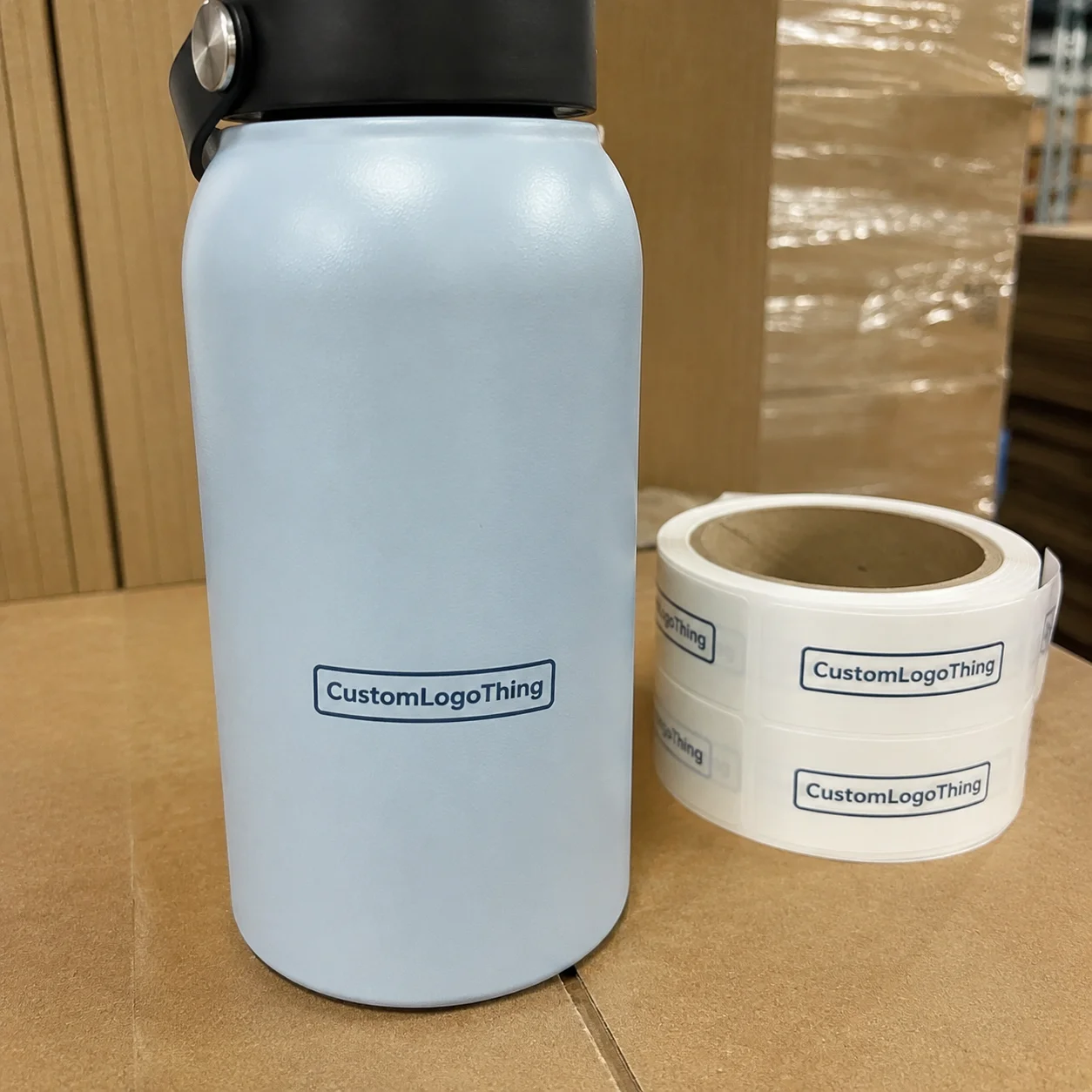
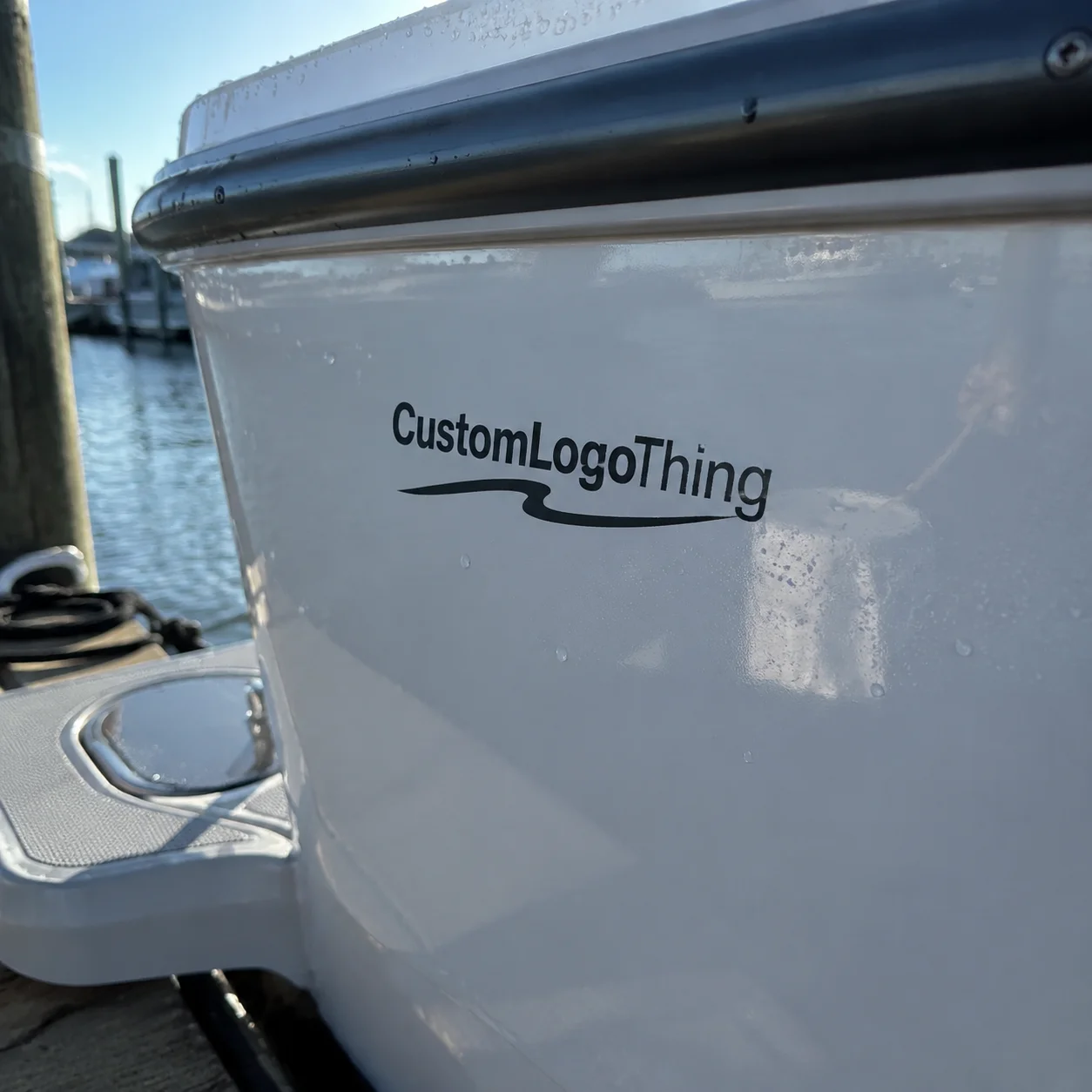
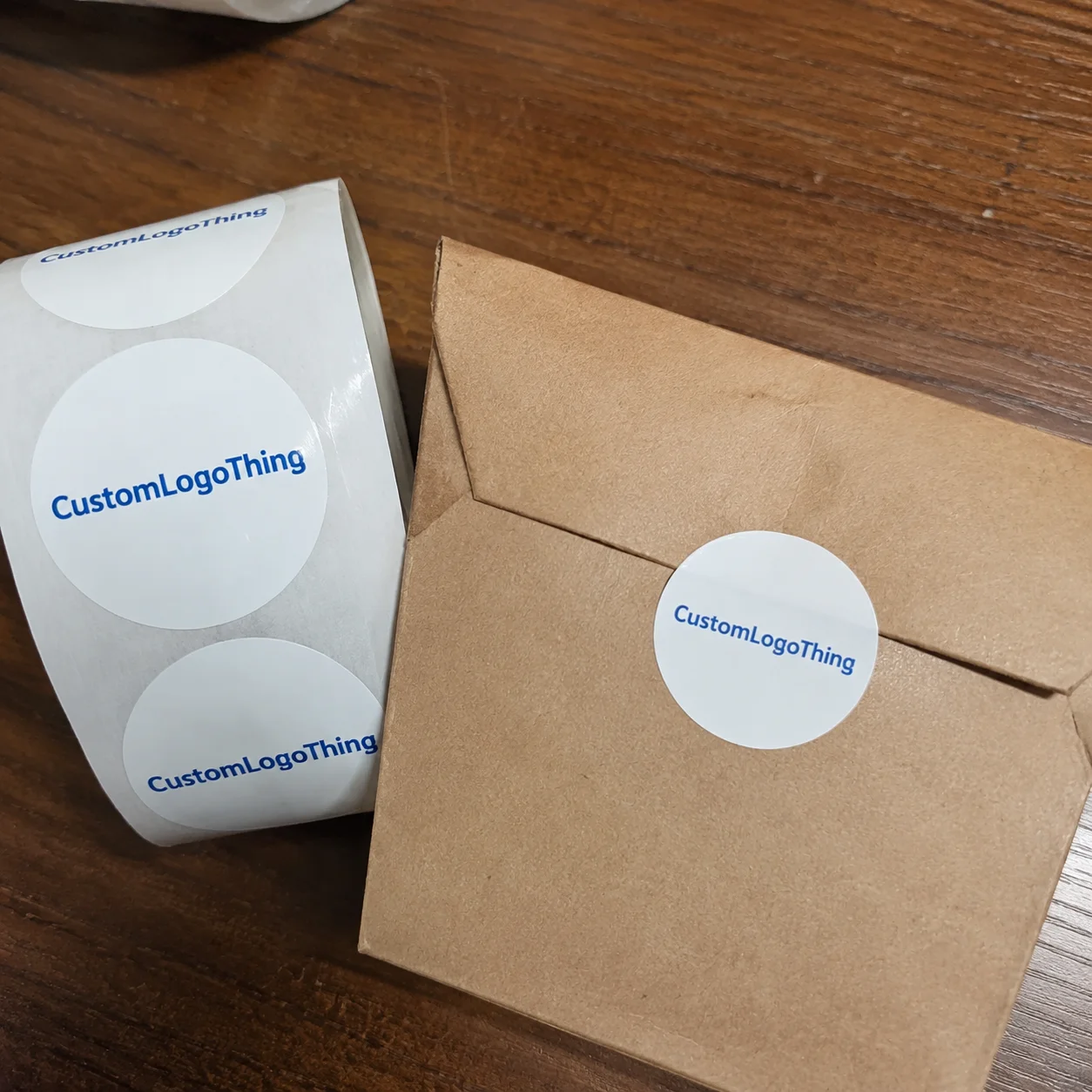
Order Custom Stickers San Antonio Businesses Can Use with Confidence
Why Custom Stickers San Antonio Buyers Need More Than a Nice Logo
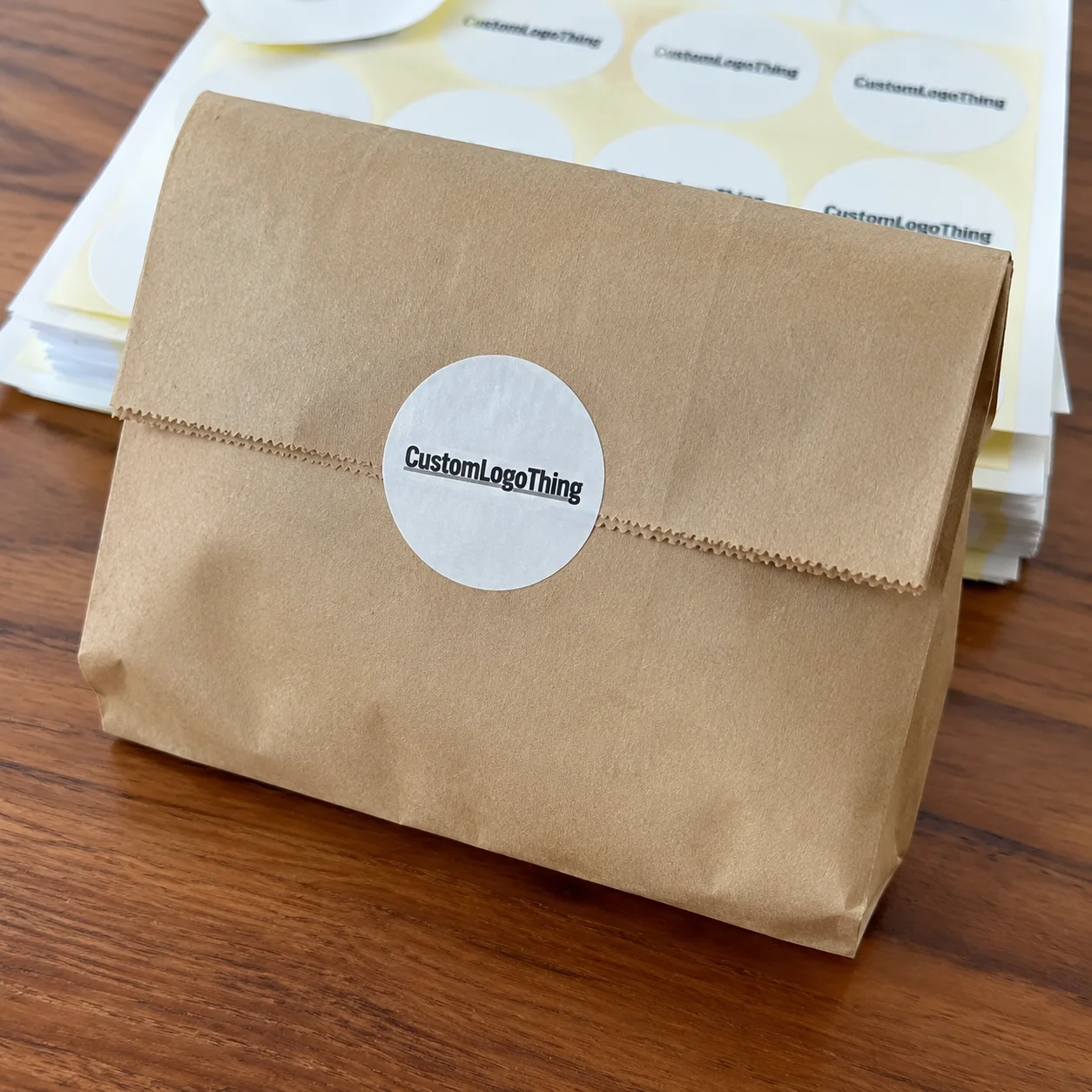
A small sticker can behave like a tiny salesperson. On boxes, jars, bags, bottles, laptops, event packets, windows, and shipping cartons, it may identify the brand, explain the product, seal the package, and make the first impression before anyone scans a QR code or reads a brochure.
That is why Custom Stickers San Antonio businesses order should be planned as production pieces, not just printed decorations. A label that looks sharp on a screen can wrinkle on a curved jar, fade in sun, lift from a dusty corrugated box, or smear visually under retail lighting if the material, adhesive, finish, or artwork hierarchy is wrong.
Custom stickers are printed adhesive graphics made to a chosen size, shape, material, finish, adhesive strength, and artwork specification. They are not the same as generic stock labels pulled from a shelf. A bakery box seal, a bumper decal, a food container label, and a clear logo sticker for storefront glass all ask different things from the same basic object: ink, face stock, adhesive, and liner.
Decorative stickers are often built for appearance and giveaway value. Product labels carry ingredients, barcodes, batch codes, warnings, or compliance details. Packaging seals close tissue, mailers, sleeves, and folding cartons. Window decals need clean visibility on glass. QR code stickers must scan reliably at the printed size. Operational labels may need to survive refrigeration, abrasion, cold storage, or repeated handling by staff.
The cheapest sticker is only cheap if it still works after application. Paper can be a sensible choice on a dry retail bag. It is usually the wrong call for a water bottle, cooler, pickup truck window, refrigerated container, or outdoor equipment case. Before ordering, buyers should answer four plain questions: Where will it go, what surface will it touch, what conditions will it face, and what job must it perform for the brand?
The rest of this guide walks through materials, adhesives, finishes, pricing, timelines, artwork, and order planning the way a production team reviews a job before it goes to print.
How Sticker Materials, Adhesives, and Finishes Work
A sticker has more layers than most buyers realize. The basic construction includes the face stock, which is the printable top material; the adhesive layer, which controls grip; the release liner, which protects the adhesive before application; printed ink or toner; and sometimes a coating or laminate for protection.
Paper is economical and clean-looking for indoor packaging, product inserts, retail bags, and dry-use labels. White vinyl or similar film is more durable because it handles moisture, bending, and abrasion better than paper. Clear film works well for glass, jars, bottles, and minimalist product packaging, but contrast has to be planned carefully. Metallic and holographic stocks create promotional shine for limited drops, event giveaways, and retail packaging, though they can raise cost and make small type harder to read.
Adhesive choice matters as much as the printable surface. Permanent adhesive is the standard pick for product labels and packaging that should stay put. Removable adhesive suits temporary campaigns, event signage, short-term window placements, and some retail promotions. Freezer-grade adhesive is designed for cold storage and condensation risk. High-tack adhesive can help on textured, low-energy, or harder-to-stick surfaces, although no adhesive can overcome oil, dust, loose fibers, or a dirty application area.
Finishes change both appearance and performance. Gloss makes colors look brighter and adds shine, but it can glare under retail lighting. Matte reduces reflection and often feels more restrained on branded packaging. Soft-touch feels velvety and premium, though it can scuff in some handling environments. UV coating adds surface protection and shine. A clear laminate gives stronger defense against moisture, rubbing, sunlight, and skin oils.
| Sticker Option | Best Use | Practical Watchout |
|---|---|---|
| Paper stock | Dry indoor packaging, bags, boxes, inserts | Not ideal for moisture, oils, refrigeration, or outdoor use |
| White vinyl or film | Durable branding, bottles, laptops, outdoor decals | May need laminate for heavy abrasion or long sun exposure |
| Clear film | Glass, jars, windows, minimalist labels | Light colors can disappear on dark or busy backgrounds |
| Metallic or holographic stock | Promotions, retail launches, event stickers | Fine type and low contrast can become hard to read |
Cut style affects handling and cost. Kiss-cut sheets are easy to peel and work well for mixed designs. Die-cut singles are strong for giveaways and resale merchandise. Roll labels are efficient for repeated hand application, dispensers, and product-label runs. Square corners are simple; rounded corners resist lifting better on packages that get handled. Contour cuts follow the artwork shape and look polished, but intricate edges require slower cutting and closer inspection.
Packaging floor rule: the environment beats the artwork. Dishwashing, oil, condensation, sun, abrasion, cold storage, and curved surfaces should guide the material decision before anyone falls in love with a finish.
Sticker Process and Timeline from Artwork to Delivery
The production path for custom stickers San Antonio buyers request is usually simple on paper: intake, size and material selection, artwork review, proofing, printing, finishing, cutting, quality check, packing, and shipping or local delivery planning. The details inside those steps are what protect the final result.
Artwork review is the first technical checkpoint. A production team checks resolution, bleed, safe zones, cut lines, color mode, embedded or outlined fonts, QR code scannability, and whether the design will survive at the selected size. A 1-inch round sticker has very little room for a logo, phone number, social handle, website, and QR code. Something has to be cut, enlarged, or moved.
Proofing is the buyer’s approval stage. Confirm spelling, color expectations, shape, quantity, finish, size, and placement before production begins. A proof is not just a pretty preview; it is the control document for the run. If a phone number, URL, ingredient line, allergen note, or QR code is wrong on the proof, it can become wrong on every finished sticker.
Turnaround depends on order size, material availability, specialty finishes, cutting complexity, proof approval speed, and whether rush production is realistic. Simple rectangles on standard white film generally move faster than intricate contour-cut decals or specialty-stock sheets because setup, cutting, finishing, and inspection take less time. Roll labels can also move efficiently once specifications are clean, especially for repeat product packaging runs.
Most standard sticker projects are measured in business days after proof approval, not after the first inquiry. Larger quantities, laminated outdoor stickers, specialty materials, multi-version orders, and complex die lines can add time. If the stickers are tied to a market, grand opening, festival, trade show, product launch, or seasonal packaging run, build in a buffer. Seven extra calendar days can be the difference between orderly packing and expensive overnight problem-solving.
Clear specifications are the best schedule protection. Send the size, quantity, use case, surface, deadline, artwork file, finish preference, and delivery location at the start. If the sticker must meet broader shipping or packaging performance needs, standards groups such as ISTA are useful references for understanding how packaging is tested through distribution, even though a sticker order itself is usually far simpler than a full transport package test.
Custom Sticker Cost, Pricing, and Quote Factors
Sticker pricing is driven by quantity, size, material, print method, finish, cut type, artwork preparation, packaging format, and delivery requirements. A 2-inch paper circle on sheets has a different cost structure from a laminated 5-inch outdoor contour decal, even if both carry the same logo.
Unit cost usually drops as quantity rises because setup, file handling, press calibration, finishing, and quality checks are spread across more pieces. A small batch is useful for testing, short events, or limited releases. A mid-size promotion may need enough pieces for bags, counters, mailers, and staff handouts. Larger product-label runs are more efficient when the design, material, and application method are already proven.
Specialty materials can raise the quote, but they sometimes save money by preventing failure. Clear film may be worth it for glass jars and bottles where a “no-label” look supports the package design. Waterproof vinyl with laminate is worth considering for coolers, outdoor decals, or high-handling merchandise. Metallic stock can help a product stand out on a shelf, though the design should use strong contrast and avoid tiny details.
Shape also affects pricing. Standard rectangles, squares, ovals, and circles are efficient because they are easy to lay out and cut. Detailed contour cuts look custom, but they may require slower cutting, closer inspection, and more waste allowance. Tight inside corners, thin points, and delicate script edges can become production trouble spots.
Minimum order quantity, often called MOQ, depends on material, equipment setup, finishing method, and whether the job is printed digitally or produced in a longer run. Digital printing is often friendly to smaller quantities and multiple versions. Higher-volume runs become more efficient once the design is locked and the same sticker repeats across many units.
| Quote Factor | Why It Changes Cost | Buyer Tip |
|---|---|---|
| Quantity | Setup and inspection are spread across more pieces | Ask for two or three quantity breaks if usage is flexible |
| Size | Larger stickers use more material and press space | Mock up the final size before requesting the quote |
| Material | Paper, film, clear, metallic, and specialty stocks price differently | Match material to exposure, not just appearance |
| Finish | Laminate, UV coating, and soft-touch add production steps | Use protective finishes where handling justifies them |
| Cut Type | Contour cuts and sticker sheets need extra setup and inspection | Simplify edges if budget or speed is tight |
For a clean quote, provide size, quantity, intended use, surface, indoor or outdoor exposure, art file status, finish preference, deadline, and delivery location. If you already buy Custom Labels & Tags or other branded packaging, mention the carton, jar, pouch, bottle, or bag style too. Sticker performance often depends on the package surface as much as the sticker itself.
Step-by-Step Guide to Planning a Sticker Order
Start with the end use. Is the sticker for product packaging, resale merchandise, event handouts, storefront glass, food containers, shipping boxes, equipment, outdoor promotion, or internal operations? A sticker used to seal tissue inside a mailer needs a different build than a decal placed on a metal cooler.
- Choose the application surface. Common surfaces include paperboard, glass, plastic, metal, corrugated cartons, kraft bags, coated boxes, bottles, jars, coolers, laptops, and vehicle windows. Curved, textured, frozen, dusty, or flexible surfaces need more care.
- Measure the real space. A sticker can look generous on a screen but cramped on a candle jar, 2-ounce bottle, clamshell, or small mailer. Print a paper mockup at actual size and tape it to the object before approving dimensions.
- Pick the shape and format. Sheets are good for hand application and small batches. Rolls help with faster labeling and repeated product packaging work. Die-cut singles feel finished for giveaways. Kiss-cut backing makes peeling easier.
- Prepare the artwork. Vector logos are preferred because they scale cleanly. High-resolution images should be sized for print. Fonts should be outlined or embedded. Add bleed, safe margins, and a separate cut line for custom shapes.
- Choose finish by job. Matte may fit premium package branding. Gloss can make colors pop. Laminate is the better conversation if moisture, oils, sunlight, abrasion, or refrigeration are part of the use case.
- Approve the proof slowly. Check spelling, phone numbers, URLs, QR codes, color callouts, cut lines, finish, size, and quantity. View it at actual size, not only zoomed in.
Good sticker planning also connects to the rest of the package. If a business is ordering Labels for Jars now but may later add custom printed boxes, sleeves, or mailers, it helps to keep logo spacing, colors, and finishes consistent across the larger Custom Packaging Products mix. Consistency is what makes product packaging feel intentional instead of pieced together.
For sustainability claims, be precise. Recyclability, compostability, FSC-certified paper, and recycled content are separate claims with separate requirements. A recyclable box does not automatically make the sticker recyclable with it. If paper-based retail packaging or certified fiber is part of the project, the Forest Stewardship Council offers helpful background on responsible sourcing and chain-of-custody concepts.
Common Mistakes That Make Stickers Look Cheap
The most common mistake is designing for a screen instead of the final application size. On a monitor, thin text, small icons, social handles, and QR codes look manageable because you can zoom in. Printed at 1.5 inches wide, the same artwork may become a gray smudge.
Paper stock in the wrong environment is another frequent problem. Paper can be excellent for dry boxes, bags, inserts, and short-term indoor use. It is usually not the right material for wet, oily, refrigerated, frozen, or outdoor applications unless the construction is specifically chosen for that exposure. Film and laminate cost more; failed labels cost more than that.
Poor contrast hurts many otherwise good designs. Light gray text on clear film can vanish on glass. Thin script fonts can get lost on kraft packaging. Busy backgrounds can hide the brand name. Strong contrast, fewer words, and a clear hierarchy usually beat a crowded layout.
Bleed and safe zones matter because cutting is physical. If artwork stops exactly at the edge, a tiny shift can create a white hairline. If text sits too close to the cut path, it can look clipped or uneven. A typical sticker file often needs 0.0625 inch to 0.125 inch of bleed, with critical text pulled inward from the trim line. Exact requirements depend on the printer and cut method.
Surface mismatch is harder to spot until application. Some adhesives struggle on textured cartons, dusty warehouse surfaces, flexible plastics, low-energy plastics, frozen containers, and tight curves. Testing a few pieces on the real package is not overkill. It is cheap insurance.
Another misunderstanding is the word “waterproof.” Waterproof does not automatically mean dishwasher-safe, chemical-resistant, freezer-safe, or outdoor-rated for long exposure. Those are different performance conditions. If the sticker will sit in ice, ride on a vehicle window, face cleaning chemicals, or go through repeated handwashing, say that early so the material recommendation can be realistic.
For new custom stickers San Antonio businesses have not tested before, avoid ordering the full quantity until the size, adhesive, and appearance are proven on the actual product. This is especially true for clear labels, curved bottles, textured boxes, and specialty finishes.
Next Steps Before You Place a Sticker Order
Before requesting a quote, gather the basics: logo file, intended surface, available space, indoor or outdoor use, estimated quantity, finish preference, and deadline. If the sticker goes on a product, box, jar, window, bag, bottle, or vehicle surface, take a clear photo of that location. A good photo can reveal curve, texture, color, and space issues that a written description misses.
Ask for material guidance if the sticker must handle moisture, refrigeration, sunlight, abrasion, oils, curved surfaces, or frequent handling. The more specific the use case, the better the recommendation. “Sticker for a bottle” is a start. “Sticker for a glass cold-brew bottle that sits in ice for four hours at weekend markets” gives the production team useful constraints.
Review the proof at actual size. Print it on office paper if needed and hold it against the package. Scan the QR code from the expected viewing distance. Read the smallest text without zooming. Check the phone number, website, social handle, spelling, color notes, and cut line. Proof approval is the last quiet moment before production noise starts.
If the project supports a new product line, unfamiliar surface, specialty finish, or larger packaging refresh, consider a small run or sample approach first. A short test can show whether the adhesive grabs properly, the label wrinkles on the curve, the clear film creates the look you expected, and the finish matches the rest of the branded packaging.
For smoother custom stickers San Antonio ordering, prepare the size, quantity, material preference, artwork, use case, finish, deadline, and turnaround goal before asking for pricing. That one organized message helps the production team quote faster, recommend smarter materials, and produce stickers your team can apply with confidence.
Frequently Asked Questions
What materials work best for custom stickers in San Antonio heat?
For outdoor or high-handling use, vinyl or durable film with UV-resistant ink and a protective laminate is usually stronger than paper. Heat, sunlight, and dust can affect adhesive performance, so explain where the sticker will be applied and how long it needs to last. For indoor packaging, paper or standard film may be enough if the sticker avoids moisture, abrasion, and direct sun.
How much do custom logo stickers usually cost?
Cost depends on size, quantity, material, finish, cut style, artwork setup, and whether the stickers are supplied on rolls, sheets, or individual pieces. Larger quantities usually lower the unit cost because setup and finishing time are spread over more stickers. A useful quote request includes size, quantity, surface, indoor or outdoor use, finish preference, artwork status, and deadline.
How long does it take to produce custom stickers near San Antonio?
Turnaround depends on proof approval, material availability, order quantity, finishing complexity, and shipping or delivery needs. Simple shapes on standard materials generally move faster than specialty finishes, intricate contour cuts, or large roll-label orders. Approving artwork quickly and providing print-ready files can prevent avoidable delays.
Can custom stickers be waterproof or weather-resistant?
Yes, but the material and finish must match the exposure. Waterproof, weather-resistant, dishwasher-safe, and chemical-resistant are not the same claim. Vinyl or film materials with laminate are better for moisture and outdoor use than standard paper stickers. Describe the exact use case, such as bottles in ice, outdoor windows, refrigerated food packaging, or vehicle decals.
What artwork files are best for custom sticker printing?
Vector files such as AI, EPS, or print-ready PDF are preferred for logos and cut lines because they scale cleanly. High-resolution PNG or TIFF files