Custom sticky labels printing sounds like a small buying decision until the first run starts peeling off mailers, scuffing in transit, or printing so faintly that the size mark disappears under warehouse lighting. Then the label stops being a line item and starts acting like part of the packaging system. That shift matters more than most brands expect.
For apparel brands, sticky labels do several jobs at once. They seal tissue, mark sizes, carry short care notes, reinforce branded packaging, and help a folded tee or poly mailer look intentional without adding a sewn-in or woven component. Used well, they are fast, flexible, and inexpensive enough to scale. Used badly, they curl, smear, or make the whole pack look improvised.
This article focuses on the details that affect results: materials, adhesives, finishes, pricing, lead times, and the ordering choices that prevent reprints. If you are comparing Custom Labels & Tags, broader Custom Packaging Products, or in-house packaging options, the goal is the same: match the label to the surface and the handling conditions. For manufacturers with wider production needs, the Manufacturing Capabilities page is the other place to check whether a supplier can actually support the run you have in mind.
Why Sticky Labels Matter More Than Brands Expect
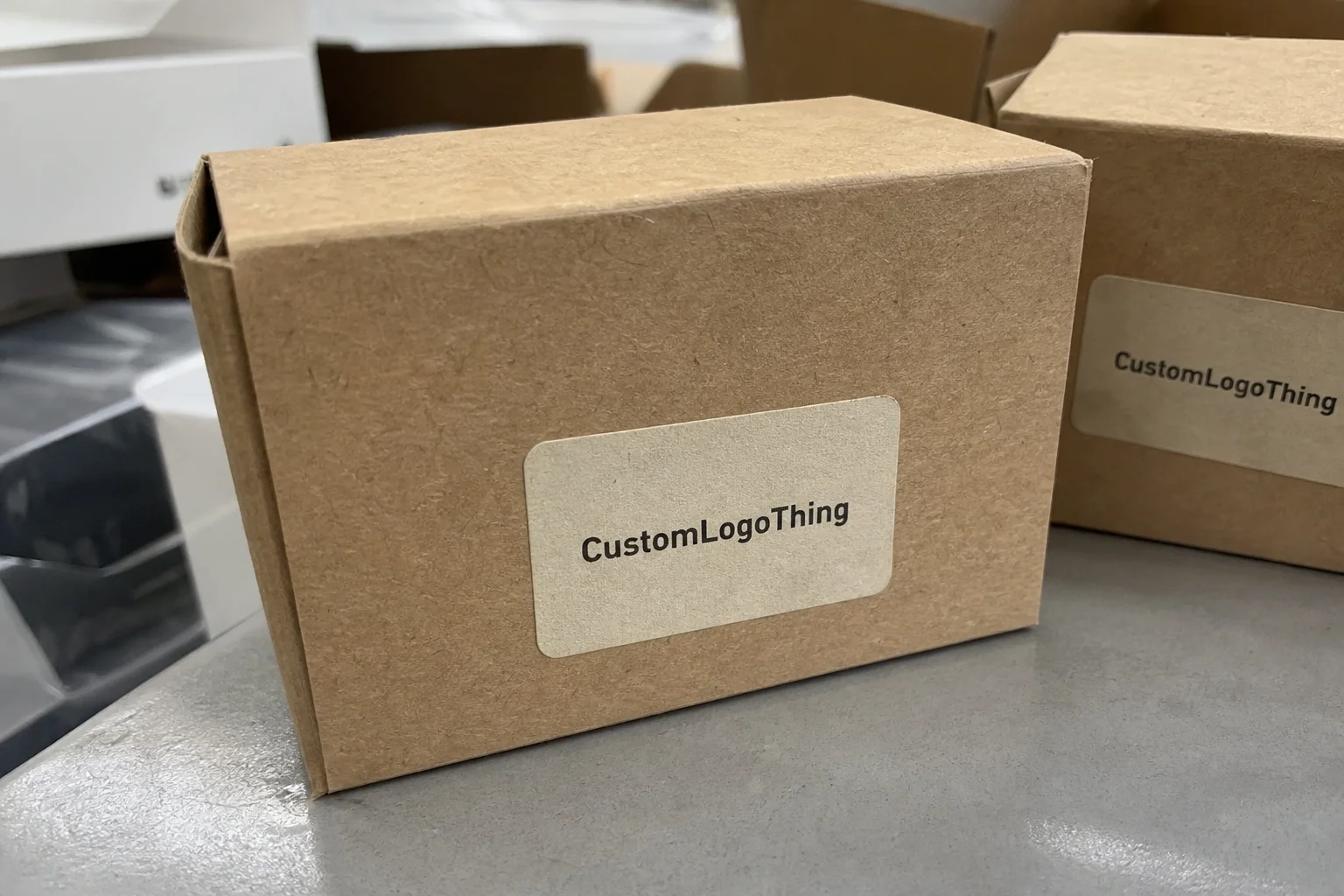
A folded tee in a poly mailer does not need an elaborate label to do a serious job. It needs the right label. That is the practical advantage of custom sticky labels printing: brands can add clean, repeatable packaging detail quickly, without waiting on stitched components, special inserts, or a more complex print process. For seasonal launches and packaging resets, speed often matters as much as appearance.
Most label failures trace back to the substrate or adhesive, not the artwork. The design may look sharp on screen, but if the stock is too soft, too glossy, or too weak for the surface, the edges start lifting and the label loses authority fast. People blame print quality because that is the visible part. The actual problem is usually simpler: the wrong label for the application.
Common uses in apparel packaging are straightforward:
- Size stickers on folded garments
- Care-note seals on tissue or belly bands
- Promo seals on mailers and cartons
- Internal sorting labels for warehouse handling
- Small branding touches that improve the unboxing sequence
The key mistake is reusing the same spec for every surface. A label that works on a coated carton may fail on a textured poly mailer. A removable label for a returnable insert is a poor choice for packaging that has to survive stacking, shipping, and shelf handling. Use case should drive the spec, not the other way around.
A label that looks cheap is usually a materials problem, not an art problem. Crisp artwork on weak stock still peels off like it was never meant to stay.
If the label is part of a broader packaging system, it should be treated like one. The goal is not just to print something attractive. The goal is to make the pack consistent, keep the label attached, and ensure it survives the handling it will actually see. For transit-heavy programs, that also means thinking about abrasion, compression, and moisture rather than only color and layout.
How Custom Sticky Labels Printing Actually Works
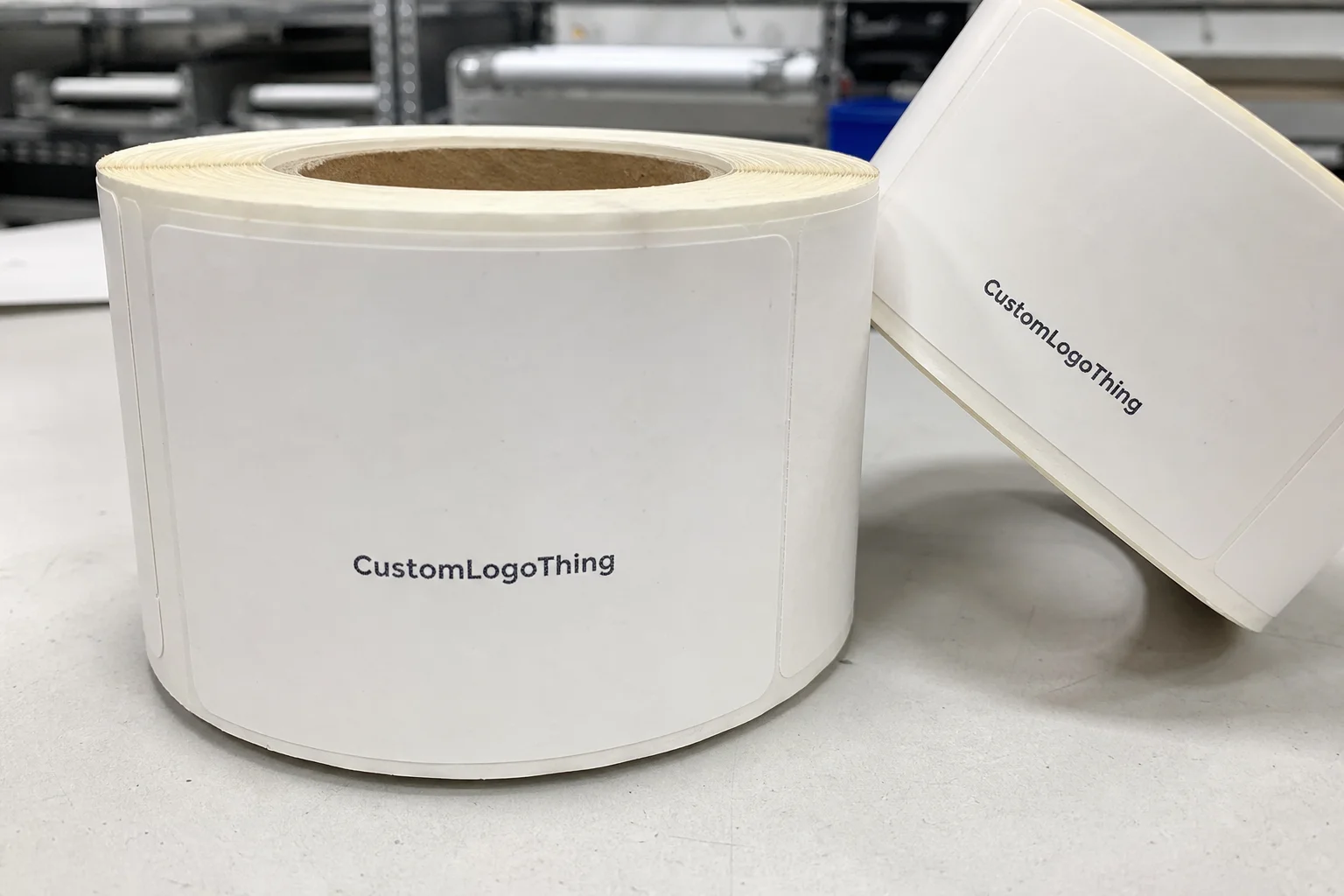
Custom sticky labels printing is pressure-sensitive label production. The face stock is printed, cut to a standard shape or a custom die line, and mounted on a release liner so it can be applied by hand or machine. The process is simple by design. That is why it works so well for apparel Brands That Need a repeatable label without slowing pack-out.
The usual sequence is: choose the stock, choose the adhesive, approve the artwork, print, cut, finish, inspect, and pack. Nothing here is complicated. What causes trouble is rushing the parts that define fit. If the size is vague, the application surface is unknown, or the finish is mismatched to the use case, the quote gets fuzzy and the final result gets compromised.
Print method matters too. Digital printing is typically the better choice for shorter runs, launch quantities, and version changes because it avoids heavy setup. Offset printing can make sense on larger runs where consistent color and lower unit cost outweigh flexibility. The right choice depends on quantity, ink coverage, finishing, and whether the job needs Custom Die Cutting.
The important point is blunt: a good print process cannot rescue a bad spec. A label that is too small for the copy, too shiny for the lighting, or too weak for the substrate will still fail. That is why buyers should define the use case first and the artwork second.
For brands concerned with sustainability claims, paper stocks with FSC certification are worth asking about. That said, the label is only one part of the package. Adhesive chemistry, liner waste, and the rest of the packaging system still matter. Industry references such as the Packaging & Label Manufacturers Institute at packaging.org and fsc.org are useful because they separate terminology from marketing copy.
Materials, Adhesives, and Finishes That Affect Performance
This is where the real buying decision lives. Stock, adhesive, and finish determine whether the label looks clean for a day or survives handling, storage, and shipping. In practice, the material choice is the product. The artwork is only the visible layer.
Paper is the economical option and works well for dry indoor use. It is common on folded apparel, shipping inserts, and simple retail packaging where moisture resistance is not a priority. Film stocks such as BOPP are tougher. They resist scuffing, handle moisture better, and hold their shape more reliably than standard paper. Clear film can look excellent on minimalist packaging, but it demands disciplined layout because every spacing error shows through.
Adhesive choice matters just as much. Permanent adhesive is the default for labels that need to stay put through transit and shelf handling. Low-tack or removable adhesive makes sense for temporary application, seasonal promotions, or surfaces where residue is a concern. Specialty adhesives exist for cold, coated, textured, or otherwise difficult surfaces, but those should be tested rather than guessed. Guessing is how buyers end up with a box of labels that curl at the corners.
Finishes change both appearance and behavior. Matte reduces glare and can make text easier to read under bright retail lighting. Gloss deepens color and gives a more polished retail look. Lamination or varnish adds protection against abrasion and is often worth the cost on packaging that will be stacked, packed, and handled repeatedly. If the label carries fine type, legal copy, or size marks, readability should outrank decorative shine.
Common stock and finish choices
| Option | Best Use | Durability | Typical Cost Range | Practical Note |
|---|---|---|---|---|
| Paper label, matte | Folded tees, inserts, light retail packaging | Moderate | $0.06-$0.14 per unit at 5,000 pieces | Clean and affordable, but not ideal for moisture or rough handling |
| Paper label, gloss | Bright branded packaging, promo seals | Moderate | $0.07-$0.16 per unit at 5,000 pieces | Color pops, but glare can make tiny text harder to read |
| BOPP film | Mailers, cartons, higher-touch packaging | High | $0.09-$0.22 per unit at 5,000 pieces | Better scuff resistance and moisture tolerance |
| Clear film | Minimalist retail packaging, window-style branding | High | $0.10-$0.24 per unit at 5,000 pieces | Looks clean, but design contrast has to be right |
| Film with laminate | Transit-heavy or premium product packaging | Very high | $0.14-$0.32 per unit at 5,000 pieces | More durable, more expensive, and worth it only if the label needs the extra protection |
Those numbers are only a baseline. Size, coverage, die-cut shape, and quantity can move the quote quickly. A tiny rectangle with one-color art is a different job from a full-bleed custom shape with lamination and specialty adhesive. That is normal. It is also why quote comparisons need to be exact, not casual.
For apparel packaging, the surface test matters more than the spec sheet. Test the actual carton, poly mailer, tissue, hangtag stock, or sleeve. A label can be technically correct and still feel wrong on the final pack. Surface texture changes adhesion more than most buyers expect.
Cost, MOQ, and Quote Drivers for Clothing Labels
The price of custom sticky labels printing is driven by predictable factors: size, material, adhesive, finish, color coverage, shape, quantity, and whether the job needs special packing or variable data. There is no mystery in it. The quote is a reflection of setup, material usage, and production time.
MOQ, or minimum order quantity, matters because setup costs have to be spread across the run. Small orders are useful for launch testing, short promotions, or seasonal changes, but they almost always carry a higher unit cost. Larger runs lower the per-label price because the setup cost is diluted across more pieces. That does not make a larger order automatically better. If the design will change in a month, cheap labels that become obsolete are not cheap.
The better question is not “What is the lowest label price?” It is “What quantity gives the lowest useful cost without creating dead inventory?” That distinction saves money more reliably than chasing a lower quote by itself.
These are the quote drivers that should be clear before a supplier prices the job:
- Exact finished size, including bleed if needed
- Shape: square, rectangle, circle, or custom die-cut
- Material: paper, film, or laminated stock
- Adhesive: permanent, removable, or specialty
- Color count and print coverage
- Quantity tiers with price breaks
- Proofing, tooling, and shipping charges
One of the most common mistakes is comparing quotes without checking what is included. If one price includes tooling, proofs, and shipping while another does not, the lower number is misleading. Ask for the full landed cost. Otherwise, you are not comparing the same job.
It helps to request pricing at three points: a small test quantity, a mid-size production quantity, and a larger order that reflects actual consumption. The curve usually shows the real break point better than a single unit price ever will. If the quote only looks good at a quantity the brand will never use, it is not a useful quote.
Production Steps, Timeline, and Lead Time
The production path is straightforward once the specs are locked: inquiry, proof, setup, print, finishing, inspection, packing, and shipping. The process only becomes messy when the buyer is still changing the size after proof approval or sends artwork that is too low in resolution to hold detail.
Proof approval is the biggest timeline risk. If the file needs cleanup, the color needs correction, or the shape is unclear, production pauses. That is usually where lead times stretch. Clean input files shorten the schedule more effectively than rush fees do.
For simple digital runs, production can move quickly after approval. Larger runs, custom dies, laminates, or specialty adhesives add time because the job needs more setup and more finishing. In practical terms, simple orders often land in about 5 to 8 business days after approval, while more complex jobs frequently run 10 to 15 business days. Shipping time is separate, and it matters if the labels support a retail launch or a season change with a hard date.
Rush orders can work, but only if the buyer sends a complete package the first time: dimensions, quantity, surface type, artwork file, and delivery deadline. If any of that is missing, the schedule slips immediately. Production teams can speed up presses. They cannot speed up missing information.
One more point that gets overlooked: labels are rarely the only packaging item on the clock. Boxes, inserts, tissue, outer mailers, and packing materials need to arrive on time too. If the label is tied to a broader launch, build some margin into the schedule so the whole system lands together.
A useful rule: if the label is going into retail packaging, make the final proof confirm the color, die line, and application method before production starts. If the format is new, a small pilot run is cheaper than reprinting thousands of labels that do not fit the workflow.
Common Mistakes When Ordering Labels for Apparel
Most label problems are avoidable. The simplest mistake is buying on price alone. A cheap label that peels in transit costs more than the better label would have cost in the first place. That sounds obvious, yet it happens often because the lowest quote is the easiest number to react to.
Another common error is using the wrong size for the message. A tiny sticker with too much copy becomes unreadable. An oversized label on a garment box can overpower the rest of the packaging. Good branding is not about squeezing everything onto one surface. It is about matching the amount of information to the available space.
Skipping a real test is a bigger problem than many teams admit. A sample label may stick perfectly on a smooth test sheet and fail on a textured mailer, a coated carton, or a fabric sleeve. The sample should be tested on the actual surface, not on a desk with optimistic expectations. Packaging looks tidy from a spreadsheet. Real handling is less forgiving.
Artwork causes trouble too. Small labels expose weak hierarchy very quickly. If the type is too thin, the contrast too low, or the finish too shiny, the design can go muddy once printed. What looks polished on a monitor can read like a compromise in hand. Thicker fonts, stronger contrast, and enough breathing room around key copy usually print better.
The last mistake is ignoring workflow. Who is applying the label? How fast? On what surface? Is the label acting as a seal, a size marker, or a decorative touch? Those questions affect the right spec more than most design discussions do. If speed matters, choose a format that applies cleanly and consistently. If the label is customer-facing first, balance appearance with adhesion instead of chasing one at the expense of the other.
The best label is the one nobody thinks about after application. It stays flat, reads cleanly, and disappears into the packaging system instead of creating a new problem.
Expert Tips and Next Steps Before You Order
Start with the job, not the design. Is the label for shipping, retail display, internal sorting, or a promotional seal? The answer tells you more about the right adhesive and finish than a mood board does. A label on a poly mailer lives a different life than one on a folded shirt or a rigid box.
Order samples if the label will touch more than one surface. Two or three material options are usually enough to make a sane choice. That testing spend is small compared with the cost of a full run that fails in actual use. Spending a little to confirm performance is usually cheaper than reprinting after a guess.
Send a clean spec sheet: exact size, shape, quantity, surface type, finish preference, file format, and delivery deadline. That reduces back-and-forth and makes the quote more accurate. It also forces the brand to think through the use case before money leaves the account.
Ask for a quote that separates unit cost, setup, shipping, and any optional finishing charges. Then compare vendors on the same basis. A low headline price can disappear once the extra charges appear. That is not clever pricing. It is just pricing that expects the buyer not to read the details.
If this is the first time the format is being used, approve the final proof carefully and consider a pilot run. One small mistake on a new label format is manageable. Five thousand mistakes are not. That is the simplest risk control in custom sticky labels printing.
For brands building broader packaging programs, labels work best when they fit the rest of the system: box finish, tissue, inserts, and mailers. The more coordinated the pieces are, the more deliberate the packaging feels. That is true whether the brand uses custom printed boxes or a lighter-label approach for a smaller launch.
Custom sticky labels printing rewards careful buyers. Match the stock to the surface, match the adhesive to the handling, confirm the finish against the lighting and wear conditions, and compare total quote value instead of chasing the cheapest line item. That is usually enough to get Labels That Stay Put, read clearly, and support the packaging instead of fighting it.
FAQs
What do I need to request a quote for custom sticky labels printing?
Send the label size, shape, quantity, stock, adhesive type, and finish. Include the intended surface too, such as poly mailers, cartons, or apparel packaging. If you have print-ready artwork, include that as well. If not, ask what file format and resolution are needed before the job is priced.
Which adhesive is best for custom sticky labels on clothing packaging?
Permanent adhesive is the safest choice for labels that must stay put through handling, shipping, and display. Low-tack or removable adhesive is better when the label should come off cleanly or the surface is delicate. If the surface is cold, textured, or coated, test the exact material rather than assuming a standard adhesive will hold.
How long does custom sticky labels printing usually take?
Simple digital runs are usually faster because they need less setup and no plates. Custom dies, special finishes, and larger quantities add time because the job needs more production steps. Proof approval is the main variable, so clean files and locked specs shorten the timeline the most.
When does custom sticky labels printing get cheaper per label?
Unit cost usually drops as quantity increases because setup costs are spread across more labels. The break point depends on stock, finish, and whether the job uses digital printing or a higher-volume method. Ask for pricing at multiple quantities so you can see the curve instead of guessing.
Can custom sticky labels printing work on fabric?
Sometimes, but fabric is a difficult surface and adhesive performance varies a lot. These labels are usually better for packaging, inserts, and outer wraps than direct fabric application. If the label must touch fabric, test the exact material first and do not assume a standard adhesive will hold.