Buyer Fit Snapshot
| Best fit | Custom Straight Tuck Cartons Quote projects where brand print, material claims, artwork control, MOQ, and repeat-order consistency need to be specified before quoting. |
|---|---|
| Quote inputs | Share finished size, material target, print colors, finish, packing count, annual reorder estimate, ship-to region, and any compliance wording. |
| Proofing check | Approve dieline scale, logo placement, barcode or warning zones, color tolerance, closure strength, and carton packing before bulk production. |
| Main risk | Vague material claims, crowded artwork, missing packing details, or unclear freight terms can make a low unit price expensive after revisions. |
Fast answer: Custom Straight Tuck Cartons Quote: Pricing & Specs should be specified like a repeatable production item. The safest quote records material, print method, finish, artwork proof, packing count, and reorder notes in one written spec.
Production checks before approval
Compare the actual filled-product size with the drawing, then confirm tolerance on folds, seals, hang holes, label areas, and retail display edges. Reserve space for logos, QR codes, warning copy, and material claims before decorative graphics fill the panel.
Quote comparison points
Review material grade, print process, finish, sampling route, tooling charges, carton quantity, and freight assumptions side by side. A quote is only useful when the supplier can repeat the same color, closure quality, and packing count on the next order.
Two cartons can look almost identical on a screen and still land in very different price brackets. A custom straight tuck cartons quote can change quickly once board grade, carton depth, print coverage, and finish get locked down. Those details affect material use, setup time, and how the carton runs on press and through the folder-gluer. Packaging has a habit of looking simple right up until the numbers arrive.
For buyers building retail packaging, that is useful information. The first quote should do more than spit out a number. It should turn a rough packaging idea into a workable budget, a realistic lead time, and a clear list of what still needs to be decided before production begins.
Straight tuck cartons suit light to moderate products that need a clean shelf face, ship flat, and assemble without drama. You see them across cosmetics, supplements, candles, small electronics, confectionery, and sample kits. The structure does its job without acting like it deserves applause for the effort.
Bring the product measurements first, then the artwork. A clean spec set usually tightens the quote faster than polished graphics ever will, because the carton structure drives the real manufacturing cost.
Why a Straight Tuck Carton Quote Can Change Quickly
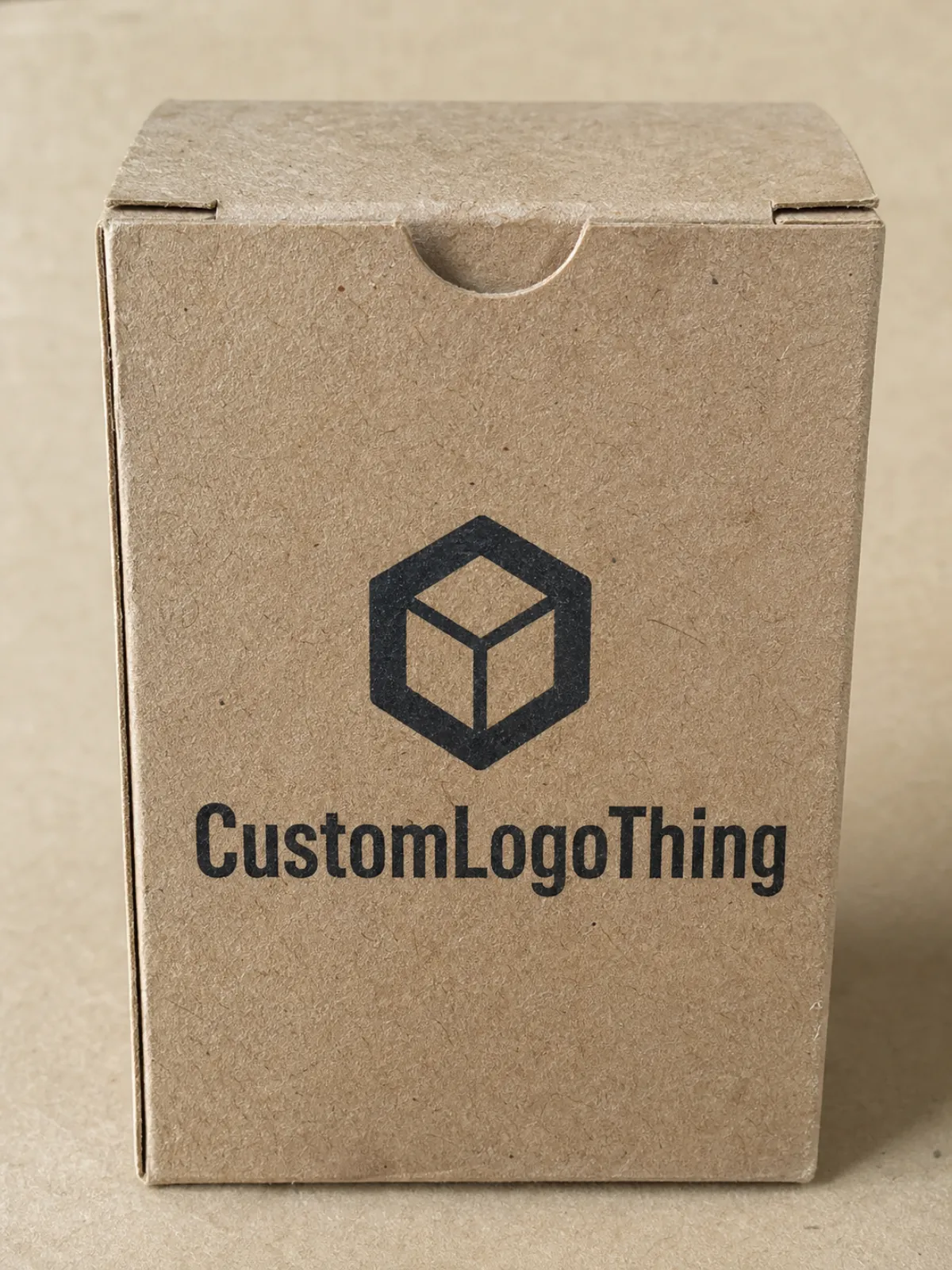
Comparing straight tuck cartons before the specs are settled is a fast way to miss budget. A carton that is 1/8 inch deeper, or built from a heavier board, may look nearly the same in a mockup. The real world does not care about mockups. That small shift changes die construction, score behavior, blank size, and how much board gets pulled through the press.
From a packaging buyer's point of view, a custom straight tuck cartons quote matters most when it turns a vague idea into a usable budget. Waiting until the art file is finished can create problems. The structure may need a tweak, but the schedule is already tight, and every late change can send the job back through prepress, proofing, or tooling review. Nobody enjoys that conversation.
The best early quote is not the prettiest one. It is the one that answers three questions clearly: what the carton costs at your target quantity, which details are still flexible, and where you can trim cost without weakening the package. Buyers who understand those tradeoffs move faster and stop circling the same decision three times.
Straight tuck cartons sit in a useful middle ground between basic folding cartons and more specialized structures. They give you a clean front panel for retail packaging, enough space for product information, and a folding pattern that most co-packers and fulfillment teams recognize immediately. That familiarity matters when cartons are moving through volume.
Small changes can move price more than first-time buyers expect. A full-bleed background with rich coverage costs differently than a carton with restrained print. A matte finish looks quiet and controlled, while soft-touch lamination changes both feel and cost. Add a window patch or a hang tab, and the quote can shift in a very real way.
That is why the first request should be specific, not polished. A blank carton sketch, exact outside dimensions, approximate product weight, and a target quantity usually lead to a better budget conversation than a nearly finished design with no structural details. The more complete the structure side is, the more accurate the custom straight tuck cartons quote will be.
If you are still comparing carton styles, it helps to review the broader range of Custom Packaging Products so the structure fits the product instead of forcing the product into the wrong box style. Straight tuck is useful. It is not magic.
What Straight Tuck Cartons Are Best For
A straight tuck carton uses tuck flaps that close in a consistent direction. That gives the front panel a tidy appearance and keeps the folding pattern familiar for operators. It is one reason the format shows up so often in retail packaging and Custom Printed Boxes, especially where the front face carries the brand story, ingredients, directions, or a short stack of claims.
The structure works well for products that are light to moderate in weight and fairly regular in shape. Cosmetics, lip care, tinctures, supplement bottles, soap bars, candle jars, small electronics, and confectionery all fit comfortably here. In each case, the carton needs to look good on shelf, protect the item from scuffing, and open and close without fighting the product inside.
What it is not best for matters just as much. Very heavy products, awkward shapes, or items that push hard on the top and bottom panels often need a different lock style, a stronger board, or a more supportive insert. If the carton has to resist crushing in transit, or if the item shifts too much inside, another structure may be the better choice even if the straight tuck carton looks simpler at first glance.
Some jobs need more than a basic shell. A die-cut window can show the product while still protecting the rest of the package. A custom insert can center a bottle, hold a sample set, or keep a fragile item from moving during distribution. A hang tab helps with peg display. Each one supports product packaging in a different way, and each one Affects the Quote, so it belongs in the conversation early instead of as a last-minute surprise.
For brands that care about the unboxing moment, straight tuck cartons can carry a lot of visual weight for a modest material footprint. A clean panel layout, a smart coating choice, and a well-managed fold line give the carton a more finished feel without dragging the project into rigid-box territory. That balance matters when the goal is strong package branding at a reasonable unit cost.
Straight tuck cartons also work well when the order needs to ship flat and assemble quickly. That matters for contract packers, e-commerce fulfillment teams, and retail programs where packaging has to move from pallet to line to shelf with minimal handling. A carton that folds predictably is not flashy, but it saves time every day. That counts.
Specifications That Shape Fit, Print, and Finish
The quote starts with the dimensions. Length, width, and depth determine the blank size, and blank size determines how much board gets used per unit. Add tuck flap clearance, glue area, and any room needed for an insert or display feature, and it becomes obvious why two cartons that look similar can price differently once the product is measured instead of guessed.
Board selection comes next. A lighter folding board can work for compact retail items and lower-weight contents, while a thicker SBS or coated board adds rigidity and helps the carton hold shape on shelf. Many projects land in the middle, on a stock that balances foldability, print quality, and crush resistance. The right choice depends on how the product sits inside the carton, how much handling it sees, and whether the package has to travel through parcel distribution or mostly stay on pallets.
Print coverage matters more than many buyers expect. A simple front-and-back design uses less ink and usually runs cleaner than a full-coverage carton with heavy backgrounds, dense solids, and fine type crossing fold lines. If the artwork wraps across multiple panels, registration becomes more important, and the prepress check has to catch fit issues before they turn into visible print problems. A tiny error on screen can become a very loud mistake on press.
Finish is where the package starts to feel distinct. Aqueous coating gives a practical protective layer and helps with scuff resistance. Gloss lamination makes colors hit harder. Matte lamination quiets the surface and gives a more restrained retail look. Soft-touch adds a velvety feel that many brands use for premium product packaging, but it also adds another finishing step and usually a higher quote.
If the design includes a window patch, foil stamping, embossing, or a special die cut, the job gets more involved. Those details can boost shelf impact, especially for branded packaging, but they bring their own timing and cost considerations. A window patch may look simple in the file, yet it adds die-cutting, patch placement, and quality checks that need to be reflected in the estimate from day one.
For buyers comparing options, this table shows how the same carton family can move through different price bands depending on the spec set:
| Carton Option | Best Use | Typical Unit Range at 5,000 Units | Quote Drivers |
|---|---|---|---|
| Light folding board, basic print, aqueous coating | Small retail items, samples, low-weight goods | $0.18-$0.32 | Simple die, limited coverage, standard finish |
| Standard SBS, full-color print, matte or gloss coating | Most retail packaging programs | $0.24-$0.45 | Higher board cost, broader ink coverage, more prepress review |
| Heavier board, soft-touch, window patch, special die work | Premium product packaging and shelf-forward display | $0.38-$0.70 | Added finishing steps, more labor, tighter quality control |
Those ranges are illustrative, not fixed. Size, quantity, board source, and artwork complexity can move a quote well above or below them. Still, the table gives a buyer a practical starting point for budgeting and makes it easier to explain expectations to procurement, marketing, or a launch team that wants answers yesterday.
When the carton will be shipped or distributed through tougher channels, ask whether the package should be checked against distribution testing requirements. Industry groups such as ISTA are useful references for transit and drop-test thinking, while fiber sourcing questions can be discussed with guidance from the FSC site if sustainability is part of the spec. That keeps packaging design tied to real handling conditions instead of just the mockup on a screen.
Not every project needs the same level of scrutiny, but the smartest quotes treat fit, print, and finish as separate decisions. That keeps the order honest. It also protects the buyer from a common mistake: approving a carton that looks great and falls apart in the actual fill, ship, and shelf cycle.
Cost, Pricing, MOQ, and What Goes Into the Quote
The most important thing to understand about pricing is that a carton quote is not just a material number. It combines board, die cutting, press setup, finishing, labor, proofing, and the scrap or waste that comes with getting a job up and running. Once you look at it that way, MOQ stops being mysterious and starts looking like math. Boring math, but still math.
MOQ matters because fixed costs get spread across the run. On a small order, the same tooling, prepress attention, make-ready, and finishing setup have to be absorbed by fewer cartons, so the unit cost rises. On a larger order, those fixed costs get divided by more pieces, and the price per carton usually drops. The right quantity depends on whether you are testing demand, launching a new SKU, or replenishing something with stable volume.
A buyer should always ask for tiered pricing. If the target is 5,000 cartons, ask for that number and the next two or three break points as well. Sometimes the jump from 5,000 to 10,000 does not save enough to justify the larger inventory; sometimes it saves a surprising amount, especially if the board, print setup, or die cost is already fixed. You do not know until the tiers are laid out clearly.
There are line items that can hide in a quote if the conversation stays too broad. Dieline creation, plate or die charges, sampling, freight, palletization, and rush handling can all change the final total. None of those items are strange. The issue is visibility. Buyers need to see them so they can compare one supplier against another without guessing which charges are bundled and which are extra.
This is where a careful custom straight tuck cartons quote earns its keep. A good supplier should tell you what is included, what is optional, and what would change the price. If a window patch gets added later, or if artwork forces a different size, the revised number should reflect the actual work instead of a vague allowance that magically covers everything until it does not.
To make the price conversation easier, I usually suggest thinking about the quote in four layers:
- Structure: carton dimensions, tuck direction, insert needs, and board thickness.
- Graphics: number of printed sides, coverage, colors, and whether the design crosses folds.
- Finish: aqueous, gloss, matte, soft-touch, foil, embossing, or a window patch.
- Logistics: quantity, palletizing, ship method, delivery window, and any rush requirement.
That framework makes side-by-side comparisons less painful. It also helps marketing, operations, and purchasing stay aligned, which is often the real problem in branded packaging work. One team wants shelf impact, another team wants unit cost, and the best quote is the one that respects both.
As a practical example, a modest 4-color straight tuck carton at 10,000 units might land in a lower unit-cost band than the same carton at 2,500 units, even though the artwork is identical. Add a custom insert or a specialty coating and the difference grows again. That is not a warning sign. It is just the normal cost behavior of short-run versus long-run folding cartons.
If you are comparing suppliers, ask for the same inputs every time. That means the same finished dimensions, the same board grade, the same finish, the same print coverage, and the same quantity. Without that discipline, one supplier may look cheaper only because they priced a lighter spec. Fair comparison starts with spec control, not guesswork.
Process and Timeline: From Quote Request to Production
The cleanest projects follow a predictable path. First comes the spec review, then the quote, then the dieline confirmation, then artwork proofing, then sampling or mockup review if needed, then production, quality check, and shipping. That sequence sounds neat on paper. Real jobs still like to misbehave if you let them, and late changes tend to ripple through the rest of the schedule.
If the request arrives with exact dimensions, a clear quantity, board preference, and a realistic finish choice, the quote usually moves quickly. If the inquiry is vague, the team has to make assumptions, and assumptions are where delays begin. A buyer can speed things up by sending the product weight range, carton orientation, whether an insert is needed, and whether the job should prioritize cost or presentation.
Artwork status matters as much as dimensions. Final art files are easier to review than concept files, and files that already account for bleed, safe areas, and fold lines save time in prepress. If the copy is still changing, or if regulatory text has not been approved internally, that is fine, but the quote should not be treated like production-ready material until the content side is stable.
There are a few common timing risks. Specialty finishes need extra review. Window cuts and inserts add structural work. Multiple proof rounds slow everything down. Late file changes are the biggest cause of schedule drift because they send the job back through checks that were already complete. A straightforward straight tuck carton can move quickly; a complex one can take longer simply because more variables need control.
Buyers who want a faster turnaround usually do three things early: they approve the structure first, they send final artwork as soon as it is ready, and they confirm the delivery window before production begins. That avoids the common trap of approving a nice mockup and then finding out the ship date no longer fits the launch plan. That is an expensive way to learn patience.
A good packaging partner should also flag issues before they get expensive. If the carton depth is too shallow for the product, or if the board is likely to scuff during handling, those concerns should come up during the quote stage. That is not slowing the project down. It is protecting the project from rework, which is a much better hobby than reprinting.
For buyers building a new launch schedule, this is where product packaging planning pays off. A small delay in carton approval can affect label application, filling, kitting, and freight booking. The earlier the carton spec is finalized, the easier it is for the rest of the line to stay on track.
Why Choose Us and How to Request the Next Step
A strong packaging partner should give you more than a price. You should expect careful spec review, direct guidance on structure and finish, and honest communication when a detail needs to change. The goal is not to force every job into the same carton style. The goal is to build the right carton for the product, the distribution path, and the retail presentation.
That matters because accurate quoting saves time on both sides. A well-built quote cuts back-and-forth, makes internal approvals easier, and helps the buyer compare options without decoding hidden assumptions. If one proposal includes tooling, proofing, and freight while another does not, the lower number is not automatically the better value. Clear scope is part of good packaging design, not some nice bonus.
If you are preparing a request, gather the essentials first. Exact finished dimensions, product weight, quantity range, board preference, finish preference, and any insert or window requirement should all go into the same message. If you have a dieline or sample carton, include that too. A real sample often explains the job faster than a paragraph of notes ever will.
- Send the product measurements in finished form, not estimated fit size.
- State whether the carton must hold an insert, window, hang tab, or display feature.
- Identify the print coverage and finish you want, even if the artwork is still being refined.
- Ask for tiered pricing so you can compare your target volume with the next break point.
If you are still shaping the launch, our Contact Us page is the fastest way to start the conversation. If you want to compare this format with other package structures before you commit, review our Custom Packaging Products page and match the structure to the product instead of forcing the product to fit the first box style that looks convenient.
For teams that need a straight answer, send the product dimensions, artwork status, target quantity, and preferred board at the same time. That gives the estimator the information needed to return a clean, comparable custom straight tuck cartons quote that is ready for decision-making, not another round of guessing.
Frequently Asked Questions
What do I need for an accurate custom straight tuck cartons quote?
Send the exact finished dimensions, the product weight, and whether the carton needs to hold an insert, window, or display feature. Also include your board preference, print coverage, finish choice, and the total quantity you want priced. If you already have a dieline or a sample carton, share that too so the estimate matches the actual structure rather than a rough sketch.
How does quantity change straight tuck cartons quote pricing?
Higher quantities usually lower the unit cost because setup, tooling, and production waste get spread across more cartons. Ask for pricing at your target volume and at the next break point so you can see whether a slightly larger run saves enough to justify it. Low quantities can still work, but they often carry a higher per-carton price because fixed costs have less volume to absorb them.
Are straight tuck cartons a good quote option for heavier products?
They can work for some moderate-weight items, but very heavy or awkward products often need a stronger carton style or reinforced board. The right answer depends on product weight, how the item sits inside the carton, and whether the package needs extra bottom support. If the product shifts or presses hard on the panels, ask for a structural review before approving the quote.
What slows down a straight tuck cartons quote approval?
Missing dimensions, unclear artwork status, or no board preference can slow the first quote because the team has to make assumptions. Special finishes, window cuts, and complex inserts often add review time because they affect both pricing and production steps. Fast approvals usually come from sending complete specs and confirming whether the quote should prioritize the lowest unit cost or the fastest turnaround.
How do I compare two custom straight tuck cartons quotes fairly?
Make sure the two quotes use the same carton dimensions, board stock, print coverage, finish, and quantity before comparing price. Check whether tooling, dieline work, proofing, and freight are included, because missing line items can make a cheaper quote look better than it really is. Compare the unit cost at the same quantity, then weigh lead time, quality control, and communication speed before choosing a supplier. That is the most reliable way to judge a custom straight tuck cartons quote.
The takeaway is simple: the fastest way to get a reliable custom straight tuck cartons quote is to price the structure, not just the artwork. Exact dimensions, honest product weight, target quantity, and finish choices do more to stabilize the number than a polished render ever will. Send those first, and the quote becomes a planning tool instead of a guessing game.

