Buyer Fit Snapshot
| Best fit | Custom Flat Pouches Price projects where brand print, material claims, artwork control, MOQ, and repeat-order consistency need to be specified before quoting. |
|---|---|
| Quote inputs | Share finished size, material target, print colors, finish, packing count, annual reorder estimate, ship-to region, and any compliance wording. |
| Proofing check | Approve dieline scale, logo placement, barcode or warning zones, color tolerance, closure strength, and carton packing before bulk production. |
| Main risk | Vague material claims, crowded artwork, missing packing details, or unclear freight terms can make a low unit price expensive after revisions. |
Fast answer: Custom Flat Pouches Price: What Affects the Quote should be specified like a repeatable production item. The safest quote records material, print method, finish, artwork proof, packing count, and reorder notes in one written spec.
Production checks before approval
Compare the actual filled-product size with the drawing, then confirm tolerance on folds, seals, hang holes, label areas, and retail display edges. Reserve space for logos, QR codes, warning copy, and material claims before decorative graphics fill the panel.
Quote comparison points
Review material grade, print process, finish, sampling route, tooling charges, carton quantity, and freight assumptions side by side. A quote is only useful when the supplier can repeat the same color, closure quality, and packing count on the next order.
Custom Flat Pouches Price: What Affects the Quote
Custom Flat Pouches price depends on size, material, print coverage, and order volume. Learn how MOQ, lead time, and add-ons change the quote Before You Buy.
The Custom Flat Pouches price you see first rarely tells the whole story. A pouch can look inexpensive at the quoting stage, then freight, setup, tooling, and a lower MOQ push the landed cost higher than expected. That happens more often than buyers like to admit, and it is why comparing only the first number can lead to the wrong spec, or to ordering too few units and circling back into production sooner than planned.
From a packaging buyer’s point of view, the real goal is not chasing the lowest sticker price. It is choosing a structure that protects the product, prints cleanly, and stays inside the margin you need. Two flat pouches with the same outside dimensions can still produce very different quotes because film structure, ink coverage, barrier performance, finish, and closures all affect the build. If your branded packaging needs to sit beside custom printed boxes or a wider retail packaging program, the pouch also has to match the level of polish the shelf expects.
The practical way to look at it is simple. The custom flat pouches price changes for reasons that are easy to miss if you are new to product packaging. I am going to break down the parts that move the quote, show where pricing usually jumps, and point out which details matter before you approve artwork or place an order. A smarter buy here means less waste on weak specs, fewer rush fees later, and fewer surprises when the order lands.
For buyers comparing options, start with the bag structure, then the print method, then the quantity. That order matters more than most people expect. The custom flat pouches price stays far easier to control when the spec sheet is clear before the first quote goes out. If you already know the product, fill weight, and finish, you are in a much stronger position than someone asking for “something around this size” and hoping the factory can fill in the blanks. That kind of guessing gets expensive fast.
Why custom flat pouches price is not just a number
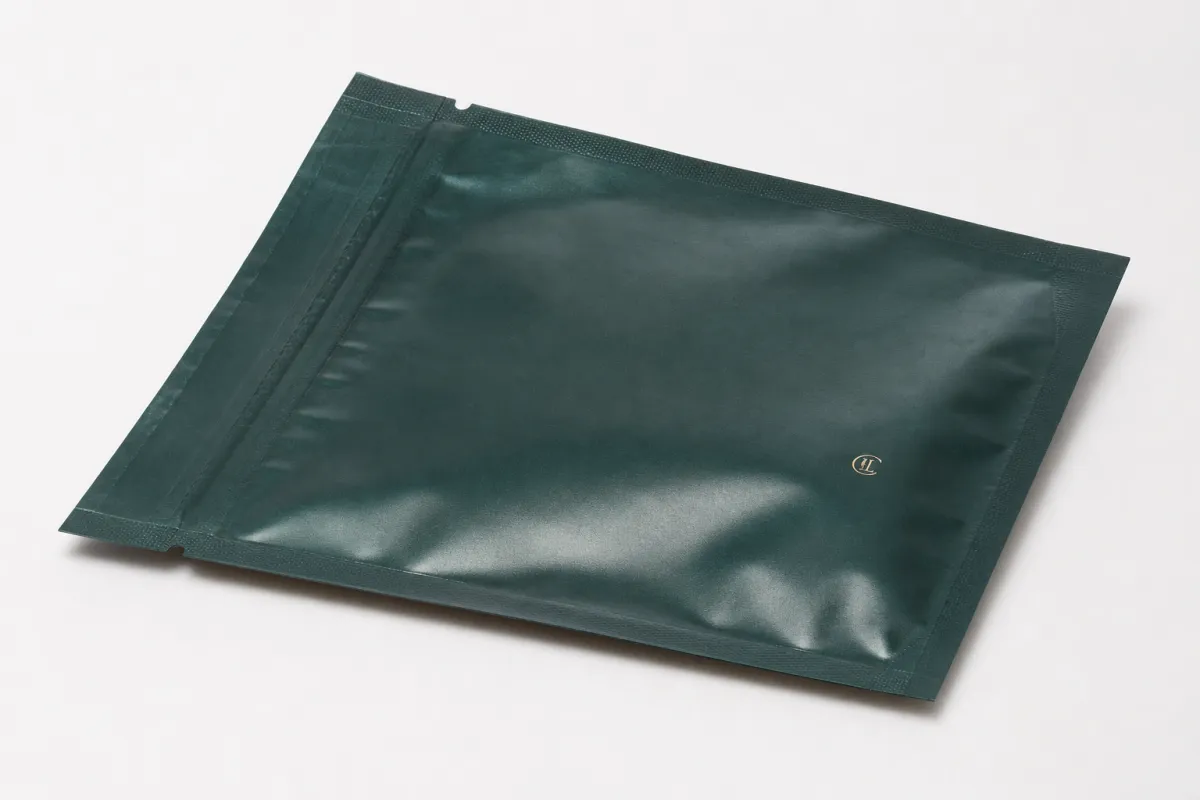
A flat pouch may look simple, yet the quote behind it depends on a long list of practical decisions. The custom flat pouches price reflects what sits inside the pouch, how long the product needs to last on the shelf, and how much visual impact the buyer wants from the package. A small sample sachet for cosmetics is not priced the same way as a protein powder pouch or a spice blend pack. One may only need basic print and a standard seal. Another may need stronger barrier protection, tighter seal integrity, and a finish that still looks solid under harsh retail lighting.
One of the first surprises for new buyers is how often the cheapest-looking pouch on a sheet turns into the most expensive option after freight, sampling, and a low quantity are added. The custom flat pouches price can also rise if the order calls for specialty film, extra lamination, or more ink coverage than the factory expected. A light one-color print on a simple structure is one thing. Full-coverage artwork with matte film, metallic ink, or a clear window is another. Those are not decorative extras. They change the bill of materials and the work needed to finish the job.
Flat pouches work well for single-serve snacks, powders, supplements, cosmetics, sample packs, and other lightweight products. That is why they show up so often in retail packaging and branded packaging programs that need a clean front panel without adding much weight. Popularity does not make the format universal, though. If the product is oily, moisture-sensitive, or likely to travel through hot distribution lanes, the custom flat pouches price should already include barrier film and seal strength. Leaving those out only buys a failure later.
Comparing one quote is usually where buyers get tripped up. A better method is to compare the custom flat pouches price at two or three quantities with the same artwork and the same delivery terms. That makes the breakpoints visible. If the price drop from 2,500 units to 5,000 units is tiny, the larger run may not be worth the extra inventory. If the drop is meaningful, the cash outlay may justify the larger order. That is buying with intent, not guessing from a single number.
The shelf question matters too. A pouch that looks flat and understated in a sample photo can disappear beside louder competitors in retail. Stronger package branding, cleaner color separation, or a better matte finish may cost more, but the cost of weak retail packaging is usually worse: lower conversion, more handling damage, and more repacking headaches. That is why I never frame the custom flat pouches price as a hunt for the lowest number. The better goal is the lowest total cost that still does the job and holds up in real use.
For teams building a broader line, the pouch should also fit the rest of the packaging design system. If your custom printed boxes use restrained typography and soft-touch coating, the pouch should not look like it came from another brand entirely. Consistency signals that the product line was planned, not patched together at the last minute.
The best quote is the one that matches the product, the shelf, and the freight lane. Everything else is just a number on a screen.
If you are reviewing options across a full line, keep our Custom Packaging Products page open while you compare formats. Flat pouches are one tool. They are not the entire system.
For teams that care about waste and material choices, the EPA’s packaging and waste guidance is a useful reminder that material reduction and responsible sourcing matter just as much as graphics. See the EPA waste reduction guidance for the broader context. It will not price your pouch, but it does help frame the tradeoffs.
Custom flat pouches price: material, size, and print choices
The easiest way to understand the custom flat pouches price is to break the pouch into three parts: material, size, and print. Material is the film structure. Size is the total surface area. Print is the visual load you are putting on that surface. Change any one of those pieces and the quote moves.
Start with material. A basic laminated film is usually the budget-friendly entry point. It works for products that do not need heavy barrier protection and do not sit in harsh conditions. Move up to higher-barrier materials, and the custom flat pouches price climbs because the film is doing more work. That can mean better moisture resistance, better oxygen barrier, or better aroma protection. For powders, coffee-style products, snacks, and certain cosmetics, that extra performance is not optional. It affects shelf life and the way the product feels to the customer.
Size matters more than many buyers expect. A pouch that looks only slightly larger on paper can use much more material than the lower-cost option suggests, especially if the layout needs extra headspace or a larger seal area. Bigger bags also tend to consume more ink, more laminate, and more shipping space. That is why the custom flat pouches price can rise quickly even when the product weight stays the same.
Print choices are another major driver. One-color work with limited coverage is usually the least expensive path. Full-coverage graphics, heavy black backgrounds, metallic elements, or a soft-touch finish increase the custom flat pouches price because the factory has more setup, more ink, and sometimes more waste during registration. A clear window may seem simple, but it can still introduce extra die or conversion steps. Nothing in packaging is truly free. The “small” upgrade often shows up on the invoice.
Use cases help make the tradeoffs clearer:
- Single-serve snacks: often favor lighter film structures and simple graphics if the product is dry and fast-moving.
- Samples and sachets: usually need compact sizes, clean seal performance, and efficient print layouts.
- Cosmetics: may need a richer visual finish and stronger barrier protection for creams, gels, or oils.
- Supplements and powders: often need dependable seals and enough stiffness to hold up during handling.
Every upgrade carries a tradeoff. Better shelf appeal and better product protection usually cost more, but weak packaging costs more when it fails. A pouch that splits, scuffs, or looks cheap at retail can burn through margin quickly. That is why the custom flat pouches price should be judged against the cost of returns, damaged goods, and lower sell-through. Cheap is not cheap if it creates waste in the field.
If you want a cleaner packaging design system, think about the pouch and the rest of the line together. A matte pouch beside glossy custom printed boxes can work when it feels intentional. It can also look mismatched if the color system is sloppy. Good product packaging planning starts with the whole shelf, not one SKU standing alone.
Flat pouch specifications buyers should lock in first
Before you ask for a quote, lock in the basics. The custom flat pouches price cannot be accurate if the factory is missing the pouch width, length, fill weight, seal style, or closure details. Send a vague idea and you will get a vague estimate. That is not the same thing as a usable quote.
The core details are straightforward: flat width, finished length, fill weight, film thickness, seal style, and any extras like a tear notch or zipper. Those numbers shape the dieline and determine how the pouch behaves during filling and shipping. A 50g product and a 250g product may use the same visual layout, but the physical load on the film is nowhere near the same. That is why the custom flat pouches price should always be tied to the product, not just the artwork.
Product behavior matters too. Powders need cleaner seals because dust can get into the seal area and weaken closure. Oily products need barrier protection that resists migration. Fragile items may need a little more room so corner stress does not become a problem. Ignore those realities and the pouch may look fine in proof while failing in production. The quote will not protect you from physics.
Common mistakes that create back-and-forth with the factory are usually boring, and that is exactly why they happen:
- Artwork arrives without final dimensions.
- The color count is vague, or the file mixes spot and process color without explanation.
- The buyer does not confirm final fill volume.
- Closure requirements are not stated clearly.
- The delivery location is missing, so freight is only guessed.
Those gaps slow down Pricing and Lead to revision after revision. A clean brief keeps the custom flat pouches price under control because the factory is quoting a finished job, not a moving target. If your team already knows what the product needs, write it down. Do not force the quote to become a detective story.
Compliance belongs on the spec sheet too. Food contact requirements, retail display expectations, and local labeling rules may all affect the final build. If the pouch needs to hang, stand, or sit in a display tray, say so early. The opening style matters as well. A pouch that is easy to tear on the shelf creates a better user experience than one that fights the buyer’s hands. That usability shows up in product reviews and repeat orders.
For teams that want proof of distribution resilience, ISTA test protocols are worth understanding. You do not need to become a test engineer, but you should know whether the package needs basic transit resistance or more serious testing. A quote for retail packaging that ignores transit is not complete. It is optimistic.
One more point: if your packaging design changes often, freeze the most important specs first. Size, structure, closure, and print coverage should stay stable before you chase tiny visual tweaks. It is far easier to revise a label than to reprice a pouch three times because the fill weight shifted and the finish changed with it.
Custom flat pouches price, MOQ, and unit cost breakdown
The custom flat pouches price comes from a stack of costs, not a single line item. Raw material, printing, lamination, bag making, finishing, setup time, quality checks, and shipping all appear somewhere in the final number. If a supplier only quotes the unit cost and hides the rest, that is not transparency. That is a sales tactic with cleaner formatting.
MOQ changes the equation quickly. Smaller runs usually carry higher unit pricing because setup costs are spread across fewer pieces. Larger runs usually improve the custom flat pouches price per unit because the same preparation work is distributed across more bags. That does not mean the bigger order is always the smarter buy. If the product has limited shelf life, or the design may change soon, too much inventory creates its own problem.
A practical way to compare quantities is to ask for at least three pricing points on the same spec: a low run, a mid run, and a larger run. Then compare the custom flat pouches price against total cash outlay, not just the lowest unit number. Sometimes the bigger run saves only a little. Sometimes it saves enough to matter. The quote should show the breakpoint instead of making you guess.
| Order quantity | Typical unit price range | What drives the quote | Best for |
|---|---|---|---|
| 500-1,000 units | $0.34-$0.78 | Setup cost, proofing, freight share, and low-volume waste | Testing a new SKU or short promotional run |
| 2,500 units | $0.18-$0.42 | Better cost spread, moderate setup burden, more efficient production | Early launch volume or steady reorder planning |
| 5,000-10,000 units | $0.11-$0.26 | Lower per-piece setup impact, stronger buying power, better freight efficiency | Established products with predictable sell-through |
Those figures are practical ranges, not promises. The actual custom flat pouches price still depends on film structure, print coverage, finish, and shipment method. A high-barrier pouch with matte lamination and a zipper will sit at a different cost level than a basic laminated pouch with simple graphics. The right question is not “What is the cheapest pouch?” It is “Which spec gives me the margin I need without creating risk?”
Compare quotes line by line. Confirm the exact size, material, print method, finish, delivery terms, and whether samples, plates, or tooling are included. If one vendor includes freight and another does not, the comparison is not clean. If one vendor quotes a glossy finish and another quotes matte, the numbers do not mean the same thing. The custom flat pouches price only matters after the specs match.
That same discipline applies to other packaging programs too. Buyers who already source custom printed boxes know this instinctively: a quote that looks lower can become higher once inserts, coatings, and shipping are added. Flat pouches are no different. The savings live in the details, and the details are where most mistakes happen.
Production steps and lead time for custom flat pouches
Production looks simple from the outside. It is not complicated, but it has a sequence. The custom flat pouches price is one part of the job; lead time is the other. A clean process usually starts with the brief, moves to the dieline, then artwork review, proof approval, printing, lamination, converting, quality checks, packing, and shipping. Skip a step and something usually bites you later.
Delays tend to appear in the same three places. First, the artwork is incomplete or the dimensions are wrong. Second, the material is special-order and not sitting in stock. Third, the buyer keeps changing the spec after approval. Every revision restarts part of the workflow. That is how a quote that looked fine on Monday turns into a delay by Friday. The custom flat pouches price may stay the same, but the schedule does not.
Sample timing and production timing are not the same thing. A proof can move quickly because it is only a check stage. Full production still needs actual material, press time, and converting capacity. A clean proof is useful, but it does not mean the order is ready to ship tomorrow. Buyers who understand that difference usually plan launches more calmly and avoid panic reorders.
As a practical range, a standard custom run often needs around 12-15 business days after proof approval, plus shipping. More complex builds can take longer. If the order needs specialty film, a tighter finish, or additional testing, build in more margin. The custom flat pouches price may look similar across suppliers, but the timeline can vary a great deal depending on how much material is stocked and how the plant schedules converting.
For launches, lock the pouch early. Do not wait until the label is done, the fill date is fixed, and the freight booking is already tight. That is how rush fees appear. If you have a reorder, start even earlier if the previous version used different artwork or a different closure. A reorder should be easier than a first run. If it is not, somebody missed a handoff.
If the package will face rough handling, hot storage, or long transit lanes, make sure the build matches the shipment plan. That is where testing standards matter, and it is where practical packaging design beats wishful thinking. A decent pouch should survive the lane it is entering. If not, the low custom flat pouches price is irrelevant because the product will not arrive in one piece.
That is also where sustainability choices can be evaluated sensibly. If you are choosing paper components, cartons, or secondary packaging, the source matters. FSC-certified materials can support responsible sourcing goals without turning the project into a marketing stunt. Buyers do not need perfect packaging. They need honest packaging that fits the product and the route.
Freight should be treated as part of the project, not an afterthought. Two quotes with the same custom flat pouches price can still end up very far apart once one ships efficiently and the other ships awkwardly. That is why lead time and landed cost belong in the same conversation.
Why choose us for custom flat pouches
We keep the buying process direct. No fake miracle turnaround times. No fluffy promises that collapse the moment a spec changes. For buyers trying to understand the custom flat pouches price, that matters more than a polished sales pitch. Clear numbers beat vague enthusiasm every time.
Our focus is practical: accurate quoting, honest MOQ guidance, and clear communication about what actually changes the price. If the better move is to simplify the film, reduce print coverage, or remove a nonessential finish, we will say so. That is how you protect margin. It is also how you avoid paying for bells and whistles that do nothing for the product.
Consistency matters just as much. A pouch that prints well once and drifts the next time is not a healthy packaging program. Buyers need repeatable color, stable structure, and dependable barrier performance so reorders feel like reorders, not fresh experiments. Whether you are building retail packaging for one SKU or coordinating package branding across a larger line, the goal stays the same: make the product look deliberate and arrive ready to sell.
We also help customers avoid waste. That does not mean stripping out every upgrade. It means choosing the right upgrade. If a zipper adds value for resealability, use it. If a soft-touch finish does not support the product position, skip it. The right custom flat pouches price is the one tied to the real use case, not the fanciest possible version of the bag.
Responsive quoting matters too. The quote should answer the basic questions quickly: size, material, quantity, finish, lead time, and shipping destination. If you are comparing our custom packaging products with other formats, we can help you line up the tradeoffs without turning the process into a committee meeting. Buyers do not need more noise. They need better decisions.
Next steps to lock in your custom flat pouches quote
If you want an accurate custom flat pouches price, send one clean message with the details that matter. Include pouch size, product type, fill weight, quantity, finish, closure, artwork file, and ship-to location. That is enough for a useful starting quote. If the request is vague, the answer will be vague. That is not the supplier being difficult. That is the information being incomplete.
Ask for at least two quantity options. You want to see how the custom flat pouches price changes at different breakpoints, because MOQ can shift the economics faster than almost any other factor. Also ask for freight on the same comparison. A low unit price with expensive shipping is not a win. It is just a cheaper-looking problem.
If the pouch will face shelf competition, moisture, heat, or rough handling, request a sample or proof before you commit. That is especially true for new products, trial launches, or anything that sits in branded packaging next to stronger competitors. If the package needs to hold up in transit, say so. If it needs to match a larger family of product packaging, say that too. Good packaging design is much easier to get right before production than after a bad run.
Use this checklist before you send the brief:
- Size: finished width and length, not an estimate.
- Product: what is inside the pouch and how sensitive it is.
- Fill weight: the actual target weight or volume.
- Quantity: at least two or three price points.
- Finish: matte, gloss, soft-touch, or window.
- Closure: tear notch, zipper, hang hole, or none.
- Artwork: final file or the closest version you have.
- Destination: where the goods are shipping.
That is how you keep the custom flat pouches price accurate and the schedule realistic. Send the right spec the first time and you get fewer revisions, fewer delays, and fewer surprises. Simple works. Fancy spreadsheets do not make bad information better.
For the most accurate custom flat pouches price, send your size, product type, fill weight, quantity, finish, closure, artwork, and delivery location, and ask for multiple quantity breakpoints so you can compare the real unit cost before you buy. If your team is gonna do the comparison anyway, do it with the landed cost in hand, not just the unit price.
What is the typical custom flat pouches price per unit?
It depends on size, material, print coverage, and order volume, so the only useful number is the one tied to your exact spec. Small runs usually cost more per pouch because setup costs are spread across fewer units. Ask for pricing at two or three quantities so you can see where the better unit cost starts.
How does MOQ affect custom flat pouches price?
Lower MOQs usually mean higher unit cost because setup, printing, and bag-making costs are not fully spread out. Higher quantities usually improve unit pricing, but only if you can store or sell the extra inventory on time. The best quote compares MOQ, unit cost, and total cash outlay together, not in isolation.
Which specs raise custom flat pouches price the fastest?
High-barrier films, specialty finishes, zippers, tear notches, and heavy ink coverage are common price drivers. Complex structures and premium printing usually cost more than simple laminated constructions. If budget matters, start by trimming nonessential upgrades before reducing product protection.
How long does the custom flat pouches production timeline usually take?
Timeline depends on artwork approval, material availability, and whether the order is stock-based or fully custom. A clean spec sheet and ready artwork usually move faster than a job that needs repeated proof changes. Shipping time should be added separately so the delivery promise is realistic.
What do I need to get an accurate custom flat pouches price quote?
Send the pouch size, product type, fill weight, quantity, print colors, finish, and closure details. Include your target timeline and ship-to location so freight and lead time are priced correctly. The more exact the spec, the less time you waste chasing revised quotes.
For a clean, usable custom flat pouches price, send the spec once, send it clearly, and compare the quote at multiple quantities before you commit. That is how buyers avoid guesswork and get packaging that actually fits the product.

