Buyer Fit Snapshot
| Best fit | Custom Subscription Mailer Boxes for Unboxing projects where brand print, material claims, artwork control, MOQ, and repeat-order consistency need to be specified before quoting. |
|---|---|
| Quote inputs | Share finished size, material target, print colors, finish, packing count, annual reorder estimate, ship-to region, and any compliance wording. |
| Proofing check | Approve dieline scale, logo placement, barcode or warning zones, color tolerance, closure strength, and carton packing before bulk production. |
| Main risk | Vague material claims, crowded artwork, missing packing details, or unclear freight terms can make a low unit price expensive after revisions. |
Fast answer: Custom Subscription Mailer Boxes for Unboxing: Film, Print, MOQ, and Carton Packing should be specified like a repeatable production item. The safest quote records material, print method, finish, artwork proof, packing count, and reorder notes in one written spec.
Production checks before approval
Compare the actual filled-product size with the drawing, then confirm tolerance on folds, seals, hang holes, label areas, and retail display edges. Reserve space for logos, QR codes, warning copy, and material claims before decorative graphics fill the panel.
Quote comparison points
Review material grade, print process, finish, sampling route, tooling charges, carton quantity, and freight assumptions side by side. A quote is only useful when the supplier can repeat the same color, closure quality, and packing count on the next order.
Custom Subscription Mailer Boxes for Smarter Unboxing
For a lot of subscription brands, custom subscription mailer boxes are the first physical proof that the brand understands both the product and the person receiving it. The box shows up before the item is even touched, so the package has already started telling a story by the time the tape is cut. If that story feels considered, the customer notices. If it feels rushed, they notice that too, even if they never say it out loud.
I like to think of custom subscription mailer boxes as working packaging, not just shipping packaging. They have to survive repeat fulfillment, carry the brand identity, and still make life easier for the warehouse team. Size, structure, print, and cost all need to line up, or the box starts causing friction somewhere else in the process. That friction might show up as slower pack-out, more damage, or just a package that feels kinda forgettable.
A subscription package has to earn its place in several ways at once. It protects the contents, keeps pack-out moving at a steady pace, and reinforces the brand every time it lands on a doorstep. If one of those pieces is off, the cost shows up as damaged goods, slower labor, or an experience that fades as soon as the lid closes.
That is also what separates custom subscription mailer boxes from a basic corrugated shipper. A standard box may get a parcel through the carrier network, but a custom mailer is designed around the assortment, tuned for recurring packing, and built to make the product feel intentional from the first fold of the carton. Better fit, less filler, and a cleaner reveal all come from that kind of planning.
Brands comparing branded packaging options usually get more value by looking past surface appeal. The strongest custom subscription mailer boxes balance packaging design, structural strength, freight efficiency, and customer experience. Subscription programs do not win on appearance alone. They win when the box protects the goods, the line packs cleanly, and the customer feels the value as soon as the mailer opens.
Custom Subscription Mailer Boxes: Why They Stand Out
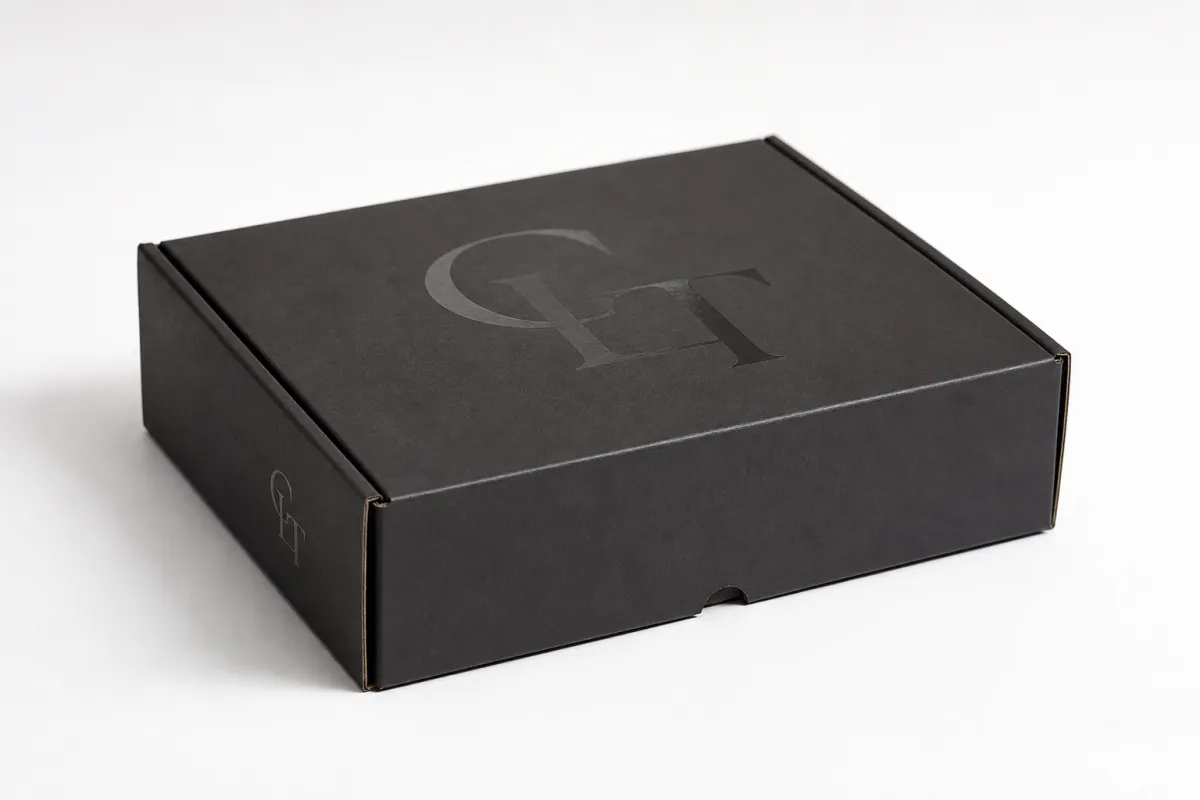
Custom subscription mailer boxes stand out because they turn a routine delivery into a repeatable brand ritual. Subscription customers do not receive one package and move on. They receive the same brand format again and again, and that repetition becomes part of how they judge the service. A box with the right proportions, a solid feel, and clean print sends a quiet message that the brand pays attention.
That physical impression carries more weight than many teams expect. From a packaging buyer's point of view, the box is often the one item of product packaging that touches every order, every month, which makes it a high-frequency brand asset. The contents may change, but the box remains constant, and that is where custom subscription mailer boxes build real retention value. A customer who enjoys opening the package is more likely to remember the brand favorably when renewal time arrives.
The business side matters just as much. Better-fit custom subscription mailer boxes can reduce product movement during transit, cut down on filler, and lower the chance of crushed corners or scuffed edges. That protects margin in a direct way because fewer replacements and fewer damage claims mean less waste in materials and labor. A box with stronger package branding can also make the service feel more premium, which helps pricing conversations in crowded categories like beauty, wellness, food, apparel accessories, and hobby kits.
Another reason custom subscription mailer boxes stand apart is that they are built for recurring operations rather than a single retail moment. Retail packaging needs shelf presence, but subscription packaging has a different job: it needs to move efficiently through fulfillment, survive shipping, and still feel special without creating unnecessary handling steps. A box can look polished and still slow the line. It can be inexpensive and still feel flimsy. Neither outcome helps a subscription brand.
For teams still shaping their custom subscription mailer boxes strategy, the best place to begin is by separating the emotional goal from the mechanical one. Emotionally, the box should match the brand story. Mechanically, it should fit the product mix, handle carrier stress, and assemble without friction at scale. Once those two goals line up, the design usually becomes easier to refine. If you want to compare broader packaging formats, the Custom Packaging Products page is a useful place to start.
"A good subscription mailer should pack like a tool, protect like a shipper, and open like a gift."
That balance is the reason custom subscription mailer boxes still matter so much. They are not just a carton choice. They shape repeat customer experience, shipping performance, and brand perception all at once.
Brands that want to compare handling expectations against recognized test methods can review the standards libraries at ISTA, and teams that care about fiber sourcing language or sustainability claims can use FSC as a reference point. Those resources do not replace internal testing, but they do help keep packaging decisions grounded in real-world performance and documentation.
How Custom Subscription Mailer Boxes Work in Fulfillment
Custom subscription mailer boxes have to prove themselves in the warehouse long before they meet a customer. That part gets overlooked more often than it should. A design that looks polished in a mockup can still be awkward on the line, and a box that feels ideal in a sample room may slow packing once the team is handling hundreds or thousands of orders.
The process starts with the packed assortment, not the empty carton. A subscription may include a single featured item one month and a mixed set the next, so the box size has to account for the largest likely configuration along with inserts, tissue, cards, or protective dunnage. If that internal reality is ignored, custom subscription mailer boxes can end up too tight to load or too loose to hold the contents steady. Either problem creates friction.
Board selection matters as well. Corrugated mailers are popular because they offer a strong protection-to-weight ratio and they are familiar on packing lines. Depending on product weight and shipping stress, brands may choose E-flute for a smoother print face and slimmer profile, or B-flute and similar builds when crush resistance matters more. The right choice depends on the product mix, carrier handling, and how much stacking pressure the box will face in transit or at the fulfillment center.
Print choices give custom subscription mailer boxes another layer of flexibility. Some brands want a simple one-color kraft look that stays controlled on cost and still feels intentional. Others want full exterior print, inside print, or a combination that creates a stronger reveal. Print should never be added just because it is available. It belongs where customers will notice it and where it will not interfere with folds, seams, or barcodes.
Warehouse teams care about the smaller operational details more than most packaging decks admit. Tabs need to lock predictably. Glue areas need to hold up under repeated handling. The box should stack cleanly on carts and pallets, and it should not require extra adjustments just to keep the contents centered. The better custom subscription mailer boxes are built with those realities in mind, the less labor they consume as volume grows.
Shipping conditions sit behind all of this. Dimensional weight pricing can punish oversized packages, carrier handling can dent weak panels, and moisture or compression can cause problems if the board spec is too light for the route. That is why I always encourage brands to treat custom subscription mailer boxes as part of a shipping system, not a decorative layer. The right box should help control freight cost, reduce damage, and fit the warehouse workflow without drama.
If the subscription also ships lighter add-ons or ancillary items, some brands compare mailers against Custom Poly Mailers. That comparison can make sense for certain soft goods, but it should always be based on product protection, brand presentation, and the actual handling environment rather than unit price alone.
Cost and Pricing for Custom Subscription Mailer Boxes
The price of custom subscription mailer boxes usually comes down to five drivers: size, board grade, print complexity, finishing, and quantity. Once those pieces are understood, quote conversations become much easier to read because the numbers stop feeling random and start looking like what they are, the result of material, setup, and labor choices.
Size is the first lever because larger boxes use more board and often ship at a higher dimensional weight. Board grade comes next, and even a modest change can affect both price and performance. A lighter board can reduce material cost and freight weight, but if the box flexes or crushes too easily, those savings can disappear into replacements or product loss. With custom subscription mailer boxes, the lowest board cost is not always the lowest overall cost.
Print coverage changes the number as well. A one-color kraft mailer usually costs less than a full-bleed, full-color printed box with inside print and specialty coating. Finishing adds another layer. Gloss, matte, soft-touch, spot UV, or aqueous coatings can all change the appearance and the price. Inserts matter too. A simple die-cut paperboard insert may be inexpensive at volume, while a more complex structural insert, divider set, or foam component raises both tooling and unit cost.
Quantity is where many brands see the biggest swing. Setup costs are real, so larger runs usually lower the unit price. Smaller runs are helpful for testing, but the per-box price can jump quickly because artwork, plates, die cutting, setup waste, and proofing costs are spread over fewer units. For many custom subscription mailer boxes, small-run pricing lands noticeably above a 3,000 to 5,000 piece order, even when the design stays the same.
Here is a practical budgeting range many teams use as a rough planning guide for custom subscription mailer boxes:
| Option | Typical Use | Estimated Unit Cost Range | Notes |
|---|---|---|---|
| Kraft mailer, 1-color print | Simple subscription kits, natural look | $0.85-$1.35 | Best when brand story is clean and minimal |
| Full-color printed mailer | Premium branded packaging | $1.35-$2.40 | Costs rise with coverage and ink density |
| Printed mailer with insert | Multi-item or fragile subscriptions | $1.60-$2.95 | Insert design can change pack speed and freight fit |
| Special finish or inside print | High-impact unboxing programs | $2.10-$3.50+ | Premium look, but plan for longer lead times |
Those ranges are not universal, and they should not be treated like a quote. They are still useful because they show how custom subscription mailer boxes move with print coverage, structure, and order size. A brand ordering 500 units will usually pay more per box than one ordering 5,000, and that difference can be large enough to affect launch plans, storage choices, and cash flow.
There are hidden costs people miss as well. Freight from the packaging plant to your warehouse can be significant, especially with bulky corrugated packaging. Sample development may require a structural prototype before artwork is approved. Dieline adjustments can add design time if the internal fit is not finalized early. If the box is too large, you also pay for extra air every time it moves through the carrier network. In a subscription model, that kind of inefficiency repeats on every shipment.
Requesting quotes for custom subscription mailer boxes works best when the brief is specific. Exact dimensions, product weight, artwork files, finish preferences, insert needs, shipping destination, and expected volume all help the converter build a quote that reflects the real job rather than a rough guess. That accuracy matters because a vague quote may look attractive at first and then unravel once the details are set.
Production Process and Timeline for Custom Subscription Mailer Boxes
The production path for custom subscription mailer boxes usually starts with discovery, then moves into structure, artwork, proofing, sampling, production, and final quality control. Each stage has its own purpose, and rushing one tends to cost time later. That is one of those packaging truths that stays true year after year: a neat approval only matters if the box actually fits and prints the way it should.
Discovery should establish product dimensions, weight, monthly assortment, and the pack-out method. That is where the box size, insert style, and board spec begin to take shape. Structural design comes next, often through a dieline that maps folds, score lines, glue areas, and panel dimensions. With custom subscription mailer boxes, this step matters because a fraction of an inch can change how the box closes or how the product sits inside it.
Artwork prep is where another common delay shows up. Files that are not ready for print can slow everything down, especially if fonts are missing, colors are not converted correctly, or key artwork sits too close to folds, edges, or seam lines. A strong concept can still struggle if it was never built around the actual carton geometry. The box is a three-dimensional object, and the art needs to respect that from the start.
Proofing and sampling come next. A printed proof helps verify color, copy, and placement. A structural sample helps verify fit, closure, and assembly. Those are not the same checkpoint, and custom subscription mailer boxes often need both before a larger run is approved. A prototype can reveal whether inserts hold the product steady, whether the lid bulges, or whether the bundle shifts too much during handling.
Turnaround time varies by complexity, but a simple one-color mailer usually moves faster than a box with full coverage print, specialty coating, or custom inserts. More complex custom subscription mailer boxes need more lead time because there are more checkpoints and more chances for revision. That is not a weakness. It is the reality of building a physical item that has to fit, protect, and present well.
Planning around launch dates works best when you count backward from first ship day. Leave time for artwork revisions, proof approval, production, freight transit, and a buffer for late-stage issues. If a seasonal campaign or subscription relaunch is on the calendar, do not compress the packaging schedule just to save a week on paper. The box sits too close to the customer experience to be treated like a side task.
For many brands, a clean timeline looks something like this:
- Brief and measurements finalized: 1-3 business days
- Dieline and structural review: 2-5 business days
- Artwork setup and proofing: 3-7 business days
- Sampling or pre-production sample: 5-10 business days
- Production and finishing: 10-20 business days, depending on complexity
- Freight transit: varies by destination and shipment size
Those steps are a planning guide rather than a promise, but they show why custom subscription mailer boxes benefit from early coordination. A brand that starts with a complete brief almost always moves faster than one that is still debating size after the artwork is already in motion.
Key Design Factors for Custom Subscription Mailer Boxes
Good custom subscription mailer boxes begin with structure. The closure style, panel depth, crush resistance, and the way the carton locks together all affect how the box behaves in the warehouse and in transit. A tuck-top mailer may suit one program, while another needs a crash-lock bottom or a stronger rollover edge. There is no single answer, which is why packaging design has to follow the product and the handling conditions rather than forcing the product to fit the carton.
Material selection matters just as much. Corrugated board with the right flute profile can provide the stiffness needed for shipping while still keeping the box manageable to fold and print. For lighter kits, an E-flute build can work well because it offers a flatter print surface and a slimmer profile. For heavier bundles or more fragile contents, a stronger board build may make more sense. The goal is not to use the most material possible. The goal is to use the right amount of material for the job.
Interior design deserves more attention than it often gets. Inserts, dividers, tissue, and void fill all change how the product moves during transit. A subscription containing multiple SKUs, fragile bottles, or items with different heights may need a die-cut insert or partition system to keep everything aligned. Without that internal support, even a strong outer mailer can let the contents shift, which hurts both presentation and protection. In custom subscription mailer boxes, the inside often matters as much as the outside.
Print strategy should follow the brand story and the budget. Some programs only need a logo, a short message, and a strong material color. Others use full-panel art, inside print, and thoughtful copy to build anticipation. There is a real reason for that: the unboxing sequence is part of the customer experience. The outer panel makes the first promise, the inside surfaces reinforce it, and the product reveal closes the loop. Custom subscription mailer boxes can do that beautifully, but only if the print plan respects cost, registration tolerance, and the fold locations of the carton.
A useful rule of thumb fits here: if the design does not improve the unboxing sequence, protect the contents, or reduce labor, it may be decorative rather than functional. That is where a lot of waste begins in custom subscription mailer boxes. The box picks up extra color, extra coatings, or extra internal parts that look impressive in the sample room but add very little value in real use. Strong packaging is usually clear about its job.
Branded packaging also needs to be honest about waste. Many customers enjoy a premium reveal, but they do not want a box packed with unnecessary material. The sweet spot is a design that feels intentional without looking overbuilt. In other words, custom subscription mailer boxes should create value through fit, presentation, and protection, not through excess.
"The best packaging feels deliberate, not busy. Every extra layer should earn its keep."
That point matters even more for Subscription Brands That want to grow. A beautiful one-off box is easy to make. A repeatable box that keeps its shape, packs quickly, and ships efficiently is the harder and more useful achievement. That is the level where custom subscription mailer boxes stop behaving like packaging and start acting like part of the operating system.
Common Mistakes With Custom Subscription Mailer Boxes
Oversizing is probably the most common mistake with custom subscription mailer boxes. Teams often leave too much empty space because they want the product to feel protected or because they want the box to read as premium on arrival. In practice, oversized mailers can raise shipping costs, increase movement inside the package, and make the whole experience feel less polished. A big empty cavity is not luxury. It is wasted air.
Another mistake is underestimating product variation. A monthly subscription rarely stays perfectly fixed. A new item is added, a vendor changes an outer carton, or a bundle count shifts slightly. If the box approval only matched one narrow configuration, the program can run into packing problems later. Custom subscription mailer boxes should be designed with enough tolerance to handle normal variation without forcing the warehouse to improvise every cycle.
Artwork planning causes trouble too. Logos placed too close to folds can distort. Light type on a dark flood can lose clarity. Complex graphics can shift if the file is not set up correctly for the print process. These are avoidable problems, but only if the design is built around the dieline from the beginning. With custom subscription mailer boxes, print design has to respect seams, score lines, and the practical limits of the converting process.
Price-only decision making is another trap. A lower quote can feel attractive, especially for a growing brand watching cash closely. Packaging should be judged on the full cost of ownership, not just the line on the invoice. If a cheaper box slows packing, uses extra filler, ships heavier, or fails more often, the real cost can be much higher. That is why I push teams to evaluate custom subscription mailer boxes through labor, freight, and damage performance as well as board price.
There is also a habit of skipping the full pack-out test. A sample that looks great on a desk is not enough. The real test is whether the exact assortment can be packed, closed, labeled, stacked, and shipped without issue. If the box is awkward to assemble or the insert pinches the product, that problem needs to be caught before the full run. Testing the entire process is one of the easiest ways to protect a subscription launch.
Here is the short version of what usually goes wrong with custom subscription mailer boxes:
- The box is too large and creates waste.
- The product mix changes after approval.
- Artwork ignores folds and seams.
- The lowest quote wins, even if performance suffers.
- The final pack-out is never tested.
Those problems show up often because they are easy to miss during a fast launch. They are also avoidable, which is why a little discipline upfront pays off. A good mailer does not happen by accident. It comes from honest measurements, realistic testing, and the willingness to refine the design before production starts.
Expert Tips and Next Steps for Custom Subscription Mailer Boxes
If you are planning custom subscription mailer boxes, start with a one-page packaging brief. Include product dimensions, weight, seasonal assortment changes, pack-out method, monthly volume, shipping zones, and the look you want the customer to feel. That brief keeps internal teams aligned and gives the packaging supplier enough information to quote accurately the first time.
Requesting both a structural sample and a printed proof is one of the smartest moves you can make. The sample tells you whether the box fits and packs correctly. The proof tells you whether the art, color, and branding read the way you expected. Those are separate questions, and custom subscription mailer boxes usually need separate approvals to answer them properly. Skipping one often creates expensive surprises later.
It also helps to evaluate the box from three angles at the same time: customer experience, warehouse efficiency, and freight performance. A box that looks beautiful but takes too long to assemble is not ideal. A box that packs quickly but crushes too easily is not ideal either. The best custom subscription mailer boxes support the business across the whole chain, from the dock to the doorstep.
For brands that are still early in the process, a pilot run can be a smart choice. A limited launch or smaller production lot gives you real data on assembly speed, damage rate, customer feedback, and storage needs. That data is far better than assumptions, especially if the product is fragile or the subscription mix changes often. A pilot also gives your team time to refine the design before larger volumes lock in.
Here are a few practical checks I recommend before ordering custom subscription mailer boxes at scale:
- Measure the packed product, not just the empty item.
- Test the box with the heaviest and most fragile configuration.
- Check whether the design still works with inserts, tissue, and cards.
- Confirm the box folds cleanly on your real packing line.
- Compare freight cost for the final outer dimensions.
- Review the artwork on a dieline, not just a flat mockup.
If you already have a packaging program, the smartest next move is often an audit. Look at current damage claims, packing speed, box sizes, and freight invoices. If the numbers point to too much empty space, repeated breakage, or slow pack-out, there is probably room to improve. Custom subscription mailer boxes should not just look better; they should make the subscription easier to run.
For teams comparing broader options, the right answer might still be a corrugated mailer, a Custom Printed Carton, or another format within the wider product packaging mix. The point is not to force one answer. It is to choose the box that fits the product, the customer promise, and the operation. That is how branded packaging keeps its value after the first unboxing moment has passed.
And if you are building a new launch or tightening up an existing program, do not treat the packaging brief as a side note. The clearer the brief, the better the quote, the cleaner the production, and the more predictable the outcome. That is especially true with custom subscription mailer boxes, where small decisions about board, print, and fit can ripple through every shipment.
At a practical level, the next steps are straightforward: audit your current pack-out, measure the products you ship most often, gather shipping data, and prepare a quote request that reflects your real needs. Do that well, and custom subscription mailer boxes can become a stronger part of your brand, a better fit for your warehouse, and a more reliable part of your shipping budget.
FAQ
What size should custom subscription mailer boxes be?
Size the box around the packed product, not just the product alone, so inserts, tissue, and any protective material fit without crushing. Leave enough internal space for consistent packing, but avoid excess empty space that increases shipping cost and movement inside the box. The best starting point is a measured pack-out test using your actual assortment, including the heaviest and most fragile items.
Are custom subscription mailer boxes better than plain shipping boxes?
They usually create a stronger brand impression and can make the subscription feel more premium and intentional. A custom mailer can also improve fit, reduce wasted filler, and support faster fulfillment when it is designed around the actual product mix. Plain boxes may cost less upfront, but they often miss the branding and retention benefits that subscription programs rely on.
How much do custom subscription mailer boxes cost per unit?
Unit cost depends on quantity, board grade, box size, print coverage, inserts, finishing, and freight. Higher volumes usually reduce unit price because setup costs are spread across more boxes. Ask for a quote using exact dimensions and artwork details so pricing reflects your real production needs rather than a rough estimate.
What is the production timeline for custom subscription mailer boxes?
Timeline depends on design complexity, proof approvals, sampling, and whether the box needs specialty printing or inserts. Simple builds move faster, while custom structures and detailed print work require more lead time for proofing and production. Build in extra time for freight transit and any revisions discovered during sampling or pre-production review.
What should I include when requesting a quote for subscription mailer boxes?
Include product dimensions, weight, estimated monthly volume, desired box style, print needs, and any insert requirements. Share shipping goals such as carrier type, typical destination zones, and whether the box must support display-quality unboxing. The more complete the brief, the more accurate the quote and the fewer surprises later in the production process.

