Buyer Fit Snapshot
| Best fit | Printed Corrugated Boxes for Subscription Brands projects where brand print, material claims, artwork control, MOQ, and repeat-order consistency need to be specified before quoting. |
|---|---|
| Quote inputs | Share finished size, material target, print colors, finish, packing count, annual reorder estimate, ship-to region, and any compliance wording. |
| Proofing check | Approve dieline scale, logo placement, barcode or warning zones, color tolerance, closure strength, and carton packing before bulk production. |
| Main risk | Vague material claims, crowded artwork, missing packing details, or unclear freight terms can make a low unit price expensive after revisions. |
Fast answer: Printed Corrugated Boxes for Subscription Brands: Board, Finish, Dieline, and Unit Cost should be specified like a repeatable production item. The safest quote records material, print method, finish, artwork proof, packing count, and reorder notes in one written spec.
Production checks before approval
Compare the actual filled-product size with the drawing, then confirm tolerance on folds, seals, hang holes, label areas, and retail display edges. Reserve space for logos, QR codes, warning copy, and material claims before decorative graphics fill the panel.
Quote comparison points
Review material grade, print process, finish, sampling route, tooling charges, carton quantity, and freight assumptions side by side. A quote is only useful when the supplier can repeat the same color, closure quality, and packing count on the next order.
Printed Corrugated Boxes for Subscription Brands That Sell
Printed Corrugated Boxes for subscription programs do more than ship products: they cut damage, support retention, and turn every delivery into a brand signal.
Printed corrugated Boxes for Subscription programs are often the first thing customers notice, the last thing they remember, and the packaging most likely to carry the brand story out into the world. That sounds a little dramatic until you watch what happens on a doorstep. A plain brown shipper says the order moved through the warehouse and got out the door. A branded box says somebody planned the experience, protected the contents, and paid attention to the finish. Those signals land fast, and customers read them almost immediately.
From a packaging buyer’s point of view, the outer box has two jobs that pull in different directions: it has to survive the distribution chain and make the experience feel worth repeating. Printed corrugated boxes for subscription sit right at that intersection because the carton is not only a container. It is also moving media, passing through fulfillment centers, carriers, porches, and recycling streams before the customer ever decides what to do with it.
That is why the packaging conversation should begin with the customer journey, not with decoration. Once you think that way, choices like board grade, flute profile, print coverage, and closure style stop looking like technical details and start looking like retention decisions. If the package needs to support the brand, the pack-out, and the shipping budget at the same time, printed corrugated boxes for subscription are usually where experienced teams start.
Printed Corrugated Boxes for Subscription: Why They Win the Shelf Test
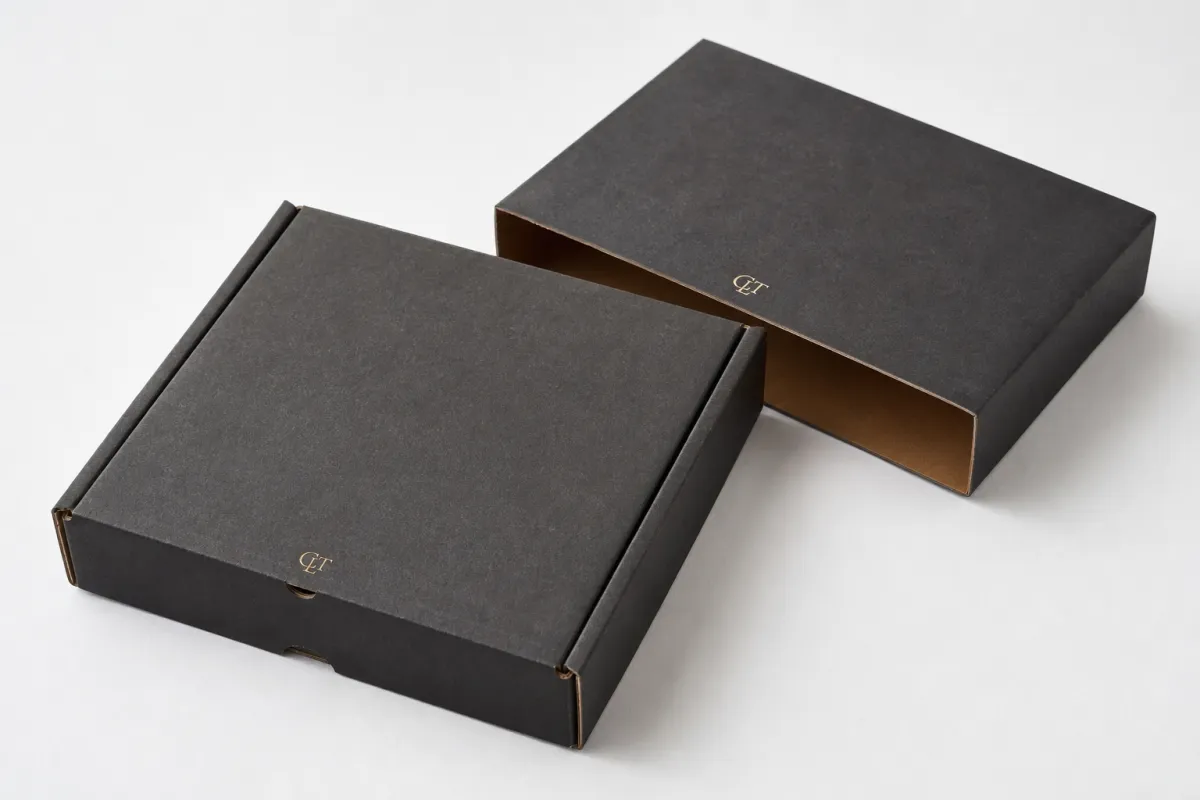
Most subscription customers never see the box sitting on a retail shelf, yet they still judge it as if they did. The shelf is the kitchen counter, the office desk, the entry table, or the recycling bin. In that setting, printed corrugated boxes for subscription are judged in a glance. Does the box look strong enough to trust? Does it feel deliberate when opened? Does it carry the brand without trying too hard?
That split-second response matters because people decide whether a subscription feels premium long before they read a welcome card or touch a sample. Plain kraft shippers can work well, especially when the brand wants a modest, understated feel. Once the program depends on anticipation, gifting, repeat orders, or social sharing, even a small print upgrade can lift perceived value far more than the unit price suggests. In many cases, the move to printed corrugated boxes for subscription adds only a small amount to the pack cost while changing the customer’s impression by a much larger margin.
Printed corrugated boxes for subscription also help with a problem marketers sometimes underestimate: visual consistency. Unboxing videos, referral photos, customer support images, and social posts all happen under different lighting and from different angles. A tiny logo on kraft may disappear. Better contrast, cleaner panel placement, and stronger print coverage create a more dependable visual signature, and that kind of consistency builds memory over time.
From a practical standpoint, the box is doing two jobs at once. It is logistics equipment, and it is brand media. Once that is clear, the question becomes less “Should we print?” and more “What level of print, structure, and finish actually fits this customer journey?” A subscription box for light skincare will not need the same construction as one shipping bottles, supplements, or fragile hardware. Printed corrugated boxes for subscription should be engineered around the product first, then shaped around the brand.
A box that looks great but crushes in transit is not premium. It is expensive disappointment.
There is also a quiet operational benefit. Printed corrugated boxes for subscription can reduce confusion in the fulfillment area when SKUs are visually organized by brand color, seasonal line, or run. That is not just aesthetic polish; it can reduce picking errors, speed up pack-out, and make split shipments easier to manage. Good packaging systems calm the warehouse. The customer sees the finish, but the operations team feels the difference in the flow of work.
For brands that sell both subscription and one-time products, the same logic applies to the broader packaging stack. A well-built box program can sit alongside Custom Shipping Boxes and other formats from Custom Packaging Products without making every shipment look identical. The goal is a family resemblance, not a one-size-fits-all carton.
Two seconds is about all the time the box gets before judgment starts. In that tiny window, printed corrugated boxes for subscription need to communicate fit, protection, and intent. That is a demanding brief, and it is exactly why the format works so well when it is specified carefully.
And yes, that first impression can stick around. A customer may not remember the exact board spec, but they will remember whether the package felt considered or kinda thrown together. That memory matters more than most spreadsheets admit.
How Printed Corrugated Boxes for Subscription Orders Actually Work
Most people want the attractive part first. Packaging buyers should start with the sequence instead. Printed corrugated boxes for subscription move through a fairly predictable path: product dimensions, structural style, print method, finishing, production, packing, and outbound fulfillment. If any one of those steps stays vague, the final box usually becomes more expensive, less durable, or both.
The first input is the product itself. Measure the item, then measure the way it is packed. That sounds basic, yet it is where many programs go wrong. A bottle may stand 4 inches tall, but once tissue, an insert, and a little closure allowance are added, the pack-out may need 4.75 inches. The right box size is based on what is actually going inside, not just on a product spec sheet. Printed corrugated boxes for subscription should allow a safe fit with enough compression control that the contents do not rattle during transit.
Structure comes next. Mailer-style boxes are common for many subscription programs because they are familiar, self-locking, and easy to brand on both the outside and inside panels. Tuck-top styles can create a more gift-like presentation, though they are not always the best choice for heavier or less uniform items. Shipper-first designs prioritize performance and freight efficiency, which matters when the product is dense, fragile, or traveling a long distance. Printed corrugated boxes for subscription work best when the style matches the actual shipping risk, not the mood board.
The print process matters just as much. Flexographic printing is widely used for higher-volume corrugated packaging because it is cost-effective and dependable for simpler graphics. Litho-lam can support richer artwork and sharper photography, though it usually adds cost and a bit more lead time. Digital printing can make sense for shorter runs, variable data, test launches, or seasonal drops where the art changes often. The right choice depends on quantity, artwork complexity, and whether the program needs agility or unit-cost control. Printed corrugated boxes for subscription can be built with any of those methods, but the trade-offs are not the same.
Internal components matter too. Inserts, dividers, pads, and partitions shape both the protective performance and the emotional feel of the unboxing. A jewelry or skincare kit may need a fitted insert to keep items centered. A snack box may need dividers to prevent crushing or product migration. A home goods subscription might need edge protection more than decoration. The box is the shell; the inside architecture is what keeps the shell from feeling careless.
That inside architecture can also protect your margins. If a simple paperboard insert can hold products in place, you may avoid overbuilding the outer carton. On the other hand, if the product is slippery, heavy, or oddly shaped, trying to force it into a lightweight insert is gonna create problems later. Fit should be engineered, not guessed.
| Format | Typical Use | Strength Profile | Branding Potential | Best Fit |
|---|---|---|---|---|
| Mailer-style box | Beauty, apparel, lifestyle, light goods | Good for moderate transit stress | High, especially on lid and interior | Subscription programs with strong unboxing focus |
| Tuck-top box | Gift sets, premium kits, retail-ready packs | Moderate; depends on board and closure | Very high, with a polished opening sequence | Brands that want a more ceremonial reveal |
| Shipper-first corrugated box | Dense, fragile, or mixed-SKU shipments | Highest, when designed for distribution | Moderate to high | Programs where protection comes before presentation |
| Hybrid design | Recurring subscriptions with variable contents | Customizable by insert and board spec | High with smart print placement | Brands balancing operations and brand theater |
Fulfillment volume changes the box strategy as much as the product does. If the operation is fully manual, the box can tolerate a little more structural complexity. If the team is packing hundreds or thousands of units each day, printed corrugated boxes for subscription need to work with the pack line rather than against it. That means clean folds, predictable closures, and dimensions that do not slow down cartonizing.
Hybrid operations are common. A brand may pack core items on a standard line and handle limited-edition inserts by hand. In that case, the box has to support both speed and a controlled presentation. That is one reason printed corrugated boxes for subscription are often specified after a pack-out test instead of before it. The test shows where the box helps and where it creates friction.
One useful rule: if you cannot describe the complete pack-out in plain language, the supplier probably cannot quote it cleanly either. The more clearly you can explain product dimensions, closure style, insert needs, and fulfillment method, the faster printed corrugated boxes for subscription move from concept to approved production.
Cost, Pricing, MOQ, and Quote Drivers for Printed Corrugated Boxes
Pricing is where enthusiasm meets gravity. Printed corrugated boxes for subscription are rarely priced by the “box” alone. The quote usually reflects size, board grade, flute choice, print coverage, color count, finishing, structural complexity, and quantity. Add freight, warehousing, and labor, and the gap between two options can be wider than it first appears.
For smaller subscription programs, MOQ is often the first surprise. Plain shipping cartons may be available in low quantities, but once a brand moves to printed corrugated boxes for subscription with custom tooling and branded artwork, minimums usually rise. A simple one-color run can sometimes start in the low thousands. Fully printed, specialty-finished, or custom-structured boxes may need larger commitments to make the economics work. That does not mean the program is too small. It means the packaging has to be planned around the order curve instead of hoping the supplier can absorb it.
Pricing becomes easier to understand when unit cost and landed cost are separated. Unit cost is the price per box leaving the converter. Landed cost includes freight, storage, packaging labor, and the hidden cost of damage. A slightly more expensive printed box that reduces void fill, lowers breakage, or speeds up pack-out can outperform a cheaper carton that creates friction everywhere else. Printed corrugated boxes for subscription should be judged by the cost of the full system, not just the line item on the invoice.
Useful quote requests remove guesswork. The strongest ones usually include internal dimensions, product weight, closure preference, quantity by run, artwork coverage, target finish, shipping method, and whether inserts are needed. If the box must pass distribution testing, say so. If the product is seasonal and the design may change every quarter, say that too. Printed corrugated boxes for subscription are easier to price when the supplier sees the operational reality instead of trying to infer it.
Here is a practical comparison that packaging teams often use to frame the decision.
| Option | Typical Unit Range | MOQ Tendency | Lead Time Tendency | Notes |
|---|---|---|---|---|
| Plain kraft shipper | $0.35-$0.70 | Lower | Shorter | Best for cost control and simple transit protection |
| One-color branded corrugated box | $0.55-$1.10 | Moderate | Moderate | Good balance of brand impact and practicality |
| Full-coverage printed corrugated box | $0.85-$1.60 | Higher | Moderate to longer | Stronger shelf presence and more control over the reveal |
| Printed box with insert system | $1.10-$2.25 | Higher | Longer | Best for fragile, premium, or multi-item kits |
Those ranges are not universal. Board grade, geography, freight mode, and current paper pricing can push them up or down. Still, they create a useful frame. A program buying 5,000 units of printed corrugated boxes for subscription will often see a very different price structure than one buying 50,000. Volume changes everything: makeready, waste, setup amortization, and sheet yield all shift with scale.
Timing adds another layer that people rarely include in the first conversation. If artwork is still changing, if the dieline is unstable, or if the launch date is fixed, the rush is not free. The cleaner the brief, the more predictable the quote. That is true whether you are ordering a single branded carton or a full subscription packaging system.
If you are comparing options, ask suppliers to show unit cost, freight, setup, and any tooling charges separately. Then compare printed corrugated boxes for subscription against the savings from better pack efficiency and lower damage. The cheapest carton on paper is not always the cheapest carton in operation.
Process and Timeline: Production Steps From Dieline to Delivery
Good packaging programs depend on sequence discipline. Printed corrugated boxes for subscription usually move through a chain that looks simple on paper and very human in practice: brief, dieline, structural approval, artwork prep, proofing, sampling, printing, converting, and delivery. Skip one stage, and the next stage usually reminds you why it mattered.
The brief should define the job in business terms, not just design terms. What is the product? How many units ship each month? Is the box for recurring orders, launch kits, welcome kits, or seasonal drops? Does the box need to run through an automated pack line or a manual station? Printed corrugated boxes for subscription improve when the supplier understands the operating model instead of receiving a vague “make it premium” note.
The dieline is the skeleton of the box. That is where errors become expensive, because artwork that looks perfect in a flat mockup may fail once folds, glue areas, closure tabs, and panel wraps are added. Structural approval should happen before final graphics are locked. If the box dimensions change late, the art may need to be rebuilt. That is one of the most common reasons schedules slip.
Prototype timing and production timing are not the same. A sample or prototype can often be turned faster, especially if the supplier is using digital print or a simplified mockup. Full production includes prepress checks, plate or plate-free setup, printing, converting, and shipping. For printed corrugated boxes for subscription, a realistic timeline might be 12-15 business days from proof approval for simpler runs, and longer if the box includes inserts, specialty finishes, or multiple artwork revisions. Some jobs move faster; many move slower. The difference is usually in preparation.
Revision cycles are where projects stretch. A change to logo size may seem harmless, but if it affects bleed, fold lines, or print load, the job has to be checked again. A change to board grade can trigger a structural rethink. A change to shipment method can change the compression target. Printed corrugated boxes for subscription are not hard because printing is hard. They are hard because many variables are connected.
Inventory planning matters just as much after approval. Subscription brands often run recurring drops, so the box has to support reorder logic. Some teams keep a few months of stock on hand. Others produce closer to demand and accept tighter replenishment cycles. Seasonal programs may need a refreshed print run without changing the structure. In those cases, printed corrugated boxes for subscription can share tooling while swapping artwork, which keeps the program efficient without making every drop feel identical.
Testing is where planning turns into confidence. A structural sample should be checked with the real product, not a placeholder weight. Then the packed box should be evaluated for closure integrity, corner crush, and visible alignment. If possible, run a small pilot through the actual fulfillment environment. Real packing benches expose issues that a studio table never will.
For higher-risk products, some brands ask for distribution tests aligned with ISTA methods or related procedures. The point is not bureaucracy. The point is to learn whether the box survives the kind of movement it will actually see. Resources from ISTA can help frame those expectations, and ASTM methods are often referenced when teams want a more formal testing path. Printed corrugated boxes for subscription gain a lot of credibility when performance is verified rather than assumed.
Once production is approved, the final step is straightforward: print, convert, inspect, pack, and ship. The quality of that last step depends on the thousand decisions before it. The smoother the upstream process, the less likely printed corrugated boxes for subscription will arrive as a compromise.
Key Factors That Decide Performance, Protection, and Brand Feel
Protection is not just about thickness. It is about the full structural system. Board grade, flute choice, score quality, glue integrity, box dimensions, and internal pack-out all affect performance. Printed corrugated boxes for subscription can look identical from the outside and behave very differently in transit because one was engineered for compression while the other was engineered for a mockup photo.
Flute choice matters more than most non-packaging teams realize. A finer flute can create a smoother print surface and a more polished look, while a larger flute may improve cushioning and stacking performance. Board grades also change the story. A 32 ECT board may be enough for lightweight kits, while heavier or more fragile products may need a stronger spec. There is no universal answer. Printed corrugated boxes for subscription should be specified around product load, distribution path, and expected handling conditions.
Brand feel comes from consistency and restraint as much as from color. If the artwork wraps awkwardly across the seam or the print registration drifts, the box can feel cheaper than the material itself. Clean panel hierarchy helps. So does disciplined color use. A box with one strong brand mark, a clear interior message, and a controlled palette often feels more premium than a box trying to use every surface as a billboard. Printed corrugated boxes for subscription work best when the design speaks clearly and does not shout.
Sustainability is no longer a side note. Buyers notice material efficiency, recyclability, and right-sizing because those details affect both cost and brand credibility. Corrugated is widely recyclable, and many brands choose FSC-certified paperboard when they want a stronger sourcing story. If that matters to the business, use material cues that are verifiable, not vague. Resources from FSC can help teams understand certification language, and the EPA has useful guidance on paper and paperboard materials. Printed corrugated boxes for subscription should support the sustainability message without turning into greenwash.
Right-sizing is especially important. Oversized packaging increases corrugate use, raises freight cost, and often forces extra void fill. A tighter fit can reduce both cost and waste, but only if the product still has enough clearance to survive handling. That is why printed corrugated boxes for subscription usually perform best when the interior layout is designed before the outer art is finalized.
There is a retention angle here too. Damage rates affect repeat purchase behavior. So does unboxing shareability. A customer who receives a crushed or poorly fitted package may not blame the carrier. They blame the brand. A customer who opens a crisp, well-fitted, thoughtfully printed box is more likely to remember the experience as part of the product itself. Printed corrugated boxes for subscription therefore have a direct path to lifetime value, even if that path is hard to isolate in a spreadsheet.
One useful mental model is this: the outer box protects the transaction, but the inside design protects the relationship. Printed corrugated boxes for subscription are one of the few packaging formats where both functions are visible to the customer at once.
That is also why honest trade-offs matter. Not every subscription needs full flood-color coverage, soft-touch coating, and a multi-part insert system. Sometimes a restrained one-color print on a well-engineered carton does the job better, especially if the brand wants to feel clean and dependable rather than flashy. A good package is not trying to prove how much was spent on it; it is trying to perform.
Common Mistakes Brands Make With Subscription Box Packaging
The biggest mistake is usually oversizing. A box that is too large wastes shipping spend, demands more void fill, and makes the customer feel as if the brand was careless with materials. Oversized packaging also tends to shift the product during transit, which increases the chance of damaged corners, crushed inserts, and noisy movement inside the carton. Printed corrugated boxes for subscription should feel fitted, not loose.
The second mistake is designing for the mockup instead of the warehouse. A beautiful render can hide weak closures, awkward fold geometry, and poor pack speed. In the real world, tape lines, hand placement, and product tolerances matter. If the box slows down fulfillment by even a few seconds per order, that delay compounds quickly. Printed corrugated boxes for subscription should be evaluated under actual pack conditions, not just in a design presentation.
Artwork mistakes are equally common. Missing bleed, low-resolution images, unassigned spot colors, and unclear dieline versions all create avoidable delays. Corrugated printing is forgiving in some ways and unforgiving in others. A tiny registration shift may not matter on a simple logo, but it can ruin a full-panel design or a pattern that crosses folds. Printed corrugated boxes for subscription often fail not because the design is poor, but because the artwork handoff was incomplete.
Skipping sample testing is another expensive habit. A structural mockup can reveal whether the product slides, whether the insert holds, whether the closure pops open, and whether the box stack performs as expected. A drop test, compression check, or simple real-pack trial can uncover problems before they become customer complaints. For fragile or high-value kits, the cost of one sample round is small compared with the cost of rework after launch.
Brands also underestimate how often the subscription mix changes. A box that works for three skincare items may fail when a fourth item is added. A seasonal bundle may need a different insert. A special edition may have a taller closure requirement. Printed corrugated boxes for subscription should be built with enough flexibility that the business can change contents without starting over every quarter.
Finally, some teams treat packaging as an isolated purchase instead of a system decision. That leads to mismatches between the box, the insert, the label, the ship method, and the unboxing story. The best programs consider all of it at once. The box is not the whole experience, but it is the part customers touch first.
If you are tightening up a program, start with the basics: fit, protection, fulfillment speed, and artwork control. Then layer in brand details. That sequence is less glamorous than a mood board, but it is how printed corrugated boxes for subscription become repeatable instead of fragile.
Printed Corrugated Boxes for Subscription: Actionable Next Steps
If you are planning printed corrugated boxes for subscription, begin with a brief that answers five questions: what ships, how often, how fragile it is, how the box will be packed, and what the brand needs the customer to feel. That single page can save weeks. It also makes supplier quotes easier to compare, because everyone is working from the same assumptions.
Next, request a structural sample and a printed proof. The sample should be checked with the real product, not an empty box on a conference table. The proof should be reviewed for color, panel alignment, copy accuracy, and fold behavior. Then run a stress test using the actual fulfillment method. If the box is going to be packed manually, test manual pack-out. If it will run on a line, test the line. Printed corrugated boxes for subscription only become reliable after they meet reality.
A simple decision matrix can help the team stay honest. Score each option on cost, protection, unboxing quality, turnaround, and sustainability fit. A box that wins on one dimension but loses hard on three others is usually the wrong choice. Printed corrugated boxes for subscription are about trade-offs, not perfection.
- Confirm dimensions: Measure the product, insert, and clearance together.
- Set the shipping method: Parcel, hybrid freight, or hand-delivered kits change the spec.
- Define monthly volume: Quantity affects price, MOQ, and lead time.
- Lock the artwork map: Decide where branding lives before final proofing.
- Test real pack-out: Use actual contents, actual hands, and actual transit assumptions.
For teams launching from scratch, a 30-day rollout plan is usually practical. Week one: gather dimensions, weights, and packaging goals. Week two: select the structure and request a dieline. Week three: review proofing, sample the box, and confirm the pack-out. Week four: approve production and schedule replenishment. That sequence is not glamorous, but it keeps the project moving without losing control.
If the brand is already shipping and wants to upgrade, start small. Choose one SKU or one subscription tier and prove the model before converting the whole line. That approach lowers risk and gives the team real data on damage, customer response, and labor impact. Printed corrugated boxes for subscription do not have to be a giant leap; they can be a controlled step up.
It is also smart to keep one eye on the broader packaging portfolio. A subscription brand often benefits from having a family of formats that work together, from Custom Shipping Boxes for heavier outbound orders to Custom Packaging Products for inserts, fillers, and branded components. That kind of system thinking usually pays back faster than a one-off box redesign.
Printed corrugated boxes for subscription are not just packaging. They are shipping protection, brand signaling, and operational discipline packed into one object. When they are specified well, they reduce damage, support retention, and make every delivery feel intentional. When they are specified poorly, they become expensive cardboard with a logo on it. The difference usually comes down to process, not luck.
The most useful next step is simple: document the real pack-out, then compare the current carton against the shipping risk and the customer experience you want to create. Once those two things are on paper, the right box choice usually gets a lot clearer.
What size should printed corrugated boxes for subscription be?
Base the internal dimensions on the product plus insert or void-fill allowance, not on the outer shipping label size. Keep enough clearance for safe packing, but avoid excess space that raises freight cost and makes the box feel underfilled. Ask for a sample fit test with real products before approving final tooling.
How much do printed corrugated boxes for subscription usually cost?
Cost depends on box size, board grade, print coverage, color count, finishing, and quantity. Higher order volumes usually reduce unit cost, but custom structures, inserts, and specialty coatings can raise pricing fast. A useful quote should include packaging, production, freight, and any setup charges so you can compare suppliers fairly.
What is the typical turnaround time for printed corrugated boxes for subscription?
Turnaround time usually includes design approval, sampling, production, and shipping, so the calendar can move more slowly than the press run itself. Late dieline changes and artwork revisions are the most common reasons schedules slip. If the launch date is fixed, build in extra time for proofs and sample review before production starts.
Do printed corrugated boxes for subscription need inserts or extra protection?
Use inserts when the product can shift, break, leak, or arrive misaligned inside the box. For lighter or more stable products, a right-sized corrugated design may be enough without added material. Test with drop, vibration, and pack-out trials to see whether the current structure needs reinforcement.
Are printed corrugated boxes for subscription recyclable?
Most corrugated boxes are recyclable, but inks, coatings, adhesives, and added components can affect how the package is handled locally. Keep the design as material-efficient as possible if recyclability is part of the brand story. Give customers simple disposal guidance on the box or insert so the end-of-life message is clear.
For brands that want a package to work as hard as the subscription itself, printed corrugated boxes for subscription are still one of the smartest places to invest. The right structure can protect the shipment, the right print can elevate the unboxing, and the right process can keep every refill, reorder, and seasonal drop on track. That combination is what turns printed corrugated boxes for subscription from a shipping line item into a repeatable brand asset.


