Buyer Fit Snapshot
| Best fit | Custom Subscription Mailers Bulk projects where brand print, material claims, artwork control, MOQ, and repeat-order consistency need to be specified before quoting. |
|---|---|
| Quote inputs | Share finished size, material target, print colors, finish, packing count, annual reorder estimate, ship-to region, and any compliance wording. |
| Proofing check | Approve dieline scale, logo placement, barcode or warning zones, color tolerance, closure strength, and carton packing before bulk production. |
| Main risk | Vague material claims, crowded artwork, missing packing details, or unclear freight terms can make a low unit price expensive after revisions. |
Fast answer: Custom Subscription Mailers Bulk: Specs, Pricing, Timing should be specified like a repeatable production item. The safest quote records material, print method, finish, artwork proof, packing count, and reorder notes in one written spec.
Production checks before approval
Compare the actual filled-product size with the drawing, then confirm tolerance on folds, seals, hang holes, label areas, and retail display edges. Reserve space for logos, QR codes, warning copy, and material claims before decorative graphics fill the panel.
Quote comparison points
Review material grade, print process, finish, sampling route, tooling charges, carton quantity, and freight assumptions side by side. A quote is only useful when the supplier can repeat the same color, closure quality, and packing count on the next order.
Custom Subscription Mailers Bulk: Specs, Pricing, Timing turns packaging from a decorative line item into something closer to an operating variable. One extra half-inch in the wrong direction can push a parcel into a higher dimensional weight bracket, and that penalty repeats shipment after shipment. That is why custom subscription mailers bulk often saves money before the first logo is printed.
Packaging buyers rarely get rewarded for pretty cartons. They get judged on fit, labor, damage rates, and whether the pack line keeps moving when orders stack up. A subscription mailer has to close quickly, hold the product steady, and arrive looking deliberate rather than improvised. That operational pressure is the real reason custom subscription mailers bulk orders matter.
Bulk purchasing changes the economics of the whole program. Larger runs improve material planning, reduce setup churn, and make it easier to standardize across several subscription tiers. Brands that want branded packaging, retail packaging, and package branding without slowing the warehouse usually land on custom subscription mailers bulk for exactly that reason.
The best subscription mailer behaves like a good employee: steady, predictable, and never asking the pack line to clean up its mistakes.
I have seen teams approve a mailer based on a mockup, only to discover later that the carrier lane punished the design with crushed corners, scuffed print, or a higher shipping bracket. The fix was rarely dramatic. Usually it was a small adjustment in board grade, depth, or closure style. The sections that follow stay close to those decisions: board, print, inserts, transit specs, and pricing logic. If repeatable performance matters more than marketing polish, custom subscription mailers bulk should be built around the product, the carrier lane, and the monthly consumption rate.
Custom Subscription Mailers Bulk: Why the Right Box Pays Off
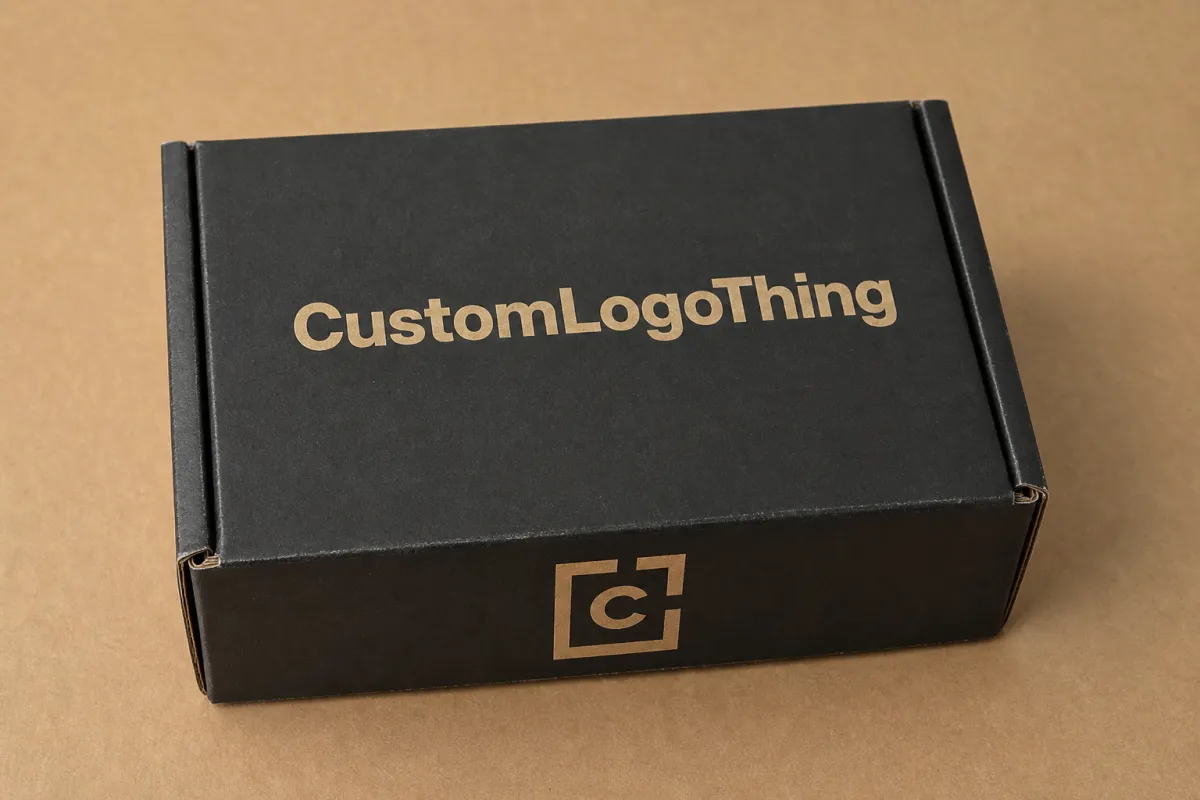
Experienced teams keep returning to custom subscription mailers bulk because recurring shipping magnifies small choices. A carton that is just a little too large can trigger extra freight costs, let the product shift in transit, and force the fulfillment crew to add void fill that slows the line. Those are small leaks that become real money over hundreds or thousands of parcels.
Subscription packaging should be measured by how it works under pressure, not how it photographs on a deck. A box that folds cleanly, stacks well, and protects the contents through carrier handling is usually worth more than a flashy design that needs constant correction. For custom subscription mailers bulk, the pack-out speed matters as much as the unboxing moment.
Recurring fulfillment also punishes inconsistency. If the same product ships every month, the mailer should present the same depth, the same resistance at closure, and the same interior fit each time. That consistency makes training easier and helps a warehouse manager forecast labor with less guesswork. In practice, custom subscription mailers bulk is a production tool as much as a branding surface.
Bulk ordering adds another layer of value because the program can be planned around real consumption rather than emergency replenishment. When the vendor knows the monthly volume, ship date, and stock rotation pattern, material can be staged with fewer interruptions. That matters even more for brands running multiple subscription levels, since one custom subscription mailers bulk specification can often serve several sizes without breaking the system.
It helps to think in systems, not single orders. A subscription kit may share visual cues with Custom Packaging Products, or it may need lighter formats such as Custom Poly Mailers and ongoing replenishment support through Wholesale Programs. The useful move is building a packaging architecture, not just placing a one-off order of custom subscription mailers bulk.
Product Details: Board, Print, Inserts, and Finishes
The structure of custom subscription mailers bulk starts with the board. Lightweight retail kits often work with paperboard mailers, while heavier or more fragile contents usually need corrugated construction and stronger edge protection. Apparel, paper goods, and small sample sets can often ship in paperboard. Glass, heavier cosmetics, electronics accessories, or multi-piece kits with hard edges usually call for corrugated.
Board choices
Paperboard has three clear advantages: it folds neatly, prints sharply, and keeps the profile slim. Corrugated board gives more crush resistance and behaves better during parcel handling, stacked warehouse storage, and longer carrier routes. Hybrid structures can split the difference, especially when a brand wants a premium shell with more stiffness than a simple folding carton. For custom subscription mailers bulk, the board choice should follow product weight and the shipping lane, not brand vanity.
Print method matters just as much. Digital printing makes sense for shorter or changing programs because setup is lighter and artwork updates are easier to manage. Flexographic printing usually fits repeated production and larger quantities where efficiency matters. Offset or specialty printing can be the better answer when color control, consistency, or shelf presence matters most. Packaging design only works when structure and print method support each other, and that rule is especially true in custom subscription mailers bulk.
Closures and inserts
Closures are not a small detail. Tuck flaps, front locks, self-seal features, and tear strips all affect assembly speed and the customer opening experience. Score lines need to fold cleanly so the carton does not fight the packer. If the kit contains multiple items, inserts or partitions help keep the contents in place and cut down on void fill. That matters in subscription boxes where a bottle, a card pack, and a folded insert would otherwise drift during transit inside the mailer.
For multi-item programs, inserts function like operational insurance. They do not just present the product; they restrain it. A good insert lowers damage risk, keeps the presentation orderly, and helps workers pack the same way every time. In custom subscription mailers bulk, that repeatability is worth real money because it reduces rework.
Finishes and presentation
Finishes do two jobs at once: they improve appearance and help the surface survive handling. Aqueous coatings and varnishes can cut scuffing, while matte and gloss decisions set the tone for the brand. Spot color accents can lift a logo without flooding the entire box with ink. If cartons will be sorted in bins, stacked on pallets, or handled several times before delivery, a rub-resistant finish is a smart choice for custom subscription mailers bulk.
Material choice should also match the product itself. A beauty kit may need a polished presentation, a supplement subscription may care more about labeling clarity, and an apparel drop may want a soft, giftable look that still packs fast. The better the board, print, and finish align with the contents, the more useful the package becomes as both branded packaging and a working shipping container. That is the practical side of custom subscription mailers bulk.
| Structure | Best For | Typical Strength | Common Tradeoff |
|---|---|---|---|
| Paperboard mailer | Lightweight kits, retail packaging, slim ship sets | Sharp print and efficient folding | Less crush resistance than corrugated |
| Corrugated mailer | Heavier subscription sets, fragile contents, longer routes | Stronger edge protection and better stacking performance | Slightly more bulk and material cost |
| Hybrid construction | Programs needing a premium look with added stiffness | Balanced presentation and transit protection | Needs more careful spec development |
Specifications That Protect the Mailer in Transit
The first measurement I want on custom subscription mailers bulk is the inside dimension, not the outside size. Internal length, width, and depth decide whether the product moves in transit, whether corners get crushed, and whether the pack line has to wrestle the carton just to get it closed. A mailer can look right in a drawing and still fail in practice if the fit is off by a small amount.
Board strength comes next. Caliper, flute choice, and crush resistance all shape how the mailer behaves once it is stacked, sorted, and loaded into a truck or parcel network. A stronger grade may cost more per unit, but that extra spend can pay for itself when the shipment spends time in a busy fulfillment center, travels long distances, or carries more than a lightweight sample set. At that point, custom subscription mailers bulk becomes a transit engineering decision rather than a print order.
Carrier reality matters too. Parcel size limits, weight bands, and sortation pressure all affect how a box behaves after it leaves the warehouse. A sample pack that feels perfect on a bench may shift badly if the interior is too loose, and a package that is too heavy for the chosen structure can crush under stacked freight. If the program is being tested for transit durability, ask whether the sample work follows methods used by ISTA distribution testing or an ASTM-based approach for compression and shipping performance.
That same transit mindset should guide the use of inserts, dividers, and product restraint. Those pieces do more than make the interior look tidy. They limit movement, support the opening experience, and help the fulfillment team pack the same way at speed. In a repeatable custom subscription mailers bulk program, consistency is the whole point.
Palletization and case pack planning matter as well. A good spec should work from the manufacturer’s shipping carton to the warehouse receiving dock and then from the warehouse to the customer with as little wasted space as possible. That means the case pack count, pallet height, and stack pattern need to be thought through before the order is approved, especially if the program must be staged for several release dates. The cleaner the logistics plan, the easier it is to keep custom subscription mailers bulk moving without surprises.
If sustainability is part of the brief, ask about fiber sourcing and recovery goals early. Not every program needs premium certification, but if the brand claims recycled content or wants chain-of-custody support, the documentation should be verified rather than assumed. For brands that need that proof, FSC certification information is a useful starting point. That conversation usually sits right beside custom subscription mailers bulk spec work because material choice, print coverage, and environmental claims are linked.
Custom Subscription Mailers Bulk Pricing, MOQ, and Quote Basics
Pricing for custom subscription mailers bulk usually comes down to a handful of variables: size, board grade, print coverage, color count, coatings, inserts, and total quantity. Two mailers can look similar and still land in very different price bands because one uses heavier board, a tighter structure, or more ink coverage. That is normal, and it is exactly why apples-to-apples quoting matters.
MOQ, or minimum order quantity, usually tracks with setup efficiency and production method. Digital runs often allow lower entry points because they avoid some tooling burden, while larger offset or specialty runs tend to make more sense once the volume is steady and repeatable. If a subscription program is still testing demand, ask for a sample-friendly structure first, then scale into custom subscription mailers bulk once the pack-out is proven.
Illustrative pricing bands
The ranges below are examples, not promises. They still help buyers see how the economics move as volume rises. For custom subscription mailers bulk, landed cost can shift quickly depending on print coverage and freight.
| Order Tier | Common Use | Illustrative Unit Range | Notes |
|---|---|---|---|
| 1,000-2,500 units | Testing a new subscription program | $0.85-$1.85 | Setup costs weigh more heavily here |
| 5,000 units | Established monthly replenishment | $0.52-$1.24 | Good balance of unit cost and flexibility |
| 10,000+ units | High-volume recurring subscription | $0.38-$0.95 | Best when spec stays stable for multiple releases |
Those numbers can move upward if the carton uses heavy ink coverage, a specialty coating, unusual die-cut features, or a multi-piece insert system. They can move downward if the structure is simple, the size is efficient, and the order quantity is large enough to spread setup across more units. That is why the best custom subscription mailers bulk quote breaks out unit cost, tooling, freight, and accessories separately.
To get a usable quote, submit the inside dimensions, product weight, mailing method, monthly usage, required print areas, finish preference, and any non-negotiable structural features. If the kit needs a tear strip, self-seal closure, reinforced corners, or a fitted insert, say so at the start. The more complete the brief, the less back-and-forth later, and the easier it is to price custom subscription mailers bulk accurately.
Ask every supplier to show the same cost buckets: board, print, die, plate or tooling, freight, and any assembly or packaging accessories. If one vendor quotes only the unit price and another includes freight to your dock, the comparison is misleading. A low sticker price can become the expensive option once the shipment lands. Buyers who review custom subscription mailers bulk this way usually make better long-term decisions.
Here is the margin case in plain language: sized correctly, the right subscription mailer can cut repack labor, reduce damage rates, and keep per-shipment cost predictable across recurring cycles. That predictability is often worth more than a tiny difference in print price. For a subscription brand, the real value of custom subscription mailers bulk is that it turns packaging into a controllable operating cost.
Production Process, Timeline, and Lead Times
The production path for custom subscription mailers bulk usually starts with a brief, then moves into spec confirmation, structural drawing or dieline review, artwork placement, proof approval, print production, converting, packing, and freight coordination. If the supplier has done the work before, the path is straightforward. If the structure is new, the sample and approval stages deserve extra time because they protect the schedule later.
Artwork approval is one of the easiest places to lose time. A late change to copy, color, barcode placement, or closure style can slow the job more than the manufacturing run itself. The same is true for dimensional changes. A small adjustment to depth or locking tabs may require a revised dieline, which means new proofing and sometimes a new sample. With custom subscription mailers bulk, the sooner the buyer locks the spec, the smoother the release tends to be.
Typical schedule windows
For a straightforward repeat spec, lead time is often around 12-15 business days after proof approval. If the order needs a new structure, higher ink coverage, specialty coating, or fitted inserts, timing can stretch to 15-25 business days or more. Those ranges are not rigid, but they reflect how the work usually moves in practice. Anyone ordering custom subscription mailers bulk should build the calendar around approval time, not just manufacturing time.
Release timing matters because subscription shipments have fixed windows. The mailer should arrive before pack-out begins, leaving room for receiving, inspection, and warehouse staging. It is also smart to confirm carton counts, pallet configuration, and receiving requirements before freight moves. A shipment that arrives in the wrong pack pattern can slow the team down even if the cartons themselves are perfect. For repeated programs, custom subscription mailers bulk should fit the calendar as neatly as it fits the product.
Lead time also depends on what the program asks the box to do. A simple mailer with one-color print and no insert is easier to run than a thicker structure with multiple printed faces, a custom closure, and an exact-fit divider. That does not make the more complex design a bad choice. It just means the buyer should treat it like a production plan rather than a generic packaging order. That is the mindset that keeps custom subscription mailers bulk moving on schedule.
One more practical point: reserve a little room for internal receiving and sample confirmation before the live ship date. A carton can pass through production cleanly and still need a quick fit check once it reaches the warehouse. That small buffer often prevents a much larger problem later, especially when monthly shipments are already queued. For teams managing recurring packaging design changes, that buffer is part of doing custom subscription mailers bulk correctly.
Why Choose Us for Repeat Subscription Programs
Repeatability is the real value in custom subscription mailers bulk. A subscription mailer should run the same way each month, with consistent board, print, dimensions, and closure performance so the pack line does not have to relearn the box every cycle. That consistency reduces labor variation, keeps the customer experience steady, and makes forecasting easier for operations.
Packaging support should go beyond artwork placement. A strong supplier helps match the mailer to product weight, shipping method, assembly speed, and the protection the contents need in transit. That is the difference between a pretty carton and a useful one. For brands that buy across categories, it helps to work with a partner that can support everything from Custom Packaging Products to Custom Poly Mailers, and even broader replenishment through Wholesale Programs. That range makes it easier to keep custom subscription mailers bulk aligned with the rest of the packaging system.
Documentation matters just as much as the carton. Clear specs, approved dielines, sample sign-off, and reorder references make future runs easier and less error-prone. If the original job is documented well, the next release moves faster because the team is not trying to reconstruct old decisions from memory. That paper trail is one of the quiet advantages of buying custom subscription mailers bulk through a supplier that treats repeat business seriously.
Quality control matters most on bulk programs because a small defect percentage becomes a real operational headache when the run is large. If the cartons do not square correctly, if the print drifts off register, or if the scores open unevenly, the pack line feels it immediately. A clean run means fewer interruptions and fewer compromises. That is why I always push buyers to inspect sample build quality before placing custom subscription mailers bulk into a recurring production schedule.
It also helps when the supplier understands the bigger packaging picture. Many brands are balancing product packaging, retail packaging, and branded packaging at the same time while still trying to protect margin. A good partner sees how the mailer, insert, label, and outer shipper work together. That perspective becomes useful when a program needs to move between Custom Printed Boxes, mailers, and other ship-ready formats without losing brand consistency. In practice, that is where custom subscription mailers bulk becomes part of a real system rather than a one-off buy.
Communication has to stay steady after the order is placed. Monthly or quarterly subscription programs are not static, even if the structure is. Demand changes, inserts change, and ship dates move. The supplier should keep the record straight, confirm the reprint spec quickly, and react without forcing the buyer to rebuild the order from scratch. That kind of support is what makes custom subscription mailers bulk useful for long-running programs.
Next Steps for Custom Subscription Mailers Bulk Orders
Start with the facts: product dimensions, weight, monthly volume, target ship date, print requirements, and any must-have structural features such as tear strips, inserts, or reinforced corners. If the kit will ship with a label, barcode, tissue, or a printed insert card, include those items in the packed size. That is the fastest way to keep custom subscription mailers bulk on spec from the beginning.
Ask for the right sample strategy. A blank structural sample is useful for fit testing, a printed proof helps confirm branding, and a short-run prototype can show whether the box packs fast enough for the production schedule. For some programs, all three are worth doing because they reduce risk in different ways. If the order is large and recurring, a small investment in sampling can save a lot of cleanup later. That matters even more with custom subscription mailers bulk, where the same mistake repeats across every release if it is not caught early.
Compare suppliers on more than price. Review material options, lead time, freight handling, and how clearly each vendor explains the tradeoffs between strength, print, and cost. The best choice is not always the cheapest line item. It is the one that supports the recurring fulfillment plan with the least friction. Buyers who approach custom subscription mailers bulk this way tend to get better service, fewer surprises, and more stable margins.
Once the structure is approved, lock the final dieline, store the spec sheet, and schedule the reorder window well before the next release. That simple discipline keeps the program moving on time and prevents rush charges. It also makes the next decision easier because the packaging record is already there. For recurring subscription brands, custom subscription mailers bulk works best when the order plan is treated like part of the operating calendar.
One practical rule to keep in view: if the box cannot survive the carrier lane, the print finish and brand story do not matter much. The last step is not choosing the prettiest mockup. It is confirming the packed size, board strength, and replenishment plan before the first production run. If you are specifying custom subscription mailers bulk now, anchor the quote to the exact ship plan, then lock the samples before volume ramps.
FAQ
What is the typical MOQ for custom subscription mailers bulk?
MOQ depends on size, print method, and board type, with lower entry points usually available on simpler digital runs and higher minimums on more specialized production. If your volume is still being tested, ask for a sample-friendly structure first so you can verify fit before committing to a larger recurring order of custom subscription mailers bulk. A clear monthly usage forecast helps match the MOQ to real demand instead of overbuying inventory.
How do I choose the right size for custom subscription mailers bulk orders?
Use the packed product dimensions, not the product alone, because inserts, cards, tissue, and protective padding all affect the final interior space. Leave only enough clearance to avoid crushing or movement, since oversized mailers increase shipping costs and can reduce presentation quality. Test the exact pack-out if possible, because a sample that looks right on paper may still need a small dimensional adjustment in custom subscription mailers bulk production.
How long do custom subscription mailers bulk production runs usually take?
Lead time is driven by artwork approval, sample approval, print method, and order size, so the schedule can be short for repeat specs or longer for new structures. The biggest delays usually come from late design changes, not from the manufacturing run itself. Build in time for receiving and warehouse staging before your subscription ship date, especially if custom subscription mailers bulk needs to land before a fixed mailing window.
What affects the unit price of custom subscription mailers bulk the most?
Size, board grade, print coverage, coatings, inserts, and volume are the biggest cost drivers. A larger order usually lowers the unit cost because setup and tooling are spread across more pieces. Freight and packing configuration should also be included so you know the real landed cost, not just the print line. That is the cleanest way to compare custom subscription mailers bulk quotes.
Can I request samples before placing a custom subscription mailers bulk order?
Yes, and it is smart to ask for both structural and printed samples if your program depends on fit and presentation. A blank prototype helps verify internal dimensions, while a printed proof confirms color, artwork placement, and finish. Samples reduce risk by showing how the mailer performs before you commit to a full production run, which is especially helpful for custom subscription mailers bulk programs that will repeat every month.

