Buyer Fit Snapshot
| Best fit | Custom Tear Strip Mailer Boxes projects where brand print, material claims, artwork control, MOQ, and repeat-order consistency need to be specified before quoting. |
|---|---|
| Quote inputs | Share finished size, material target, print colors, finish, packing count, annual reorder estimate, ship-to region, and any compliance wording. |
| Proofing check | Approve dieline scale, logo placement, barcode or warning zones, color tolerance, closure strength, and carton packing before bulk production. |
| Main risk | Vague material claims, crowded artwork, missing packing details, or unclear freight terms can make a low unit price expensive after revisions. |
Fast answer: Custom Tear Strip Mailer Boxes: Design, Cost, and Process should be specified like a repeatable production item. The safest quote records material, print method, finish, artwork proof, packing count, and reorder notes in one written spec.
Production checks before approval
Compare the actual filled-product size with the drawing, then confirm tolerance on folds, seals, hang holes, label areas, and retail display edges. Reserve space for logos, QR codes, warning copy, and material claims before decorative graphics fill the panel.
Quote comparison points
Review material grade, print process, finish, sampling route, tooling charges, carton quantity, and freight assumptions side by side. A quote is only useful when the supplier can repeat the same color, closure quality, and packing count on the next order.
Most packaging teams chase more ink, more coating, and more structure. Yet Custom Tear Strip mailer boxes often feel more premium because they remove friction at the moment that matters most: opening. A box that opens cleanly, without scissors, blades, or ripped tape, changes the first impression before the customer even sees the product. That is why custom tear strip mailer boxes keep showing up in smart e-commerce packaging decisions.
From a packaging buyer's point of view, the appeal is simple. You get a controlled opening experience, a clearer signal of tampering, and a better chance of turning product packaging into a brand moment instead of just another shipping task. For many teams, custom tear strip mailer boxes become the middle ground between a plain shipper and fully retail-ready packaging: practical enough for logistics, polished enough for branded packaging. That middle ground is a lot more useful than it sounds on a spec sheet.
Apparel brands want fewer complaints about damaged edges and messy returns. Cosmetics teams want a tidy reveal that supports package branding. Subscription companies want a repeatable opening path that feels intentional, not improvised. Direct-to-consumer operations want something that can move through a packing line without turning every order into a small manual project. I have seen teams discover, sometimes a little late, that the opening experience becomes part of the product story whether they planned for it or not.
What Are Custom Tear Strip Mailer Boxes and Why They Matter
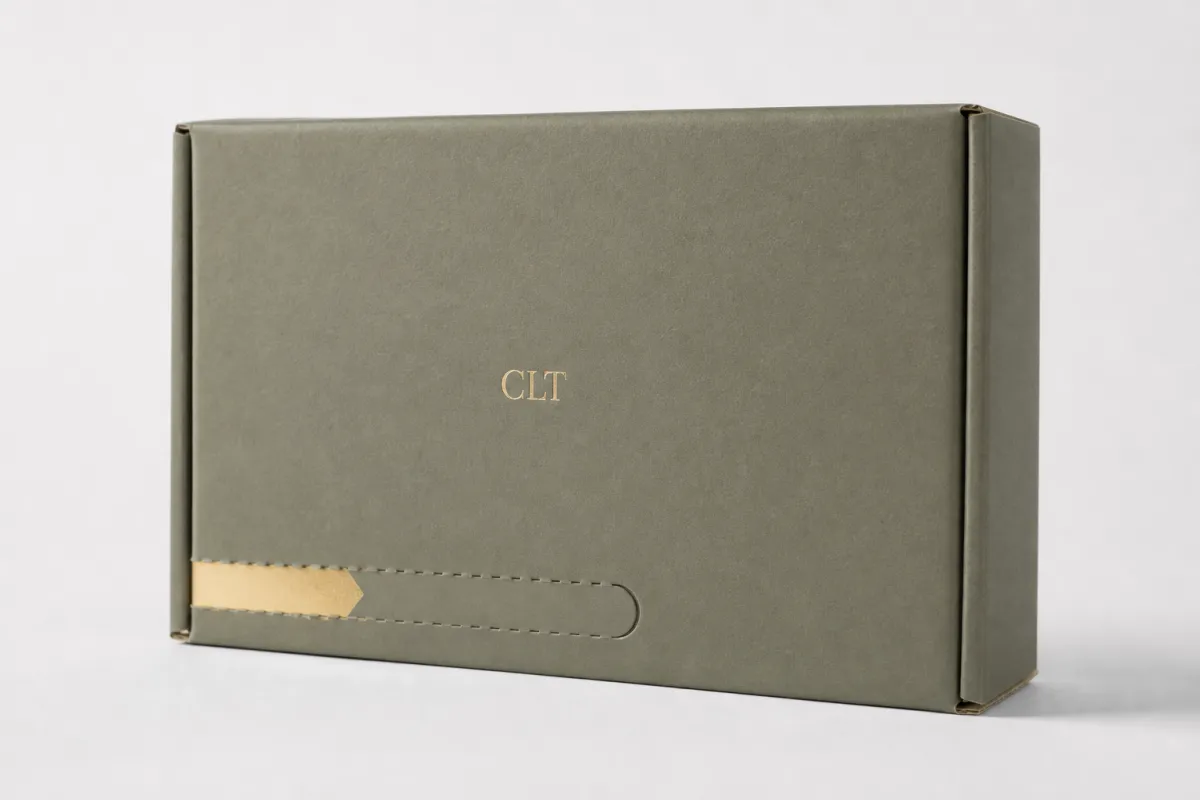
Custom tear strip mailer boxes are corrugated or paperboard mailers built with a tear-open feature, usually a perforated strip or pull tab that lets the recipient open the box without tools. In plain language, the strip replaces the knife, the scissors, or the awkward tug on tape that usually ruins the moment. Once pulled, the strip releases the lid or front panel in a neat line so the package opens the way the designer intended.
That sounds minor until you watch how people actually open parcels. They do not pause to admire construction methods. They grab, pull, and slice. If the box fights back, the experience gets clumsy fast. If the opening is obvious and controlled, the whole thing feels more considered. Honestly, that is often why custom tear strip mailer boxes outperform more expensive-looking packaging that still opens badly.
Here is the practical comparison:
- Standard mailer boxes work well for general shipping, but they often need tape or a blade for opening and can leave a rough first impression.
- Tuck-top cartons are strong on presentation, yet they are not always the best answer for parcel shipping or rough handling.
- Poly mailers are light and economical, but they do not offer the same structure, shelf presence, or unboxing experience.
- Custom tear strip mailer boxes sit between those options, giving you shipping strength plus a cleaner reveal.
For e-commerce, subscription boxes, cosmetics, apparel, and DTC shipping, the opening moment is measured in seconds. That is a short window, but it is enough to shape the buyer's opinion of the brand. A good tear-strip design can support tamper evidence, speed up fulfillment, and make retail packaging feel more expensive than it is. If the opening feels cheap, the whole box feels cheap, and that part is hard to unsee once a customer notices it.
If the opening feels cheap, the whole box feels cheap.
That line sounds blunt, but it holds up in real projects. The customer may never see the box again, yet the memory of how it opened tends to stick. In categories where the product itself is already well made and competitive, custom tear strip mailer boxes can become a small but meaningful differentiator. They are not magic, but they do make the packaging feel like somebody paid attention.
How Custom Tear Strip Mailer Boxes Work: Structure, Materials, and Opening Experience
The structure is more engineered than it looks. A typical tear-strip mailer includes an outer panel set, scored fold lines, a closure system, and a tear line positioned where the customer will naturally pull. In many custom tear strip mailer boxes, the strip is paired with adhesive, a locking tab, or a reinforced flap so the box holds during shipping but still opens in a predictable way.
Think of it as a controlled failure point. The box stays intact under normal carrier handling, but when the right force is applied in the right place, the tear line releases cleanly. That balance is what separates a good mailer from one that looks clever on paper and frustrating in practice. A weak tear line can pop open in transit. A stubborn one can send the customer hunting for a blade, which defeats the whole point.
The customer experience usually follows the same sequence:
- The parcel arrives with a visibly intact closure.
- The recipient sees the pull tab or tear strip and understands where to open it.
- The strip releases the top or front panel with moderate, even force.
- The product is revealed without crushed edges, torn tape, or loose fibers everywhere.
That process sounds simple, but the geometry matters. Score depth, perforation spacing, adhesive placement, and panel stiffness all affect how the strip behaves. In custom tear strip mailer boxes, a millimeter can change the opening feel from elegant to awkward. I have watched sample rounds where a tiny shift in perforation layout made the difference between "this is nice" and "why is this fighting me?"
Material choice matters just as much. For lighter DTC shipments, E-flute corrugated board is a common choice because it balances printability, stiffness, and postal efficiency. For heavier goods or more demanding transit routes, B-flute or a stronger single-wall build can offer better crush resistance. Some premium structures also use paperboard liners or laminated faces to improve print quality and perceived value.
There is no universal answer here. A beauty kit with rigid inserts does not need the same board profile as a folded knitwear bundle. A lightweight apparel drop may be fine with a thinner structure, while a glass bottle set needs more protection around corners and edges. From a production standpoint, custom tear strip mailer boxes should be matched to the product, not the other way around. That is one of those basics that sounds obvious until a project is already in trouble.
One more detail gets overlooked a lot: pack-line behavior. The best structure in the world still has to work with the people assembling it. If the mailer takes three extra moves to fold, lock, or seal, the labor cost adds up. A strong tear-strip design should support both the customer and the warehouse team.
For teams comparing packaging formats, it helps to think across the full range of Custom Packaging Products rather than forcing one structure to do everything. If your line includes soft goods that can travel well in film, Custom Poly Mailers may still be a smart option for certain SKUs. But for presentation-led shipments, custom tear strip mailer boxes usually win on perceived value.
If you are trying to benchmark performance, external standards can help shape the discussion. Many packaging teams reference ISTA protocols for parcel testing and look at FSC-certified material options through FSC when sustainability claims need real backing. Not every project needs a full certification stack, but the language of standards keeps decisions grounded.
Key Factors That Affect Performance, Durability, and Branding
The first performance variable is size. A box that is too loose lets the product shift, and movement is the enemy of both presentation and transit safety. A box that is too tight can stress the tear line, crush corners, or make the customer work harder than they should. Custom tear strip mailer boxes perform best when the internal dimensions are matched closely to the product and any insert system.
Weight and fragility come next. A 6-ounce skincare kit does not demand the same board strength as a gift set with glass components. Distribution distance matters too. A parcel moving regionally in a stable network faces a different risk profile from one that will be handed off across multiple facilities, stacked repeatedly, and left on a porch in weather swings. In practice, more distance usually means more caution.
Print strategy is where packaging design and brand strategy meet. Exterior print can turn the shipper into a brand touchpoint, while interior print can create a more premium reveal. That inner surface is often the part customers photograph, especially for retail packaging that migrates from shipping to social media. If the tear strip runs through a design element, the artwork has to respect the fold and tear geometry so the image still reads cleanly after opening.
Finishes also change the experience. Matte coatings soften glare and can feel more refined on camera. Gloss can boost saturation but may show handling marks. Soft-touch finishes feel high-end, though they can raise cost and sometimes complicate recyclability messaging. The right answer depends on the product packaging story you want to tell and the budget you actually have, not the one you wish you had.
Then there are inserts, void fill, and protective liners. Cosmetics often benefit from paperboard dividers or molded inserts that keep bottles upright. Tech accessories may need snug compartments that stop cables and chargers from bouncing around. Apparel can often travel with less internal protection, but even there, a simple tissue wrap or belly band can make the box feel organized and deliberate. Good custom tear strip mailer boxes make room for that internal structure without making the outer box bulky.
Sustainability is where many teams get either too vague or too rigid. A paper-first structure with recyclable corrugated board, water-based inks, and FSC-certified stock can support a cleaner brand story, but only if the construction still protects the product. A damaged item is not sustainable, no matter how green the spec sheet sounds. That is one reason many buyers now treat sustainability as part of packaging design rather than a separate checkbox.
From a package branding standpoint, the best result is usually not the loudest one. It is the one that feels coordinated: the right board, the right print coverage, the right tear path, and a closure system that does not look improvised. Custom tear strip mailer boxes can do that well because they blend logistics and presentation instead of pretending those goals never conflict.
Custom Tear Strip Mailer Boxes Cost and Pricing Factors
Cost is where the conversation gets real. Buyers often ask for a cheap unit price, but custom tear strip mailer boxes are one of those formats where the lowest quote can hide the highest total cost if the box fails, slows packing, or triggers customer complaints. The better question is not, "What is the cheapest box?" It is, "What is the best box for the order volume, product risk, and brand value we need?"
The biggest pricing drivers are board grade, size, print complexity, finishing, closure design, and whether the box needs a fully custom dieline. A simple brown kraft build with one-color print and a standard tear strip will usually sit at the lower end of the range. Add full-coverage artwork, inside printing, specialty coating, or structural reinforcement, and the price rises quickly.
Here is a practical comparison for typical production planning. These are illustrative ranges, not quotes, because freight, finish, and carton dimensions can move the numbers a lot.
| Build Type | Typical MOQ | Indicative Unit Cost at 1,000 | Indicative Unit Cost at 5,000 | Indicative Unit Cost at 10,000 | Best Fit |
|---|---|---|---|---|---|
| Kraft E-flute with one-color print | 500-1,000 | $0.85-$1.45 | $0.42-$0.78 | $0.30-$0.62 | Light DTC goods, simple branded packaging |
| Printed inside and outside with matte coating | 1,000-2,000 | $1.20-$2.10 | $0.58-$1.05 | $0.42-$0.88 | Cosmetics, subscription kits, premium custom printed boxes |
| Reinforced tear-strip build with heavier board | 1,000-3,000 | $1.45-$2.60 | $0.72-$1.35 | $0.55-$1.10 | Fragile products, longer transit lanes, higher damage risk |
Notice what moves the quote fastest. More print colors can add setup and press time. Window cutouts and unusual shapes increase die complexity. Interior printing raises the amount of artwork that has to be aligned with folds and scores. A custom insert can easily add both material and labor cost. In short, custom tear strip mailer boxes price like a system, not like a single flat carton.
There are also hidden costs that buyers should not ignore. Sampling may cost a small fee per prototype, especially if multiple rounds are needed. Prepress work can take longer than expected if artwork is still being finalized. Freight is often separate from box price, and storage matters if you order a larger run than your warehouse can comfortably hold. On the upside, a tear-strip design can save labor because it reduces packing time and may eliminate the need for extra tape.
That labor savings can be real. If a box saves even 8 to 12 seconds per pack, the annual impact becomes noticeable once volume grows. Multiply that by a few thousand orders and the savings may offset a unit-price difference that initially looked hard to justify. This is where custom tear strip mailer boxes move from a cosmetic upgrade to an operational decision.
So how should a buyer think about value? A useful lens is total cost per shipped order. Include the carton, inserts, packing time, damage rate, return handling, and customer experience. A slightly higher box cost can still be the cheaper option if it reduces breakage or makes the product more giftable. That tradeoff is especially strong in beauty, apparel, and premium product packaging, where presentation influences repeat purchase behavior.
Process and Timeline: From Quote to Production Steps
The process is more predictable than many buyers expect, provided the brief is clear. Most custom tear strip mailer boxes projects start with a quote request, but the speed of the quote depends on how much detail you can provide up front. If the supplier has product dimensions, target ship weight, insert needs, and artwork direction, the conversation moves much faster.
- Request the quote. Share dimensions, quantity, print requirements, and the shipping environment.
- Confirm the structure. Decide whether you need a standard mailer format, a reinforced version, or a fully custom dieline.
- Approve the dieline. This is where the box geometry is locked, including tear line placement and closure behavior.
- Review artwork. Make sure branding, copy, and barcodes avoid score lines and critical tear areas.
- Test the sample. Assemble it, pack it, open it, and ship it if possible.
- Release production. Once approved, the job moves into setup, converting, die-cutting, stripping, packing, and freight prep.
Lead times vary, but a useful planning range is often 12 to 20 business days after proof approval for straightforward builds, with longer windows for complex structures or heavily printed orders. Sampling can add several days, and revisions can add more. If the project uses a new insert, special coating, or unusual closure, build extra time into the schedule. With custom tear strip mailer boxes, the box itself may not take long to produce, but approvals can easily become the slowest part.
One detail that speeds everything up is measurement discipline. Give internal dimensions, not just the product's outer size. Include the weight of the packed unit, not just the item alone. If there are multiple SKUs, explain the size range and whether the same carton must fit all of them. The more exact the data, the less likely the sample will miss the mark.
Rush orders are possible in some cases, but they are not magic. If the structure is standard and materials are in stock, the path can be shorter. If the order lands during peak season or just before a launch, every day of delay becomes more expensive. That is why packaging teams should treat lead time as a project variable, not a footnote. A shipment of custom tear strip mailer boxes that arrives after the campaign launch does not help anyone.
Warehouse realities matter here too. If your pack team needs a box that folds in one motion, tell the supplier. If you need the closure to survive a specific conveyor path, say so. If the carton must sit inside a larger shipper, make that clear. Better briefs make better packaging design, and better packaging design makes production easier to scale.
Common Mistakes to Avoid with Tear Strip Mailer Packaging
The biggest mistake is assuming the tear strip will work just because the dieline looks clean. It needs real testing. If the strip is too weak, the box can open during transit. If it is too strong, the customer will feel like they are fighting the package. Custom tear strip mailer boxes should open with a deliberate pull, not a wrestling match.
Dimension mistakes are just as common. Too much empty space lets the product move, and movement leads to scuffed corners, dented lids, and broken inserts. Too little room creates compression stress that can distort the tear line or crush the item itself. Either way, the box starts acting like a liability instead of a protective shell.
Another error is designing for looks only. Beautiful artwork does not rescue a weak structural choice. A heavy coating can interfere with folding. A decorative cutout can reduce stiffness. A logo placed across a score line can look broken once the carton is formed. That is the trap with custom tear strip mailer boxes: they invite creativity, but the structure still has to survive the parcel network.
Testing gets skipped more than it should. Teams approve from a PDF, then hope the real sample behaves the same way. It rarely does. A practical test plan often includes a small pilot run, a few packed boxes, and at least one round of shipping simulation. For parcel qualification, many teams reference ISTA 3A methods or broader ASTM D4169 logic, even if they do not run a full certification program. The point is not paperwork. The point is to catch failure before volume is committed.
Operational mistakes can be just as costly as structural ones. Inconsistent packing instructions make the unboxing experience uneven. Artwork that crosses a fold in the wrong place can create print misalignment. Warehouse handling can crush a stack if the board grade is too light. And if the opening mechanism is not obvious, customer service will hear about it. That is a lot of friction for something that was supposed to be a simple mailer.
One more issue deserves a mention: vague sustainability claims. Saying a box is eco-friendly means very little unless the material, ink, and closure system are actually aligned with that story. If your brand wants paper-first packaging, say what the board is, whether it is FSC-certified, and whether the finish supports recyclability. The details matter, especially in premium custom tear strip mailer boxes where buyers expect both style and substance.
Expert Tips and Next Steps for Custom Tear Strip Mailer Boxes
Start with a packaging audit. Measure damage rates, packing time, return reasons, and customer complaints before changing the structure. If the current mailer is working, do not redesign it for aesthetics alone. If the current box is failing, identify whether the problem is board strength, fit, opening method, or all three. That baseline is what makes custom tear strip mailer boxes worth the investment instead of just interesting on paper.
Then ask for two or three structural options. Compare them side by side. One might be cheaper but slightly slower to pack. Another may cost more but improve the unboxing experience and cut complaints. A third might be the best compromise for transit durability. Packaging teams often make better decisions once the choices are visible rather than hypothetical. Good custom tear strip mailer boxes decisions usually come from comparison, not intuition alone.
Request a real prototype, not just a pretty render. Put the actual product inside it. Hand the sample to the packing staff who will use it every day. Ship it through a normal carrier lane. Open it the way customers will. This is the fastest way to find out whether the tear strip feels natural, whether the box holds shape, and whether the branding still looks sharp after handling.
Build a simple scorecard. Keep it practical:
- Unit cost: Does the quoted price fit margin goals?
- Lead time: Can the boxes arrive before the launch date?
- Transit performance: Will the structure survive real shipping conditions?
- Opening experience: Does the strip feel clean and obvious?
- Brand fit: Does the box support package branding and product positioning?
That scorecard keeps the discussion honest. It also helps stop one stakeholder from dominating the decision with only one metric, usually price. In most categories, the best answer is not the cheapest box or the fanciest box. It is the one that protects the product, fits the line, and makes the customer feel that the brand knows what it is doing.
If you are briefing a supplier, be specific. Share product dimensions, target weight, insert needs, artwork direction, shipping method, and launch timing. If you already know the carton family, say so. If you are still comparing formats, mention that too. The better the brief, the easier it is to specify custom tear strip mailer boxes correctly the first time and avoid a costly second round.
For teams building a broader packaging system, it can help to think beyond one carton. Some SKUs will still be better served by Custom Poly Mailers or other lightweight options, while your flagship orders may deserve the more structured feel of custom tear strip mailer boxes. That mix is often smarter than forcing one solution across every product line. In other words, let the package match the product, the route, and the brand promise.
My practical takeaway after seeing these projects from both sides, design and production, is simple: start with the opening experience, then work backward through protection, board choice, and cost. If the tear path feels right, the carton fits the product, and the line can pack it without drama, the rest usually follows. If any of those pieces are off, fix them Before You Print thousands of units.
How do custom tear strip mailer boxes differ from standard mailer boxes?
They include a built-in tear feature that makes opening faster and cleaner, so customers do not need scissors or a blade. They are usually chosen when unboxing experience, tamper evidence, and convenience matter more than a basic shipping carton.
What board thickness works best for custom tear strip mailer boxes?
The best thickness depends on product weight, shipping distance, and stacking pressure. Lighter DTC items often work with thinner corrugated profiles, while heavier or fragile items usually need a stronger flute and more reinforcement around the tear line. There is no one-size-fits-all answer, and that is exactly why sample testing matters.
Do custom tear strip mailer boxes need tape or extra adhesive?
Many designs do not need external tape once the closure and tear strip are engineered correctly. Some production lines still use adhesive in specific areas for strength, but the goal is usually a secure self-closing structure that stays efficient on the pack line.
What is the MOQ for custom tear strip mailer boxes and how does it affect price?
MOQ varies by supplier, but lower quantities usually raise the unit cost because setup and tooling are spread across fewer boxes. Higher MOQs often improve pricing, but only if the order volume matches storage capacity and the demand forecast.
What is the typical lead time for custom tear strip mailer boxes?
Lead time depends on sampling, artwork approval, and production complexity, so simple runs move faster than fully custom structures. Build in extra time for proofing and shipping, especially if the boxes are tied to a launch or seasonal campaign. For most brands, the safest approach is to lock the structure early, review a physical sample, and keep one buffer week in reserve so the schedule does not get bent out of shape by a last-minute revision.

