Custom Tote Bags look simple from the outside. A bag, a logo, a ship date. The reality is less tidy. Inventory has to exist in the right color and weight, artwork has to be production-ready, and the freight plan has to match the deadline instead of merely sounding good in an email. That is why custom tote bags fast shipping is possible, but not automatic.
The fastest orders usually share the same traits: stocked materials, a limited print setup, quick proof approval, and a delivery window that allows for actual transit time. The slow orders tend to have the opposite profile. They start with a vague spec, a low-resolution logo, and a team that expects the schedule to absorb every revision. It rarely does.
Why Fast Turnaround Is Harder Than It Looks
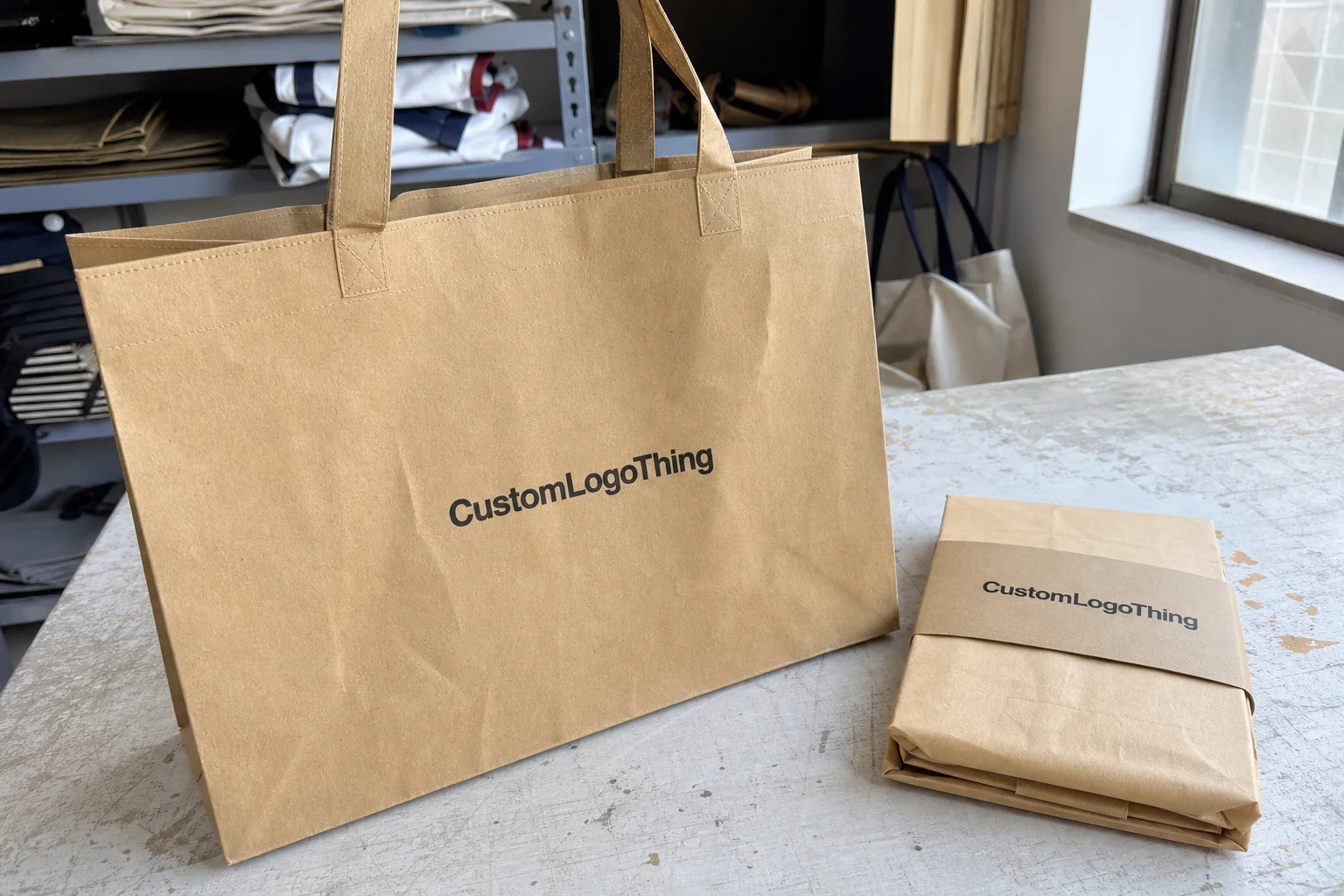
A tote bag is a straightforward product, but the order behind it is not. Production is only one part of the timeline. Before the first bag is printed, someone has to confirm stock, verify the decoration method, review the proof, and decide whether the ship date is realistic. If any of those steps stall, the whole job slips.
That is the main misunderstanding buyers have about Custom Tote Bags fast shipping. Faster transit does not fix slow production. A two-day carrier option means very little if the art file takes a day to clean up or the chosen bag is backordered. The in-hand date is the number that matters. Ship date is just one checkpoint along the way.
This is especially important for event-driven orders. Trade shows, retail openings, onboarding kits, launch boxes, and conference giveaways all punish delays. One missed delivery can leave a team with a stacked table and nothing to hand out. The order itself may be ordinary. The timing is what makes it difficult.
Practical rule: if the bag is standard, the art is clean, and the buyer responds quickly, the order can move fast. If any of those pieces are messy, speed gets expensive.
Good suppliers usually say that plainly. They do not promise miracle turnaround. They identify the constraint: inventory, art, decoration, or freight. That honesty is useful because it tells the buyer where to simplify.
How the Order Moves From Quote to Delivery
A clean tote order usually moves through six stages. The work looks simple on paper, but the schedule is decided early, often before the buyer thinks production has even started.
- Quote request. The supplier confirms quantity, bag style, imprint color count, delivery ZIP, and needed-in-hand date.
- Artwork review. Files are checked for resolution, color, placement, and printability.
- Proof approval. The buyer signs off on spelling, layout, and final decoration details.
- Production. Printing, curing, trimming, counting, and packing happen here.
- Freight booking. The shipment is assigned to ground, air, or an expedited service level if needed.
- Delivery. Transit time depends on destination, carrier performance, and any receiving requirements.
Most delays happen at the handoff points. The supplier can only move as quickly as the approvals allow. If the proof sits untouched, the schedule shifts. If the artwork needs a redraw, the schedule shifts again. If the receiving address is incomplete, a finished order can still arrive late in practical terms because the dock cannot take it.
A serious quote should not be vague. It should name the tote size, material, print method, number of imprint colors, destination, and whether rush service is available. It should also separate production time from transit time. If those are blended into one soft estimate, the number is not especially useful.
For buyers managing a broader branded packaging program, it helps to treat totes as one part of the kit rather than a standalone emergency. If the launch includes inserts, mailers, or boxes, line up the other pieces early so the tote does not become the last moving part. Matching packaging components can be sourced alongside Custom Packaging Products, plus supporting items like Custom Poly Mailers or Custom Shipping Boxes.
What Drives Cost and Unit Rate
Price is where buyers get misled most often. A low per-unit number can look attractive until setup, freight, and rush handling are added back in. For custom tote bags fast shipping, the real cost usually includes the tote itself, decoration setup, artwork cleanup, the print method, rush processing, and transportation. If a quote omits one of those buckets, it is not a full quote.
The main pricing drivers are predictable:
- Material. Nonwoven polypropylene is often the cheapest and quickest to source. Cotton and canvas usually cost more.
- Weight and weave. Heavier canvas feels better in hand, but it can raise unit cost and reduce availability.
- Print colors. One-color printing is generally faster and less expensive than multi-color decoration.
- Print area. Larger graphics use more setup and increase the chance of correction.
- Quantity. Small runs carry higher unit costs because setup is spread across fewer pieces.
- Rush level. Expedited schedules can require added labor, special booking, or a different decoration path.
The gap between cheap and fast is real. Sometimes the least expensive quote is slower because it depends on a lower-priority inventory batch. Sometimes the fastest option costs more because it relies on stocked goods and tighter scheduling. Those are not contradictions. They are different service levels.
| Option | Typical Unit Price | Typical Lead Time | Best Fit | Speed Notes |
|---|---|---|---|---|
| Nonwoven tote, 1-color print | $0.85-$1.35 at 500 pcs | 5-8 business days after proof approval | Events, giveaways, quick brand drops | Usually the easiest path for custom tote bags fast shipping |
| 8 oz cotton tote, 1-color print | $1.75-$2.85 at 500 pcs | 7-12 business days | Retail bags, premium merch, mid-range budgets | Good balance of look and turnaround |
| 10 oz canvas tote, 2-color print | $2.90-$4.25 at 500 pcs | 10-15 business days | Brand launches, client gifts, higher perceived value | Slower because of heavier stock and more decoration steps |
| Laminated nonwoven, full-color decoration | $1.40-$2.40 at 500 pcs | 8-12 business days | Retail packaging, promotional kits, sharp presentation | Fast enough if stock is on hand and art is clean |
If speed is the priority, simplify the spec before trying to negotiate the price. A standard size with one print location often moves faster than a custom-sized bag with a full-coverage design. Standard colors such as natural, black, navy, or white usually ship sooner than a special dye lot.
Materials, Print Methods, and Finishes That Change Speed
Material choice affects turnaround more than most buyers expect. Nonwoven polypropylene is usually the easiest to source quickly because it is widely stocked and simple to decorate. Cotton is common, but weave quality, weight, and color availability can shift from run to run. Canvas has a higher perceived value, yet it may introduce delays if the exact weight or finish is not already on hand. Laminated styles can also move quickly, but only when the factory has the right base material ready to go.
The print method matters just as much. A single-color print is generally the fastest path because it requires less setup and fewer checks. Multi-color decoration adds steps. Full-coverage printing adds more. Special effects, metallic inks, foil-style accents, or heavy ink saturation tend to stretch the timeline because they need more handling and more scrutiny before release.
That is not a sales trick; it is a production constraint. Every extra variable creates another point where an order can slow down. The safest path for tight deadlines is usually the simplest acceptable spec.
Stock colors and standard dimensions are your friend. They move through the system faster because the factory does not need to wait on a special material run or custom die work. Custom handle lengths, uncommon body sizes, and unique dye requests all add friction. Those options can be worth it for the right brand, but they are poor choices when the deadline is the real priority.
It helps to think like a production manager for a minute. The visible brand value usually comes from the logo placement, the color choice, and the bag quality. The hidden variables, especially custom materials and highly detailed artwork, are where time gets lost. If the bag is part of a larger packaging system, the same logic applies to the rest of the kit: standard specs reduce risk across custom printed boxes, inserts, and mailers too.
For buyers who want to sanity-check shipping durability or carton handling assumptions, the ISTA testing framework is a practical reference. It is less about marketing and more about how packages behave under transit stress. For material sourcing and broader packaging standards, the packaging industry resources at packaging.org are also useful.
What Good QC Looks Like Before Production Starts
Quality control starts before ink hits fabric. That is where many rushed orders either stay clean or drift into avoidable rework. Good vendors inspect the artwork file, the bag spec, and the proof against the order details. If the logo is low resolution, if the dimensions are unclear, or if the color instructions conflict with the artwork file, a careful supplier will stop and ask questions before production starts.
The buyer should expect a few practical checks:
- Artwork resolution. Vector files such as AI, EPS, or print-ready PDF usually move fastest. Screenshots and low-resolution JPGs often trigger cleanup.
- Placement verification. The proof should show exactly where the logo will print and how large it will appear.
- Color confirmation. Spot colors, Pantone references, or approved ink matches should be identified clearly.
- Material match. The approved spec should match the actual stock available for the run.
- Count and packing check. A finished order still needs to be counted and packed correctly before release.
That last point is easy to overlook. An order can print on time and still be delayed by counting, boxing, or repackaging. Fast shipping is not only about the press. It is about the path from press to carton to carrier.
There is also a distinction between a true proof and a decorative mockup. A mockup can look right while hiding production issues. A real proof should confirm print size, location, color count, and any warnings about stock or alignment. Buyers who are ordering under a deadline should treat proof review like a hard checkpoint, not a casual glance.
Timeline Planning: Rush Options and Buffer Days
Lead time means the time from approved order to finished goods before transit is added. That is the number buyers need, not the number that sounds friendly in a quote. For custom tote bags fast shipping, the production clock usually starts after proof approval and stock confirmation. Shipping is a separate segment. Blend them together and the schedule becomes fuzzy very quickly.
A practical planning method works better than guesswork:
- Start with the in-hand date.
- Subtract transit time to the destination ZIP code.
- Subtract production time.
- Add one or two buffer days for proofing, carrier delays, or address corrections.
That buffer is not padding. It is protection against the ordinary things that break a deadline: weather, a missed freight booking, a dock appointment that moves, or a zip code correction that arrives too late. One cushion day can save an order that otherwise would have been technically finished but practically useless.
Rush programs are helpful, but they do have tradeoffs. They often limit the order to stocked colors, a standard print location, and fewer proof revisions. That is not a sales tactic. It is how a factory protects the timeline. If you need more customization, the price goes up or the schedule slows down. Those are the only two directions available.
Internal approval time matters too. Many delays have nothing to do with the supplier. One person likes the proof, another wants a second opinion, and the order sits untouched. If a team needs speed, one decision-maker should own the final sign-off. Otherwise the order gets trapped in committee, which is a bad place for a deadline to live.
Common Mistakes That Slow Orders
Bad artwork is the biggest slowdown by far. Low-resolution images, screenshots, and blurry logos trigger cleanup before production can begin. Vector files usually avoid that problem because they are already built for print. Even then, a file can still be wrong if the colors are not identified clearly or if the artwork has hidden layers that do not transfer well.
Changing the spec after the quote is another common problem. A different size, a new print area, or an added color may seem minor from the buyer’s side. From the supplier’s side, it means rechecking stock, recalculating cost, and possibly changing the production method. Small revision, large consequence.
Delivery information causes problems more often than it should. If the receiving address is incomplete, if business hours are wrong, or if a dock appointment is required but never scheduled, the shipment can arrive and still miss the deadline. That is avoidable.
Inventory assumptions can be just as risky. Buyers often think every tote style is ready to ship in every color. It is not. A style might be in stock in natural but not black. Or the requested weight may only exist in one warehouse. If speed matters, confirm stock before locking the art.
The pattern is consistent. The slow orders usually are not the most complicated. They are the ones with too many moving parts, too much internal debate, or too much optimism about what the calendar can absorb.
How to Get a Faster Quote With Fewer Revisions
If the goal is a fast quote, send the decision-making information in one pass. Do not make the supplier chase the basics. A useful request includes the bag style, quantity, imprint color count, artwork file, delivery ZIP, and the date the order must be in hand. If there is a preferred budget or ship method, include that too. It saves time on both sides.
Ask the supplier to break out product cost, production time, freight time, and any rush fee. If those numbers are bundled together, comparisons become slippery. Two quotes can look similar while hiding very different service levels. That matters whether the order is for totes, product packaging, or a broader ecommerce shipping program.
For a tighter deadline, simplify the spec before you try to push the schedule. Standard bag size. One print location. Limited color count. Stock material. Clean artwork. Those choices remove friction from the process and usually reduce the chance of a proof correction.
There is a useful discipline here. Spend the extra effort on what people will actually see. Keep the logo clear, choose a material that feels right in hand, and make sure the final bag fits the use case. Do not spend the timeline on details that disappear once the tote is folded, handed out, or packed into a launch kit.
Final rule: custom tote bags fast shipping is realistic when the order is built around stocked materials, clean artwork, quick approvals, and an honest deadline. If the order relies on custom materials, complicated artwork, or a slow approval chain, speed becomes less of a promise and more of a risk.
How fast can custom tote bags ship if the deadline is urgent?
It depends on stock, print method, quantity, and how quickly the proof is approved. Simple bag styles with one-color printing usually move faster than custom-sized or heavily decorated options. Transit time still has to be added after production, so the in-hand date matters more than the ship date.
What is the cheapest way to order custom tote bags with fast shipping?
The lowest-cost path usually uses a standard bag style, limited imprint colors, and a quantity large enough to avoid tiny-run setup penalties. Skip special finishes, uncommon colors, and last-minute art changes because they add both cost and time. Ask for a quote that separates the bag, the decoration, and the freight.
Do low minimums slow tote bag orders down?
They can. Small runs still require setup, but the work is spread across fewer units, which raises the unit cost. Some rush inventory is also reserved for standard quantities, so very small orders may have fewer speed options. If the deadline is tight, ask whether a slightly larger order unlocks a faster path.
What artwork format works best for fast turnaround?
Vector files such as AI, EPS, or print-ready PDF usually move fastest because they need less cleanup. Low-resolution JPGs, screenshots, and web graphics often create delays and may need to be rebuilt. Send the final logo, exact color instructions, and placement notes together to reduce back-and-forth.
How do I avoid missing a delivery window?
Work backward from the event date and include both production time and transit time. Approve the proof quickly, confirm the delivery address, and make sure someone is available to receive the shipment. Choose stocked materials and standard specs if the deadline is tighter than the design team would prefer.


