Custom Tote Bags Low Minimum Order: When Small Runs Win
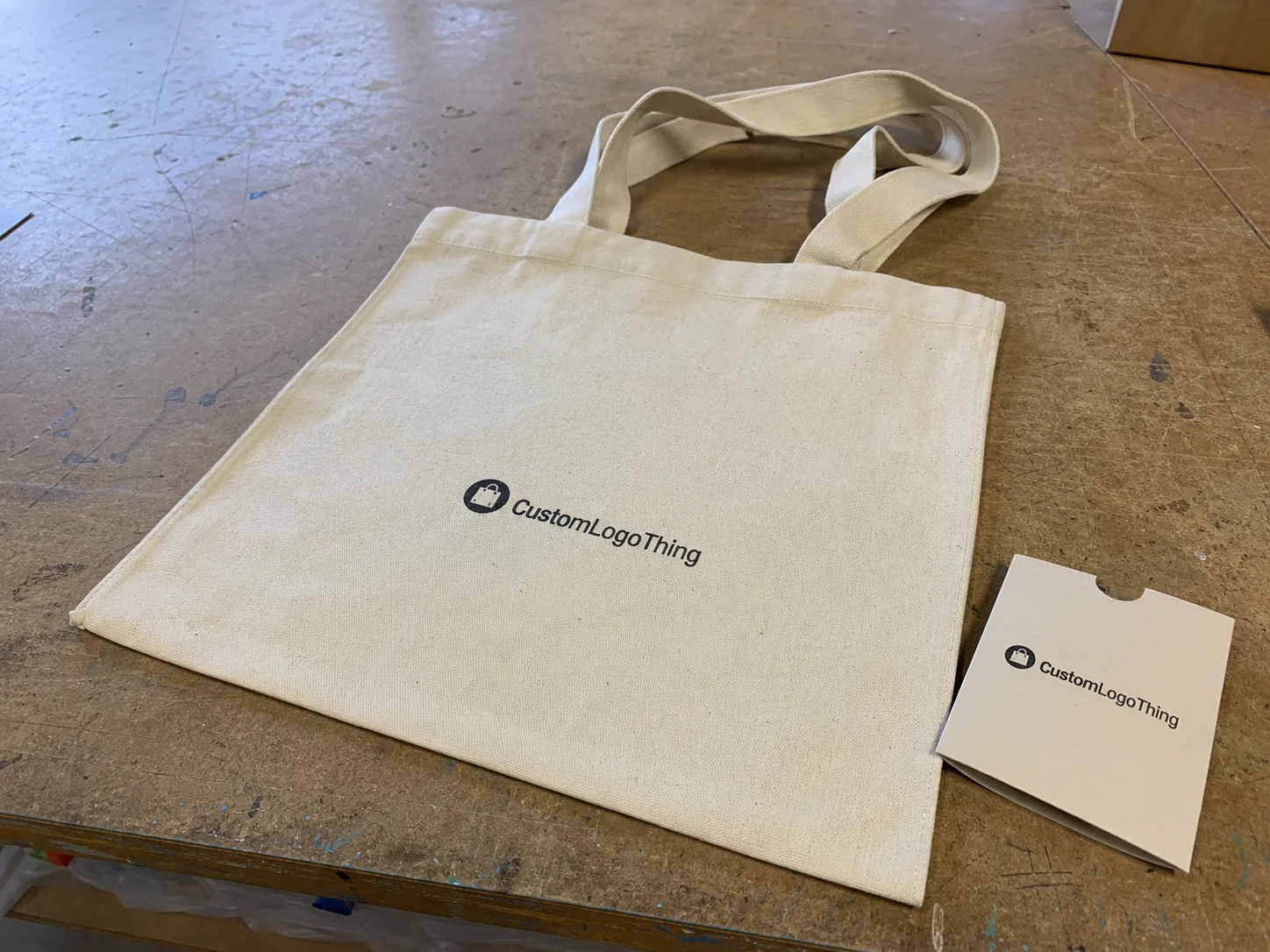
Custom Tote Bags low minimum order make sense when you need branded packaging that does a job right now, not six months from now. A 25, 50, or 100 piece run is often enough for a launch, a retail test, a conference, or a bundled promotion without forcing you to warehouse leftovers. That matters more than people admit. A tote with a logo is only useful if the bag gets used, seen, and remembered. Otherwise it is just inventory wearing a slogan.
The appeal is control. Low-MOQ tote orders let buyers test artwork, compare fabrics, and split campaigns by audience without committing to a full production run. You can try cotton for one channel, non-woven polypropylene for another, then reorder the version that actually works. That is a better use of budget than betting on a big quantity because the per-unit price looked good on paper.
Most buyers still start in the wrong place. They focus on unit cost and ignore setup fees, freight, spoilage, and the cost of carrying boxes of bags that never leave storage. A tote is part of the packaging system, not a standalone giveaway. If it supports product packaging, retail packaging, or event distribution, the spec should match the job. The goal is not the cheapest quote. The goal is the least waste.
That is also why Custom Tote Bags low minimum order are useful for new product launches. The first run tells you whether the size feels right, whether the print is readable at arm’s length, and whether the bag fits the rest of the packaging stack. If the response is strong, a second order is easier because the artwork, construction, and price assumptions are already tested.
There is also a practical edge for seasonal programs. Short runs are easier to update if the artwork changes, if a sponsor changes, or if the bag needs to match a new box size. Small batches are not a compromise. They are a way to buy information before you buy volume.
Materials and Construction Options That Match the Use Case
Material choice matters more than most buyers expect. A bag that feels right in a boutique can be wrong for a volunteer kit or a trade show handout. The quote should match use case first, then budget. That sounds basic, but the requests I see most often treat every tote as interchangeable.
Non-woven polypropylene is usually the budget workhorse for event distribution. It is light, fast to produce, and usually the lowest entry point for small runs. It will not feel premium, and it should not pretend to. It is good for volume, simple graphics, and short-term carry use. Cotton lands in the middle. It prints cleanly, feels more retail-ready, and holds up better in repeated use. Canvas is heavier and sturdier, which raises the price but also raises the perceived value. Recycled blends can sit between those categories when a buyer wants a sustainability angle without moving all the way to a heavyweight fabric.
Fabric weight is worth asking about directly. A 5 oz cotton tote behaves differently from an 8 oz or 10 oz bag. The lighter bag folds smaller and costs less to ship, but it may show wrinkles, sag under load, or feel flimsy in hand. Heavier cotton and canvas hold structure better, which usually matters for retail packaging or premium merchandise. If the bag is meant to be reused often, the hand feel and seam strength matter more than a small savings per unit.
Construction details matter just as much as fiber content. Gusset depth changes usable volume. Handle length changes whether the bag rides comfortably on a shoulder. Reinforced stitching, bar tacks, and cross-stitch handles determine whether a tote survives real use or just one handoff at a booth. A clean silhouette looks nice, but if the load-bearing points are weak, the bag fails in the one place buyers notice most.
For daily shopper bags, ask about the handle attachment and side seams. For retail packaging, ask whether the bag stands up on its own and folds neatly with the rest of the packout. A good spec is not the heaviest one available. It is the one that matches the load, the channel, and the customer’s expectations.
| Material | Typical Low MOQ | Indicative Unit Cost at Small Runs | Best Fit | Buyer Note |
|---|---|---|---|---|
| Non-woven polypropylene | 25 to 100 units | $0.95 to $2.25 | Trade shows, handouts, large-volume giveaways | Best when budget and quantity matter more than premium feel |
| Cotton | 25 to 100 units | $2.25 to $4.75 | Retail packaging, brand launches, lifestyle promotions | Good balance of printability and everyday reuse |
| Canvas | 25 to 50 units | $3.25 to $6.50 | Premium merchandising, boutique resale, higher perceived value | Heavier fabric usually raises freight and print cost a bit |
| Recycled blend | 25 to 100 units | $2.50 to $5.75 | Eco-positioned programs, corporate gifts, campaign kits | Ask for content documentation if sustainability claims will be public |
For broader package branding programs, the tote should feel like part of the same system as your other pieces. If it ships with inserts, product packaging, or a matching mailer, the materials should not clash visually or structurally. A premium canvas tote paired with a flimsy insert box sends mixed signals. Consistency does not require identical materials. It does require the same level of intent.
For sustainability claims, buyers should ask for the right documentation. FSC certification applies to paper-based components, not to every fabric tote on the market, so the claim has to be accurate. If a supplier says recycled content is present, ask what percentage, whether it is pre-consumer or post-consumer, and whether the claim can be backed by paperwork. That level of detail keeps marketing clean and avoids awkward corrections later.
Practical rule: if the bag has to survive repeated use, ask about stitch reinforcement, fabric weight, and gusset size before you ask about decoration. Good print on a weak bag still gives you a weak bag.
For buyers who need a reference point on packaging quality standards, resources from FSC and the ISTA network are useful starting points. If the tote is going inside a larger package system, those standards help frame how the bag should be handled, packed, and shipped.
Artwork, Print Coverage, and Color Choices That Change the Look
Artwork decisions move a quote more than many buyers expect. A one-color logo on one side is simple. Add a second print area, more ink colors, or artwork that crosses seams and the cost climbs. On a small run, those fixed steps matter more because they are spread across fewer units.
Screen print is still the common choice for straightforward logos because it handles solid color cleanly and stays predictable in production. Heat transfer works better for more detailed graphics or smaller runs with multiple colors, though the finish can feel different from the fabric itself. Embroidery adds texture and a premium look, but it is not always the best fit for thin tote construction or for artwork that needs a lot of detail. Digital decoration can work on some fabrics, but the supplier should be able to explain how the finish wears over time and whether the hand feel still matches the bag grade.
Print coverage changes the job too. A small front mark is much simpler than a full-panel design or edge-to-edge artwork. A dark bag often needs a white underbase to make the imprint readable, and that adds another setup step. If the design uses heavy ink coverage, the supplier may need more cure time or tighter registration checks. That is not overkill. It is how you keep the print from shifting or breaking down.
Color count deserves a direct answer. One color is usually the cheapest and fastest to produce. Two colors can still be efficient if the layout is straightforward. Beyond that, ask for a detailed explanation of setup, proofing, and registration. Extra colors are not just extra ink. They are extra chances for the artwork to drift away from the approved file.
Good files speed everything up. Vector artwork, outlined fonts, and clear PMS references reduce back-and-forth. If all you have is a raster logo, expect redraw work or simplification before production starts. That can be fine, but it should be visible in the quote. If I can give one operational tip, it is this: send the cleanest file you have, even if you think the design is simple. Simple art approves faster. Messy art does not.
Color choice on the bag itself also matters. Natural cotton gives a softer, more organic look. Black and navy hide wear better and make logos pop, but dark bags often need more careful print planning. Bright stock colors can work well for event campaigns, yet they can also make the brand mark harder to read if the contrast is off. The best choice is usually the one that supports the artwork, not the one that looks loud on a swatch sheet.
Pricing, MOQ, and Quote Inputs That Shape Unit Cost
Low-MOQ tote pricing is built around fixed costs. Setup fees, proofing, artwork handling, print complexity, and packaging matter more when the run is small. A 50-piece order rarely prices like a 500-piece order because the same labor cannot be spread across the same number of units. That is normal. It is the reality of small-batch production.
Buyers get better quotes when they provide complete inputs. Quantity, bag size, material, color count, print location, and ship-to ZIP code are the basics. If the supplier has to guess, the quote will either be padded or revised later. Revisions after approval are where budgets get damaged.
A proper quote should also show what is included. Does the supplier charge for artwork cleanup? Is the proof free, or billed separately? Is freight included? Is there a rush premium if the event date moves? These details matter more than a bare unit price. A bag at $3.10 with shipping included can be cheaper than a bag at $2.60 plus proofing, freight, and a surprise revision charge.
| Quote Element | Typical Range | Why It Moves the Price |
|---|---|---|
| Setup fee | $35 to $125 | Screen prep, file handling, or press setup is often a fixed labor cost |
| Proofing | Included to $35 | Digital mockups may be included; complex revisions may not be |
| Rush production | 10% to 20% premium | Priority scheduling can displace other work and shorten cure time |
| Freight | Varies by weight and destination | Totes are light, but cartons still add volume and dimensional weight |
| Color splits | Case by case | Mixing bag colors can create separate SKUs or separate print setups |
Some suppliers quote low because they do not include everything in the first pass. That is fine if the omissions are visible. It is not fine if the final invoice adds artwork cleanup, carton fees, or a second proof after the design was already approved. The right way to compare Custom Tote Bags low minimum order is total landed cost. Anything less is guesswork.
Ask for sample timing too. A pre-production sample or digital proof may not add much cost, but it does add time. If the bag has to be color matched to other printed packaging, the proof stage deserves attention. A small correction now is cheaper than reprinting a short run later.
Process, Timeline, and Lead Time From Proof to Delivery
The order flow should be straightforward: request, quote, artwork review, proof approval, production, quality check, shipment. If a supplier cannot explain that sequence cleanly, the order will probably be harder to manage than it needs to be. Simplicity in process is a sign of maturity, especially for low-volume work.
Lead times vary by material and decoration method, but a realistic planning range for many low-volume tote orders is often 10 to 15 business days after proof approval for simple one-color jobs. More complex work, such as two-sided prints, special finishes, or color-heavy artwork, can stretch to 15 to 20 business days or more. Freight transit adds another 2 to 5 business days depending on destination. If the order crosses peak season, assume the longer end of the range.
Clean artwork shortens the path. So does finalizing the bag spec before quoting. Late changes are the usual delay: a new Pantone match, a different handle style, or an added imprint area can trigger a new proof and a new schedule. If the event date is fixed, build buffer into the order. A tote program should not depend on best-case timing.
Quality control should be visible, not implied. Ask how the supplier checks print registration, color placement, handle attachment, and carton count before shipment. If the tote is part of a larger retail packaging rollout, ask whether the bags are packed to avoid scuffing or print transfer during transit. Long-distance shipping can expose weak packing fast, and a neat production run can still arrive with crushed corners or rubbed ink if cartons are packed badly.
One more operational point: shipping instructions need to be exact. Wrong dock hours, incomplete addresses, and missing contact names can add days even when production is finished. That is not a factory problem. It is a coordination problem. It is also preventable.
For buyers managing multiple packaging components at once, it helps to treat the tote like one node in a larger schedule. Boxes, inserts, tissue, and bags should be aligned so no single item holds up the packout. A supplier who can explain that sequence clearly is usually easier to work with than one who only talks about the print side of the job.
What to Look for in a Supplier Before You Place the Order
A good supplier does more than answer with a number. The stronger ones explain where the price will move, point out the limits of the chosen material, and tell you what not to do. That honesty saves time. It also filters out vendors who look cheap only because the quote leaves out key work.
Start with response quality. Did they ask about quantity, artwork, material, and ship-to location, or did they send a generic price card? A serious supplier should also be able to explain whether a low-MOQ bag can be reordered later at the same spec. Reorder continuity matters when a campaign works and the second batch needs to match the first.
Proofing support is another practical test. Small-batch buyers often need help aligning logo size, checking print placement, or deciding whether a design needs one color instead of two. If the vendor treats that as a burden, the process will be noisy. If they explain the trade-offs clearly, that usually reflects a stronger production team behind the quote.
Also check whether the supplier can grow with the program. Today it may be 50 totes for an event. Next quarter it may be 500 for wholesale or a retail pilot. If that is likely, ask whether the vendor supports broader Wholesale Programs and whether they can pair tote orders with related items like Custom Packaging Products, Custom Printed Boxes, or other product packaging components.
Finally, compare more than price. Review material range, artwork guidance, communication speed, and the clarity of their specs. A supplier that can explain stitch count, print method, and lead time in plain language is usually easier to trust than one that hides behind jargon. You do not need poetry. You need accuracy.
If the supplier can provide examples of the kinds of print methods they recommend for certain fabrics, that is even better. A vendor who knows when a screen print is better than a transfer, or when a heavier tote needs a different stitch pattern, is usually saving you from a mistake you would not see until the bags arrive.
Next Steps: What to Prepare Before You Request a Quote
If you want clean pricing, send one complete request instead of several incomplete ones. The buyer who prepares the order well usually gets the most useful response back. The supplier can only quote what is defined.
- Target quantity, including a backup count if the order may grow.
- Preferred tote style, such as cotton, canvas, non-woven polypropylene, or a recycled blend.
- Artwork file, ideally vector, with any PMS color references called out.
- Print location and color count, including whether the artwork is one-sided or two-sided.
- Desired delivery date and shipping ZIP code.
- Any finish requirement, such as hem stitching, gusset depth, or reinforced handles.
Send the same brief to multiple suppliers, then compare their answers on equal terms. The best quote is the one that balances unit cost, setup, proofing, freight, and turnaround without hiding anything. If one vendor includes artwork cleanup and another bills it later, those are not equal quotes.
That is the real business case for custom tote bags low minimum order. You use a small run to test demand, lock in a spec, and avoid overbuying before you have proof that the bag will move. If the program works, reorder with real sales data instead of assumptions. If it misses, you have not buried cash in a warehouse.
There is one more upside that gets overlooked: small runs make internal approvals easier. Marketing, operations, and finance can usually sign off on a 50-piece order without weeks of debate. That keeps the project moving and makes it easier to adjust the next order based on actual performance.
FAQ
What is a low minimum order for custom tote bags?
Minimums vary by material, print method, and supplier, but many low-volume programs start around 25 to 100 units. Simpler one-color prints usually allow lower minimums than multi-color work or complex constructions. Ask the supplier to separate setup charges from unit price so you can compare options accurately.
Do custom tote bags with low minimum order cost more per unit?
Usually yes, because setup, proofing, and production overhead are spread across fewer bags. A larger quantity often lowers the unit cost, but only if the extra inventory will actually be used. The better comparison is total landed cost versus inventory risk, not unit price alone.
Which tote material is best for a small promotional run?
Non-woven polypropylene is often the most budget-friendly choice for giveaways and event distribution. Cotton or canvas is a stronger fit when the bag needs a premium feel or heavier everyday use. Match the material to the end use first, then compare print options and minimums.
How long does production usually take after artwork approval?
Lead time depends on bag type, print complexity, and current production load. Simple orders can move faster once artwork is approved, while detailed or multi-step jobs need more time. Build in extra buffer for proof revisions, freight transit, and any custom packaging requirements.
Can I order multiple tote colors in one low-MOQ run?
Sometimes, but color splits can change pricing and may affect the minimum for each variant. Ask whether the supplier treats each color as a separate item or allows mixed-color consolidation. If the goal is variety for an event, request the quote in the exact color mix you plan to use.
What should I check before approving the proof?
Check logo size, placement, color count, spelling, bag dimensions, handle style, and whether the artwork sits cleanly on the chosen fabric color. If the supplier shows a mockup, look for seam crossings and the edge of the imprint area. Small errors on a proof become expensive mistakes once production starts.


