Buyer Fit Snapshot
| Best fit | Custom Tote Bags Wholesale Price projects where brand print, material claims, artwork control, MOQ, and repeat-order consistency need to be specified before quoting. |
|---|---|
| Quote inputs | Share finished size, material target, print colors, finish, packing count, annual reorder estimate, ship-to region, and any compliance wording. |
| Proofing check | Approve dieline scale, logo placement, barcode or warning zones, color tolerance, closure strength, and carton packing before bulk production. |
| Main risk | Vague material claims, crowded artwork, missing packing details, or unclear freight terms can make a low unit price expensive after revisions. |
Fast answer: Custom Tote Bags Wholesale Price: Film, Print, MOQ, and Carton Packing should be specified like a repeatable production item. The safest quote records material, print method, finish, artwork proof, packing count, and reorder notes in one written spec.
Production checks before approval
Compare the actual filled-product size with the drawing, then confirm tolerance on folds, seals, hang holes, label areas, and retail display edges. Reserve space for logos, QR codes, warning copy, and material claims before decorative graphics fill the panel.
Quote comparison points
Review material grade, print process, finish, sampling route, tooling charges, carton quantity, and freight assumptions side by side. A quote is only useful when the supplier can repeat the same color, closure quality, and packing count on the next order.
For buyers comparing packaging options, the real question is not whether one tote costs less than another tote. It is whether the Custom Tote Bags wholesale price creates enough repeat use to justify the spend. A thin giveaway bag disappears into a trunk, a drawer, or a landfill. A well-built tote stays in motion for months, sometimes years, moving through grocery runs, school pickups, trade shows, office commutes, and retail visits while the brand keeps earning impressions without paying for another ad slot.
That difference changes the math. A bag that looks inexpensive on a quote sheet can become costly if it splits at the seam, fades after one wash, or forces a replacement order before the campaign is even finished. Packaging buyers know the better measure is cost per use, not sticker price. Retailers, boutiques, exhibitors, and brands that rely on branded packaging understand the same point from another angle: the bag keeps advertising long after checkout, and sometimes long after the customer has forgotten what else was in the purchase.
Custom Logo Things approaches tote sourcing the same way an experienced packaging team handles product packaging: start with the job, then build the spec around it. A mass giveaway can use a lighter construction and a simpler print. A tote meant for premium retail, heavier carry loads, or repeated daily use needs stronger stitching, better fabric, and a quote that reflects the extra material and labor. The breakdown below shows where pricing shifts, what suppliers usually include, and how to compare offers without guessing or overpaying for features the bag does not need.
Why Custom Tote Bags Can Lower Packaging Cost Per Use
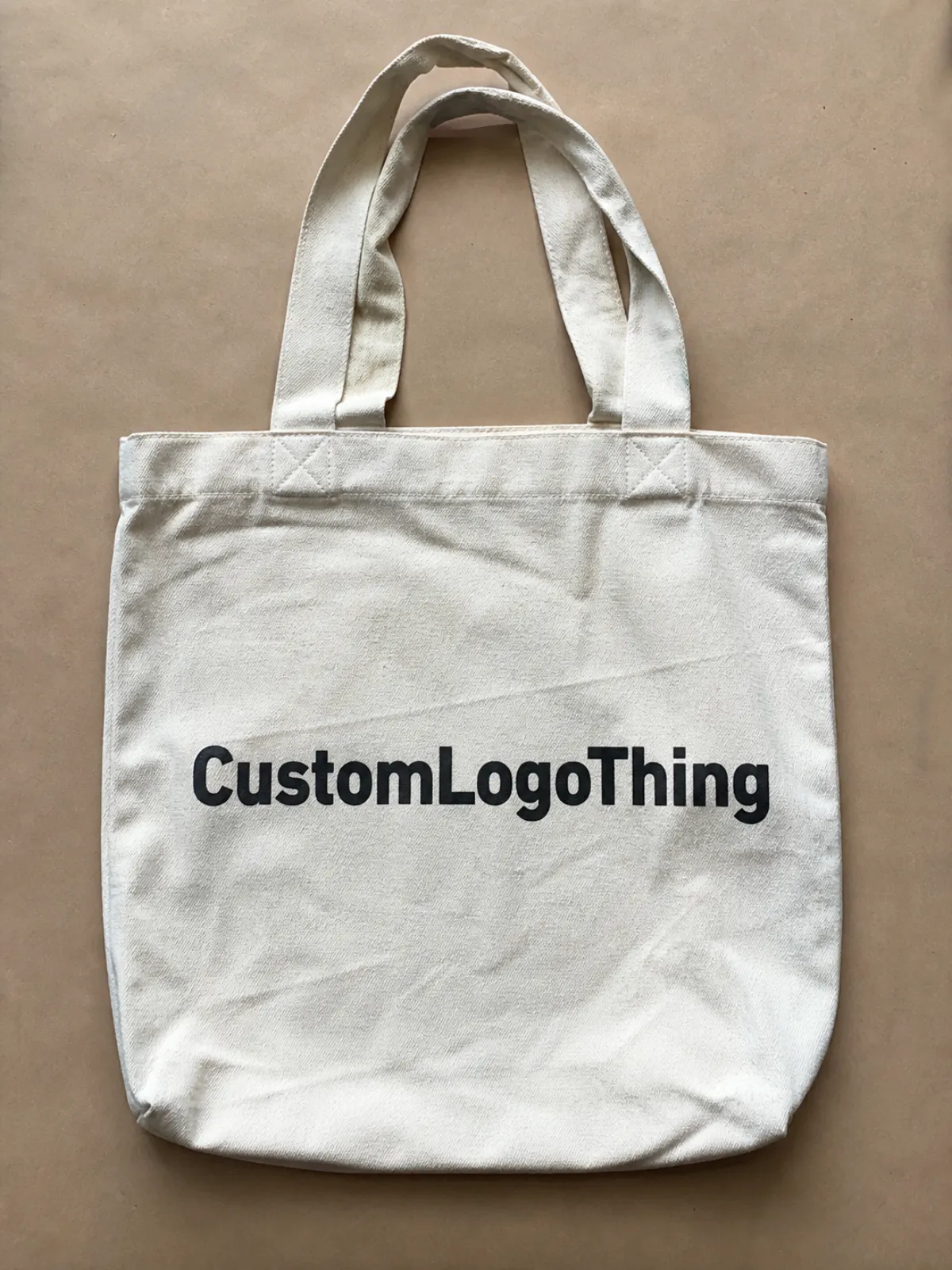
A tote keeps working after the sale, which is more than most packaging can say. A carton is opened once. Tissue paper is discarded almost immediately. A reusable bag can show up again and again in parking lots, offices, school drop-offs, and second-store visits. That repeat visibility is why the cheapest-looking option is not always the cheapest option once reuse is counted.
Picture two bags. One gets used five times. The other gets used thirty times. The bag with the higher upfront price can still win if it delivers far more exposures per unit. That matters in package branding because the bag moves outside the store and into daily life. It also matters in retail packaging programs that need a polished feel without swallowing the entire budget. In practical terms, a bag that costs $1.80 and gets used 30 times has a far lower cost per outing than a bag that costs $0.70 and fails after a handful of uses.
Buyers in several categories run into this calculation every day:
- Retailers that want customers to leave with something useful and recognizable.
- Trade show exhibitors that need a carry bag strong enough for brochures, samples, and catalogs.
- Boutiques that want a cleaner finish than a thin disposable carrier.
- Brands that want the bag to extend the campaign instead of ending it at the register.
The same logic shows up in broader packaging design decisions. A company choosing between Custom Printed Boxes, mailers, and tote bags is deciding how long the packaging should keep working after it leaves the facility. That is why tote pricing should always be read alongside use case. A bag that costs more at purchase can still be the better value if it cuts replacement orders, supports customer retention, or creates a stronger brand memory. The price matters. The lifespan matters more.
“A tote is not cheap if it tears on the second use.” That rule weeds out a lot of false savings.
For buyers who need a sourcing partner, the useful question is simple: what does the tote need to survive, and how much brand visibility should it deliver? Answer that clearly, and the custom tote bags wholesale price becomes easier to judge. Skip that step, and a low quote can hide a weak build that costs more once returns, reorders, or customer complaints enter the picture.
Custom Tote Bags Wholesale Price: What Actually Drives Cost
The custom tote bags wholesale price is rarely one clean number. It shifts with the raw material, the cut size, the stitch count, the handle style, the print method, the number of ink colors, and the amount of handwork involved. Two bags may look close from across a room and still sit in very different pricing bands. That is especially true once the spec moves beyond a basic one-color promo bag.
Material usually sets the floor. Nonwoven polypropylene tends to sit near the low end because it is light, fast to convert, and efficient at scale. Cotton and canvas need more fabric and more sewing time, especially once reinforced seams or a heavier hand feel enter the brief. Jute, recycled blends, and specialty textiles can move higher still because of sourcing constraints, handling, or inconsistent fabric supply. If a supplier quotes a noticeably lower price on a natural-fiber tote than on a synthetic bag, ask what the fabric weight is, how the handles are attached, and whether the quoted version is truly comparable.
Printing changes the quote just as much. A one-color logo on one panel is usually easier to run than full-color artwork across both sides. Extra colors often mean extra screens, more setup, and more chances for misalignment. Foil, embroidery, puff ink, and specialty decoration methods can push the unit cost up fast. Buyers often assume the fabric is doing most of the pricing work, yet setup labor and imprint complexity frequently explain the difference between two quotes. In many programs, decoration is the hidden cost center.
Vendor pricing usually includes several separate charges:
- Unit price for the tote itself.
- Setup charges for screens, plates, or file preparation.
- Sample or proof fees when a physical pre-production sample is requested.
- Freight based on carton count, weight, and destination.
- Rush fees when the timeline gets compressed.
Yield is another cost detail buyers miss. A fabric that cuts cleanly may waste less than a wider weave or an awkward size, and that changes pricing at scale. The difference does not always show up on a spec sheet, yet it can move the final number. A supplier with tight production planning can often quote more accurately because the material usage is known up front instead of estimated loosely. This is one reason two suppliers can receive the same artwork and still come back with different numbers.
The buyer rule stays simple: if the tote is meant for broad event distribution, keep the spec lean. If it has to behave like a premium retail item, invest in a sturdier build and accept the higher wholesale quote. The same logic appears in custom printed boxes and other retail packaging decisions; the more work the package must do, the more structure it needs.
There is also a practical trust issue. A low quote only helps if it includes the same scope as the competing quote. Some suppliers include print, some do not. Some include carton packing and some charge separately. Some quote ex-factory pricing, while others include domestic delivery to a warehouse or store. When the definitions differ, the numbers are less useful than they look.
Materials, Sizes, and Print Specifications That Change the Quote
Material is the first place the quote moves, but it is not the only place. Size, handles, gussets, pockets, closures, and reinforcement points all shape the final number because they change fabric use and sewing time. A tote is really a bundle of textile, construction, and decoration. Price follows all three.
Below is a practical comparison of common tote options. The ranges are directional rather than fixed, since fabric weight, print coverage, and MOQ all influence the outcome. Even so, they give buyers a decent anchor before a formal quote comes back. In a live sourcing round, the supplier should still confirm whether the price assumes blank stock, one-side print, two-side print, or full decoration.
| Material | Typical Use | Relative Wholesale Price | What Moves the Cost |
|---|---|---|---|
| Nonwoven polypropylene | Events, giveaways, high-volume promotions | $0.45-$0.95 per unit | Print colors, laminate finish, gusset depth, reinforced handles |
| Lightweight cotton | Boutiques, retail carry-out, modest reuse | $0.85-$1.60 per unit | Fabric weight, seam finishing, artwork coverage, handle length |
| Canvas | Premium retail, gifting, heavier carry loads | $1.40-$3.20 per unit | Ounce weight, stitching, lining, pockets, multi-color decoration |
| Jute | Natural-look retail packaging and gifting | $1.20-$2.80 per unit | Material consistency, lamination, handles, print method |
| Recycled blends | Eco-positioned campaigns and branded packaging | $1.00-$2.20 per unit | Fiber source, certification needs, finishing, available stock |
Size affects both the quote and the shipping carton count. A standard shopping tote may use fabric efficiently, while an oversized conference bag can use far more material and occupy more freight space. That raises landed cost, especially on large orders. Buyers sometimes specify a bigger bag for visual impact and then discover that storage, carton volume, and domestic shipping all climb with it. A bag that is 2 inches wider on paper can become much more expensive once it is packed by the thousand.
Handle style is another cost lever. Short handles are often simpler. Long shoulder-length handles add material and improve usability, but they also change sewing time. Wide webbing handles, contrast handles, padded grips, and cross-stitch reinforcement all increase labor. A buyer focused on cost control should ask whether the bag genuinely needs a shoulder carry feature or whether a simpler handle solves the job. For a conference giveaway, that may be a no. For a grocery or commuting audience, it may be the difference between a tote people keep and a tote they abandon.
Printing deserves the same level of scrutiny. A one-color front imprint is the easiest route for budget control. Full-bleed artwork, all-over patterns, metallic ink, or multiple print locations increase time and risk. If the bag already has presence through shape, color, or fabric texture, restrained print can still look premium. That is a useful lesson for package branding: quiet design often reads as confidence rather than compromise.
For sustainability-led programs, ask for documentation rather than assumptions. If the bag uses certified fiber, request evidence. For cotton and other textile-based bags, ask whether the raw material is organic, recycled, or simply “recycled-content inspired” in the marketing copy. Those are not the same thing. Organizations such as Textile Exchange and OEKO-TEX publish frameworks that can help buyers verify fiber claims and chemical safety expectations, while the ISTA site is useful for understanding transport and distribution testing expectations that matter when packages are shipped, stacked, and handled. Those standards do not guarantee a lower quote, but they do make comparisons more honest.
If the bag sits inside a broader packaging program, it should follow the same logic as custom printed boxes or other custom packaging products. Match the material to the use case first, then decide where decoration deserves the budget. That approach protects margin and usually produces a cleaner result.
MOQ, Unit Pricing, and How Wholesale Quotes Are Structured
MOQ stands for minimum order quantity, and it is one of the most important numbers in any tote quote. Suppliers use it to balance setup work, fabric planning, labor scheduling, and production efficiency. A low MOQ may be possible, but it often carries a higher unit price because fixed costs are spread across fewer pieces. In plain terms, the first dozen bags are expensive to make. The next thousand are easier.
The first price break usually matters most. Moving from 300 units to 1,000 units often lowers the per-bag cost enough to change the decision. The move from 5,000 to 10,000 units may produce a smaller gain depending on construction. That pattern shows up across branded packaging, from totes to mailers to folding cartons. Bigger is not automatically smarter; the useful question is where the savings still justify the storage and cash commitment.
Wholesale quotes can mislead when they leave out part of the picture. A supplier may advertise a low base rate and then add screens, plates, freight, packaging, or rush charges later. That is why landed cost matters more than the headline number. Landed cost is the actual cost to get the tote from the factory floor to your receiving dock. That is the number that should drive the buying decision, especially when comparing overseas and domestic sourcing options.
Here is a practical way to read a tote quote:
- Check whether the unit price includes decoration or only the blank bag.
- Confirm how many print colors and placements are covered.
- Ask whether sample charges are refundable or credited.
- Verify carton pack count and freight terms.
- Ask whether the quoted MOQ can move if artwork or materials change.
Transparent suppliers make exclusions obvious. When they do not, buyers end up comparing incomplete numbers. That happens in tote sourcing, mailer sourcing, and retail carton programs alike. Buyers using Wholesale Programs should expect the same clarity they would demand from any volume packaging partner. If a quote feels unusually low, the next question should not be “How fast can we place the order?” It should be “What is not included?”
Budget planning also benefits from separating three kinds of orders:
- Sample or prototype orders, used to confirm feel, print, and dimensions.
- Pilot runs, often used for a short promotion or internal test.
- Wholesale production runs, where quantity is large enough to lower unit cost in a meaningful way.
Each serves a different purpose. A sample order is not supposed to win on price. A pilot run is about reducing risk. A wholesale run is about efficiency and repeatability. Mixing those up causes problems, especially when buyers compare quotes from different suppliers without standardizing the spec. A 1,000-piece canvas tote and a 1,000-piece nonwoven giveaway are not the same purchasing decision just because the count matches.
If your tote program sits inside a larger packaging rollout, aligning it with other purchasing categories through Custom Packaging Products keeps artwork, timing, and cost targets from drifting apart across the rest of the packaging design plan.
Production Steps, Lead Time, and Delivery Timeline
Lead time is not a guess; it is a sequence. Reliable suppliers usually move through artwork review, specification confirmation, sampling or proofing, approval, bulk production, quality control, and shipment. Each step protects the buyer, and each step can add time if the brief is incomplete or the artwork needs correction. Skipping steps does not save time so much as shift the risk downstream.
A standard tote order moves faster when the file is clean and the spec is settled early. Spot colors often move more efficiently than artwork that needs color separation work. A simple bag with one logo location usually keeps the timeline tighter than a multi-panel design with several print locations and special sewing details. A buyer who knows that upfront can save several rounds of back-and-forth.
What tends to slow the process?
- Custom color matching that needs revision.
- Artwork files with low resolution or missing fonts.
- Specialty fabrics that must be sourced before production starts.
- Complex sewing such as pockets, gussets, linings, or zippers.
- Sample approval delays from internal stakeholders.
Lead times vary, but a common pattern is 12-15 business days from proof approval for simpler runs, with longer schedules for complex decoration or larger orders. Rush orders can happen, though they usually raise cost and narrow material choices. A buyer chasing the lowest custom tote bags wholesale price should avoid compressing the schedule unless the event date truly leaves no choice. Rush decisions often erase savings in freight, overtime, or suboptimal material substitutions.
Shipment planning deserves the same attention as production planning. A tote may be light, but large quantities still take up space. Carton count, palletization, and destination all affect freight. For distribution-sensitive programs, testing and transit assumptions should be realistic instead of optimistic. ISTA guidance helps here because it focuses on how packages behave during handling and shipment, not just how they appear on a table. That matters for totes headed to warehouses, store backrooms, and event venues where cartons may be stacked, dropped, or carried by hand.
Communication matters too. Buyers should expect proof approval, production updates, and shipping confirmation. That sounds basic, yet it is where a lot of supply problems surface early. A clear note on fabric availability or print alignment can save a week later. Good package branding is not only about the tote’s appearance; it is also about the reliability of the process behind it.
For launches tied to seasonal retail packaging or trade show delivery dates, build in margin. A two- to three-week cushion is often wiser than pushing the schedule to the edge. Delays cost money. Rework costs more. Air freight can wipe out the savings from a low unit quote in a single move, especially on heavier canvas or bulkier gusseted bags.
Why Choose Us for Wholesale Tote Bag Sourcing
Custom Logo Things is built for buyers who want pricing clarity, stable quality, and fewer surprises. That sounds plain because it is. In sourcing, plain is usually better than dramatic. A tote order may look simple until the buyer starts balancing material, print, MOQ, and delivery timing. A packaging-focused supplier keeps those variables from drifting out of control.
Working with a team that understands both branding and logistics helps catch mistakes before production starts. Artwork may look sharp on a screen and still need adjustment once it lands on fabric. A logo that behaves well on custom printed boxes may not translate the same way onto woven cotton or nonwoven polypropylene. A good supplier flags that early, before a design decision turns into waste.
That kind of support matters more as quantities rise. A 500-piece order and a 10,000-piece order do not carry the same risk. Higher volume exposes small mistakes faster. Strong QA, clear proofing, and practical guidance around fabric substitutions can save time and money. Buyers rarely need more sales language; they need honest spec advice and a realistic view of what the bag will actually do in the field.
Here is what a serious wholesale tote partner should provide:
- Transparent MOQ and what drives it.
- Clear quote structure with setup, freight, and production notes spelled out.
- Practical material guidance based on use case, not hype.
- Responsive proofing so the artwork matches the final bag.
- Quality checks that focus on stitch strength, print placement, and consistency.
The point is not to oversell the tote. The point is to make the order fit the campaign. A retail launch may call for a cleaner, sturdier bag. A conference handout may call for a simpler build. A loyalty program may need a tote that customers will reuse enough times to justify stronger canvas or a recycled blend. That is the kind of judgment buyers should expect from a packaging partner.
If the tote has to represent the brand in public, it should be built like a product, not a disposable afterthought.
That is why many buyers treat tote sourcing as part of a larger package branding strategy. The bag sits beside labels, inserts, mailers, and display materials. It does not need to be the most expensive piece in the set, but it should feel consistent with the rest of the presentation. A mismatched bag can weaken an otherwise polished retail packaging program.
For brands that want one source for volume purchases, the value is operational as much as visual. One supplier, one proof cycle, one production window, fewer handoffs. That can cut friction the same way a coordinated packaging system does across product packaging and carry-out materials. Fewer handoffs also means fewer chances for a logo revision, fabric change, or delivery note to get lost between teams.
How to Request a Quote and Move Forward Fast
The fastest way to get a useful tote quote is to send a complete brief. Suppliers can only price what they understand. If the request is vague, the quote will be vague too. Start with the basics: quantity, size, material, handle style, print method, artwork placement, ship-to location, and target delivery date. Those details give the supplier enough information to price the job instead of guessing at it.
Art files matter more than many buyers expect. Even a rough logo file helps the supplier determine print count and decoration approach. Clean vector artwork usually shortens the back-and-forth. If fonts are missing or resolution is low, the quote can still happen, but the production path gets slower and the revision risk rises. A file that looks fine on a laptop screen can still fail at press size if the edges are soft or the colors are undefined.
Before comparing prices, standardize the spec. A quote for a 10 oz canvas tote with one-color print and reinforced handles is not directly comparable to a quote for a lightweight cotton bag without reinforcement. Buyers compare them anyway because the headline number looks close. That leads to poor decisions. Use the same specifications across suppliers, then compare landed cost, proof process, and lead time.
A useful pre-quote checklist looks like this:
- Confirm the end use: retail, giveaway, event, or gift.
- Choose a material that matches the desired lifespan.
- Decide whether the bag needs a gusset, pocket, zipper, or reinforcement.
- Estimate the print count and placement.
- Set a realistic delivery date and add a buffer.
- Ask for the MOQ and the unit price at each price break.
If the budget is tight, say so directly. Good suppliers can recommend substitutions that keep the order functional without pushing the quote higher than needed. A slightly smaller size, a simpler handle, or a one-color print can preserve the brand impression while protecting margin. That is practical sourcing, not compromise. In many cases, restraint improves the final result because it reduces clutter and makes the bag feel more intentional.
Buyers moving quickly should also decide whether they need a sample. In some cases a paper proof is enough. In others, especially with premium retail packaging or new material combinations, a physical sample is worth the extra time because it confirms handle feel, stitching, and print registration before the bulk run begins. One sample can prevent a much more expensive mistake later.
For buyers already comparing tote options across a larger product lineup, it helps to align the order with your broader branded packaging plan. That way the tote, the mailer, and any insert materials work together rather than feeling like separate purchases made in a rush.
Use the numbers, not the assumptions. Send the spec, compare the landed cost, and choose the build that fits the use case. That is the cleanest path to a quote that makes sense, and it is the best way to judge the custom tote bags wholesale price before production starts. If the bag is going to represent the brand in public, judge it like a product: by durability, function, and the number of times it will actually be seen.
What affects custom tote bags wholesale price the most?
Material, print method, and quantity usually have the biggest impact on unit cost. After that, extras like pockets, zippers, reinforced seams, and rush production can push the quote up quickly because they add labor, setup, or specialty sourcing. If two quotes differ a lot, check whether they are built from the same spec before assuming one supplier is simply cheaper.
How does MOQ change the wholesale price per tote bag?
Higher quantities usually lower the unit price because setup and labor are spread across more bags. Very small orders often cost more per piece and may also include separate setup charges, so the first price break is often the most useful one to study. In some cases, ordering a few hundred more units can reduce the effective cost enough to outweigh the added inventory.
Which tote bag material is best for a low wholesale price?
Nonwoven polypropylene is often the lowest-cost option for broad distribution because it is light and efficient to produce. If the program needs a more premium feel, lightweight cotton can still be cost-effective at higher volumes, especially when the print stays simple. The best material depends on the job: short-term visibility, longer reuse, or a more polished retail presentation.
Can I get a quote without final artwork for custom tote bags wholesale?
Yes, though the estimate will be more accurate if you provide rough artwork, print count, and placement. Final pricing may change once the supplier confirms the exact decoration method, fabric, and production file, so treat a preliminary quote as a working estimate. A vector logo, even if unfinished, usually helps the supplier price faster and with fewer revisions.
How long does a custom tote bag wholesale order usually take?
Lead time depends on proof approval, print complexity, quantity, and whether the fabric is in stock. Many simple runs move from approval to bulk production within a couple of weeks, while rush orders can move faster but usually cost more and limit material choices. If your delivery date is fixed, build the schedule backward and leave room for proof corrections.
What should I send first if I want the fastest quote?
Send quantity, size, material preference, logo file, print locations, and delivery date first. That gives the supplier enough information to quote accurately, and it keeps custom tote bags wholesale price tied to the actual spec instead of a guess. If you already know the event, store opening, or campaign date, include that context too so the timeline can be priced realistically.

