Buyer Fit Snapshot
| Best fit | Custom Tote Bags with Logo projects where brand print, material claims, artwork control, MOQ, and repeat-order consistency need to be specified before quoting. |
|---|---|
| Quote inputs | Share finished size, material target, print colors, finish, packing count, annual reorder estimate, ship-to region, and any compliance wording. |
| Proofing check | Approve dieline scale, logo placement, barcode or warning zones, color tolerance, closure strength, and carton packing before bulk production. |
| Main risk | Vague material claims, crowded artwork, missing packing details, or unclear freight terms can make a low unit price expensive after revisions. |
Fast answer: Custom Tote Bags with Logo: Film, Print, MOQ, and Carton Packing should be specified like a repeatable production item. The safest quote records material, print method, finish, artwork proof, packing count, and reorder notes in one written spec.
Production checks before approval
Compare the actual filled-product size with the drawing, then confirm tolerance on folds, seals, hang holes, label areas, and retail display edges. Reserve space for logos, QR codes, warning copy, and material claims before decorative graphics fill the panel.
Quote comparison points
Review material grade, print process, finish, sampling route, tooling charges, carton quantity, and freight assumptions side by side. A quote is only useful when the supplier can repeat the same color, closure quality, and packing count on the next order.
Custom Tote Bags With Logo: A Smart Branding Guide
If a branded item is going to earn a second life, custom tote Bags with Logo are usually near the top of the list. People keep them because they are practical, easy to carry, and visible in places where other marketing pieces disappear fast. A tote can move from a trade show to a grocery store to a train platform and still keep doing its job, which makes it unusually efficient as a branding tool.
I have seen brands spend real money on glossy mailers, then watch them get opened once and tossed. A tote is different. It has a job to do, and once it does that job well, it tends to stay in circulation. That repeated use is not a small detail; it is the whole point.
For packaging teams, the tote behaves like moving signage with a useful purpose attached. It gives you a large print area, a straightforward production path, and a format that fits retail packaging, event kits, staff onboarding, and broader package branding. If you are building a coordinated set of presentation materials, our Custom Packaging Products page is a useful place to compare options.
The real strength of Custom Tote Bags with logo is repetition. Flyers get ignored, and stickers stay where they are placed. A tote gets folded, reused, borrowed, left in a car, and brought back into circulation. That kind of repeat exposure gives a brand more impressions per dollar than many promotional items ever will. I am not gonna pretend every tote performs the same way, though; the fabric, handle length, and print quality matter a lot.
Price matters, but cheap is not automatically smart. A strong project balances material weight, print method, bag size, handle length, and the expectations of the audience. A boutique shopper expects a different feel than a conference attendee. A warehouse team needs something sturdier than a one-day giveaway. Once those choices are clear, custom tote bags with logo become much easier to source without guessing.
Custom Tote Bags with Logo: Why They Work So Well
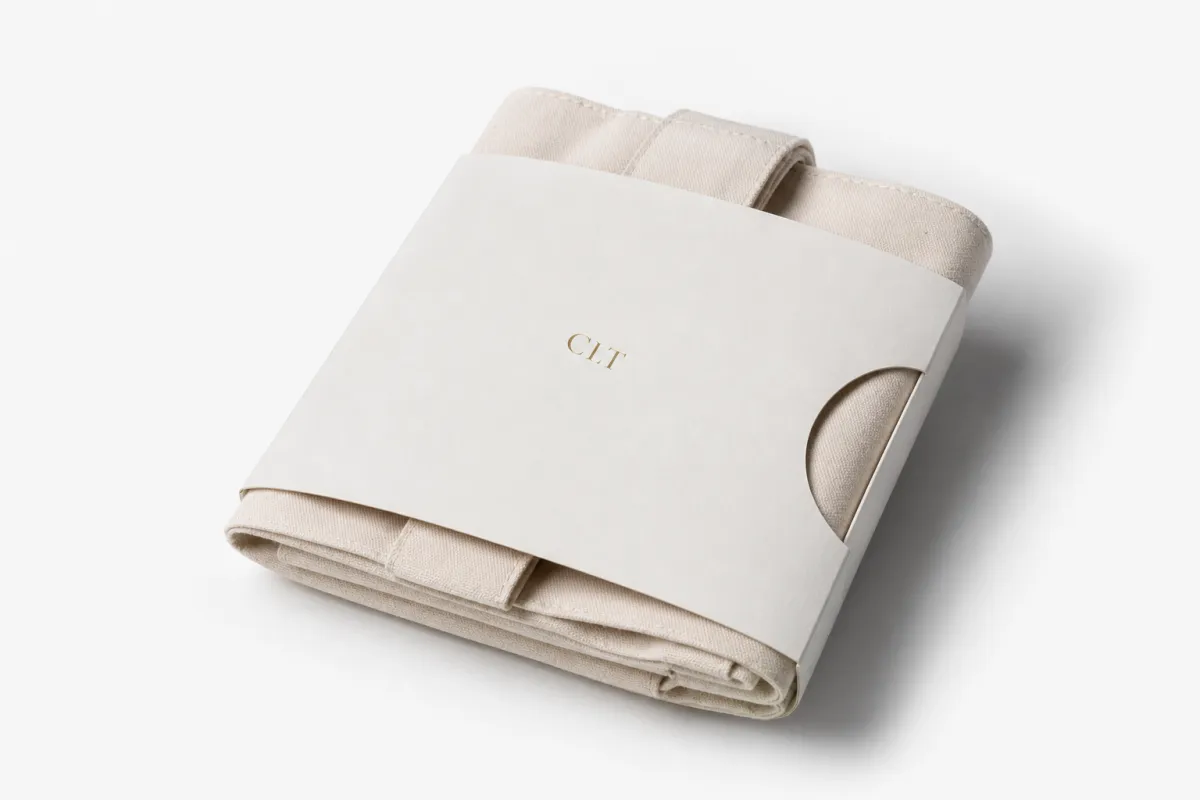
There is a simple reason custom tote bags with logo keep appearing in branding plans: they are useful and public at the same time. A bag travels through parking lots, elevators, offices, stores, and transit systems. The logo moves with the owner, usually in settings where the brand feels present without being intrusive.
Think about the difference between a postcard, a sticker, and a tote. The postcard has a short life, the sticker is limited by placement, and the tote has structure, volume, and a lot of visible surface. In packaging terms, it works like a soft-format branded piece with enough room for a logo, tagline, web address, or campaign artwork. That makes custom tote bags with logo useful for retail handouts, product packaging support, and event distribution.
The utility is obvious, which helps the bag stay in use. People need something to carry notebooks, samples, groceries, brochures, or small boxes. Once the bag solves a problem, it is far less likely to end up forgotten. A tote that gets used twenty times can be worth far more than a more expensive item that never leaves a drawer. I have watched low-cost bags get retired after one awkward seam split, while a heavier canvas tote keeps showing up a year later.
Scale is another reason they work. A tote can feel premium or promotional depending on the fabric, stitching, and print style. A 12 oz canvas bag with tight screen printing sends a different message than a lightweight nonwoven polypropylene bag with a simple one-color mark. Both can succeed, but they serve different goals. That flexibility is why custom tote bags with logo fit so many programs, from retail packaging to trade shows to welcome kits.
A quick comparison makes the point:
- Visibility: The bag is seen in public, not just once at the checkout counter.
- Reusability: Better construction keeps the tote in rotation longer.
- Brand space: Large panels give the logo room to read clearly.
- Versatility: One format can work for retail, events, and internal gifting.
- Cost control: The spec can be tuned to fit budget and audience.
From a packaging perspective, the tote fits naturally beside Custom Printed Boxes, tissue, inserts, and labels. That kind of system turns an ordinary shipment or giveaway into package branding with more polish. If your business already invests in branded packaging, custom tote bags with logo are often the easiest way to carry that identity beyond the box and into daily life.
For sustainability-minded buyers, the logic is just as practical. A reusable bag can take the place of multiple disposable carry solutions over time, especially if it is sturdy enough to hold shape and survive repeated use. The EPA’s recycling guidance is a helpful reminder that reuse usually matters more than a single material claim. A bag that stays useful creates less waste than one that is replaced quickly. For broader sustainability reference, see EPA recycling guidance.
Custom tote bags with logo perform best when the design respects real behavior. Retail customers want something attractive enough to carry again. Conference attendees want a bag with enough room for brochures and a laptop sleeve. Field staff need something that can handle daily wear without fraying at the edges. The clearer the use case, the stronger the result.
How Custom Tote Bags with Logo Are Produced
The production path for custom tote bags with logo is often simpler than buyers expect, but each step still shapes the final result. The process starts with artwork and a bag specification, then moves into print setup, proofing, assembly, inspection, and packing. A bag can look straightforward, yet the details around panel size, seam placement, and handle attachment can shift the finish in noticeable ways.
Artwork intake is the first checkpoint. The supplier should confirm logo dimensions, placement, color count, and whether the design appears on one side or both. A good file also accounts for the usable print area instead of only the flat bag size. Gussets, seams, and stitching lines can reduce the effective print zone, so the layout needs to reflect production limits from the start. That is one reason custom tote bags with logo deserve more than a fast email proof.
Decoration methods vary by material and design. Screen printing is common for bold, economical runs because it handles solid colors well and keeps pricing predictable. Heat transfer or digital printing works better for detailed artwork, gradients, or smaller runs. Embroidery creates a premium textured look, especially on heavier canvas or structured bags, although it adds cost and is less suited to tiny detail. The method should follow the art, not force the art to fit the method.
Before printing begins, blanks are usually cut, stitched, or pulled from stock, then checked for alignment. That alignment step matters more than many buyers realize. If the panel is slightly off square, the logo can sit unevenly from one bag to the next. Reliable suppliers build inspection into the run so the final look stays consistent. That consistency is part of what makes custom tote bags with logo feel polished rather than rushed.
Proofing deserves patience. A digital mockup confirms placement, but a sample or preproduction proof gives a truer read on scale, texture, and color behavior on the chosen material. A red logo that looks sharp on screen may print a little deeper on natural canvas. A line of text that reads clearly in a file may fade into a coarse weave. That is not a failure of the process; it is the difference between a screen and a substrate.
A tote that looks perfect on a monitor can still disappoint in hand if the print scale is off by an inch or the fabric drape hides part of the logo. The proof stage prevents the expensive mistakes.
Quality control should reach beyond the print itself. A finished tote should be checked for ink coverage, seam strength, handle attachment, and overall symmetry. If the bag will be used for shipping or kit packing, ask about packout and transit handling as well. For orders that need to survive distribution through mail or freight, testing principles from ISTA can help guide questions about handling and shipment durability. Not every tote needs formal lab testing, but the packaging should survive the trip.
The bag is not the only surface in the brand experience. A tote often arrives with custom printed boxes, tissue, cards, or inserts, and the strongest package branding treats those pieces like part of one system. A clean tote, a tidy box, and a clear message feel intentional together. Separated, they can still work, but the impression is stronger when the pieces echo each other.
For buyers comparing custom tote bags with logo across suppliers, the most useful question is not simply whether the bag can be printed. The better question is how the artwork will stay centered, how the color will hold steady, and how the bag will keep its shape after repeated use. That is where real production quality shows up.
Custom Tote Bags with Logo: Cost, Pricing, and MOQ
Pricing for custom tote bags with logo depends on several moving parts, and the biggest mistake is comparing unit price before understanding the spec. Material weight, bag size, handle style, number of print colors, decoration method, and quantity all affect the total. A simple one-color run on stocked nonwoven bags can look very different from a stitched canvas tote with artwork on both sides.
Setup charges matter as well. Screens, plates, file preparation, and machine setup often create a fixed cost that gets spread across the full order. That is why small quantities can feel expensive per piece, while larger runs usually reduce the unit cost. It is basic production math, not a trick. Once setup is absorbed, custom tote bags with logo usually become more economical at scale.
MOQ means minimum order quantity, and it exists for practical reasons. A production line cannot stop for a handful of units without wasting labor, materials, and machine time. Minimums also help suppliers maintain color consistency and efficient scheduling. If a tote requires custom sizing, unusual fabric, or special hardware, the MOQ may rise because the setup becomes more involved.
The table below gives a useful buyer’s view of common options. Real quotes will vary by location, freight, print coverage, and market conditions, but these ranges help frame expectations before requesting pricing for custom tote bags with logo.
| Bag Type | Typical Use | Decoration Notes | Indicative Unit Cost |
|---|---|---|---|
| Nonwoven polypropylene tote | Trade shows, mass giveaways, retail handouts | Best for one-color or simple two-color print | $0.65-$1.40 at 1,000+ units |
| Light cotton tote | Retail packaging, boutique promotions, welcome kits | Screen print or heat transfer works well | $1.20-$2.80 at 1,000+ units |
| Canvas tote | Premium gifting, resale, employee kits | Heavier fabric supports a stronger imprint feel | $2.10-$5.50 at 500+ units |
| Laminated or structured tote | Upscale retail packaging, durable shopping use | Print placement and finishing need close review | $3.50-$8.00 at 500+ units |
Those numbers can change if the logo uses multiple colors, if the print area is large, or if the bag needs specialty finishing. A second print location may add a modest amount per piece, while embroidery can add more depending on stitch count. Freight can also change the total more than people expect, especially when bulky bags occupy a lot of carton space. That is why quotes should include packaging, transit, and any rush fee in one view.
The lowest-cost tote is not always the best value. If a bag tears at the seam, fades quickly, or feels thin in hand, the brand impression can suffer. A slightly heavier canvas, stronger stitching, or cleaner print may increase the cost a little, yet it often pays back in perceived quality and repeat use. That is especially true for custom tote bags with logo used in retail packaging, where the bag becomes part of the purchase experience.
Budget planning also improves when quotes are compared apples-to-apples. Make sure each supplier is quoting the same bag size, same fabric weight, same print count, same packaging format, and same delivery destination. Ask whether artwork help, proofing, and sample costs are included. A price that looks lower at first glance can end up higher once all line items are added.
For teams that build promotional kits, it often helps to think of the tote as one part of a larger branded packaging plan. A custom tote paired with a folding carton, tissue, or insert can create a more complete package branding story than a standalone giveaway. If your team is comparing items across multiple categories, our Custom Packaging Products page is a practical place to start.
So, if you are budgeting custom tote bags with logo, look beyond the headline price. Ask what material you are getting, which print method is being used, what the MOQ includes, and whether the delivered tote will still hold up after a few weeks of use. That kind of comparison saves money and frustration later.
Process and Timeline: From Artwork to Delivery
A solid timeline for custom tote bags with logo starts with the deadline and works backward. If the bags are for a launch, show, store opening, or onboarding event, build in room for quote review, artwork cleanup, proofing, production, transit, and corrections. It is much easier to add a few days at the front than to recover from a missed event later.
The usual workflow is straightforward. First, request a quote with quantity, intended use, artwork files, and target delivery date. Next, the supplier prepares a mockup and confirms materials. After that, you approve the layout or ask for edits, and the project moves into sampling or production. For many custom tote bags with logo orders, artwork back-and-forth takes the most time because small details matter.
Artwork cleanup is often underestimated. A logo may need vector conversion, color simplification, or spacing adjustments to print clearly on fabric. If the design includes tiny text, thin outlines, or gradients, review can take longer. Material sourcing can also affect the timeline if the chosen fabric or color is not stocked. Once the job is approved, printing and assembly may move quickly, but only if every upstream decision is settled.
A practical timing view for planning custom tote bags with logo looks like this:
- Quote and concept review: 1-3 business days.
- Artwork cleanup and digital proof: 1-4 business days.
- Sample or preproduction approval: 2-5 business days, depending on complexity.
- Production: often 7-15 business days for standard stocked items, longer for custom-built bags.
- Transit: 2-7 business days, depending on destination and shipping method.
Rush orders do happen, but they are not magic. Faster schedules usually require faster approvals, fewer revisions, and confirmed material availability. If a supplier agrees to an accelerated timeline for custom tote bags with logo, ask which parts of the process are being compressed. That gives you a clear picture of the risk.
Lead time planning matters even more when the totes are part of a larger packaging program. If a retail rollout also includes product packaging, inserts, or custom printed boxes, each component may have its own production clock. A delayed tote can hold up the full presentation, so it helps to line up the pieces early and keep one person responsible for approvals.
Packaging standards deserve attention if the bags are traveling through distribution. For shipping-sensitive programs, studying ISTA methods can help you ask sharper questions about carton strength, pack density, and transit durability. That is useful whether the bags are going to a warehouse, a store network, or an event venue.
The final delivery stage should include a count check, carton label review, and an inspection of a few finished bags from different cartons. That basic control catches the small problems that can slip through if everyone assumes the project is fine because the proof was approved. With custom tote bags with logo, the proof is only part of the job. The finished batch has to match it.
Choosing Materials, Sizes, and Print Methods
Material choice shapes both the look and the life of custom tote bags with logo. Cotton has a soft hand feel and works well for retail packaging and welcome kits. Canvas brings more structure and durability, which makes it feel more substantial in the hand. Nonwoven polypropylene is lightweight and cost-effective, so it is often the best fit for bulk distribution. Recycled blends can support sustainability messaging, though the exact appearance depends on the fiber mix and construction.
Fabric weight matters more than many buyers expect. A lighter tote folds easily and stores well, which is useful for events and mailers. A heavier tote holds shape better and usually feels more premium. A 4 oz cotton bag and a 10 oz canvas bag can both carry a logo well, but they send very different signals. If the goal is everyday retail use, the heavier option often gives custom tote bags with logo more staying power.
Size and shape should match the items being carried. A flat tote works well for brochures, magazines, and lightweight giveaways. A gusseted tote gives more room for boxed goods, groceries, or folded apparel. Longer handles make shoulder carry easier, while shorter handles can feel sturdier in retail handoff settings. The right proportions help the tote function naturally instead of fighting the contents.
Printing choices depend on the artwork. Bold logos with one or two solid colors are usually the easiest and most economical to reproduce. Fine gradients, tiny type, or photographic imagery need more careful review because fabric texture can soften detail. Dark bags also change the equation, since white or light ink often needs stronger opacity to stay legible. A clean design on the right bag can outperform a complex graphic on the wrong substrate.
A practical way to match method to project:
- Screen printing: Best for simple logos, strong color blocks, and repeat orders.
- Heat transfer: Useful for detailed artwork, smaller runs, and multi-color designs.
- Embroidery: Strong for premium texture on thicker bags, but not ideal for tiny text.
- Digital print: Helpful for complex artwork where color variation is part of the design.
Placement changes the way the tote reads. Center chest is traditional and easy to see. Lower corner placement can feel more fashion-forward or retail-oriented. A large side print can create a bolder promotional statement, but it may compete with seams and folds. With custom tote bags with logo, the goal is readability without overpowering the item itself.
Color choice also deserves care. Natural canvas looks warm and casual. Black gives a sharp, high-contrast canvas for light ink. Bright bag colors can make a campaign feel more energetic, but they also increase the challenge of color matching. If your brand relies on a precise logo tone, it helps to share PMS references and remember that fabric, ink, and print method each influence the final result.
Sustainability should be handled with practical thinking. Recycled fibers, longer product life, and reusable construction all reduce waste, but a tote that falls apart quickly does not support the environmental message very well. A useful balance is a bag sturdy enough for repeated use without being overbuilt for the job. That balance is one reason custom tote bags with logo remain popular across retail packaging and product packaging programs.
If the tote is part of a larger campaign, treat it as one piece of the package branding system. The logo on the tote can echo the mark on the box, the typography on the insert, and the color story on the outer package. That kind of consistency makes a promotion feel deliberate rather than assembled at the last minute.
Common Mistakes to Avoid with Custom Tote Bags with Logo
One of the most common mistakes with custom tote bags with logo is buying on price alone. A very low quote can hide thin fabric, weak stitching, poor print opacity, or sloppy finishing. If the tote feels flimsy after one or two uses, the savings can vanish in brand damage. The bag is supposed to carry the message, not distract from it with flaws.
Artwork problems are common too. Low-resolution files blur, jagged edges become obvious, and small text disappears into the weave. Oversized logos can also cause trouble if they crowd seams or wrap awkwardly across folds. A safe rule is to keep the design simple enough that it still reads from a few feet away. That matters even more for custom tote bags with logo used in public settings.
Many buyers miss the user context. A tote for a boutique customer should not be specified the same way as a bag for a conference attendee or an onboarding kit. Retail shoppers may care more about style and feel. Event attendees may care more about capacity and comfort. Internal teams may want something durable enough for daily commuting. If the use case is unclear, the spec starts to drift, and the result is a compromise that fits nobody especially well.
Timeline mistakes show up just as often. A project can look simple on paper, then lose days to proof changes, sample approval, and freight delays. If the bags need to arrive before a launch or event, a one-week cushion can be the difference between calm distribution and a last-minute scramble. Custom tote bags with logo are easy to underestimate because the item feels simple, but production still has real steps that take real time.
Packaging and storage need attention too. Printed bags can crease, scuff, or collect dust if they are packed poorly. Moisture, pressure, and rough handling can leave permanent marks on lighter materials. If the totes will sit in storage for a while, keep them in a clean, dry space with sensible carton protection. It sounds basic, but it often gets skipped when several promo items are moving at once.
These mistakes show up often in reviews:
- Choosing the cheapest material without checking fabric weight or seam strength.
- Sending a logo file that is not vector-based and expecting sharp print quality.
- Ignoring print placement near seams, gussets, or handle stitching.
- Forgetting to ask whether freight, packaging, and proofing are included in the quote.
- Ordering too close to the event date and losing room for corrections.
Brand consistency is easy to overlook as well. If your company uses custom printed boxes, tissue, and inserts, the tote should not feel like it belongs to another program. The tote is part of the same conversation. It should share the same visual logic, even if the construction differs. That is how branded packaging feels coordinated instead of random.
The best way to avoid those problems is to slow down at the spec stage. A few extra minutes spent reviewing size, material, logo placement, and expected use can save a lot of friction later. Custom tote bags with logo reward careful planning because they are simple enough to produce efficiently, yet visible enough to expose shortcuts.
Expert Tips and Next Steps for Better Results
If you want better results from custom tote bags with logo, start with a short project brief. Include the intended audience, quantity, budget range, delivery date, artwork files, and a clear note about how the bag will be used. That document helps suppliers quote accurately and keeps the conversation tied to the real job instead of vague ideas.
Request a digital mockup early, and if the project matters a lot, ask for a physical sample or preproduction proof. That is especially useful if the bag color, handle length, or fabric hand feel will affect how the brand is perceived. A mockup confirms layout. A sample reveals scale, texture, and color behavior. For custom tote bags with logo, both matter, but the sample tells the truest story.
Choose one primary branding goal before locking the spec. Maybe the tote should feel premium enough for resale. Maybe it should create strong event visibility. Maybe the goal is sustainability messaging. Maybe the main objective is long-term utility for staff or customers. Once that goal is clear, the material and print choices usually become easier.
It also helps to think backward from the deadline. If the bags are due at an event on Friday, do not plan to approve the proof on Wednesday and hope the schedule behaves. Leave room for transit, revision, and the occasional reprint. That cushion matters even more for custom tote bags with logo that are part of a broader packaging plan with labels, cartons, or inserts.
For material sourcing and sustainability conversations, it is worth asking whether FSC-certified paper components can be used where applicable, and whether the packaging around the bags can be reduced without harming protection. If you are building a larger branded packaging program, the right mix may include reusable totes, paper-based wraps, and product packaging that carries the same visual language. The official FSC site is a useful reference point for certified materials: FSC-certified material guidance.
Comparison shopping should focus on the full picture, not only the printed price. A quote with a slightly higher unit cost may still be the better choice if the fabric is stronger, the proofing is more careful, and the delivery terms are clearer. That is often how experienced buyers approach custom tote bags with logo. They compare material, decoration, timing, and service together because those are the factors that shape the final result.
If the tote performs well, consider planning a repeat order or a matching set for future launches. Reordering matters because it keeps package branding consistent across campaigns. It also reduces artwork setup time next round. For teams that want a broader look at tote-adjacent materials and other presentation pieces, our Custom Packaging Products page is a useful place to continue the planning process.
My last recommendation is straightforward: do not ask what looks cheapest on a spreadsheet; ask what will still look good after a few weeks of use. That question separates promotional clutter from real branded utility. If the answer is yes, then custom tote bags with logo are doing real work for the business, which is exactly what a good packaging purchase should do.
Ultimately, custom tote bags with logo work best when they are treated as part of the full brand system, not as a last-minute giveaway. The right bag can support retail packaging, extend package branding into public spaces, and give customers something they keep using long after the event is over. The practical takeaway is simple: match the tote to the real use case, insist on a proof that reflects the actual material, and budget for durability instead of chasing the lowest number.
FAQ
What material works best for custom tote bags with logo?
Canvas is often the strongest all-around choice if you want a premium look and durable everyday use. Nonwoven polypropylene is usually better when cost and bulk distribution matter more than long-term wear. Cotton or recycled fabrics fit well when the brand wants a softer hand feel or a sustainability message. The right answer depends on the audience, the budget, and how often the bag is likely to be used.
How much do custom tote bags with logo usually cost?
Pricing depends on material, bag size, print colors, decoration method, and order quantity. Setup costs can make small runs pricier per bag, while larger quantities usually reduce unit cost. Freight, packaging, and rush service can change the final total, so they should be included in the quote. For a basic comparison, nonwoven bags are usually the lowest-cost option, while canvas and structured totes cost more.
How long does production take for custom tote bags with logo?
Timelines depend on artwork approval, material availability, and how complex the print is. Simple designs on stocked bags usually move faster than custom-built bags or multi-step decoration. If the bags are needed for an event, build in extra lead time for proofing, transit, and possible revisions. A clear approval process is often the biggest factor in keeping the schedule on track.
What artwork do I need for custom tote bags with logo?
Vector files such as AI, EPS, or PDF are best because they stay sharp at any size. High-resolution raster files can work for some designs, but they should be reviewed carefully for print quality. It helps to provide logo colors, placement preferences, and any text limits so the layout can be proofed accurately. The cleaner the file, the easier it is to keep the tote looking professional.
Can custom tote bags with logo be eco-friendly?
Yes, recycled materials, reusable construction, and longer product life all support a more sustainable choice. A tote that gets used repeatedly often creates less waste than disposable bags or short-lived promo items. The best eco-friendly option still depends on the project goals, budget, and how the bag will actually be used. If sustainability is a priority, focus on durability first, because a longer life usually does more good than a weak bag with a green label.

