Buyer Fit Snapshot
| Best fit | Custom Two Piece Boxes Branding projects where brand print, material claims, artwork control, MOQ, and repeat-order consistency need to be specified before quoting. |
|---|---|
| Quote inputs | Share finished size, material target, print colors, finish, packing count, annual reorder estimate, ship-to region, and any compliance wording. |
| Proofing check | Approve dieline scale, logo placement, barcode or warning zones, color tolerance, closure strength, and carton packing before bulk production. |
| Main risk | Vague material claims, crowded artwork, missing packing details, or unclear freight terms can make a low unit price expensive after revisions. |
Fast answer: Custom Two Piece Boxes Branding: Strategy, Cost, Timing should be specified like a repeatable production item. The safest quote records material, print method, finish, artwork proof, packing count, and reorder notes in one written spec.
Production checks before approval
Compare the actual filled-product size with the drawing, then confirm tolerance on folds, seals, hang holes, label areas, and retail display edges. Reserve space for logos, QR codes, warning copy, and material claims before decorative graphics fill the panel.
Quote comparison points
Review material grade, print process, finish, sampling route, tooling charges, carton quantity, and freight assumptions side by side. A quote is only useful when the supplier can repeat the same color, closure quality, and packing count on the next order.
Custom Two Piece boxes branding does something ordinary cartons rarely manage: it turns the handoff into a small, deliberate reveal. The lid lifts, the base stays grounded, and that brief pause tells the customer the product inside deserves more care than a thin folding box can suggest.
That is why the format shows up so often in gifts, cosmetics, jewelry, electronics, and higher-end accessories. In real packaging work, custom two piece boxes branding is not just about decoration. It is structure, print, finish, and opening behavior working together so the box supports the brand before the product is even touched.
When packaging feels considered, the product feels easier to trust. The idea is straightforward, yet the details matter more than most people expect. Good results usually come from matching the box to the product and avoiding extras that only look impressive on a quote.
Why custom two piece boxes branding grabs attention fast
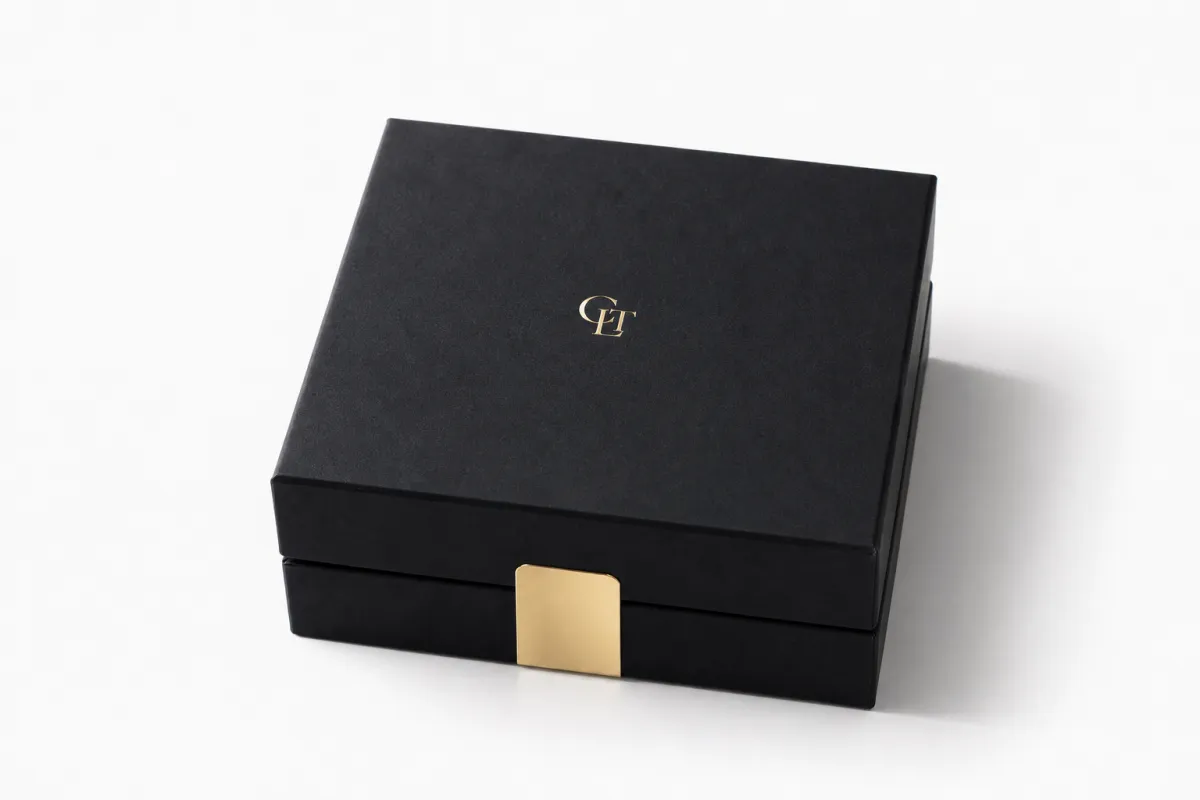
A lid-and-base box creates a pause, and buyers notice pauses quickly. Custom two piece boxes branding uses that moment to stage the product, which is far more effective than asking a folding carton to carry the whole presentation on its own.
Picture the shelf, a gift table, or the instant a customer opens a shipping carton and finds a rigid box inside. The structure changes the story immediately. A neat, wrapped two-piece box suggests care, margin, and intent. A flimsy package says something else, even if the artwork is identical. That contrast is one of packaging design’s stranger truths: the same logo can feel premium on one box and cheap on another.
That is why custom two piece boxes branding works so well for branded packaging in categories where the first impression carries real weight. Cosmetics need confidence. Jewelry needs restraint. Electronics need order and protection. Gifts need ceremony. The box is doing brand work before anyone reads the label, and that is usually the point where package branding starts to earn its keep.
There is a practical side too. Retail packaging that looks premium can soften complaints about perceived value, especially when the product price sits above what the packaging seems to imply. If the item costs $40 and the box looks like a discount leftover, the customer starts doing mental math in the wrong direction. I have seen that happen more than once, and it is never pretty.
A premium box will not rescue a weak product forever, but it often buys the brand a better first ten seconds. That stretch matters more than teams like to admit.
Custom two piece boxes branding also helps memory stick. Buyers remember an unboxing experience more clearly when the box has a distinct fit, a specific color, a tactile finish, or a strong contrast between lid and base. That matters for repeat sales, gifting, and social sharing. A plain package disappears. A considered package gets photographed, kept, and discussed.
For brands that need fast shelf recognition, the structure itself becomes part of the message. A rigid box says this is a considered purchase. A plain carton says this is transport. That difference is why custom two piece boxes branding often outperforms more generic Custom Printed Boxes in premium categories.
From the buyer’s point of view, the win is not just visual appeal. It is the blend of product packaging clarity, better perceived value, and a cleaner path to premium positioning without changing the product formula. Nothing mystical about it. Just packaging design doing practical work.
How custom two piece boxes branding works from dieline to shelf
Custom two piece boxes branding begins with structure, not artwork. The box needs a lid, a base, and usually some mix of board, wrap paper, and insert stock. If one of those pieces is weak, the whole package feels off. Buyers can forgive a simple print layout much more easily than a lid that floats, bows, or grinds against the base.
- Lid: the visible face that usually carries the logo, pattern, or primary color.
- Base: the support structure that controls fit, protection, and how the box opens.
- Board: rigid grayboard or similar material, often in the 1.2 mm to 1.5 mm range for premium work, depending on construction.
- Wrap paper: the printed or plain outer layer that carries most of the visual branding.
- Insert: foam, paperboard, molded pulp, or custom card that keeps the product centered.
After the structure is set, the artwork gets translated onto a dieline. That step is where a lot of custom two piece boxes branding goes sideways. A logo that looks perfectly balanced on a flat mockup can end up too close to a fold, too low on the lid, or clipped by the wrap turn-in. Real production is not a poster layout. It is a wrapped object with seams, edges, and tolerances.
Strong packaging design respects those limits. Small type needs room to breathe. Borders need consistent wrap allowance. Heavy blocks of color need clean edges. If the box carries a large logo and a secondary message, hierarchy matters more than decoration. A customer should be able to scan the box in two seconds and still understand the brand.
The opening sequence matters as much as the outside. The exterior sets the promise. The interior confirms it. That confirmation can be a clean one-color print on the base, a short line under the lid, or a contrasting interior paper that adds a little tension when the box opens. In custom two piece boxes branding, the inside does not need to shout. It needs to feel intentional.
Different categories ask for different levels of restraint. Jewelry often looks strongest with quieter layouts, tighter palettes, and minimal copy. Beauty packaging can carry more contrast, more gloss, or a more decorative pattern. Gift packaging can go bolder still. Trouble starts when one category’s language gets copied into another and called strategy.
Structural consistency matters just as much as the graphics. A loose fit in one size and an overly tight lid in another makes the brand feel careless no matter how polished the artwork looks. That is why custom two piece boxes branding should be reviewed as a system: size set, print set, insert set, and finish set. Change one part, then check the rest.
For teams that want a broader view of what can be paired with a rigid box, the Custom Packaging Products page is a useful starting point. If you need to compare how outer labeling supports box presentation, the Custom Labels & Tags option can help keep the package system consistent.
Custom two piece boxes branding key factors that change perception
Custom two piece boxes branding changes perception through details buyers can feel, not just see. Color and logo placement are the obvious ones. Board stiffness, wrap texture, lid clearance, and the way the insert holds the product do just as much work behind the scenes.
Material choice is the starting point. A rigid board gives the box its shape, while the wrap paper sets the tone. A smooth coated wrap prints sharply and keeps fine detail crisp. A textured wrap feels warmer and more handcrafted, though it can soften tiny type. If crisp branding is the goal, the materials need to support crisp branding. Simple idea. Not always simple to execute.
Finish strategy pushes the package toward luxury or restraint. Matte lamination feels calm and modern. Gloss adds energy, though it can read louder than intended. Soft-touch creates a velvety surface that buyers tend to associate with higher-end goods. Foil, embossing, debossing, and spot UV all have a place, but piling every effect onto one lid usually turns a premium box into a noisy one. Strong custom two piece boxes branding usually relies on one or two finishes, not six.
Typography and color matter more than many teams expect. High contrast improves readability on shelf and on camera. Serif type can feel editorial and polished. Sans serif can feel cleaner and more direct. Fancy type does not rescue weak structure, though. If the box proportions are awkward, the font choice will not fix them. Packaging has a way of exposing that fast.
Box proportions send a quiet signal. Oversized boxes waste material and make the product feel lost. Undersized boxes make the contents feel cramped or rushed. The best point sits where the product fits securely, the lid opens with a controlled release, and the package still looks deliberate from a few feet away. Custom two piece boxes branding gets better when the box feels built for the item, not borrowed from a nearby standard size.
Sustainability affects perception too, but only when the claim is real. Recyclable board, simplified wraps, and FSC-certified paper can support the brand story without making the package feel cheap. If the supplier cannot document the paper chain-of-custody, the claim is just marketing copy. For brands that care about verified sourcing, FSC is the right place to confirm what the certification actually covers.
There is a thin line between premium and overworked. The strongest custom two piece boxes branding usually looks calm, almost obvious, after the fact. That calm comes from a few disciplined choices: one dominant color, one clear logo placement, one finish that does real work, and a structure that supports the product properly.
From a buying standpoint, this is the point where custom printed boxes stop acting like generic containers and start functioning as part of brand identity. The box is not separate from the product story. It opens the story.
Custom two piece boxes branding process and timeline
Custom two piece boxes branding moves faster when the brief is specific. Vague briefs produce vague quotes, and vague quotes are how projects drift. A supplier needs product dimensions, target quantity, weight, retail channel, artwork status, finish preferences, and any shipping or storage constraints before the first proof is worth reviewing.
- Discovery brief: define the product size, target customer, sales price, quantity, and where the box will be used.
- Dieline setup: map the structure so the logo, copy, and graphics land in the correct panels.
- Artwork review: check bleed, safe zone, barcode placement, foil notes, and finish callouts.
- Sampling: review a physical or semi-physical sample for fit, stiffness, color tone, and lid feel.
- Revisions: correct any fit or artwork issues before production starts.
- Production: cut board, print wrap, apply finish, assemble, inspect, and pack.
- Shipping: confirm carton counts, outer packaging, and transit protection.
The proofing stage prevents the expensive mistakes. Screens hide subtle issues all the time. A sample does not. The sample shows whether the lid is too loose, whether the insert rattles, whether the matte finish is actually matte, and whether the printed color shifts under natural light. In custom two piece boxes branding, that sample is worth far more than a polished mockup.
For most standard production runs, custom two piece boxes branding often needs 12-18 business days after proof approval. That range is practical, not a promise carved in stone. If the order includes foil, embossing, custom inserts, or a tighter assembly spec, the schedule can stretch to 18-30 business days. Rush work can happen, but it usually costs extra and leaves less room for error.
Shipping needs attention too. If the boxes will move through e-commerce, wholesale, or store replenishment, ask how they are packed and whether the outer cartons were considered for transit stress. If you want a standard worth discussing, look at ISTA testing methods. They are not flashy, but they are a sensible benchmark when packaging has to survive more than one handoff.
One more practical point: custom two piece boxes branding should be checked against the actual production sequence. If the print run happens before the insert is finalized, the fit can shift. If the finish changes after the sample, the visual tone can shift. If the shipping carton spec is ignored, the outer box can arrive scuffed and the brand takes the blame. Packaging does not care about your deadline. It cares about sequence.
Brands that already have a packaging system can move faster because the variables are smaller. If you are building the first version, leave room for proofing and a sample round. That is not indecision. That is how custom two piece boxes branding avoids embarrassing surprises.
Custom two piece boxes branding cost, pricing, and MOQ
Custom two piece boxes branding is a premium format, so the price structure differs from a folding carton. You are paying for rigid board, wrap paper, assembly labor, finishing, and often an insert. If a quote looks unusually low, one of those pieces is probably missing.
The main cost drivers are predictable: size, board grade, print coverage, finish complexity, insert type, and order quantity. A larger box uses more board and more wrap. Full-color print costs more than a one-color mark. Foil and embossing add setup and finishing work. Custom inserts add another layer of labor or tooling. That is why custom two piece boxes branding can move from reasonable to expensive quickly.
MOQ matters because setup costs need somewhere to land. On a smaller run, setup gets spread across fewer boxes, which pushes the unit price up. On a larger run, the same setup is divided more efficiently. That does not mean “buy more” is always the answer. It means the quantity needs to match the sales plan.
| Order Profile | Common Specs | Typical Unit Range | Best Use |
|---|---|---|---|
| Basic branded rigid box | 1,200 gsm board, printed wrap, no special insert, matte or uncoated finish | $1.10-$2.40 at 1,000-3,000 units | Simple premium presentation, starter retail packaging |
| Mid-tier presentation box | 1,200-1,500 gsm board, 4-color wrap, one finish, paperboard insert | $1.90-$3.90 at 1,000-5,000 units | Beauty, accessories, gift sets, seasonal launches |
| Premium luxury box | Thicker board, foil, embossing or spot UV, custom insert, tighter fit spec | $3.75-$7.50 at 500-3,000 units | High-value gifts, jewelry, electronics, collector items |
| Large-volume run | Standardized dimensions, limited finishes, simplified assembly | Usually 15-30% lower than small runs | Established brands with predictable demand |
Those numbers are directional, not universal. Freight, carton pack-out, finish choice, and whether the box is assembled flat or ready to use all affect the total. Still, the table gives a useful reality check. If one vendor quotes half the price of another, compare the details line by line. Is the insert included? Is the sample included? Is assembly included? Is shipping included? If not, the cheaper quote is just thinner on paper.
Hidden costs appear in the usual places. Prototype revisions can add time and money. Rush production nearly always adds money. Special coatings, window cutouts, and multi-piece inserts add complexity. Shipping cartons matter too, because a premium box packed badly can arrive marred before it reaches the customer. Custom two piece boxes branding should be costed as a system, not as a lid-and-base shell with a logo on top.
Comparing quotes fairly takes discipline. Ask each vendor to quote the same size, the same board, the same finish, the same insert, the same quantity, and the same shipping assumption. If one supplier includes a semi-automatic assembly step and another prices only the raw structure, you are not comparing the same product. You are comparing confusion.
A lot of buyers also underestimate how much MOQ affects design freedom. Lower quantities can still work, but they usually reward simpler structures and fewer finish layers. If the goal is premium retail packaging with controlled cost, choose one standout detail and let the rest stay clean. Custom two piece boxes branding does not need every effect in the catalog. It needs the right one.
Common mistakes in custom two piece boxes branding
The first mistake is designing for a screen instead of for paper, board, and glue. A logo can look razor sharp on a laptop and still disappear on a textured wrap. Custom two piece boxes branding needs artwork that respects the actual material, not the mockup fantasy.
The second mistake is trying to use every finish at once. Foil, embossing, spot UV, heavy gradients, metallic ink, and a busy pattern can fight each other. The box stops feeling premium and starts feeling nervous. Good packaging design needs hierarchy. One element leads. The others support.
The third mistake is ignoring fit. If the insert is loose, the product rattles. If the lid is tight, assembly becomes annoying and customer handling gets messy. If the base is too shallow, the product sits above the rim and the presentation breaks down. None of that sounds glamorous, but custom two piece boxes branding lives or dies on boring dimensions.
The fourth mistake is skipping the sample review because the team is in a hurry. That is how color drift, lid gaps, and weak board thickness make it into production. A sample is not a delay. It is a filter. And yes, the filter costs less than reprinting a bad order.
The fifth mistake is comparing vendors only on price. Cheap custom two piece boxes branding can become expensive fast when boxes arrive damaged, off-color, or impossible to assemble consistently. If you have ever opened a shipment of premium boxes and found crushed corners, you know the feeling. The invoice looked great. The outcome did not.
The sixth mistake is ignoring the rest of the package system. A rigid box may be the hero piece, but the rest of the presentation still matters. If the outer mailer, wrap, or insert labels look random, the box loses some authority. That is where supporting items like Case Studies can help show how a full packaging system holds together across different product categories.
The box is not the whole brand. It is the first hard proof that the brand pays attention to details.
There is also a category mistake that shows up constantly: brands copy luxury cues without checking whether the product price can support them. A $12 item in a heavily foiled rigid box can look mismatched. Sometimes that is intentional, though often it just burns budget that should have gone to better photography, better inserts, or cleaner retail packaging execution. Custom two piece boxes branding should match the margin, not the mood board.
Expert tips and next steps for custom two piece boxes branding
Start with a one-page brief and keep it practical. Include product dimensions, weight, quantity, target retail price, sales channel, finish preferences, and any must-have branding elements. That single page will save more time than five rounds of loose emails. Custom two piece boxes branding gets easier when the job is described clearly enough to quote correctly.
Use physical references whenever possible. A competitor box, a material swatch, or even a clean sample from another category gives the production team more to work with than vague adjectives like “modern” or “luxury.” Those words are fine for mood boards. They are not enough for packaging design decisions.
Ask for apples-to-apples quotes. Same size. Same board. Same print method. Same finish. Same insert. Same shipping assumption. If the vendors are not quoting the same spec, the price comparison turns into noise. That sounds obvious until someone saves $0.40 a unit and then learns the “cheaper” option excluded the insert, the assembly, and the sample.
Build a proof checklist before approval. Check logo placement, color consistency, edge wrap, lid fit, insert security, and outer carton protection. If foil is involved, check registration. If a matte surface is involved, check fingerprint behavior. If the product sits close to the rim, check how it looks under normal retail lighting. Custom two piece boxes branding should be judged under real use conditions, not only under studio lighting.
Consider a small pilot run if the packaging is new. A pilot run gives sales, fulfillment, and customer support a chance to react before you commit to a larger order. It also exposes things that never show up in a mockup: sticky lids, crushed corners in transit, or a finish that photographs differently than expected. That feedback is cheap compared with redoing a full order.
If you need a practical next step, compare your current packaging against the product price and decide what role the box should play. Is it there to protect? Sell? Gift? Signal luxury? All four? The answer changes the spec. A box for a $25 accessory should not follow the same rules as a box for a $250 product, and custom two piece boxes branding should reflect that difference instead of pretending every SKU deserves the same treatment.
Once the brief is ready, move from concept to sample quickly. Do not get stuck polishing the idea forever. The best packaging decisions come from seeing the object, handling the fit, and checking the finish in real light. That is where the truth sits. For brands that want a clean, premium result without paying for decorative clutter, custom two piece boxes branding works best when the structure, finish, and quote path match the product tier. Get that right, and custom two piece boxes branding becomes a useful part of the sale instead of an expensive afterthought.
How does custom two piece boxes branding increase perceived value?
It changes the opening moment from simple packaging into a reveal. A rigid lid-and-base structure, a clean fit, and one or two premium finishes make the product feel more considered. Strong custom two piece boxes branding also helps the box stand out in product photos and on shelves.
What affects the price of custom two piece boxes branding the most?
Board thickness, box size, print coverage, and finish complexity usually move the price the fastest. Quantity matters too, because setup costs are spread across fewer boxes on smaller runs. Custom inserts, foil, embossing, and rush delivery can all add noticeable cost.
What is a normal lead time for custom two piece boxes branding?
Expect more time than a basic carton because there are design, sample, finishing, and assembly steps. In many cases, production lands around 12-18 business days after proof approval, and more complex orders can stretch past that. Sampling and revision speed often decide whether the schedule stays on track.
How do I keep custom two piece boxes branding cost under control?
Keep the structure simple and choose one or two finishes that do real work. Standard sizes usually cost less than fully custom dimensions, and a simpler insert can save both money and time. The other big move is asking for quotes with the exact same specs so you are not comparing apples to packaging rocks.
What files do I need to start custom two piece boxes branding?
At minimum, you need product dimensions, logo files, copy, and brand colors. A dieline or packaging template helps the artwork land correctly on each panel, and a few reference photos make quoting easier. If you already have a sample box you like, send that too. It shortens the guessing game.

