Custom Vinyl Logo Stickers: Order Smarter, Look Better
Custom Vinyl Logo Stickers Are Small, but They Carry Your Brand Fast
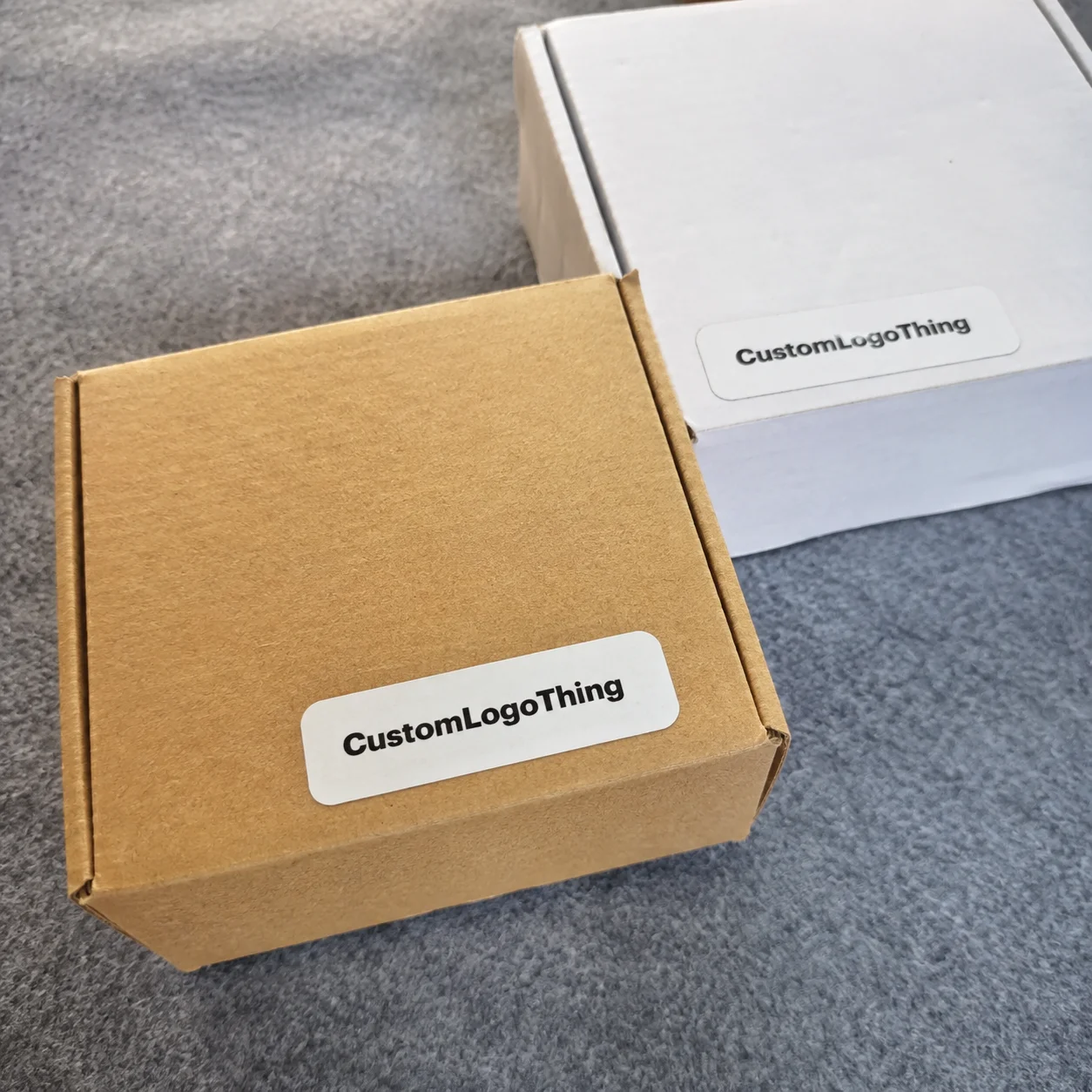
A cheap-looking sticker can drag down a premium box in about three seconds. If the logo is fuzzy, crooked, bubbling, or peeling, customers rarely think “minor production flaw.” They think the brand cut corners. That is why custom vinyl logo stickers need better specs than “make it shiny and inexpensive.”
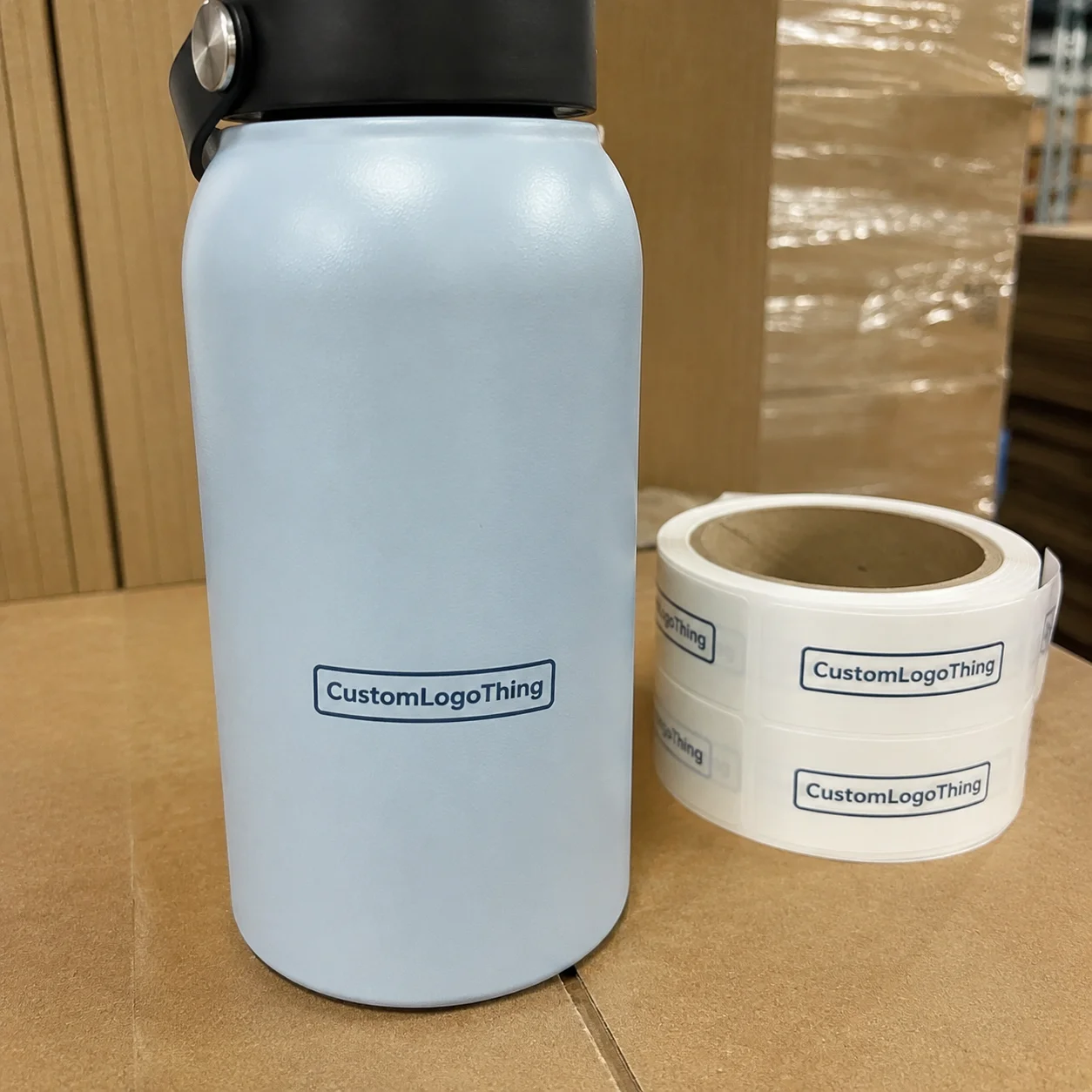
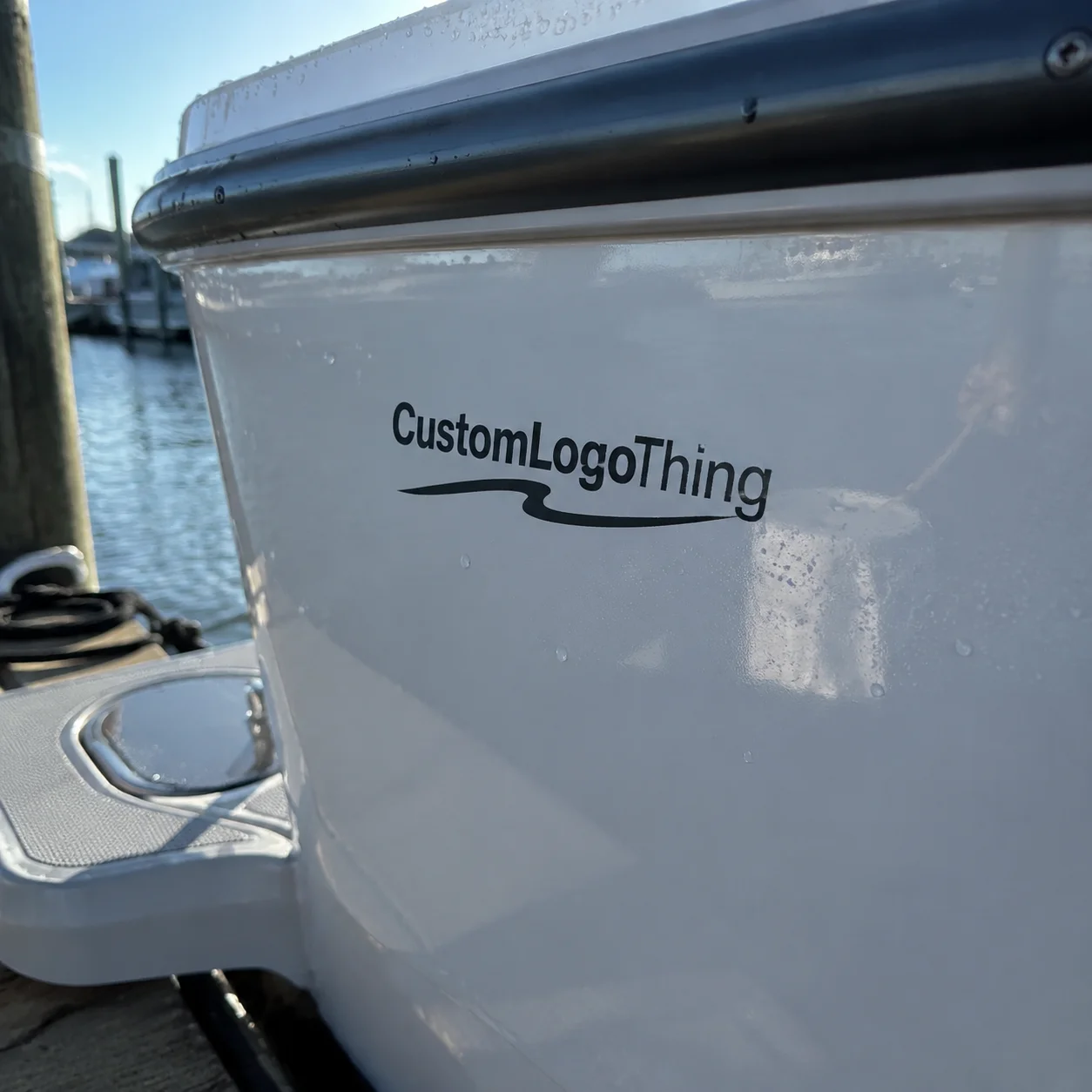
These stickers are printed adhesive graphics made from durable vinyl film, usually finished with matte, gloss, clear, holographic, or weather-resistant laminate. The job is simple: put a logo on jars, mailers, bags, bottles, boxes, laptops, giveaways, equipment, or retail packaging in a way that survives real handling. Not just the five seconds it sits neatly on a proof screen.
Vinyl is different from paper. Paper stickers can be fine for dry indoor packaging, short promotions, or low-cost retail labels. Vinyl handles moisture, bending, oils, outdoor exposure, and rougher handling much better. It also costs more and needs cleaner file preparation. That tradeoff is often worth it for cosmetics, candles, cannabis packaging, food containers, glass jars, service business leave-behinds, water bottles, and event handouts.
The real buying decision is not “sticker or no sticker.” You are choosing material, adhesive, print method, finish, cut style, size, packing format, and quantity. A 2-inch gloss white vinyl circle for a candle jar is a different product from a 4-inch clear decal for a tinted bottle, even if both use the same logo file.
If stickers are part of a larger packaging system, match them with the rest of it: boxes, inserts, tissue, labels, tags, and bags. Custom Logo Things also offers Custom Labels & Tags and broader Custom Packaging Products for brands building a full packaging setup instead of fixing one surface at a time.
How Vinyl Sticker Printing Works From Artwork to Finished Sheets
The production flow is not mysterious, but one skipped step can make the finished sticker look wrong. A typical order moves through artwork review, file cleanup, color setup, material selection, printing, lamination or coating, cutting, quality check, packing, and shipping. Each stage affects the final result. A clean vector logo can still fail if the cut line is too tight, the white ink layer is missing, or the laminate does not suit the application.
Most short and medium runs use digital printing. Digital works well for multi-color logos, gradients, small batches, variable designs, and fast setup. It can handle 100 stickers, 500 stickers, or 5,000 stickers without requiring a separate screen for each color. Screen printing can make sense for very large runs or specific solid-color work, especially where heavy ink deposit or limited spot colors matter. It is not automatically better. It is better for certain jobs.
Kiss-cut and die-cut are the two cut styles buyers ask about most. Kiss-cut stickers are cut through the vinyl layer but not through the backing sheet, so they peel easily. They are useful for packaging teams applying stickers by hand. Die-cut stickers are trimmed through the backing around the logo shape, creating an individual piece that feels more finished. Die-cuts are popular for giveaways, inserts, events, retail counters, and merch drops.
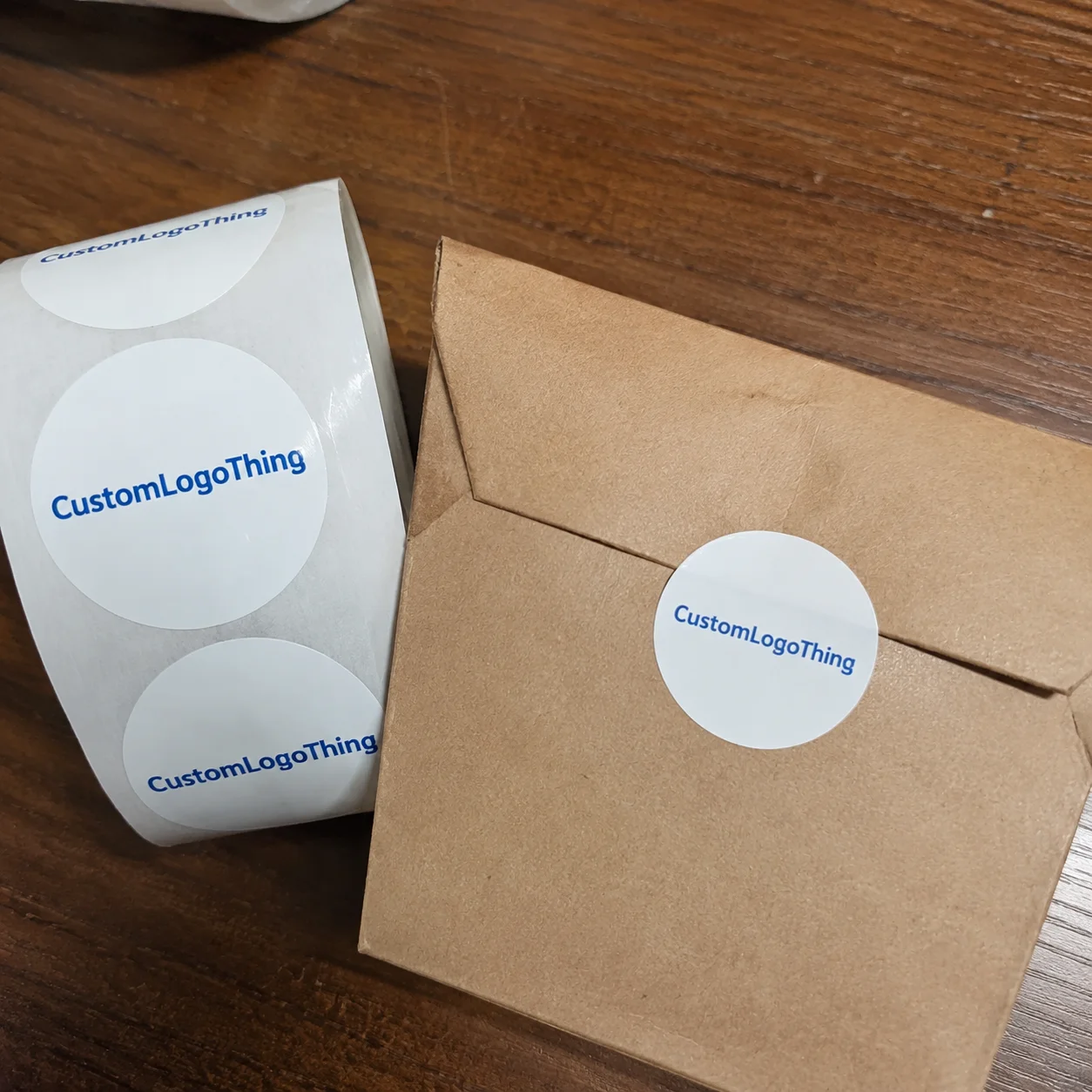
Format matters too. Sheets keep several stickers organized on one backing and work well for small teams. Rolls suit dispensers, label applicators, and production lines. Individually cut stickers fit swag packs, customer inserts, trade show bowls, and counter displays. A 1,000-piece order packed on rolls is not the same production setup as 1,000 loose die-cuts bagged in groups of 100.
Lamination is a protective film added after printing. It improves abrasion resistance, changes the feel, and shifts the visual result. Gloss makes colors look more saturated. Matte reduces glare and often feels cleaner on premium packaging. Soft-touch feels expensive, but it can show fingerprints, oils, and grime faster. Lovely, until a warehouse team handles every unit with lotion-covered hands.
Color proofing deserves respect. Screen color is not print color. If the logo blue must match across custom printed boxes, stickers, and retail bags, provide Pantone references, CMYK builds, or a physical sample. Industry groups such as PMMI and shipping standards from ISTA are useful reminders that packaging is a system, not one pretty file floating around by itself.
Material, Adhesive, Finish, and Cut: Specs That Actually Matter
Sticker specs fall into four practical buckets: material, adhesive, finish, and cut style. Buyers often overthink shape and underthink adhesive. Naturally. The cutest contour cut in the world will not save a sticker that slides off a cold jar or curls on a textured mailer.
| Spec Choice | Best Use | Watchout |
|---|---|---|
| White vinyl | Most logos, packaging seals, product branding | Can look plain without the right finish |
| Clear vinyl | Glass jars, bottles, windows, minimalist packaging | Needs white ink backing for opacity |
| Metallic vinyl | Premium cosmetics, candles, limited editions | Fine details can lose contrast |
| Holographic vinyl | Promos, fan stickers, high-visibility branding | Can fight with subtle brand colors |
| Removable vinyl | Temporary promos, laptops, event badges | Not ideal for permanent product packaging |
White vinyl is the safe standard for most custom vinyl logo stickers. It gives solid color, reliable contrast, and predictable results. Clear vinyl is useful when the surface should show through, especially on glass or glossy plastic, but it can backfire on dark containers. Without white ink behind the design, colors become transparent, muddy, or nearly invisible.
Metallic and holographic films add drama. Use them with intent. Foil-like backgrounds can make a limited-edition candle feel premium, but they can also drown out fine type or soft brand colors. If the logo relies on thin gray lines, tiny script, or low-contrast tones, specialty film may be the wrong stage.
Adhesive choice controls performance. Permanent adhesive works for most packaging and outdoor use. Removable adhesive fits temporary promos or surfaces where residue is a concern. Freezer-grade or cold-temperature adhesive helps with refrigerated foods, frozen products, and cold-chain packaging. High-tack adhesive can improve bonding on textured kraft mailers, rough plastics, or certain coated cartons. Always test if the surface is oily, dusty, curved, cold, flexible, or low-energy plastic.
Finish changes both appearance and durability. Gloss increases shine and color vibrancy. Matte reduces glare and gives a calmer, modern look. Clear stickers need a white ink layer if the logo must stay visible on colored packaging. Soft-touch gives a premium hand feel, but it is not always practical for high-touch products. For outdoor exposure, ask about UV-resistant laminate and the expected lifespan under sun, rain, surface expansion, and abrasion.
Size affects legibility more than many buyers expect. A 1-inch logo sticker needs thicker lines, fewer details, and larger type. A 3-inch or 4-inch sticker can carry more design complexity, but it costs more and may be harder to apply smoothly on curved bottles or flexible pouches. Print a paper mockup at actual size and put it on the product. Design software does not replace seeing the thing on the thing.
Durability terms can get slippery. Water-resistant does not always mean waterproof. Dishwasher-safe depends on vinyl, adhesive, laminate, surface prep, and wash cycle conditions. Outdoor longevity depends on sun exposure, print chemistry, laminate, surface type, and installation. ASTM test methods may apply for adhesion, abrasion, and environmental resistance, but the real product environment still matters. Lab tests are useful. Customer hands are less polite.
Cost, Pricing, and MOQ: What Drives the Sticker Quote
Sticker pricing is driven by size, quantity, material, finish, cut complexity, ink coverage, white ink, proofing needs, packing format, and shipping destination. Small custom runs often land around $0.20 to $1.50+ per sticker for common sizes, depending on specs. Larger runs can drop sharply. A 2-inch white vinyl circle at 5,000 pieces might price very differently from a 4-inch holographic die-cut at 250 pieces. Shocking, I know: specs matter.
Unit cost falls as quantity rises because setup, proofing, machine time, calibration, trimming, and waste get spread across more pieces. The first hundred stickers carry the annoying overhead. After that, the machine is already set, the file is already checked, and production can run more efficiently. That does not mean buying 50,000 stickers for a brand refresh you might hate next month. It means price breaks deserve a practical inventory conversation.
MOQ means minimum order quantity. Some suppliers offer low minimums for digital vinyl stickers, sometimes 25, 50, or 100 pieces. Specialty materials, roll labels, custom finishes, white ink layers, complex die-cuts, or large-format decals may require higher minimums. Rolls can also have setup requirements because unwind direction, core size, label gap, and dispenser compatibility need to be controlled.
| Order Type | Typical Quantity | Common Price Range | Good Fit |
|---|---|---|---|
| Small digital run | 50 to 250 pieces | $0.75 to $1.50+ each | Samples, launches, event tests |
| Standard packaging run | 500 to 2,500 pieces | $0.25 to $0.80 each | Product packaging and retail packaging |
| Larger repeat run | 5,000 to 25,000 pieces | $0.08 to $0.35 each | Established SKUs and production teams |
| Specialty finish run | 250 to 5,000 pieces | $0.35 to $2.00+ each | Clear, metallic, holographic, outdoor use |
For an accurate quote, include size, quantity, artwork, material preference, finish, cut type, indoor or outdoor use, application surface, deadline, and shipping ZIP or country. If you need rolls, include roll direction, core size, and whether the labels will be applied by hand or machine. For food, cosmetics, cannabis, supplements, or other regulated products, clarify whether the sticker is decorative branding or carries required product information.
Do not compare quotes unless the specs match. A gloss paper label and a laminated vinyl sticker are not the same product just because both stick to a box. One may be perfect for a dry bakery bag. The other may survive condensation on a refrigerated jar. The cheaper quote is not cheaper if it fails during shipping or makes your package branding look like an afterthought.
Process and Timeline: From File Approval to Delivery
A clean ordering process usually looks like this: Request a Quote, submit artwork, confirm specs, review the digital proof, approve or revise, produce stickers, run quality checks, pack, ship, and receive. Simple enough. Problems appear when buyers treat the proof as a formality instead of the production map.
Typical timing depends on specs and supplier capacity. Simple digital vinyl orders can often move in about 3 to 7 business days after proof approval, plus transit. Specialty materials, larger quantities, color matching, white ink setup, custom dies, or roll label requirements can push production toward 8 to 15 business days or more. International shipping, customs, and seasonal peaks add their own little circus.
The production clock usually starts after proof approval, not after someone sends a blurry logo screenshot at midnight. That delay is avoidable. Send usable files, answer questions quickly, and review the proof carefully. If three people need to approve the logo, size, finish, and shipping address, build that into the timeline.
Proofing checkpoints should include sticker size, cut line, bleed, safe area, color mode, white ink layer, material, finish, quantity, roll or sheet format, and delivery address. For die-cuts, check that the shape does not create thin points that bend or tear. For sticker sheets, check spacing between designs. For clear vinyl, confirm exactly where white ink prints and where it does not.
Production reality: Rush orders are usually possible only when the material is standard, the cut is simple, the artwork is clean, and the buyer approves fast. Rush fees do not magically create holographic film, fix bad files, or make a complex die line less irritating.
Quality control should be more than a quick glance at the top sheet. Useful checks include print sharpness, color consistency, laminate alignment, cut registration, peel performance, sheet or roll count, and obvious defects such as scratches, dust under laminate, edge lift, or scuffed ink. For roll labels, check unwind direction and core size before production if the stickers will run through a dispenser or applicator.
Order samples or a pilot batch before a product launch, trade show, retail drop, or seasonal campaign. A short run of 100 to 250 pieces can reveal adhesion issues, size problems, color surprises, or application headaches before you commit to thousands. If your packaging also needs boxes, inserts, or labels, plan the full system together through Custom Packaging Products so the materials do not fight each other.
Common Ordering Mistakes That Make Logo Stickers Look Cheap
Low-resolution artwork is the classic problem. Pixelated logos, screenshots, tiny web files, and copied social media images create fuzzy print. Vector files such as AI, EPS, SVG, or clean editable PDF are usually best because they scale without losing sharpness. High-resolution PNG or JPG files can work only if they are built at final print size, usually 300 dpi or higher for standard sticker printing.
Thin lines are another trap. Delicate type, hairline borders, tiny icons, and intricate flourishes can disappear or fill in when printed small. This gets worse on textured materials, clear films, metallic stocks, or very small logo stickers. If your brand mark has fine details, make a simplified sticker version. That is not dumbing down the brand. That is making it printable.
Skipping white ink on clear vinyl is a fast way to make colors look weak. On a clear bottle, some colors may look fine. On amber glass, black plastic, metallic tins, or dark boxes, the same art can turn muddy or vanish. White ink can sit behind the whole design or only behind selected areas. Ask for the white layer to be shown in the proof if opacity matters.
The wrong adhesive causes expensive headaches. Removable stickers can fall off product packaging, especially on curves, textured paper, or refrigerated surfaces. Aggressive permanent adhesive can damage surfaces if the sticker is meant for temporary use. Freezer products need cold-temperature performance. Outdoor decals need adhesive and laminate that can handle sun, rain, and surface expansion.
Poor surface testing is painfully common. Oils, dust, condensation, curved jars, textured mailers, flexible pouches, and cold surfaces all affect adhesion. Apply the sticker to the actual product, then check it after 24 hours, 72 hours, and real handling. If the item ships, test a packed sample. ISTA procedures are useful for broader transport testing, especially if stickers are part of a larger packaging system.
Overbuying and underbuying both hurt. Too few stickers create rushed reorders and inconsistent batches. Too many lock you into old branding, outdated ingredient panels, wrong QR codes, or a logo your team suddenly decides to redesign because apparently everyone is a creative director now. For changing SKUs, buy smaller. For stable packaging, use price breaks intelligently.
Next Steps Before You Order Branded Vinyl Stickers
Before requesting pricing, confirm the basics: sticker size, surface, environment, quantity, finish, cut style, packing format, and deadline. Those eight details eliminate most quote confusion. “I need logo stickers” is not a brief. “I need 2.5-inch matte laminated white vinyl stickers, kiss-cut on sheets, for glass candle jars, 1,000 pieces, delivered to California by the 18th” is a brief a supplier can price.
Test the sticker on the real surface, not a random desk. Glass, kraft paper, plastic pouches, coated boxes, metal tins, corrugated mailers, and flexible film all behave differently. Surface energy, texture, coatings, and temperature matter. A sticker that bonds perfectly to smooth glass may lift on a recycled kraft mailer. Blame physics, not the poor customer service person.
Prepare artwork properly. Send vector logo files, outline fonts, include brand color references, and provide a real-size mockup if placement matters. If you only have a PNG or JPG, say that early and ask whether it is usable. A supplier can often clean up simple files, but complex redraws may add cost and time. If your sticker must match custom printed boxes, bags, or inserts, provide those color references too.
Order a sample or short run for new products, specialty finishes, outdoor use, or packaging that will face moisture, heat, refrigeration, or frequent handling. For eco-positioned retail packaging, also think about the full material story. FSC-certified paperboard, recyclable cartons, and plastic vinyl stickers do not always tell the same sustainability story, so check guidance from FSC if certified paper packaging is part of your brand promise.
Brief your supplier efficiently. Include the use case, size, quantity, finish preference, durability needs, roll or sheet format, delivery location, and must-have date. Add photos of the application surface if it is curved, textured, cold-filled, oily, or unusual. If the sticker acts as a packaging seal, mention whether it must tear, stay intact, or be repositionable.
Good custom vinyl logo stickers are not just decoration. They are small pieces of Product Packaging That carry trust, color, texture, and brand recognition. Choose specs based on where the sticker lives, how long it must last, and what impression the brand needs to make. The right sticker looks effortless. The wrong one peels off and tells on you.
FAQ
Are custom vinyl logo stickers waterproof?
Many vinyl stickers are water-resistant or waterproof when printed on the right vinyl and protected with lamination, but performance depends on adhesive, finish, surface prep, and exposure. For bottles, jars, coolers, bathrooms, or outdoor use, ask for laminated vinyl and test the sticker on the actual surface before ordering a large run. Dishwasher exposure is tougher than simple water contact, so confirm dishwasher-safe requirements separately instead of assuming vinyl automatically handles it.
What is the best size for vinyl logo stickers?
For packaging seals or product branding, common sizes often range from 1.5 to 4 inches wide, depending on the box, jar, bag, or pouch. Small stickers need simplified artwork with readable type and thicker lines. Detailed logos usually need more space to print cleanly. A practical rule: print a paper mockup at actual size and place it on the product before approving the final sticker size.
How much do custom logo vinyl stickers cost?
Pricing can range from roughly $0.20 to $1.50+ per sticker for many common custom orders, depending on size, quantity, material, finish, and cut style. Larger quantities usually lower the unit cost because setup and production time are spread across more pieces. Specialty materials, clear vinyl with white ink, holographic film, complex die-cuts, roll packing, and rush timelines can increase the quote.
Should I order die-cut or kiss-cut logo stickers?
Choose die-cut stickers when you want individual stickers shaped around the logo for giveaways, inserts, events, or retail presentation. Choose kiss-cut stickers when easy peeling matters, especially for hand application, packaging teams, or sticker sheets with multiple designs. If the sticker shape has delicate edges or tiny cutouts, kiss-cut may be easier to handle and less likely to bend during peeling.
What artwork file is best for custom vinyl stickers with a logo?
Vector files such as AI, EPS, SVG, or editable PDF are usually best because they scale cleanly without pixelation. PNG or JPG files can work only if they are high resolution at the final print size, but screenshots and small web logos usually print poorly. If using clear vinyl, include or request a white ink layer where the design needs opacity, especially for dark bottles, colored boxes, or tinted packaging.