Buyer Fit Snapshot
| Best fit | Custom Watch Boxes Wholesale projects where brand print, material claims, artwork control, MOQ, and repeat-order consistency need to be specified before quoting. |
|---|---|
| Quote inputs | Share finished size, material target, print colors, finish, packing count, annual reorder estimate, ship-to region, and any compliance wording. |
| Proofing check | Approve dieline scale, logo placement, barcode or warning zones, color tolerance, closure strength, and carton packing before bulk production. |
| Main risk | Vague material claims, crowded artwork, missing packing details, or unclear freight terms can make a low unit price expensive after revisions. |
Fast answer: Custom Watch Boxes Wholesale: Specs, MOQ, and Pricing should be specified like a repeatable production item. The safest quote records material, print method, finish, artwork proof, packing count, and reorder notes in one written spec.
Production checks before approval
Compare the actual filled-product size with the drawing, then confirm tolerance on folds, seals, hang holes, label areas, and retail display edges. Reserve space for logos, QR codes, warning copy, and material claims before decorative graphics fill the panel.
Quote comparison points
Review material grade, print process, finish, sampling route, tooling charges, carton quantity, and freight assumptions side by side. A quote is only useful when the supplier can repeat the same color, closure quality, and packing count on the next order.
Custom Watch Boxes Wholesale: Specs, MOQ, and Pricing is not a soft topic for people who buy packaging for a living. It touches margin, damage rates, shelf appeal, and whether a watch feels worth its price before anyone even touches the clasp. If the product is premium and the box looks like an afterthought, the brand has already paid for that mistake.
custom watch boxes wholesale gives buyers control over the part of the purchase that customers see first and remember longest. The right structure, insert, finish, and print method can make a mid-range watch look credible in retail and gift-ready in e-commerce. The wrong one does the opposite. It drags the product down, sometimes hard. That is not just a design problem. It is a sourcing problem, a shipping problem, and a trust problem.
For watch brands, retailers, private-label launches, gift programs, and collector editions, packaging has to do more than hold the item still. It has to protect it in transit, present cleanly on a counter, and support the price on the tag. That is why sourcing custom printed boxes for watches deserves real attention before the first run is approved.
A plain stock box can hold a watch. A proper presentation box can help sell one.
Why custom watch boxes wholesale beats generic stock boxes
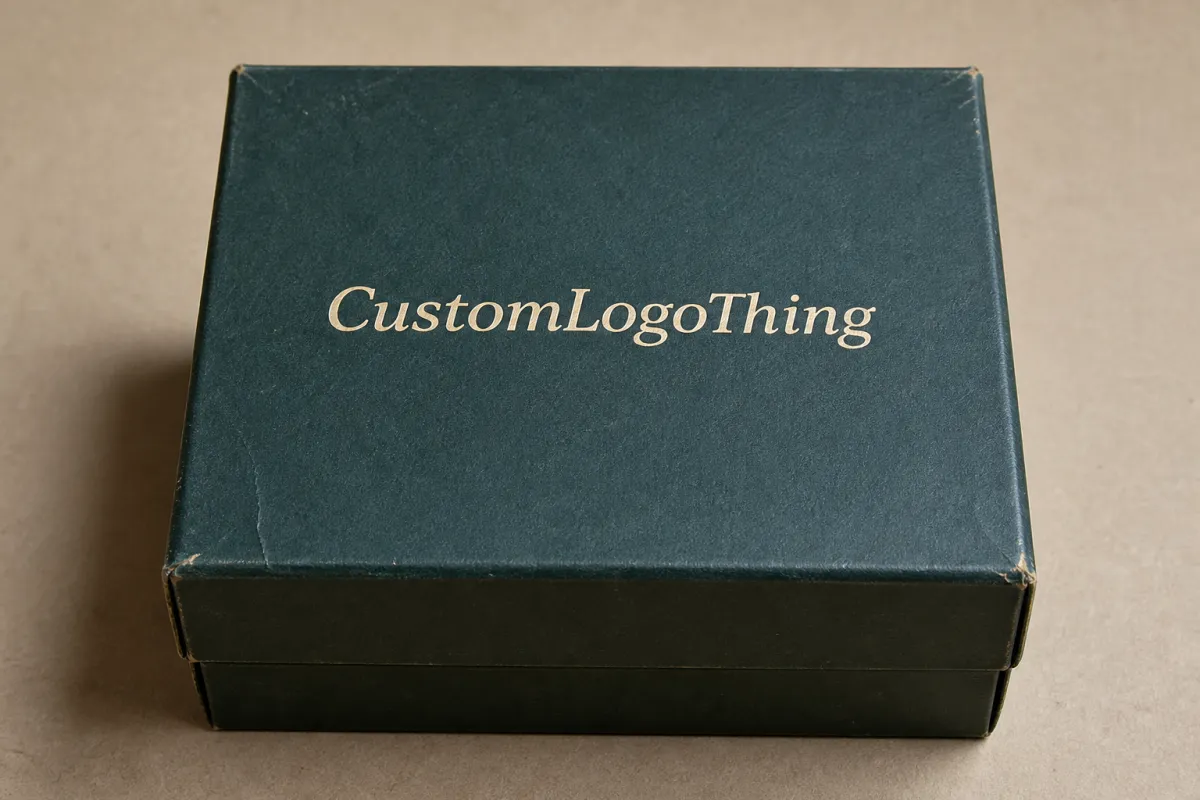
A watch is small. The expectation around it is not. That mismatch is where packaging either earns its keep or makes the product feel forgettable. The watch may be engineered to tight tolerances, finished with a polished case, and priced like a serious accessory, but if it arrives in a generic carton with a loose insert and no identity, the box sends a message nobody wants: budget cut here.
custom watch boxes wholesale improves the economics in a few direct ways. First, it raises perceived value. A structured box with a clean logo and a finish that matches the brand gives the item proper retail presence. Second, it protects the product. Watches are compact, but they still move around in transit, scratch against buckles and bracelets, and take damage when the insert is too soft or too loose. Third, it helps merchandising. Store teams can display branded packaging faster, and e-commerce teams get a cleaner unboxing story without stuffing extra filler into every order.
The payoff shows up in real buying situations:
- Boutique retail where shelf presence matters and the box is part of the sale.
- E-commerce launches where presentation affects repeat buying, reviews, and social sharing.
- Gift sets where the box needs to look finished before the ribbon or sleeve is added.
- Collector editions where buyers expect the packaging to feel intentional, not generic.
- Private-label programs where the packaging carries most of the brand identity.
Cheap-looking packaging creates a different pile of costs. Returns rise when a watch shifts inside the box or arrives with scuffs. Damage claims rise when the insert is too loose or the outer carton is too light for the route. In retail, an unbranded box can quietly push the product lower on the value ladder than it deserves. That is not theory. That is how buyers sort options in seconds.
From a sourcing point of view, the better question is not "Can I get a box?" It is "What box style protects the watch, fits the channel, and still makes sense on unit cost?" That is the practical side of retail packaging. Good packaging is fit, durability, and brand position doing their jobs at the same time.
For brands building a broader system, it also helps to think in families. A watch box that shares paper texture, logo treatment, or closure style with other products strengthens package branding across the line. That consistency makes reorders easier and gives the brand a cleaner visual identity across multiple SKUs. Buyers notice that, even if they do not say it out loud.
Box styles, inserts, and finishes that fit watch packaging
Watch packaging comes down to three things: structure, insert, and surface finish. Get those right and the box feels deliberate. Get them wrong and the watch can slide around like it was packed in a lunch box.
Box styles that work
Rigid two-piece boxes are the classic presentation option. They feel stable, stack well, and give enough surface area for clean branding. They fit retail and gifting because they look finished without feeling overbuilt. For many brands, this is the safest starting point in custom watch boxes wholesale.
Drawer boxes create a more premium reveal. The tray slides out of the sleeve, which adds drama and protects the watch during handling. These work well for premium collections, but they add labor, more board, and usually a higher unit cost. They also need tight dimension control or the tray feels sloppy. Nobody wants a drawer that wobbles on the way out.
Flip-top boxes with magnetic closure offer a convenient premium look. The closure feels good in hand, and the flap makes the box easy to reopen for customers. They are popular for branded packaging because they balance presentation and production speed. That balance matters when a line has to ship on a schedule.
Sleeve-style boxes work for slimmer programs or lighter accessory sets. They can reduce material use, though they usually offer less structure than a full rigid setup. If the watch is expensive or fragile, sleeve-only packaging is often too thin to carry the brand on its own.
Paper-wrapped cartons are the lower-cost direction. They can still look polished with good print and finish, but they are more budget-sensitive and not as durable as rigid construction. If a buyer wants a lower MOQ and lower unit price, this style is worth quoting beside a premium rigid option.
Insert materials that actually matter
Inserts are where watch packaging succeeds or fails. Decoration gets the attention. The insert keeps the product in place. That matters more than most buyers think, and it is usually the first place packaging quality shows itself in transit.
- EVA foam offers precise cutouts, strong support, and good repeatability. It is a practical choice for watches that need exact positioning.
- Poly foam is softer and often lower cost, but it may not hold a heavy watch as cleanly over time.
- Velvet-lined trays feel more luxurious and work well for gift programs, though they add cost and can be more sensitive to lint, dust, and color variation.
- Molded pulp is a more sustainable-looking option and can work for brands focused on lower-plastic packaging, but it is not always the best choice for premium display.
- Pillow inserts are common for watches with straps or bracelets, especially when the band needs to wrap naturally without pressure points.
If the watch includes extra links, a second strap, or a case back that needs clearance, the insert has to handle that geometry. A cavity that is too tight crushes the product. A cavity that is too loose leaves the watch rattling around. Neither looks good, and both create avoidable damage risk. That is a bad trade, no matter how nice the outer box looks.
Finishes that signal the right price tier
Surface finish changes the perceived value fast. A matte laminate gives a clean, modern look. Soft-touch coating feels more premium in hand, but it costs more and can show handling marks if the supply chain is rough. Embossed logos add depth without shouting. Foil stamping works well for luxury signals, especially on darker wraps. Spot UV can highlight a logo or dial motif, but it should stay controlled or the box starts looking busy instead of expensive.
Paper wrap texture also matters. Linen, leatherette, or fine-grain wraps communicate a different price tier than plain coated paper. For premium product packaging, the goal is not to throw every effect at the surface. The goal is to choose one or two signals that fit the watch line and keep everything else quiet. That restraint usually feels more expensive than decoration piled on top of decoration.
Tradeoff: more finish usually means more cost, more handling risk, and sometimes a longer lead time. A soft-touch rigid box with foil stamping and a velvet insert looks excellent. It also costs more per unit and may need tighter quality control. That is normal. Good buyers compare the brand impact against the shipping and budget impact instead of pretending those costs do not exist.
| Style | Typical Use | Cost Pressure | Protection | Presentation |
|---|---|---|---|---|
| Paper-wrapped two-piece | Entry and mid-tier retail | Lower | Moderate | Clean, simple |
| Rigid flip-top | Gift and branded retail | Medium | Good | Premium |
| Drawer box | Collector and luxury lines | Higher | Good | Very premium |
| Sleeve-style | Accessory bundles, slim programs | Lower to medium | Basic to moderate | Simple, modern |
For buyers comparing options, that table is the real starting point. It is not about choosing the prettiest box in isolation. It is about matching the structure to the sales channel, the watch value, and the damage tolerance in transit.
For broader sourcing, browse Custom Packaging Products if you need matching cartons or display packaging beyond watch boxes. If your company is building a larger replenishment system, the Wholesale Programs page is the faster way to think in volume and reorders instead of one-off jobs.
Custom Watch Boxes Wholesale: Cost, Pricing, and MOQ
Pricing for custom watch boxes wholesale is driven by more than the outside dimensions. Buyers who only compare "box price" usually end up comparing different materials, different inserts, and different setup assumptions. That is how quotes become useless. The price is not a single number. It is a stack of choices, and every one of them moves the total.
The main cost drivers are predictable:
- Box structure: rigid boxes cost more than simple folded cartons.
- Board thickness: thicker greyboard means more material and stronger feel.
- Wrap paper: specialty paper and textured wraps cost more than standard printed stocks.
- Insert material: EVA, foam, velvet, molded pulp, and pillow inserts all carry different labor and tooling needs.
- Print method: offset print, digital print, foil, embossing, and spot UV affect setup and unit pricing.
- Labor complexity: hand assembly, magnetic closures, or intricate tray builds raise cost.
- Carton configuration: how the boxes are packed for shipping matters more than many buyers realize.
MOQ depends on the style. A simple paper-wrapped printed box may start at a lower quantity because the construction is easier and setup is lighter. Rigid boxes with custom inserts and premium finishes usually need a larger run to make production sensible. That is not the factory being difficult. That is how setup costs work. A small run can be done, but it rarely gets the best unit price.
Here is the practical range I would expect buyers to think about:
- Lower-MOQ styles: often suitable for launches, limited drops, or testing demand, but the unit cost tends to be higher.
- Mid-volume runs: usually the best balance of price and flexibility for growing brands.
- High-volume orders: bring the sharpest unit pricing, especially when the same dieline and finish are repeated across multiple SKUs.
For a rough benchmark, a buyer might see a simple custom printed watch box quoted in a lower range per unit at larger quantities, while a rigid magnetic box with a custom EVA insert and foil stamping will sit higher. That spread is normal. If a supplier gives you one flat price without asking about size, insert, finish, or shipping destination, the quote is not serious.
Ask for apples-to-apples comparison. Same dimensions. Same insert. Same wrap. Same finish. Same packing method. Same delivery location. If one supplier quotes a velvet insert and another quotes plain foam, that is not a comparison. That is two different products pretending to be one.
There are hidden costs buyers forget to ask about:
- Sample fees for fit samples, pre-production samples, or color proofs.
- Tooling or plate charges for foil stamping or special production steps.
- Freight from factory to warehouse, port, or fulfillment center.
- Duties and taxes depending on destination and import method.
- Rush premiums if the deadline forces a compressed schedule.
For packaging buyers, the best habit is to request a complete landed-cost estimate, not just a unit quote. Retail packaging gets expensive fast when freight and duties are ignored until the end. A cheap box that arrives late is not cheap. It is a problem with a smaller number attached to it.
If your brand is building a larger branded packaging program, ask whether the supplier can quote multiple quantity tiers at once. That helps you see where the price break actually happens. Sometimes the difference between 3,000 and 5,000 units is enough to justify a larger order. Sometimes it is not. The numbers should decide that, not hope.
Order Process, Timeline, and Turnaround
The fastest way to delay a packaging order is to send incomplete specs. The second fastest way is to keep changing the artwork after the quote is approved. Suppliers do not enjoy that any more than buyers do.
A clean order process for custom watch boxes wholesale usually follows this path:
- Send a request for quote with the box size, watch size, insert style, quantity, finish, and destination.
- Receive pricing and confirm the best structure for the budget.
- Review the dieline, mockup, or structure drawing.
- Approve a sample or pre-production proof.
- Start production after final sign-off.
- Pack, inspect, and ship the finished boxes.
What information should buyers send upfront? Quite a lot, actually. Dimensions are not enough. The supplier needs the watch case diameter, strap length, clasp profile, and any extra accessories that must fit in the same cavity. Add logo files, preferred finish, target quantity, and whether the boxes are going to retail, fulfillment, or direct gift distribution. If the product travels internationally, shipping destination matters too because carton configuration and freight method affect both cost and timing.
Typical bottlenecks are easy to spot:
- Artwork revisions after the dieline has already been built.
- Sample changes because the insert is too tight or the logo is off-center.
- Special finishes that require more setup or availability checks.
- Insert reshaping if the watch has a nonstandard case or clasp.
- Freight scheduling when the order is ready but the shipping lane is not.
As for timing, simple printed packaging can move faster than premium rigid packaging. That is normal. A basic run may be ready in a shorter production window after proof approval, while a complex box with foil, embossing, and a custom tray needs more time. Buyers should also separate production time from freight time. The factory may finish on schedule and the boxes still arrive later if shipping is slow. Production speed and delivery speed are not the same thing. People mix them up constantly.
Rush orders are possible in some cases, but they bring tradeoffs. You may lose finish options, face higher cost, or accept tighter material availability. If the launch date is fixed, that can be worth it. If the date is flexible, a less frantic schedule usually gives you better control over quality and price.
For packaging that needs standard compliance or testing, it also helps to think about recognized benchmarks. The International Safe Transit Association publishes common transit-test methods at ista.org, and the broader packaging industry references material and performance standards through groups like packaging.org. If sustainability claims matter to your product packaging, the FSC certification framework is worth understanding before you print a claim on the box.
Quality checks, fit testing, and shipping details
A watch box only works if the watch fits properly and stays put. Sounds obvious. It still gets missed far too often, usually because someone focused on print approval and forgot the thing the box is supposed to hold.
Fit testing should start with real measurements, not guesswork. The supplier needs the case diameter, case thickness, band width, band length, and clasp profile. If the watch includes extra links, a second strap, or a charging cable for a connected model, those accessories need space too. A watch with a tall crown or a large clasp can sit awkwardly in a cavity that looked fine on paper.
Quality checks should cover more than appearance:
- Print accuracy so the logo is sharp and positioned correctly.
- Corner alignment so the wrap does not buckle or shift.
- Closure strength so the lid stays closed in transit.
- Insert fit so the watch stays centered and supported.
- Surface finish consistency across the full run.
- Carton durability so master packs do not collapse or crush.
Pre-production samples are not wasted time. They are the cheapest insurance in the process. A sample reveals color mismatch, logo placement errors, closure issues, and insert fit problems before the full order is locked in. If the supplier discourages sampling on a custom job, that is a warning sign. Maybe not a disaster, but definitely a warning sign.
Shipping details matter more than brands expect. Buyers should confirm:
- Master carton count and how many units fit per carton.
- Carton strength for the actual transit route.
- Palletizing requirements if warehouse receiving needs it.
- International freight method for ocean, air, or courier shipping.
- Protection for long routes including moisture control if needed.
There are red flags that deserve attention. If the supplier gives vague specs, takes inconsistent photos of samples, cannot explain how they test durability, or avoids direct answers about insert materials, pause. A packaging buyer should not need detective work to understand the product being quoted.
For brands that care about sustainability, material sourcing should be part of the same review. Not every watch box needs to be certified, but if you plan to print claims about recycled content or responsible sourcing, confirm the paper and board basis first. Sloppy claims create more trouble than they solve.
Why choose us for custom watch boxes wholesale
The value of a factory-direct packaging partner is not mysterious. It is control. Better control over materials, better control over print quality, better control over insert options, and better repeatability when you reorder the same style six months later.
That matters because watch packaging is rarely a one-and-done purchase. A brand may start with one model, then add strap variations, then split into retail and gift versions, then launch a premium line. If the packaging source cannot keep up with those changes, the brand ends up redesigning the box every time it wants to restock. That is an expensive way to run a product line.
For custom watch boxes wholesale, direct pricing guidance is more useful than inflated sales talk. Buyers Need to Know where the cost is coming from. Is the insert the expensive part? Is the foil stamping driving the price? Is the unit price high because the run is too small? Straight answers help you make a better order.
Sampling support matters too. Fit, color, and finish are not abstract concerns. A box can look fine in a rendering and still fail in hand. A good sampling process reduces that risk and gives the buyer a chance to adjust before production turns into inventory.
There is also a business case for consistency. Better sourcing reduces waste, speeds reorder cycles, and keeps packaging aligned as the product line grows. That is especially useful for brands building stronger package branding over time. Once the box language is established, every new SKU benefits from the same visual system.
If you are comparing vendors, ask a simple question: can they explain the tradeoff between structure, finish, MOQ, and landed cost without hiding behind sales language? If the answer is yes, that is a good sign. If the answer is all adjectives and no numbers, keep moving.
How to place the right wholesale order next
The cleanest ordering process is also the least dramatic. Confirm dimensions. Choose the box style. Pick the insert. Select the finish. Decide the quantity. Then request a quote based on the same exact specs across suppliers.
Before you approve anything, ask for a sample or digital proof. Check fit, closure, logo placement, and the way the watch sits inside the insert. If those are wrong, the rest of the package design does not matter much. The box has failed its basic job.
Build the order around sell-through data if you have it. The first run should be large enough to support the launch, but not so large that packaging sits in inventory while the product mix changes. That balance is different for every brand. A retailer with stable demand can order more aggressively than a startup testing a new line.
Plan the reorder path now. The cheapest packaging is the one you do not have to redesign every time you restock. Keep the dieline, material spec, and print files organized so the next run moves faster and costs less in setup.
custom watch boxes wholesale should protect the watch, support the brand, and still make sense on the per-unit budget. If it only does one of those three things, you are probably paying for the wrong part of the job. The practical takeaway is simple: lock the structure around the watch first, then choose the finish that fits the price tier, and only then compare MOQ and freight. That order saves money and avoids packaging that looks good in a mockup and fails in the warehouse.
FAQ
What is the usual MOQ for custom watch boxes wholesale?
MOQ depends on the box structure. Rigid boxes with custom inserts usually need higher volumes than simpler paper-wrapped styles because the setup and hand assembly take more time. Lower-MOQ orders are possible, but the unit price is usually higher since fixed costs are spread across fewer boxes. Ask suppliers to quote the same style at different quantities so you can compare cost against inventory risk instead of guessing.
How much do custom watch boxes wholesale cost per unit?
There is no honest flat price. Unit cost depends on size, board thickness, insert type, print method, and finishing. In practice, price drops as quantity rises, especially once setup charges are diluted across a larger run. The only quote worth trusting is one built from the same exact specs across suppliers.
How long does production take for custom watch box wholesale orders?
Timing depends on sample approval, artwork readiness, box complexity, and whether special finishes or custom inserts are involved. Simple printed boxes move faster. Premium rigid packaging usually needs more time for sampling and production. Freight time should be counted separately because a finished order is not the same thing as a delivered order.
Can I order samples before a full custom watch boxes wholesale run?
Yes, and you should if fit, color, or finish matters at all. A sample helps catch sizing errors, logo issues, closure problems, and insert mistakes before the full order is locked in. Paid samples are normal. That cost is small compared with fixing a bad production run.
What do you need to quote custom watch boxes wholesale accurately?
Provide box dimensions, watch dimensions, insert style, quantity, finish, logo artwork, and shipping destination. If you have a target unit price or delivery window, include that too so the quote stays realistic. The more exact the spec, the less back-and-forth you will need before production starts.

