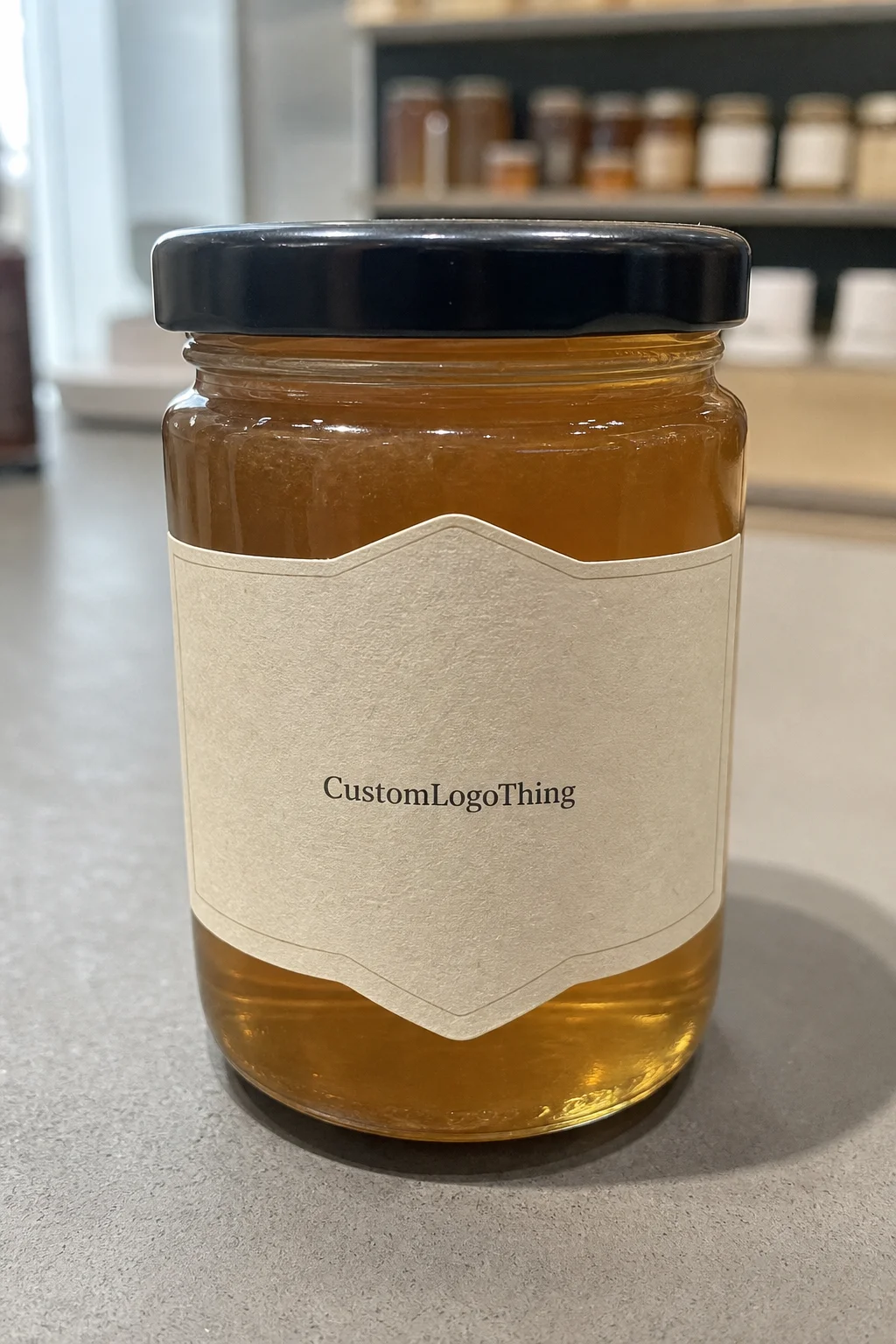
Plain bottles disappear fast on a shelf. Custom water labels change that by giving the package a clear identity before anyone reads a spec sheet or touches the cap. The right label does a few jobs at once: it brands the bottle, signals quality, and survives the conditions bottled water actually lives through. That usually means cold storage, condensation, transit, and a lot of handling by people who do not care about your print finish.
The trap is assuming water labels are simple because the product itself is simple. They are not. A label that looks sharp in a PDF can fail on a chilled bottle, wrinkle around a curve, or start lifting at the edge after a day in ice. The real job is balancing appearance with production reality. Pretty is nice. Pretty and durable is the actual requirement.
Buyers usually start with the same questions: What material works best? Will it hold up in refrigeration? How much does it cost at my quantity? How long does production take? Those are the right questions. The wrong move is shopping on graphic mockups alone and treating the bottle like a flat carton. It is not flat. The label knows that immediately.
If the water bottle is part of a larger packaging program, the label should fit the same brand system as the rest of the line. For broader product mixes, compare this category with Custom Labels & Tags and other Custom Packaging Products.
Why Custom Water Labels Stand Out on the Shelf
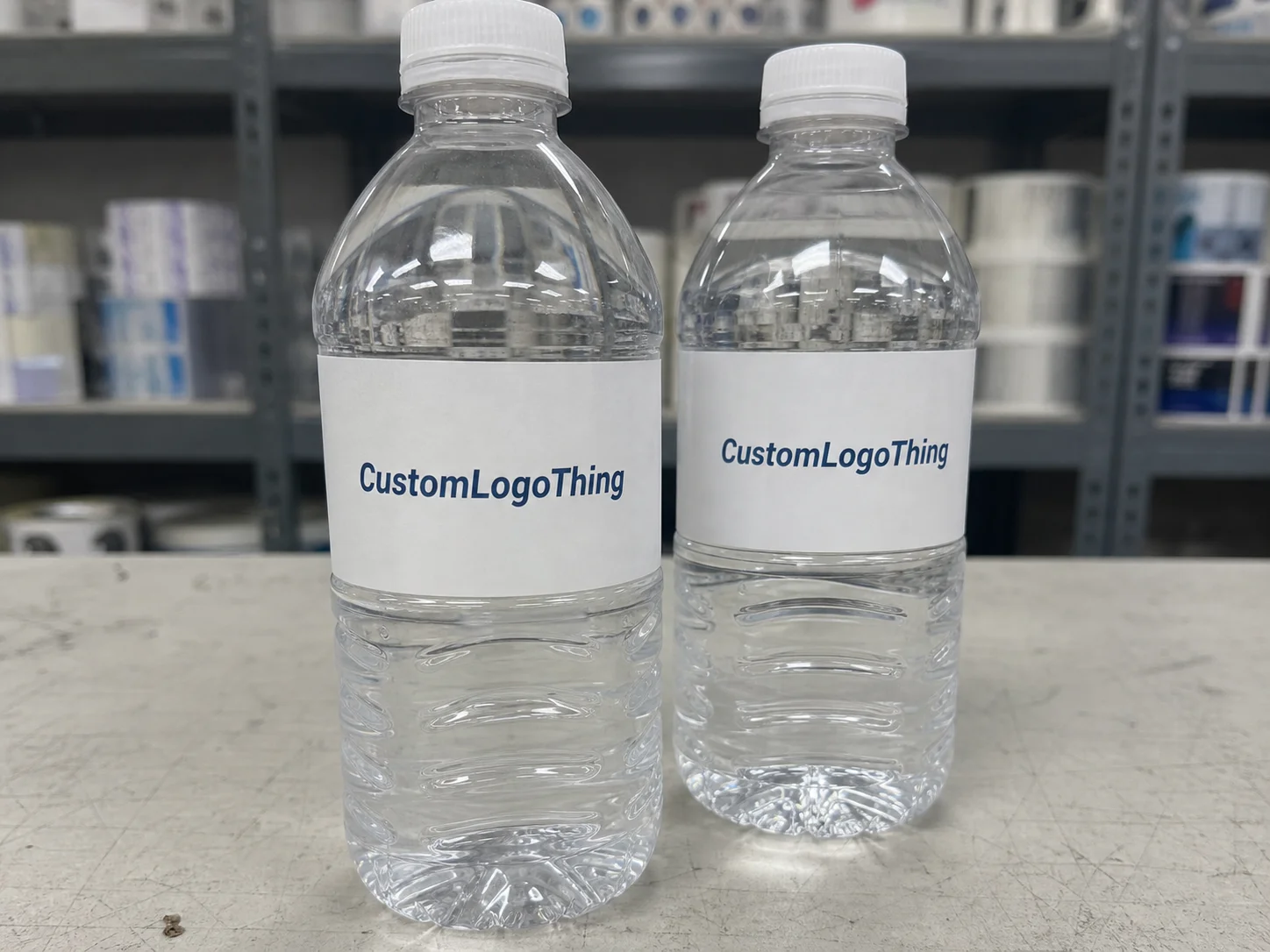
Water is a crowded category. Clear bottles, clear liquid, minimal differentiation. That is exactly why label design matters. A strong label gives the bottle a point of view. It can read premium, event-ready, private-label clean, or bright and promotional. Without it, the package looks generic and forgettable.
The visual side matters, but performance makes or breaks the result. A basic wrap label may print cleanly, then fail the moment the bottle leaves a room-temperature case and lands in a cooler. Moisture changes the game. Condensation, wet hands, and stacking pressure are enough to expose weak adhesive, poor stock choice, or sloppy trimming. A good label should still look intentional after all of that.
For most bottled water projects, the shelf appeal comes from a few practical decisions: face stock, finish, color contrast, and how much graphic clutter the label carries. Dense designs can work, but only if they are readable at a glance. Water is usually a short-look product. People pick it up, scan it, and move on. The label has to land quickly.
There is also a difference between a label that looks premium and one that feels premium. Soft-touch coatings, clear film, and controlled gloss levels can change the impression immediately. But those finishes are only useful if they fit the use case. A fancy finish that scuffs in a cooler is not premium. It is expensive disappointment.
A good water label does more than decorate a bottle. It protects the brand impression at the exact moment a customer touches the package.
From a buyer’s point of view, the safest order is the one that starts with the environment, not the artwork. Decide whether the bottles will be chilled, stored warm, shipped in cases, or handed out at events. Then choose the build that survives that life. The label should support the bottle, not force the bottle to behave like a brochure.
How the Labeling Process Works From Proof to Bottling
Most projects start with artwork and a dieline. That sounds routine until a curved bottle turns a clean layout into a problem. The dieline should show trim, bleed, safe text area, and seam placement. If it does not, the label can end up too tall, too wide, or awkwardly placed around the bottle shoulder. On flat packaging, you can sometimes fake it. On a bottle, the shape exposes everything.
Proofing is the next checkpoint. A proof is not just a pretty picture. It is where the supplier confirms dimensions, material, finish, and placement. If the bottle is tapered, recessed, or unusually slim, those details need to appear in the proof conversation before production starts. Changing them later is how people end up paying for a second round of printing they did not plan to buy.
For hand-applied bottles, the label can usually tolerate a bit more flexibility in roll direction and spacing. For machine-applied work, the details get stricter. Roll orientation, unwind direction, core size, and spacing between labels matter. A label that feeds poorly on a line can create waste long before anyone notices a problem on the shelf. If the bottles are being applied by machine, say so early. Guessing is expensive.
The production path usually follows the same sequence:
- Artwork submission and file review
- Dieline confirmation and technical proof creation
- Proof approval or corrections
- Printing and finishing
- Die cutting, slitting, or roll conversion if needed
- Packing and shipment
The cleanest jobs are the ones where the buyer sends complete information the first time. Bottle measurements, application method, quantity, finish preference, and storage conditions should all be on the table before proof approval. If the supplier has to infer the bottle shape from a blurry photo or a guessed dimension, the process slows down. Sometimes it slows down badly.
There is one more detail buyers often skip: real-world testing. A digital proof cannot show how a label reacts to condensation, cold surfaces, or fingerprint smudging. A sample applied to the actual bottle can catch a fit issue or adhesive problem that would never show up in a screen preview. That small test can save a full reprint. It is not glamorous. It is just cheaper.
Material, Finish, and Adhesive Choices That Affect Performance
Material choice changes the whole job. Standard paper can work for dry, short-life applications, but most bottled water projects need a moisture-resistant film or laminated build. For that reason, custom water labels often use BOPP film. It holds up better in coolers, resists moisture, and stays cleaner when condensation shows up. Paper labels still have a place, but usually not on bottles that live in ice.
Finish comes next. Matte reads softer and more restrained. Gloss gives a brighter, cleaner pop under light. Soft-touch adds a premium hand feel, though it is not always the best choice for heavily handled or wet applications. Clear film can create a floating-label effect, which works well for minimalist branding, but the artwork has to be built carefully so the print remains legible on a transparent background.
Adhesive matters more than most buyers expect. A water bottle usually needs a permanent adhesive because the label has to stay down through chilling, transport, and display. Removable adhesives can be useful for temporary promotions or reusable containers, but they are not the default for consumer bottled water. The bond has to be strong enough to stay put and forgiving enough not to wrinkle during application. That balance is the part that gets overlooked.
Here is a practical comparison of common label builds:
| Label Build | Best Use | Typical Planning Range at 5,000 Units | Durability in Moisture |
|---|---|---|---|
| Coated paper | Dry, short-run events | $0.10-$0.18 per label | Low |
| BOPP film | Chilled bottles, general bottled water | $0.14-$0.24 per label | High |
| Clear film | Minimalist branding, premium visual effect | $0.16-$0.28 per label | High |
| Film with soft-touch lamination | Upscale presentation, premium positioning | $0.20-$0.34 per label | High |
Those numbers are planning ranges, not a quote. Size, print coverage, quantity, die shape, and finishing all move the final price. Full-bleed graphics cost more than simple layouts. Custom shapes cost more than standard rectangles. Lower quantities spread setup across fewer pieces, which pushes the unit price up. That is not a trick. It is just how production works.
For sustainability requirements, ask whether the supplier can provide paper with FSC-certified content and what part of the build is actually certified. The FSC site is the place to confirm what certification covers. That distinction matters because “eco-friendly” gets used as a label on everything from paper to pure wishful thinking.
A practical note on labeling claims: “waterproof” gets tossed around too casually. Most label constructions are water-resistant, not invincible. They can be made to survive condensation, brief wet contact, and refrigerated storage, but repeated abrasion and long exposure to ice water are different problems. Buyers Should Ask how the label behaves in the exact environment it will see, not in some imaginary ideal condition.
Custom Water Labels Cost, Pricing, and MOQ Factors
Pricing for custom water labels usually comes down to size, material, finish, quantity, color coverage, and whether the shape requires a custom die. A small rectangular label on BOPP is simpler to price than a clear label with dense graphics, specialty trim, and a soft-touch finish. Every extra variable adds setup time or material cost. Sometimes both.
Minimum order quantity, or MOQ, has a real impact on unit cost. A smaller run may make sense for a launch, a sponsored event, or a limited promotion, but the per-label price is usually higher because setup is spread across fewer pieces. Larger runs reduce the unit price, but they also create more inventory risk if the design changes or the campaign ends early.
In practice, buyers usually see a few common pricing patterns:
- Short run, simple build, lower setup complexity, higher per-label cost
- Mid-size run, full-color BOPP label, balanced unit price and durability
- Large run, premium film and specialty finish, lower unit price but higher total spend
There are also costs that do not always appear in the headline quote. Shipping, proof revisions, rush fees, packaging, and special finishing can all change the final number. If a quote looks unusually cheap, check what it excludes. A low per-label number does not help much if the supplier charges for every revision, every setup adjustment, and every packaging choice.
For a water brand, the cheapest label is not always the least expensive order. If paper stock fails in refrigeration, the hidden cost is rework, waste, and a package that looks sloppy in front of customers. A slightly better build can be the cheaper decision if it reduces failure rates and protects the launch schedule. That is the part buyers care about after the fact, when the reprint bill lands.
If the label is part of a broader packaging system, judge the cost against the whole presentation. A bottle label that saves two cents but makes the line look generic can cost more in sales than a better-printed option paired with cleaner Custom Packaging Products.
Timeline, Turnaround, and Production Steps to Plan Around
A realistic schedule starts with artwork approval, not with the purchase order. Once the proof is approved, standard production often falls in the 7 to 15 business day range, depending on quantity, finish, and press schedule. Rush service can cut that down, but it usually narrows material choices and raises cost. Fast and flexible are not the same thing.
Several issues slow jobs down. Missing bottle dimensions are one. Low-resolution artwork is another. So is a file that ignores bleed or safe areas. Changes after proof approval also add time because they can trigger another proof round or a new press setup. The problem is not that suppliers are difficult. The problem is that presses are not interested in improvising around incomplete files.
For bottled water, environment matters just as much as the press schedule. If the bottles will be chilled, packed with ice, or handled by damp hands, the label should be evaluated for that use before the order is approved. A sample application on the actual bottle is often enough to catch a wrinkle, seam issue, or edge lift. Digital previews cannot tell you how a label behaves on cold plastic. Physics does not care about the mockup.
Machine-applied labels deserve extra attention. Roll direction, core size, spacing, and unwind orientation have to match the equipment. If the supplier is converting rolls, those specs should be confirmed early. A label that prints correctly but feeds poorly can still create downtime on the line. That is not a design issue. It is a production issue, and it shows up at the worst possible time.
Buyers often ask how rush orders work. In practice, rush production means priority scheduling, a tighter approval window, and fewer opportunities for revisions. That can be the right choice if a launch date is fixed. It is not the right answer if the project still has unresolved artwork, a moving bottle spec, or a finish the team has not tested. A rushed bad decision is still a bad decision. It just arrives faster.
Shipping and handling matter too. Packaging buyers sometimes reference ISTA test methods when they want to understand how a package performs under transit stress. The label is only one part of that system, but the route the bottles take to market still affects whether the finished package arrives looking right. Shelf-ready does not mean shipment-proof unless someone actually checked both.
A simple planning rule usually works: lock the bottle specification first, approve the artwork second, and build enough buffer into the schedule for application, packing, and distribution. That order avoids a lot of expensive backtracking. It also keeps the label tied to the actual production plan instead of a fantasy timeline.
Common Mistakes That Create Wrinkling, Lifting, or Delays
Measurement mistakes are the biggest problem. A label may look perfect on screen and still fail once it wraps around a bottle with a shoulder, taper, or radius. If it is too wide, it can overlap awkwardly. If it is too tall, it can wrinkle near the curve. A tiny sizing error becomes obvious very quickly on cylindrical packaging. Bottles have a way of making sloppy math visible.
Artwork can create trouble too. Tiny text, weak contrast, and borders too close to trim lines all raise the chance of issues. Edge-to-edge graphics are fine if the file is built correctly, but they leave less margin for error. On water bottles, readability usually matters more than clever decoration. Customers do not linger. They glance, grab, and move on. The label has a short window to do its job.
Another common mistake is choosing finish or adhesive based on appearance alone. A finish that looks elegant in a sample can scuff faster in a cold case. An adhesive that behaves well on a dry surface may struggle once condensation shows up. Paper that feels fine in a studio can curl or break down in ice. None of this is mysterious. It is just what happens when a label is designed without the actual environment in mind.
Skipping physical review is where expensive mistakes turn into reprints. A sample or pilot run can catch seam placement problems, misalignment, and surface lift before the full order goes to press. That is especially useful for custom water labels that use clear film, premium finishes, or tight wrap dimensions. A proof alone can miss the issue. The bottle usually does not.
The cheapest label is not always the least expensive order. A bad fit, the wrong adhesive, or a missed proof can cost more than the upgrade you skipped.
Consistency also matters if the label is part of a broader brand system. A bottle can look polished on its own and still feel off if the label quality does not match the carton, insert, or outer pack. Buyers notice those mismatches more than suppliers like to admit. Once the package looks inconsistent, the whole line feels less credible.
Next Steps Before You Order Custom Water Labels
Before placing an order, gather the essentials: bottle dimensions, label size, quantity target, finish preference, expected storage conditions, and any application requirements. That single step removes most of the guesswork. It also gives the supplier enough information to recommend the right face stock and adhesive instead of sending back a one-size-fits-all answer.
Request a proof. If the bottles will be chilled or handled heavily, ask whether a sample or short test run makes sense. That is especially useful for custom water labels with clear film, tight wrap dimensions, or premium finishes. A proof will not catch every field issue, but it will catch most of the expensive ones.
Ask about lead time before approval, not after. Confirm how long proofing, production, finishing, and shipping will take. If the job has a hard delivery date, say so clearly so the schedule can be checked honestly. A realistic answer is more useful than a happy guess.
Compare quotes on the full spec, not just the headline price. Material, adhesive, finish, shape, and MOQ all affect the final value. The lowest quote on paper stock can stop looking cheap if the labels fail in refrigeration. The higher quote that matches the use case is often the better buy.
For repeat orders, documentation matters more than people expect. Once the label spec is written down clearly, future reorders are easier, print consistency improves, and the bottle looks more reliable across runs. That matters for private label programs, event supply, and retail lines that need to hold a consistent shelf presence. It is boring work. It also prevents most of the usual headaches.
Bottom line: choose the material for the environment, confirm the proof against the actual bottle, and compare quotes on the full production job. That is the simplest way to get custom water Labels That Stay in place, look clean, and support the brand instead of fighting it.
What should I know before ordering custom water labels for chilled bottles?
Confirm whether the bottles will be refrigerated, packed with ice, or exposed to condensation so the adhesive and face stock can be matched correctly. Ask for a proof and, if possible, a sample so you can check fit, scuff resistance, and appearance under real conditions.
Which material works best for custom water labels that need to resist moisture?
A moisture-resistant film such as BOPP is commonly used when labels need to stay clean and intact in wet or cold environments. The best choice still depends on bottle shape, label size, and whether you want a matte, gloss, or clear finish.
How do custom water labels pricing and MOQ usually work?
Pricing is usually driven by quantity, size, material, finish, and any specialty die cuts or production requirements. MOQ affects unit cost, so a larger run usually lowers the per-label price even though the total order amount is higher.
How long does the turnaround usually take for custom water labels?
Turnaround depends on proof approval, press schedule, finishing, and whether the order is standard or rushed. The fastest path is to submit accurate artwork and bottle specs early so the production team can avoid back-and-forth revisions.
What file details help avoid mistakes when ordering custom water labels?
Provide exact bottle dimensions, a print-ready file, and clear instructions for trim, bleed, and finish. A complete spec sheet reduces proof revisions and lowers the chance of labels arriving with fit or alignment problems.