Custom Winter Hats Lead Time and MOQ for Buyers Today
Custom winter Hats Lead Time and MOQ are usually decided by the spec before production ever starts. The biggest variables are style, decoration, yarn choice, color count, packaging, and how many versions you want in one order. If those details are clear early, the quote is cleaner and the delivery window is easier to trust.
From a buyer's point of view, winter hats work much like other branded product programs: the simpler the build, the easier it is to hold the date and control the unit cost. The most reliable orders are the ones with final artwork, a realistic quantity, and a shipping target that accounts for approval time.
The fastest quote is usually the one with the fewest open questions. If the supplier has to chase artwork, color approvals, or carton details, both lead time and MOQ become harder to control.
Custom winter hats lead time and MOQ: what changes first
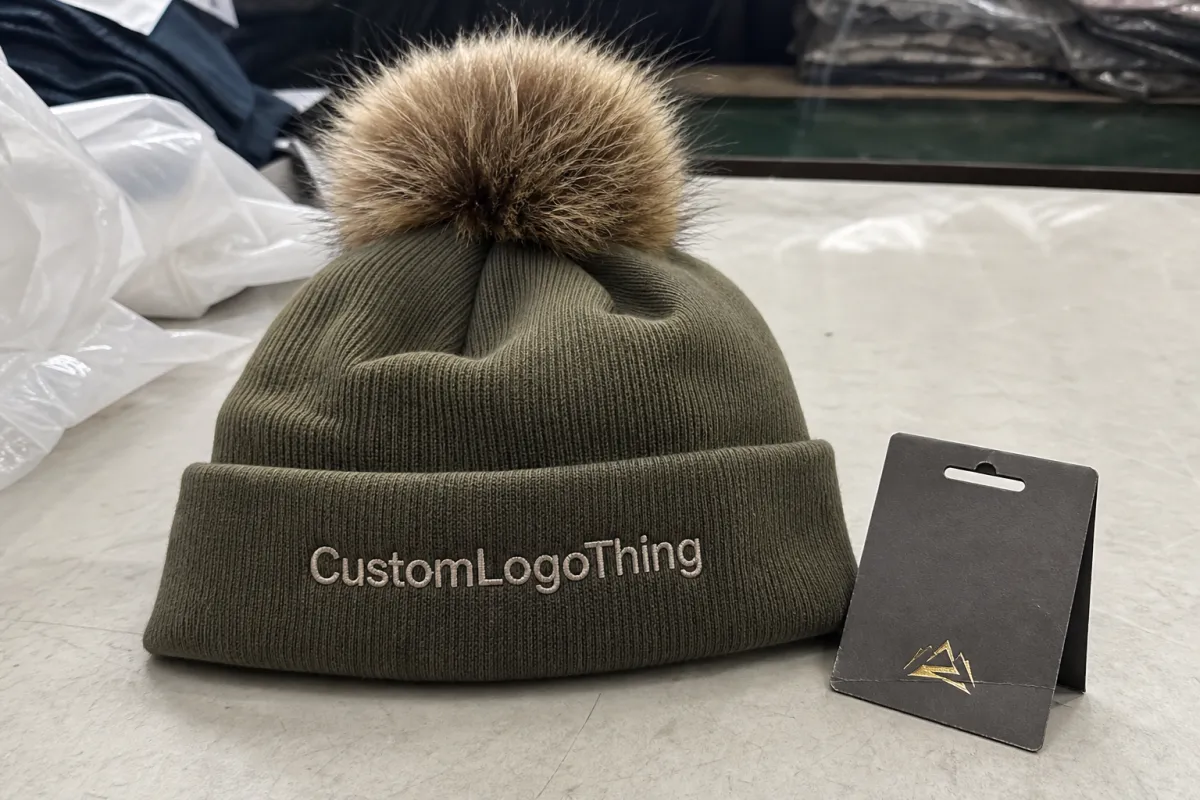
The first thing that changes is the spec sheet, not the knit cap itself. A basic cuffed acrylic beanie can be quick to quote and schedule, but multiple colorways, custom pom details, woven labels, or assorted sizes add setup work and often push the minimum quantity higher. That is why lead time and MOQ are so closely linked.
Suppliers are balancing yarn allocation, knitting efficiency, and decoration prep. A small order with several variants can take more planning than a larger single-style run because every change interrupts the workflow. If speed matters, the easiest way to protect the schedule is to simplify the build: one base color, one decoration method, and one approval path.
- Low quantities can work, but they usually need a simpler spec and fewer custom touches.
- Multiple colorways may look easy on paper, yet they add planning and approval time.
- Custom trims such as patches, woven tags, or side labels often add setup steps.
- Fast lead times are easiest when artwork, colors, and delivery expectations are final before quoting.
If you want a near-term delivery, the order should be easy to build. If you want more customization, expect the timeline and MOQ to reflect that tradeoff.
Beanie styles, yarns, and decoration that affect your order
Not every winter hat behaves the same in production. A cuffed beanie is usually the simplest option because it offers a stable logo area and broad appeal for retail, team, and promotional use. Slouch beanies feel more casual, while pom styles add personality but also introduce more construction variables.
Material choice matters just as much. Acrylic is common because it is cost-effective, color-friendly, and comfortable for everyday wear. Acrylic-wool blends can feel warmer and more premium, but they may increase cost and narrow some build options. Gauge also matters: heavier knits feel substantial, while lighter knits may suit fashion-driven or mild-weather use.
Decoration is where orders often split into simple and complex. Embroidery is the most familiar choice for cuffed beanies, woven labels work well for fine detail, and sewn patches can create a more retail-ready finish. If the hat is part of a broader brand presentation, a tag or label can add polish without changing the core product.
For buyers comparing options, a useful rule is simple: the more layers of decoration you add, the more time the approval process usually takes. That does not make custom a problem; it just means the schedule needs to be realistic.
| Style | Typical Decoration | Common MOQ | Indicative Unit Cost | Lead Time Range |
|---|---|---|---|---|
| Cuffed acrylic beanie | One-color embroidery | 100-200 pcs | $3.20-$4.80 | 10-15 business days after approval |
| Slouch beanie | Woven label or patch | 150-300 pcs | $3.80-$5.50 | 12-18 business days after approval |
| Pom beanie | Embroidery plus custom trim | 300+ pcs | $4.50-$6.75 | 14-20 business days after approval |
If you are planning labels, hang tags, or seasonal presentation materials, think of the hats as part of a broader package branding program. Our Custom Packaging Products page is useful if you need supporting pieces, and the FAQ page covers common setup questions before you send files.
Specs to lock before you request a quote
If you want a real quote, the supplier needs a complete spec. At minimum, that means style, yarn type, quantity, logo placement, size expectations, and how many colorways are included. Without those details, lead time and MOQ are just rough estimates, which is not enough when the order is tied to a launch date.
Some details matter more than buyers expect. Stitch density affects how the knit looks and feels. Embroidery size affects readability. Artwork complexity affects digitizing time and sometimes machine time too. A simple two-color logo may be quick to approve, while a small logo with fine text can require another proof cycle before bulk production is released.
Packaging details should be included at the same time. If the hats need individual polybags, barcode stickers, assorted colors by carton, or retail-ready hang tags, say so up front. If the order is part of a larger branded rollout, aligning the hats with the rest of the packaging keeps the presentation consistent. For paper-based tag or carton choices, FSC guidance can help: FSC. For shipping and transit expectations, ISTA resources are a practical reference: ISTA.
- Style: cuffed, slouch, pom, earflap, or lined beanie.
- Material: acrylic, acrylic-wool blend, fleece-lined, or heavier-gauge knit.
- Artwork: vector file, logo size, thread colors, and placement.
- Quantity: total units and quantity by color or SKU.
- Finish: woven label, embroidered patch, hang tag, or polybag.
- Delivery: the actual in-hand date, not just the ship date.
If you can send a clean reference sample or strong photo set, the quote is usually sharper because the supplier can see the build you want instead of guessing from a short email.
Pricing, MOQ, and unit cost tradeoffs for custom beanies
MOQ is rarely arbitrary. It usually reflects setup labor, decoration prep, color matching, and the amount of material the factory needs to allocate. A supplier may accept a lower quantity, but they often need to simplify the build to do it. Ask how MOQ changes if you remove a color, switch decoration methods, or keep packaging standard.
Unit cost usually falls as quantity rises, but the drop is not always dramatic if the design is complex. Sampling, digitizing, custom labels, packaging, split shipments, and rush handling can all add cost. The quote that looks slightly higher at first is sometimes the better one because it includes the work that a cheaper quote left out.
One practical way to compare options is to look at what is lowering cost and what is raising it.
| Order Type | What Keeps Cost Lower | What Raises Cost | Best For |
|---|---|---|---|
| Simple embroidered cuffed beanie | One decoration method, one color, standard bagging | Extra logo placement, dense stitch count | Promotions, teams, fast replenishment |
| Patch beanie with custom label | Single patch size, consistent trim, repeatable artwork | Multiple label types, specialty patch materials | Retail packaging and brand programs |
| Pom beanie with custom details | One pom color, limited variants | Color assortments, mixed trims, custom lining | Seasonal campaigns and fashion-focused buyers |
For many buyers, the smartest move is to request pricing at more than one quantity tier. If 300 pieces and 500 pieces are both realistic, the unit cost difference may justify the larger order. If it does not, the smaller order is probably the better business choice.
Production steps from artwork approval to shipment
A clean production flow makes the schedule easier to trust. The usual sequence is quote, artwork review, proof or sample approval, bulk production, inspection, and packing. Every step has a handoff point where delays can creep in, especially if the proof sits too long or a late revision comes in after approval.
Artwork approval is the point where the order either stays simple or gets complicated. Once the logo placement, thread colors, label position, and base color are confirmed, the supplier can move with more confidence. If the buyer needs a revision, that is normal; the issue is timing. The later the revision lands, the more likely it is to affect the line schedule.
Quality control should not be treated as optional. A reliable supplier checks stitch consistency, logo alignment, color matching, size uniformity, and carton counts before release. If the order includes retail packaging elements, those should be checked too, especially where barcode stickers, hang tags, or master carton labeling are part of the final handoff.
- Quote: supplier confirms spec and pricing.
- Proof: artwork and placement are checked.
- Approval: buyer signs off before bulk production.
- Bulk run: hats are knitted, decorated, and finished.
- Inspection: quality, count, and packaging are verified.
- Shipment: cartons are labeled and released.
Hats are not fragile like glass, but they still benefit from clean folding, stable carton packing, and clear outer labeling. That matters for warehouse handling and for any team receiving the order against a launch date.
Lead time windows: sampling, bulk production, and reorders
Sampling and bulk production should be treated as two separate timing buckets. A sample or proof may take only a few business days if the art is simple, but the bulk order needs its own schedule because yarn sourcing, knitting capacity, and decoration work all have to line up.
For a straightforward beanie, sample timing is often around 5-10 business days, while bulk production can fall in the 12-20 business day range after approval. More customized work can push both numbers upward. Winter-season congestion, yarn availability, and artwork revisions are the most common reasons a date slips.
Reorders are usually faster, which is one reason to keep the first spec clean. If the artwork file, color, label, and packing plan stay unchanged, the supplier can often repeat the run more efficiently. That is especially helpful for buyers who need consistent branded packaging across seasons or retail drops.
Build a little buffer into the schedule. Transit time, customs clearance, warehouse receiving, and holiday slowdowns can all turn a safe date into a tight one. If your delivery date is fixed, ask the supplier to work backward from the in-hand deadline so you can see the latest approval and shipping dates.
What buyers should compare before choosing a supplier
Price matters, but it should not be the only filter. A good supplier can explain material options, decoration limits, and MOQ logic in plain language, and that matters more than a quote that looks low for ten seconds. Buyers who compare only on price often get surprised by missing details later, especially if the quote leaves out sampling, packaging, or setup work.
Look at sample-to-bulk consistency. Do the stitches match the proof? Does the patch sit where it was approved? Can the same color and label be repeated on a reorder without a fresh round of corrections? Those questions tell you more about the supplier's process than a polished sales email ever will.
Communication speed is another useful signal. If the supplier answers clearly, asks the right questions, and turns around revisions without confusion, the order usually runs with less friction. If the first quote is vague, the production order often becomes vague too.
For buyers balancing custom hats with other packaging work, broader product packaging experience can help. If the supplier already understands custom printed boxes, hang tags, and retail presentation, they are more likely to think through the final customer experience, not just the knit cap itself.
- Spec clarity: can they quote the real build, not a rough approximation?
- Consistency: can they repeat the same finish on the reorder?
- Responsiveness: do they answer with specifics, not generic promises?
- Risk control: do they flag timing, artwork, or material limits early?
- Packaging support: can they manage labeling and presentation details cleanly?
Next steps: request a quote with the right files and counts
If you are ready to request pricing, send the basics in one clean message: logo artwork, target quantity, color preferences, decoration method, packaging needs, and the date you need the hats in hand. If you already know the delivery address, include that too. The more complete the request, the faster the quote will reflect a real schedule instead of a placeholder.
State whether the order is for retail, promotional use, or internal distribution. Those uses can lead to different choices on packaging, label style, and unit cost. A retail run may need a more polished presentation, while a promo order may be better served by a simpler build that keeps MOQ manageable.
Before you approve, confirm the decoration method, the approved artwork version, the exact ship-to address, and whether any reorder notes should be saved for later. That is the cleanest way to protect the first order and make the next one easier.
What affects custom winter hats lead time and MOQ the most?
Style complexity, decoration method, color count, and custom packaging are the biggest drivers. Lower quantities can still work, but they usually need a simpler spec to keep lead time and unit cost under control.
Can I reduce the MOQ without making the beanies too expensive?
Yes, but the easiest way is to simplify the build with one decoration method, fewer colors, and standard packaging. Ask for pricing at multiple quantity tiers so you can see whether a slightly larger order lowers the unit cost enough to matter.
How does embroidery change custom winter hat pricing?
Embroidery pricing depends on stitch count, logo size, placement, and how many thread colors the artwork requires. Complex logos usually need digitizing and more machine time, which raises both setup cost and production time.
What should I prepare before requesting a quote for custom beanies?
Have vector artwork, target quantity, preferred colors, decoration method, packaging needs, and your delivery deadline ready. If possible, include a reference sample or clear photo so the supplier can quote against the real spec.
Are reorders faster than the first custom winter hat order?
Usually yes, because the artwork, materials, and production settings are already approved. Reorders move fastest when the spec stays unchanged and the supplier can repeat the same label, color, and finish.

