Hotel Ribbed Winter Beanies Bulk Order Planning Guide
Hotel ribbed winter beanies Bulk Order Planning gets messy fast if the sample looks fine on a desk and wrong on a guest counter. Hotels use these beanies for staff warmth, front desk giveaways, and retail add-ons, so the item has to read clean from a few feet away and still hold shape after repeated handling. That sounds simple. It rarely is.
Ribbed beanies are forgiving on fit, but not on decoration. Small mistakes in cuff height, yarn weight, or logo size show up immediately, especially under lobby lighting or outdoor winter daylight. If the run is supposed to support multiple properties, the buying decision should be about repeatability, not just one good-looking hat.
There is also a practical reason these orders deserve more attention than they get. Hats move through hands quickly. They get folded, stacked, tried on, tossed into bags, and reordered by different people months later. A spec that survives that mess is worth more than a flashy one-off mockup.
What hotel ribbed winter beanie bulk orders really solve
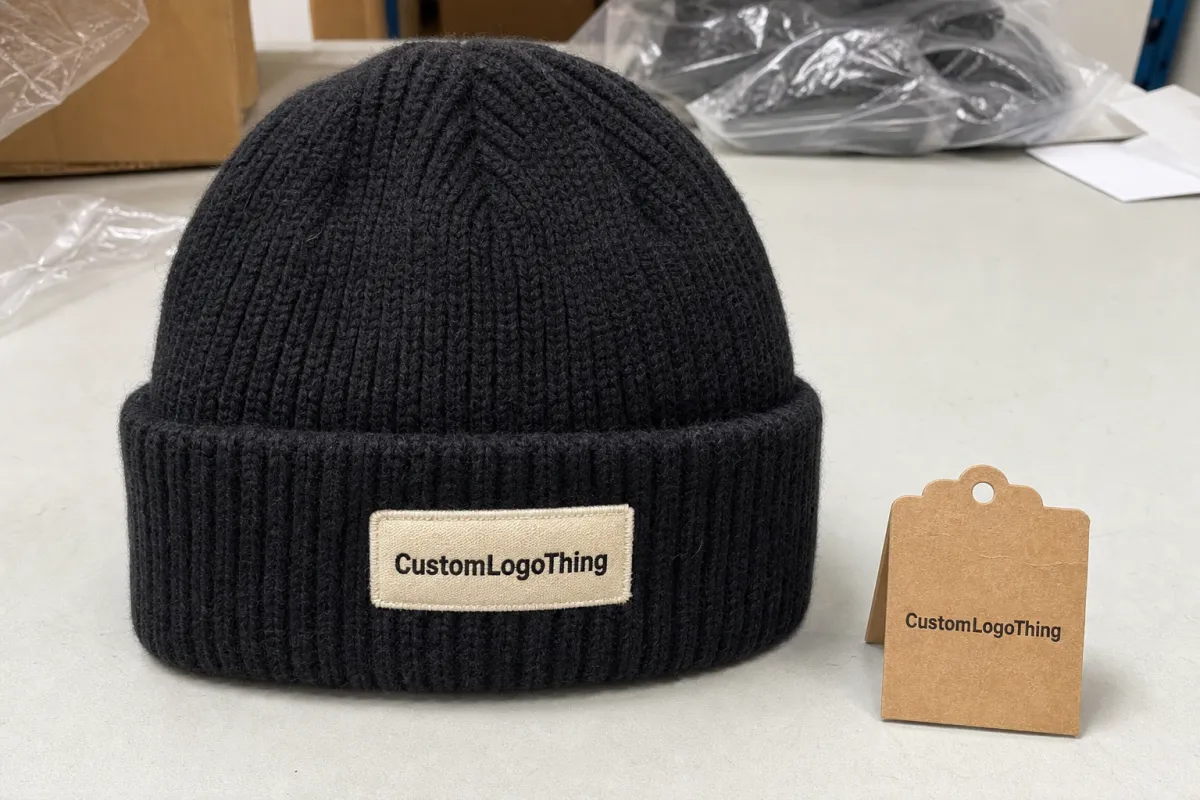
From a packaging buyer's point of view, hotel ribbed winter beanies do three jobs at once. They keep staff warm, they work as branded guest merchandise, and they give a property a seasonal item that does not take much storage space. That is a better combination than bulky scarves or gloves, which are harder to size, harder to pack, and easier to miscount.
For hotels, the appeal is simple. One size fits most. The category is unisex. Reorders are manageable. And if the program is built around one approved spec sheet, the same item can be rolled out across locations without redesigning the whole thing every time the weather turns.
The tricky part is that small construction changes affect the finished look more than most buyers expect. A two-millimeter shift in cuff height can make the logo sit too low. A yarn that is too light can make the hat collapse instead of sitting neatly. A logo that is too wide for a ribbed surface can distort as the knit stretches. None of that is dramatic. It is just enough to make the hat look cheaper than it should.
That is why the order should start with use case first:
- Front desk giveaways need strong brand visibility and clean folding.
- Staff gear needs comfort, stretch recovery, and washable materials.
- Retail add-ons need better finishing, clearer tags, and tighter color control.
Honestly, the best hotel programs are the boring ones. Same color code. Same decoration method. Same packaging. Same carton labels. Boring is what keeps reorders painless and keeps the second run from drifting away from the first.
Ribbed knit details that decide comfort, stretch, and brand feel
Rib construction decides a lot more than people expect. A 1x1 rib uses one knit stitch and one purl stitch in sequence, which gives a tighter, cleaner surface and better recovery after stretching. A 2x2 rib looks chunkier and more casual, with a bit more visual texture. Both can work, but they do not say the same thing.
If the hotel wants a polished lobby product, 1x1 rib usually reads cleaner. If the goal is a relaxed winter retail item, 2x2 can feel more substantial. The choice affects how the cuff sits, how the logo lands, and how much the beanie stretches before it starts to distort.
Material mix matters just as much. Acrylic is the value workhorse because it is light, warm enough for most programs, and easy to keep in a predictable color range. Recycled acrylic gives a better sustainability story without moving too far away from the usual handfeel. Wool blends feel warmer and more premium, but the unit cost climbs and some buyers need to think harder about care instructions and skin sensitivity.
A practical spec range for hotel Ribbed Winter Beanies:
- Weight: about 65g to 120g per beanie depending on yarn and construction.
- Cuff height: usually 2.5 to 3.5 inches for a balanced look.
- Flat width: often 8 to 9.5 inches on a one-size style.
- Crown depth: typically 8.5 to 10.5 inches for a standard fit.
Decoration choice is where ribbed fabric gets picky. Flat embroidery is the safest option for most hotel programs, because it holds detail and stays familiar to buyers. Woven patches work well when the logo has small type or more than a few colors. Sewn labels can look clean on the cuff, but they need enough contrast or they disappear into the knit.
Small text usually fails here. Thin scripts, tiny taglines, and line art below about 18 mm tall tend to blur once the knit stretches. That is not the supplier being difficult. That is the surface telling you the truth.
Color matters more than most buyers expect. Solid yarn colors give the cleanest logo contrast. Heather yarns soften the look, which can be attractive, but they also make brand colors read less sharply. Melanges and speckled yarns add texture, yet they can turn a strong logo into visual mush under warm indoor light.
"If the knit is busy, the logo has to work harder. If the logo is small, the knit has to stay quiet."
Size, logo placement, and packaging specs to lock down early
One-size-fits-most works for most hotel programs, but do not treat that as a lazy shortcut. A beanie that fits but sits awkwardly is still a bad buy. Before quoting, confirm whether you want a standard adult fit, a taller cuff, an oversized slouch style, or a smaller profile for retail shelves. For broad guest programs, a finished circumference around 20 to 23 inches is a sensible starting point, but the sample still decides the final call.
Logo placement needs to be decided before production, not after. The most common spot is centered on the cuff, because it stays visible even when the hat stretches. Side placement works if the logo is simple and the knit is thick enough to support it. Back placement is less common, but it can work for subtle hospitality branding. What matters is that the artwork fits the available knit area without crowding the edges.
For artwork, send a vector file and give clear Pantone references. If the logo includes embroidery, the supplier should also quote stitch counts, thread colors, and minimum logo size. That saves time and cuts down on the familiar blame game when the first proof looks wrong.
Packaging should be part of the spec, not an afterthought. Bulk packed cartons keep costs down. Individual polybags protect retail-ready units and help if the hats are going into distribution channels. Hang tags, barcode stickers, and folded insert cards all add cost, but they also make the item easier to present and scan. For hotel programs, I usually see these choices split into two buckets:
- Operational packing: bulk cartons, carton labels, and simple size sorting.
- Guest-facing packing: polybags, hang tags, barcode labels, and neat fold standards.
A Sample Approval Checklist should cover color, stretch, embroidery density, seam comfort, folding method, and carton markings. If a beanie scratches the forehead seam or opens too much at the crown, that is not a minor issue. Guests notice that fast.
For sustainability-minded programs, ask whether tags or cartons can use FSC-certified paper, and check whether the freight packout needs drop testing. The standards from ISTA are useful if the order is moving through multiple handling points, while FSC helps keep paper components aligned with wood-source expectations.
Pricing, MOQ, and unit cost tradeoffs for bulk winter beanies
The MOQ usually changes with decoration method, yarn choice, and whether the beanie is a stock build or a more custom knit. Simple stock-color embroidered beanies often have lower minimums. Once you add special yarns, custom labels, or full package branding, the minimum rises. That is normal. Setup takes real time.
Here is a practical pricing view for bulk hotel beanies. These are working ranges, not promises. Exact pricing changes with yarn availability, logo complexity, shipping destination, and the number of colors in the decoration.
| Build type | Typical MOQ | Indicative unit price | Best use |
|---|---|---|---|
| Stock acrylic, 1-color embroidery | 100-500 pcs | $3.80-$6.20 | Staff warmth, simple giveaways |
| Recycled acrylic, woven patch | 300-1,000 pcs | $4.90-$7.40 | Retail add-ons, cleaner sustainability story |
| Wool blend, custom label and embroidery | 200-800 pcs | $6.90-$10.80 | Premium guest merchandise |
The cost curve is predictable. Higher quantity lowers the unit price, but only to a point. A 100-piece order is usually expensive because setup is spread over fewer units. A 300-piece order often gives a better balance. By 1,000 pieces, the unit rate may drop again, but only if the decoration stays simple and the packaging does not get fancy.
There are also hidden costs that muddy quotes. Digitizing a logo for embroidery. Color matching. Sample shipping. Rush fees. Split shipments. Special fold instructions. Nobody likes these line items, but they exist because they take labor and add risk.
Good budgeting usually means protecting the visible parts first. If the beanie is guest-facing, keep the yarn and logo quality where they should be, then save money on packaging before you start trimming the decoration. A cheap hat with a perfect box is still a cheap hat.
If a quote hides setup fees inside the unit price, ask for a breakdown. The useful version lists unit price, digitizing, sample cost, packaging, and freight terms separately. Anything less makes comparison harder than it needs to be.
Process and lead time from artwork approval to shipment
The production path should be clear from the first email. Inquiry, quote, mockup, sample approval, bulk production, quality check, packing, shipment. If a supplier cannot explain that sequence, the project will probably drift once the order is live.
- Inquiry and quote: share quantity, use case, logo file, and due date.
- Mockup: confirm placement, color, decoration, and packaging.
- Sample approval: review actual knit, trim, and logo quality.
- Bulk production: knit, decorate, finish, and pack.
- Inspection and shipment: check cartons, counts, and freight documents.
Lead time depends on materials and decoration, but a practical range for custom ribbed beanies is often 5 to 10 business days for sampling and 12 to 20 business days for bulk production after approval. Wool blends, specialty labels, or large multi-location orders can push that longer. If someone promises a custom order in a few days without clarifying stock and decoration limits, ask more questions.
What speeds production up? Clean vector artwork. Confirmed Pantone colors. One decision-maker on the buyer side. Fast sample review. What slows it down? Logo revisions after the sample is already built. Late packaging changes. Split opinions from marketing, operations, and procurement. That is where calendars go to die.
Rush orders can work if the yarn is in stock and the decoration is simple, but they cost more because the factory has to reshuffle its schedule. Expect less room for rework and less tolerance for fuzzy instructions. Rush is not a bargain. It is a tradeoff.
Another detail that gets missed: winter orders often compete with other seasonal apparel runs. If a hotel wants delivery before a cold-weather promotion or holiday occupancy spike, the approval window needs to be tight. Waiting three days on a logo revision can matter more than the actual knitting time.
What an experienced supplier should handle for a hotel program
A supplier worth keeping should be able to remake the same beanie later without drifting on color, logo size, or stitch density. That matters more than a polished sales email. Reorders are where quality control gets exposed. If the second run looks different from the first, the hotel inherits the problem.
Expect practical answers, not fog. A good vendor should tell you if a logo is too small for the knit, if a patch is better than embroidery, or if the requested yarn is likely to show inconsistencies. That kind of honesty saves time. It also avoids the fake confidence that tends to show up right before a production mistake.
Quality control should include pull samples, stitch inspection, measurement checks, and carton count verification before freight leaves. For shipping-heavy programs, ask how cartons will be packed and labeled, especially if the order is moving to multiple properties. Multi-location distribution is normal in hospitality. The process should not feel improvised.
Here is where an experienced supplier should earn trust:
- Repeat order consistency across color, placement, and sizing.
- Transparent fabric availability so you know what is in stock and what is not.
- Clear packout options for bulk cartons, retail bags, or mixed allocations.
- Reasonable QC checks before shipment, not excuses after shipment.
For transit performance, ask whether the packout matches expected handling. Cartons that travel through distribution centers benefit from clear SKU labels, moisture protection if needed, and reasonable carton weights. This is ordinary freight logic, not luxury treatment. But ordinary freight logic is what keeps the order intact.
If the hotel uses multiple properties, the order should also include a simple allocation sheet. Otherwise someone in receiving will spend half a day splitting the shipment by hand. That is not a product failure. It is a planning failure.
What to send for a clean quote
If you want a straight quote, send the actual decision set. Quantity, delivery date, logo file, Pantone references, decoration method, and packaging needs. That alone cuts down on back-and-forth. The more complete the request, the less the supplier has to guess.
Also state the use case. Staff gear, guest giveaways, and retail stock do not need the same spec. Staff gear can often accept simpler packaging. Retail stock may need better folding, tags, and barcode labels. Guest giveaways may care more about cost per unit and less about display polish. The moment you say what the beanie is supposed to do, the quote gets sharper.
Good reference photos help too. Send a picture of the cuff height you like, the logo placement you want, and any items you want to match, such as scarves or gloves from the same program. If the hotel wants a winter set, say that early. Matching accessories are simpler when they are planned as a family, not forced together later.
A clean quote request usually includes:
- Quantity and split by color, if needed.
- Target delivery date and ship-to location.
- Logo file in vector format.
- Pantone references for yarn and embroidery thread.
- Preferred decoration such as embroidery, woven patch, or label.
- Packaging request such as bulk pack, polybag, or gift-ready fold.
One more thing: confirm the revision path. If marketing signs off on the logo, procurement signs off on the price, and operations signs off on packaging, the project should not bounce back and forth forever. Pick one decision chain and stick to it. That is how you avoid losing a production slot because five people wanted one more tweak.
For ribbed winter beanies, the quote is only useful if it reflects the real spec. A low number with vague packaging, vague decoration, and vague lead time is not a win. It is a delay waiting for a signature.
What MOQ should I expect for hotel ribbed winter beanies bulk orders?
Simple stock-color embroidered beanies often start at lower MOQs than fully custom knit builds. Expect the minimum to rise when you add special yarns, custom labels, or packaging. If you need multiple colors, ask whether they can be split within the same MOQ or counted separately.
Which logo method works best on ribbed winter beanies for hotels?
Flat embroidery is usually the safest option for most hotel programs. Woven or sewn patches help when the logo has fine detail or multiple colors. Avoid tiny text and thin lines because rib texture can distort them.
How long does a bulk order of ribbed winter beanies usually take?
Sampling is often faster than bulk production, but both need approval before the clock starts. Simple custom orders can move in a few weeks if materials are available and the artwork is finalized. Rush timelines are possible, but they cost more and leave less room for revisions.
Can hotel ribbed winter beanies match our brand colors exactly?
Provide Pantone references, not just a screen image, for the best color match. Solid yarn colors are easier to control than heather or blended yarns. Ask for a sample or strike-off if color accuracy is critical.
What should be included in a quote for ribbed beanie bulk planning?
The quote should list unit price, setup or digitizing, sample cost, packaging, and freight terms. It should also show MOQ, lead time, and the exact decoration method being priced. If any of those items are missing, the number is not enough to make a clean decision.
Good hotel ribbed winter beanie planning is mostly discipline: lock the spec, confirm the logo, keep the packaging practical, and approve the sample before production starts. Do that, and the order becomes a repeatable program instead of a seasonal headache.